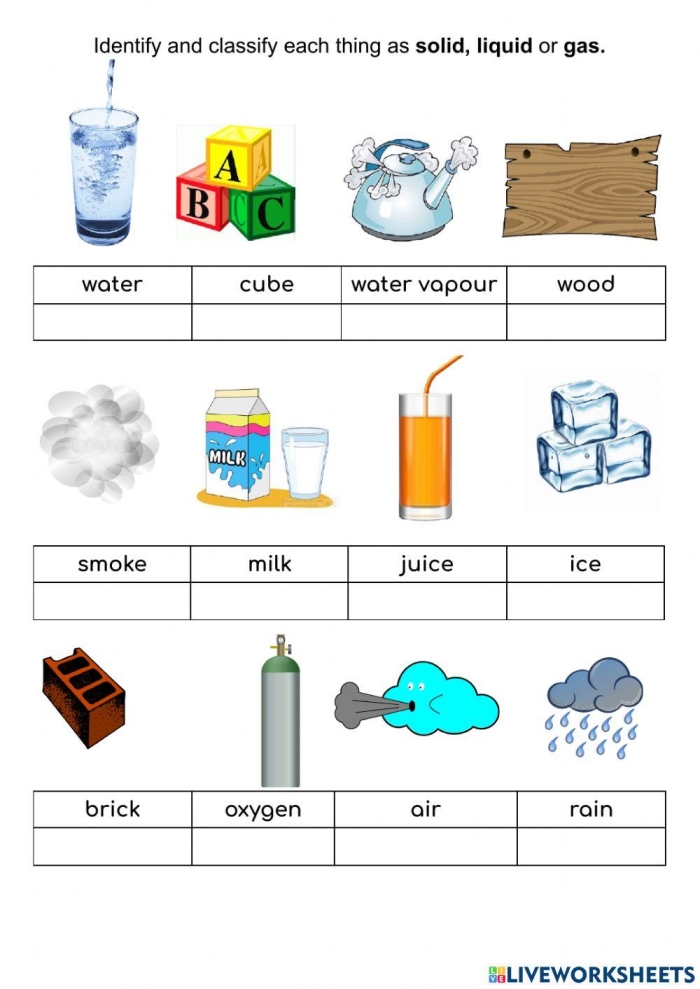
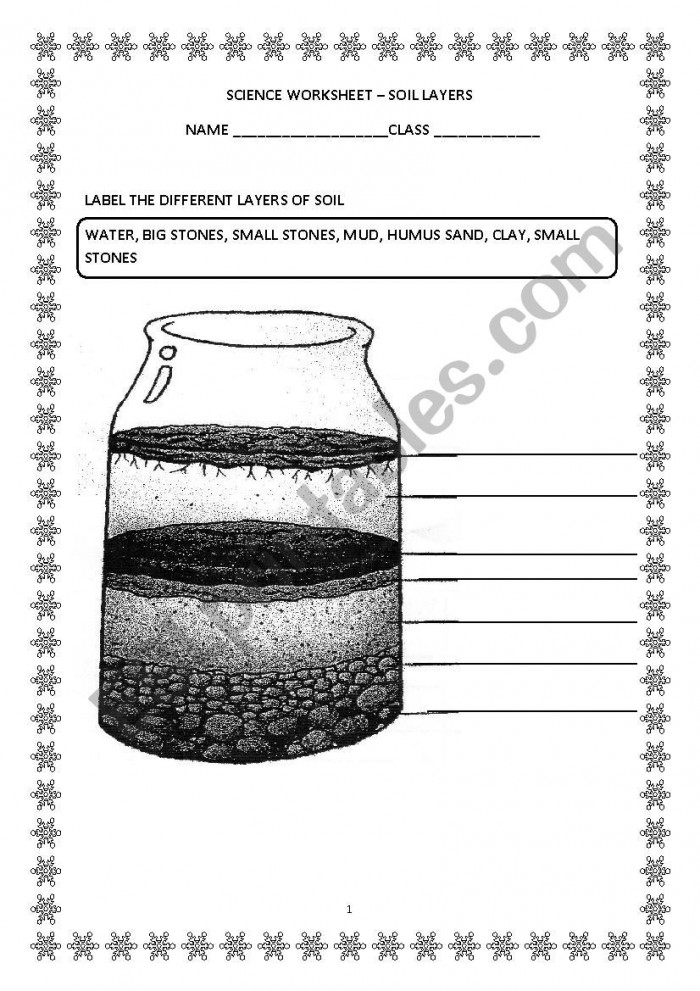
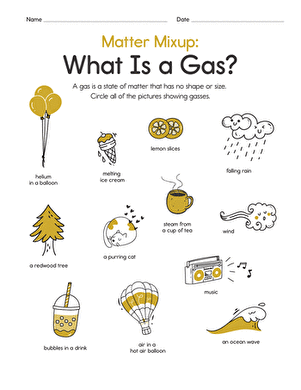
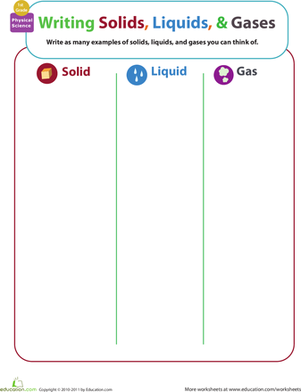
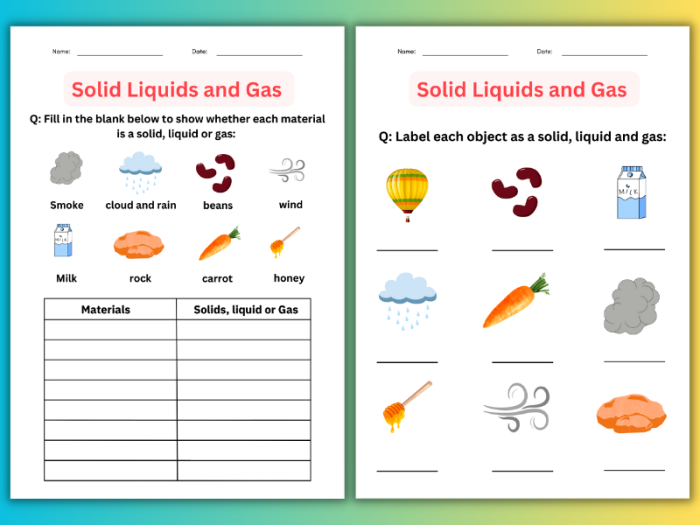
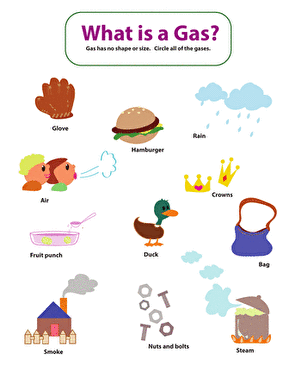
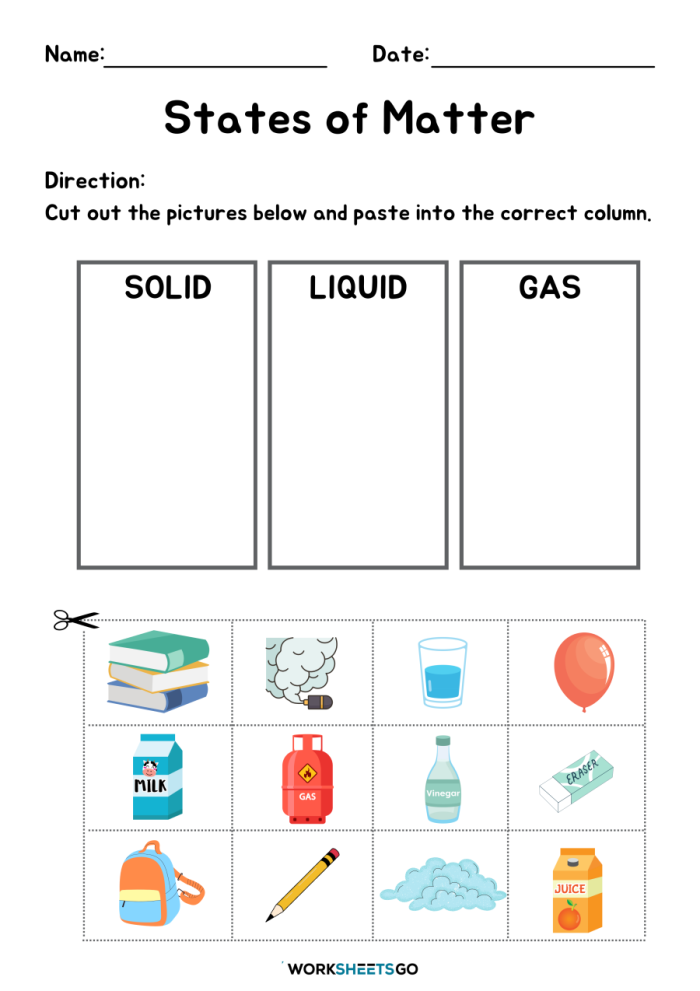
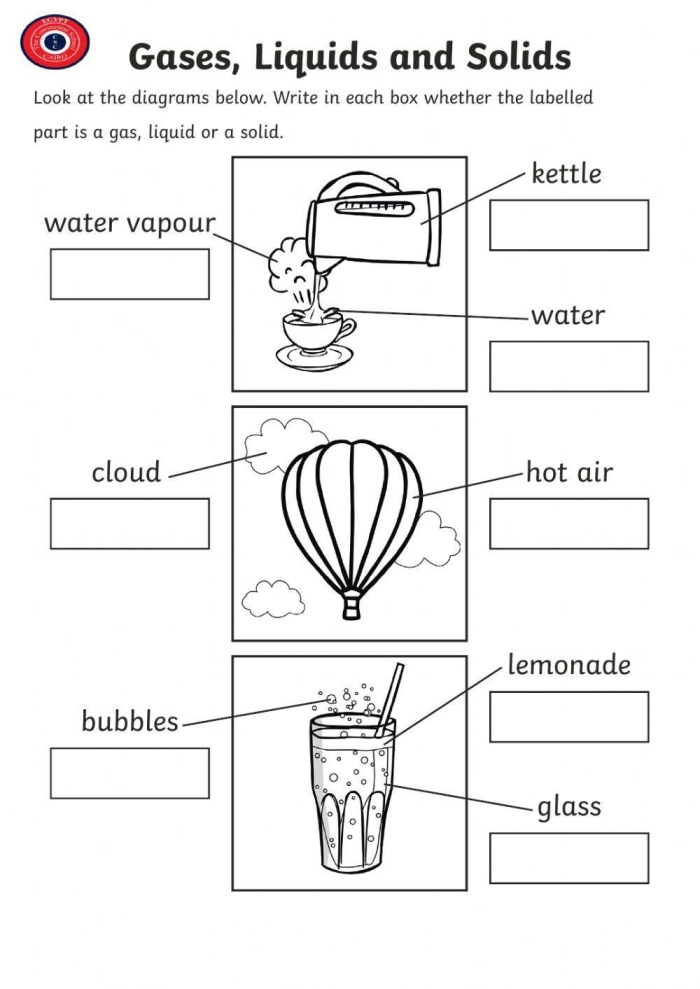
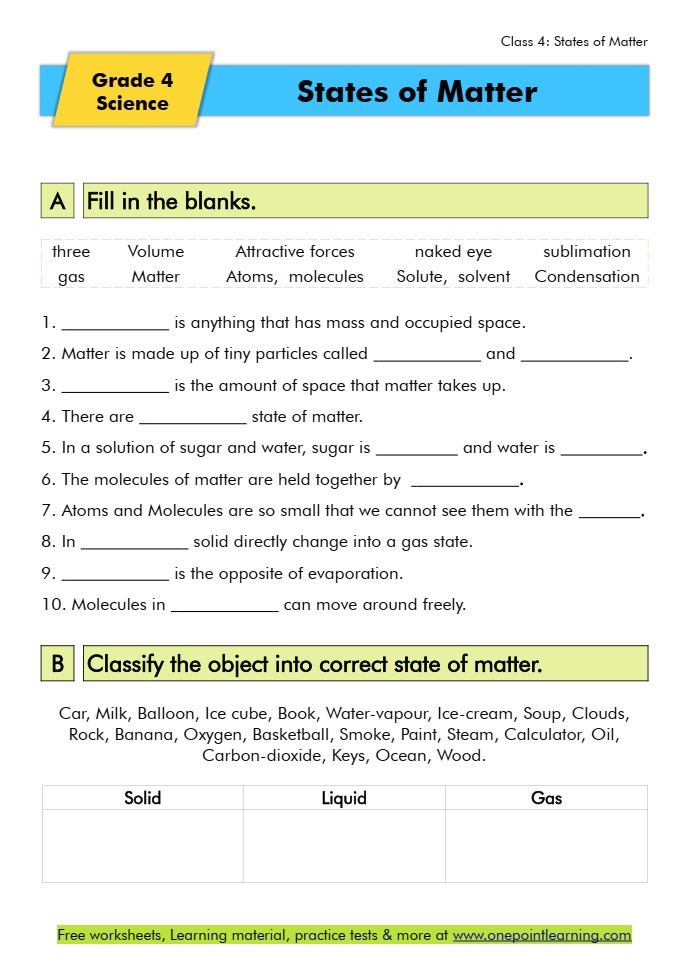
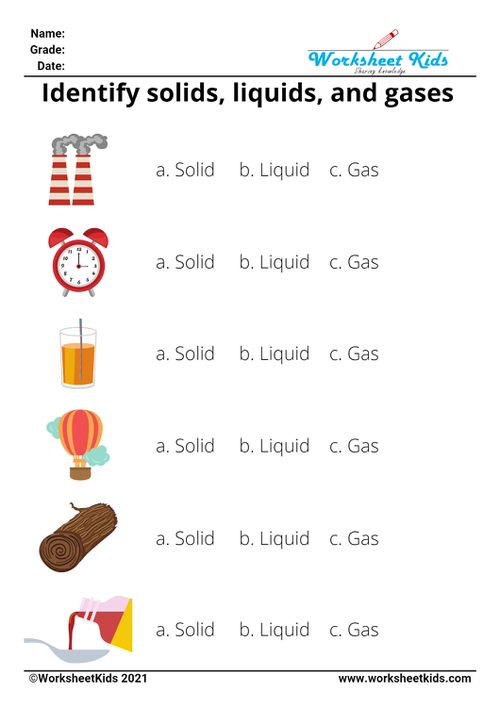
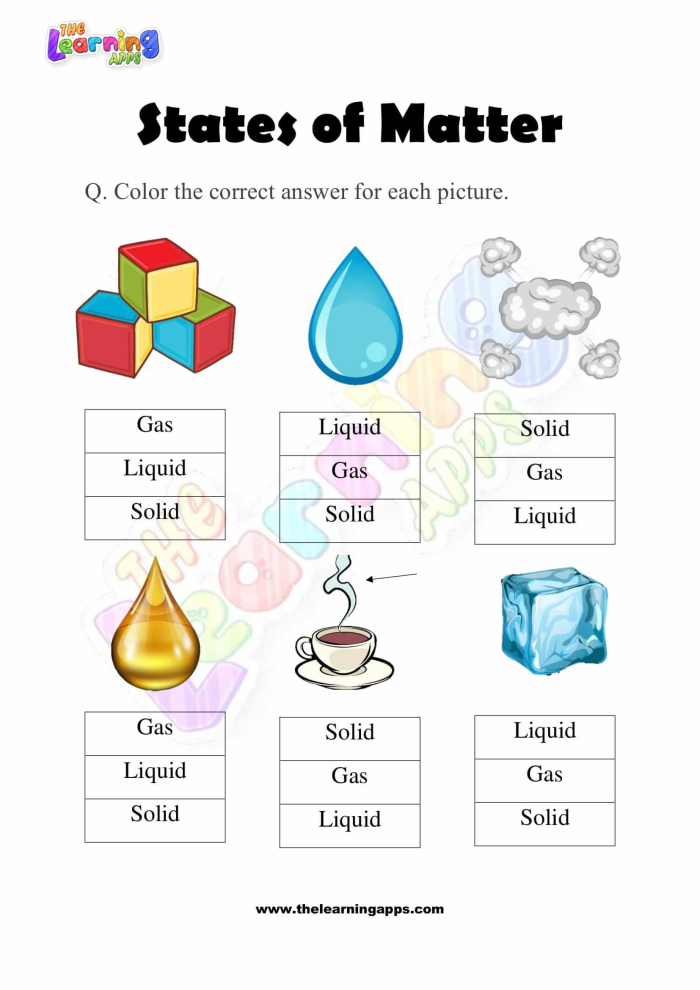
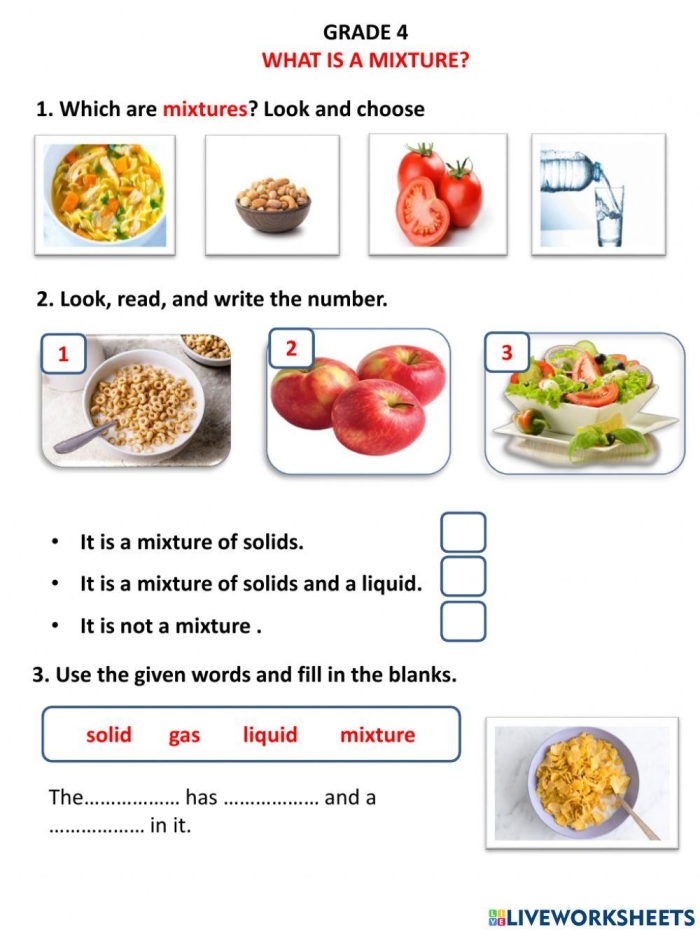
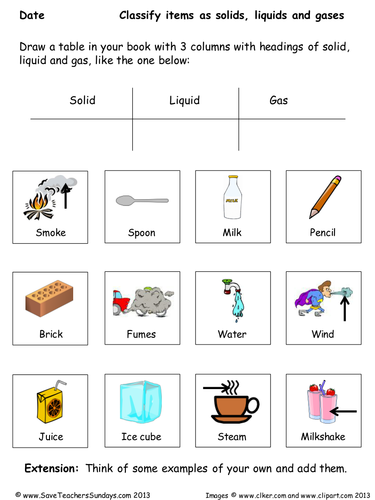
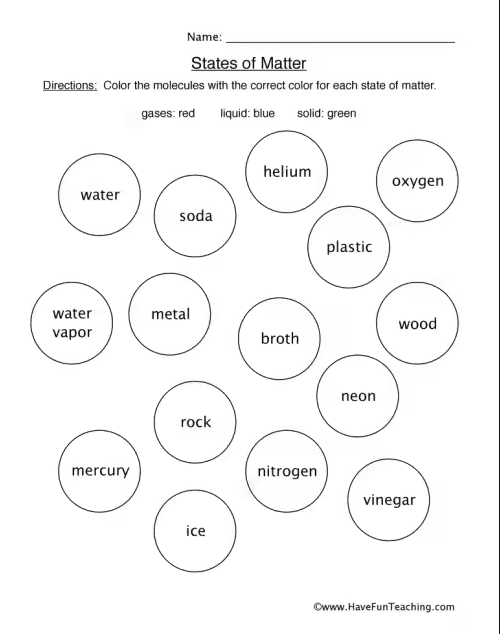
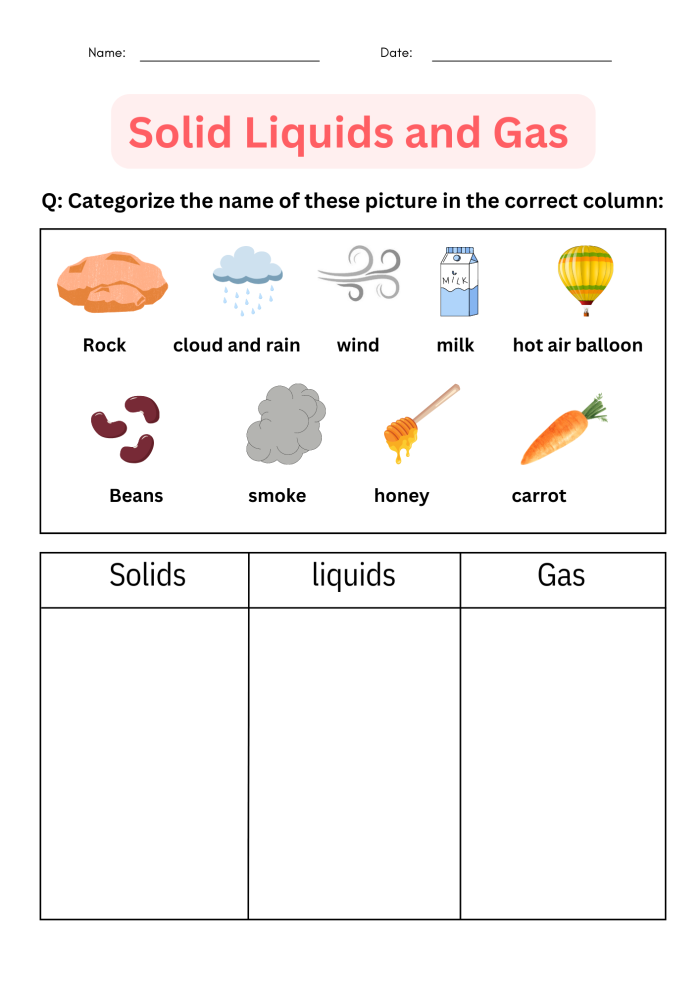
When first graders encounter their first formal science lesson on states of matter, identifying liquids becomes one of the most hands-on and memorable activities they’ll experience. This worksheet gives kids a practical way to recognize what makes a liquid different from solids and gases by examining everyday substances they encounter at home and school.
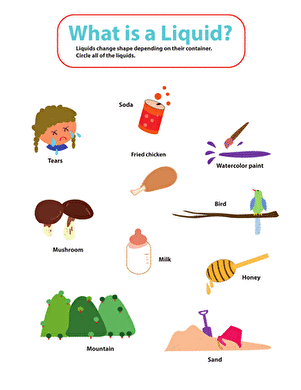
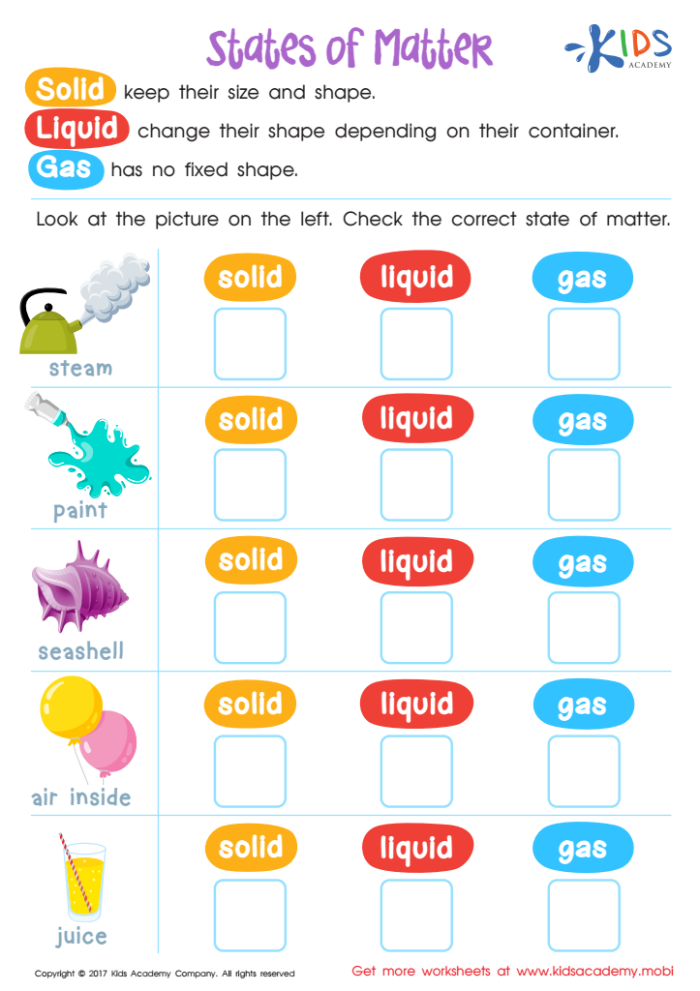
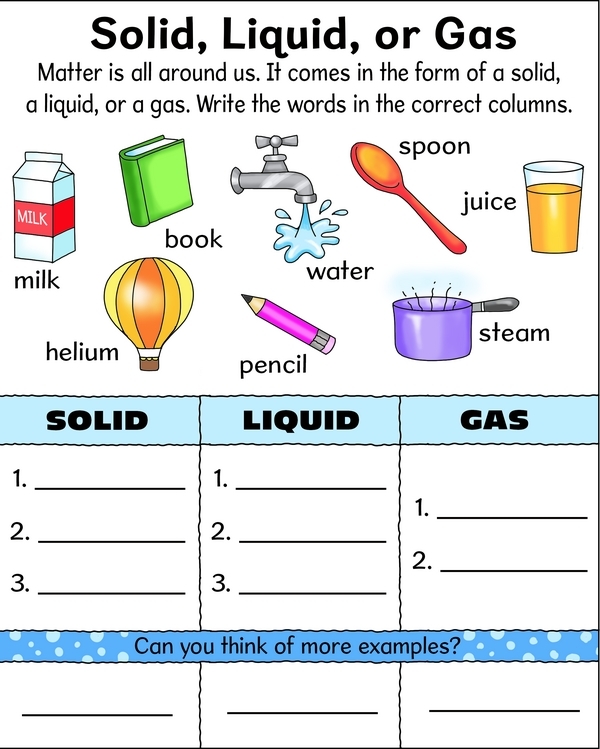
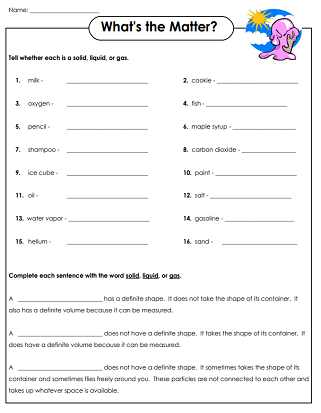
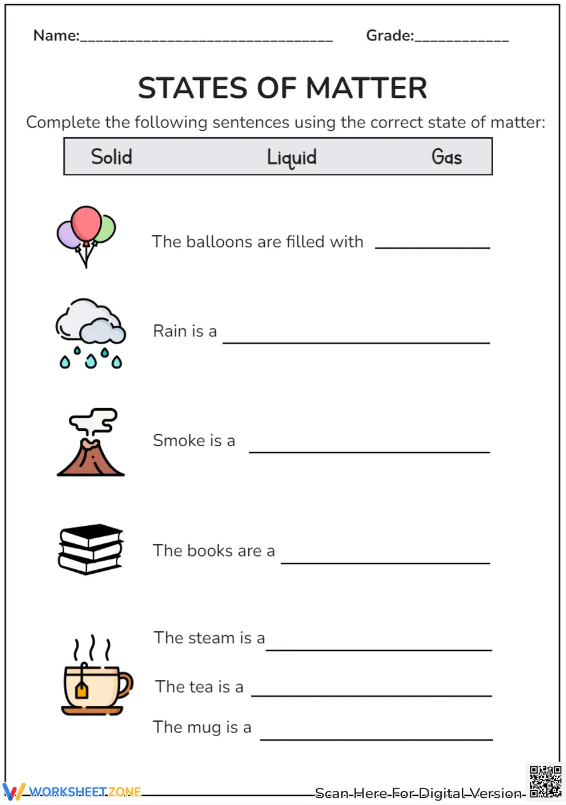
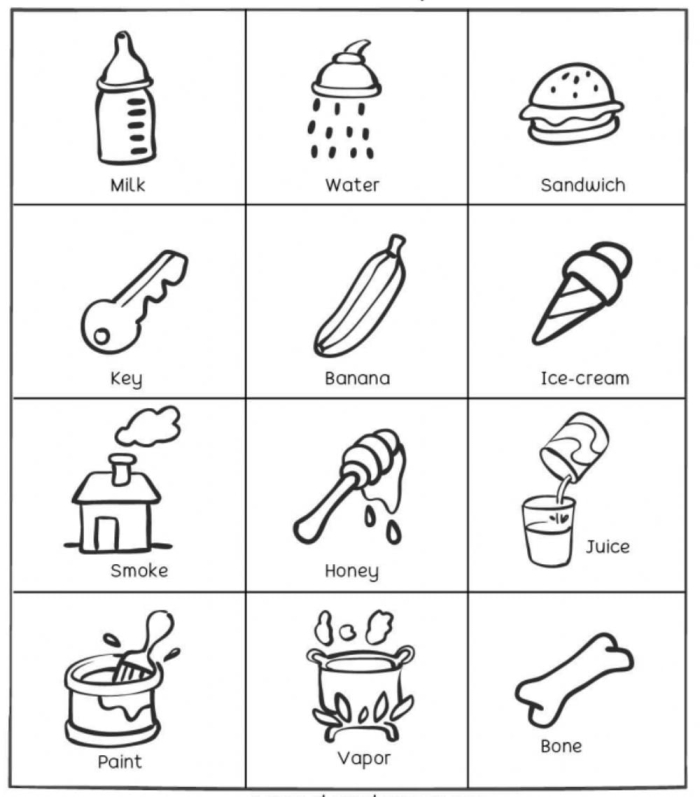
The core of this activity involves showing students various containers and asking them to determine which ones hold liquids. Water, juice, milk, and oil are typical examples kids can easily visualize. By sorting through pictures or descriptions of different substances, children begin to internalize the key characteristics of liquids: they take the shape of their container, they flow, and they can be poured. This sensory understanding sticks with them far better than simply reading a definition.
What makes this worksheet particularly effective is that it bridges abstract scientific concepts with concrete, observable reality. A child who has drunk milk from a cup or watched water splash understands liquids intuitively. The worksheet simply formalizes that knowledge and helps them distinguish liquids from other states of matter. Teachers often pair this activity with simple experiments, allowing kids to physically handle containers and feel how liquids behave differently than solids.
As students progress through first grade and into second grade science, they build on this foundation. They might encounter related concepts like measuring liquids or exploring how liquids change when frozen or heated. For those working with decimals in second grade math, understanding volume and measurement naturally connects back to these early liquid identification skills.
This worksheet serves as a stepping stone in the broader physical science curriculum. It’s simple, but it establishes vocabulary and observation skills that support more complex lessons down the road. By the time kids finish this activity, they’ve moved beyond just knowing what a liquid is—they can explain it and recognize it in their world.
Download These Worksheets for Practice