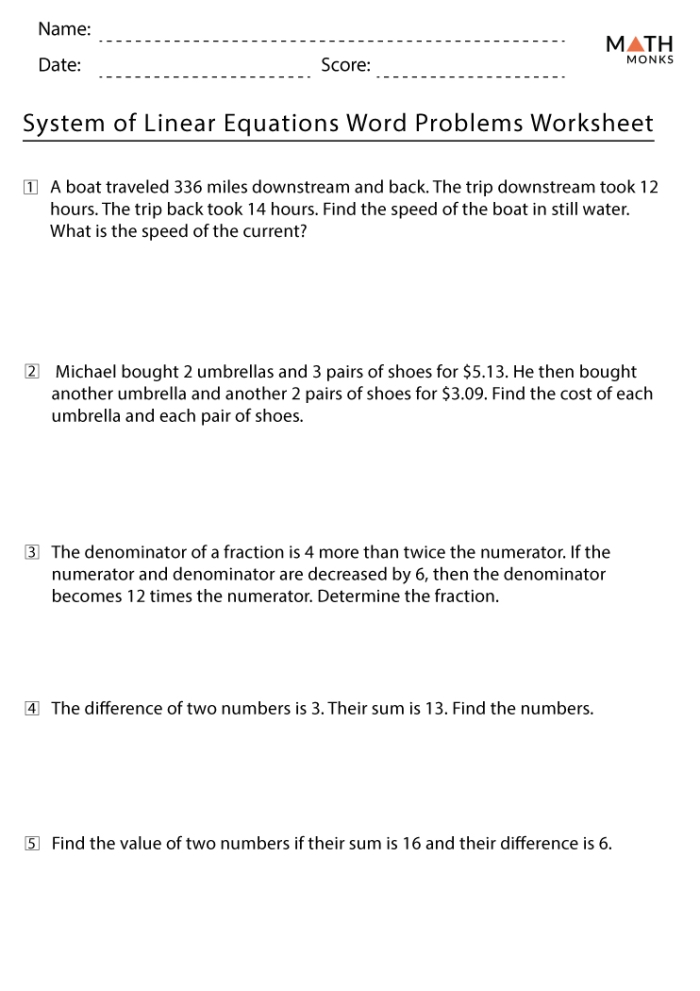
Linear functions show up everywhere in eighth grade math, and students often struggle most when these concepts appear in word problems. The jump from solving equations to interpreting real-world scenarios trips up many learners, which is exactly why dedicated practice matters so much.
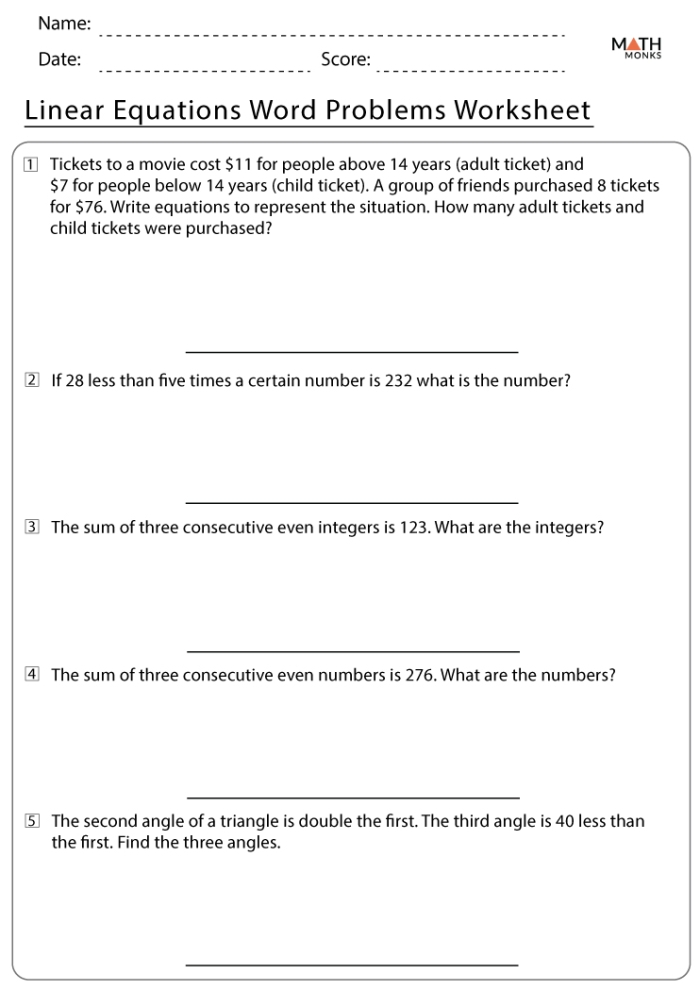
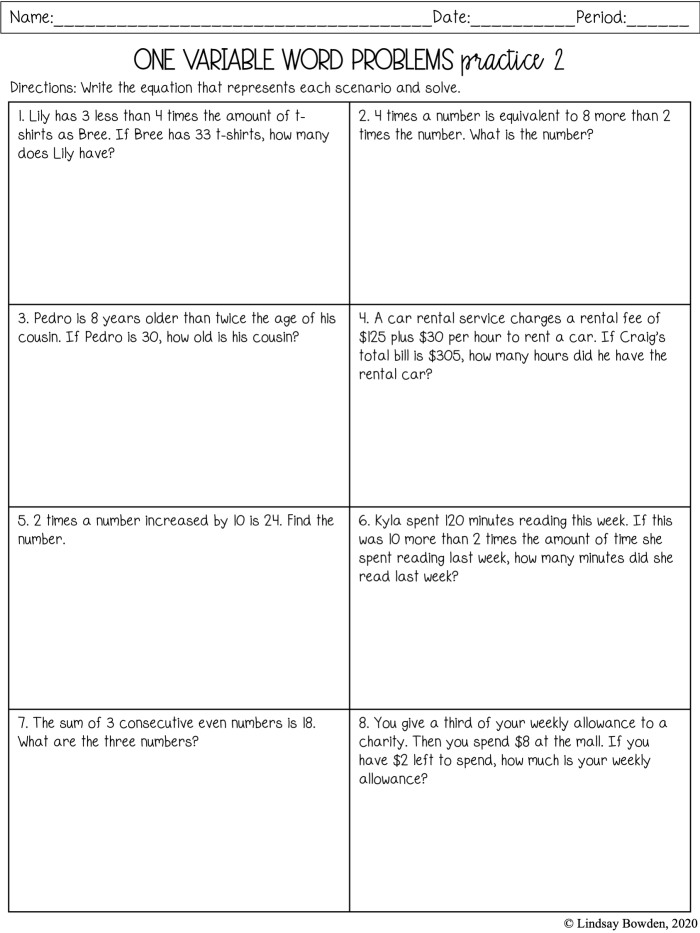
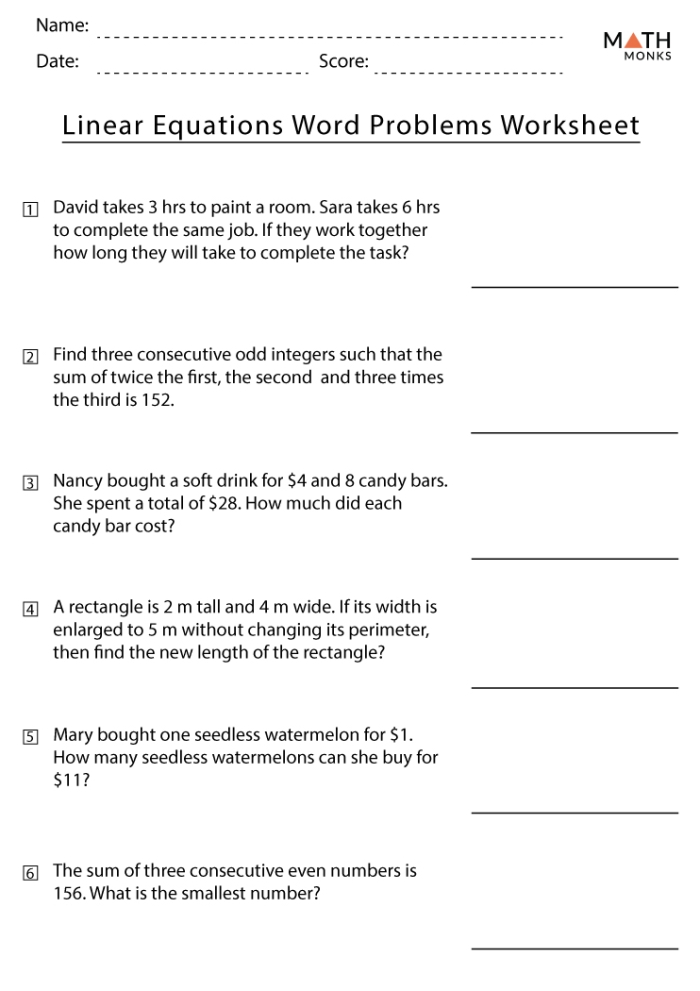
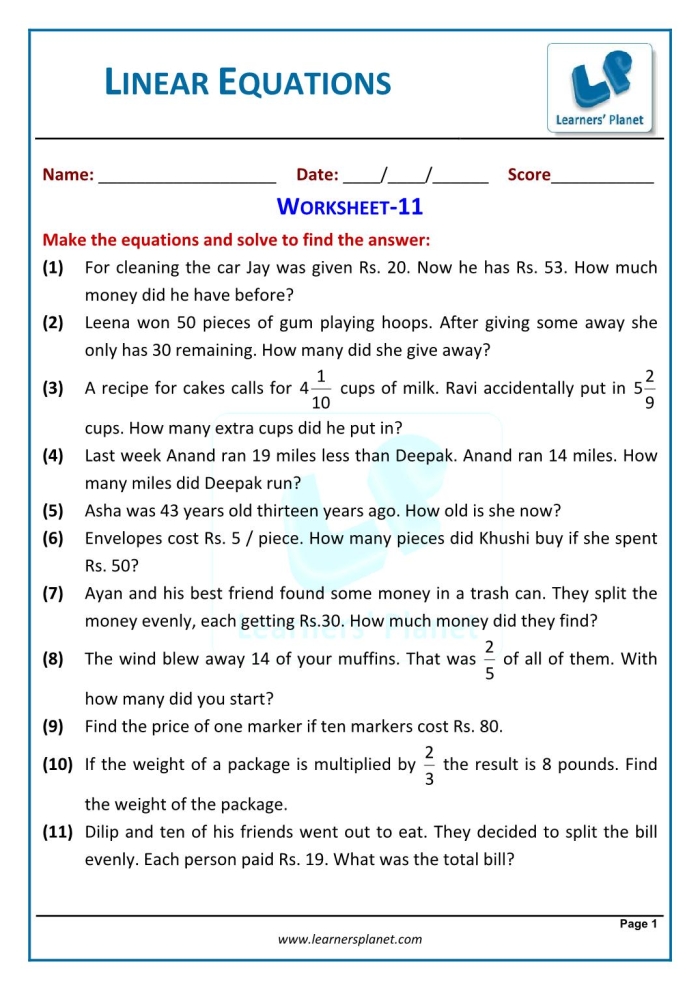
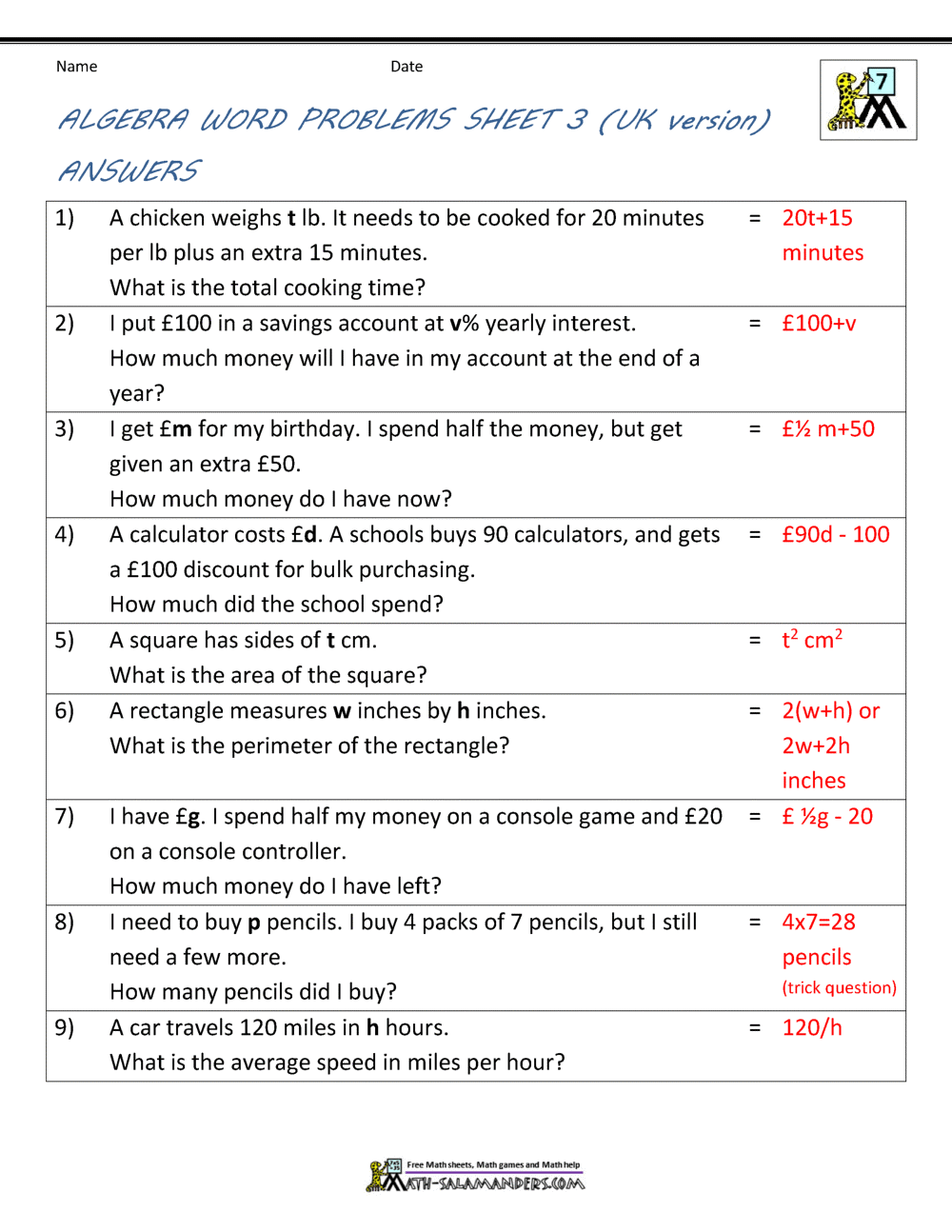
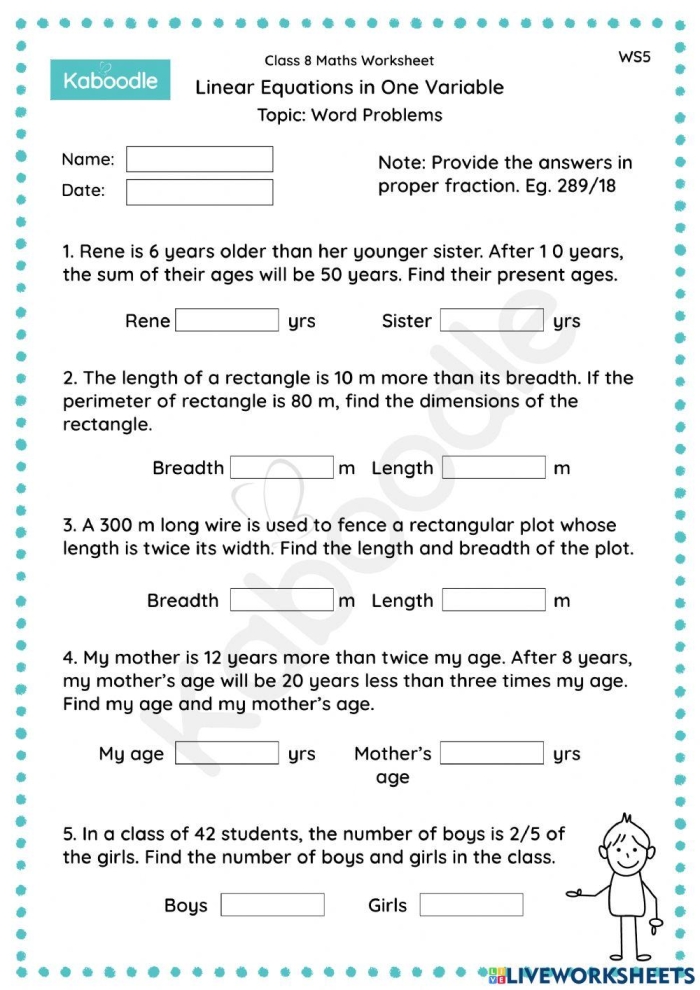
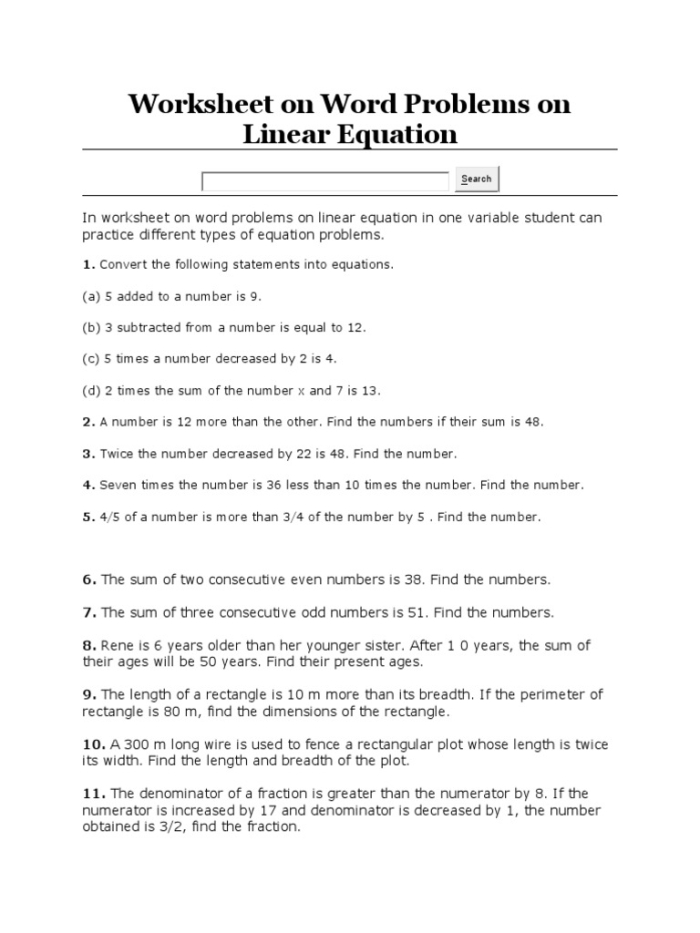
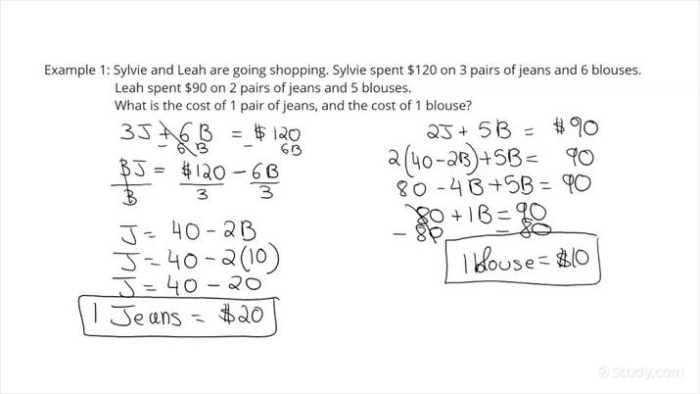
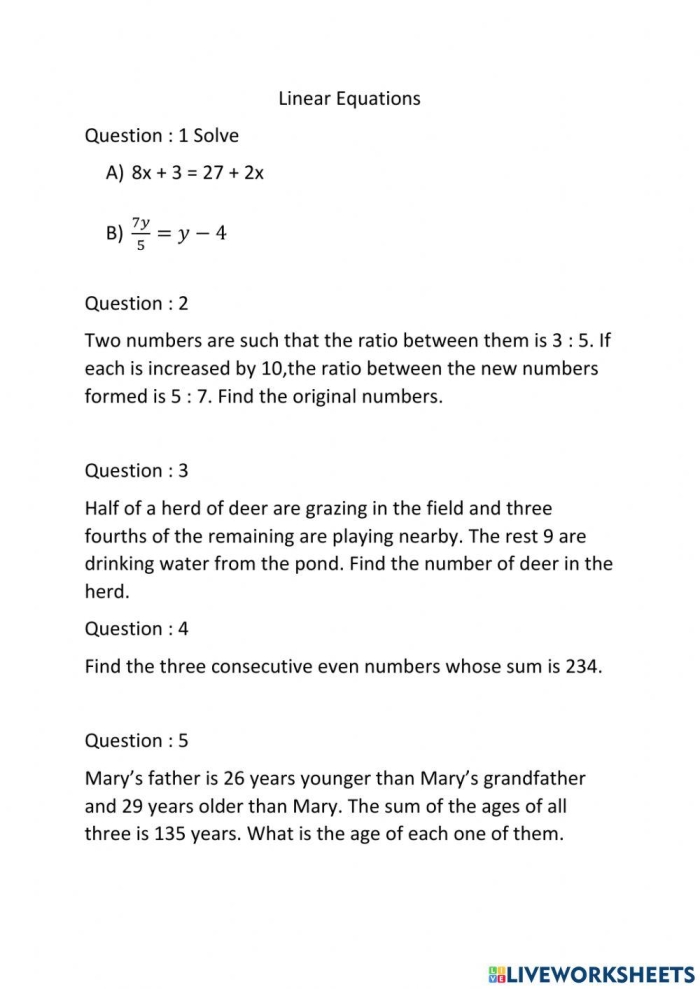
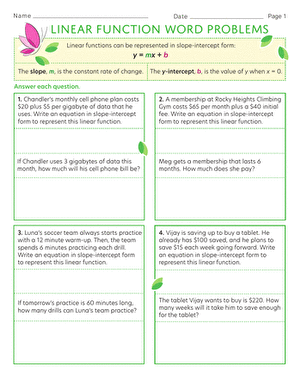
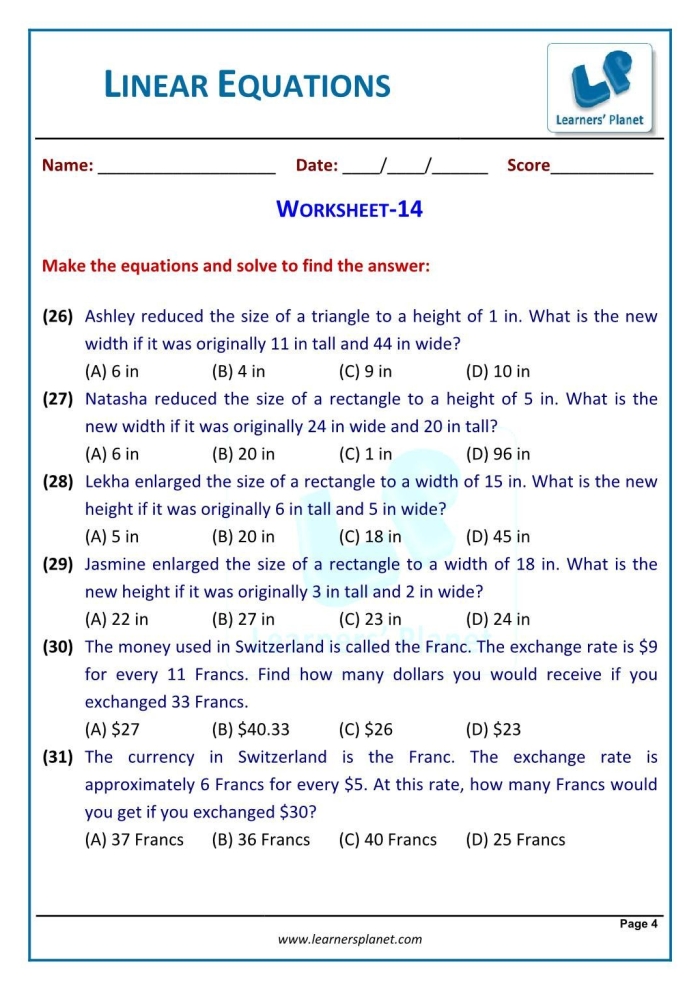
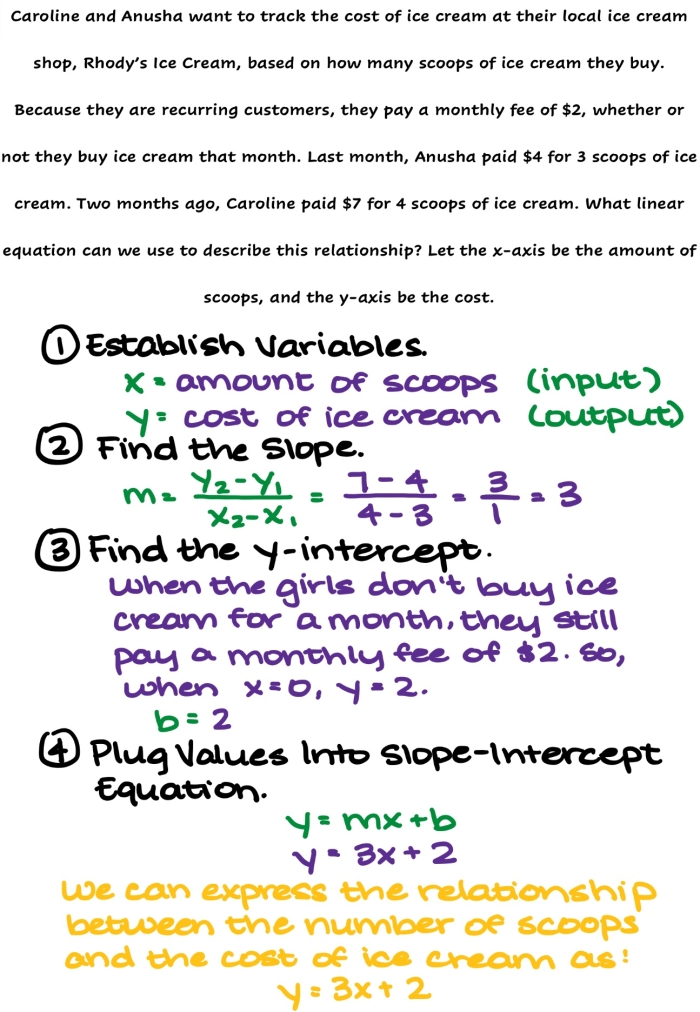
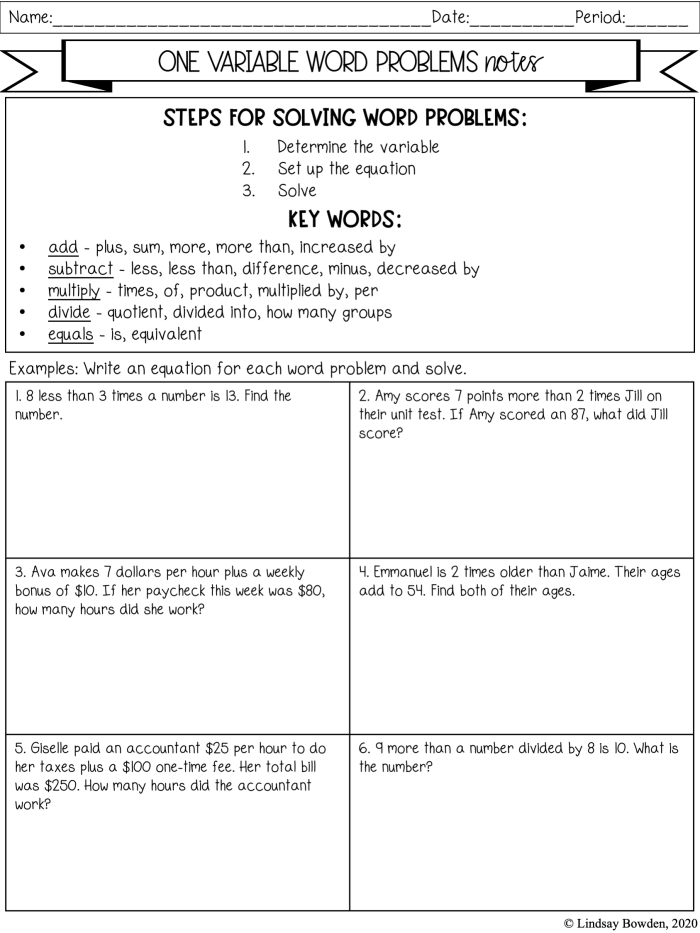
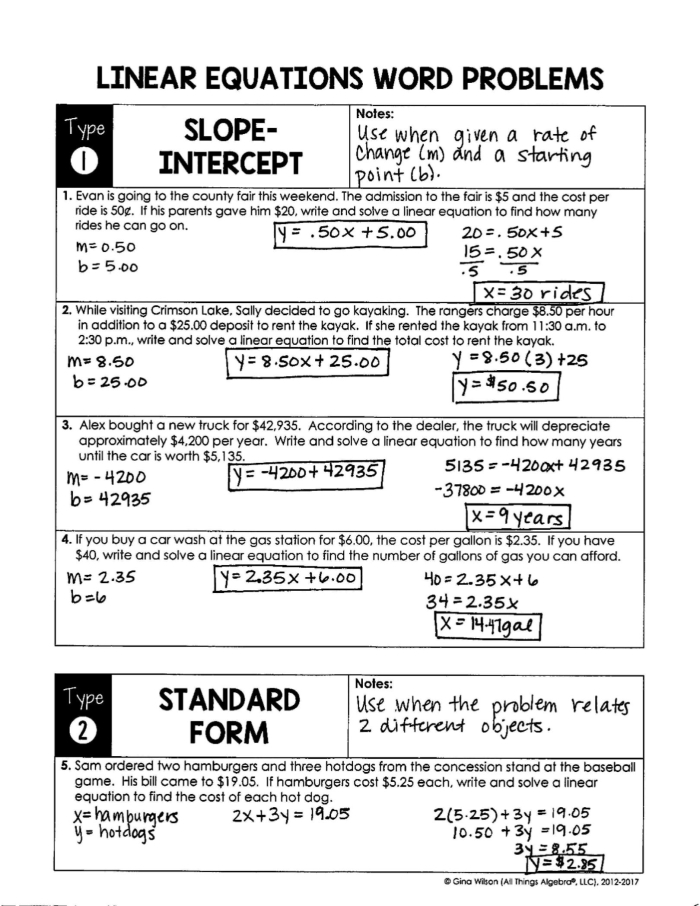
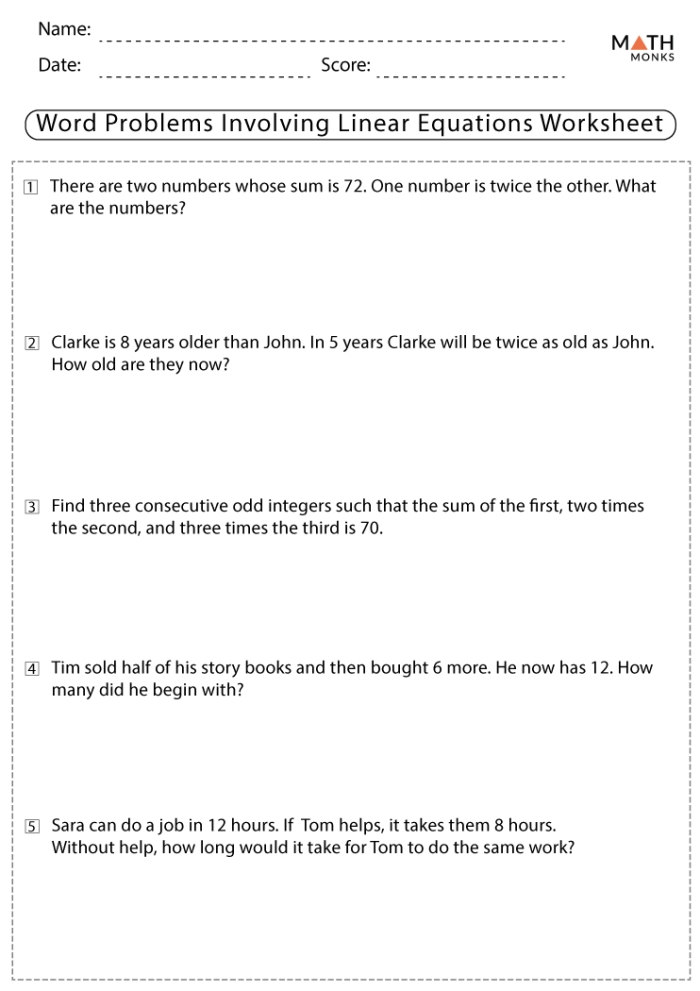
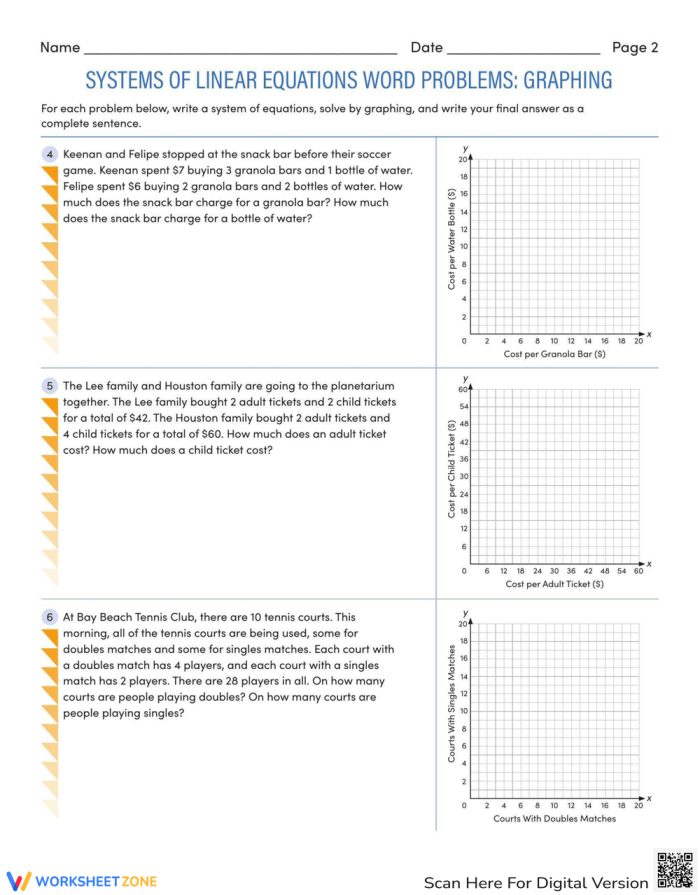
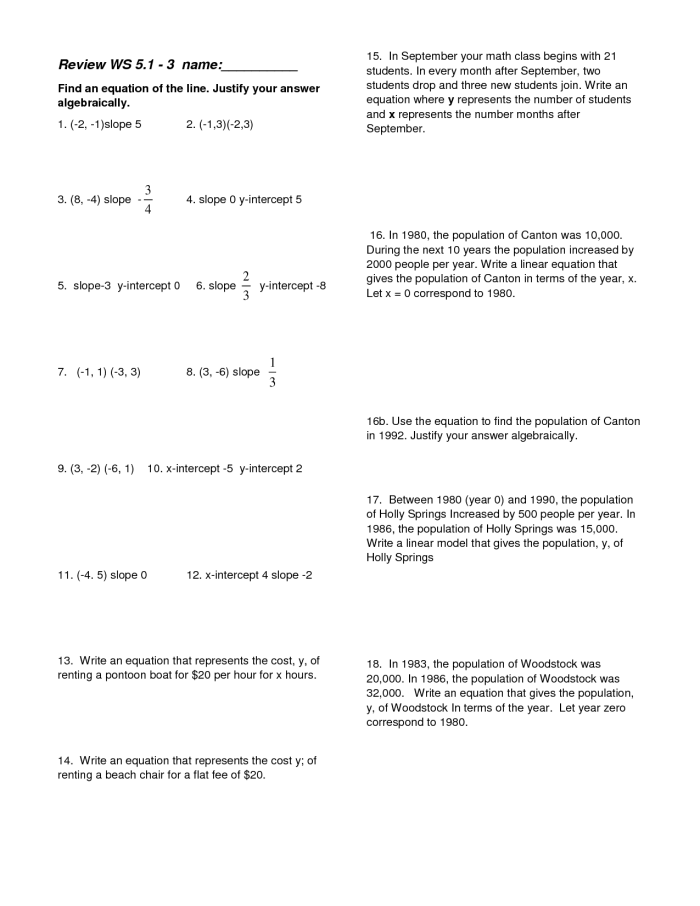
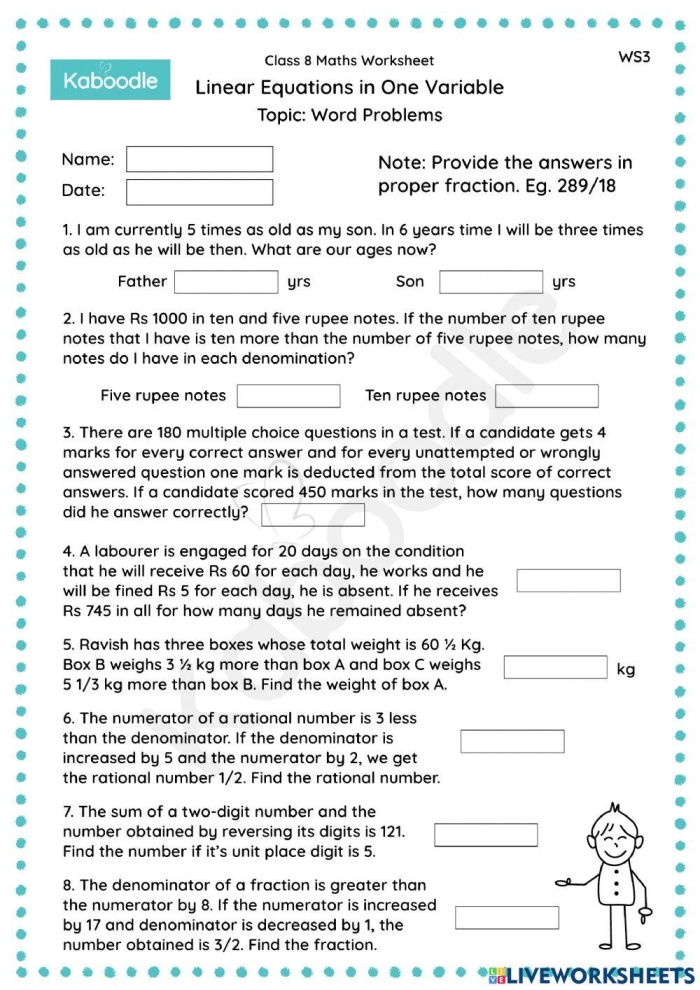
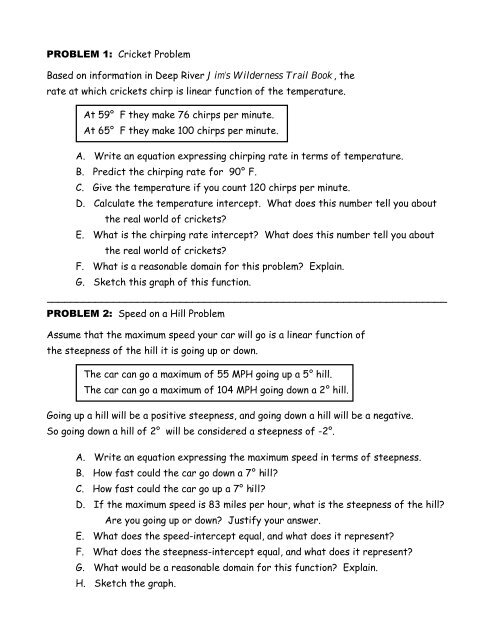
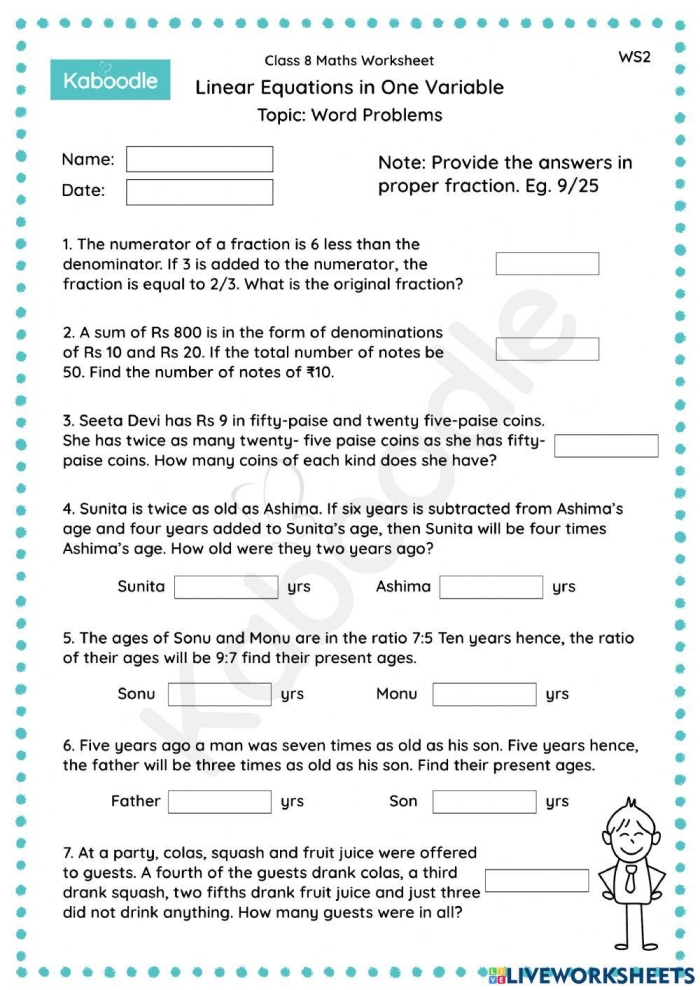
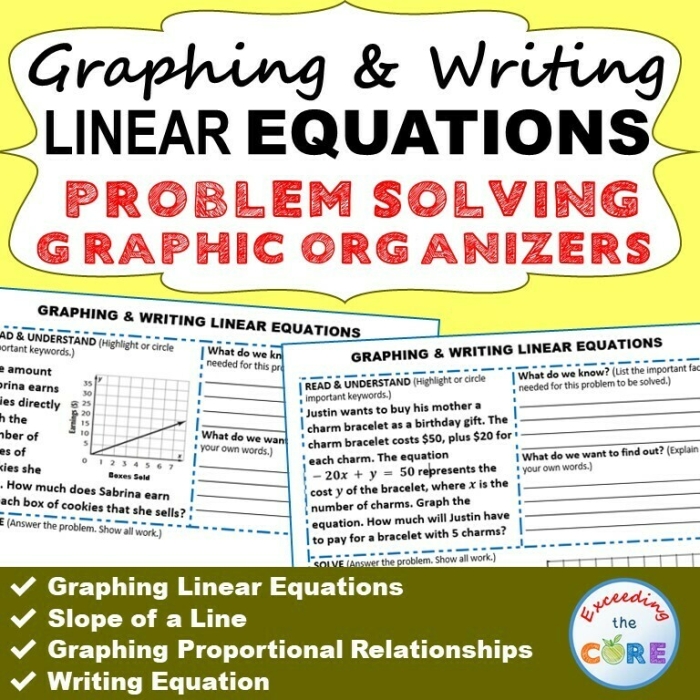
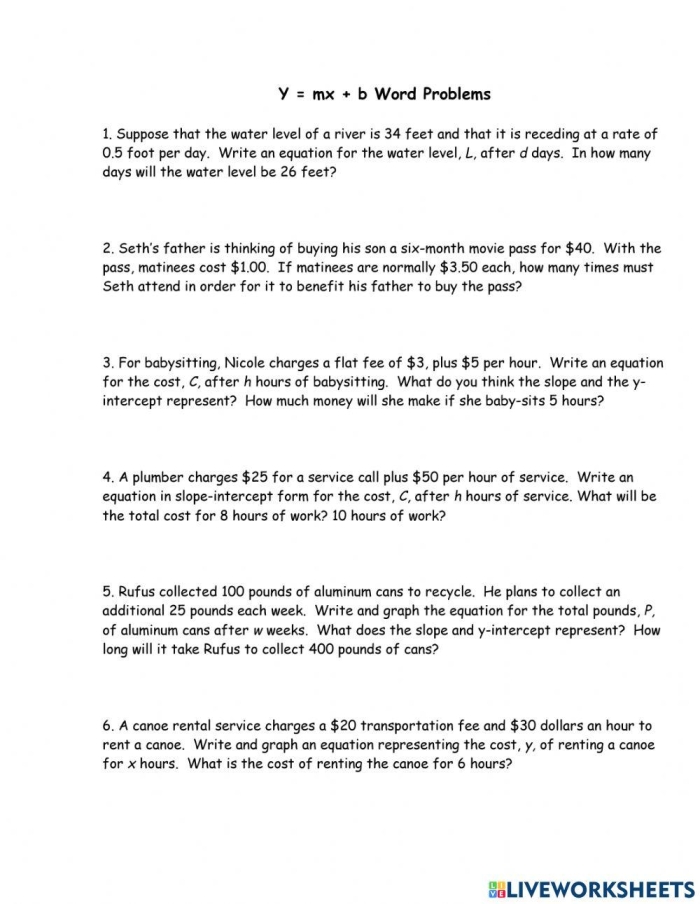
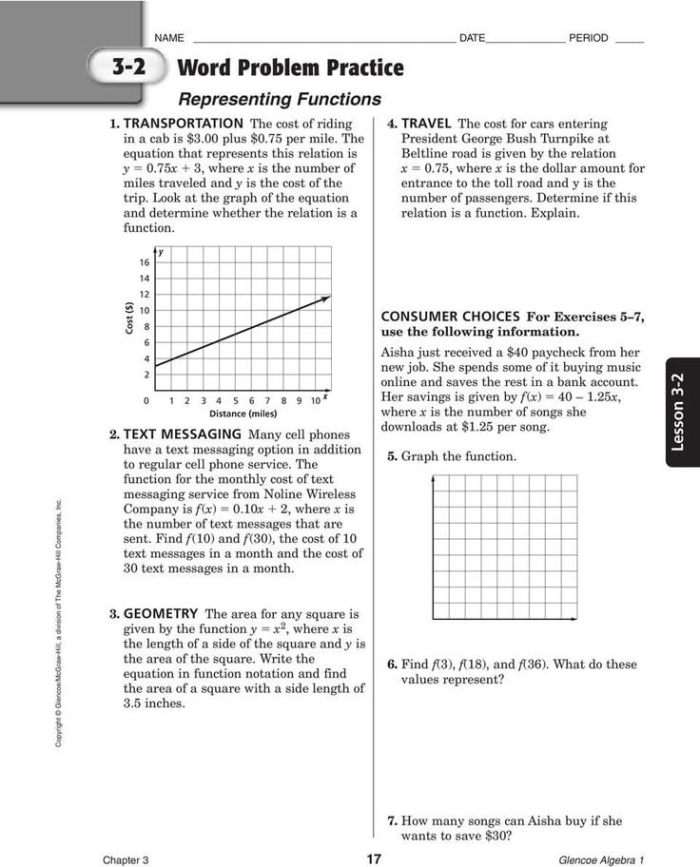
A two-page algebra worksheet focused on linear function word problems gives students the repetition they need to build confidence. These problems typically ask students to identify relationships between two variables, write equations in slope-intercept form, and then use those equations to answer questions. For example, a problem might describe a phone plan with a monthly fee and per-minute charges, asking students to calculate total cost after a certain number of minutes.
What makes these worksheets effective is that they force students to slow down and translate language into mathematics. Rather than jumping straight to calculations, eighth graders must first identify what the slope represents, what the y-intercept means, and how those pieces fit together. This reading comprehension aspect of math is just as important as the computational skills.
The two-page format works well because it provides enough problems to establish patterns without overwhelming students. After completing six or eight similar problems with different contexts, the underlying structure becomes clearer. A student might recognize that “per item” language signals slope, while “starting amount” or “initial fee” indicates the y-intercept.
Beyond linear functions, students benefit from practicing other foundational skills. Working through dividing decimals with models earlier in their math journey builds the computational fluency that makes algebra easier. Similarly, strong addition skills with regrouping create a solid foundation for more complex operations.
When eighth graders work through these word problems consistently, they develop the ability to recognize linear relationships in any context and respond with appropriate mathematical tools.
Worksheet Practice Section