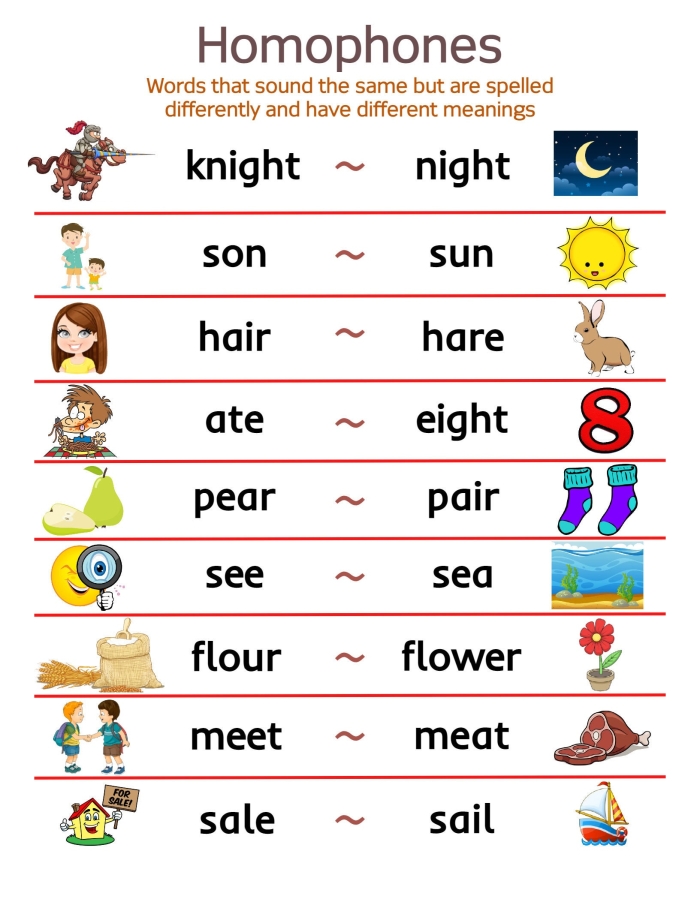
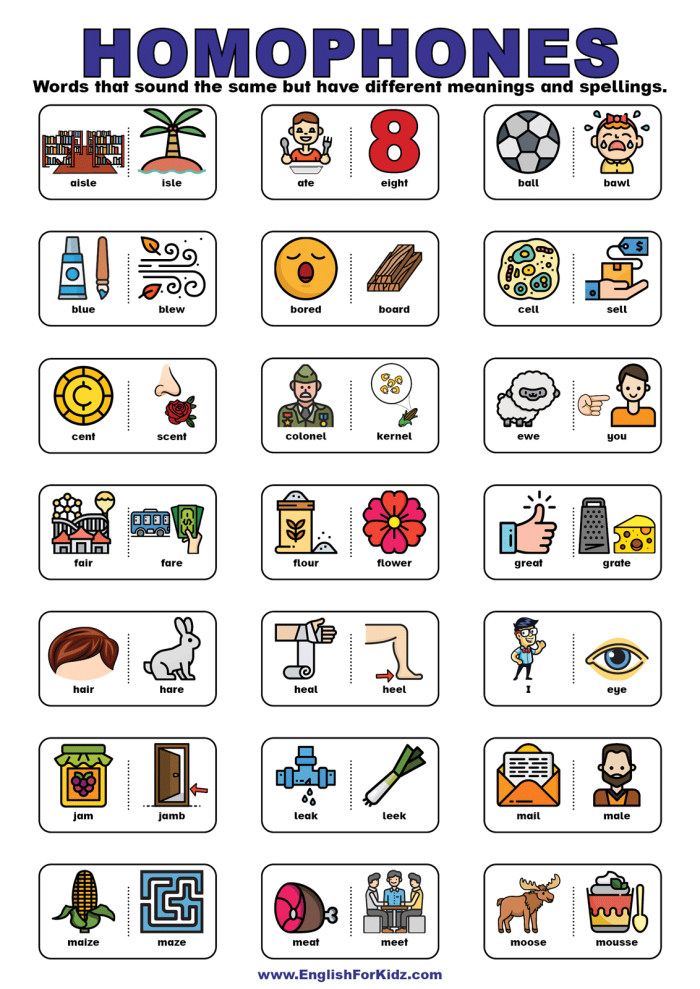
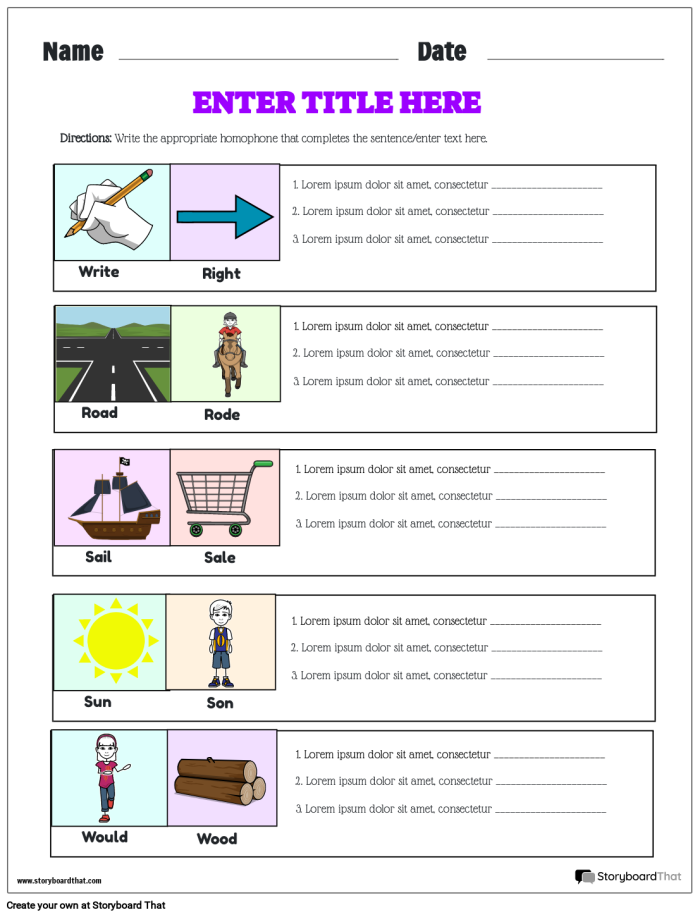
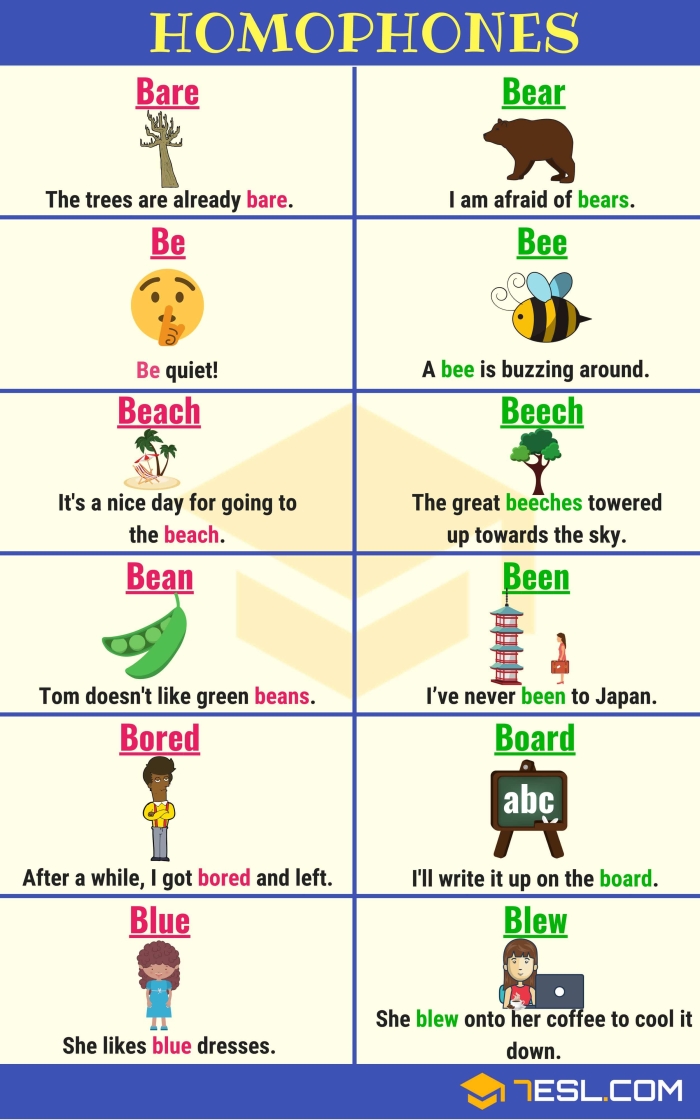
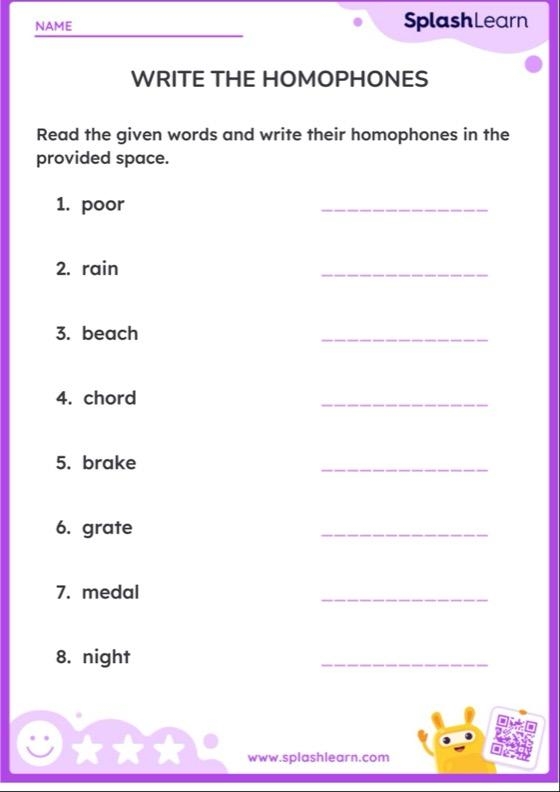
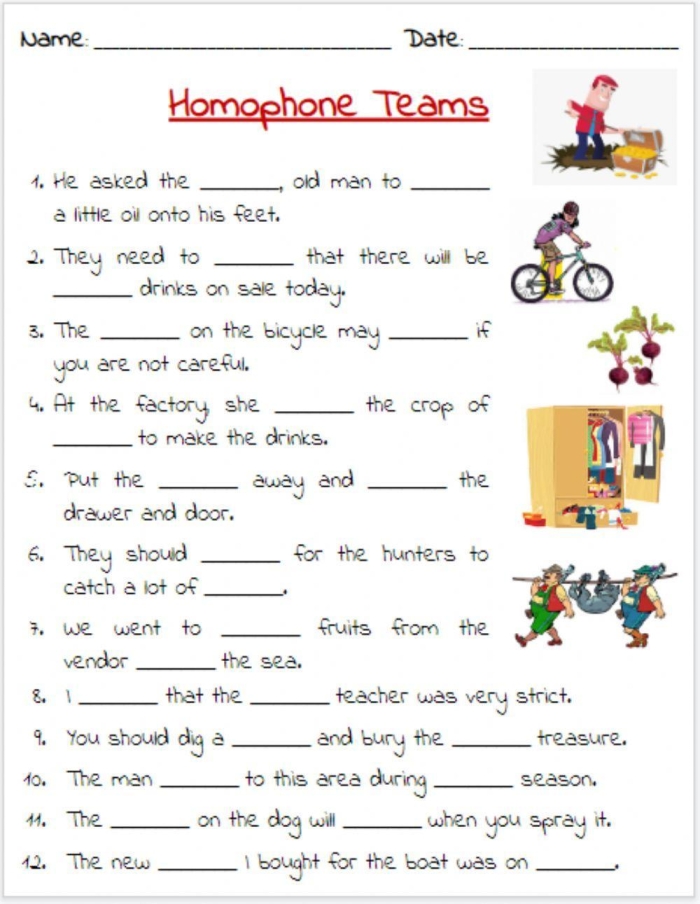
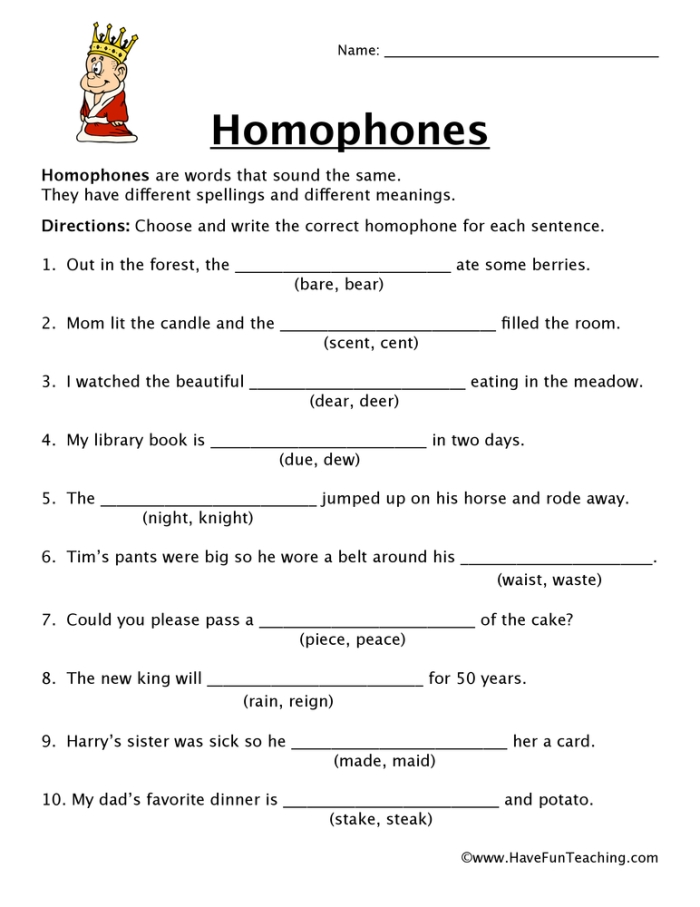
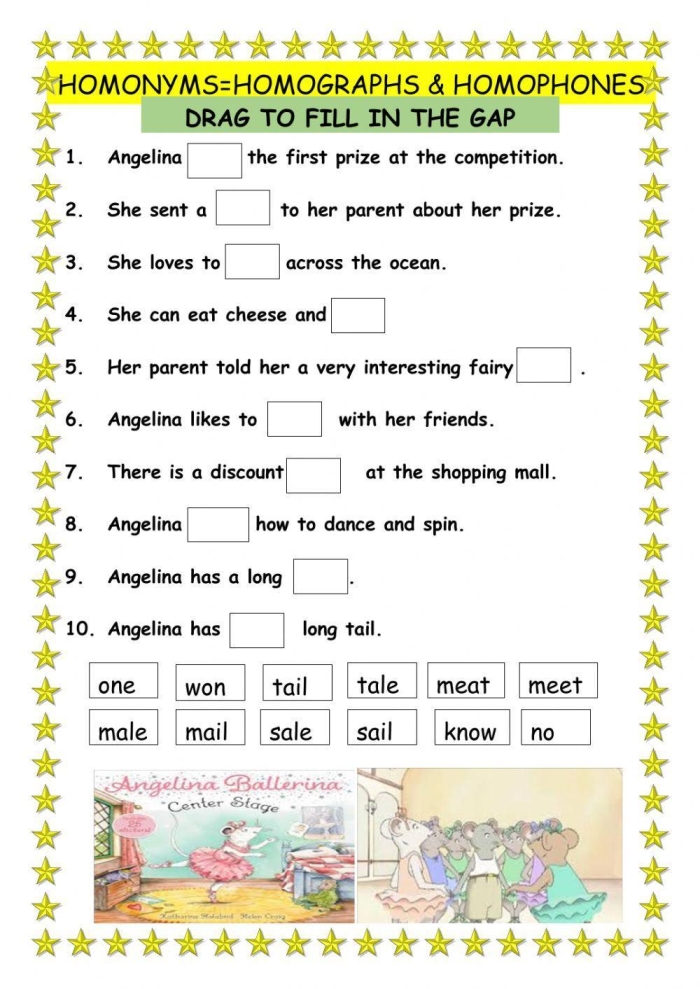
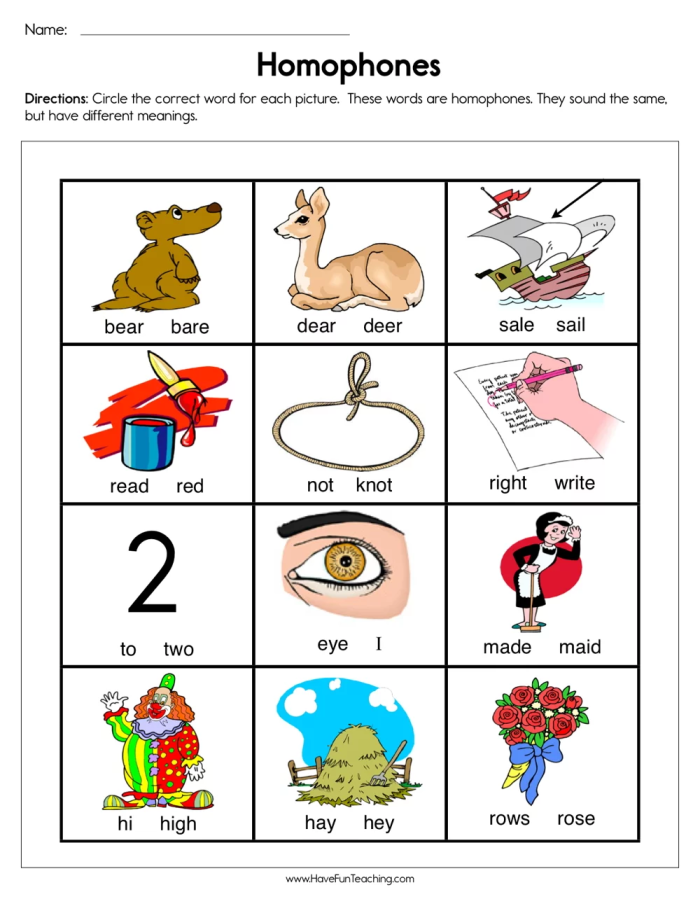
Fourth grade students often stumble over homophones, those word pairs that sound identical but carry completely different meanings. The confusion between write and right ranks among the most persistent grammar challenges at this level, and for good reason. These two words appear constantly in everyday writing, yet their distinct uses require careful attention.
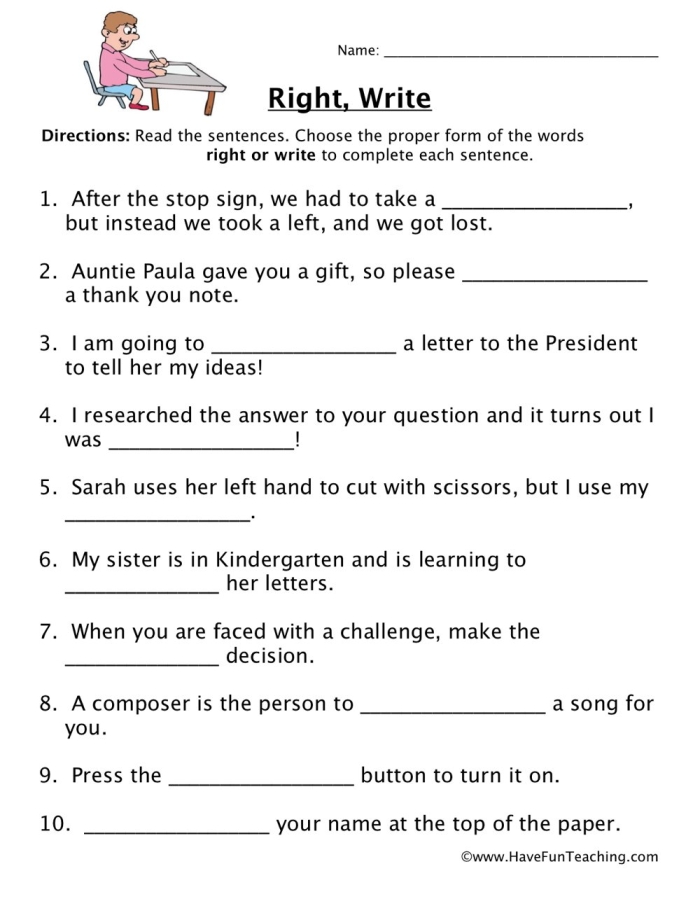
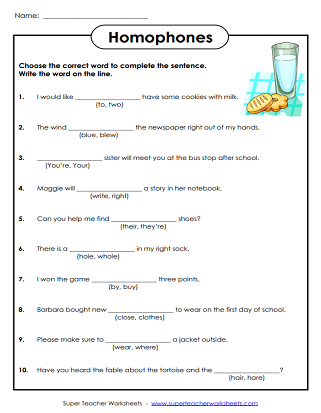
When students encounter a grammar worksheet focused on these homophones, they’re tackling a skill that extends far beyond classroom exercises. Understanding the difference matters because using the wrong word changes your entire message. “I will write a letter” conveys a completely different action than “I will right a letter,” which doesn’t even make sense in most contexts. The stakes feel small in fourth grade, but these foundational distinctions build stronger writers over time.
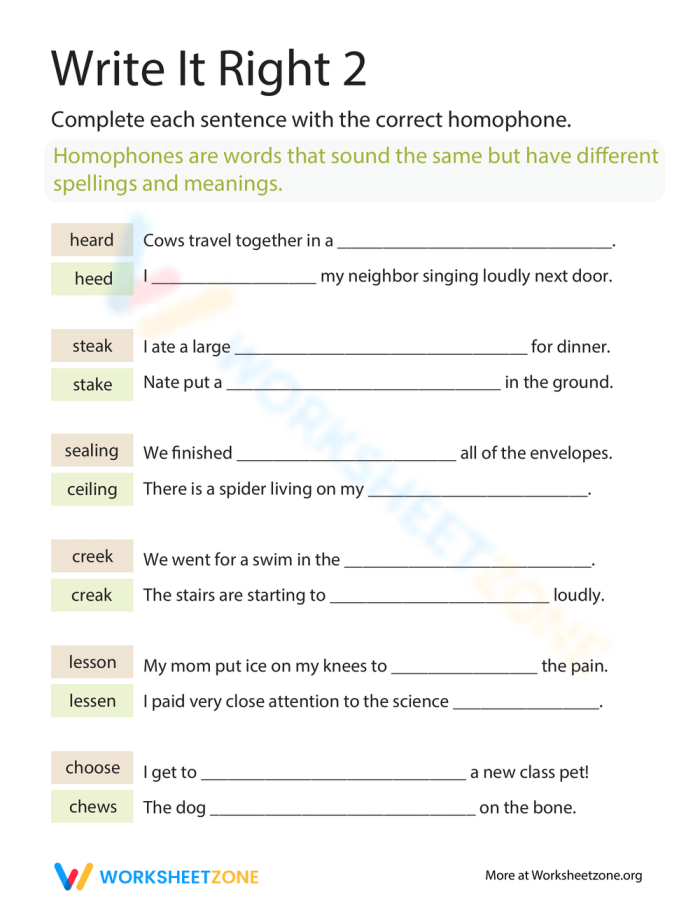
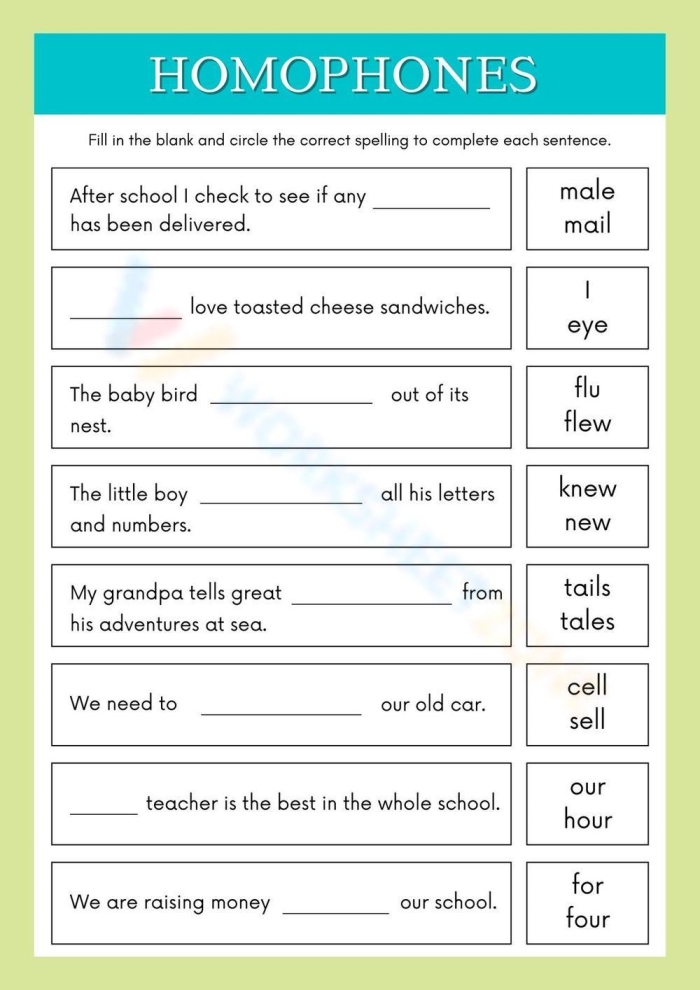
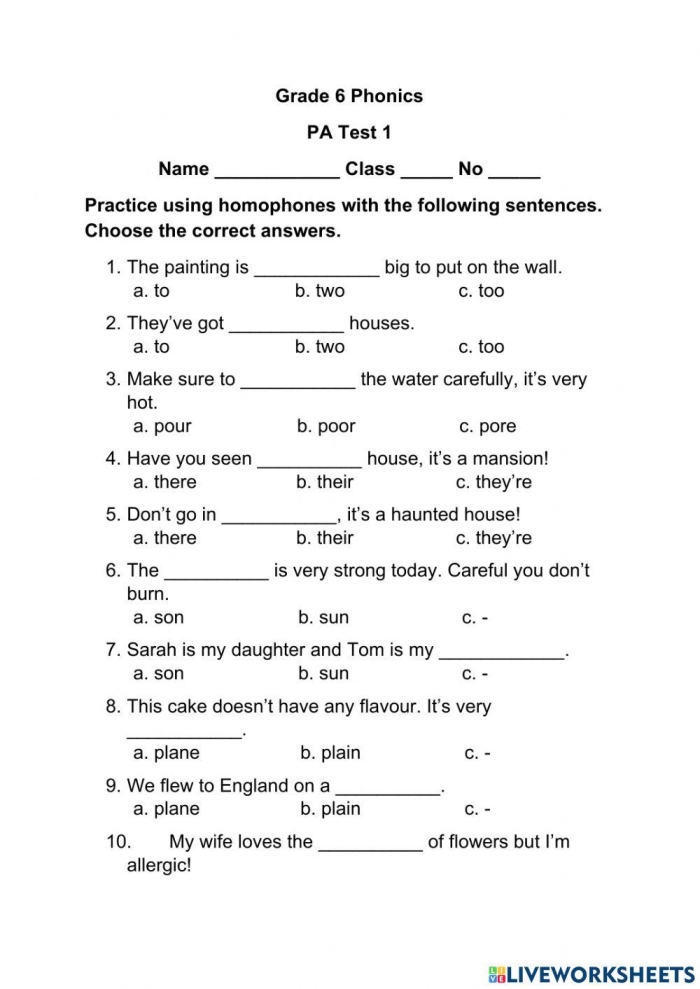
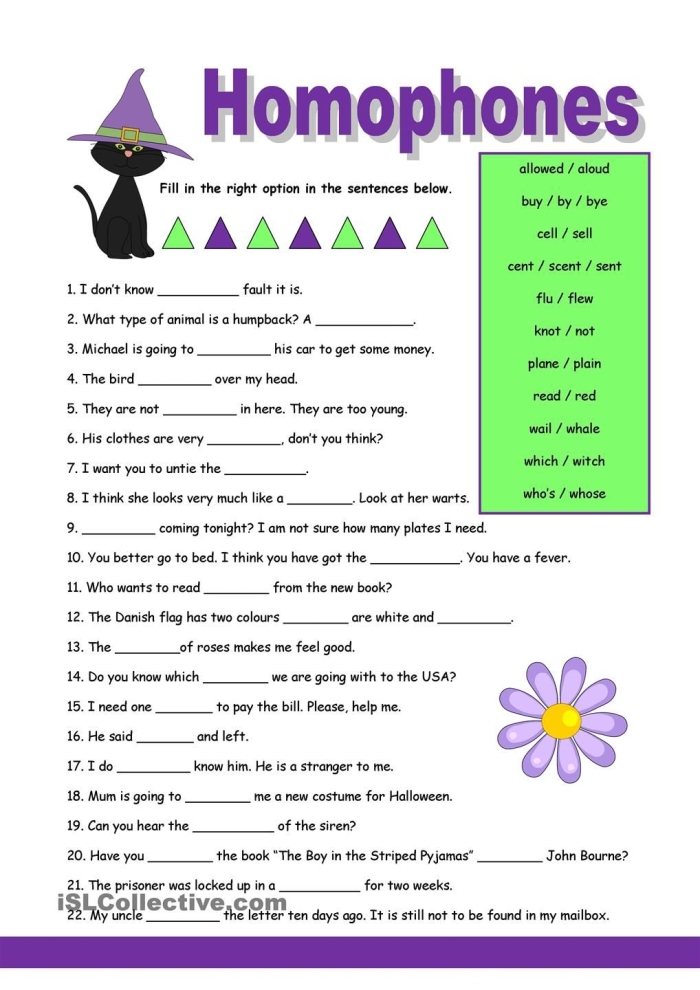
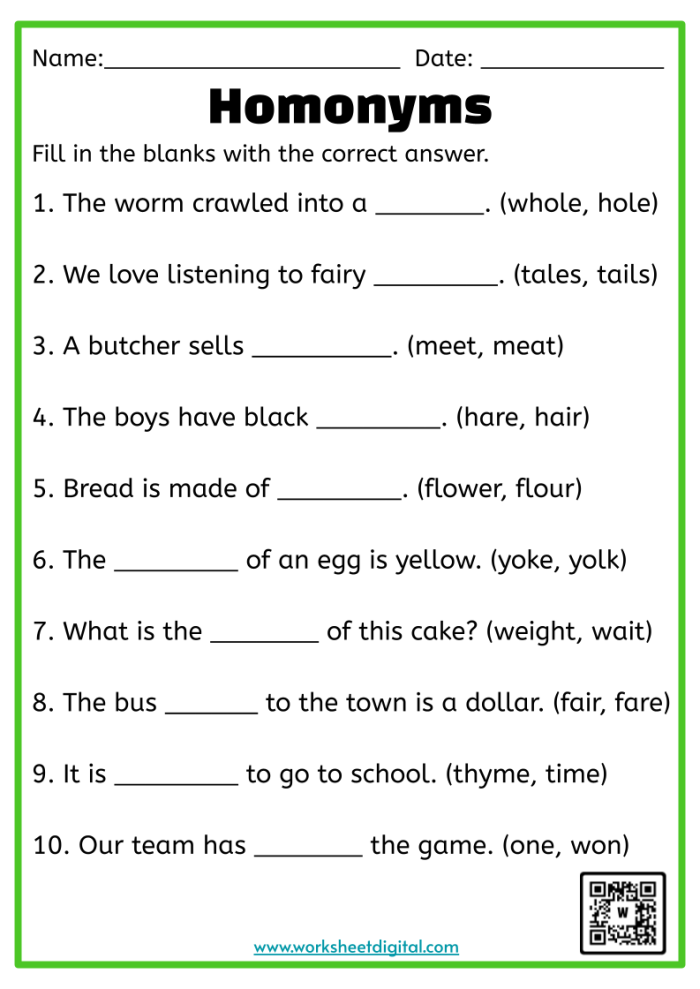
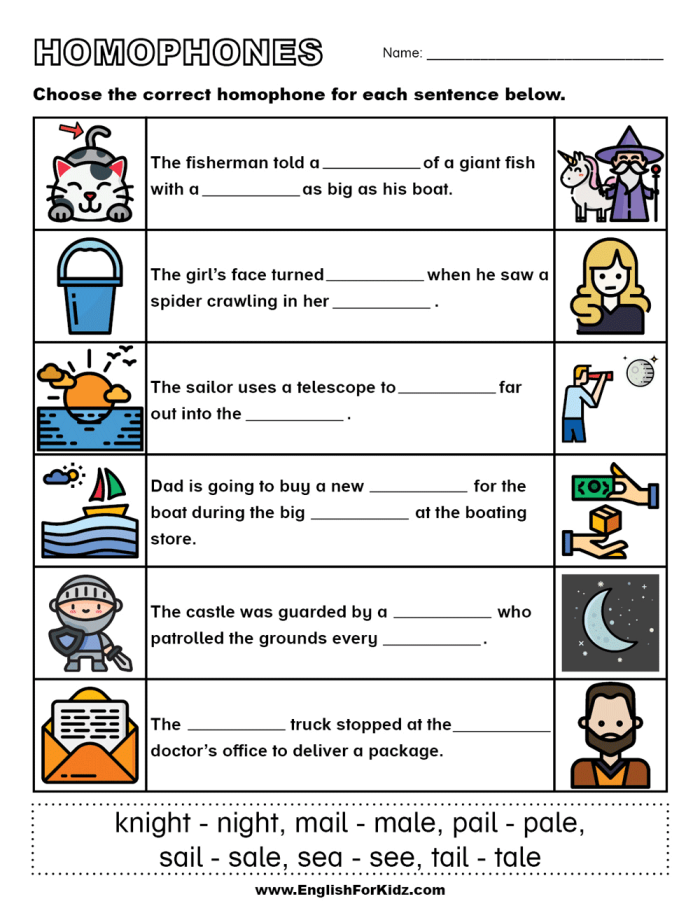
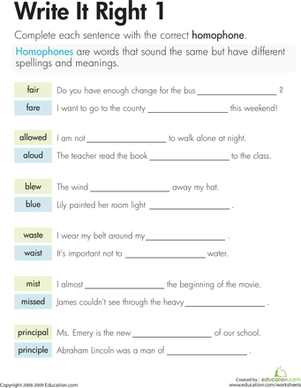
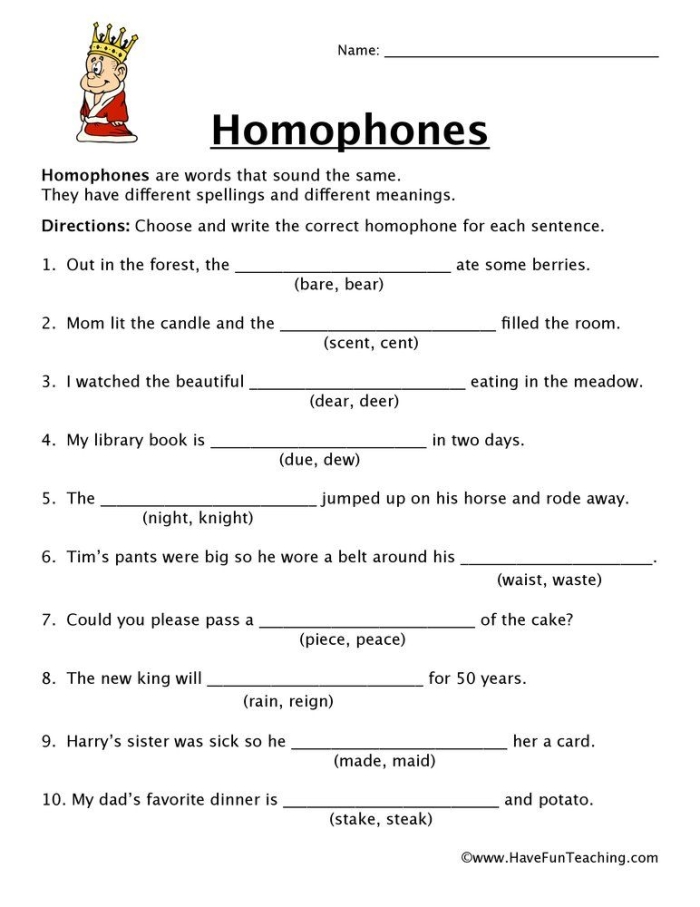
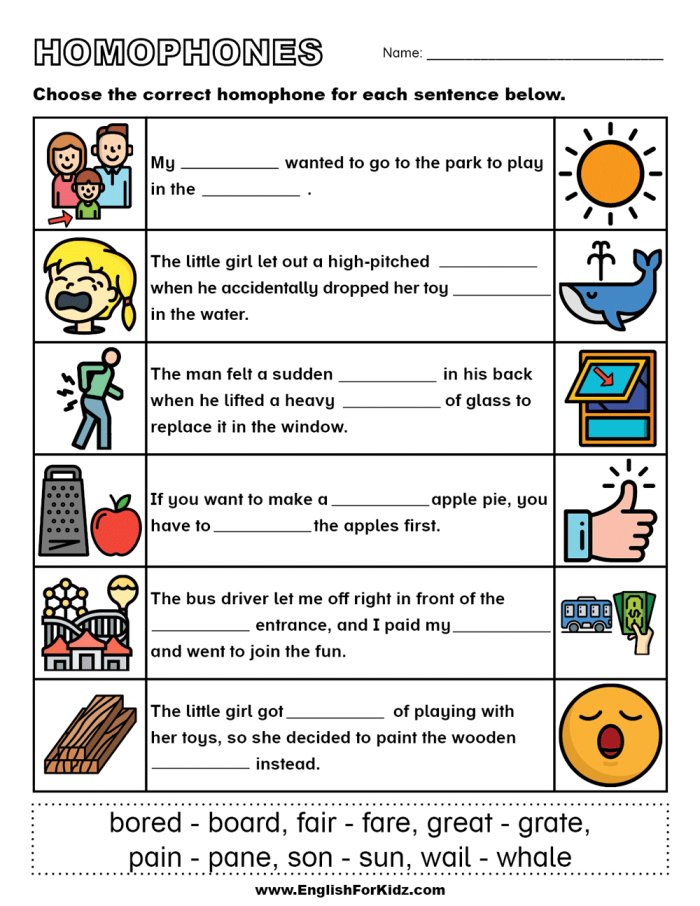
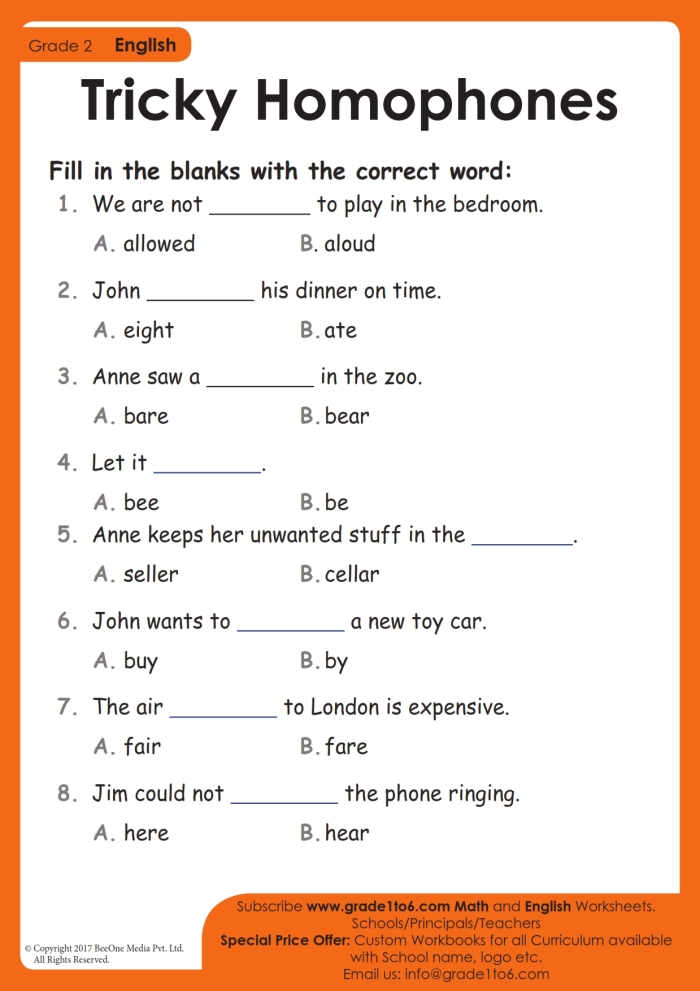
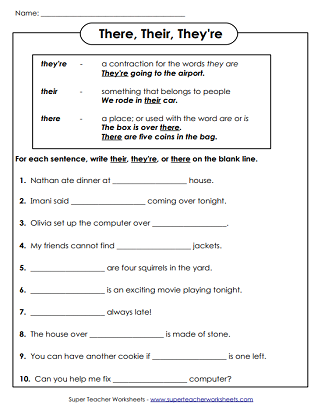
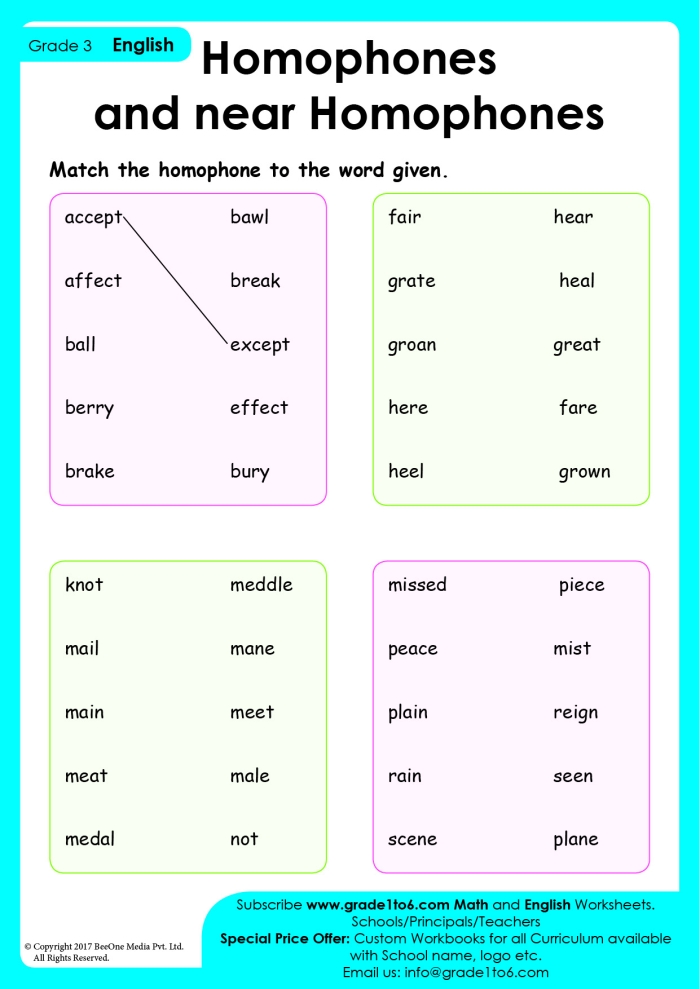
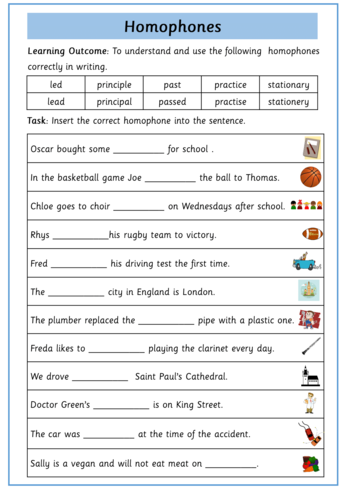
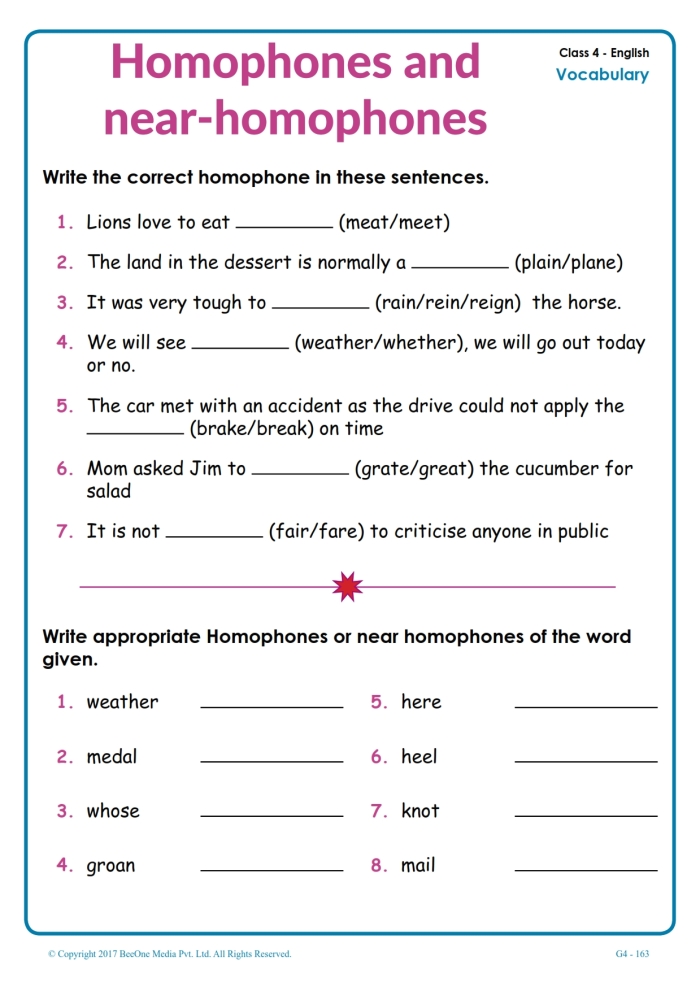
A well-designed worksheet typically guides learners through multiple practice scenarios. Students might fill in blanks with the correct homophone, identify errors in sentences, or create their own examples. This hands-on approach works better than simple definitions because it forces active engagement with the words. Fourth graders benefit from seeing these homophones used in realistic contexts rather than isolated drills.
The learning process becomes more effective when students connect grammar practice to their broader writing skills. Pairing homophone study with other grammar work strengthens overall literacy development. For instance, exploring silent letter patterns or tackling main idea comprehension alongside homophone exercises creates a more complete picture of language mechanics.
Students who master write versus right early gain confidence in their writing abilities. This confidence translates into fewer errors and clearer communication as they progress through more complex writing assignments in later grades.
Use These Worksheets Today