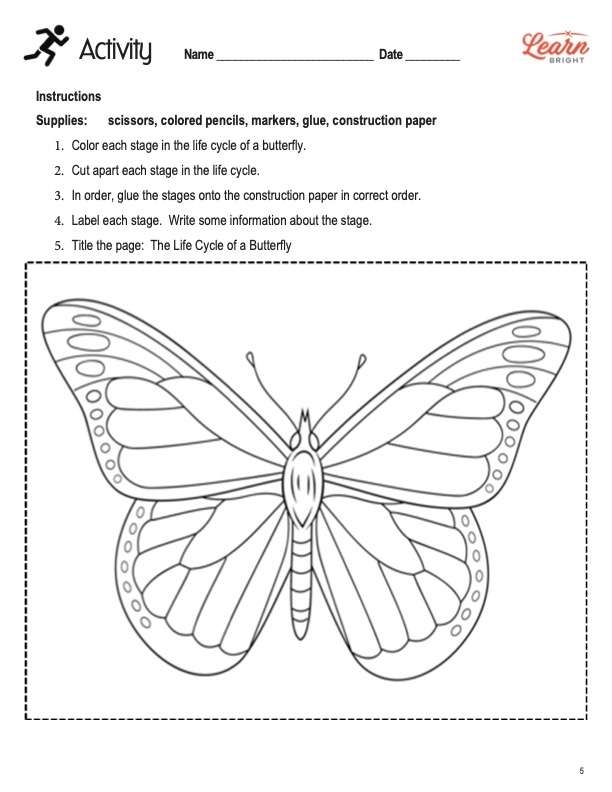
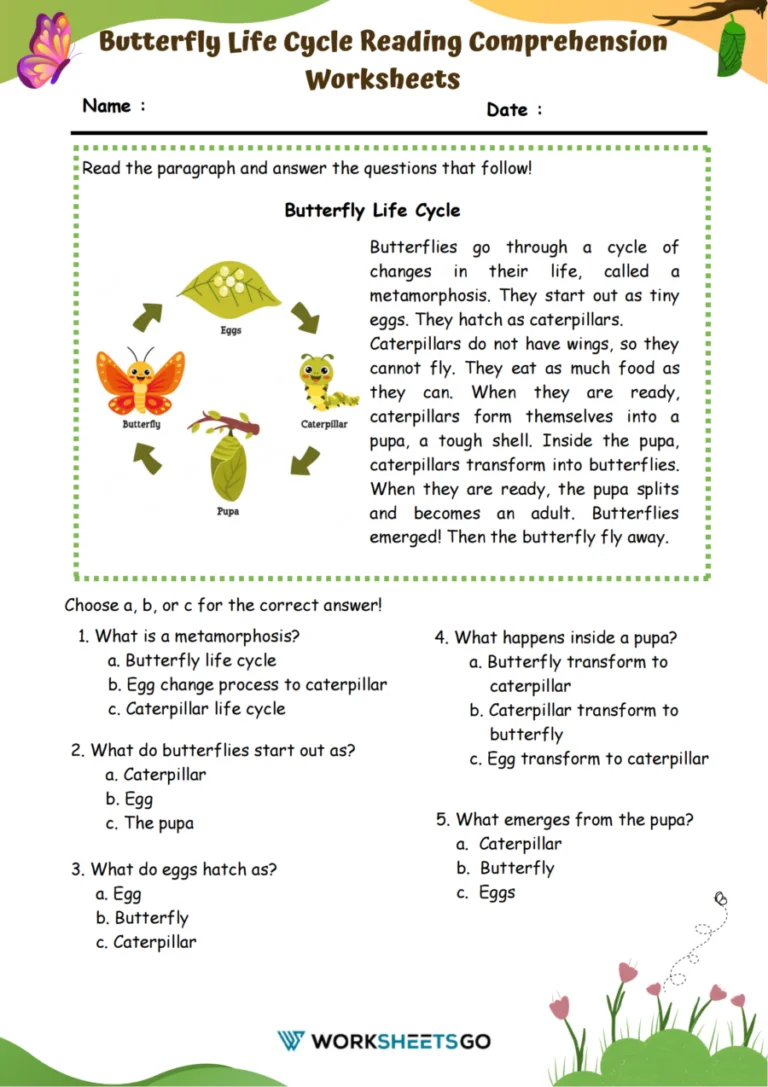
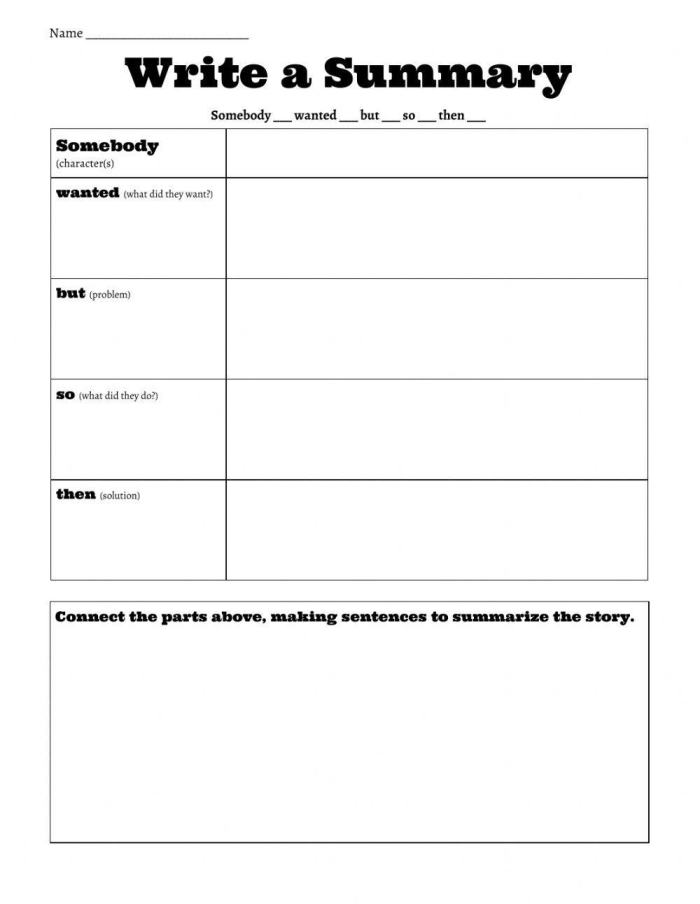
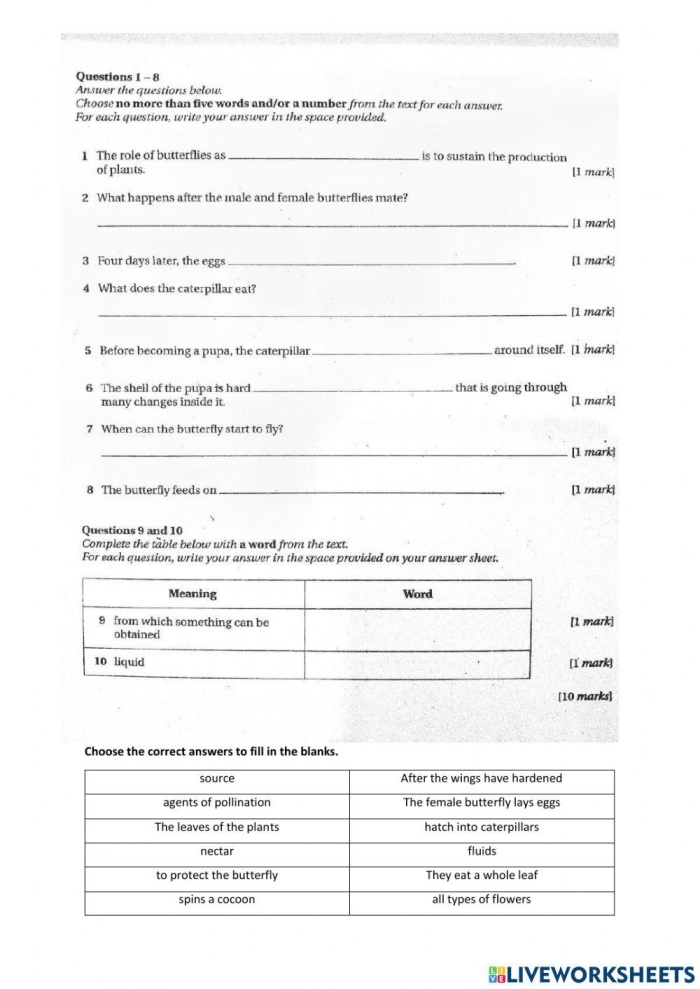
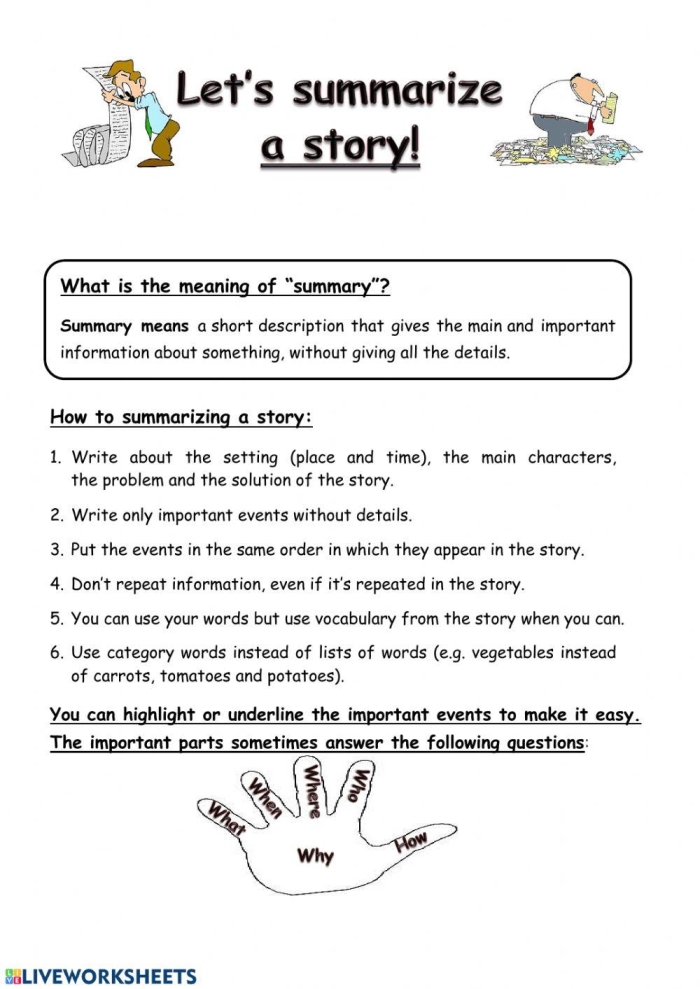
Getting third grade students to engage with nonfiction texts can feel challenging, especially when the material involves scientific concepts like metamorphosis. This worksheet bridges that gap by having your students work together to find new vocabulary words and create a short summary of a nonfiction text related to the butterfly life cycle.
The collaborative approach matters here. When students hunt for vocabulary words as a group, they learn from each other’s observations and develop stronger comprehension skills. One student might spot “chrysalis” while another identifies “metamorphosis,” and through discussion, the whole class builds a richer understanding of the text. This peer-based learning is far more effective than having them work in isolation.
The worksheet serves as an introduction to the Create a Nonfiction Text Summary lesson plan, so it doesn’t overwhelm students with complex analytical tasks. Instead, it scaffolds their learning by breaking the process into manageable steps: vocabulary identification first, then summary creation. This structure helps third graders organize their thinking before tackling longer writing assignments.
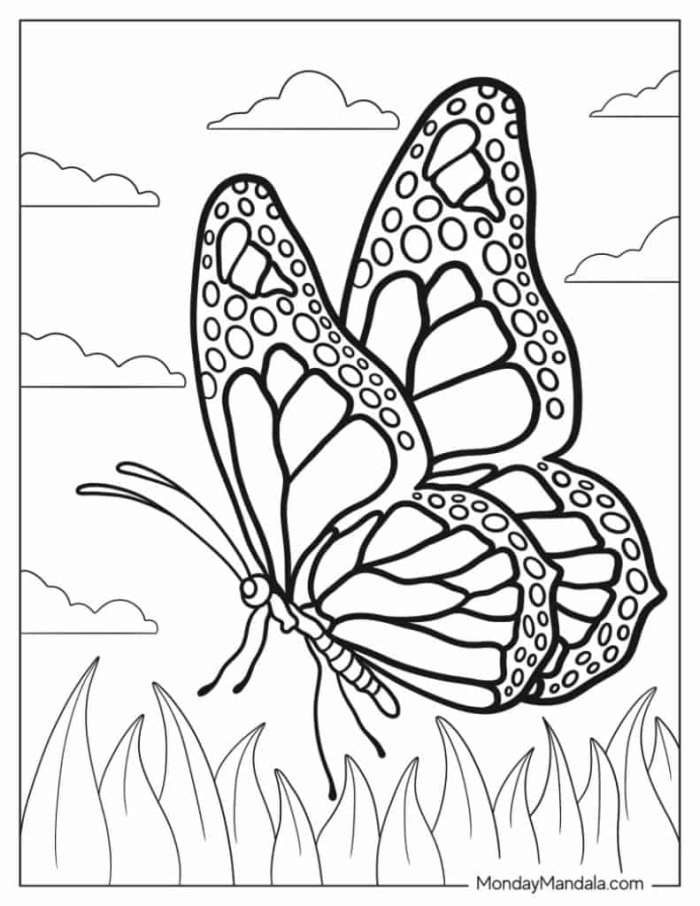
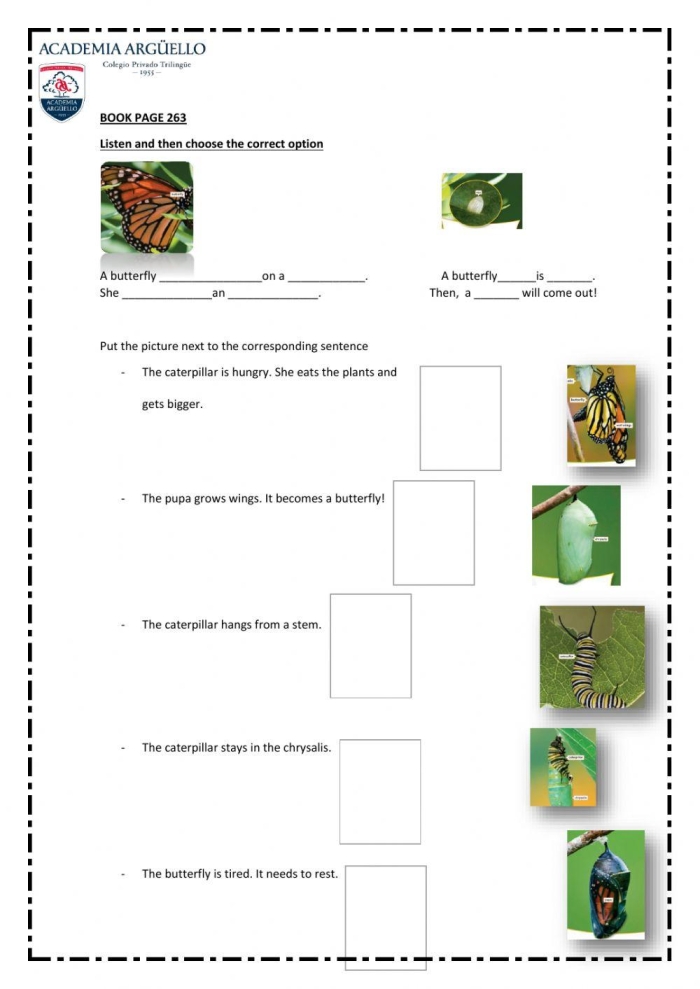
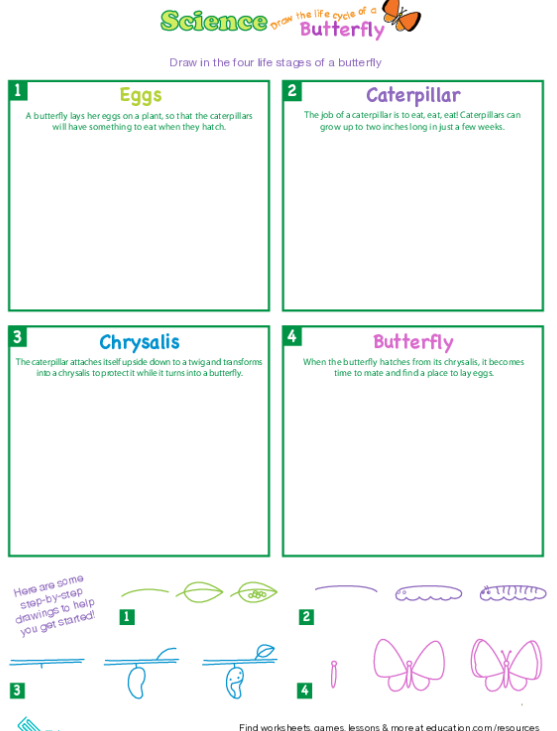
Butterflies make an ideal subject for this exercise. The life cycle unfolds in clear, distinct stages that students can understand and explain. They encounter concrete vocabulary like “egg,” “larva,” “pupa,” and “adult,” which are easier to visualize than abstract concepts. Additionally, butterfly content connects naturally to other alphabet and third grade worksheets you might already use, such as analyzing a poem or exploring layers of the earth, creating a cohesive unit of study.
Using this worksheet in your classroom gives students practice with both vocabulary building and summarization, two essential literacy skills. The butterfly theme keeps them engaged while they develop these competencies.
Practice with These Worksheets