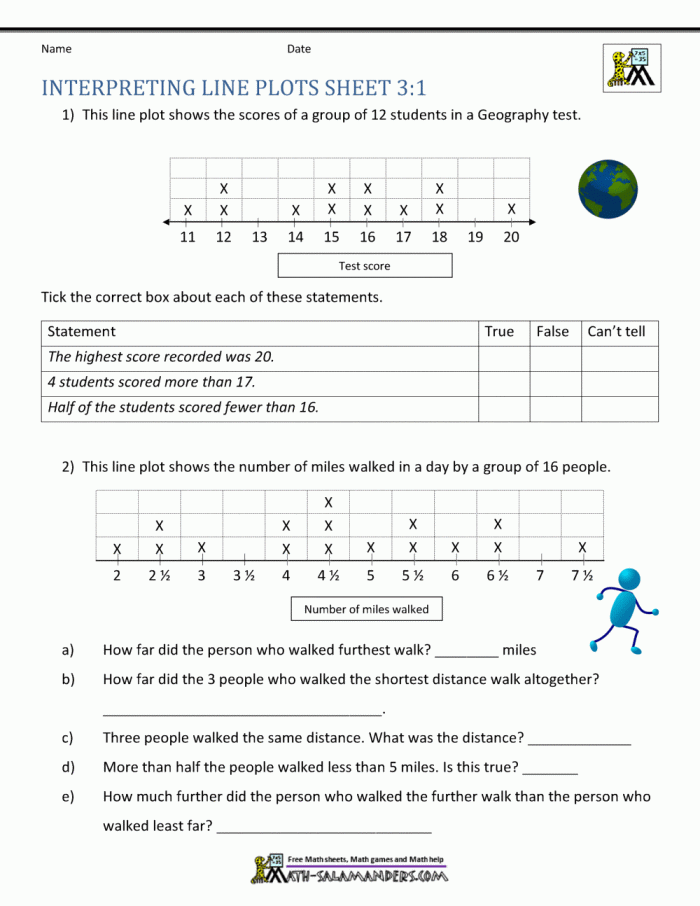
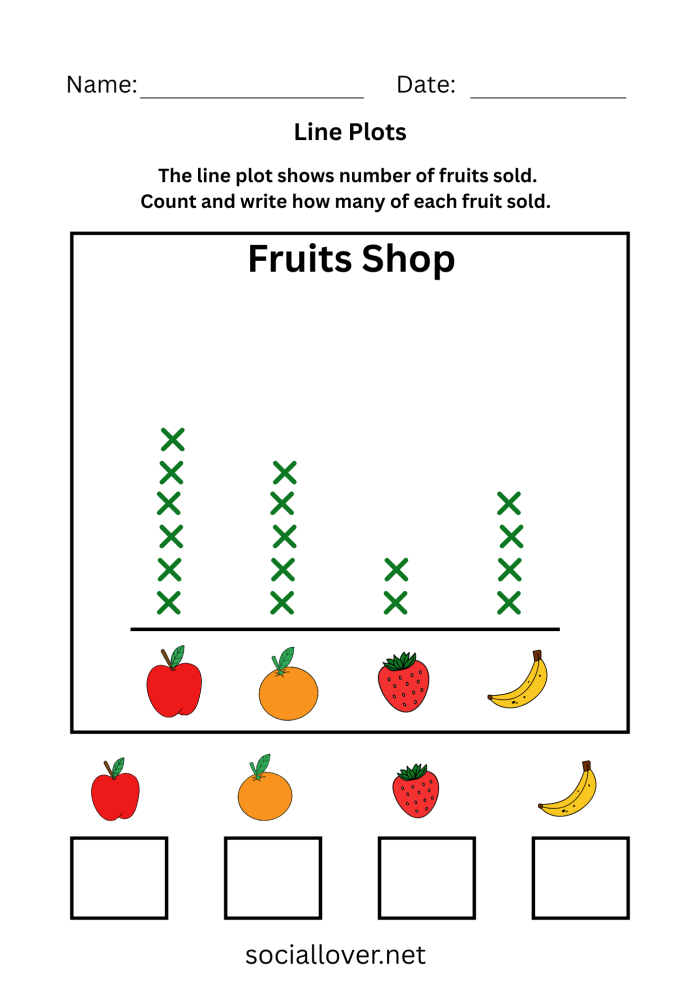
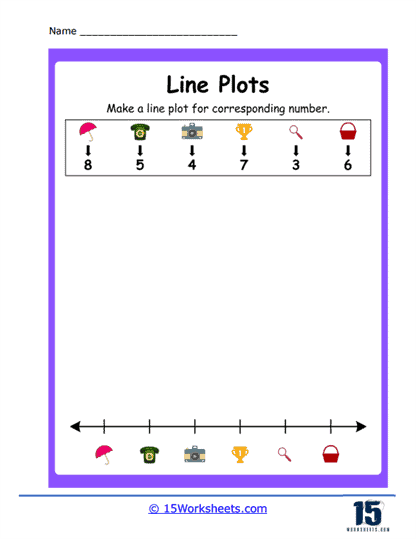
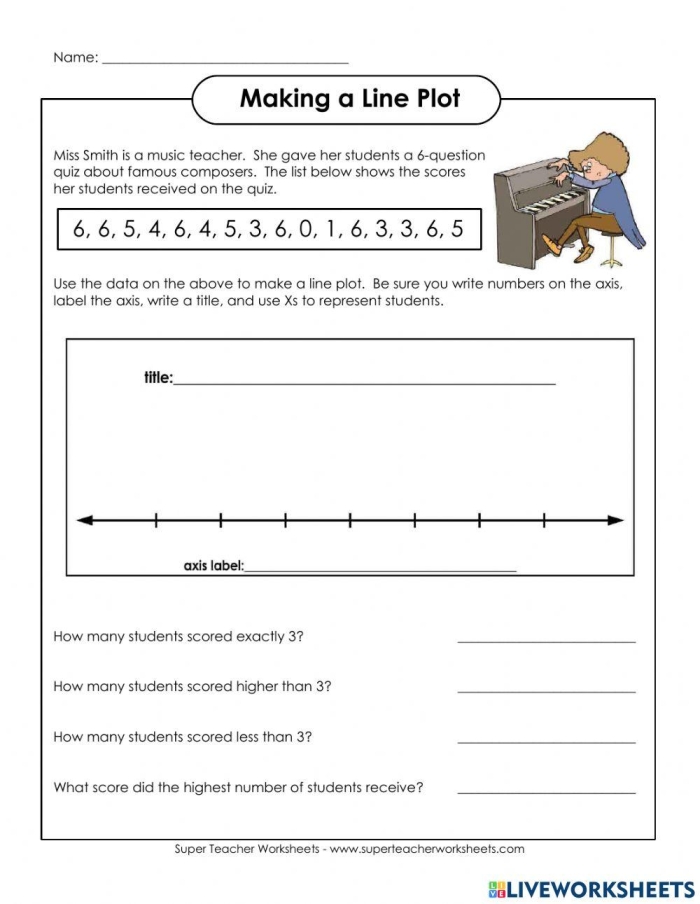
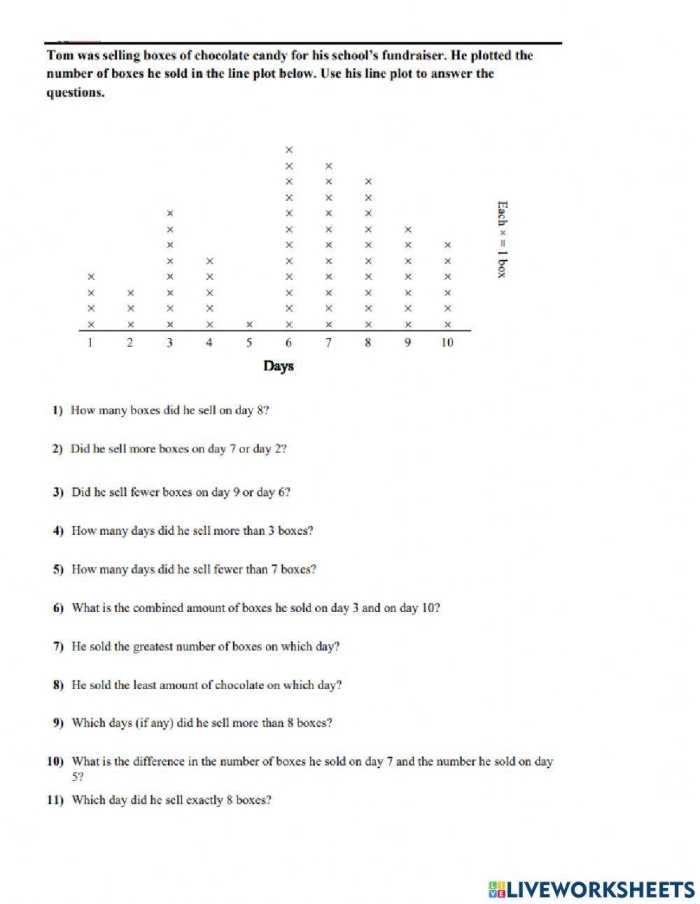
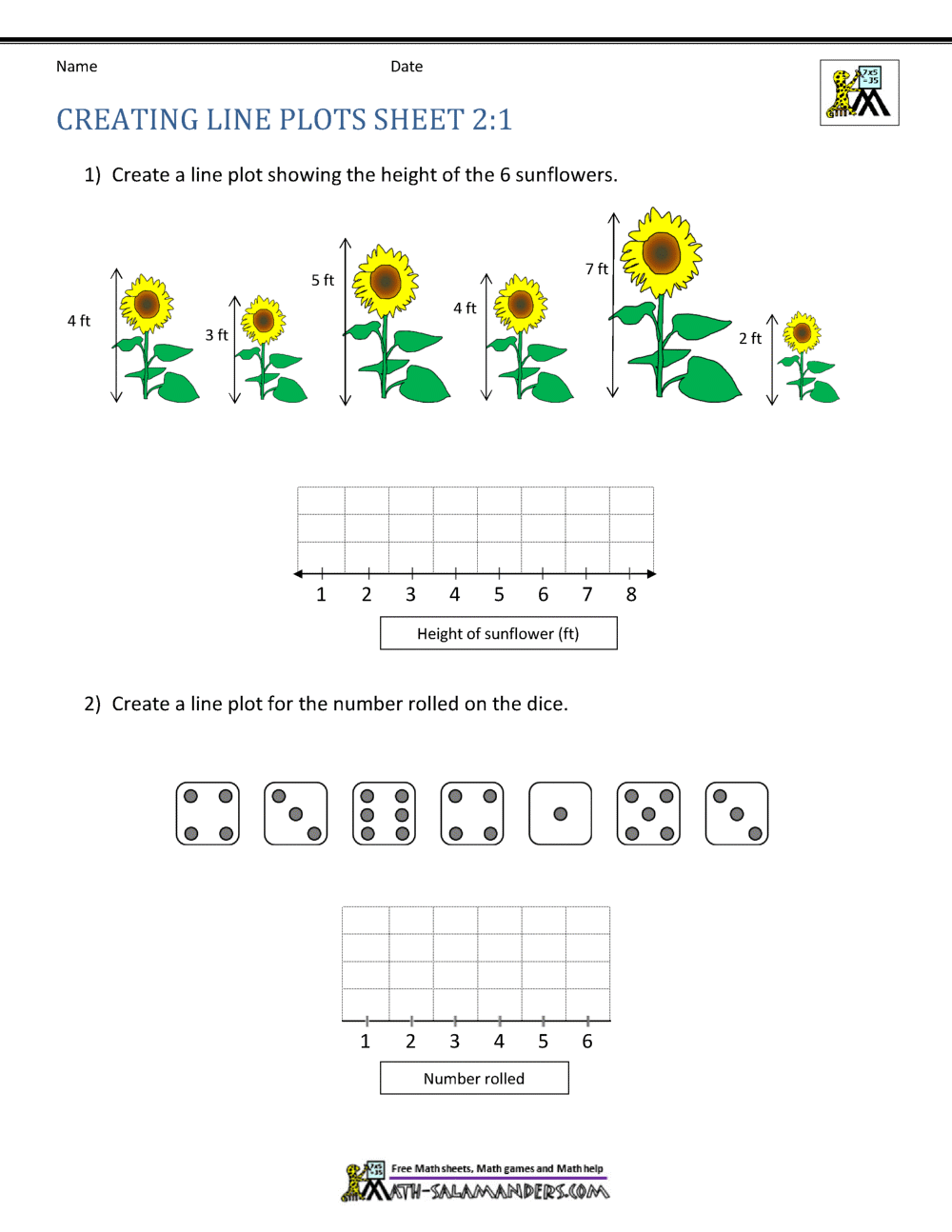
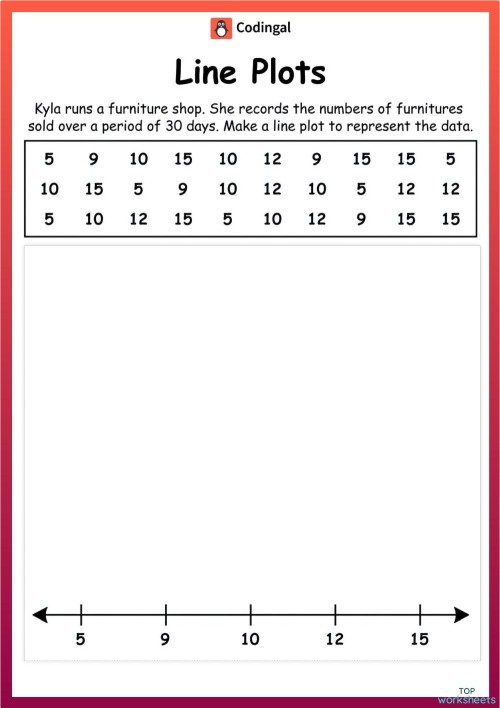
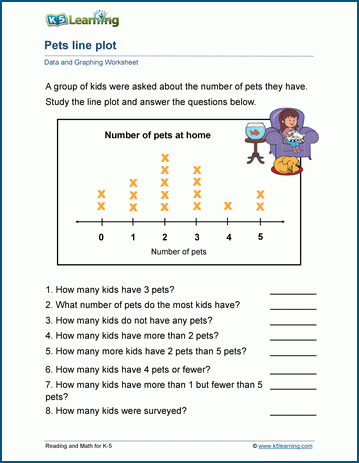
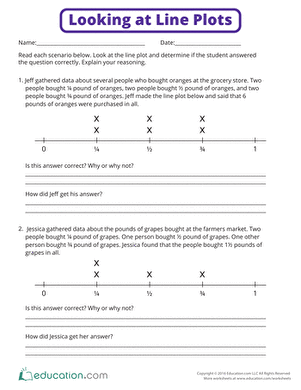
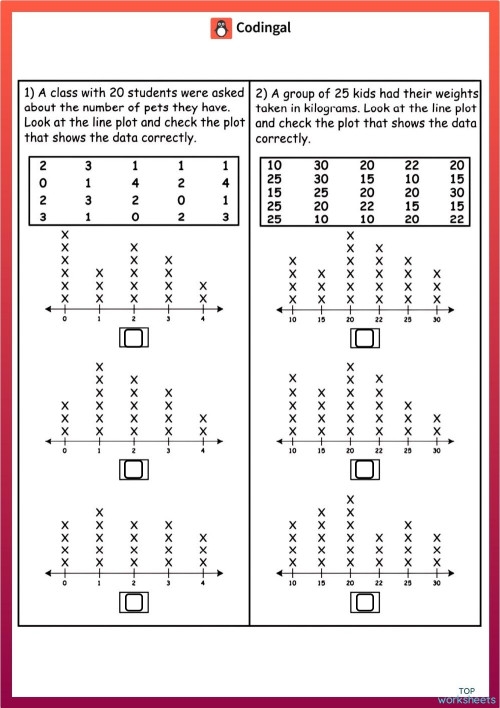
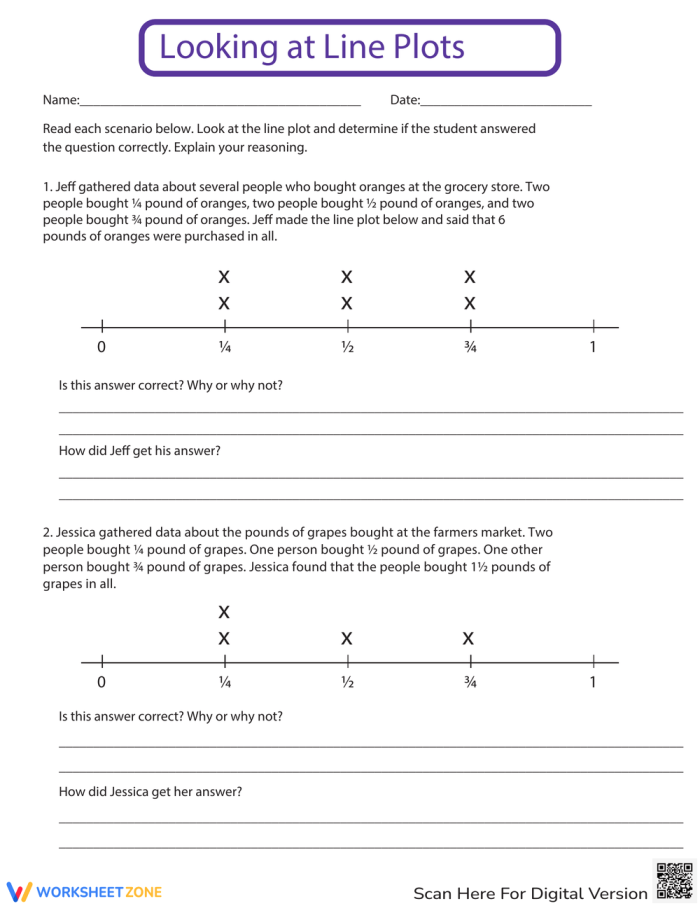
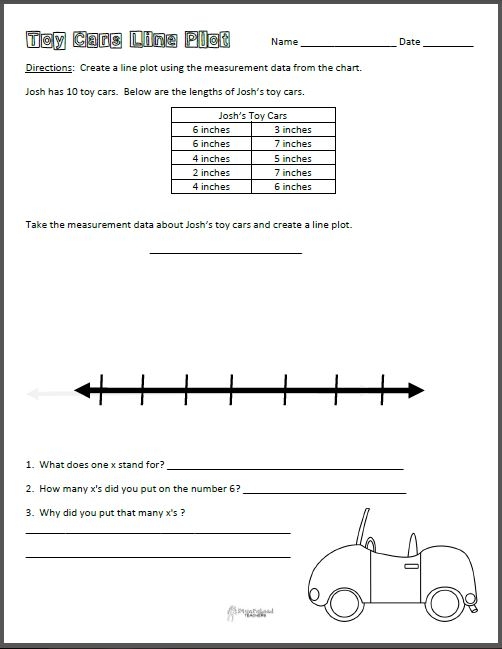
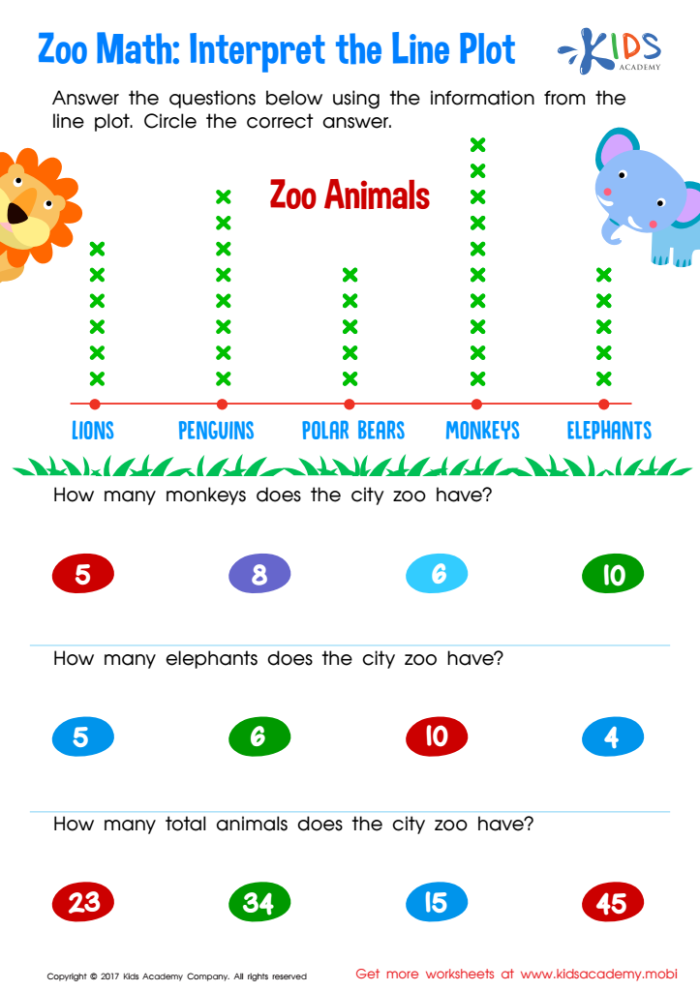
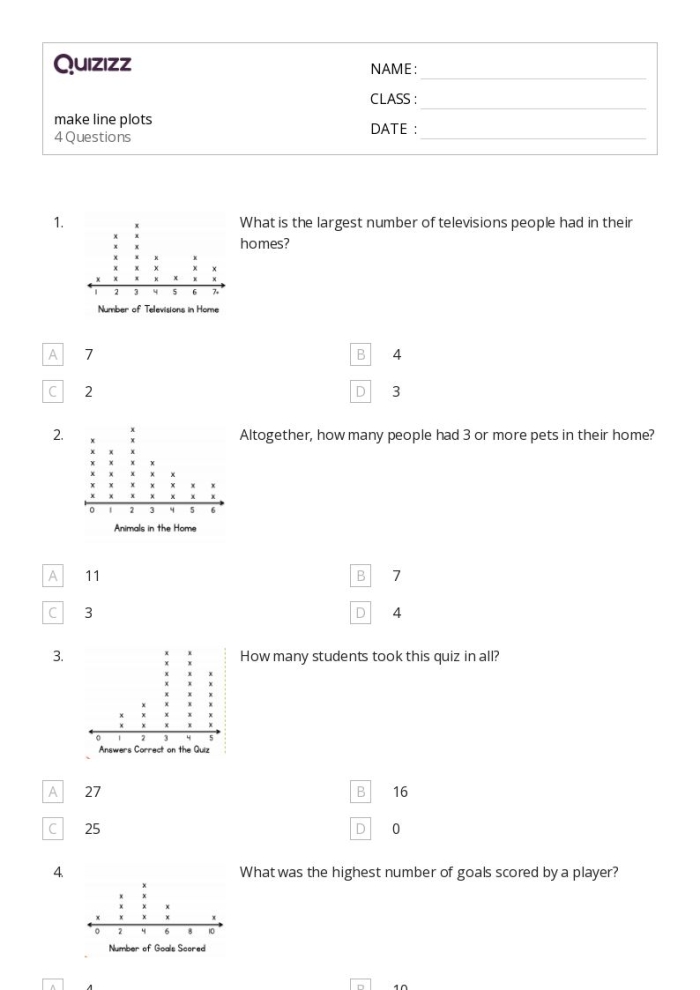
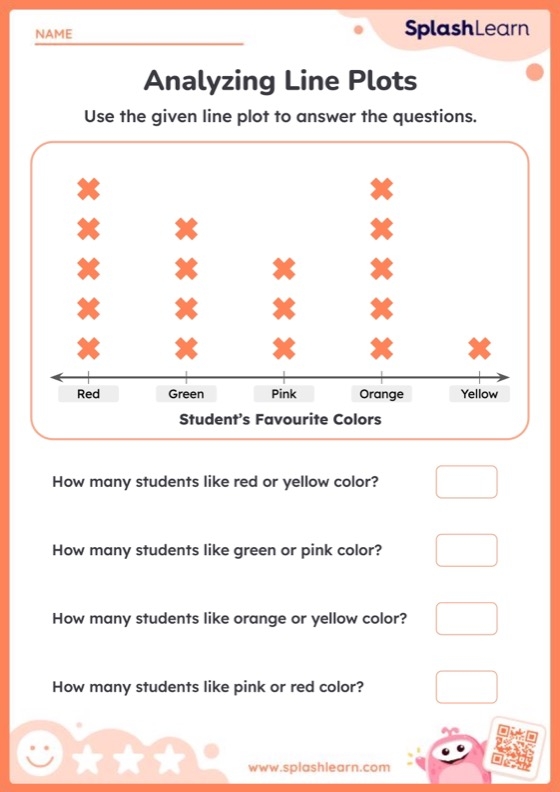
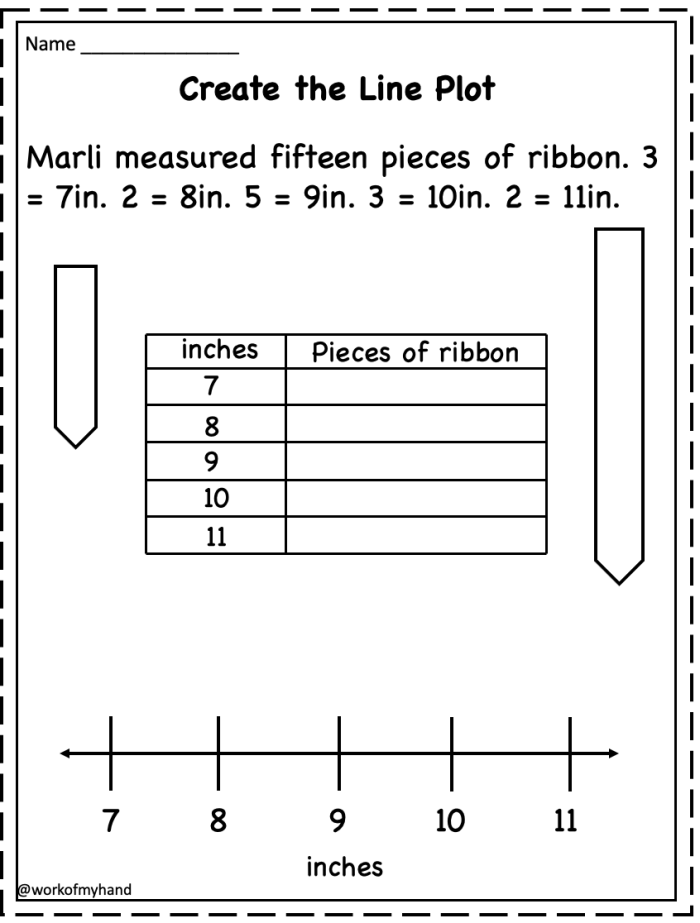
When fifth graders encounter a line plot worksheet, they often expect to simply read data and answer questions. This particular worksheet takes a different approach by flipping the script entirely. Instead of solving problems from scratch, students must evaluate whether someone else’s work is correct and then defend their conclusions with clear reasoning.
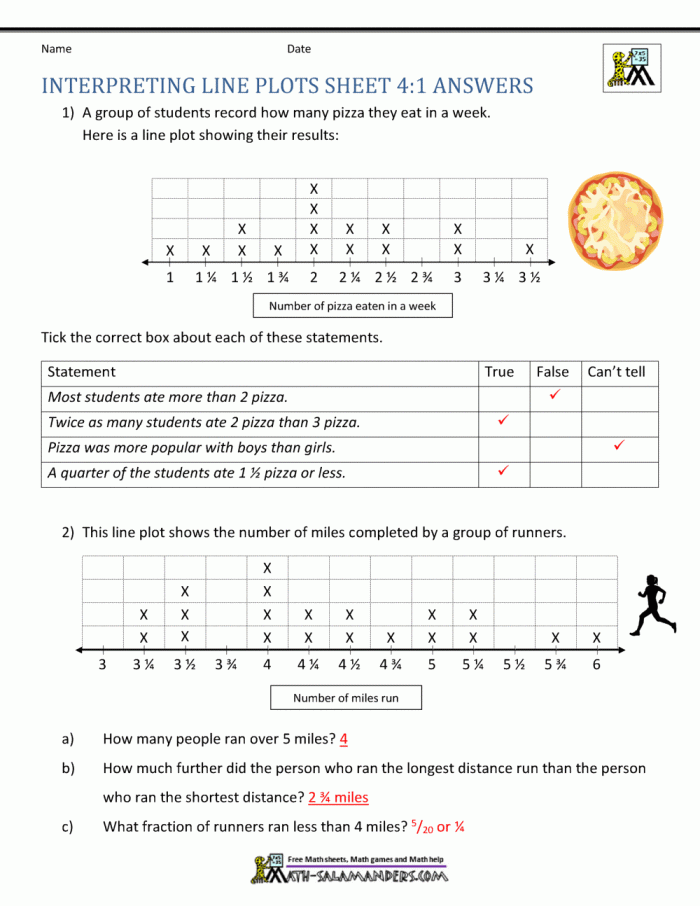
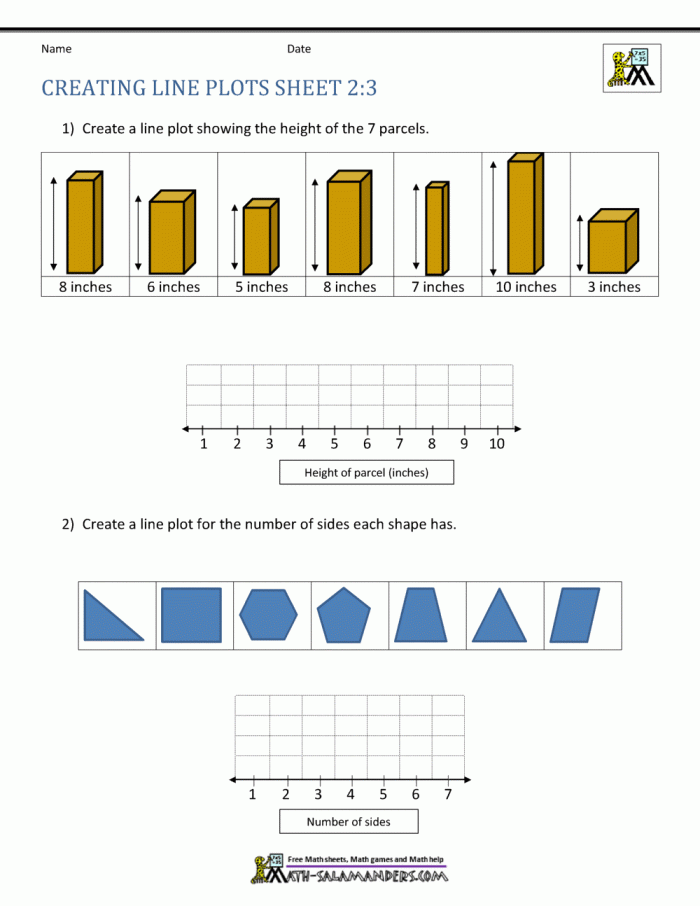
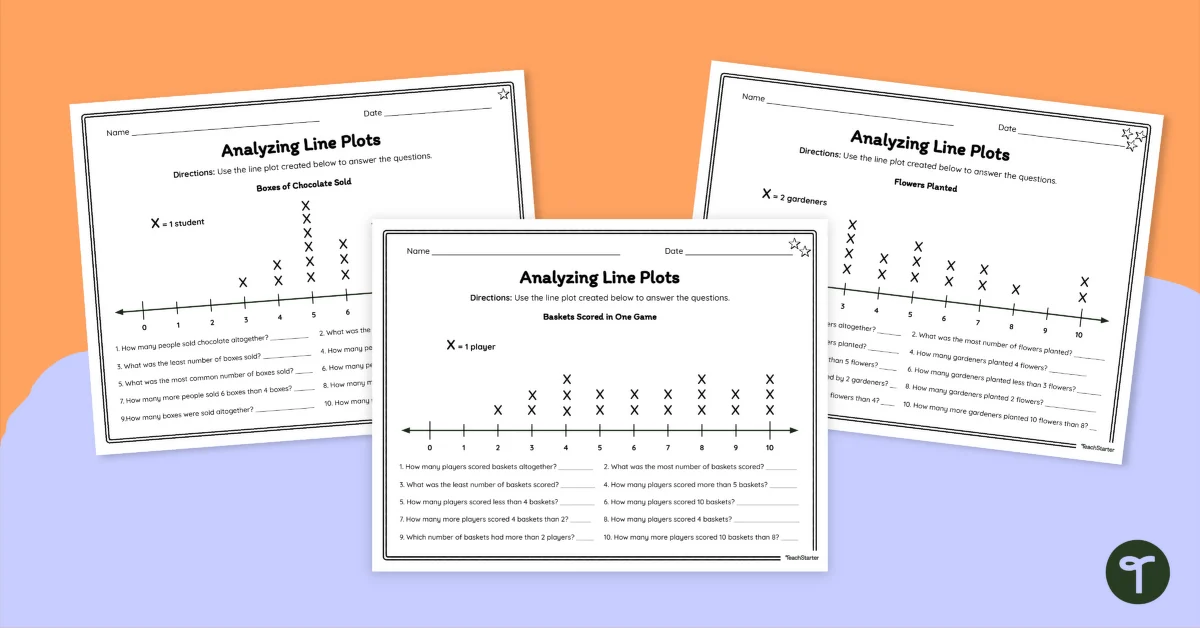
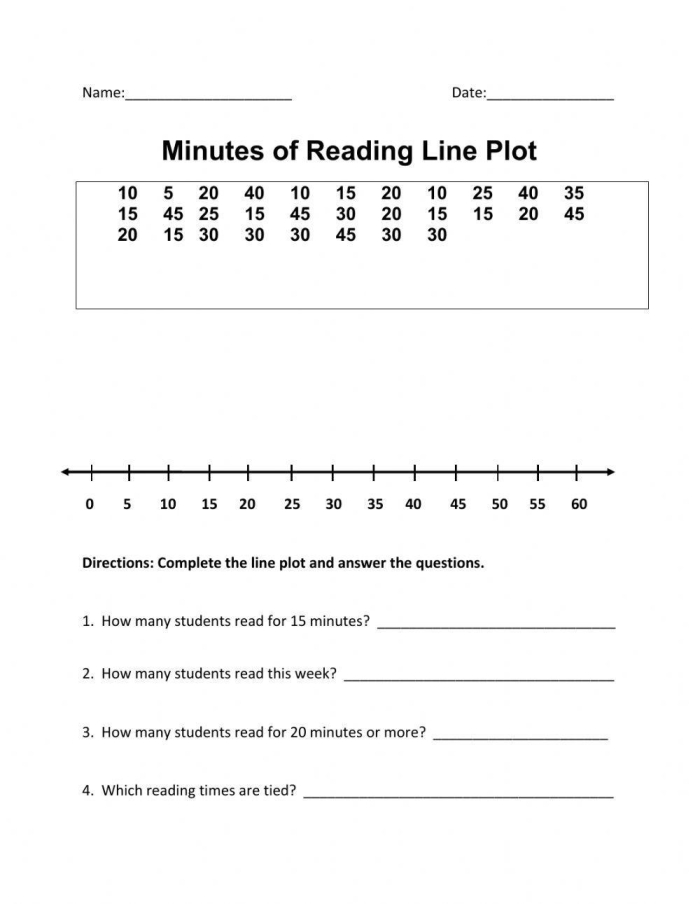
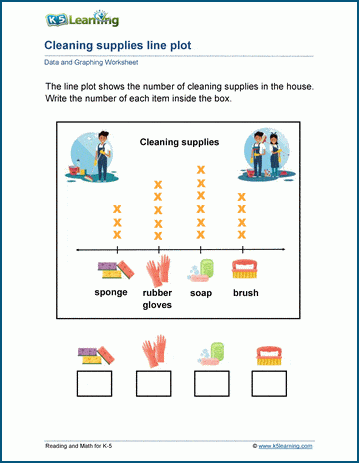
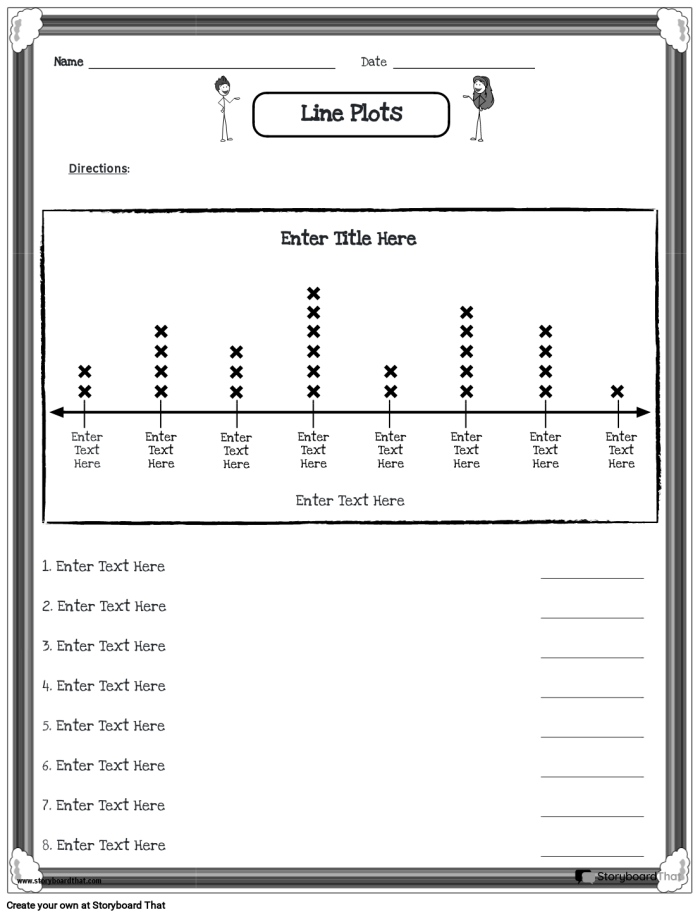
This type of assessment reveals how students actually think about data representation. Line plots seem straightforward on the surface, but they require students to understand several layers: counting data points accurately, placing values on a number line correctly, and interpreting what the plot communicates. When students review someone else’s work, they need to check each of these components independently. Did the solver count all the data points? Are the X’s or dots positioned at the right intervals? Does the final answer match what the plot actually shows?
The explanation component is where critical thinking truly happens. Students cannot simply mark answers right or wrong. They must articulate why a solution works or fails, which forces them to examine their own understanding of line plot mechanics. A student might notice that one problem placed data points incorrectly but solved the final calculation correctly anyway, raising interesting questions about partial understanding.
This worksheet format aligns well with how fifth grade geometry instruction has evolved. Rather than passive consumption of skills, students become active evaluators. They develop the habit of questioning answers and checking work systematically, habits that transfer far beyond mathematics.
Teachers often pair worksheets like this with other resources to build comprehensive data literacy. For instance, combining this with worksheets on earthquake science or movies and main ideas helps students see how line plots apply to real contexts. Students can also strengthen related skills through work on human lungs or physical and chemical changes, where data visualization matters equally.
The real value emerges when students realize that checking work is not busywork but a genuine skill that mathematicians use constantly.
Start Practicing with These Worksheets