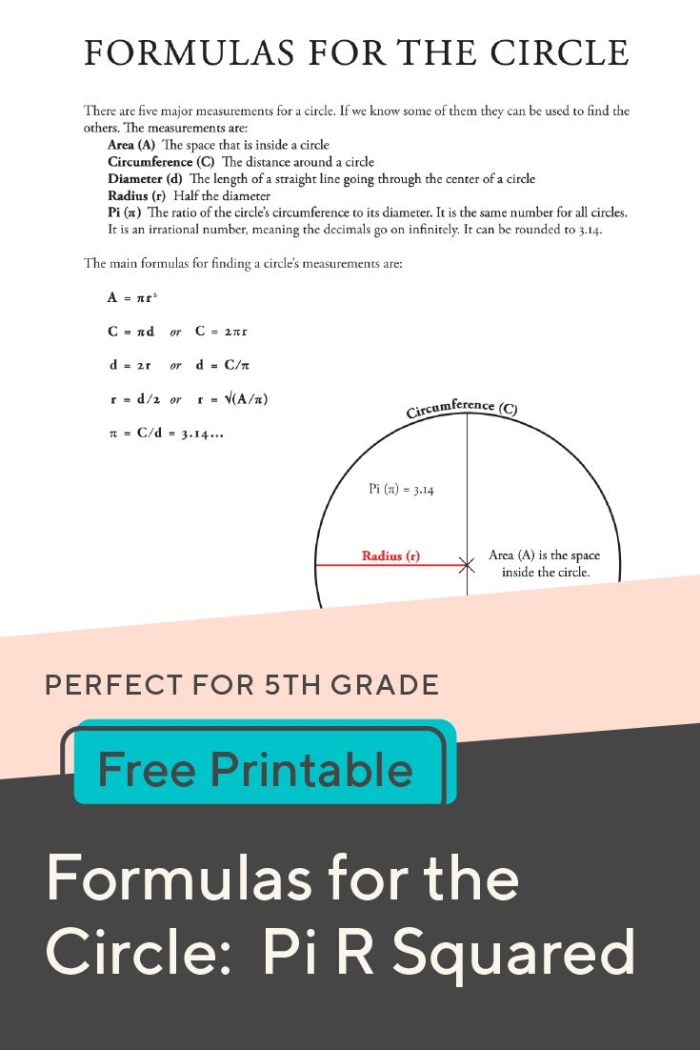
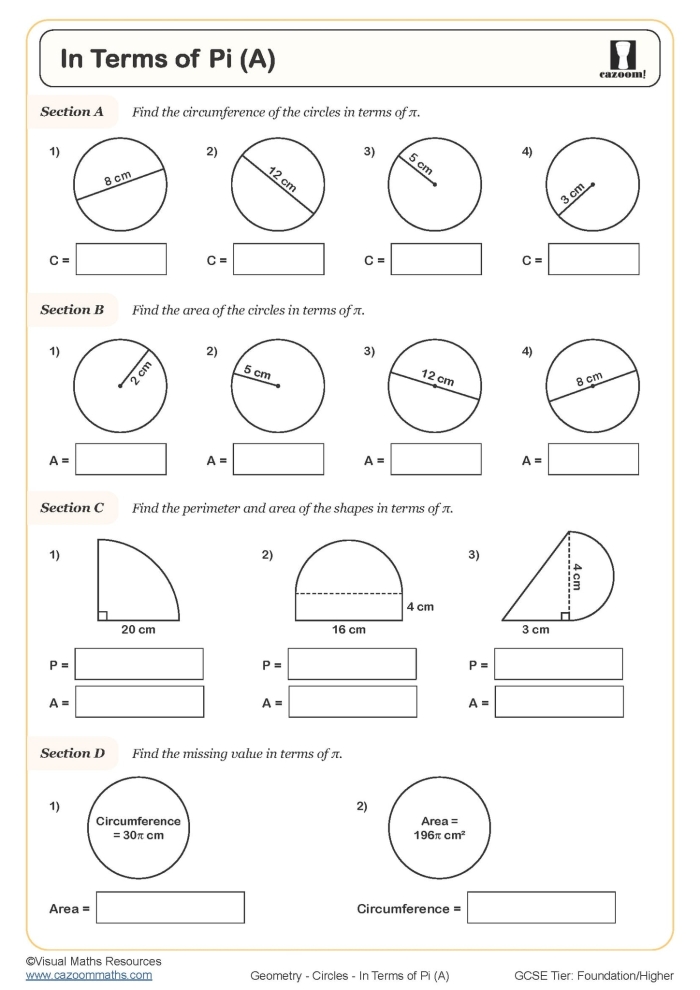
Circle area problems trip up plenty of seventh-grade students, mostly because the formula feels abstract compared to simpler shapes. The formula A = πr² (pi radius squared) requires understanding what each piece means and how they work together. Without targeted practice, students memorize the steps without grasping why radius gets squared or where pi fits in.
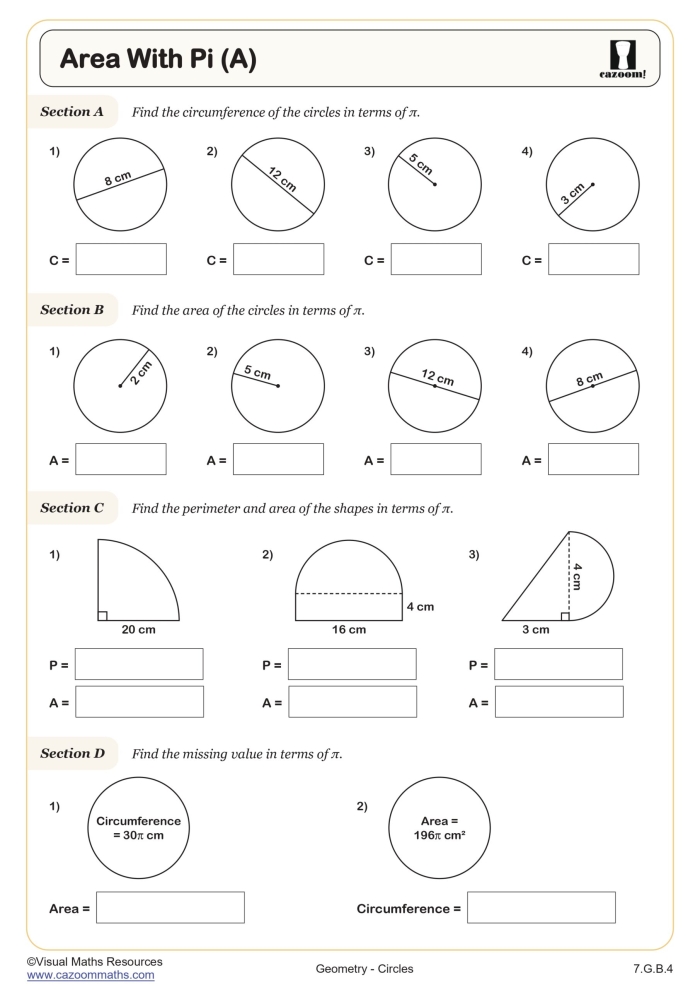
A focused worksheet on circle area gives students the repetition they need to build confidence. When seventh-graders work through multiple problems with different radii, they start recognizing patterns. They see how doubling the radius doesn’t just double the area, it quadruples it. That connection between the math and real behavior is where understanding clicks into place.
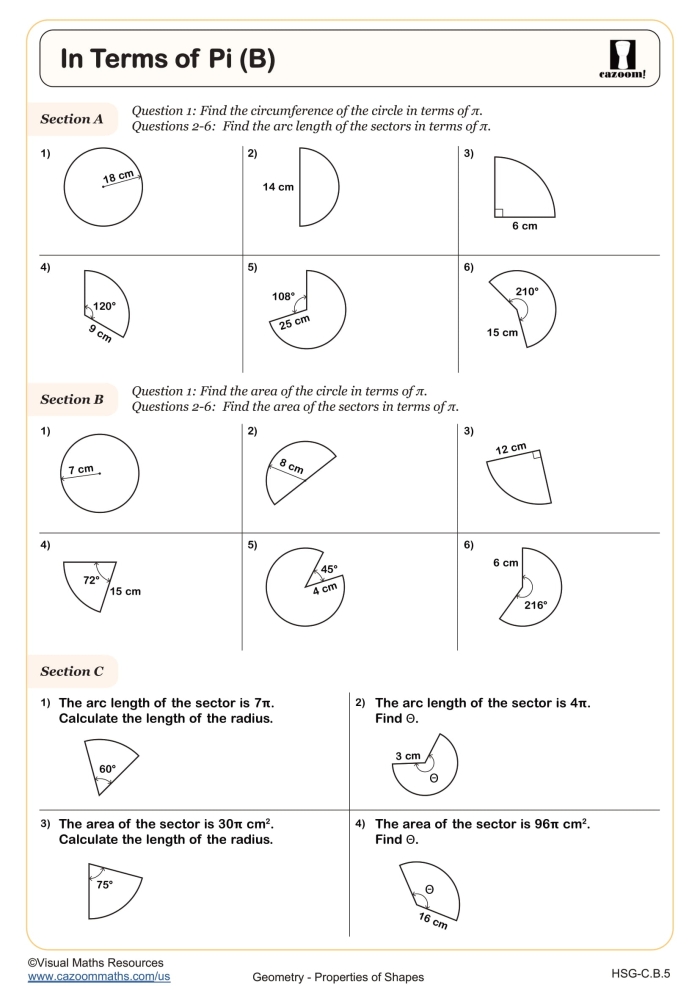
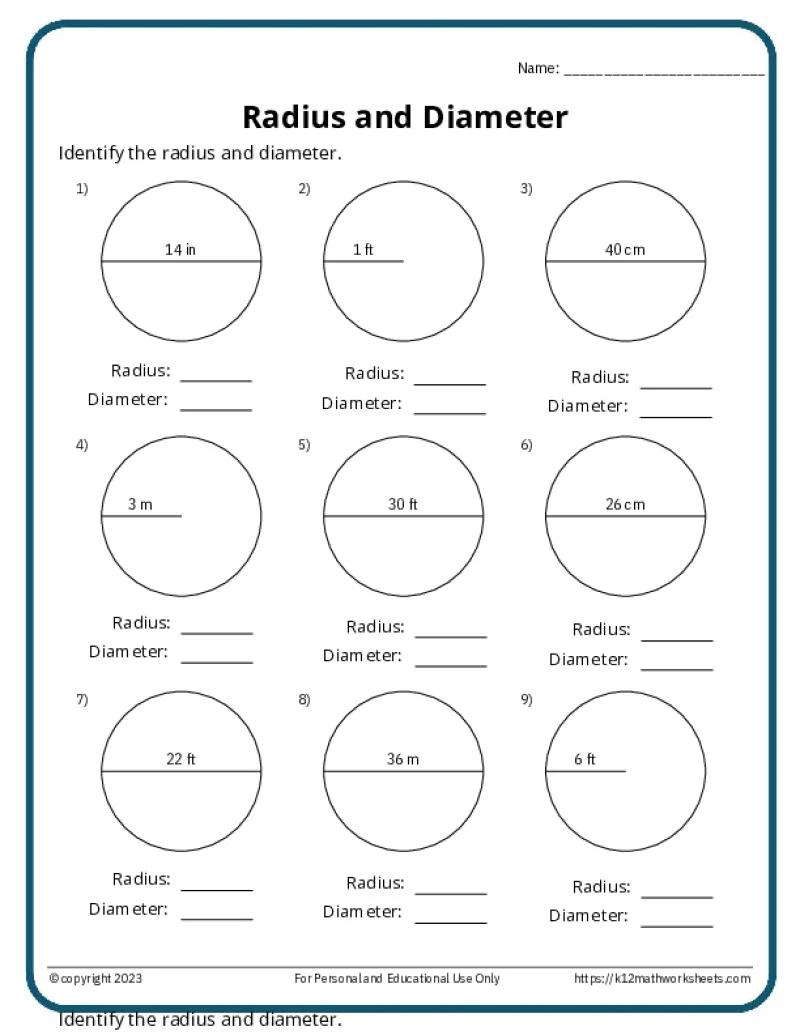
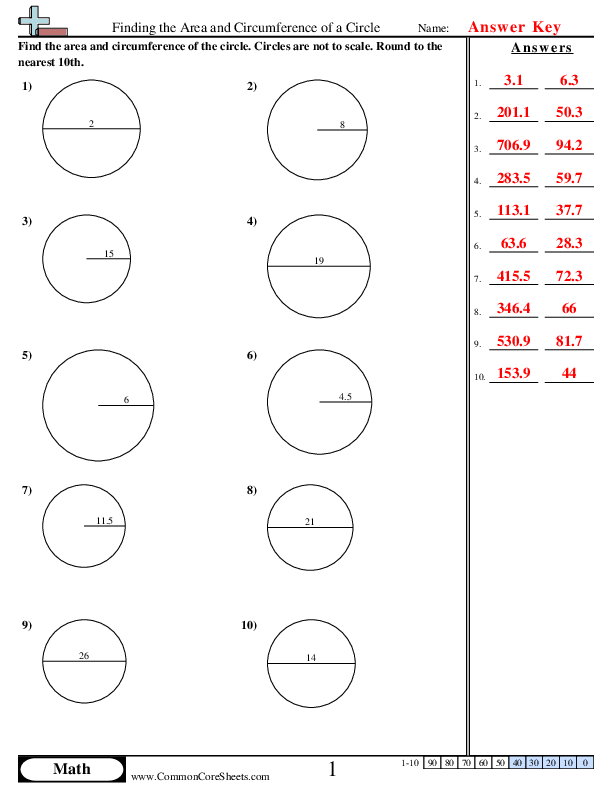
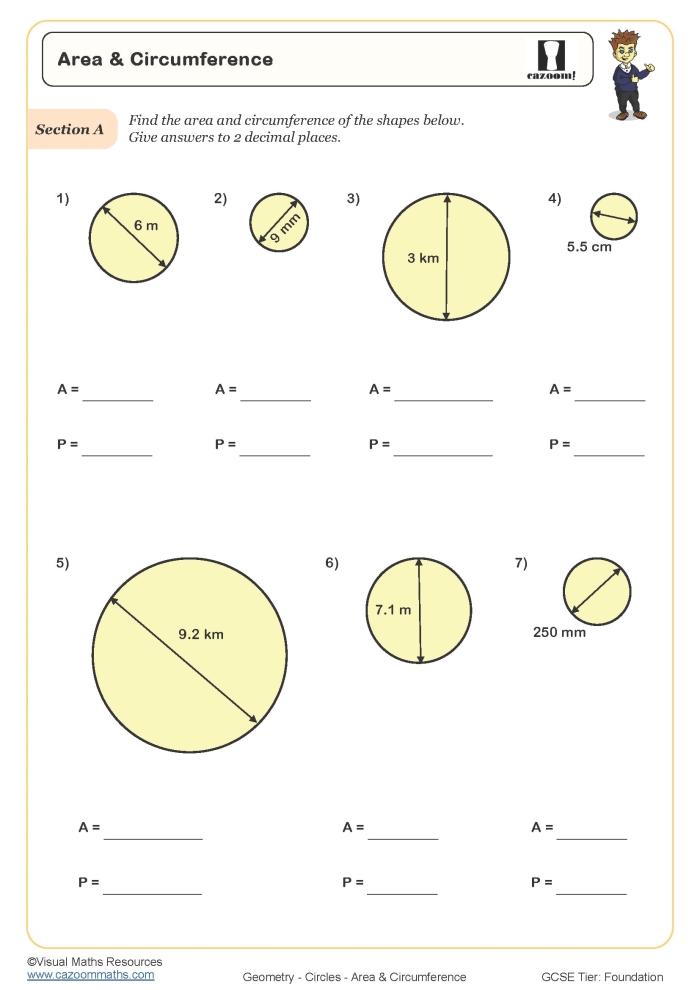
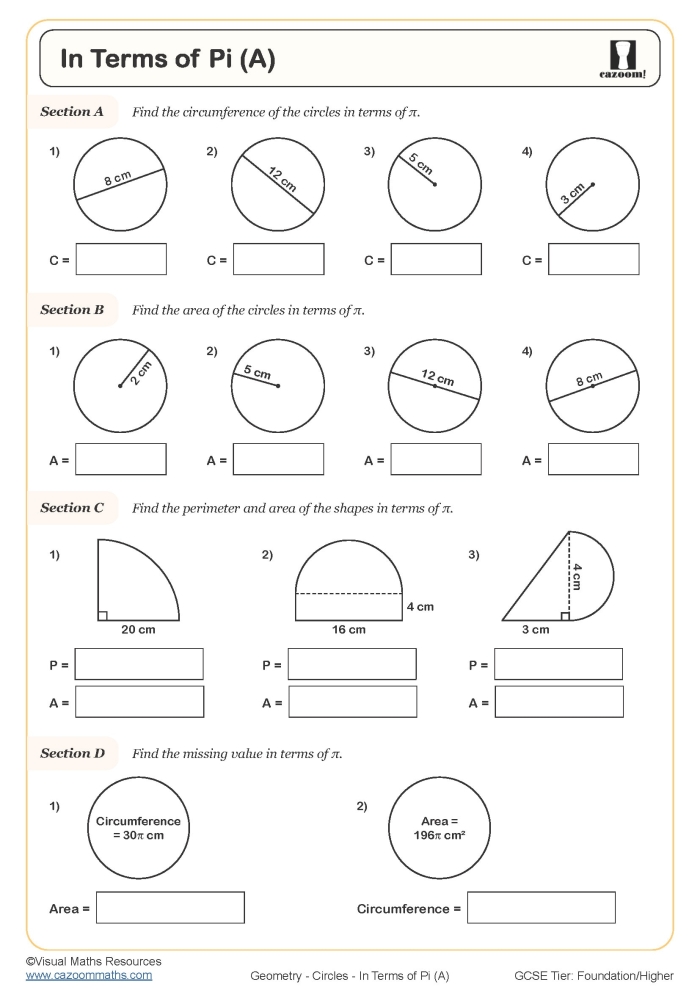
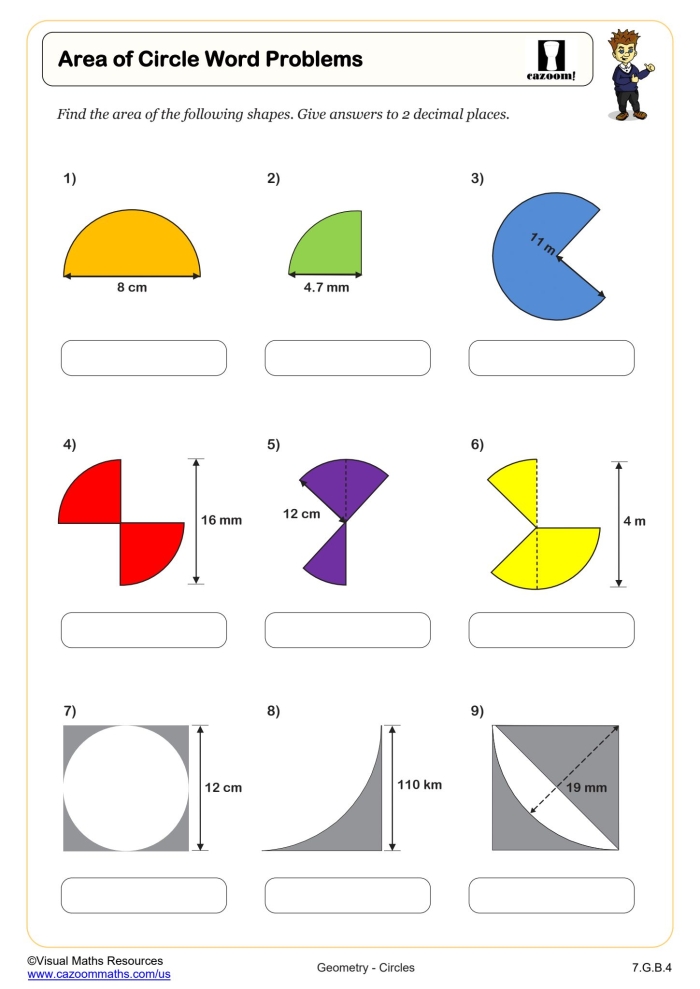
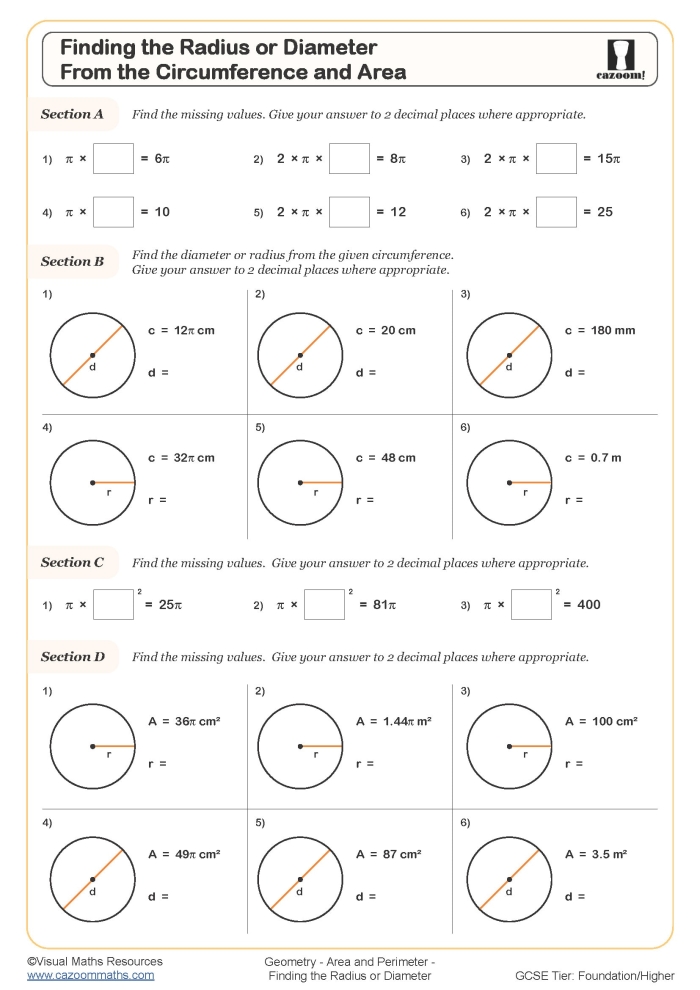
These worksheets typically include problems where students calculate area when given the radius directly, then progress to finding area when only diameter is provided. Some variations ask students to work backwards, finding the radius when area is known. This range keeps the practice from becoming mechanical.
The grammar and mechanics of math worksheets matter too. Clear labeling of measurements, consistent unit notation, and explicit instructions prevent confusion. When a worksheet states “Find the area in square inches” rather than assuming students know to include units, it reinforces mathematical communication skills alongside computation.
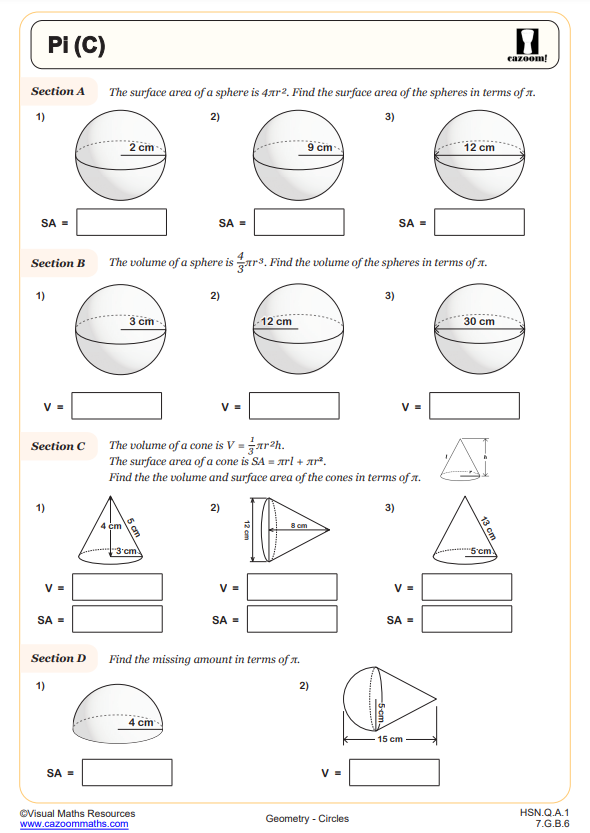
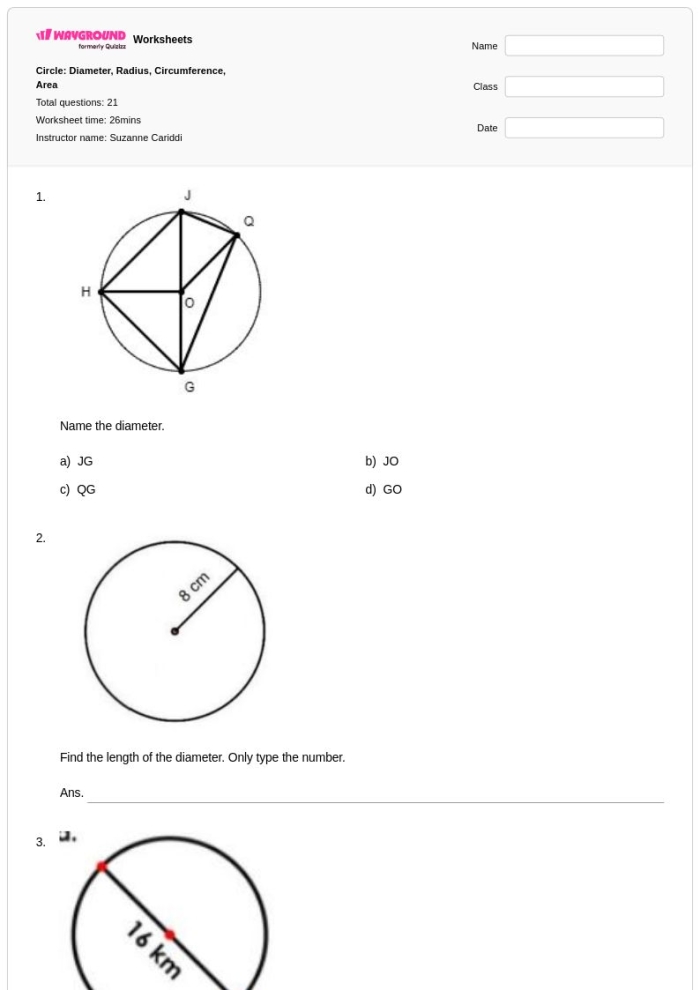
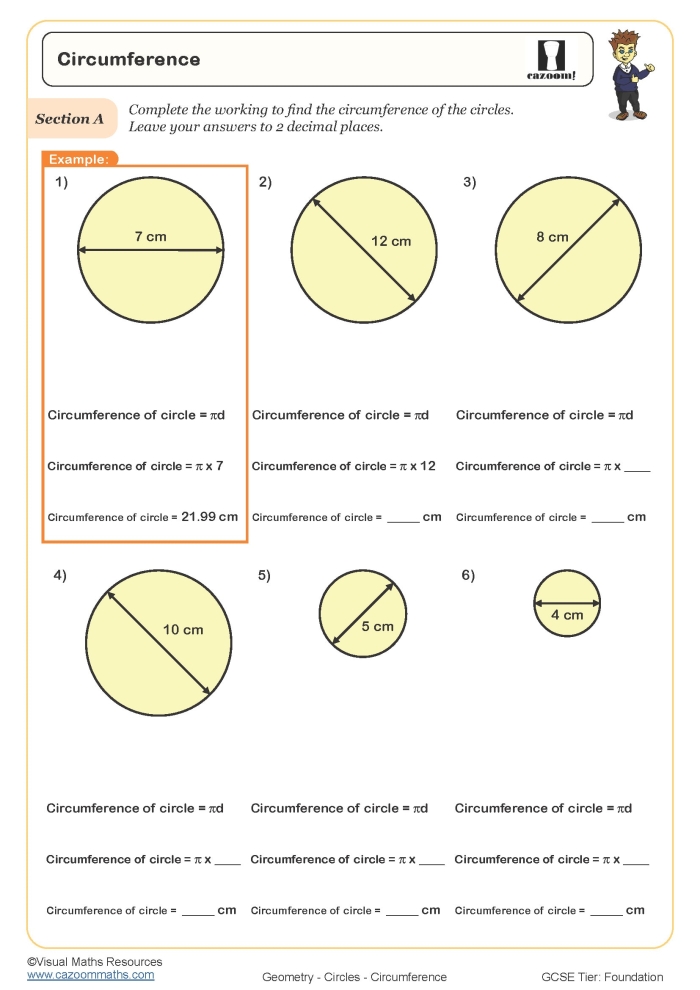
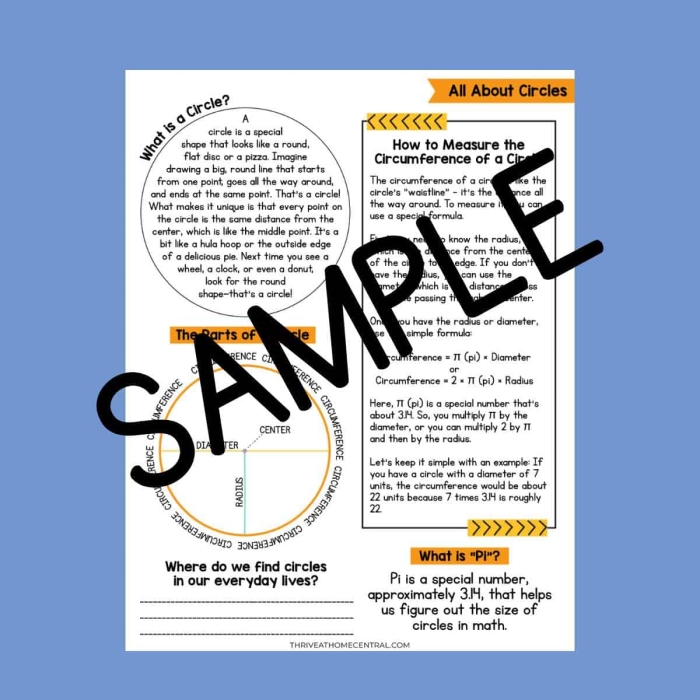
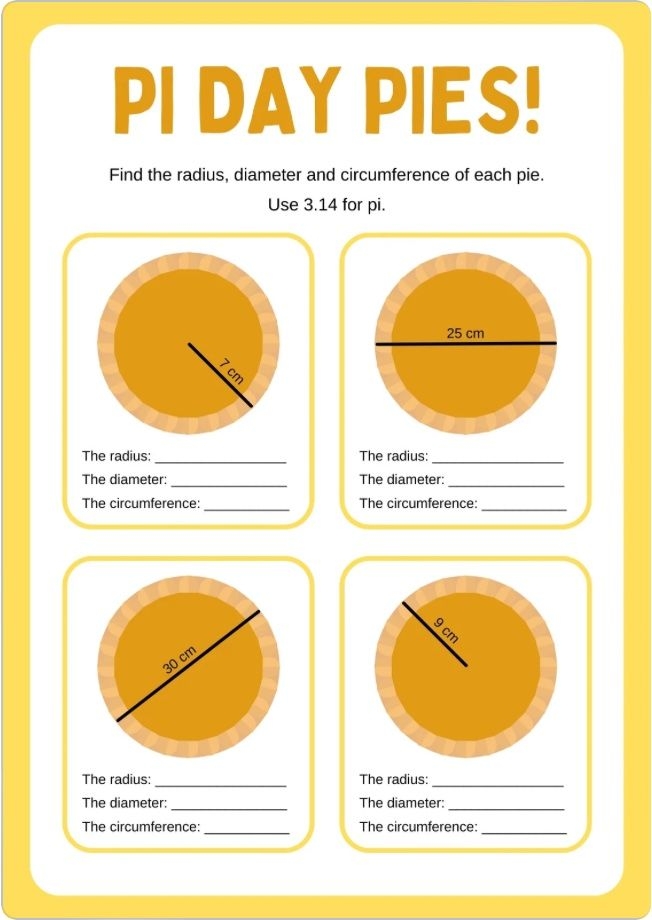
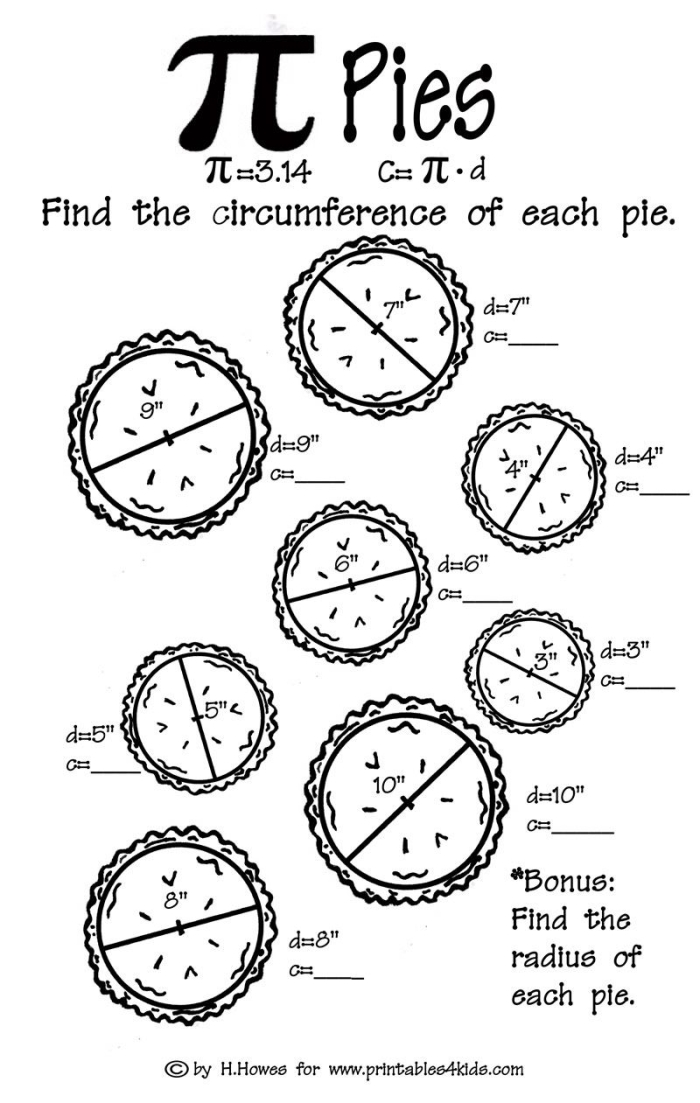
Printable pi radius squared worksheets work well for homework reinforcement or classroom stations. Students can tackle them at their own pace, and teachers can quickly spot which students understand the concept versus those still wrestling with it. Some students benefit from worksheets that include visual diagrams of circles with labeled radii, similar to how word problems about perimeter help younger learners visualize distance around shapes.
Regular practice with circle area problems builds the foundation for high school geometry and beyond. Seventh-graders who master pi radius squared early find themselves better prepared when circles appear in more complex contexts.
Practice with These Worksheets