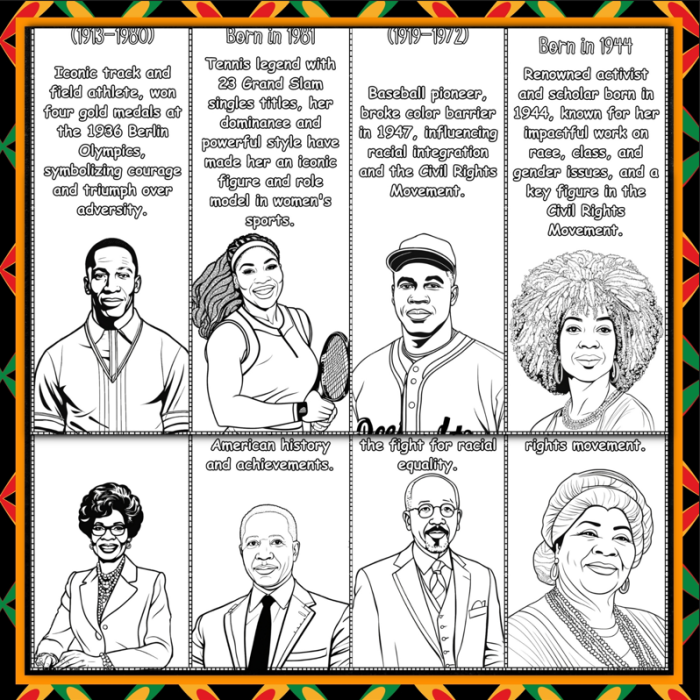
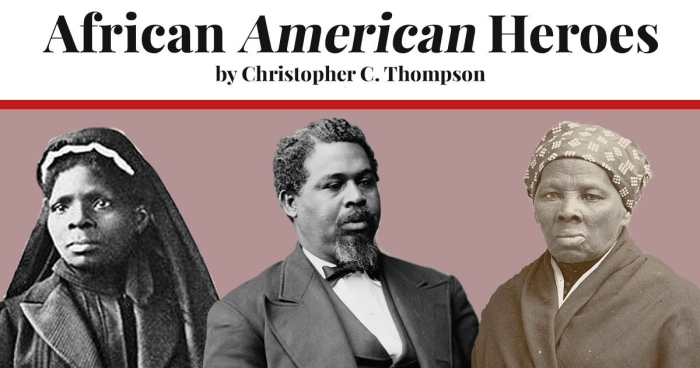
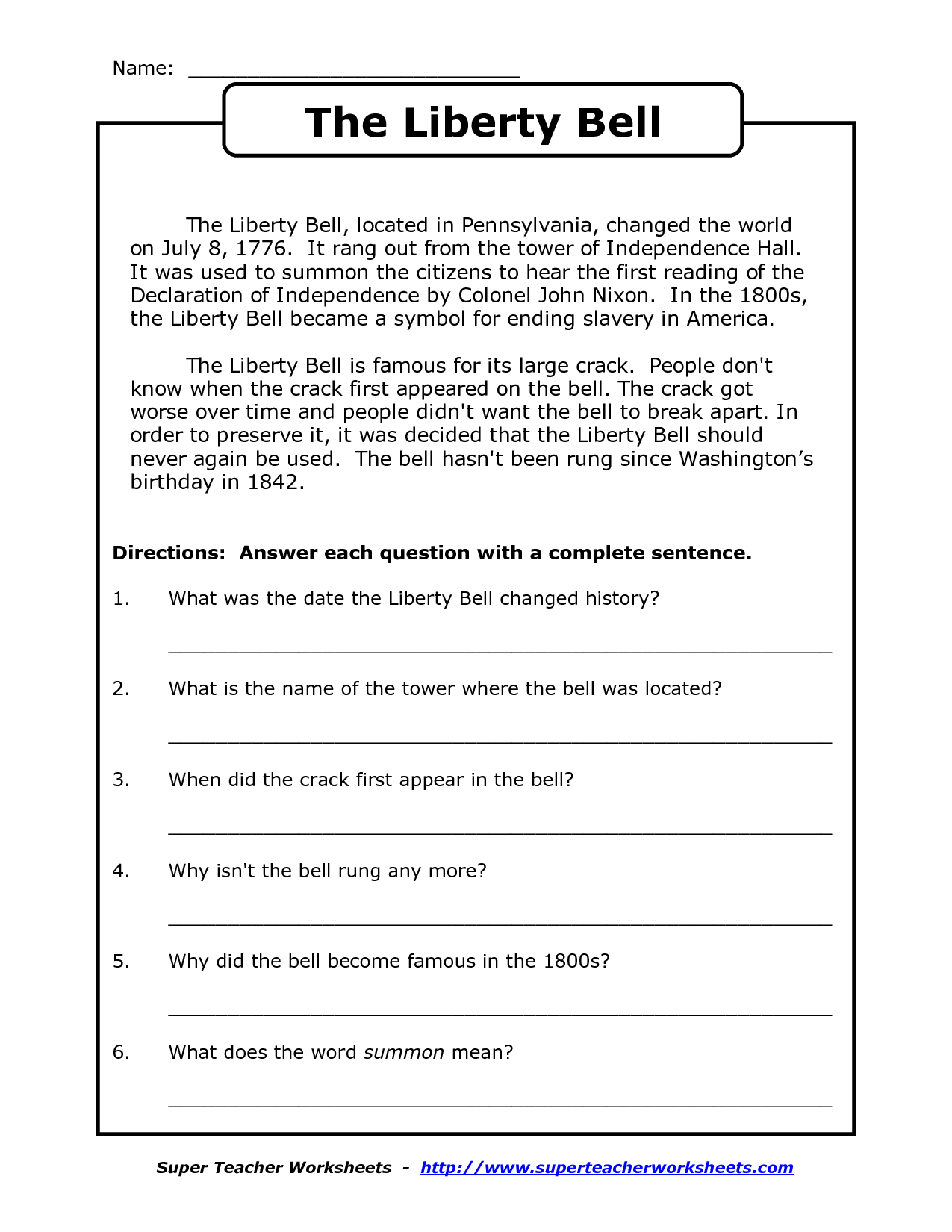
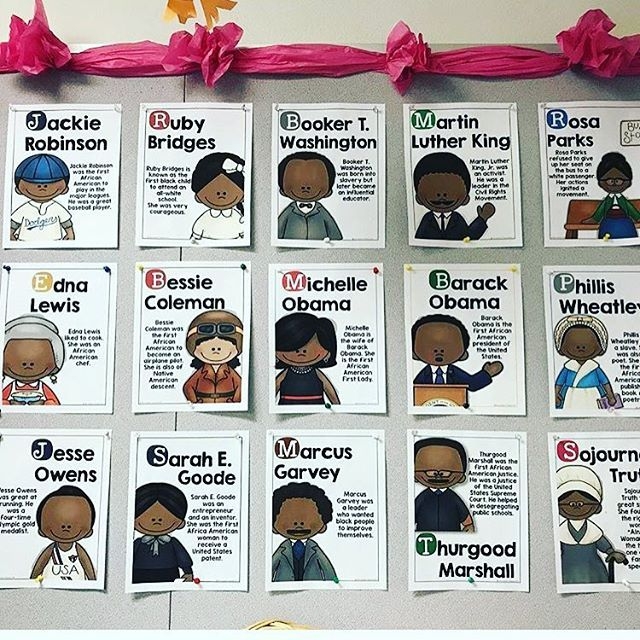
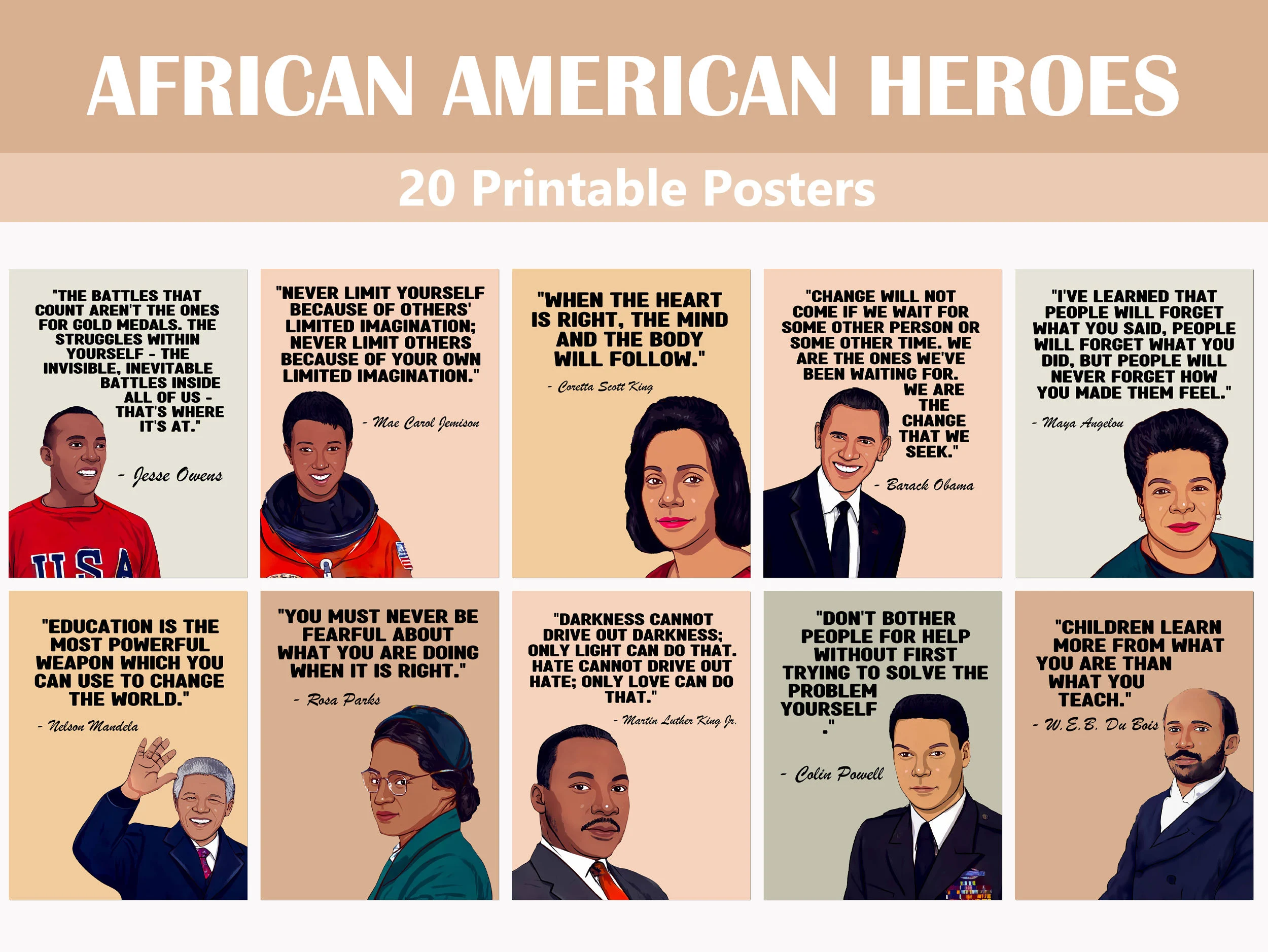
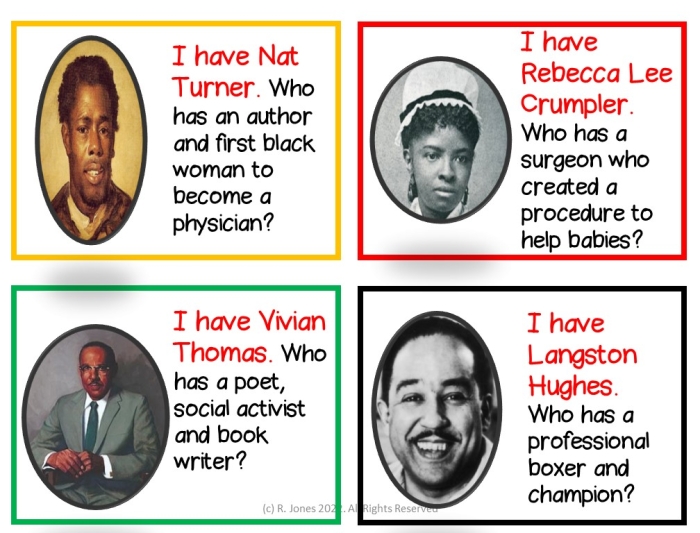
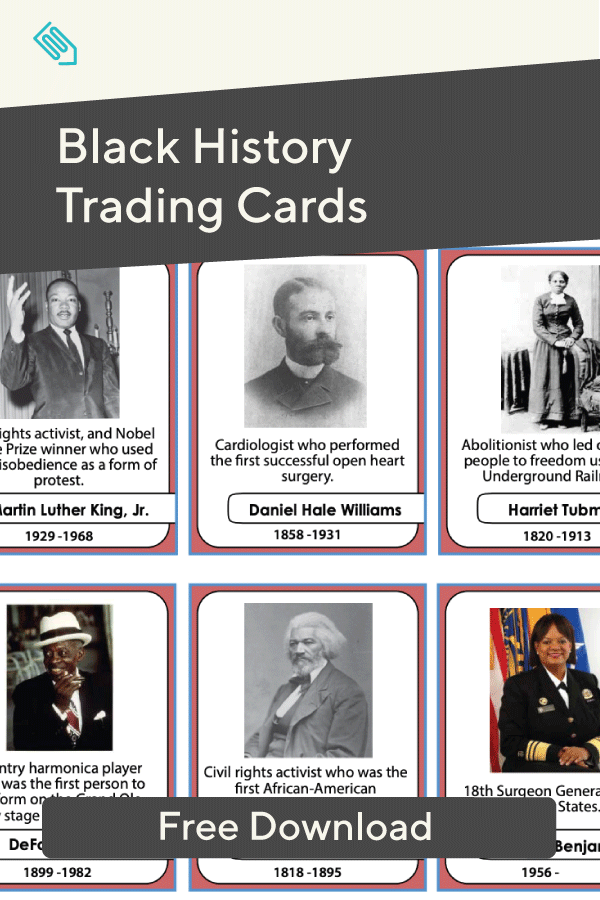
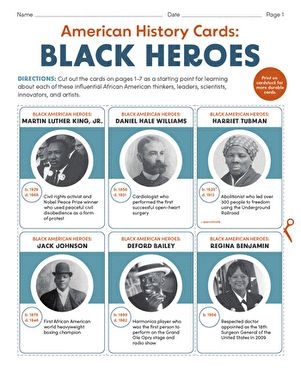
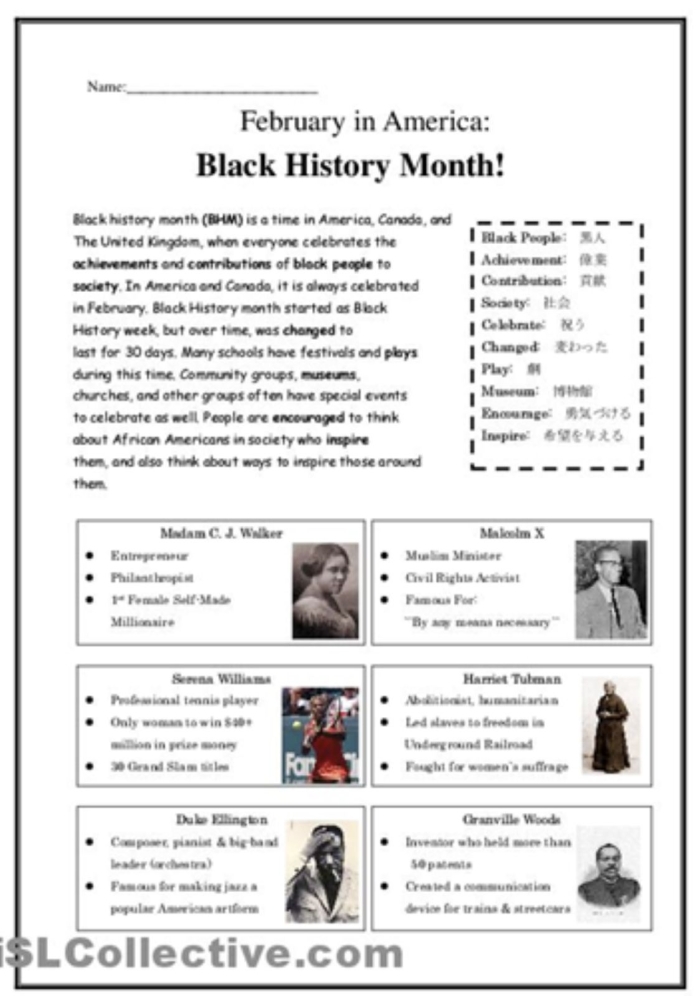
Cut-out cards offer a hands-on way to bring history to life in the classroom, and this seven-page set introduces fifth grade students to 42 Black American innovators, artists, thinkers, and leaders who shaped the nation. Rather than reading names from a textbook, students physically handle cards featuring these figures, which creates a different kind of engagement with the material.
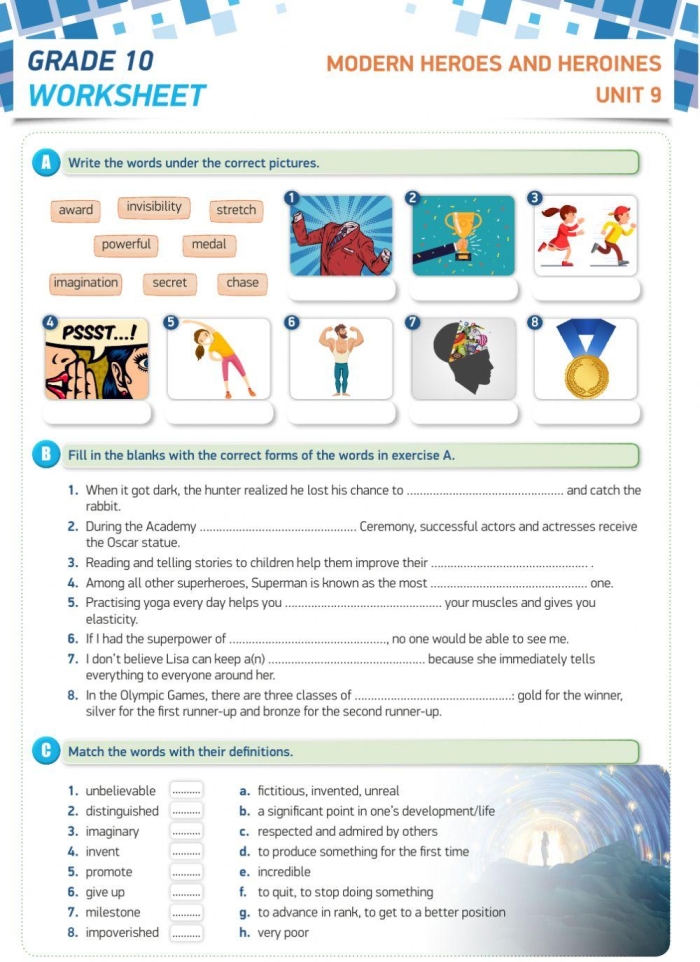
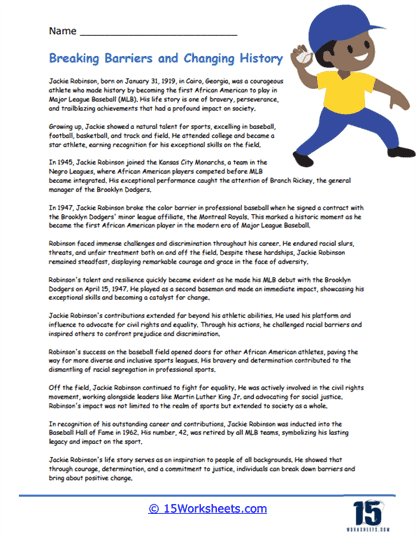
The collection spans multiple fields and time periods. You’ll find scientists like George Washington Carver, who revolutionized agricultural practices in the American South, alongside artists, musicians, civil rights activists, and entrepreneurs. Each card includes essential information that students can reference during lessons, discussions, or independent study. This format works particularly well for fifth graders, who benefit from tactile learning experiences that complement traditional worksheets and readings.
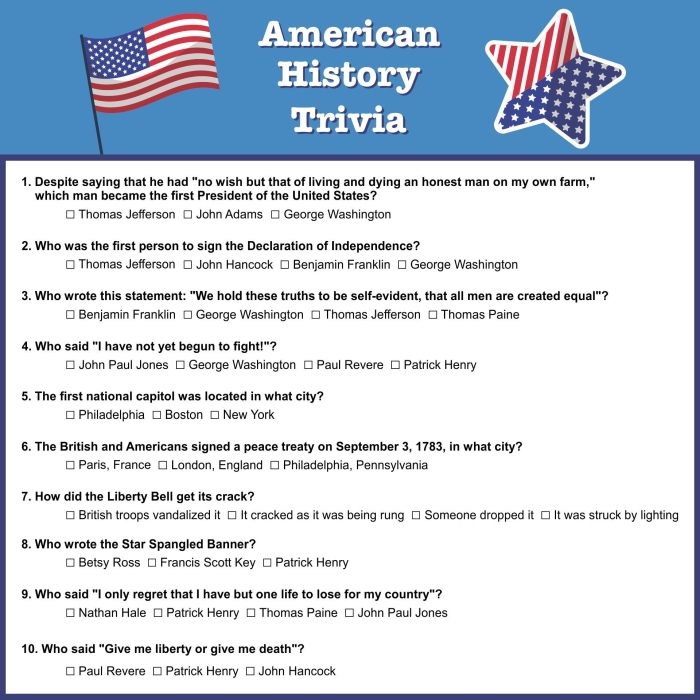
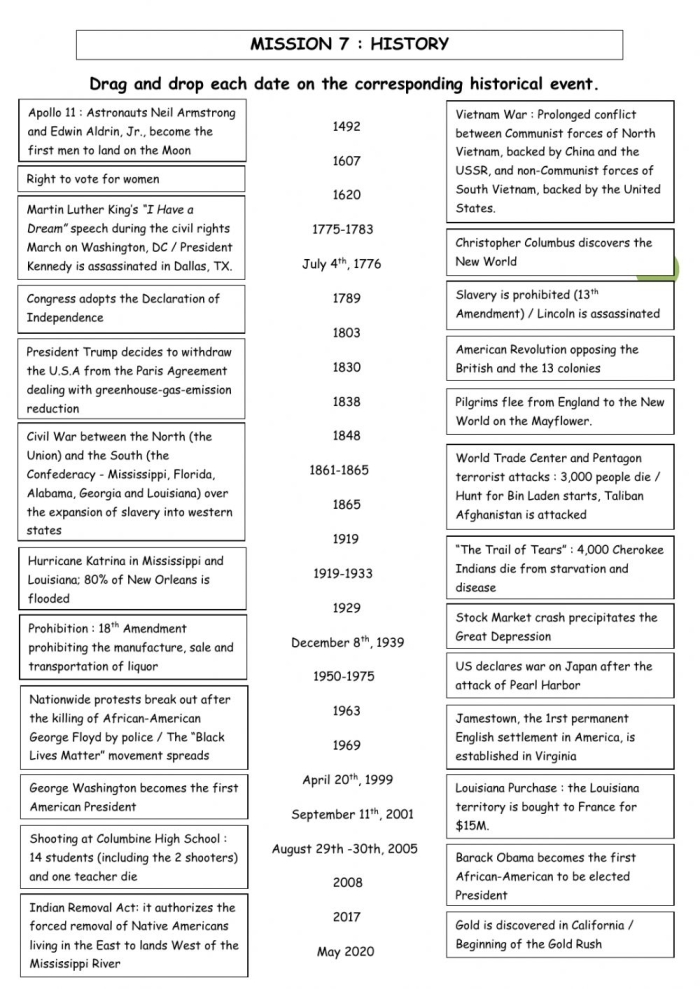
Teachers use these cards in several practical ways. Some create timeline activities where students arrange the figures chronologically. Others use them for research projects where each student investigates one person deeply. The cards can also support classroom displays or serve as conversation starters during history lessons. When paired with other instructional materials, like Native Americans and exploration worksheets, they help students understand the broader context of American history.
The visual component matters too. Many students remember faces and names better when they see them repeatedly on physical cards rather than in a single textbook image. The portability of cut-out cards means students can take them home, study them independently, or use them in group activities without being tied to a desk or screen.
Having access to diverse role models across different professions helps fifth graders see possibilities for their own futures. These cards normalize the presence of Black Americans in fields like science, business, medicine, and the arts, countering the narrow historical narratives that many students encounter elsewhere. The format is simple, but its impact on how students view American history and their own potential is substantial.
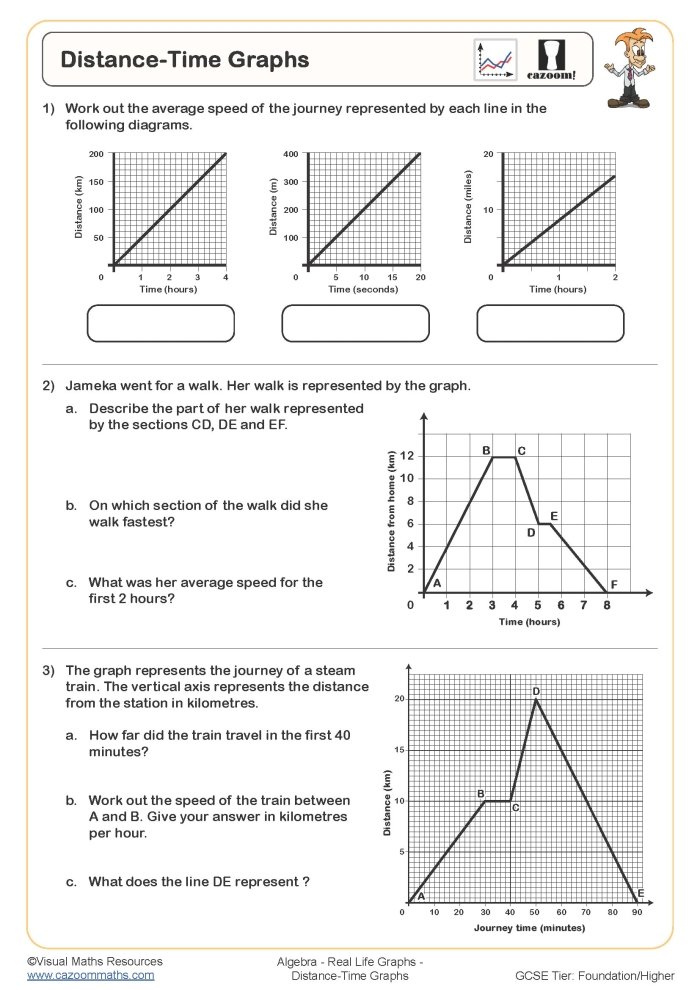
Download These Worksheets for Practice