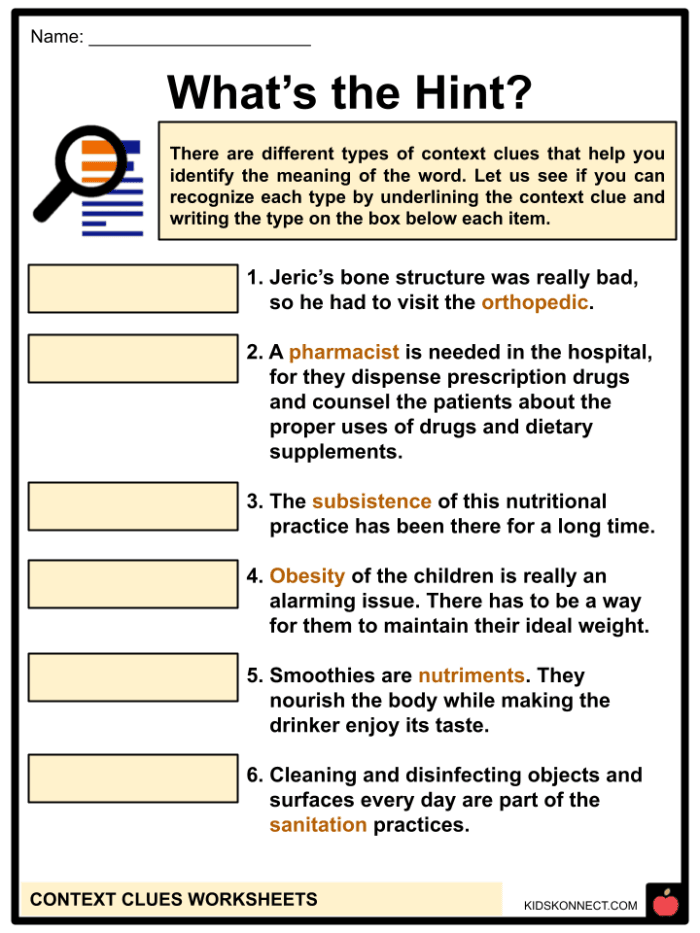
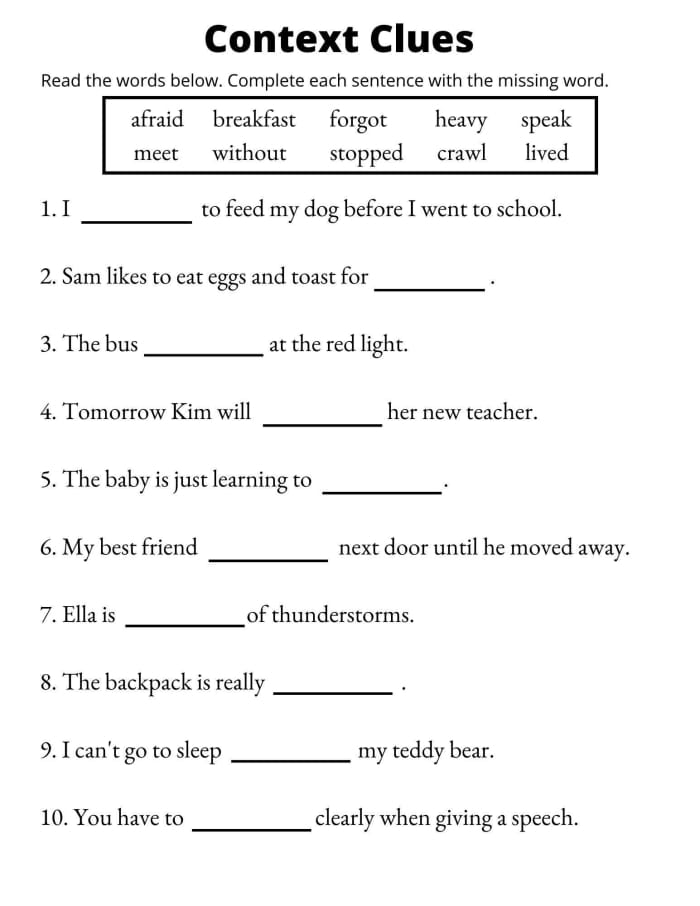
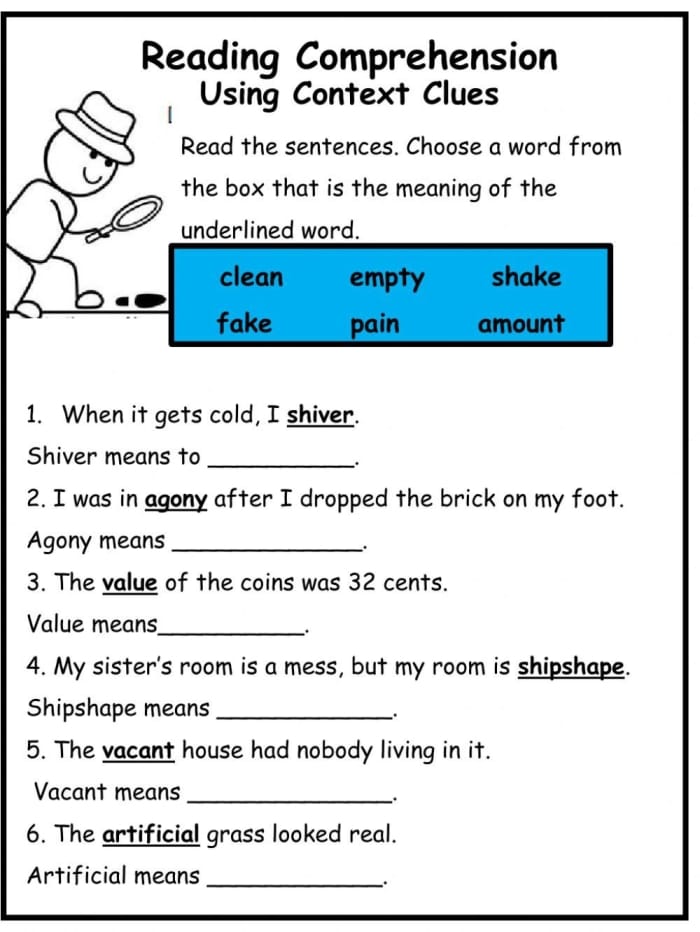
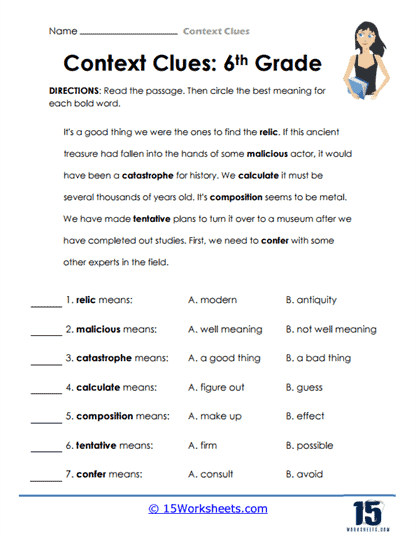
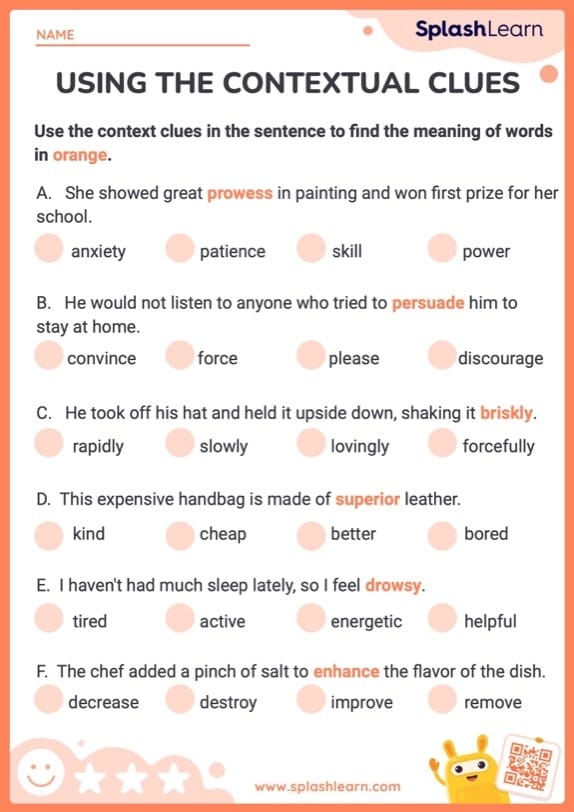
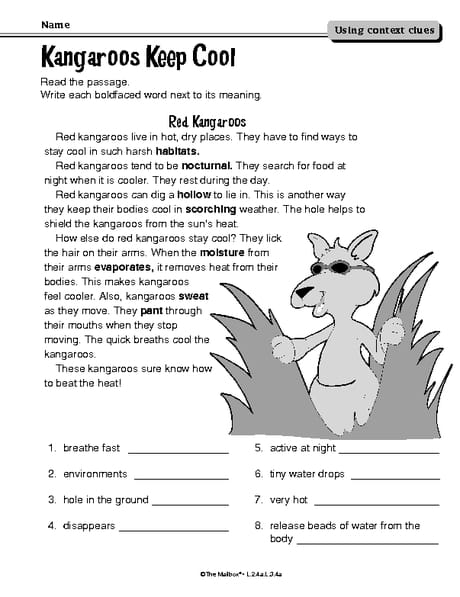
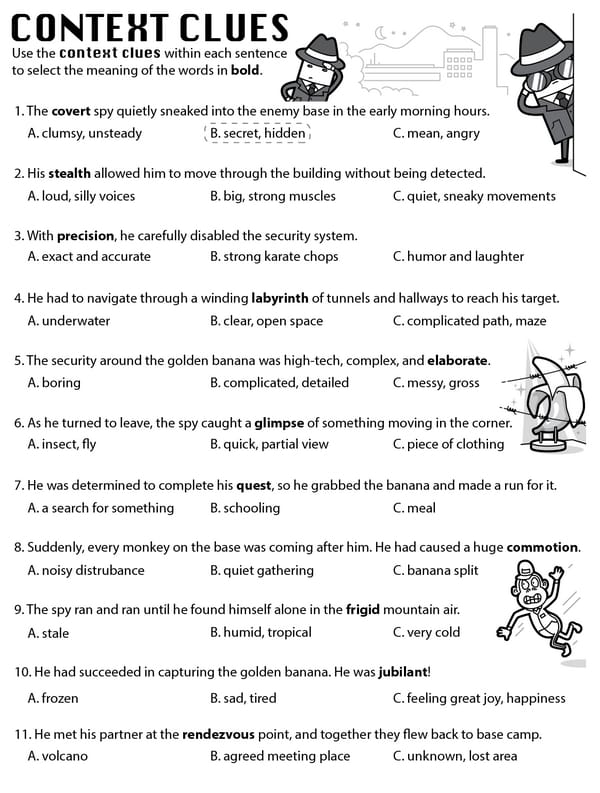
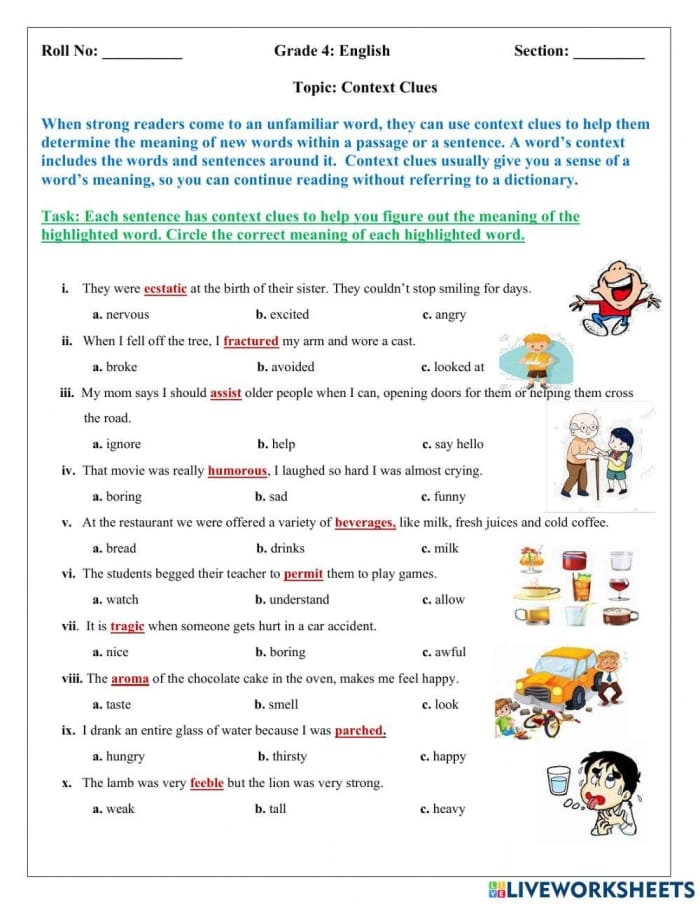
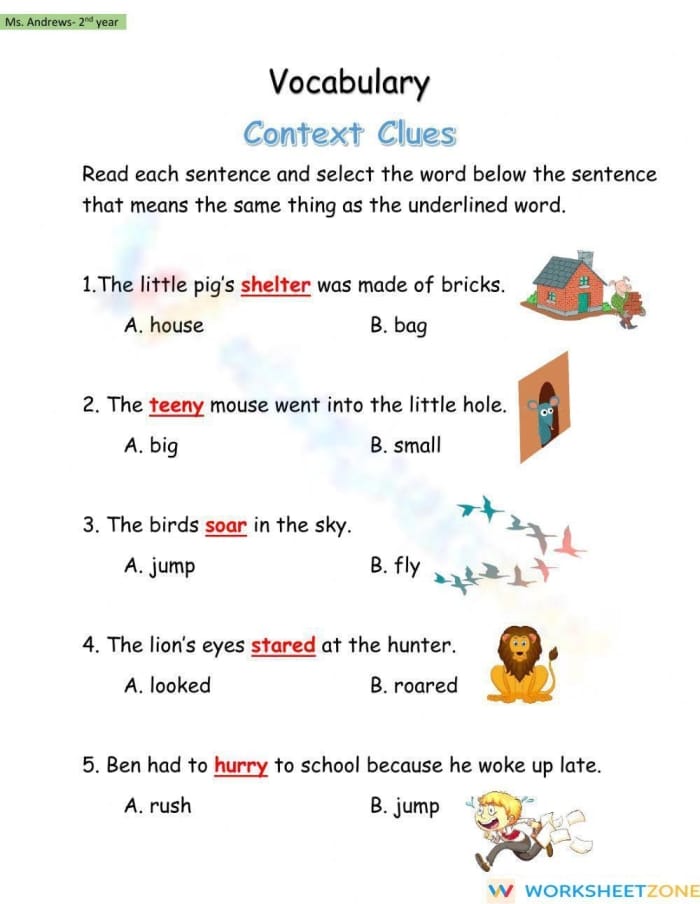
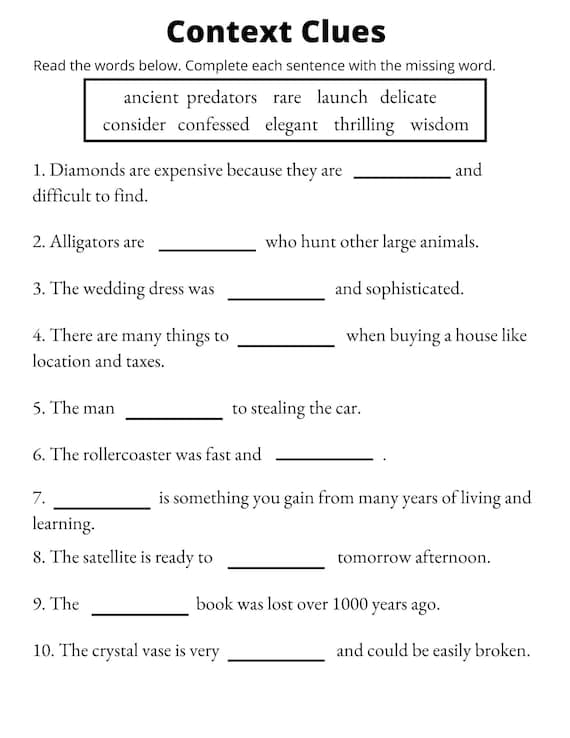
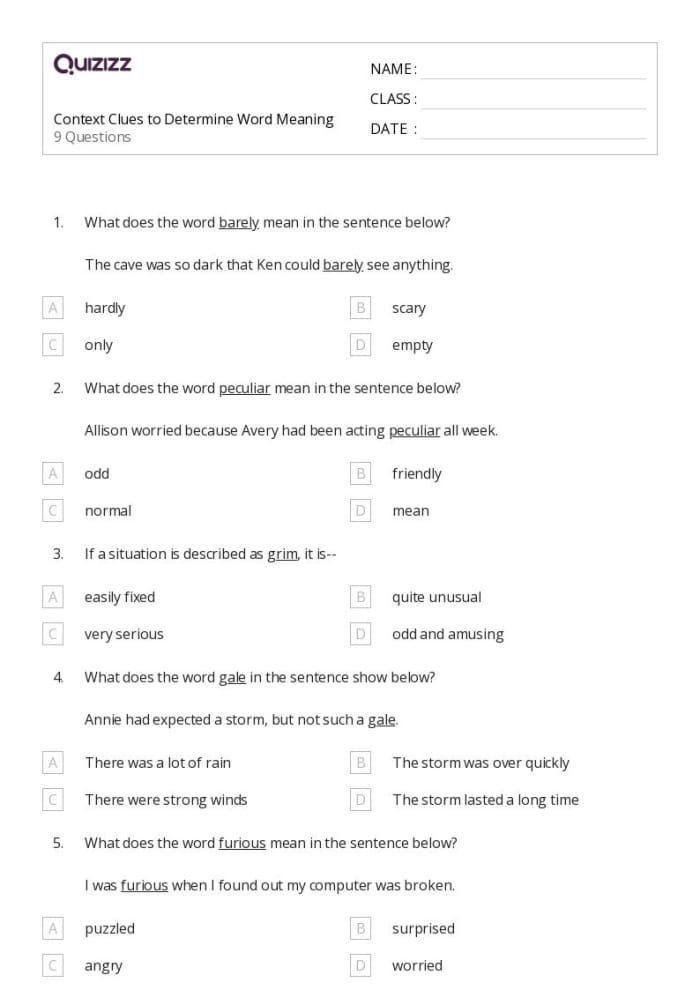
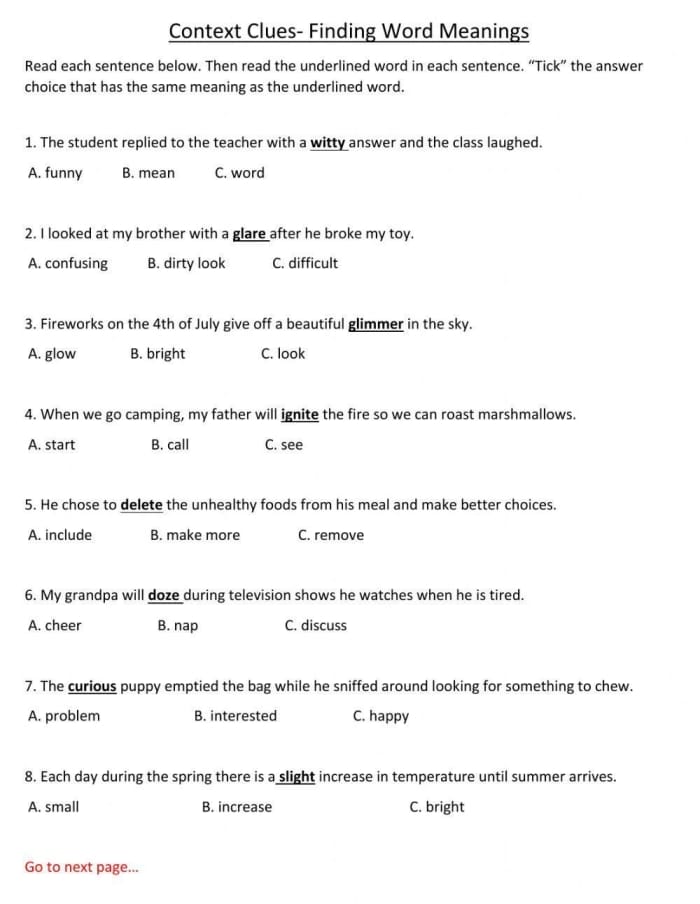
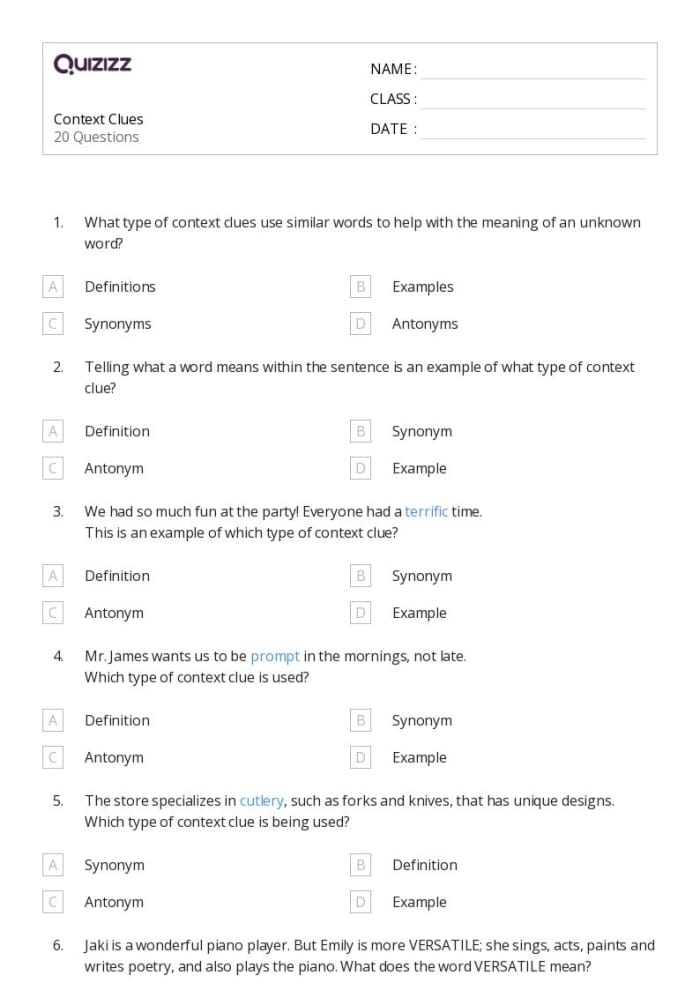
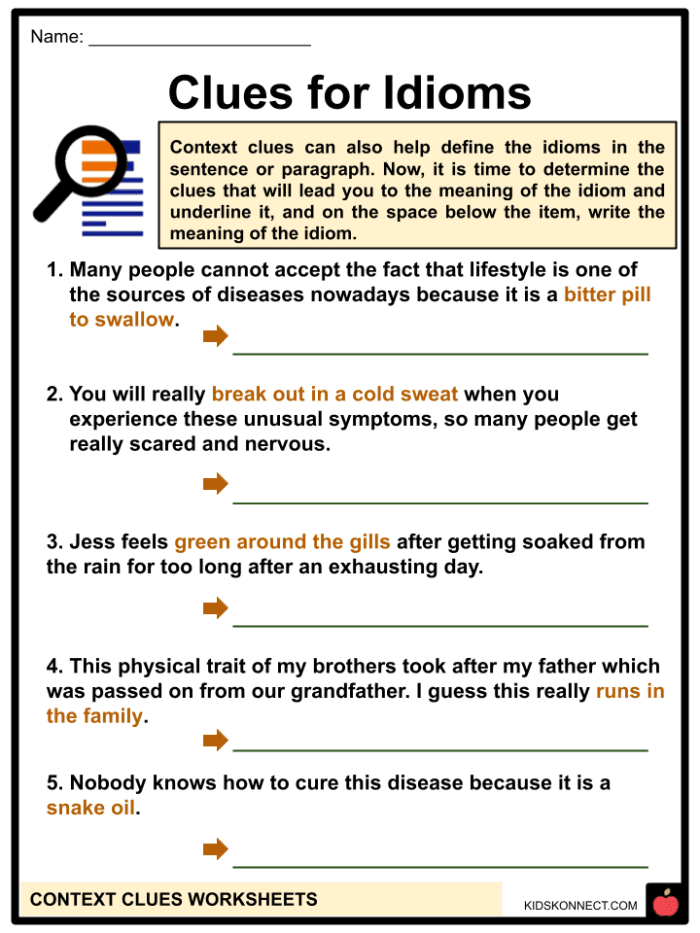
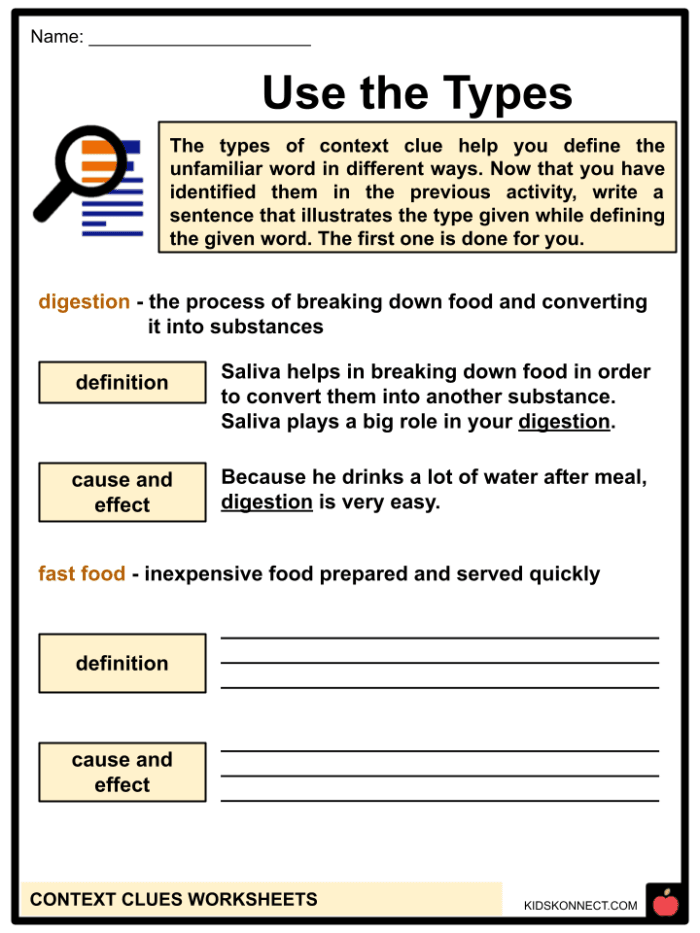
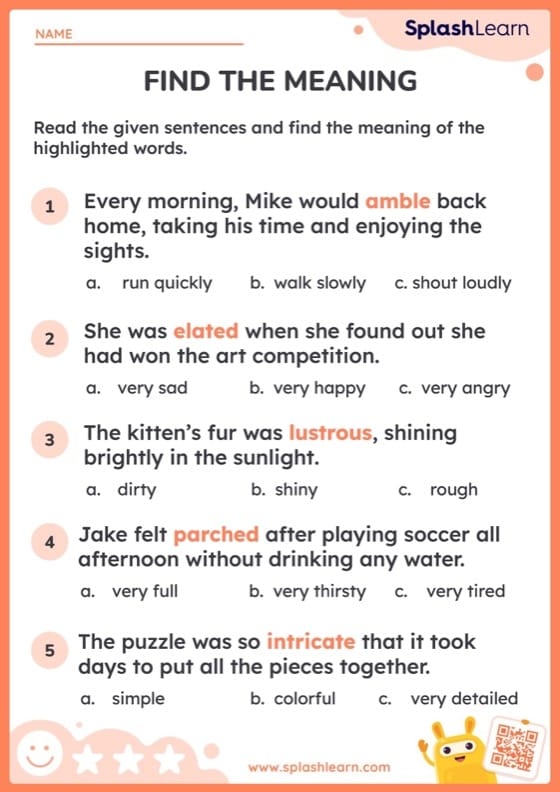
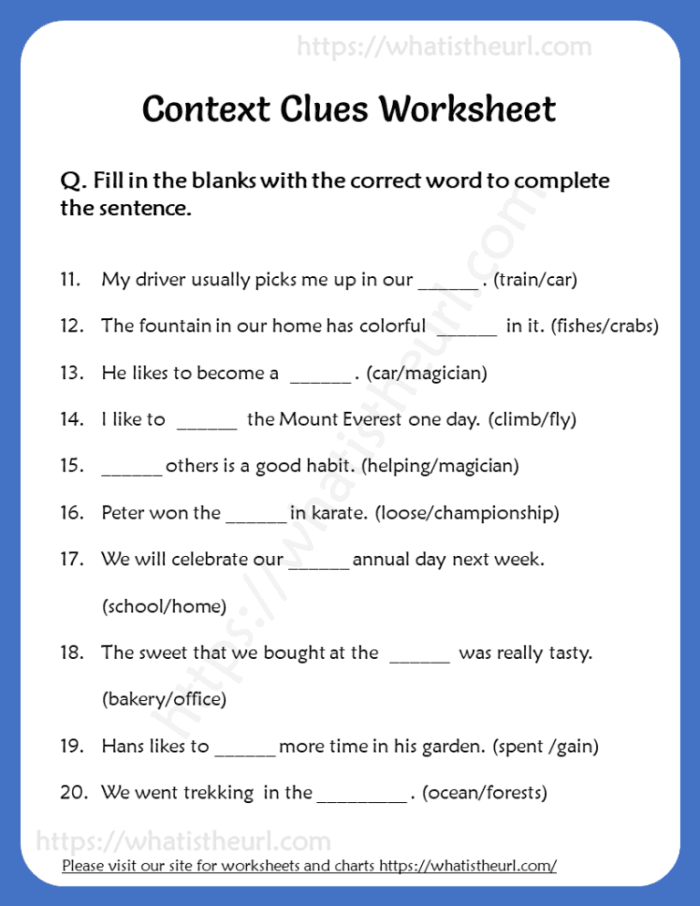
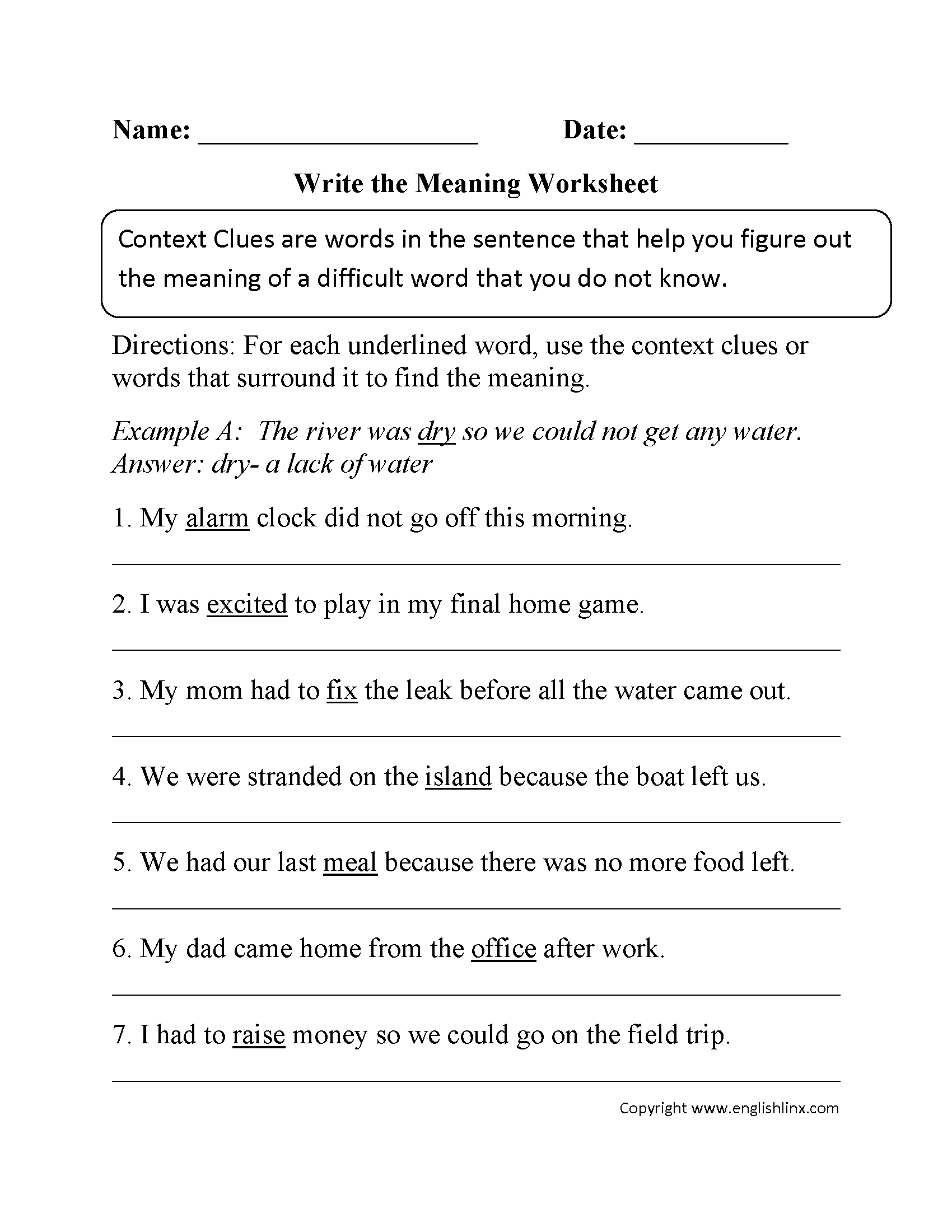
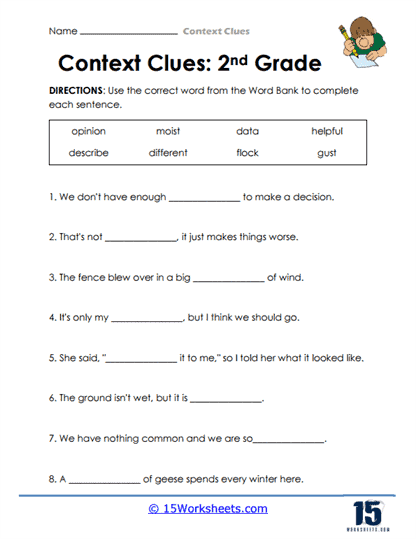
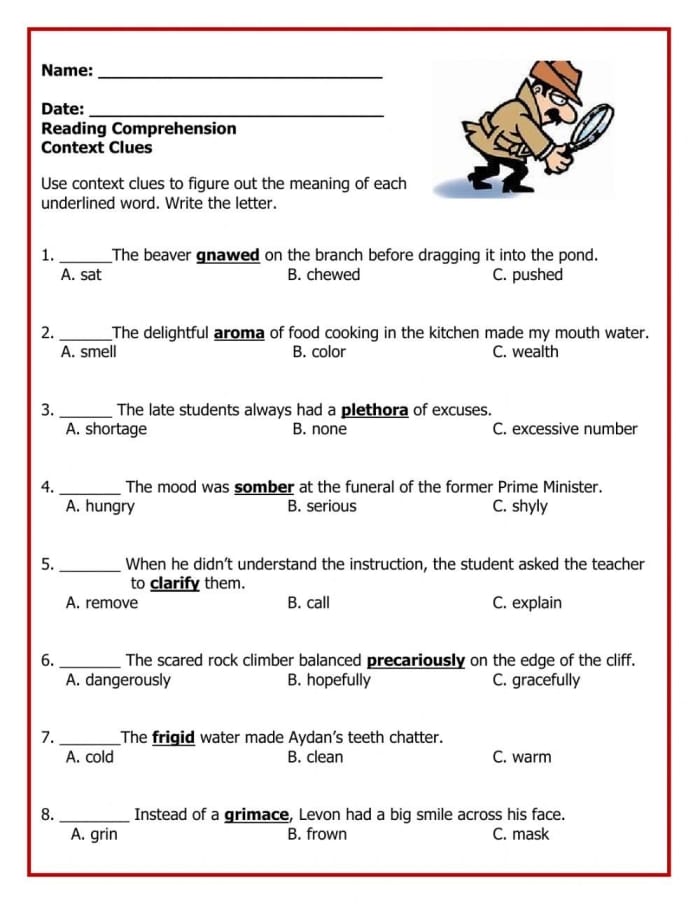
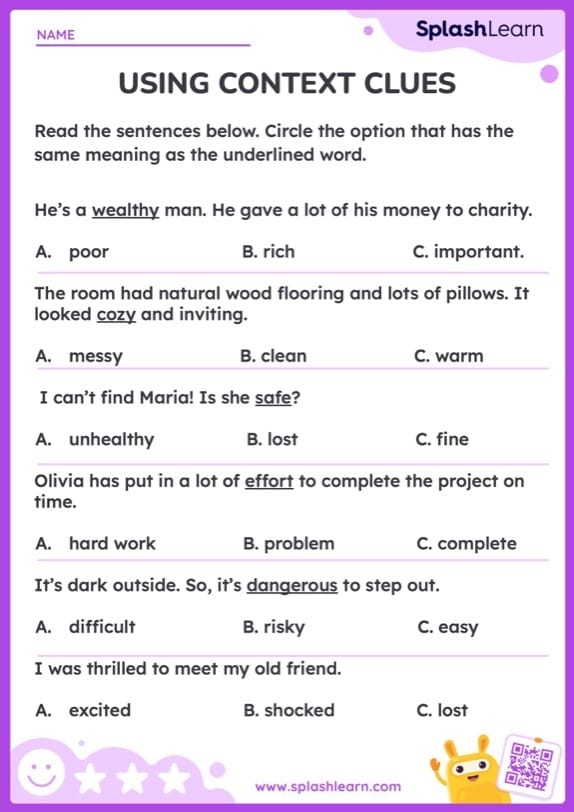
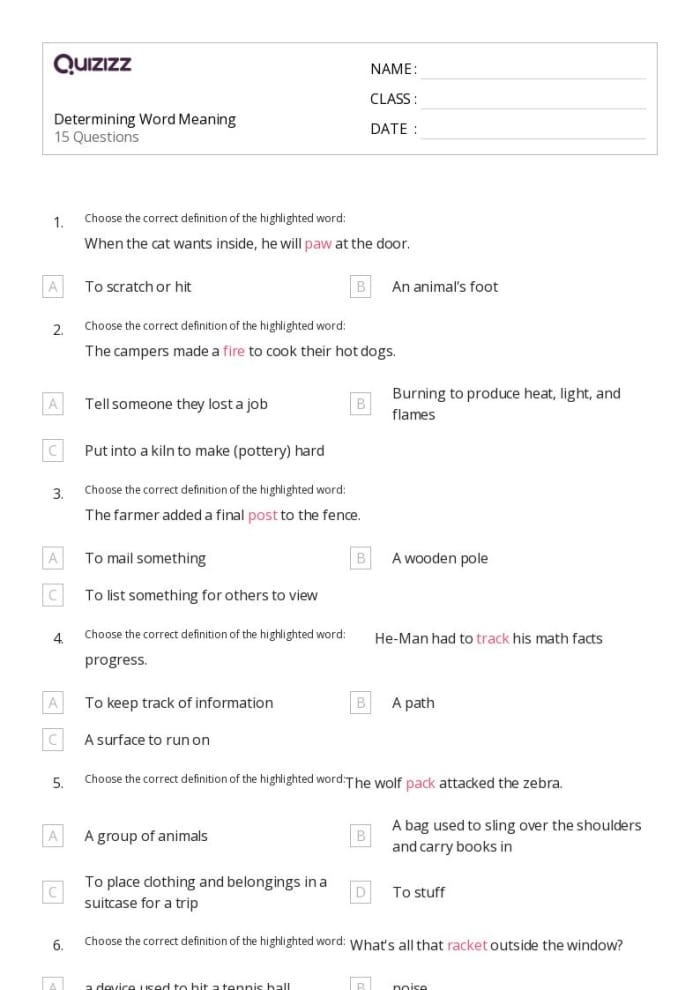
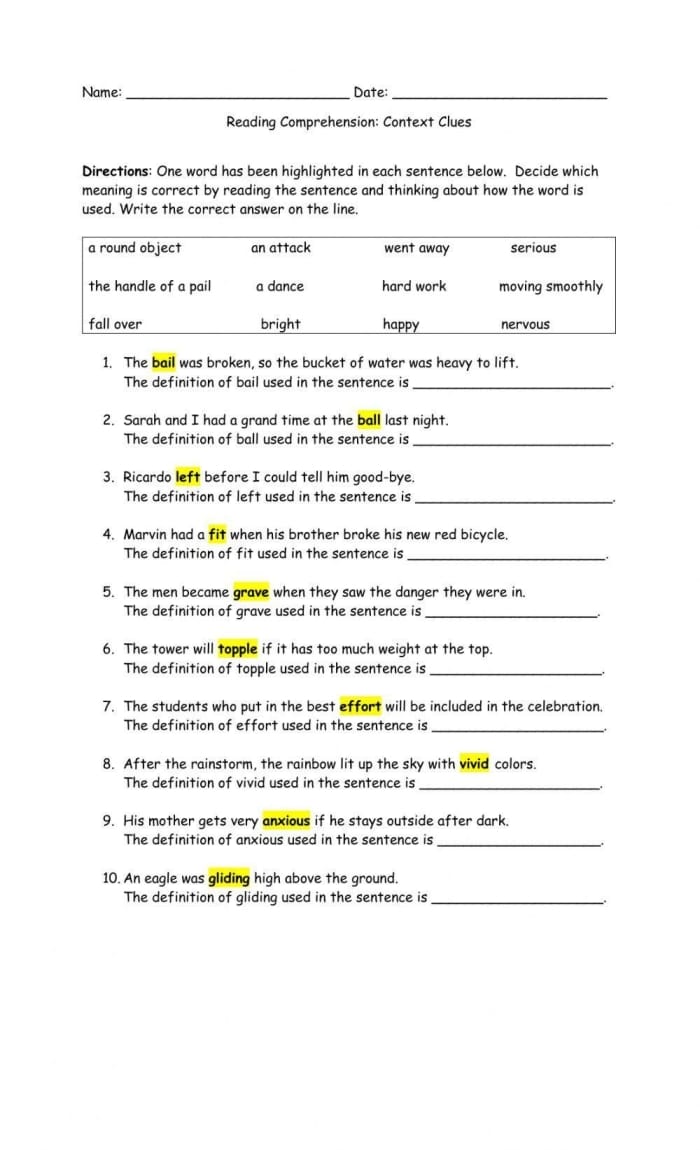
Context clues are one of the most practical tools third grade students can develop for reading independence. When children learn to extract meaning from surrounding words and sentences, they stop relying solely on you to decode unfamiliar vocabulary. This resource gives you a direct way to measure whether your students have actually grasped this skill or if they still need more guided practice.
The challenge many teachers face is distinguishing between students who can identify context clues and those who simply guess. A student might luck out on a multiple-choice question, but that doesn’t mean they understand the strategy. With a focused assessment tool, you can observe their reasoning process. Do they look at the sentence before and after an unknown word? Can they use synonyms, definitions, or examples embedded in the text? These distinctions matter for your instructional planning.
Third grade vocabulary instruction works best when students apply skills across different text types. As students expand sentences with more complex vocabulary, they encounter richer context. Similarly, when they identify base words, prefixes, and suffixes, they’re building another layer of word-solving strategies that complements context clue work.
Using this assessment resource, you’ll notice which students transfer their learning to new passages and which ones need additional support. Some children excel with comparison clues (showing how words are alike), while others respond better to contrast clues (showing how words differ). Once you identify these patterns, you can target your small group instruction more effectively.
The payoff extends beyond vocabulary tests. Students who master context clues become more confident readers overall. They move through texts with fewer interruptions and develop the independence that third graders need as reading demands increase throughout the year.
Printable Worksheets for Practice