When fifth grade students first encounter the women’s suffrage movement, they’re learning about one of the most determined campaigns in American history. The fight for women’s right to vote stretched across decades, involved thousands of activists, and fundamentally changed the nation’s political landscape.
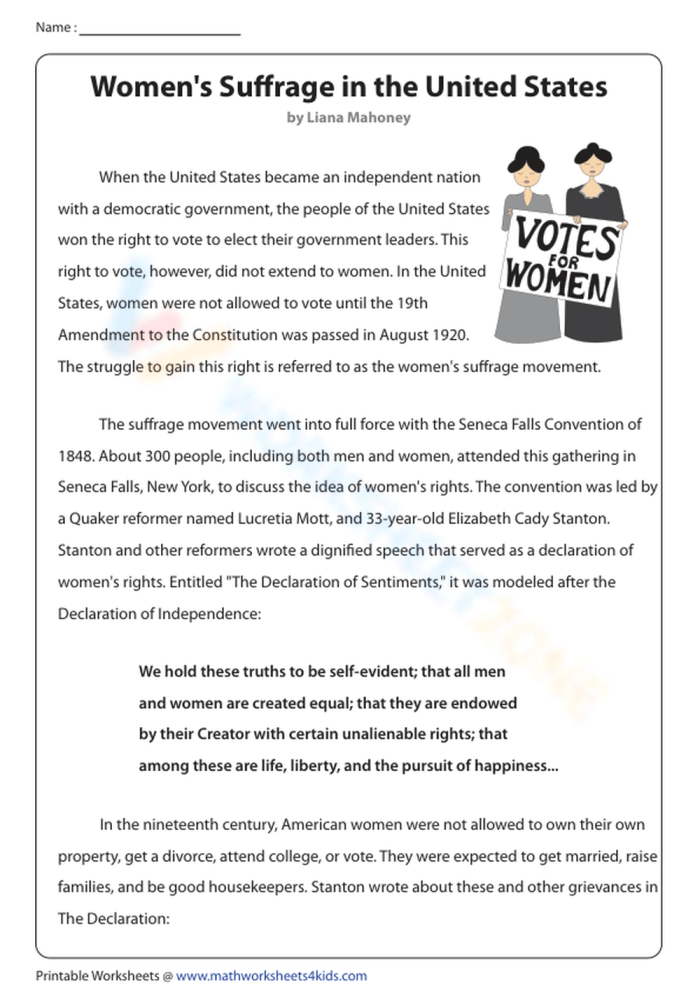
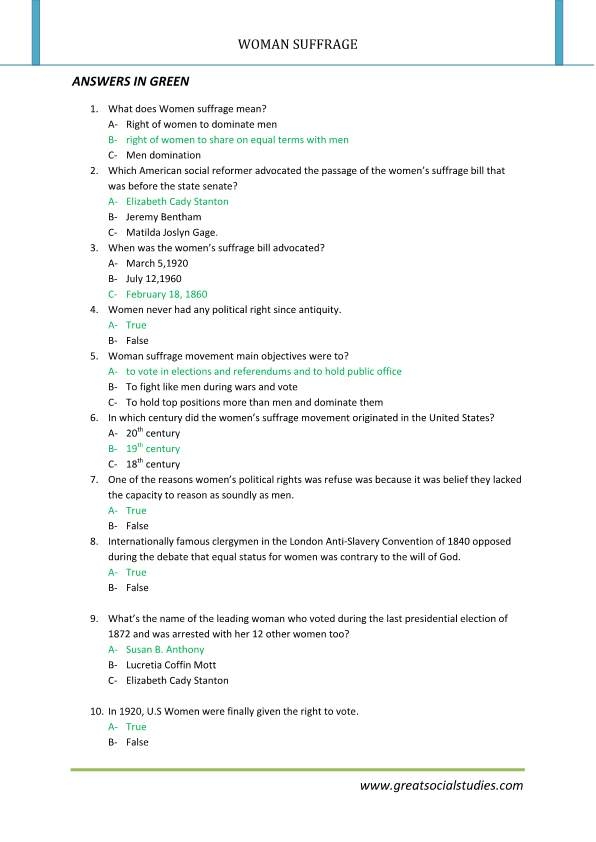
The movement gained serious momentum in the mid-1800s, particularly after the 1848 Seneca Falls Convention in New York, where Elizabeth Cady Stanton and Lucretia Mott organized the first major gathering focused on women’s rights. These early leaders faced considerable opposition, but they refused to back down. Susan B. Anthony emerged as another central figure, traveling the country giving speeches and collecting signatures for petitions. Her arrest in 1872 for voting illegally brought national attention to the cause.
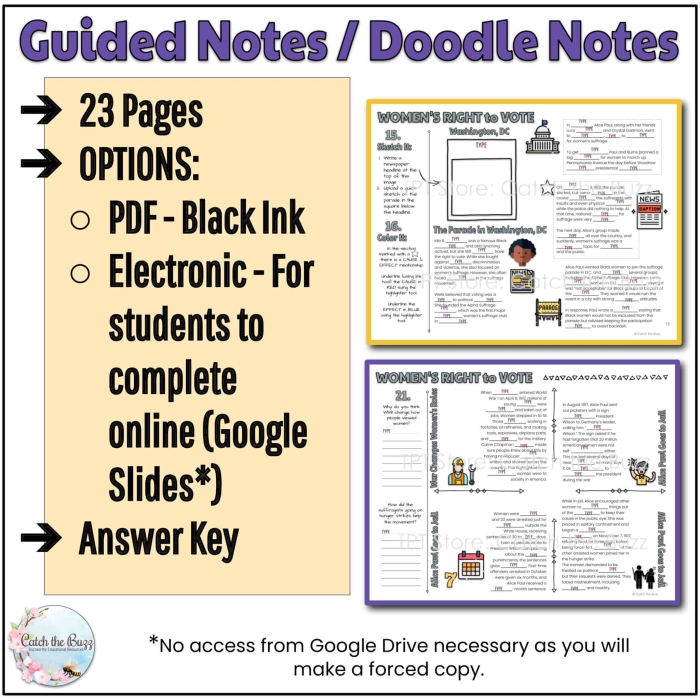
Key events shaped the movement’s trajectory. The 1913 Women’s Suffrage Procession in Washington, D.C. drew thousands of marchers and demonstrated the movement’s growing strength. World War I also shifted public perception, as women took on factory jobs and other essential work, proving their capabilities beyond the home.
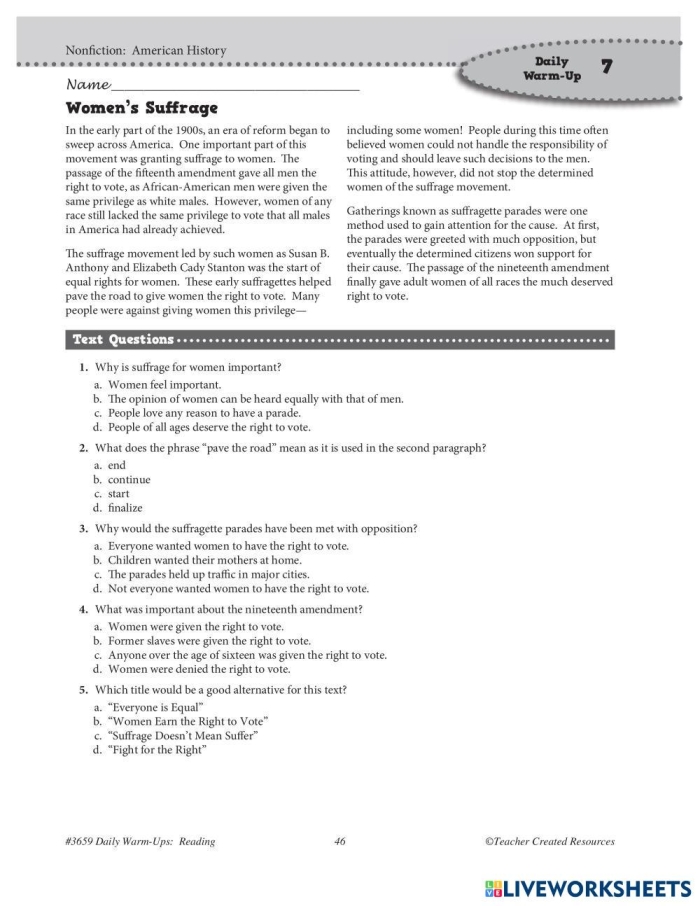
By 1919, Congress finally passed the amendment, and in 1920, the 19th Amendment became law, guaranteeing women the right to vote. This victory didn’t come easily, and students benefit from understanding the persistence required to achieve it.
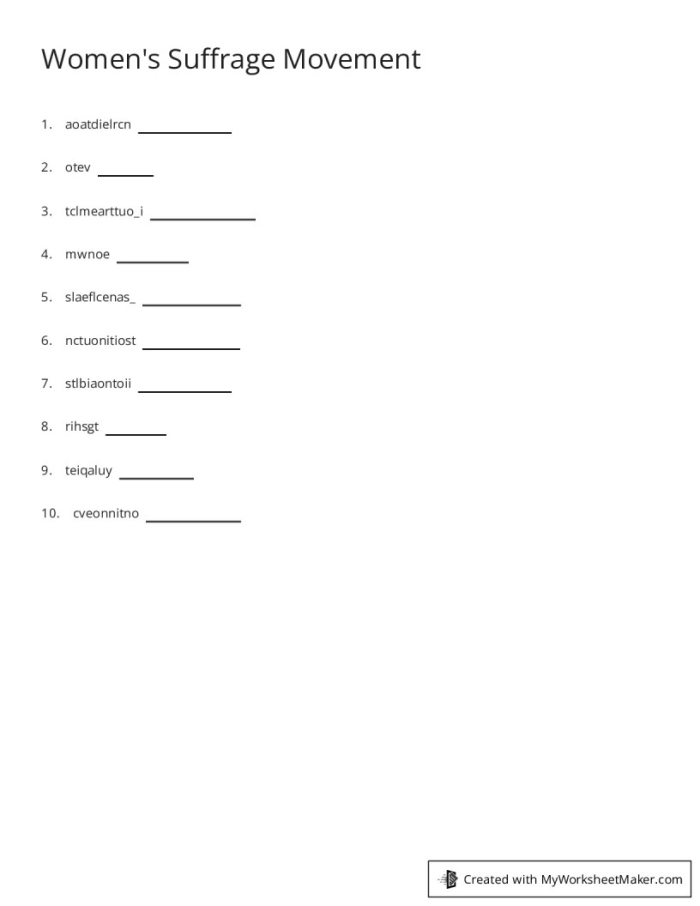
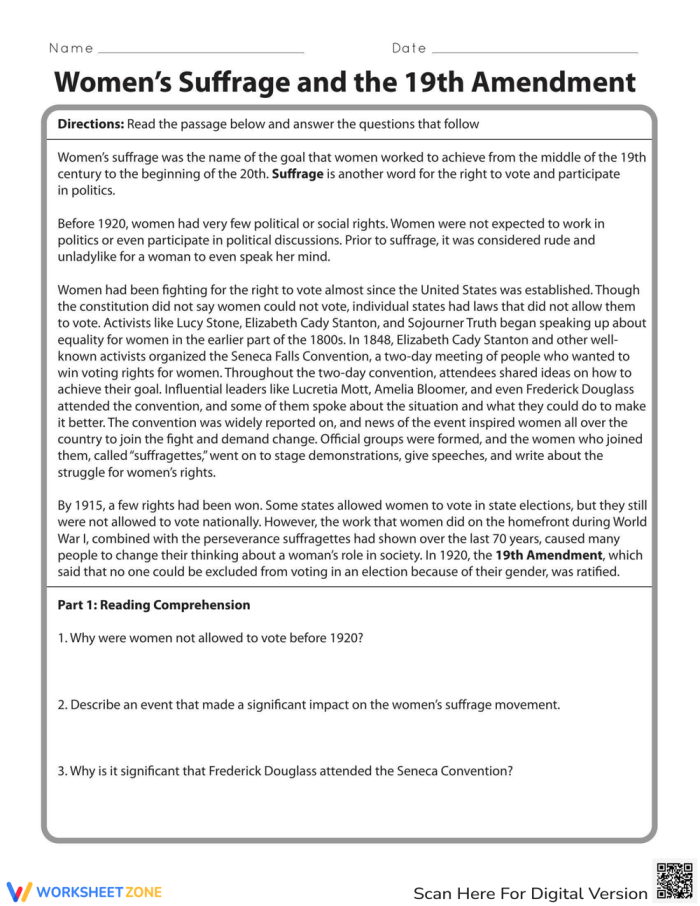
For fifth grade learners, spelling and vocabulary worksheets about women’s suffrage and the 19th Amendment provide practical tools for reinforcing historical terms while building language skills. Learning to spell names like “Anthony” and “Stanton” alongside words like “amendment” and “suffrage” helps students retain both the history and the language together.
Try These Printable Worksheets