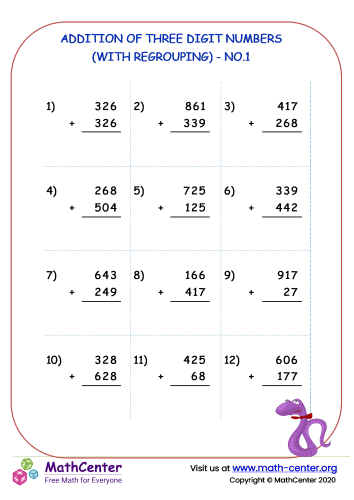
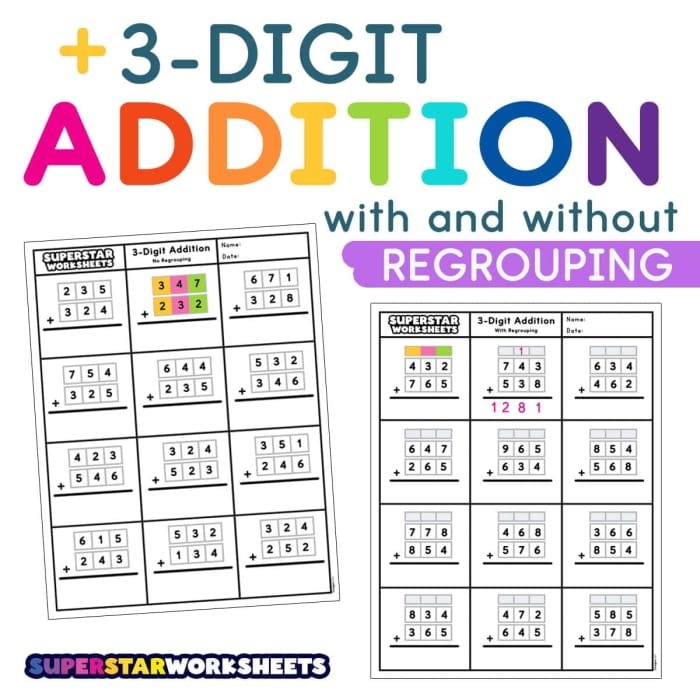
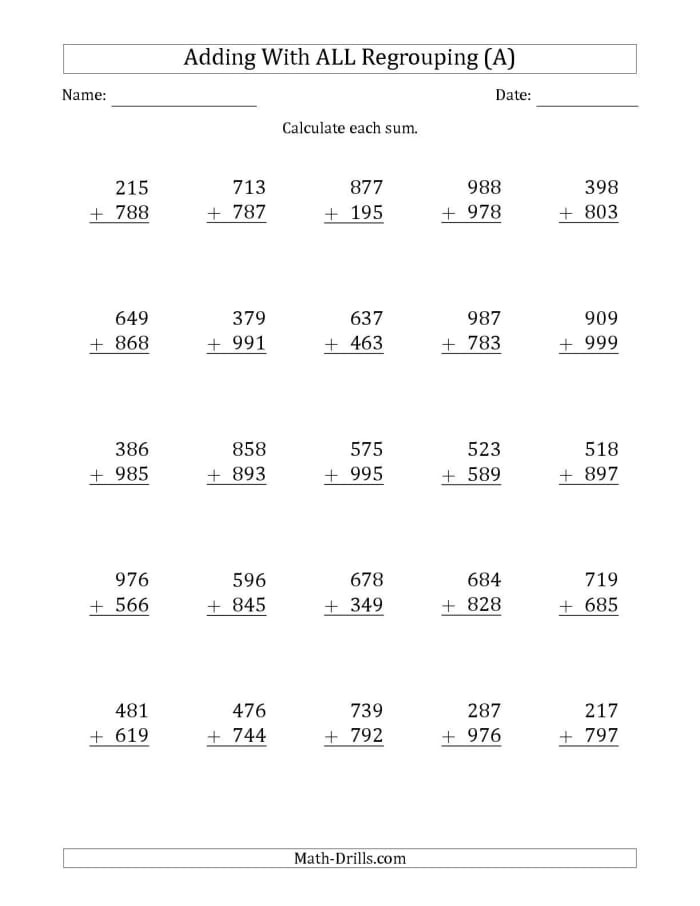
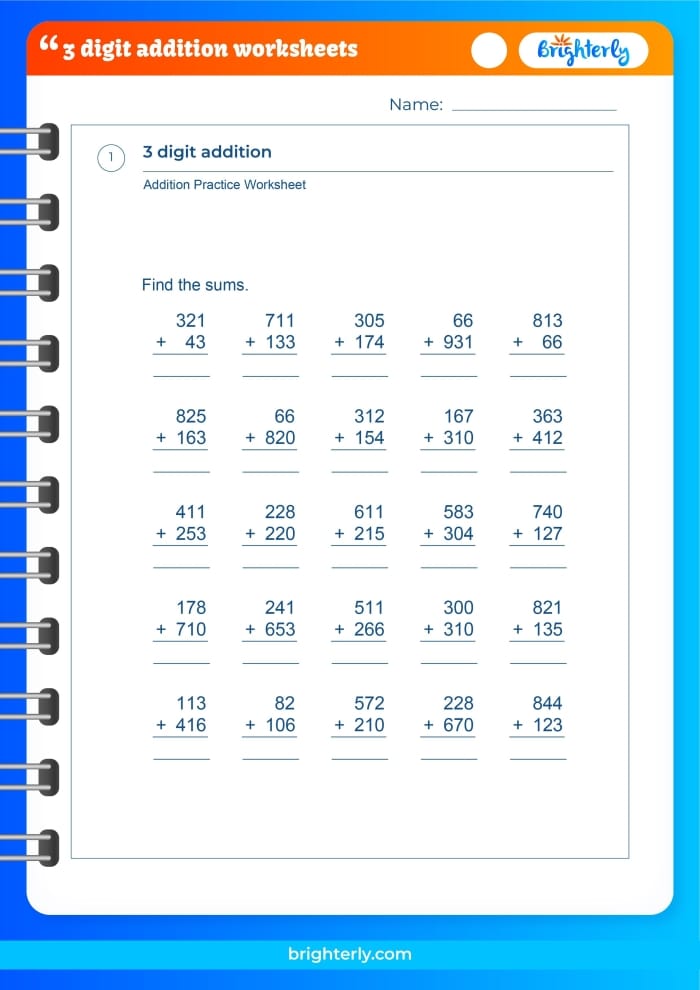
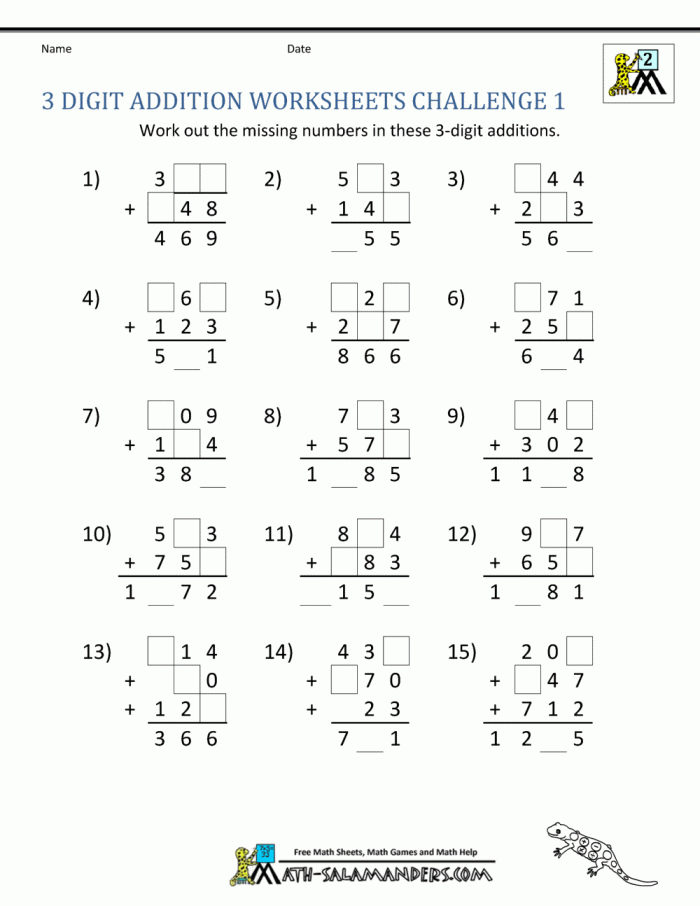
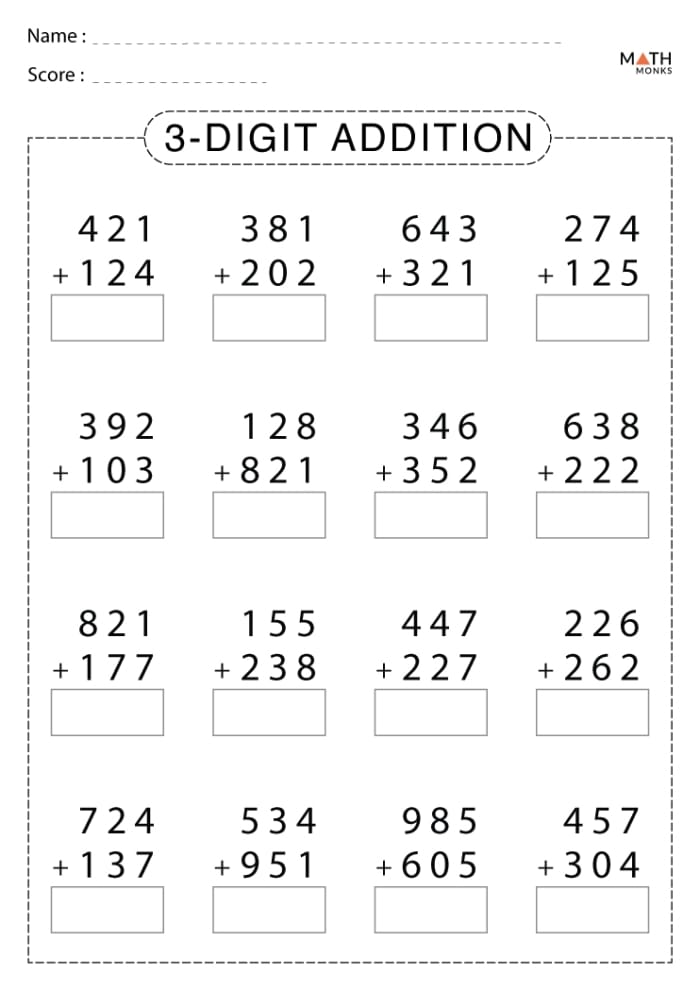
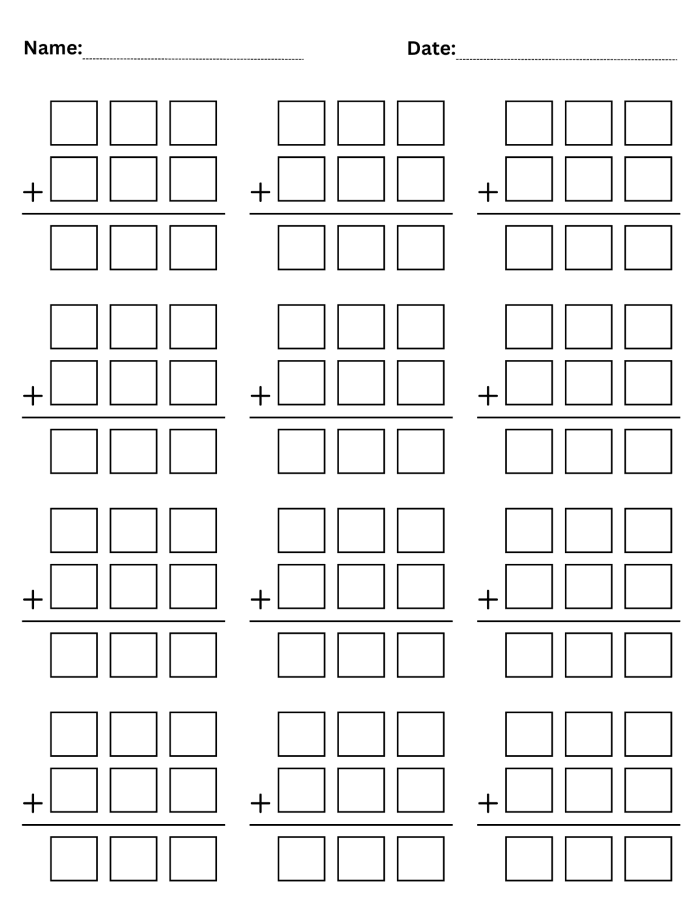
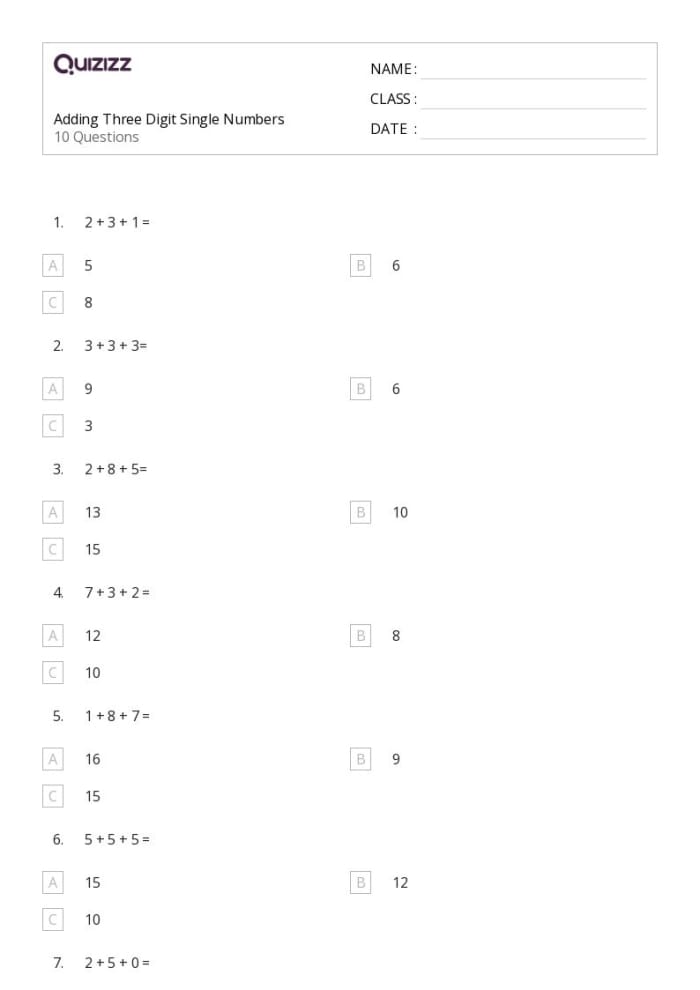
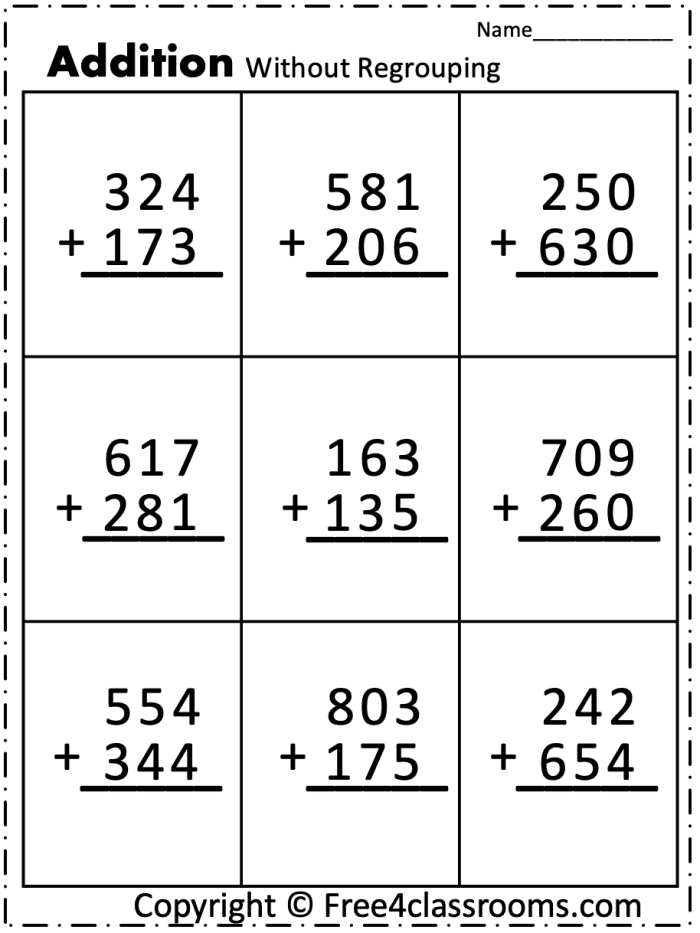
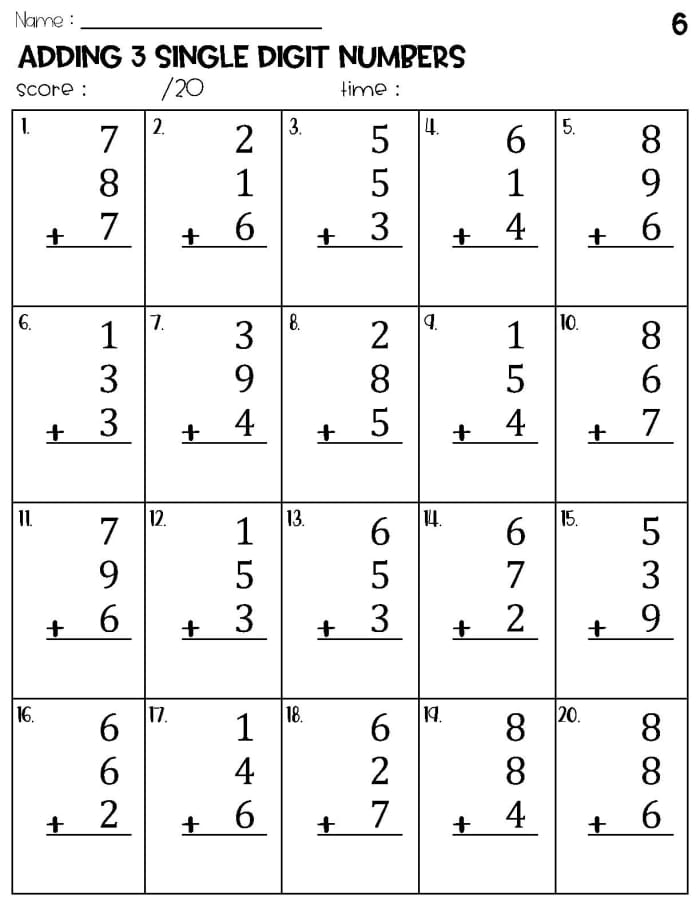
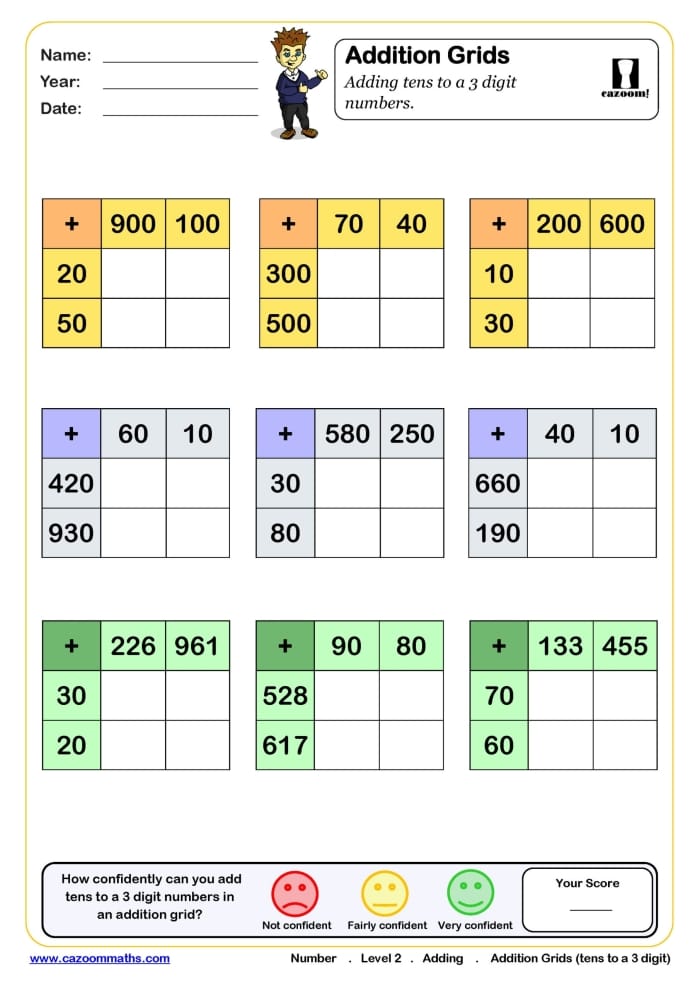
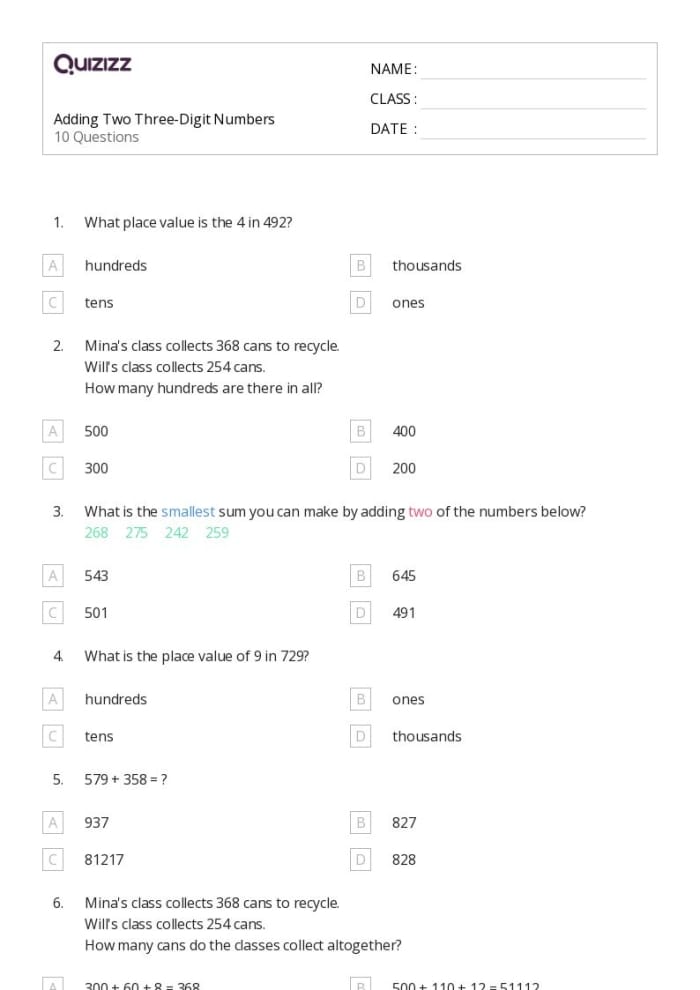
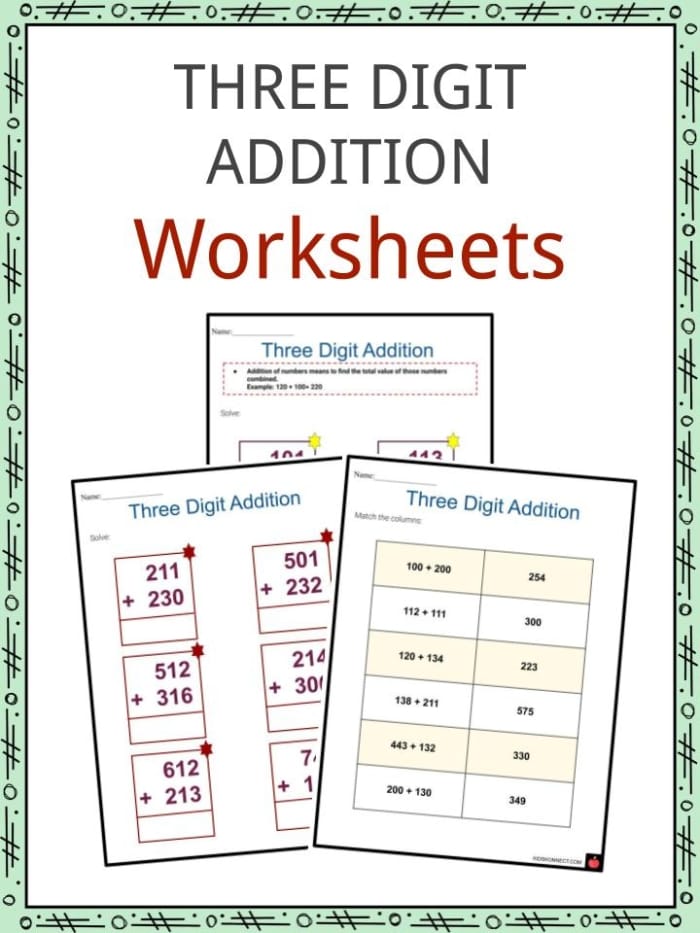
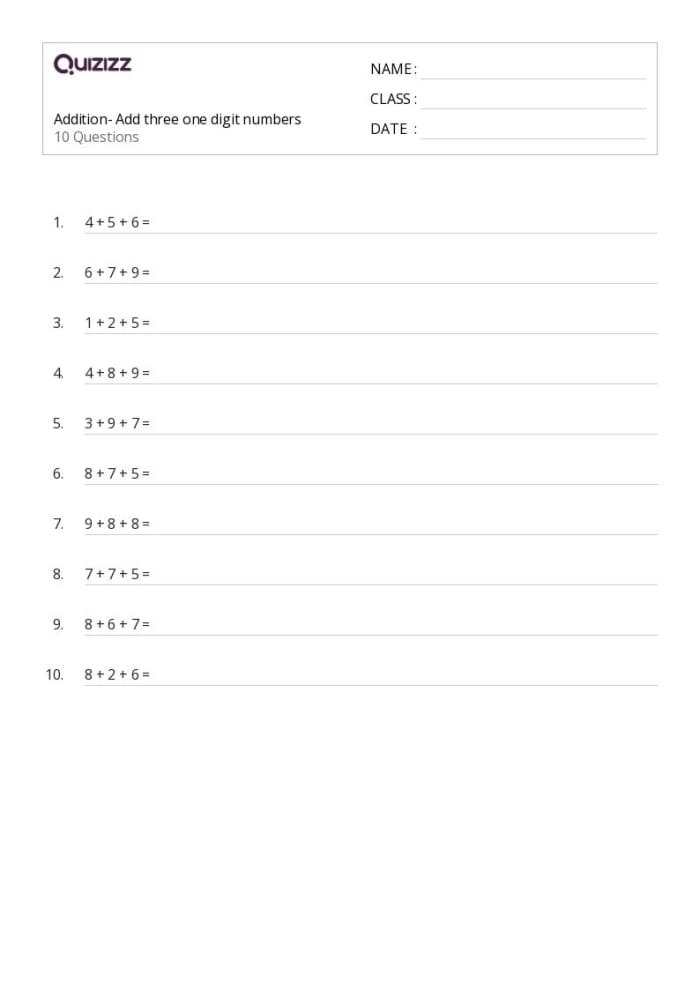
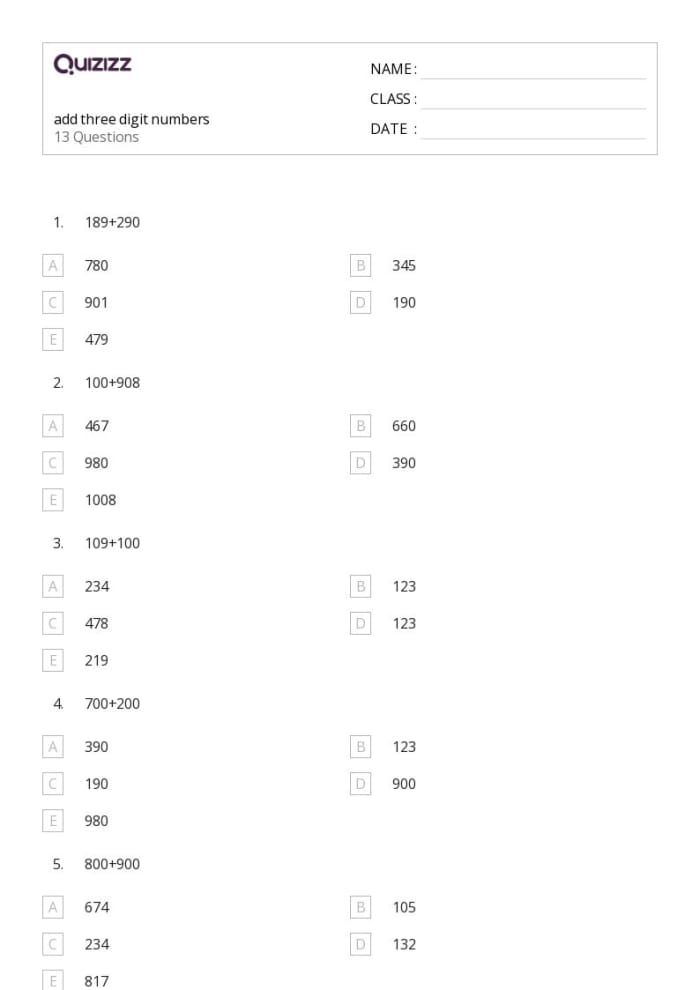
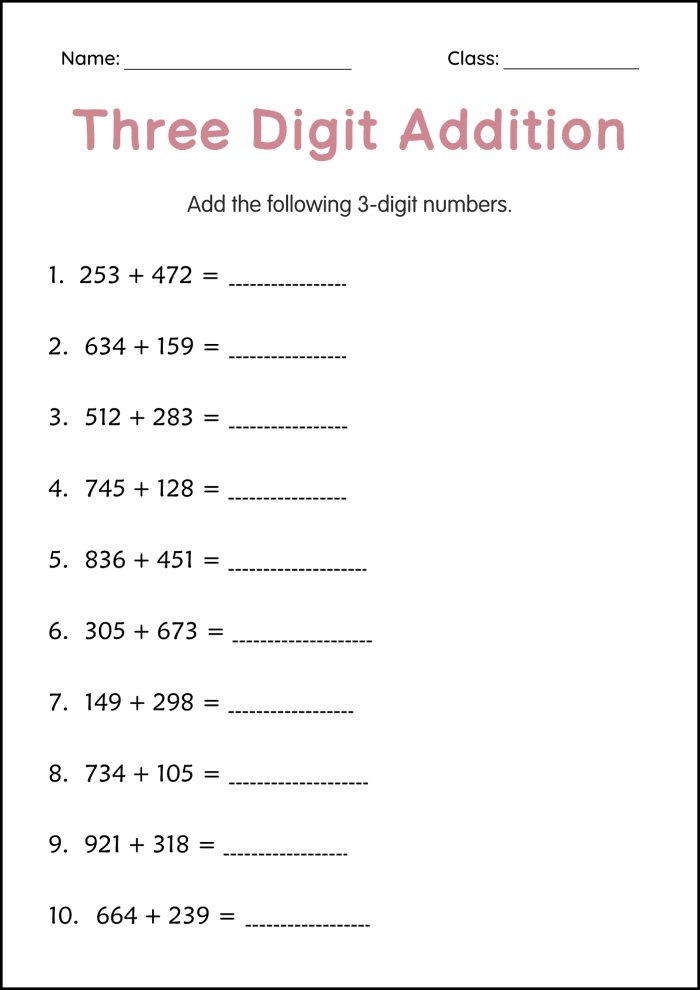
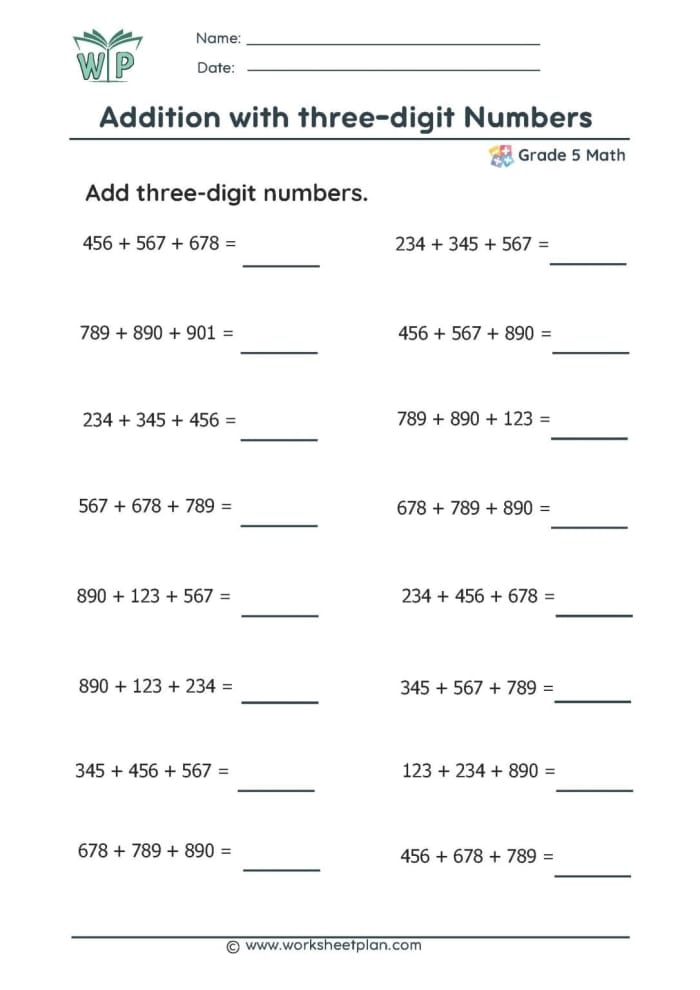
Third grade is when addition starts to feel real. Students move beyond single digits and face the challenge of adding three-digit numbers within 1,000, which requires understanding place value, regrouping, and mental math strategies all at once. Without enough practice, kids struggle with the mechanics and lose confidence.
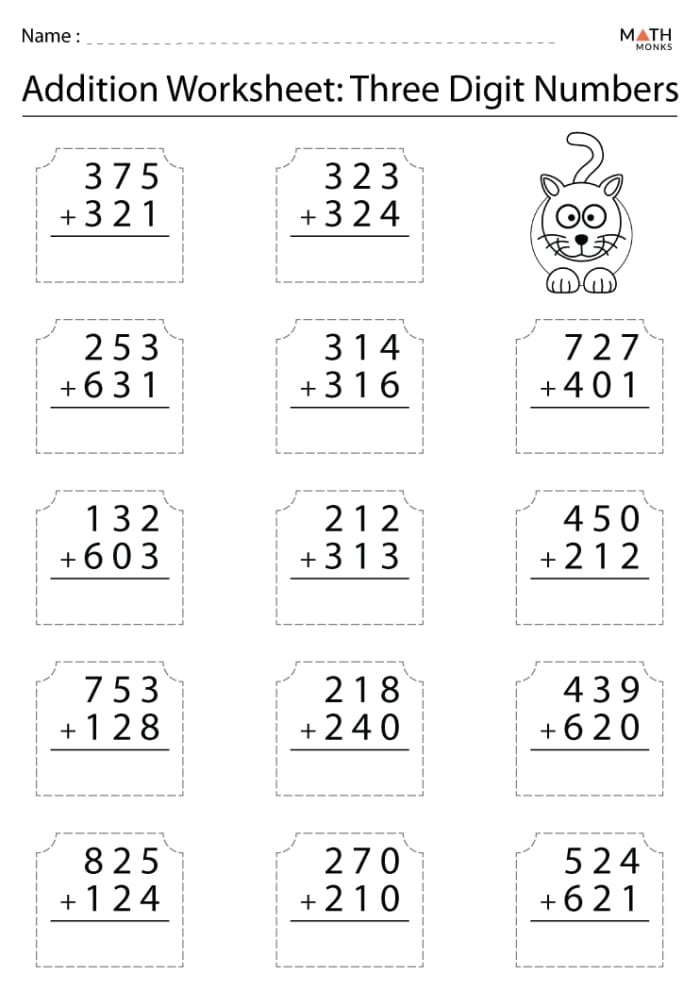
The key to building competence is repetition with purpose. When students work through multiple problems involving three-digit addition, they develop automaticity and start recognizing patterns. They learn that 234 + 156 follows the same logic as 34 + 56, just with an extra hundreds place to manage. This connection between place values doesn’t happen by accident—it happens through practice.
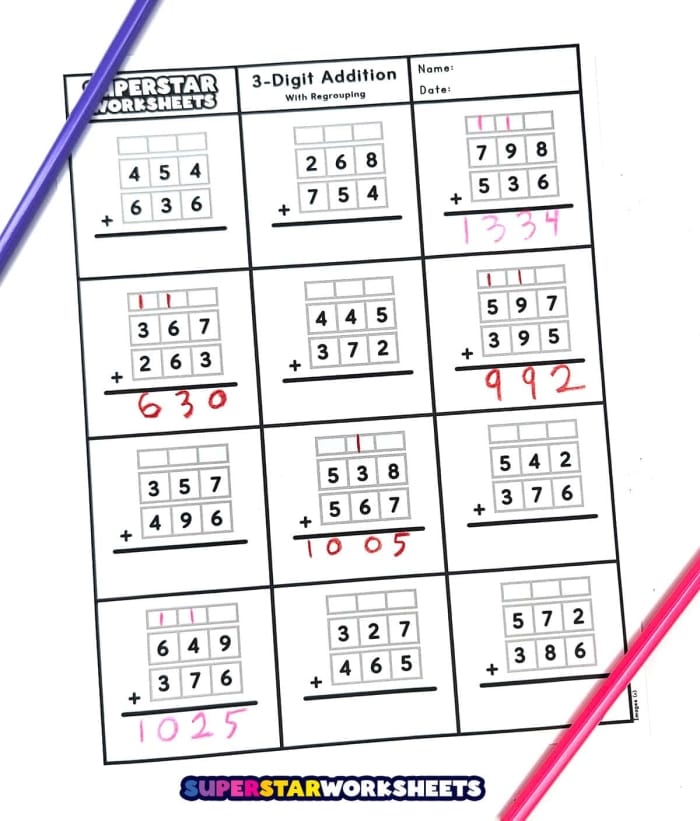
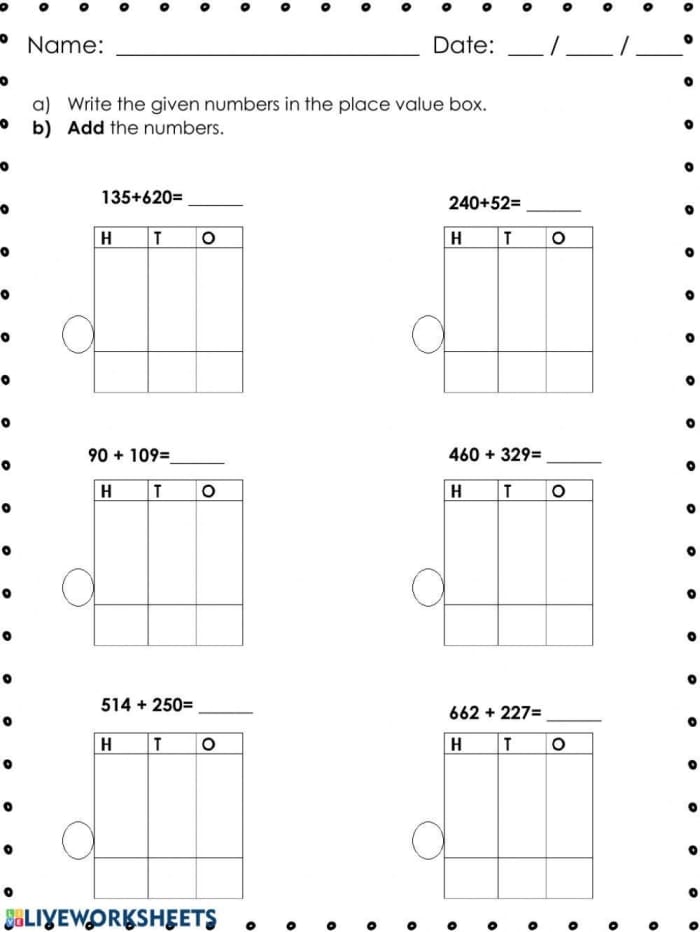
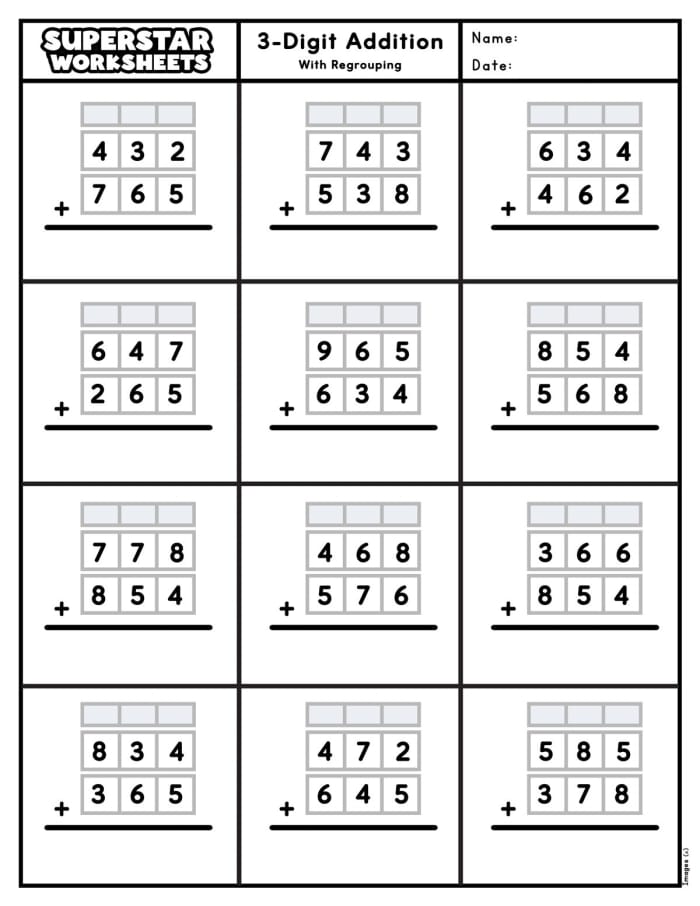
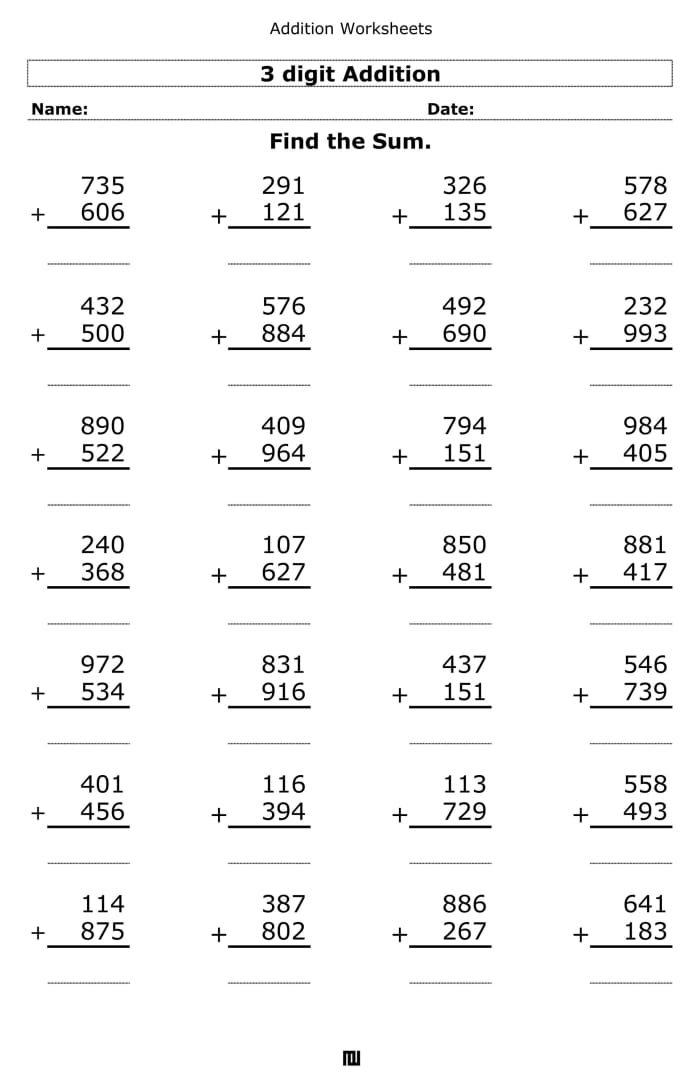
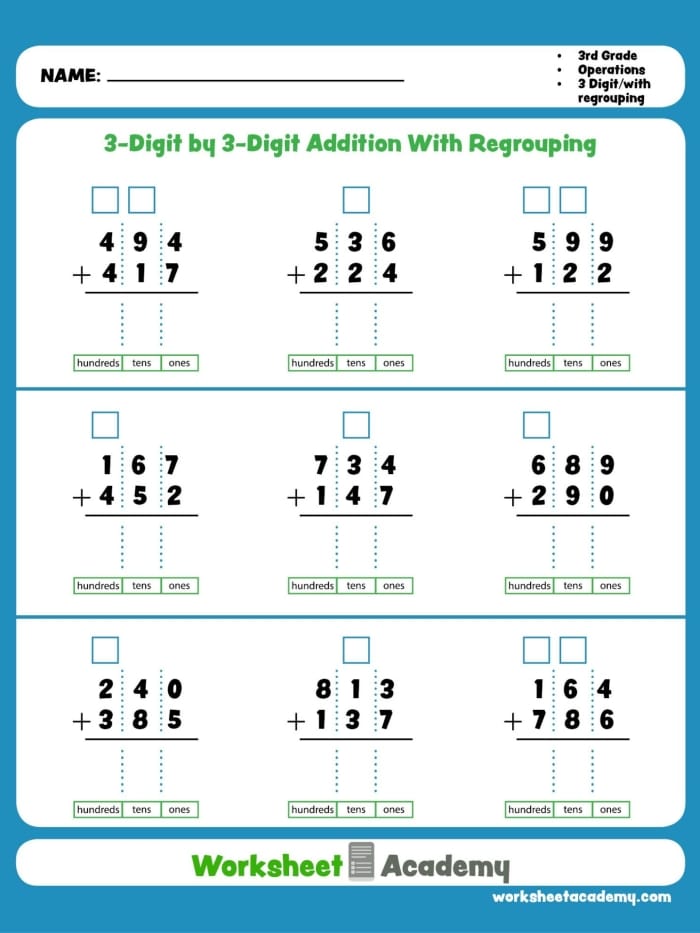
Effective practice looks different depending on what students need. Some benefit from structured worksheets that build gradually from simpler to more complex problems. Others respond better to varied formats that keep them engaged. You might use problems that require regrouping in the ones place, then the tens place, then both simultaneously. Mixing in word problems helps students see why they’re adding three-digit numbers in the first place.
Consider pairing addition practice with related skills. When you work on linking ideas with transition words, students can explain their addition strategies. Exploring input-output math reinforces the relationship between numbers. Even activities like multiplication star arrays can strengthen the number sense that supports addition.
The goal isn’t to make students memorize. It’s to give them enough repetition that three-digit addition becomes something they can do confidently, whether they’re solving a math problem on a worksheet or calculating costs at a store. That competence builds quickly when practice is consistent and varied.
Practice with These Worksheets