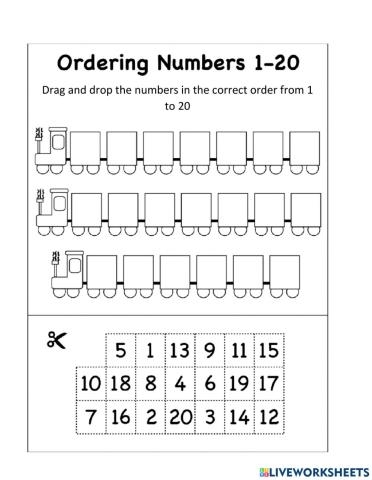
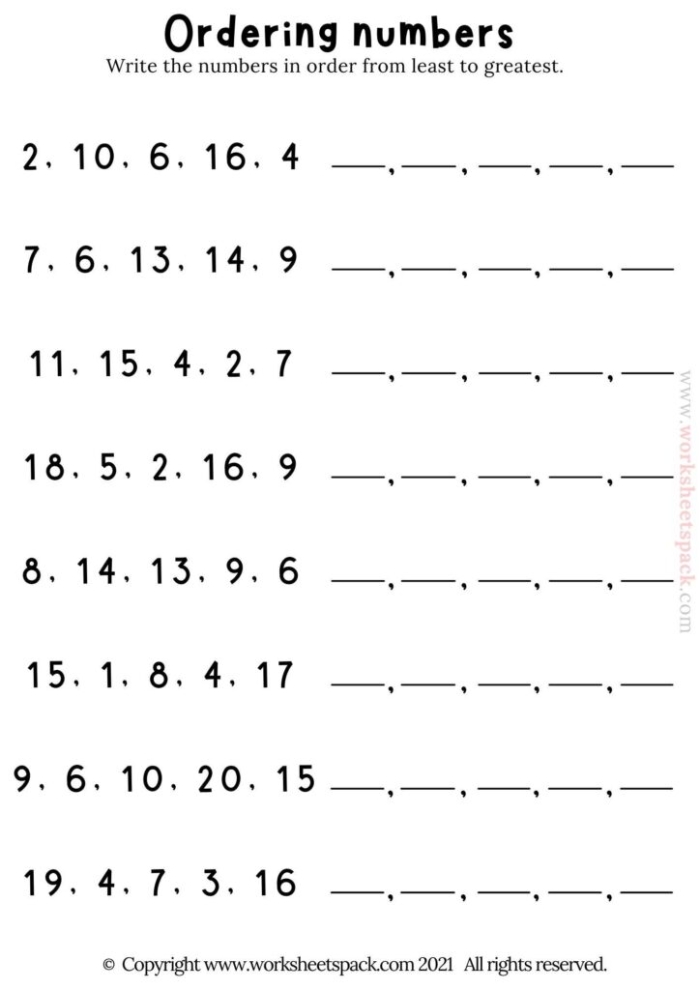
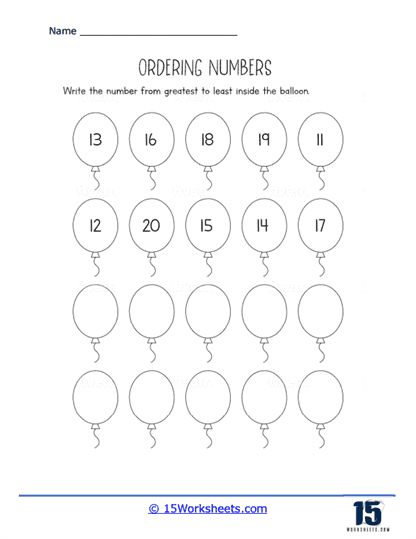
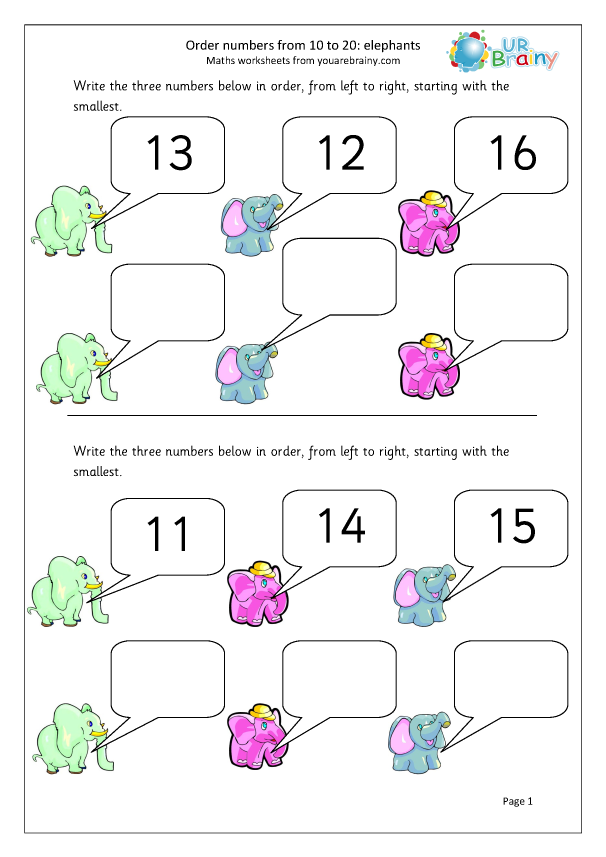
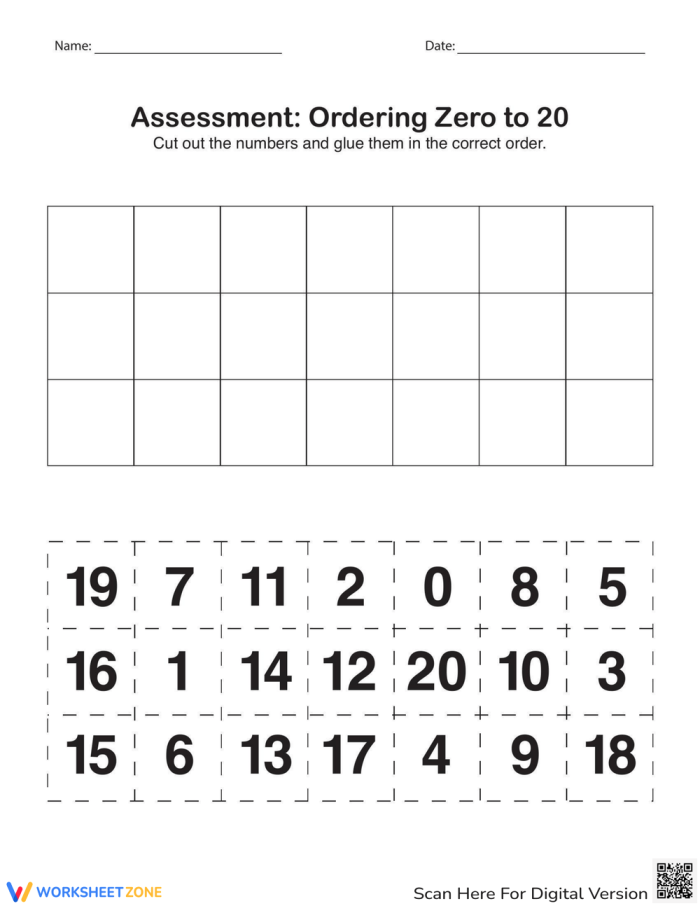
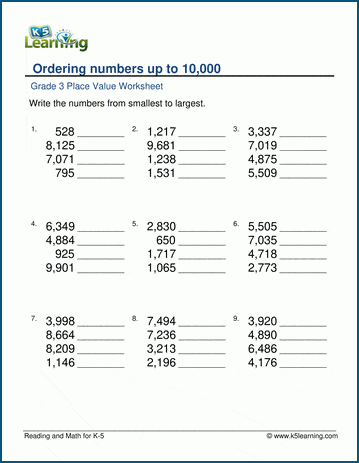
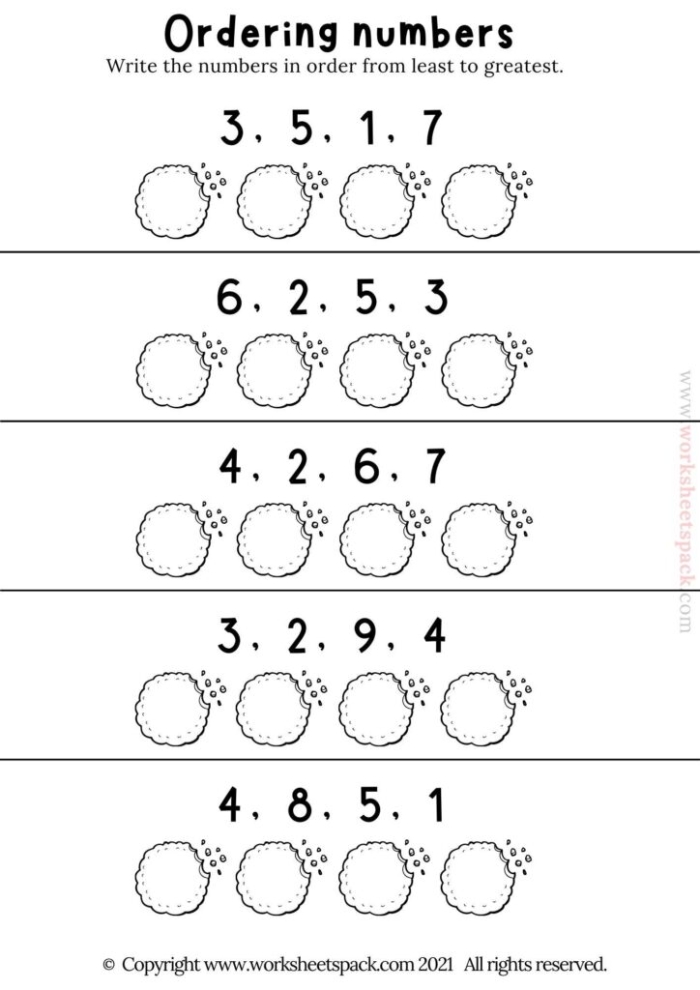
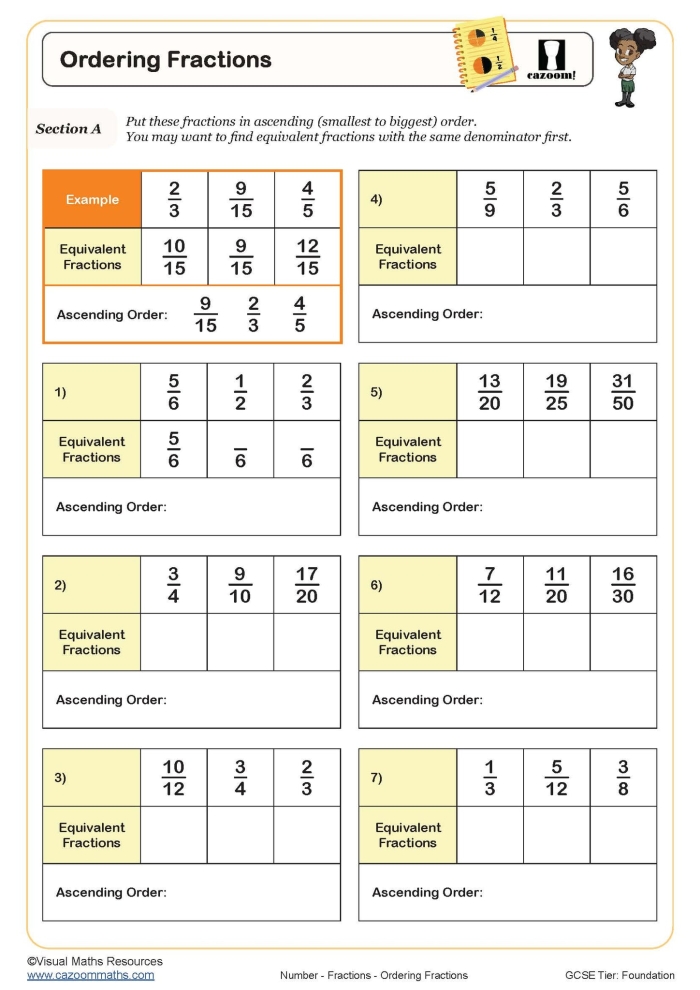
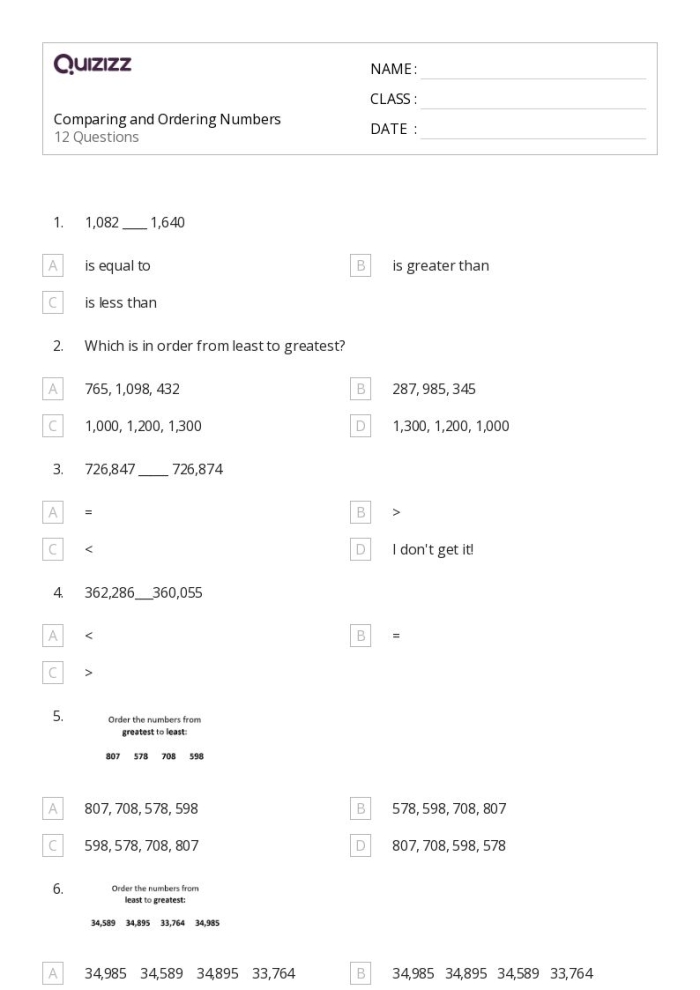
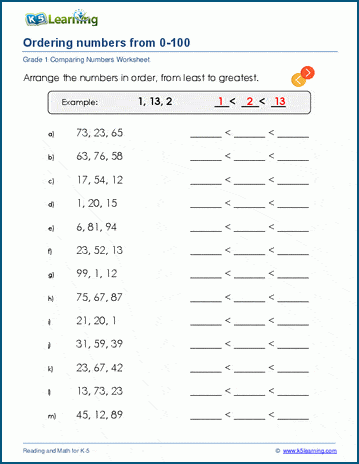
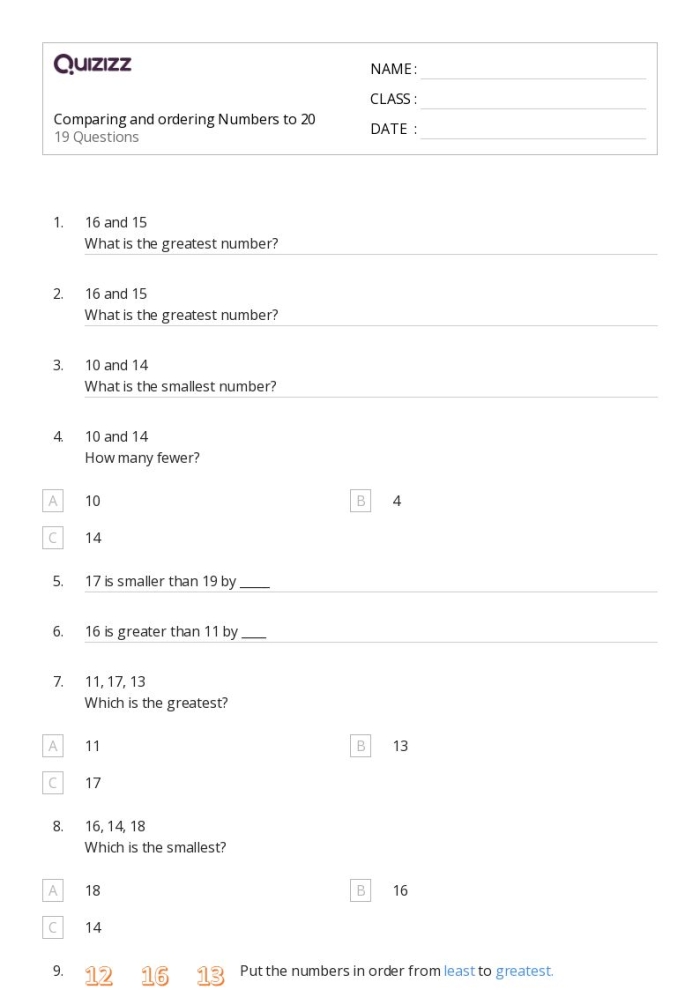
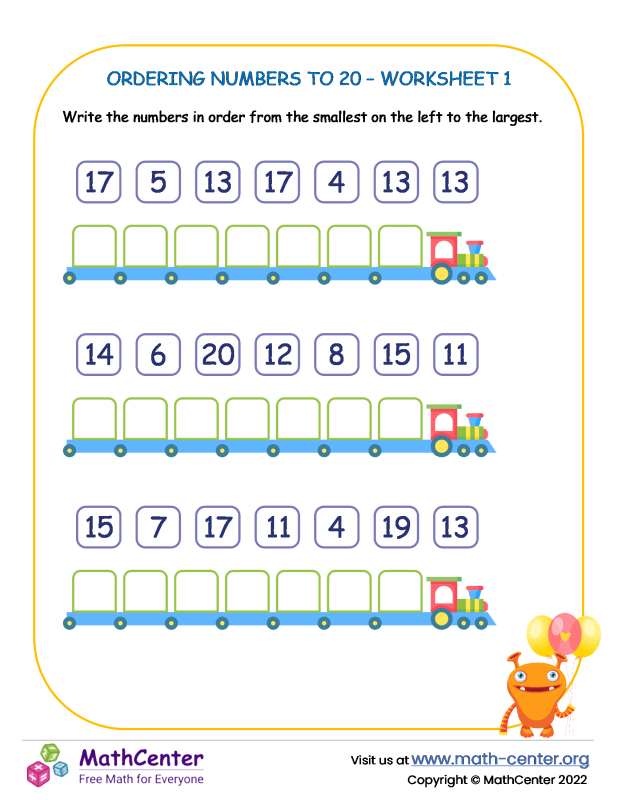
Ordering numbers from 0 to 20 is one of the first mathematical skills kindergarten students need to master, and having the right assessment tool makes all the difference in understanding where each child stands. A well-designed worksheet lets you quickly see which students grasp sequential ordering and which ones need more practice with number recognition and sequencing.
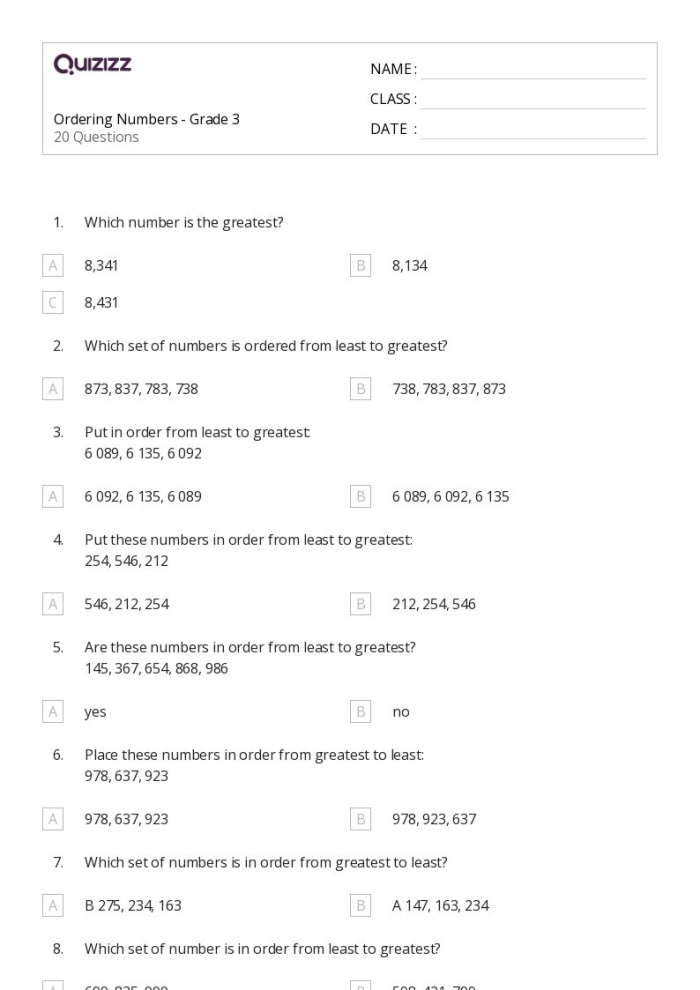
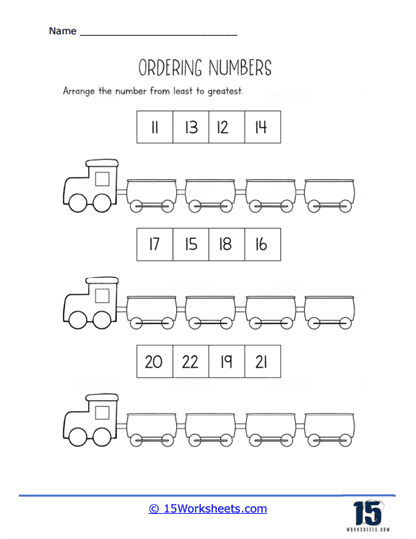
The beauty of this assessment approach is its simplicity. Rather than relying on observation alone, a structured worksheet gives you concrete evidence of a student’s ability to arrange numbers in correct order. You present a scrambled set of numbers within the 0 to 20 range, and students arrange them from smallest to largest, or vice versa. This single task reveals multiple competencies at once: number recognition, understanding of magnitude, and the concept of sequence itself.
When administering this assessment, watch for patterns in errors. Some students might reverse pairs of numbers or struggle with teens specifically. Others may understand the concept but rush through the task. These observations guide your next instructional steps far better than a simple pass or fail mark. If a student falters with ordering, you know they need more foundational work before moving toward fractions or other advanced concepts that depend on this skill.
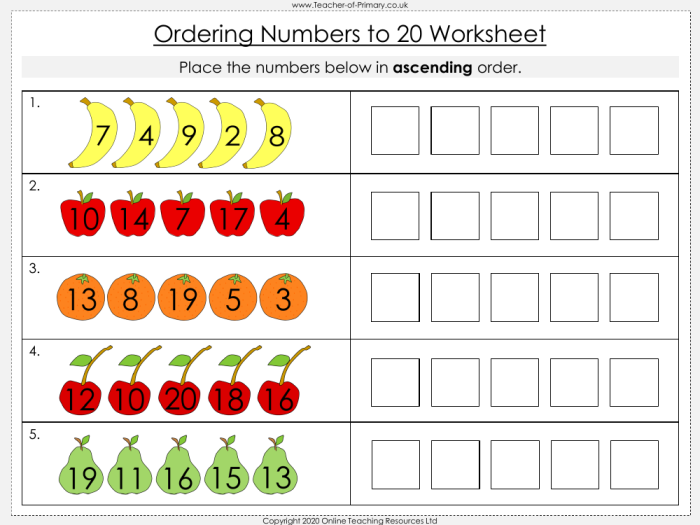
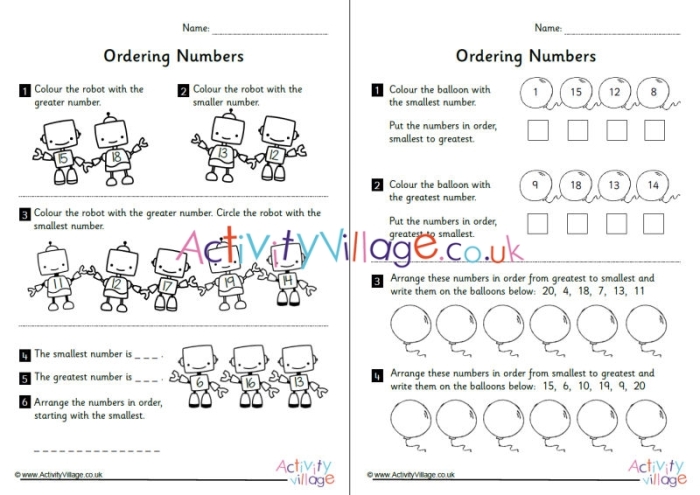
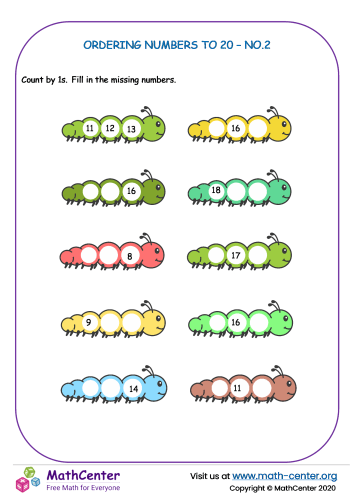
Pairing this assessment with targeted practice activities strengthens results. After identifying gaps, students benefit from hands-on ordering activities and reinforcement worksheets. You might incorporate related skills like comparing numbers with visual aids or filling in missing numbers in sequences to build confidence and competence together.
This assessment worksheet serves as your baseline measure and your planning tool combined, making it essential for any kindergarten classroom focused on building strong mathematical foundations.
Use These Worksheets Today