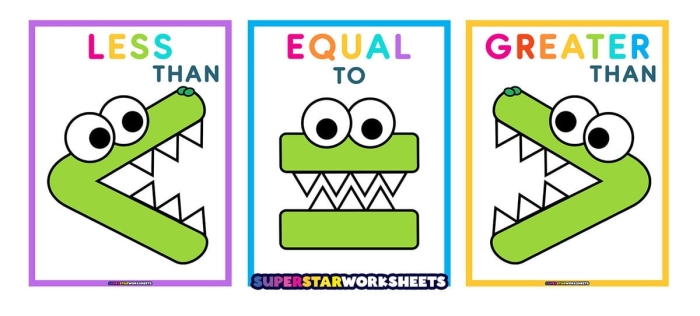
Understanding which numbers are bigger or smaller is a foundational skill in Kindergarten math, and it becomes much clearer when children learn to use the symbols for greater than (>), less than (<), and equal to (=). These symbols offer a simple way to compare numbers and help young learners visualize relationships between quantities.
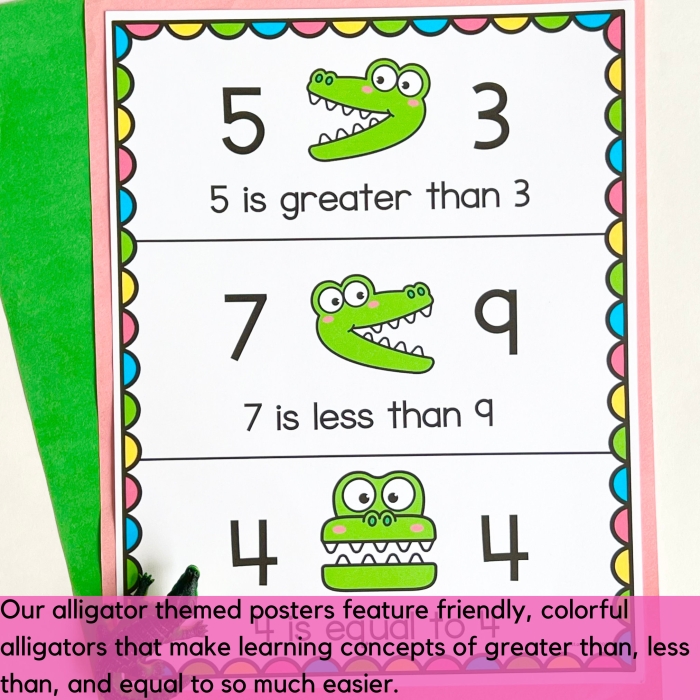
For example, when comparing 5 and 3, the greater than symbol shows that 5 is larger: 5 > 3. Conversely, 2 < 4 means 2 is less than 4. When two numbers are the same, the equal to symbol comes into play, such as 7 = 7. These comparisons are not just abstract concepts — they have real meaning in everyday situations, like deciding who has more toys or which line is longer.
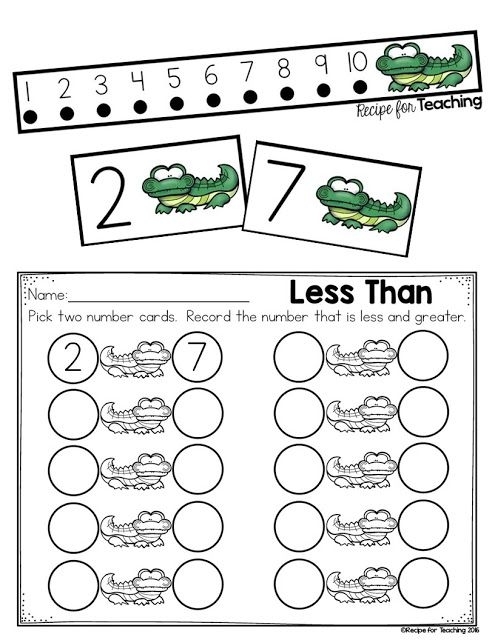
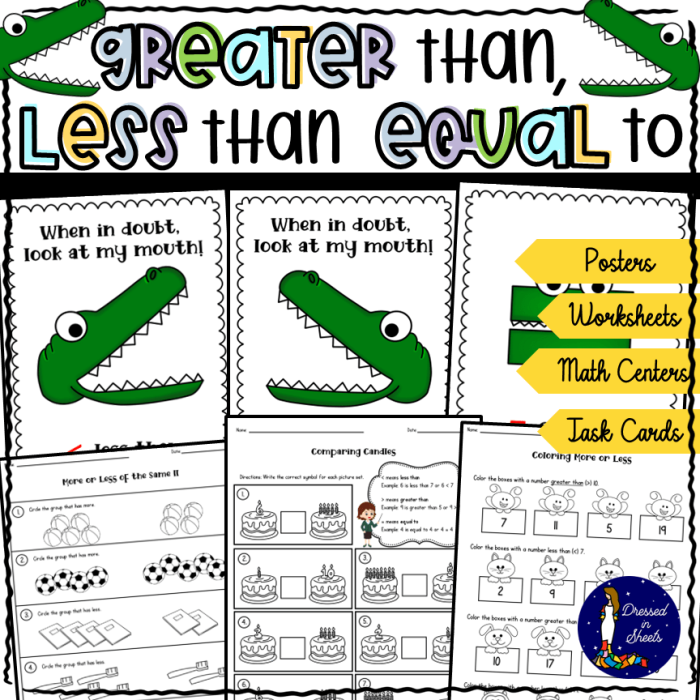
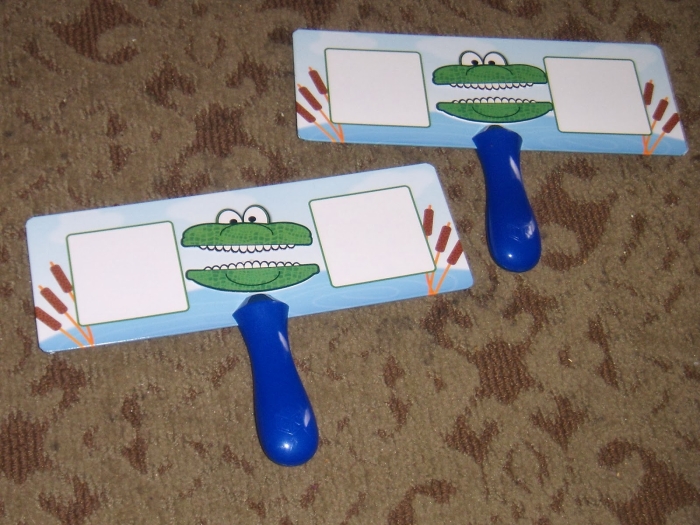
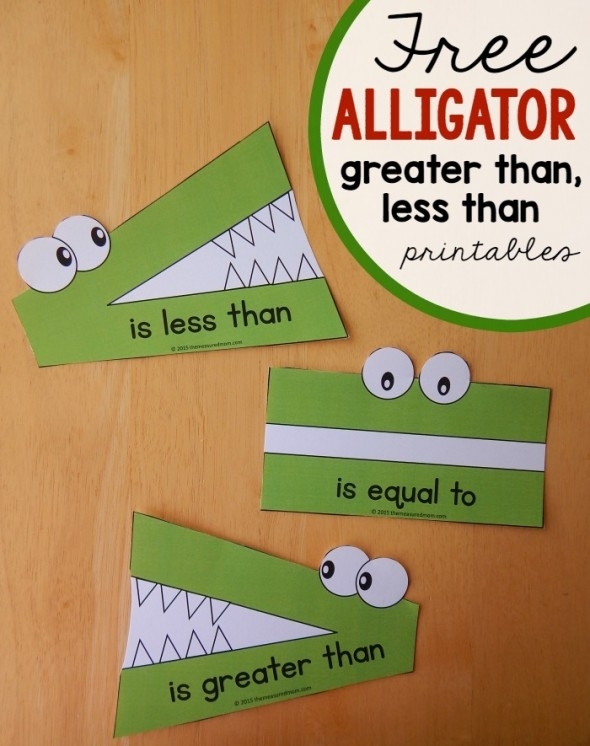
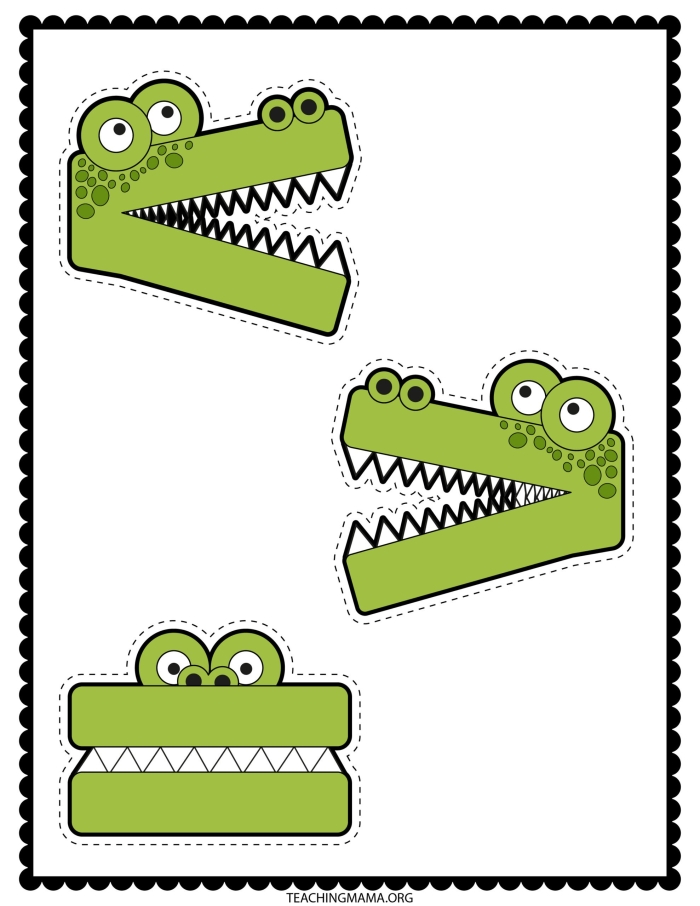
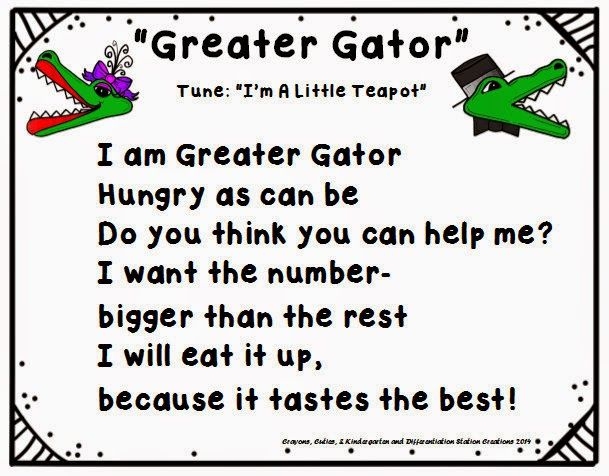
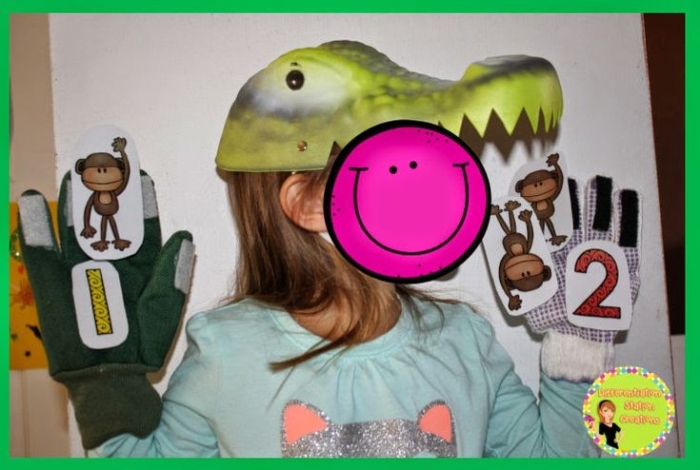
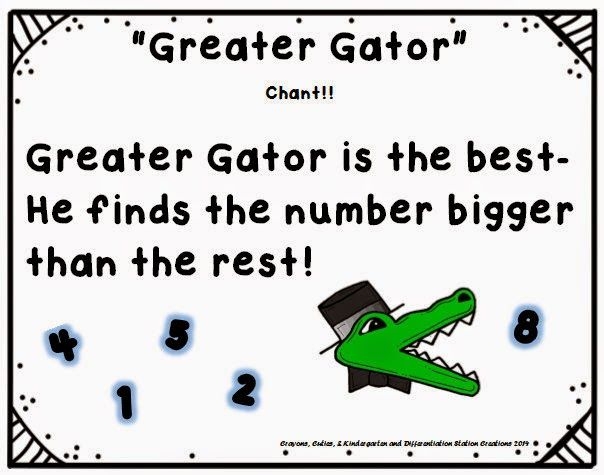
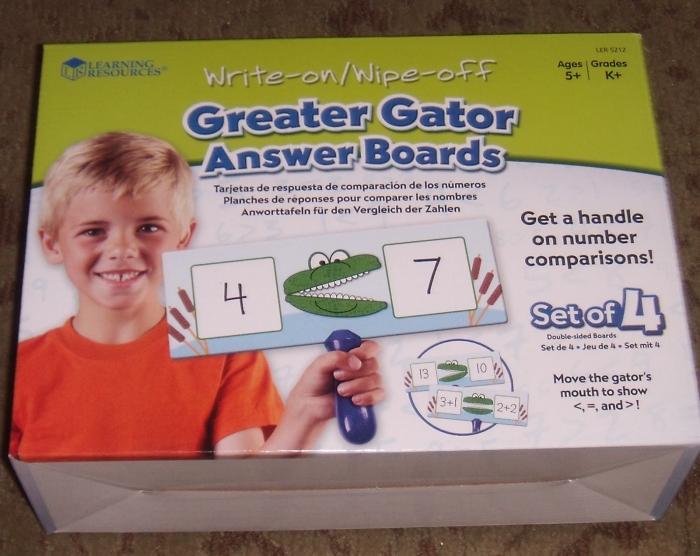
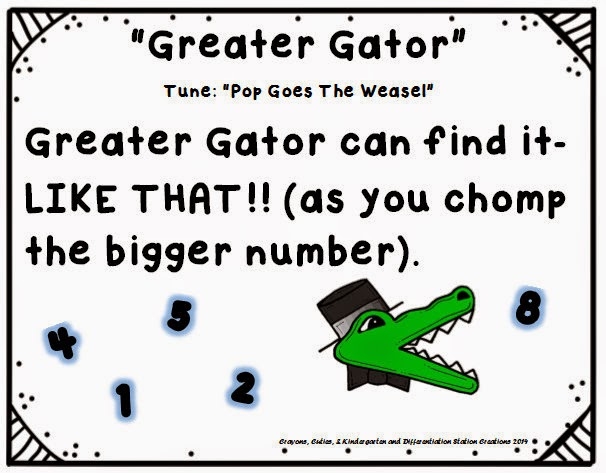
One practical way to introduce these ideas is through the use of the Greater Gator 2 approach, a teaching tool that uses a friendly alligator character to “eat” the bigger number, making the concept memorable and engaging for Kindergarten students. This visual helps children remember that the open mouth always points to the larger number, reinforcing their understanding of greater than and less than.
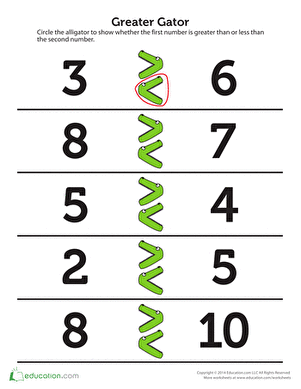
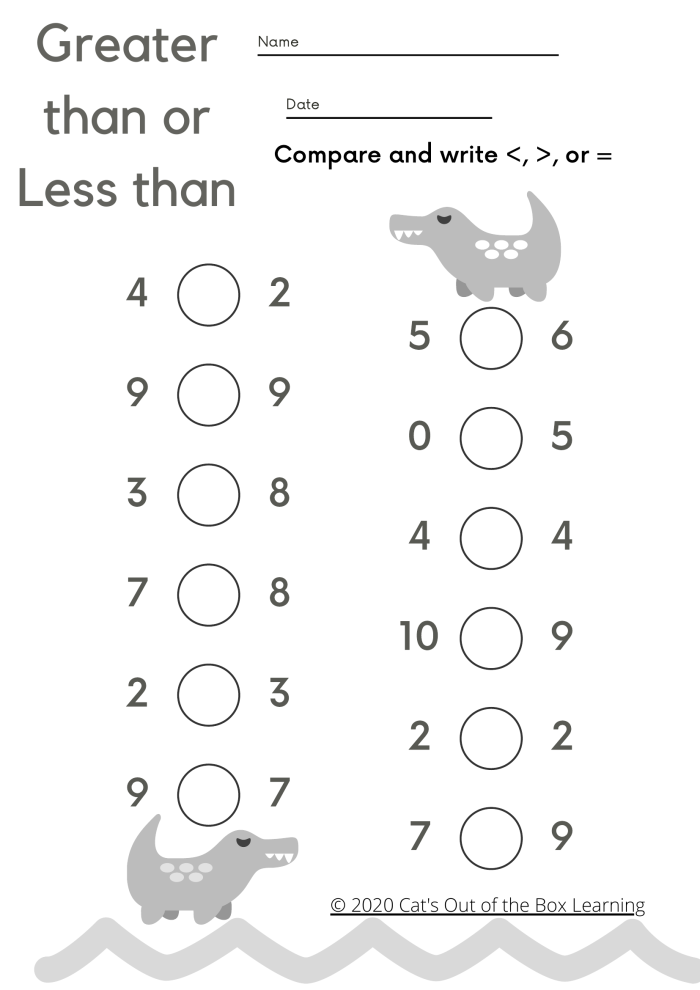
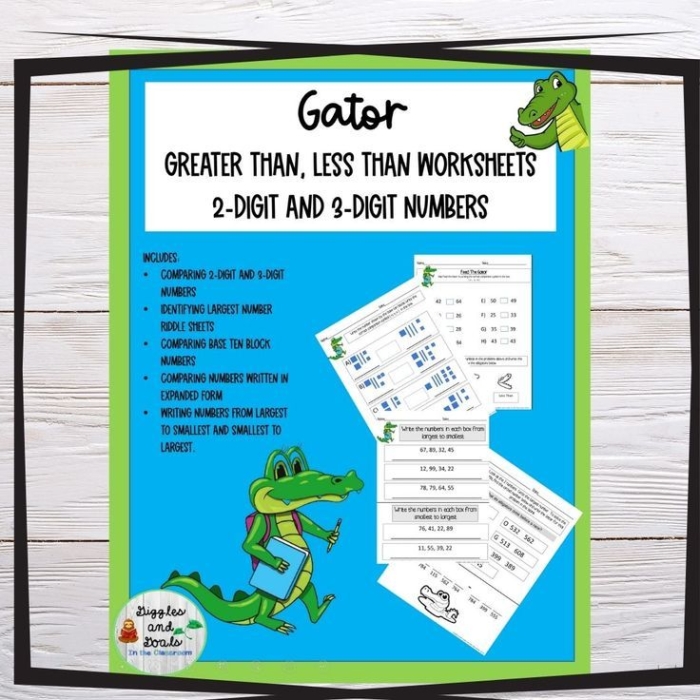
Printable Greater Gator 2 worksheets provide hands-on practice, allowing children to trace and compare numbers, which strengthens their familiarity with these symbols. This kind of interactive learning fits well within Grammar and Mechanics lessons, where clarity and accuracy in symbol use are key. For teachers and parents, resources such as worksheets focused on numbers and counting can complement these exercises by combining number recognition with writing practice.
Using greater than, less than, and equal to symbols early helps build a strong number sense. It prepares children not only for more advanced math but also for understanding comparisons in language and everyday reasoning. When students confidently distinguish which numbers are bigger or smaller, they gain a critical skill that supports their growth across subjects.
Download These Worksheets for Practice