Starting an informational essay can feel overwhelming, especially when you’re juggling multiple ideas and aren’t sure where to begin. A structured five-page outline transforms that chaos into a clear roadmap, helping you organize your thoughts before you write a single paragraph. Whether you’re exploring geometry concepts or any other subject in sixth grade, having a solid outline saves time and produces stronger writing.
The first step is choosing your angle. Rather than trying to cover everything neutrally, pick one specific perspective or approach to your topic. If you’re writing about circles and their properties in geometry, you might focus on real-world applications instead of just definitions. This approach keeps your essay focused and engaging. Write as though you have direct experience with the material, avoiding generic promotional language or textbook-style explanations.
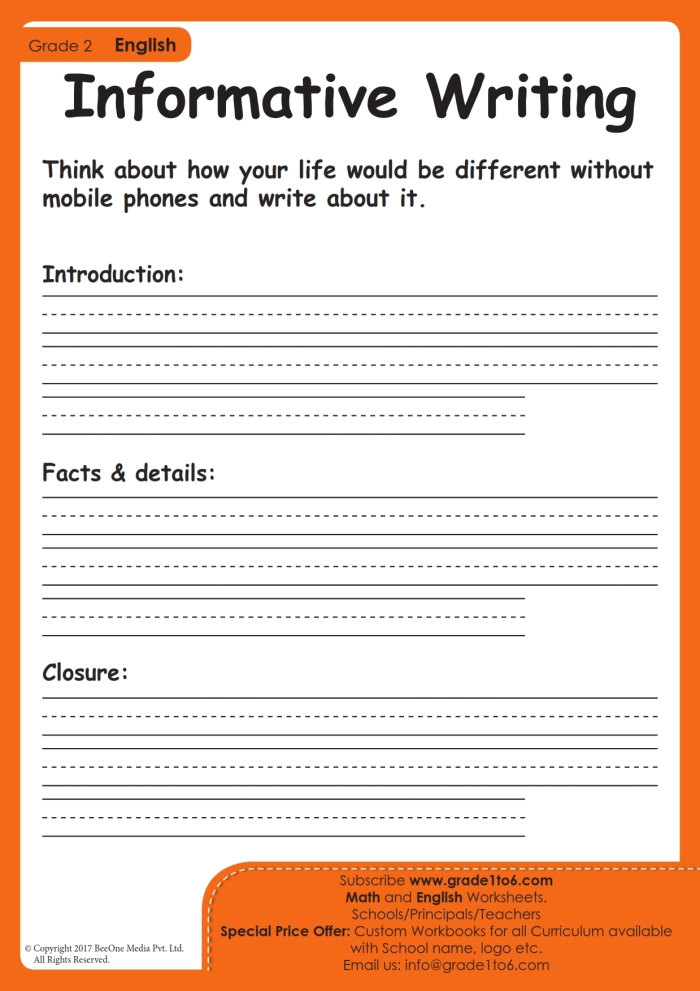
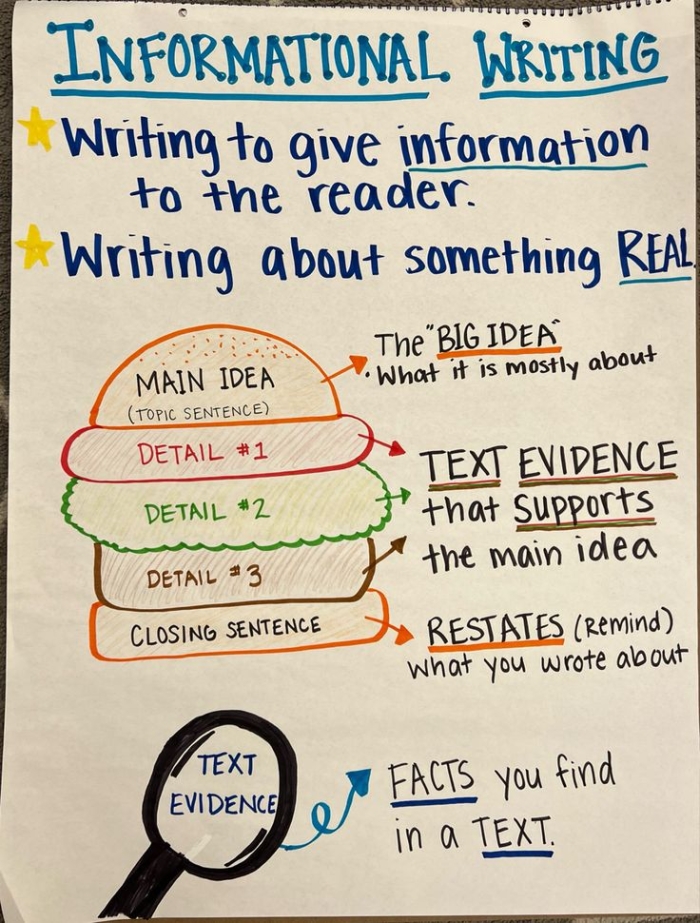
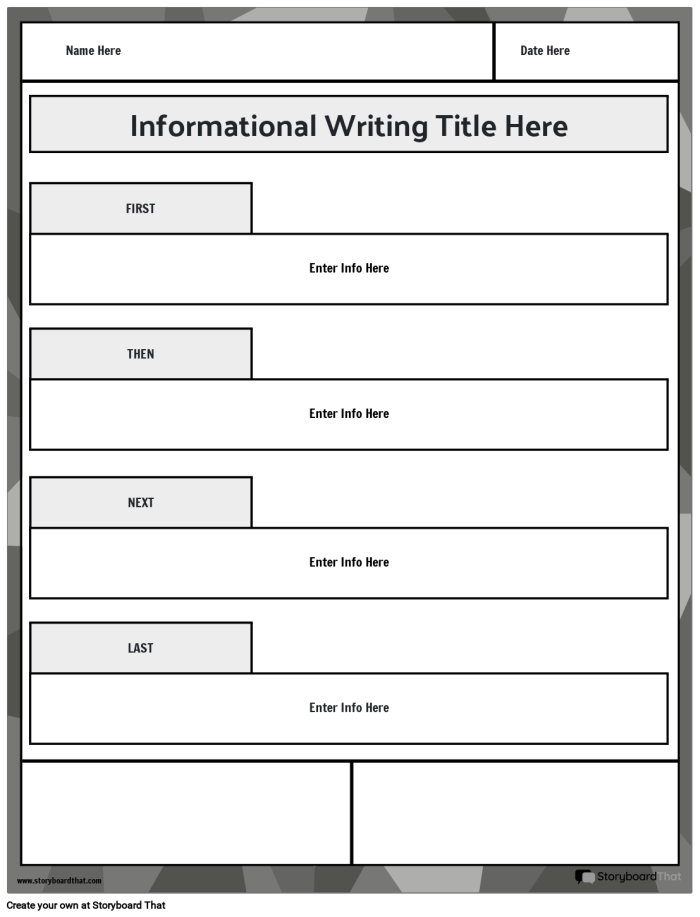
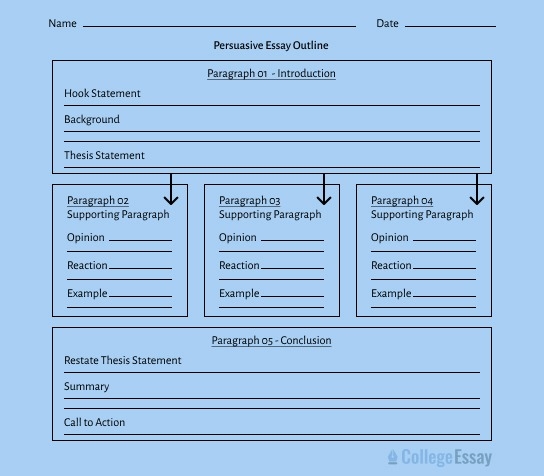
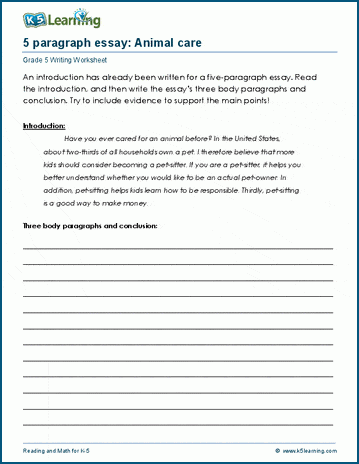
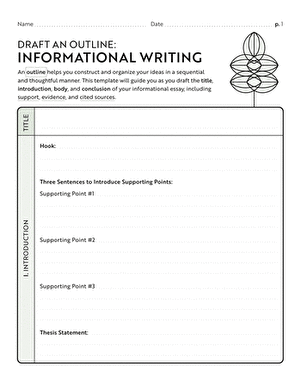
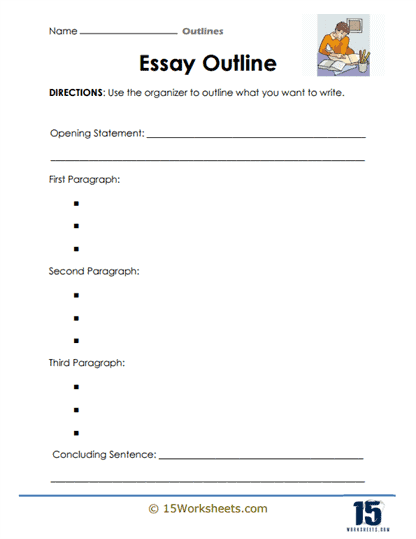
Your outline should map out five key sections. Start with an introduction that hooks your reader with a specific detail rather than a broad statement. Follow this with three body sections, each exploring a different aspect of your topic in depth. End with a conclusion that ties everything together without relying on phrases like “in summary.” Between these sections, consider how concepts connect to one another, especially when working with subjects like mathematical word problems or science topics.
As you build your outline, use natural language that sounds like you’re explaining the topic to a friend. Vary your sentence length to maintain reader interest. If you’re incorporating literary elements like onomatopoeia in your examples, make sure these details serve your main point rather than distract from it.
Having a structured outline before you start writing means fewer revisions later and clearer communication of your ideas. Take time to flesh out each section of your outline with specific details and examples that support your chosen angle.
Try These Printable Worksheets