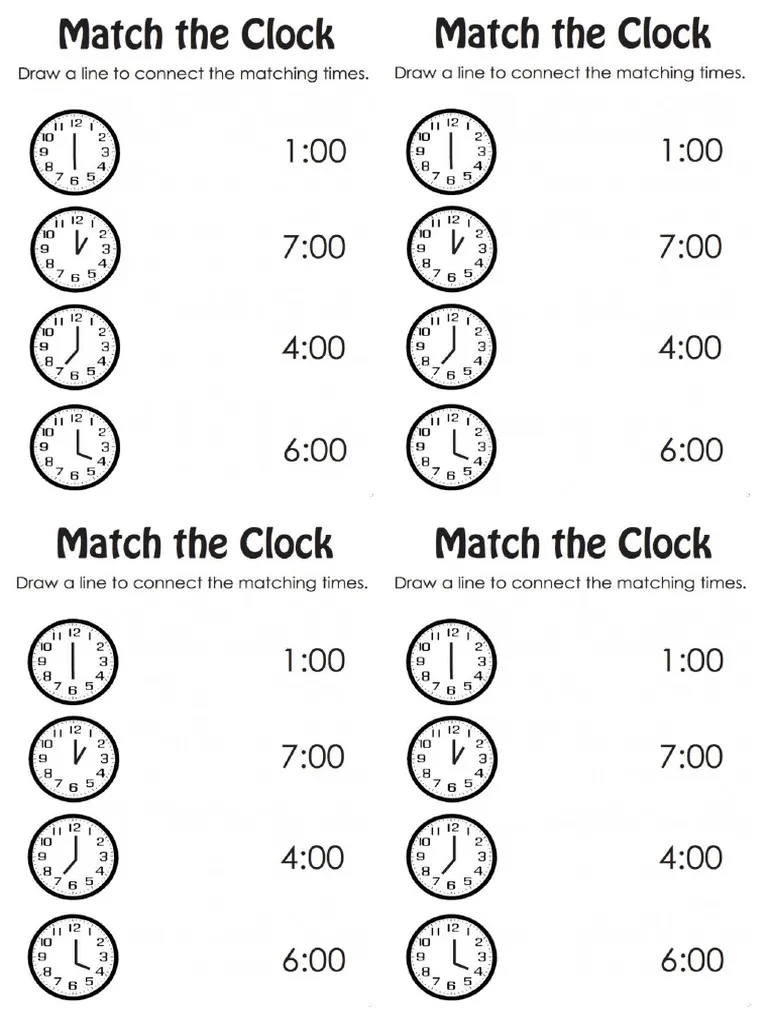
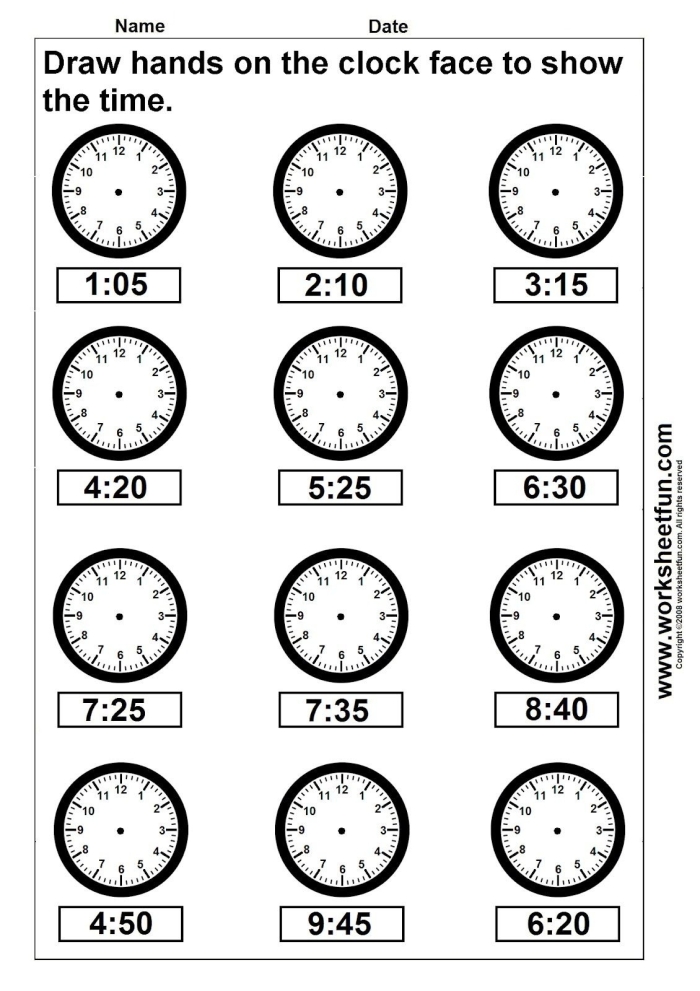
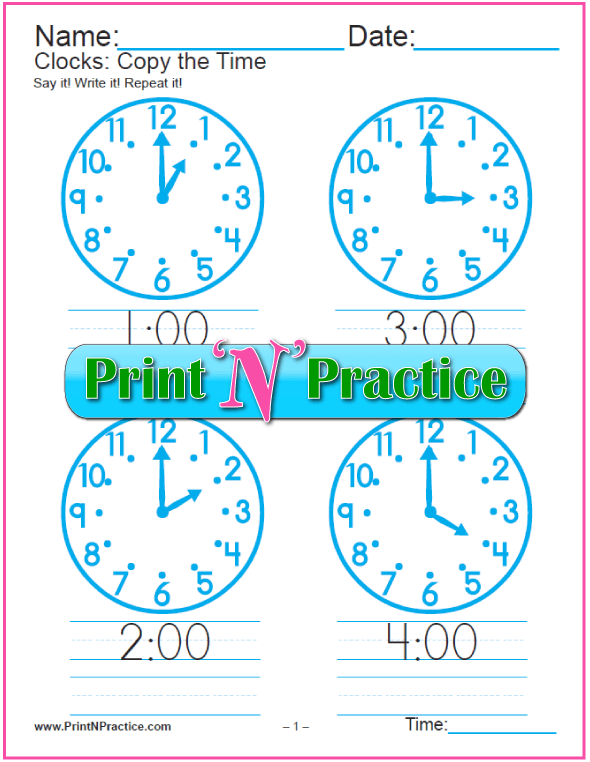
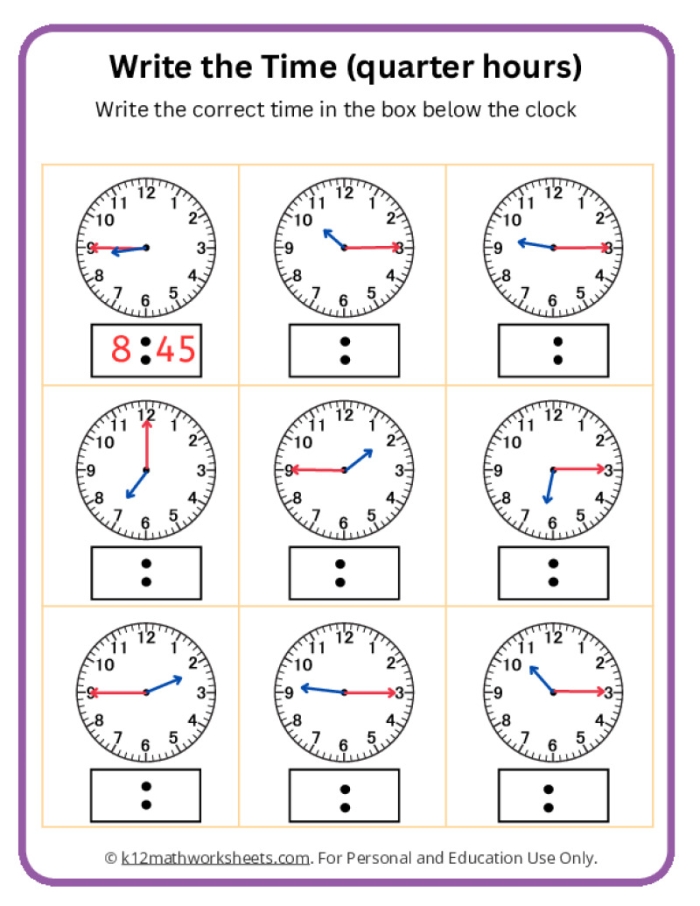
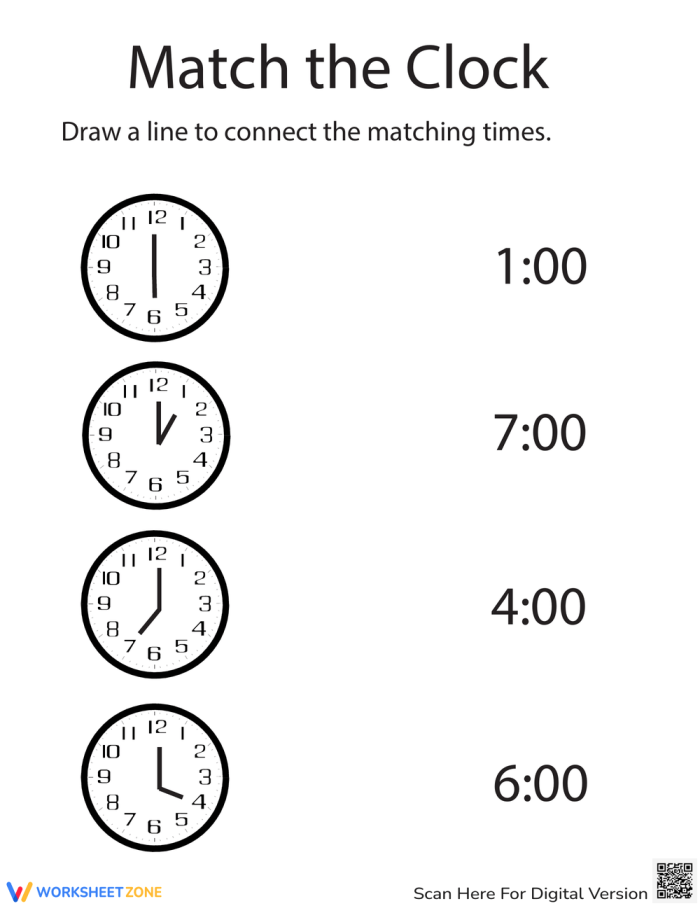
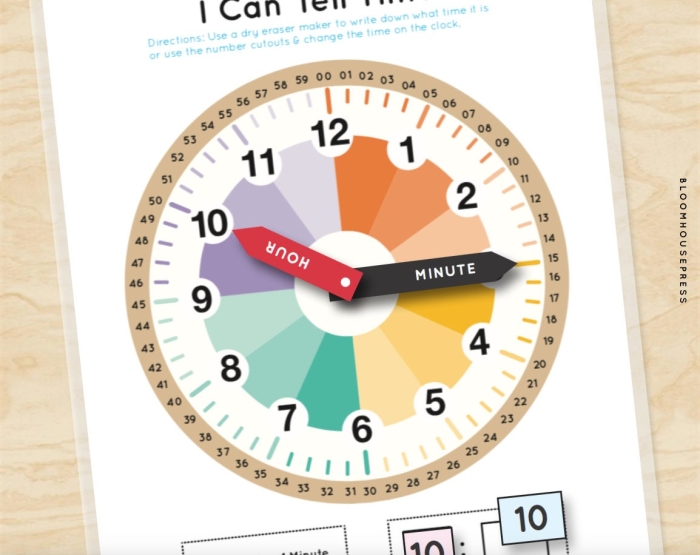
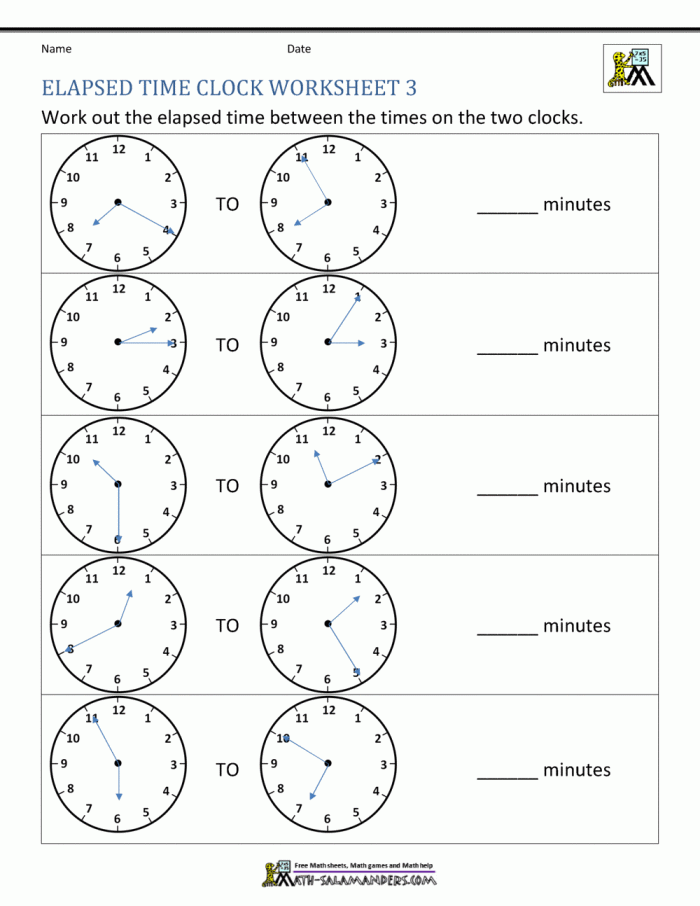
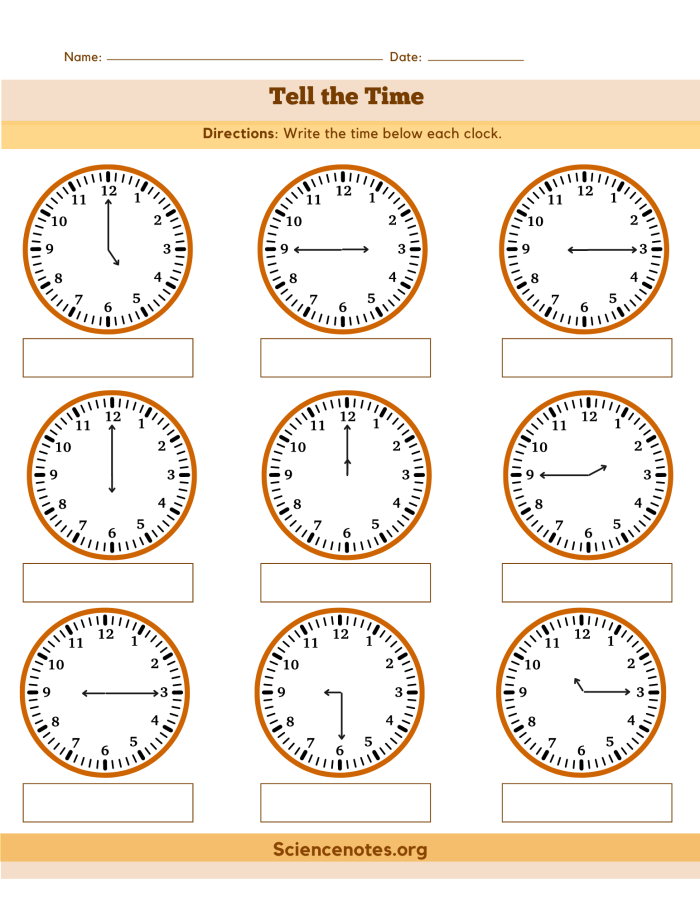
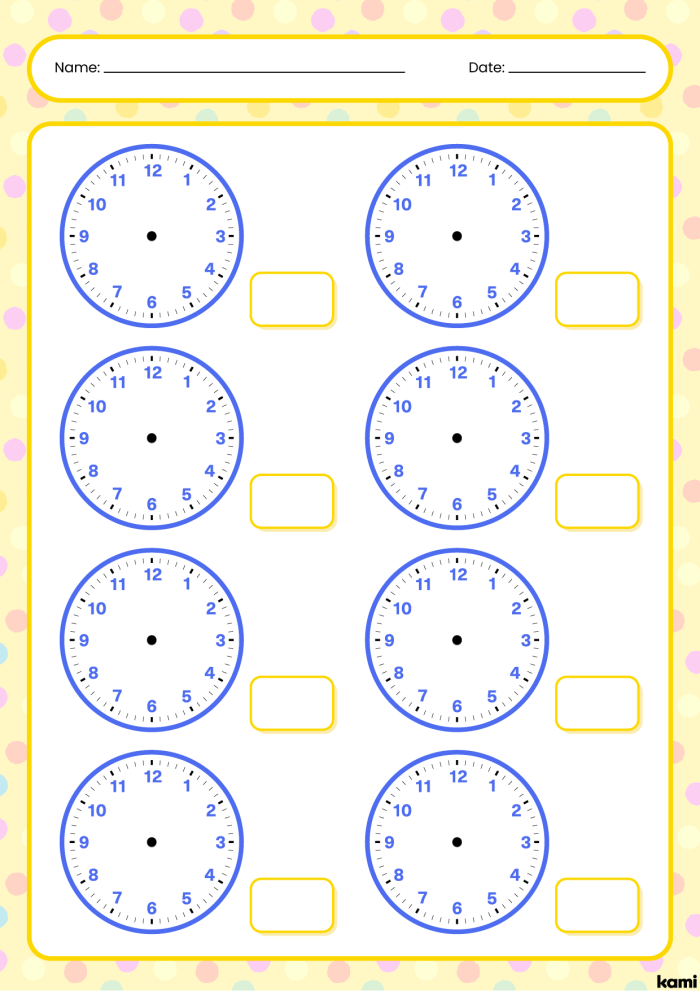
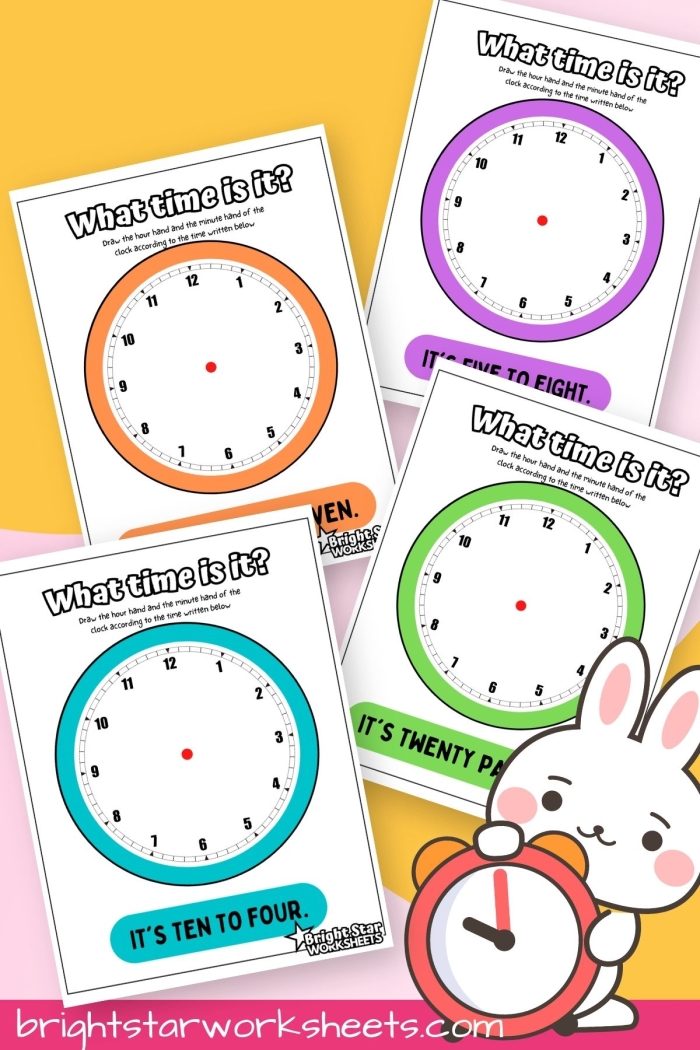
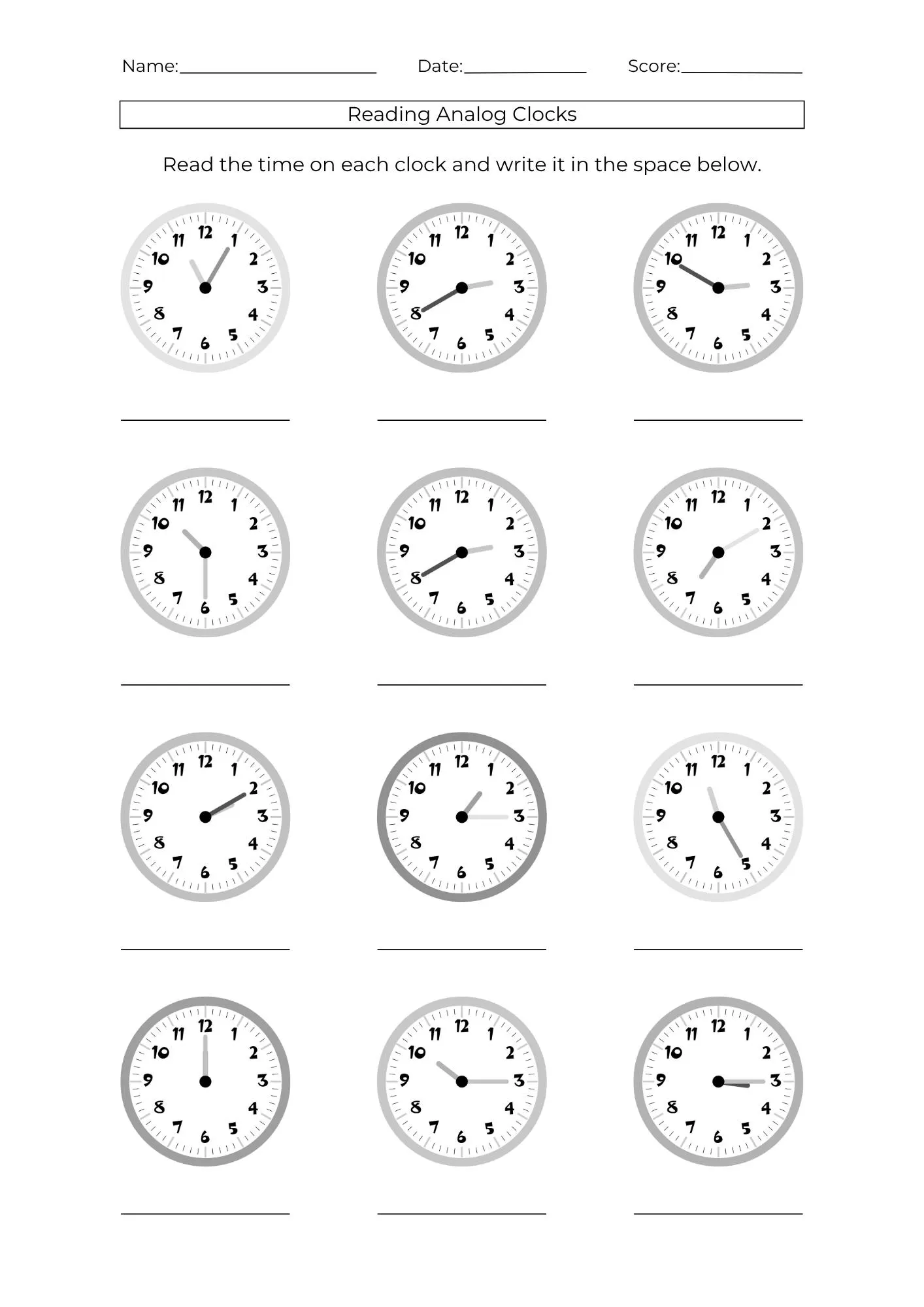
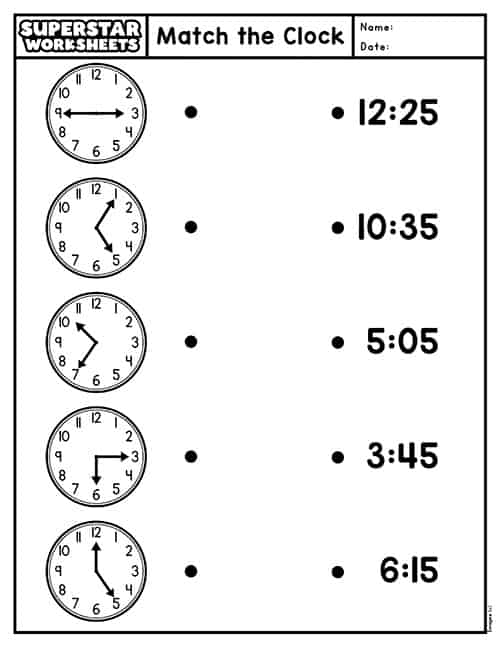
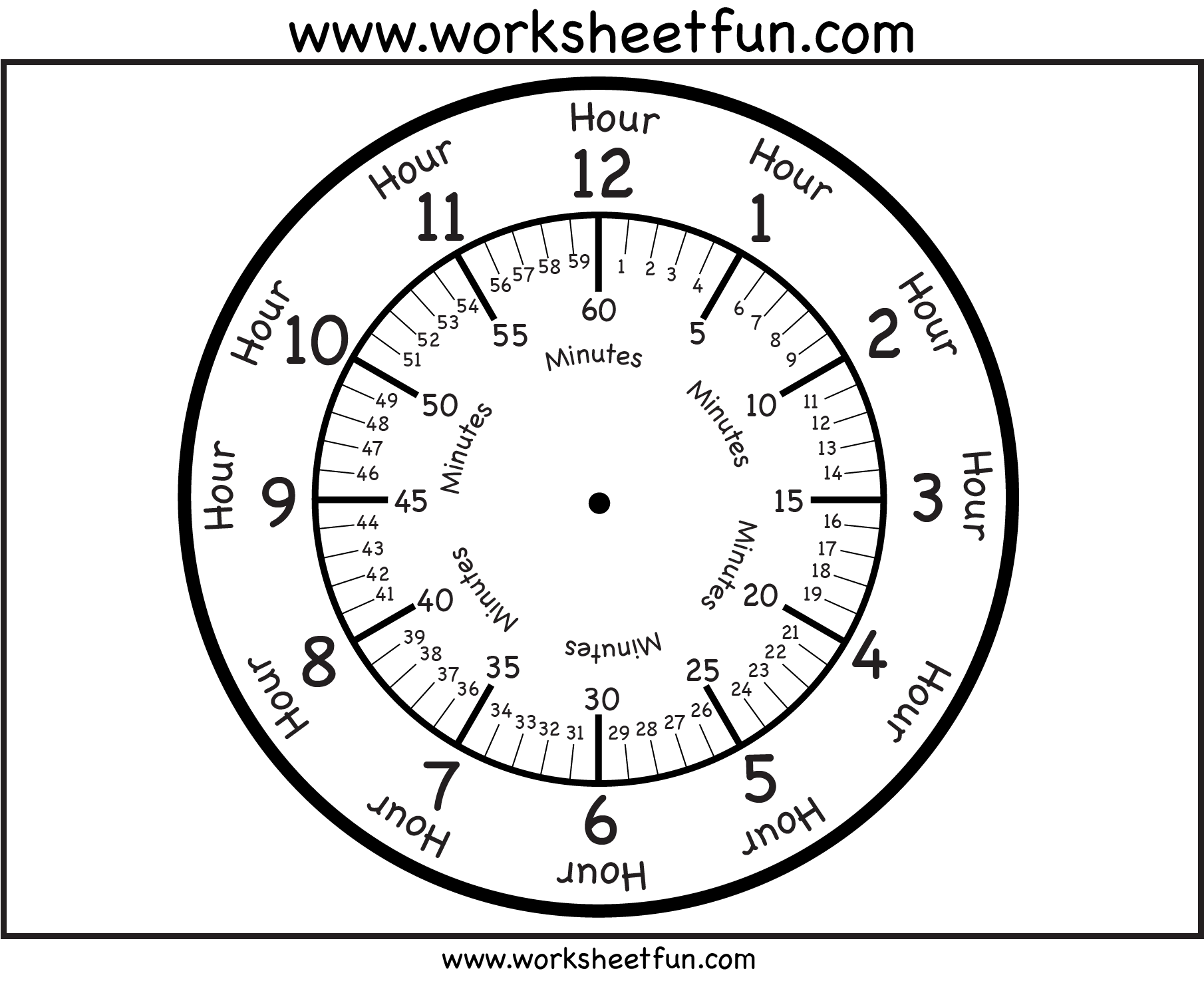
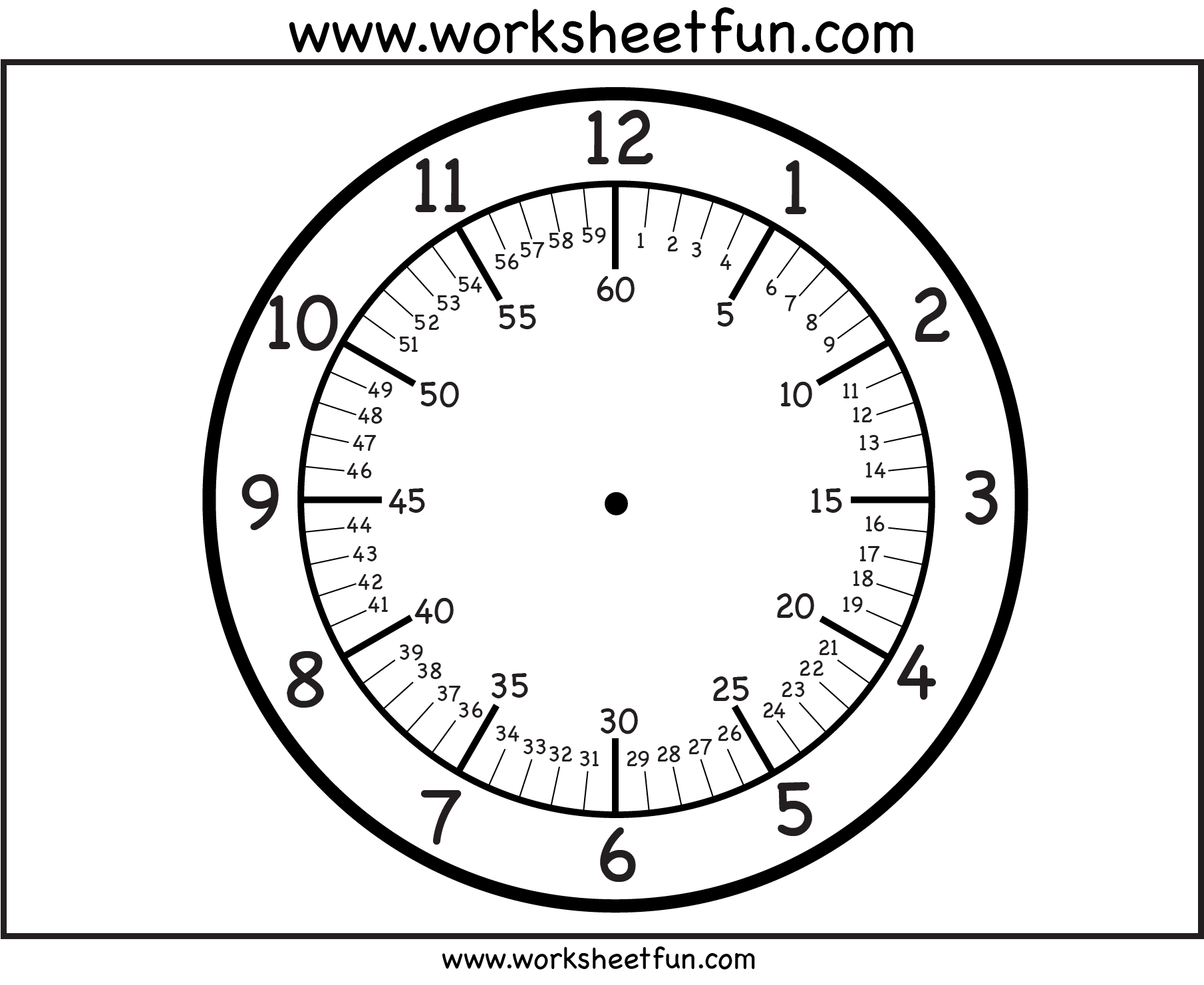
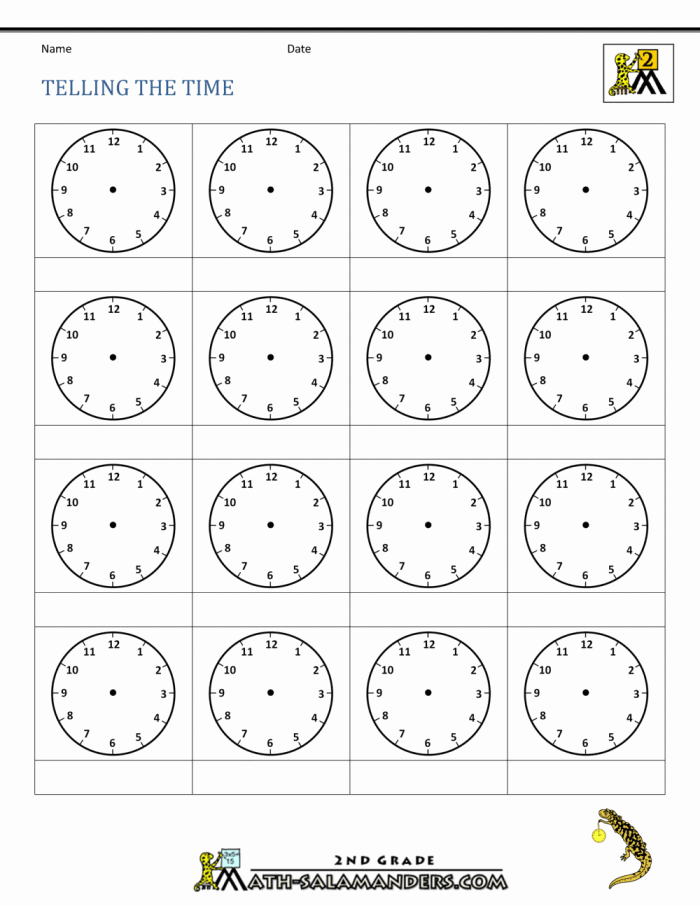
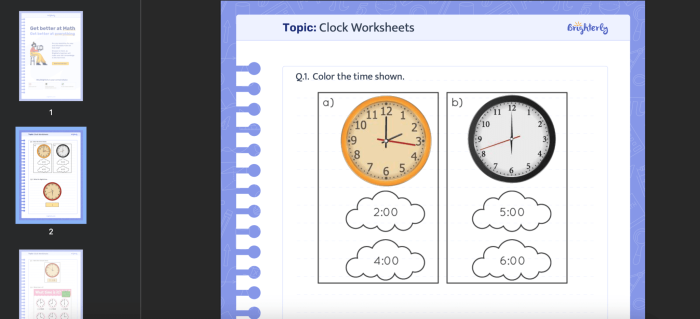
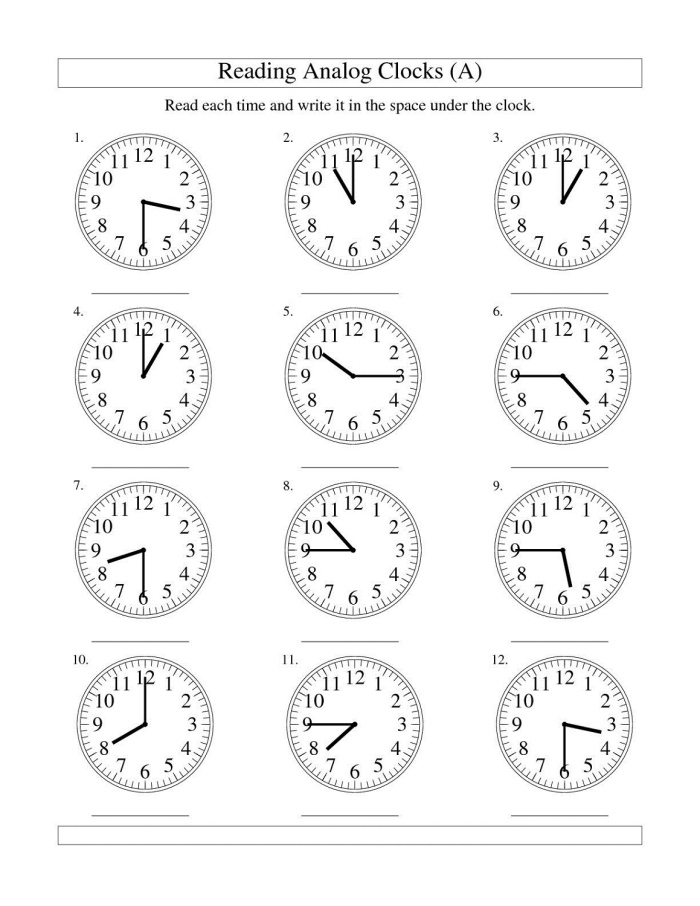
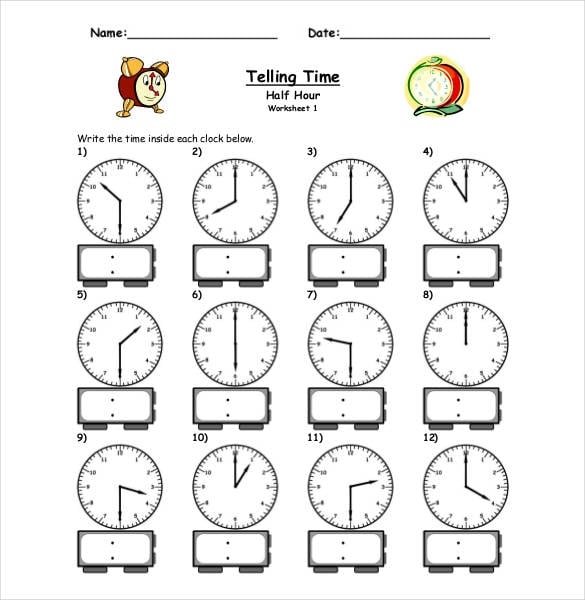
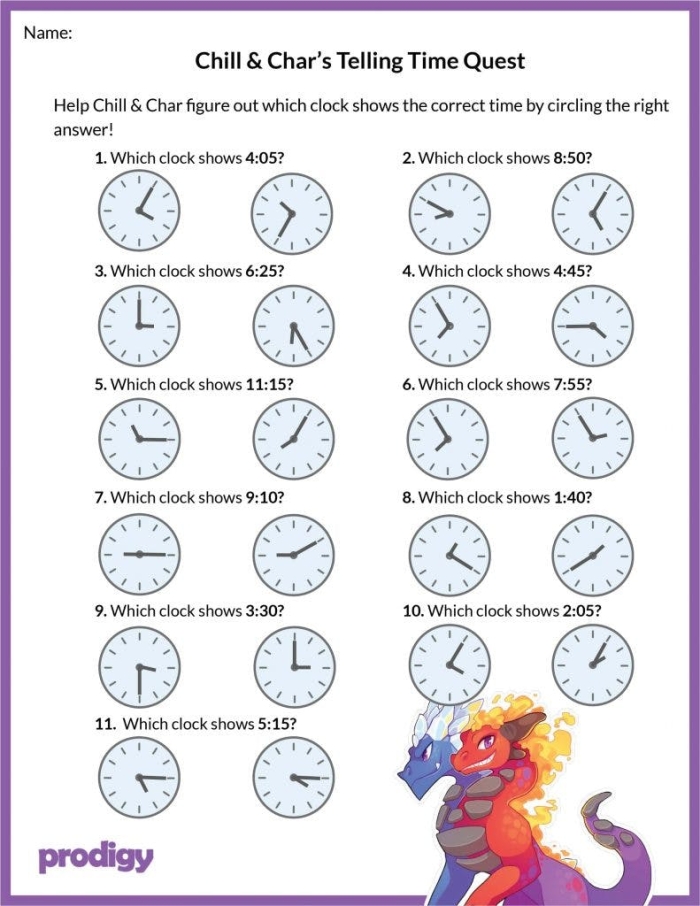
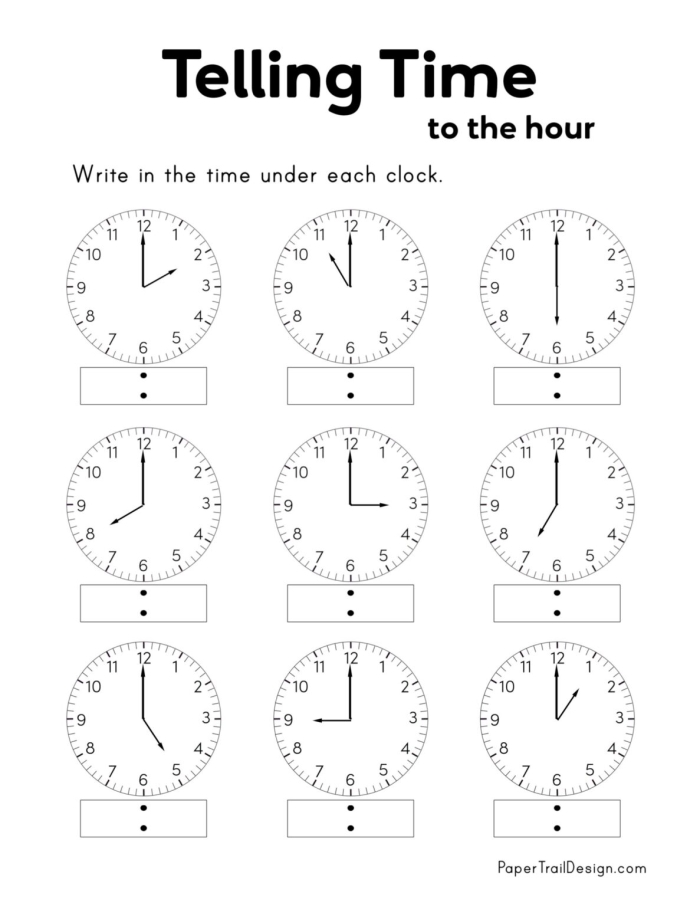
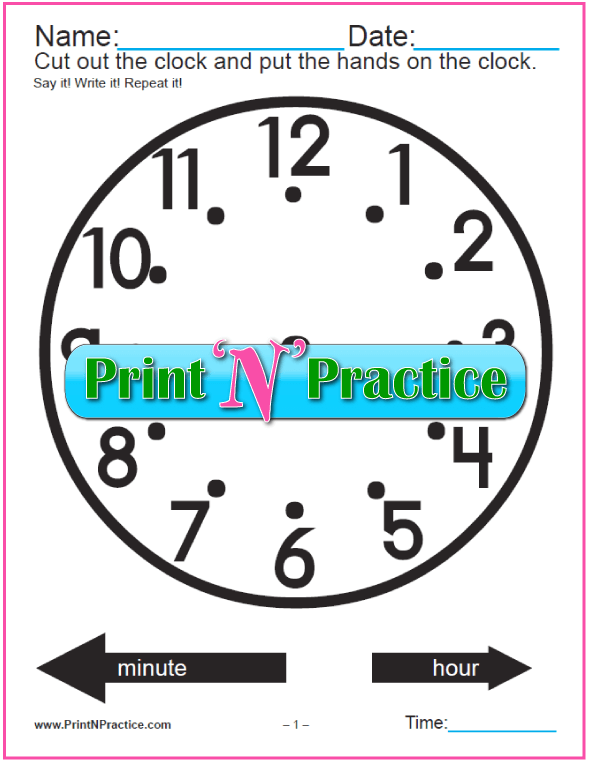
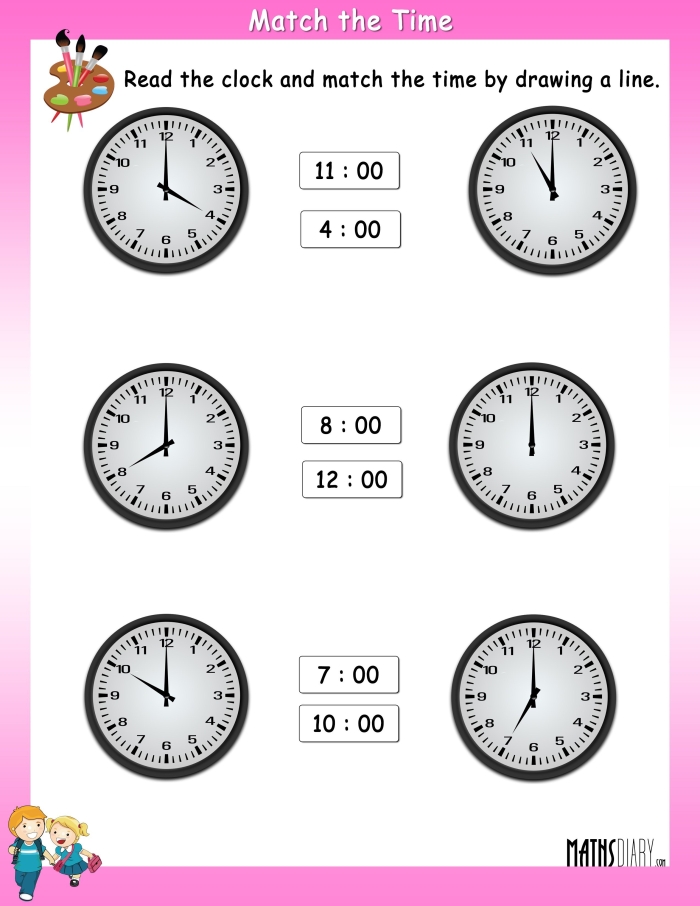
Learning to tell time is one of those skills that looks simple on the surface but actually requires several layers of understanding. Your child needs to recognize numbers, understand the circular motion of clock hands, and grasp the relationship between the hour hand and minute hand. A printable clock practice worksheet gives her a hands-on way to work through these concepts at her own pace.
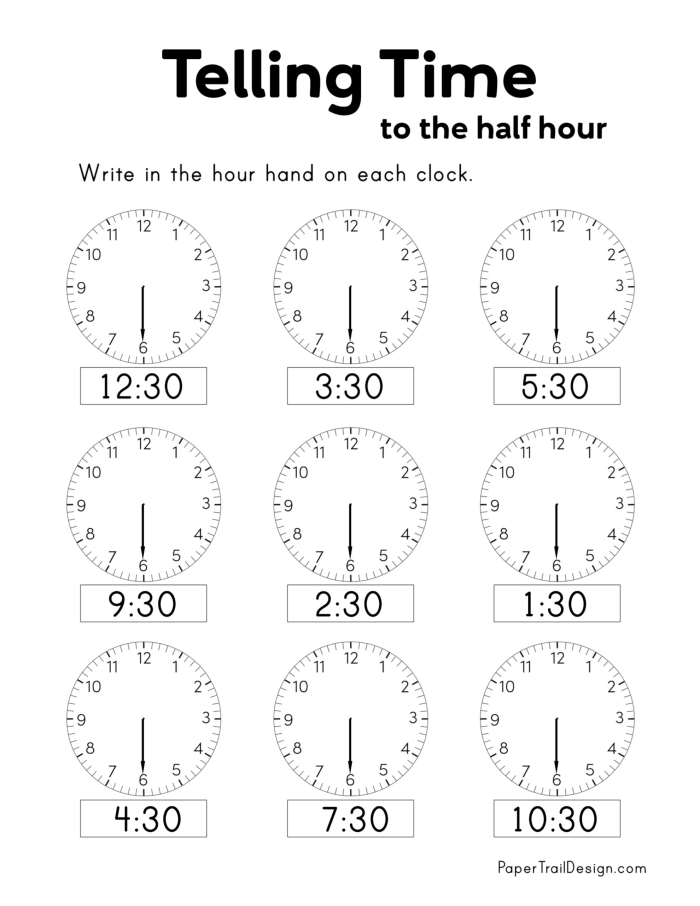
When you use a worksheet where she draws the hour and minute hands herself, something shifts in her learning. Rather than just reading a clock someone else has drawn, she’s making decisions about where each hand belongs. This active process helps cement the connection between the time you say aloud and where the hands actually point on the clock face. She’ll notice patterns, like how the minute hand always points to 12 when it’s on the hour, or how the hour hand moves gradually between numbers.
The beauty of this approach is that it works alongside other kindergarten and reading activities without requiring extra time. You can pair clock practice with other skill-building exercises like silent e word practice during a learning session. Many children benefit from mixing different types of activities to keep their attention engaged while building multiple skills.
Start with simple times like 3:00 or 9:00, where the hour hand points directly at a number and the minute hand points straight up. Once she feels confident with those, introduce times like 3:30 where the hour hand sits between two numbers. The repetition of drawing these hands over multiple worksheets builds automaticity, so eventually she won’t need to think so hard about where they go.
Keep the practice sessions short and positive. If she gets frustrated, set the worksheet aside and come back to it later. The goal is building confidence and understanding, not perfection on the first try.
Start Practicing with These Worksheets