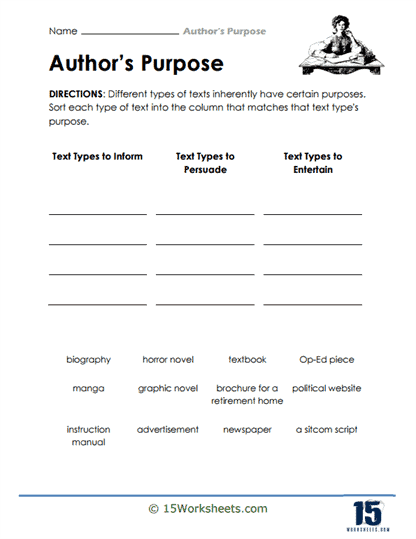
Teaching fourth graders to spot why an author writes something is one of the most practical skills they can develop. Instead of just reading words on a page, students learn to ask themselves the real reason behind the text. This foundational skill in grammar and mechanics helps readers understand intention, which changes how they interpret everything from instruction manuals to persuasive essays.
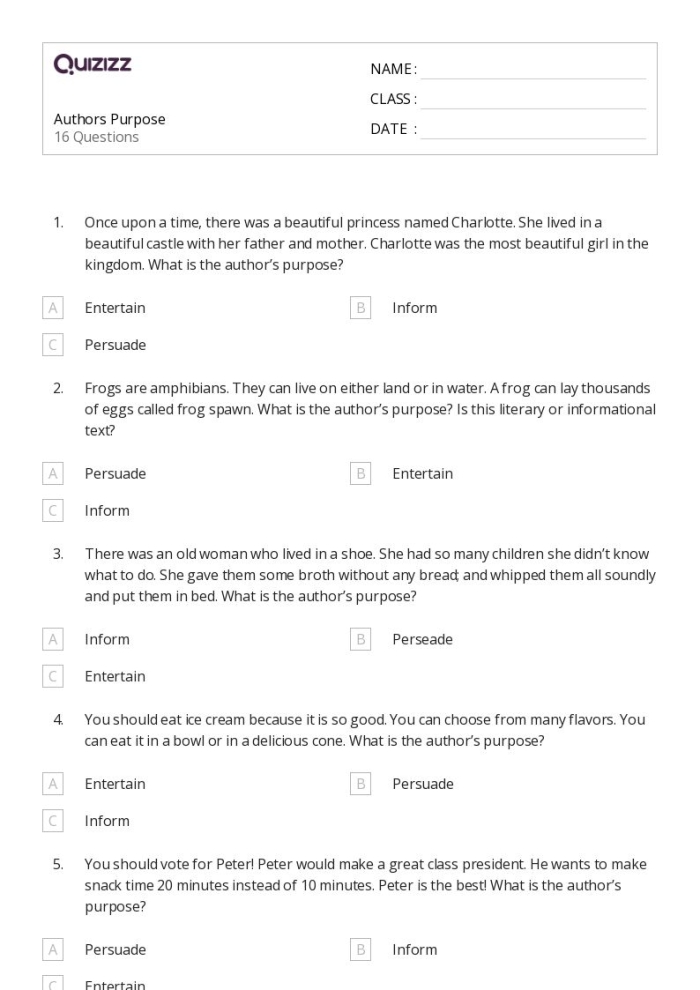
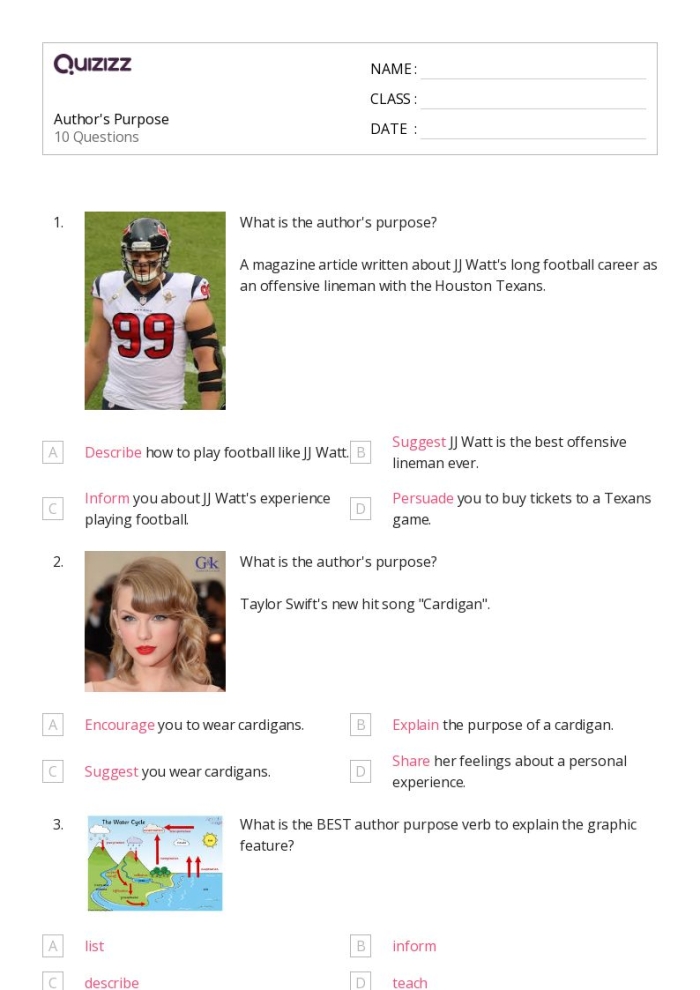
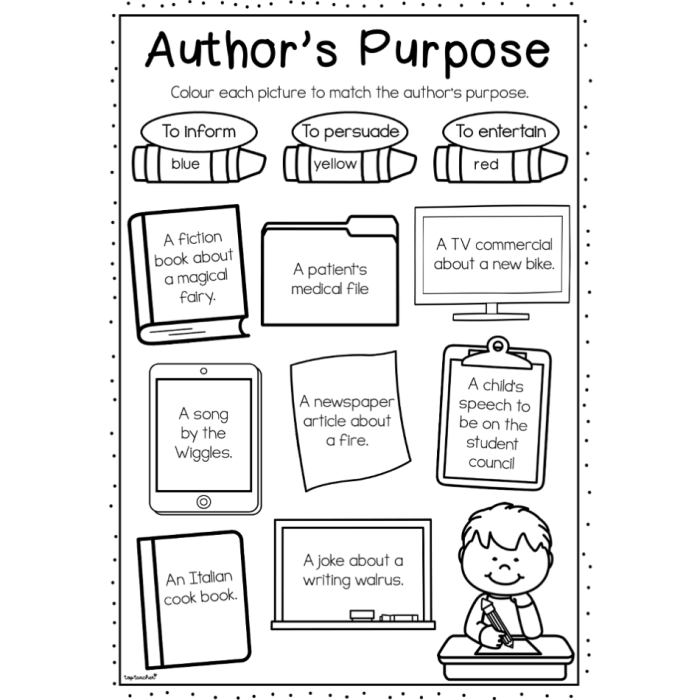
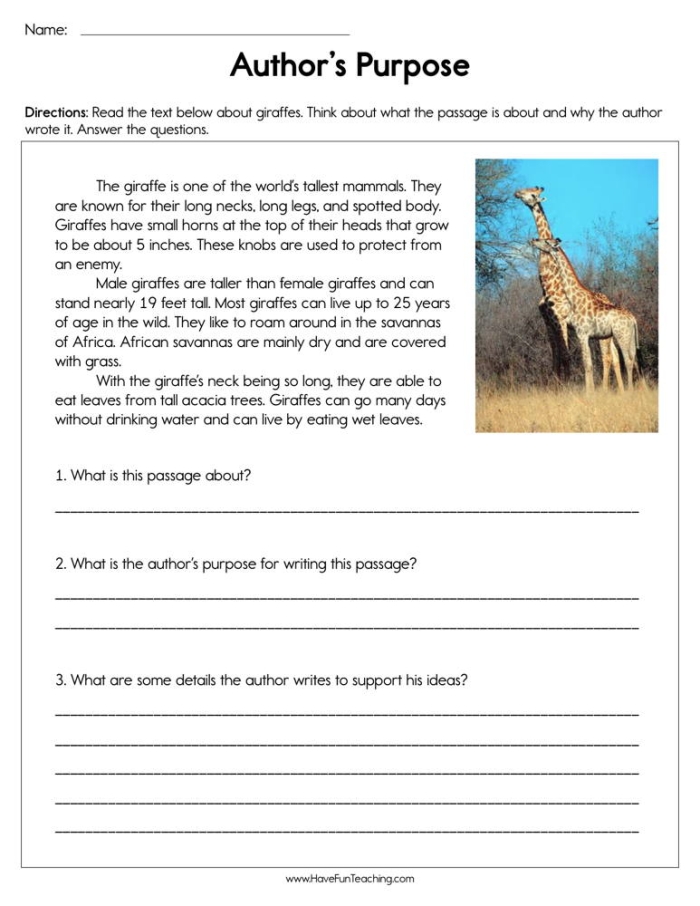
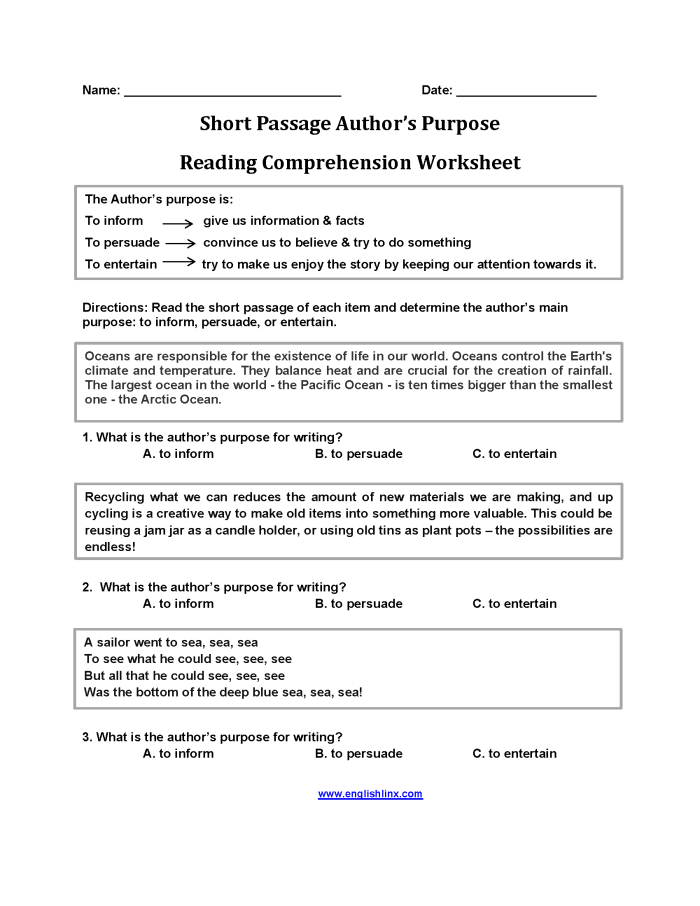
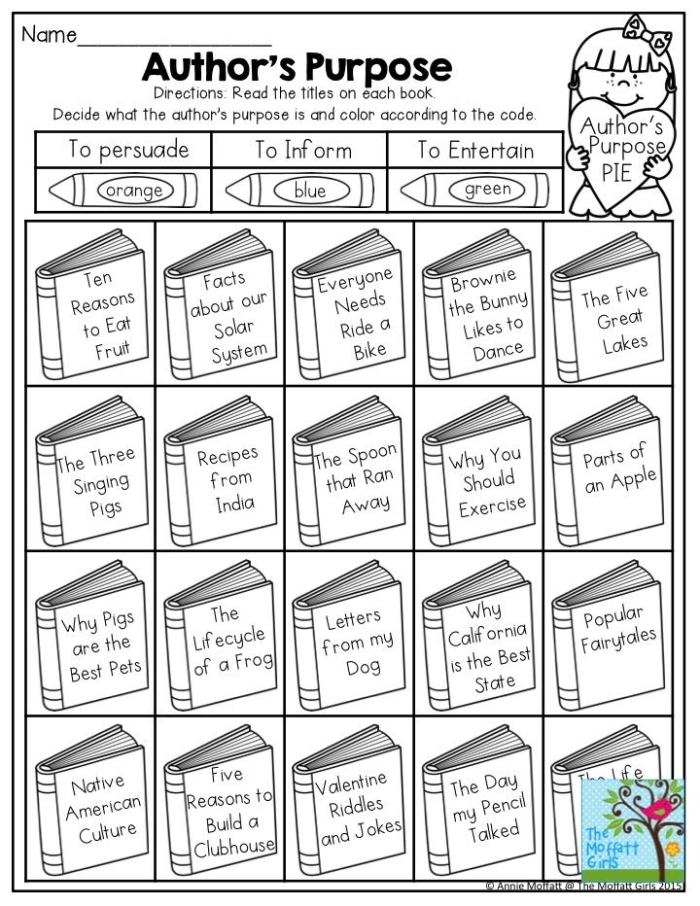
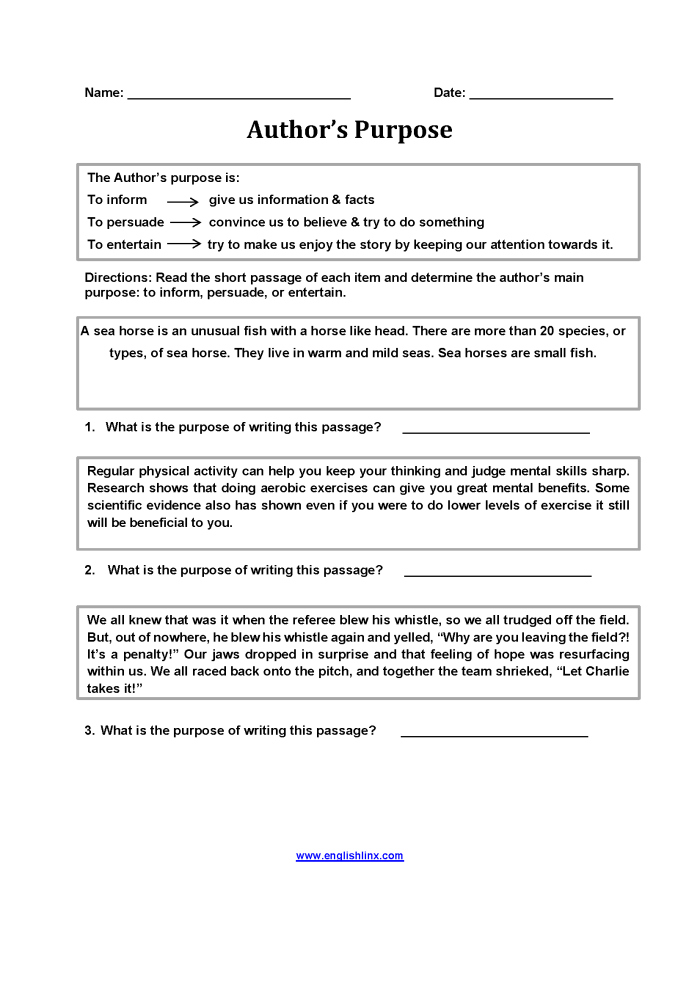
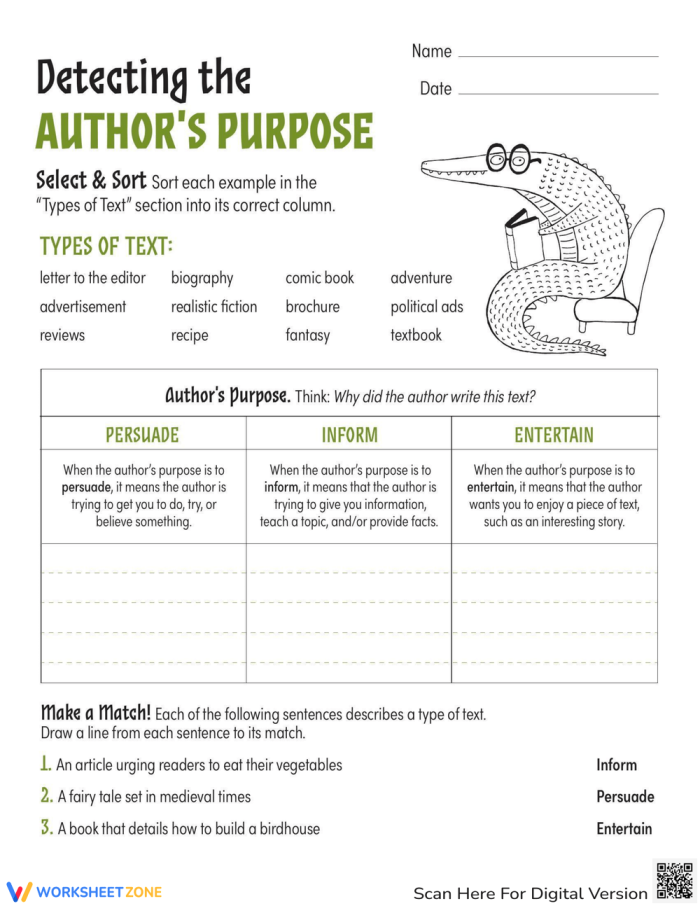
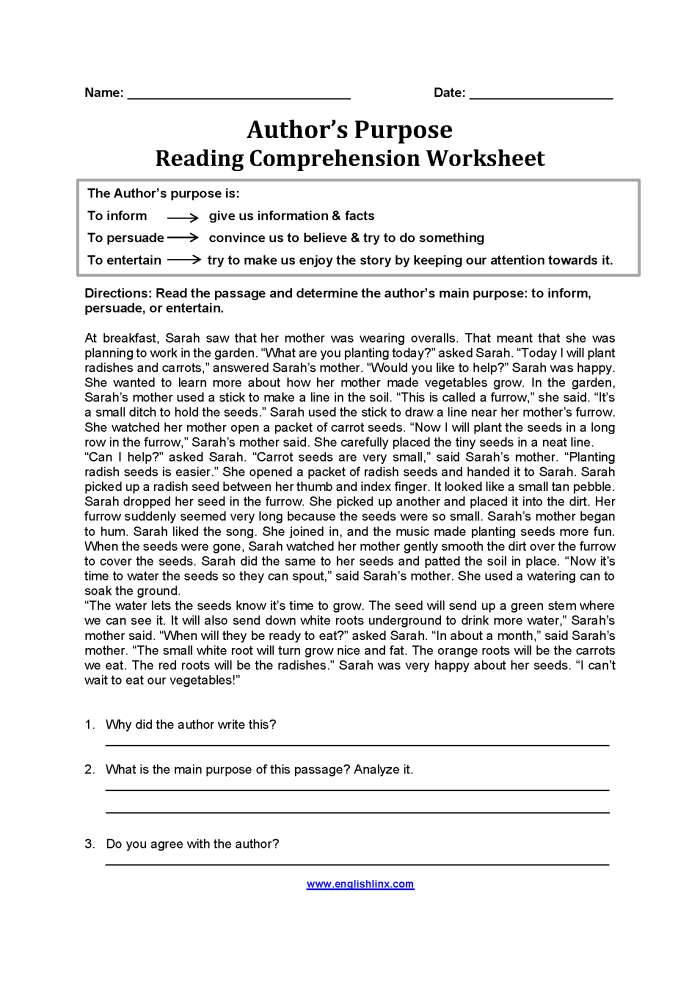
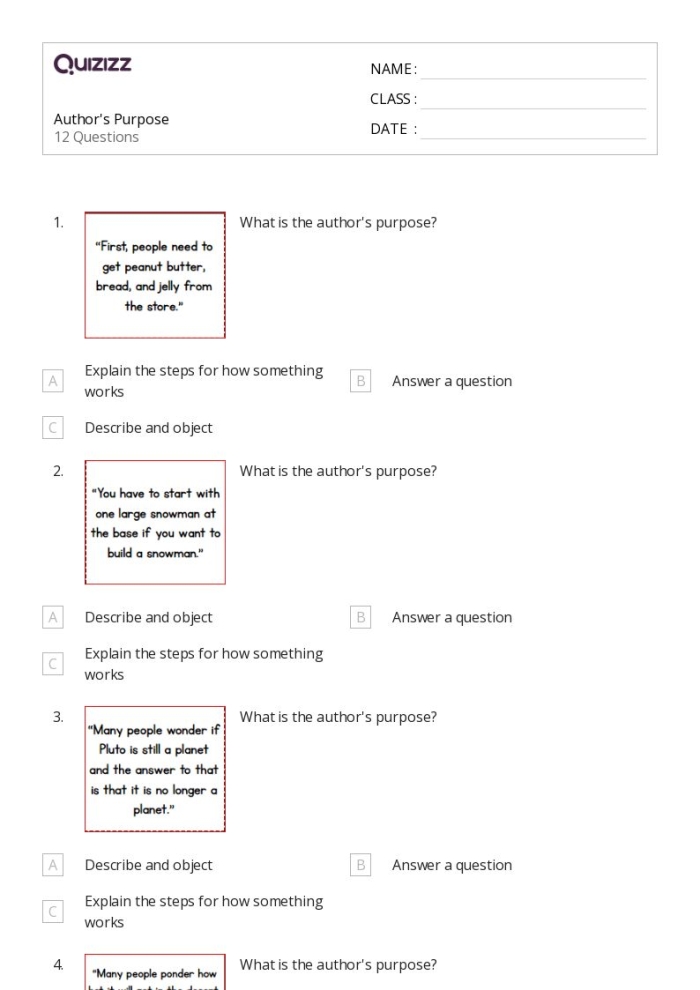
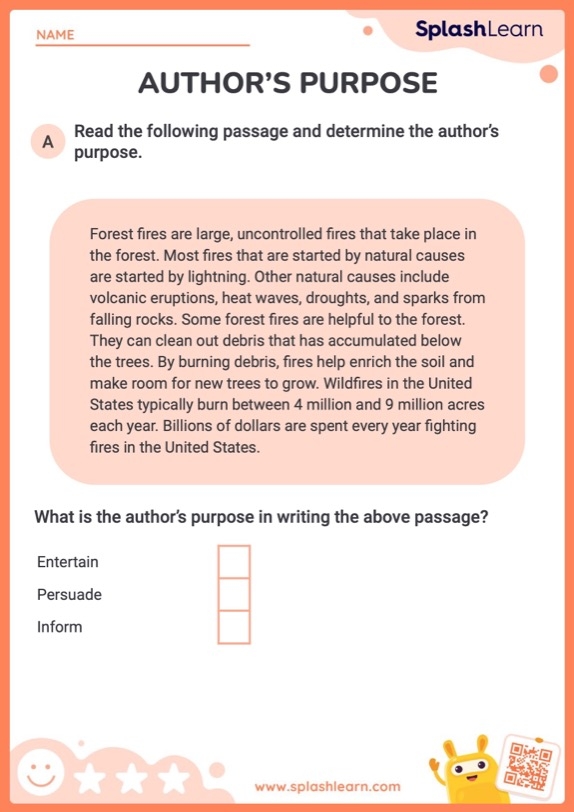
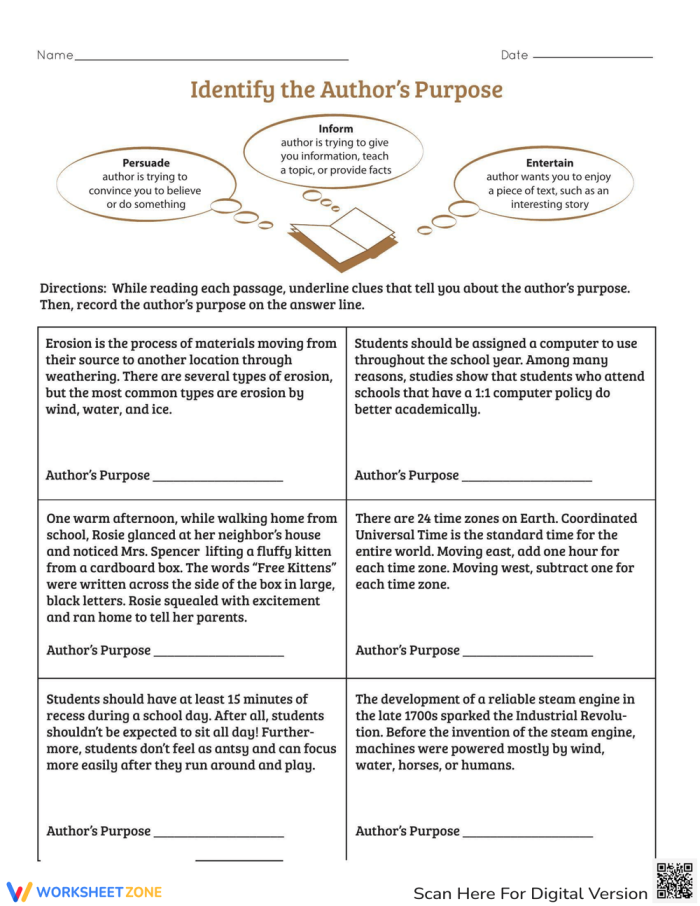
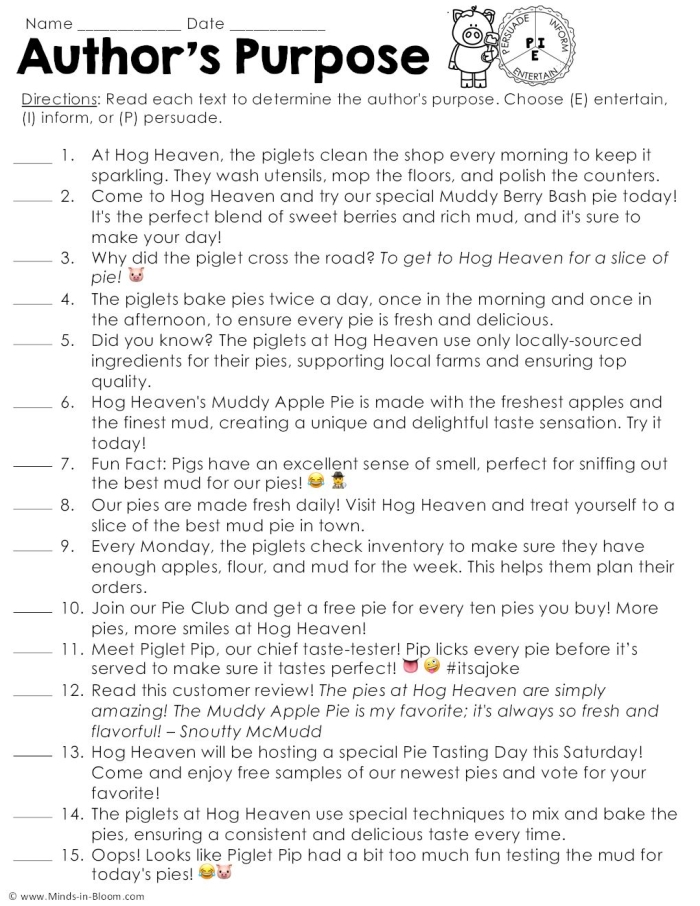
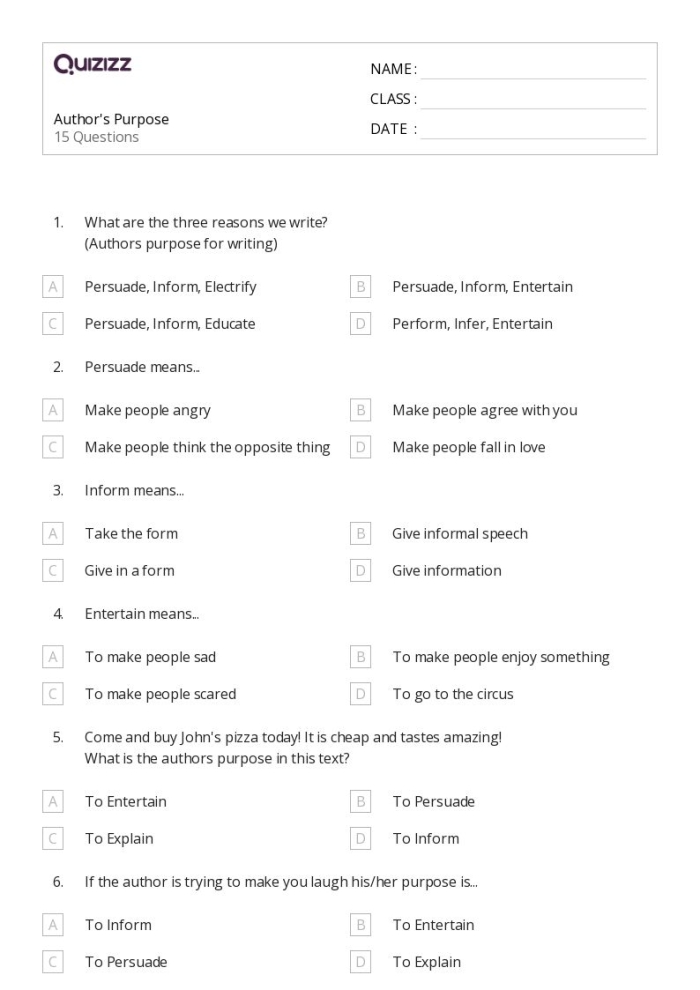
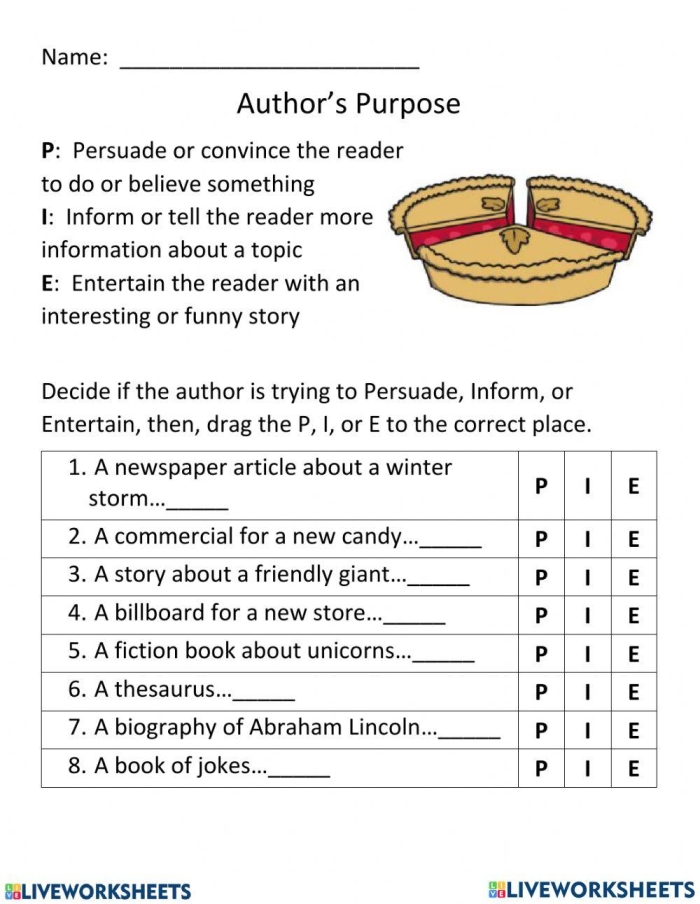
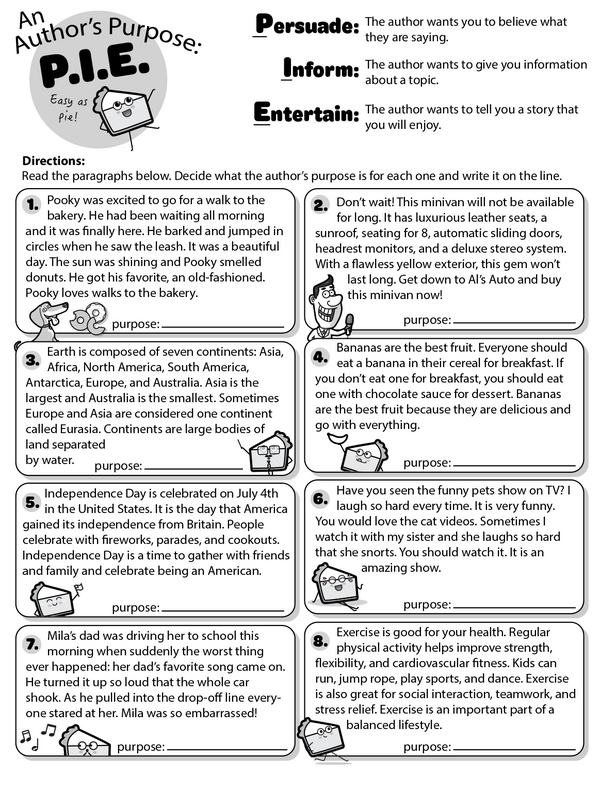
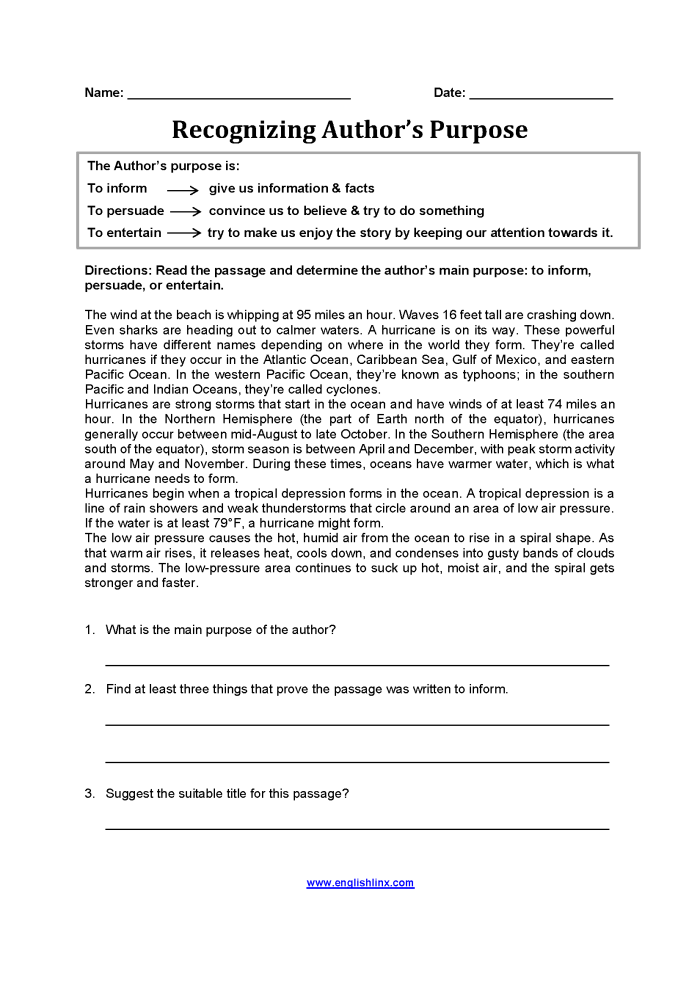
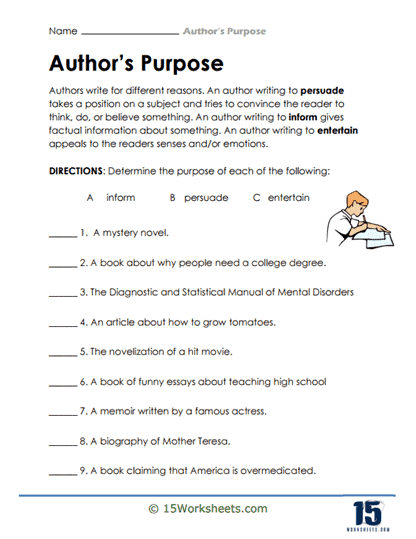
The PIE acronym serves as a simple anchor for remembering the three main purposes authors have when they write. P stands for Persuade, meaning the author wants to convince you of something. I stands for Inform, where the author shares facts or explains how something works. E stands for Entertain, when the author’s goal is to make you laugh, feel scared, or simply enjoy a story.
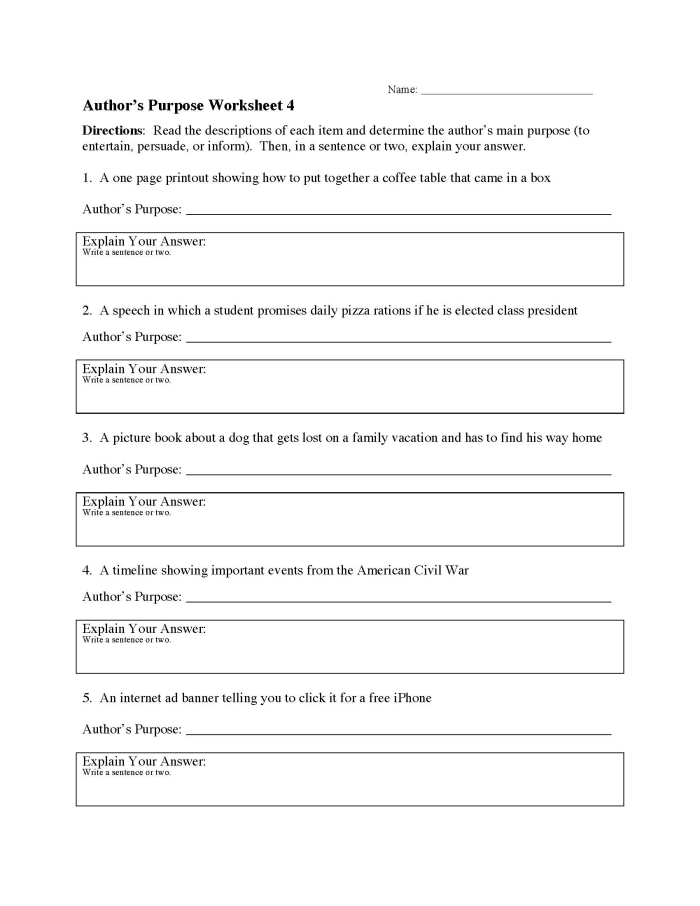
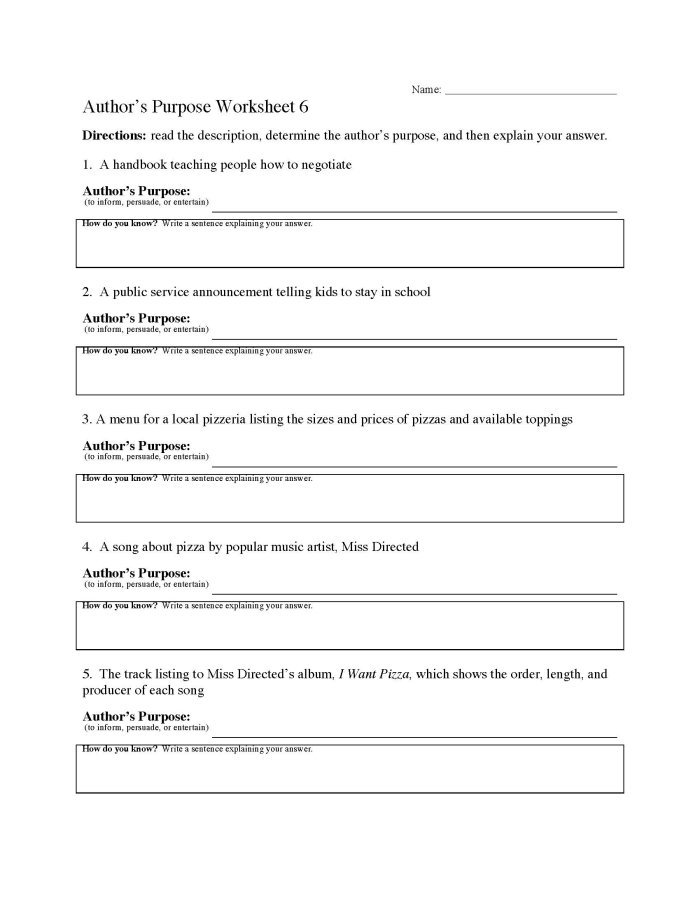
By working through 12 different text examples, learners practice identifying these purposes in real contexts. A recipe card informs you. A movie review persuades you to watch or skip a film. A funny poem entertains you. When students categorize multiple texts using this framework, the pattern becomes automatic.
Fourth grade is the ideal time for this instruction because students are reading more independently and encountering diverse text types. They might analyze why an author wrote about earth rocks or how someone explained the Pythagorean theorem. They learn to identify main ideas within different purposes and practice paraphrasing to show understanding. Even word problems involving liquid measurement become opportunities to recognize that the author is primarily informing.
This mnemonic approach sticks with students because it’s memorable and applies everywhere they encounter text.
Printable Worksheets for Practice