Bar graphs appear everywhere in the real world, from sports statistics to climate data to sales reports. Yet many fifth grade students treat them as static images rather than sources of information worth questioning. The difference between passively looking at a graph and actively analyzing it determines whether students can extract meaning from data they’ll encounter for the rest of their lives.
When students engage with questions that push them beyond simple reading tasks, they develop genuine analytical thinking. Rather than asking “What is the value shown here?” effective questions demand comparison, inference, and reasoning. A student might need to explain why one category increased while another decreased, or predict what future data might show based on trends. These cognitive demands transform graph interpretation from a mechanical skill into genuine problem-solving.
Fifth grade writing assignments paired with graph analysis create natural opportunities for students to articulate their thinking. When students write about what they observe in data, they clarify their own understanding and communicate complex ideas to others. This connection between visual literacy and written expression strengthens both skills simultaneously.
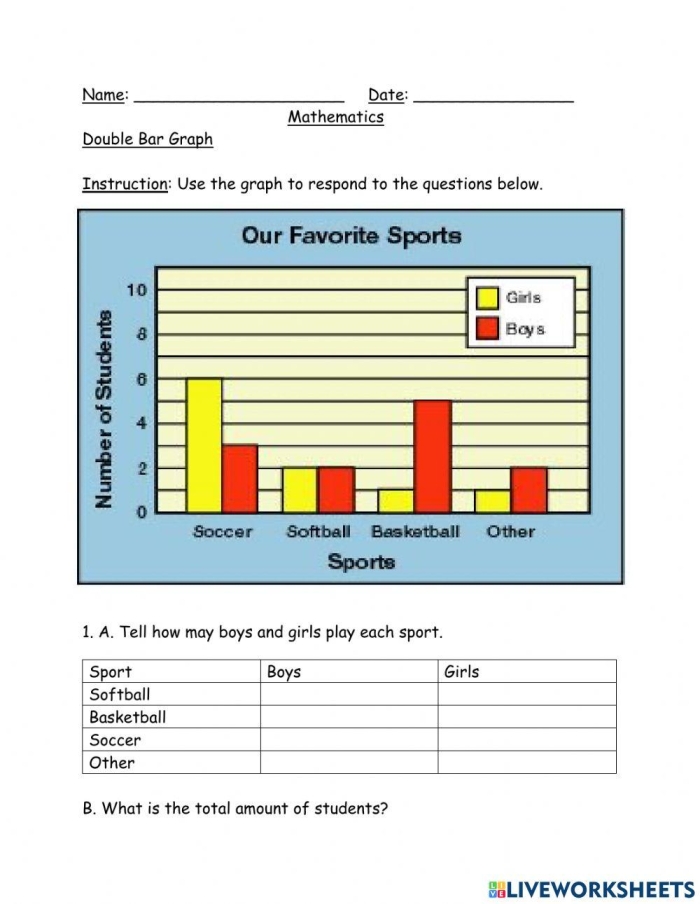
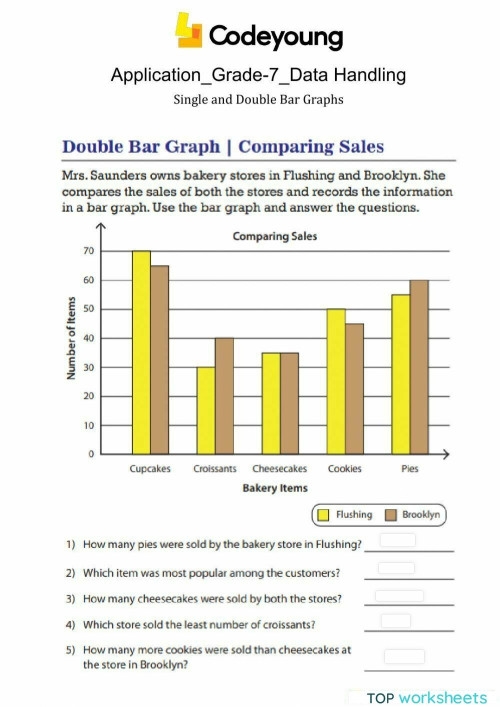
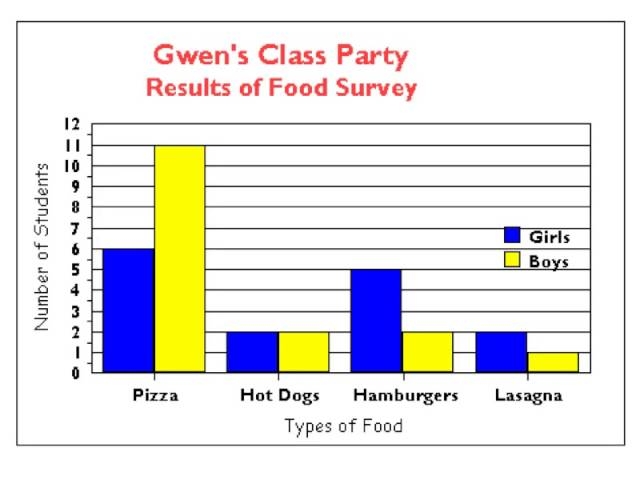
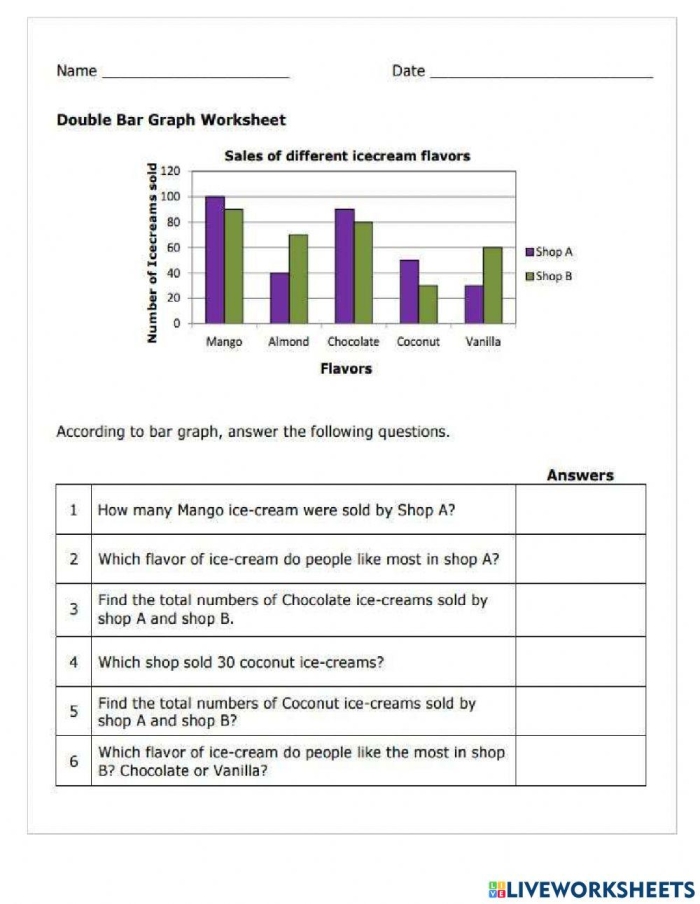
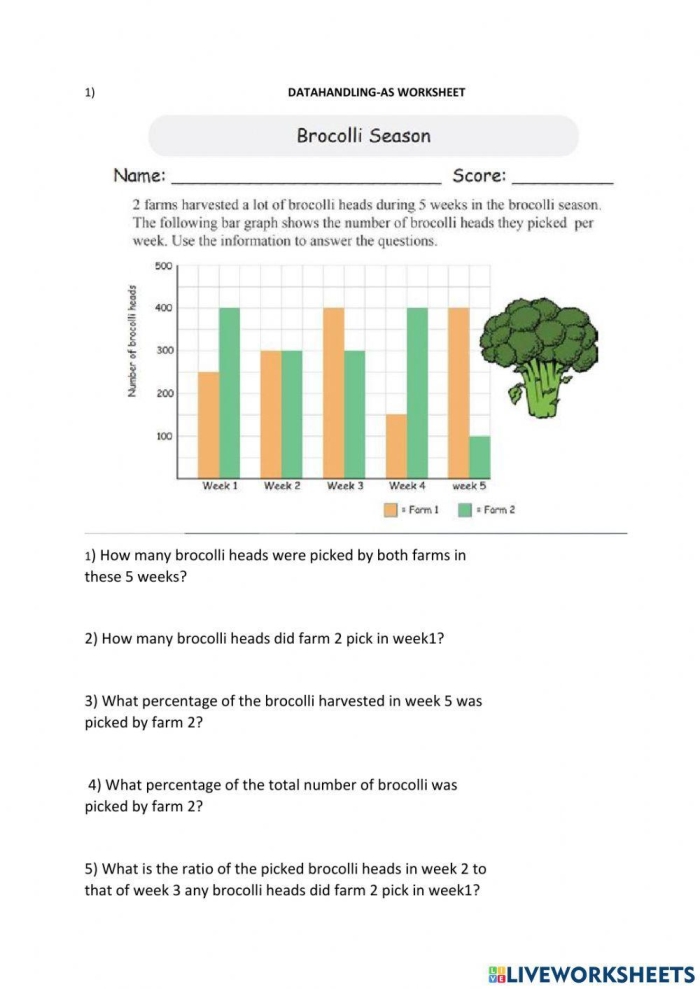
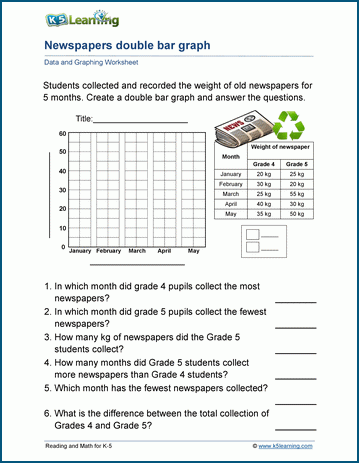
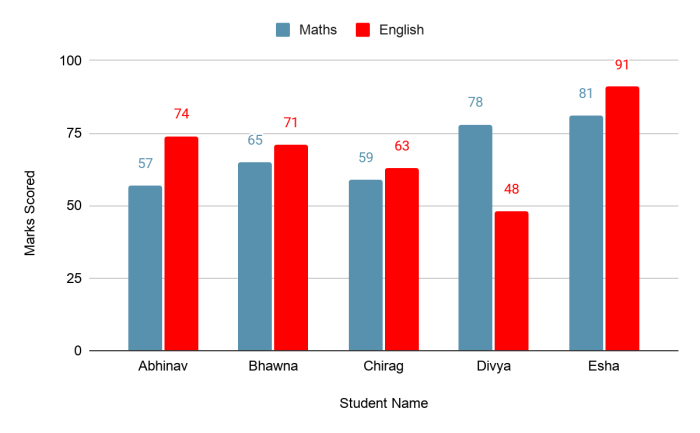
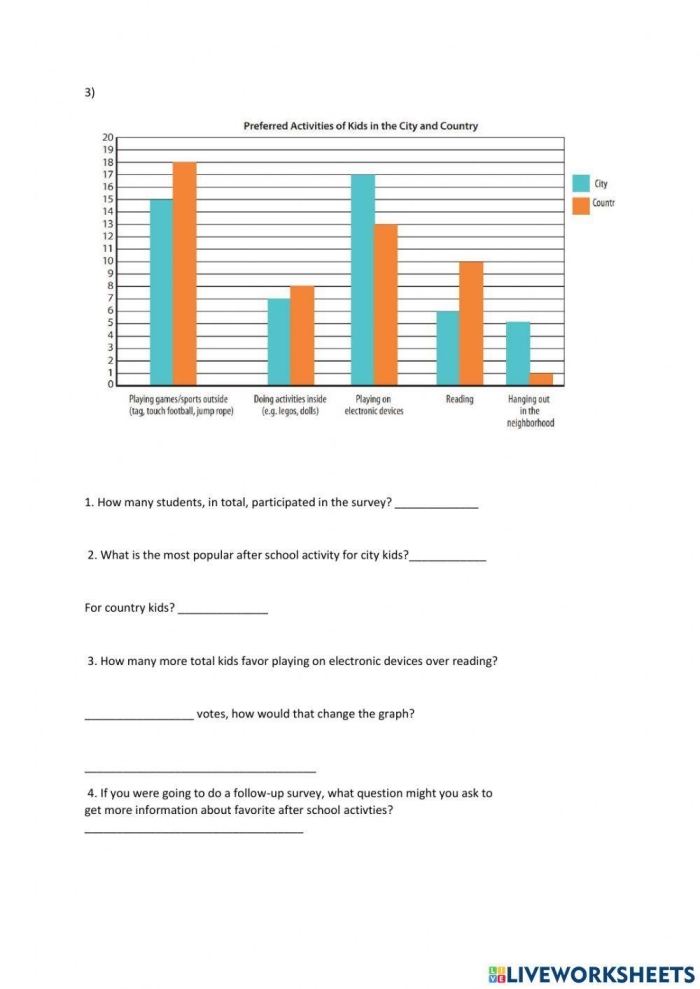
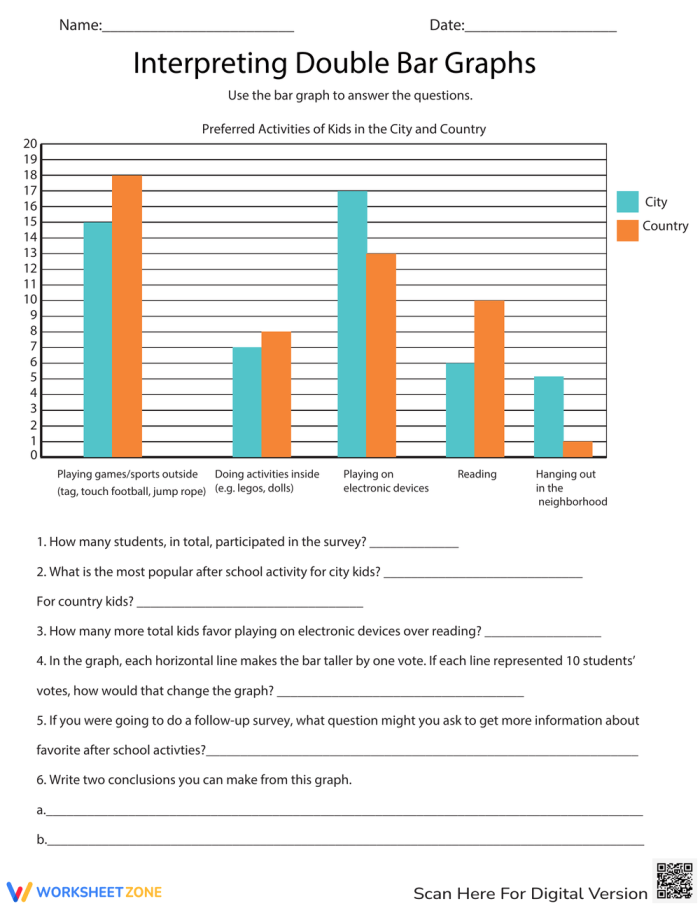
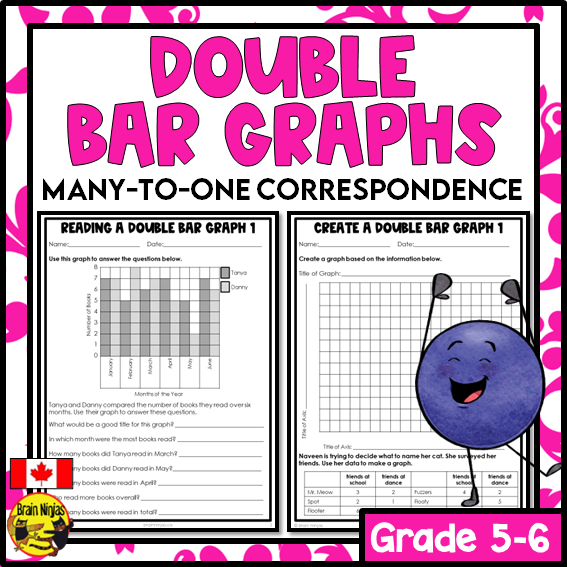
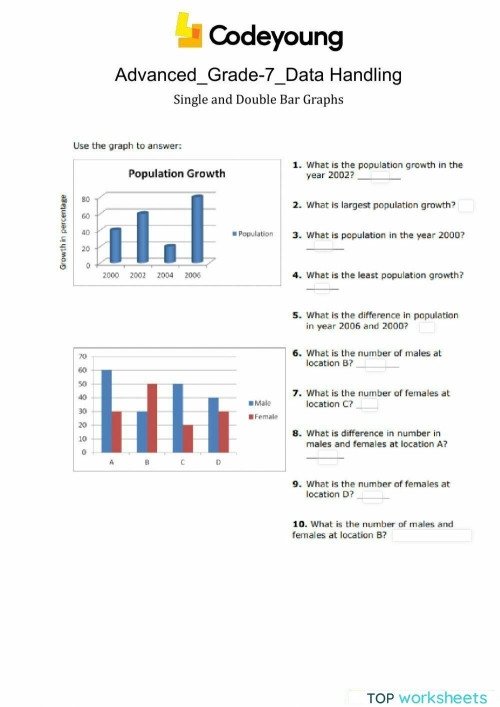
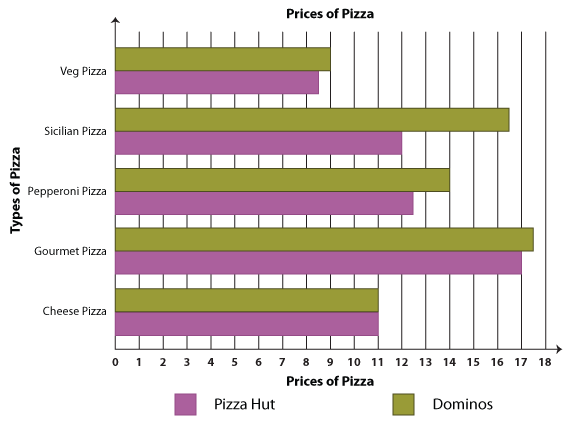
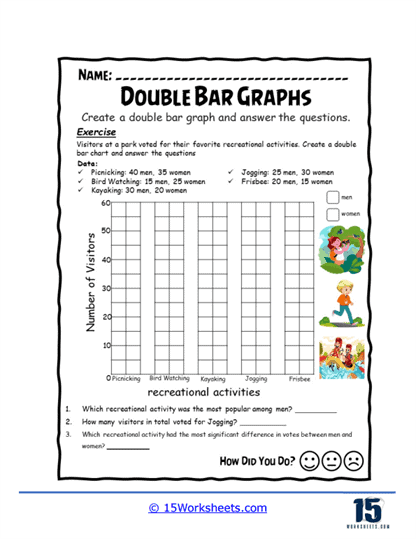
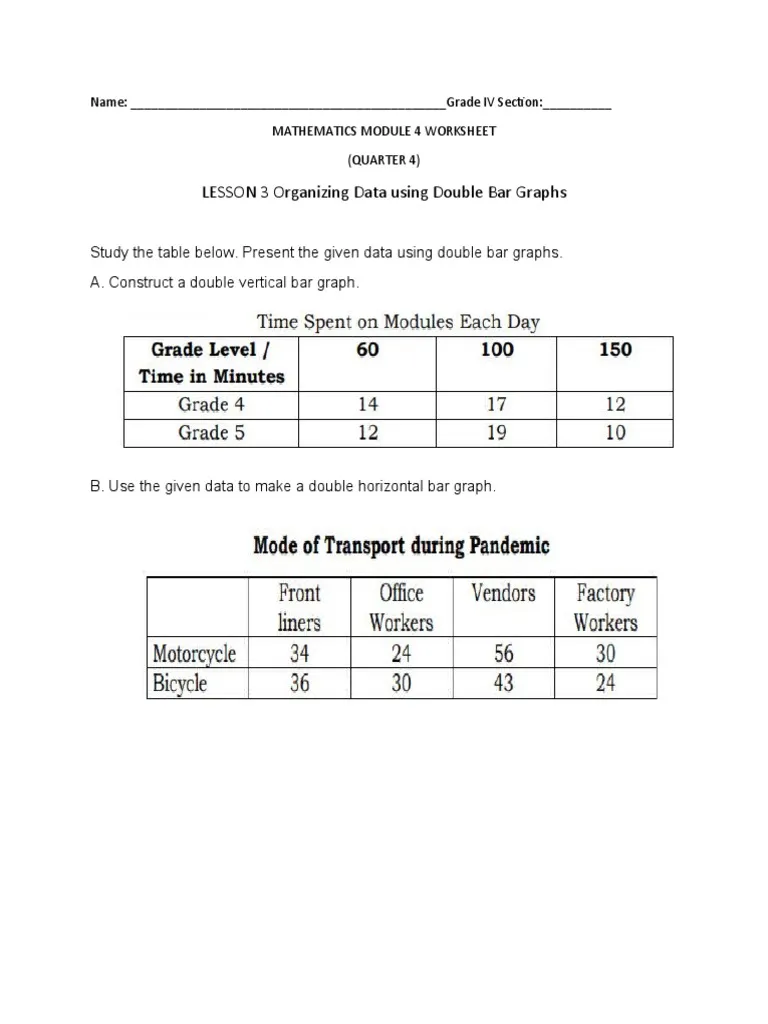
Double bar graphs present particular value for this kind of deeper work because they invite comparison between two data sets. Printable interpreting double bar graphs worksheets designed with higher order thinking questions guide students through this comparative analysis naturally. Rather than isolated facts, students see relationships between data points and learn to construct arguments based on evidence.
The skills developed through rigorous graph analysis extend far beyond math class. Students who learn to question data, identify patterns, and support claims with evidence build foundations for critical thinking across all subjects. These are the analytical habits that serve students well whether they’re evaluating news reports, understanding scientific studies, or making informed decisions throughout their lives.
Hands-On Worksheet Activities