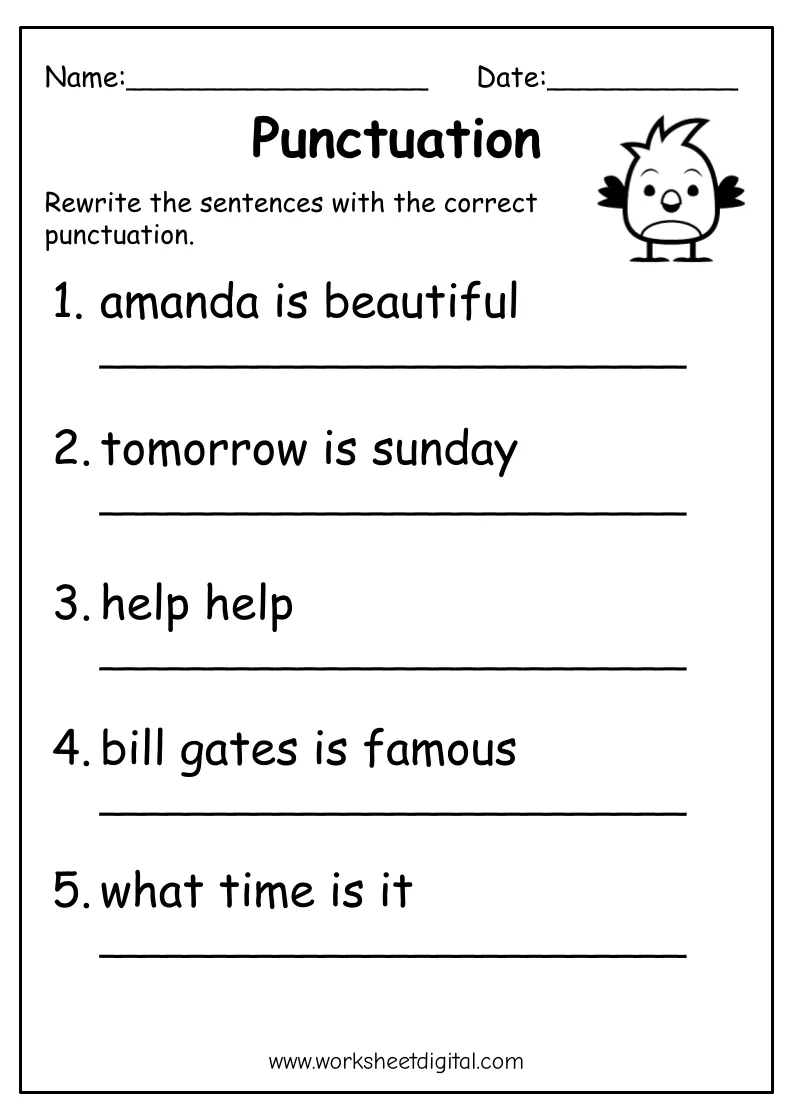
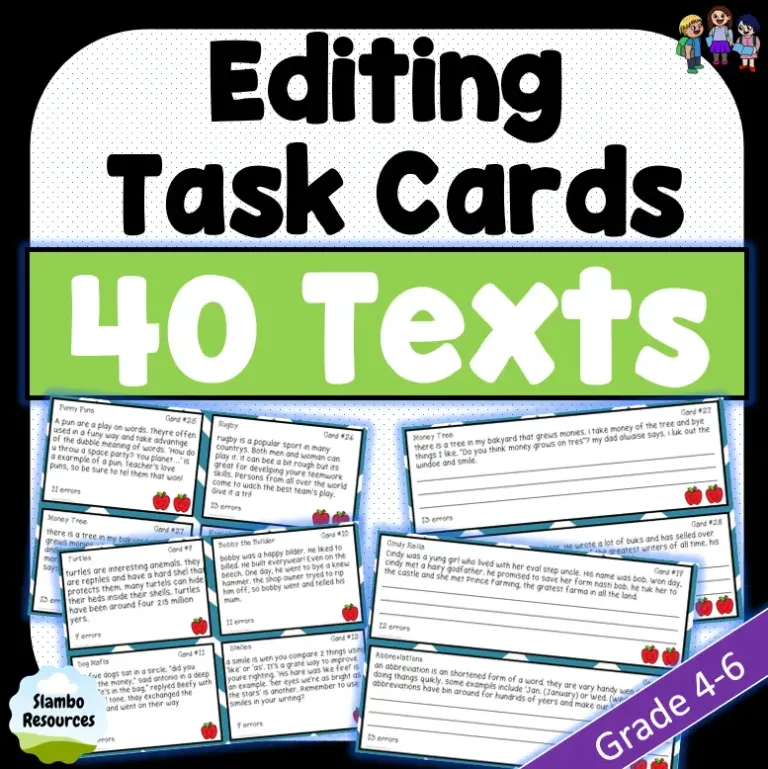
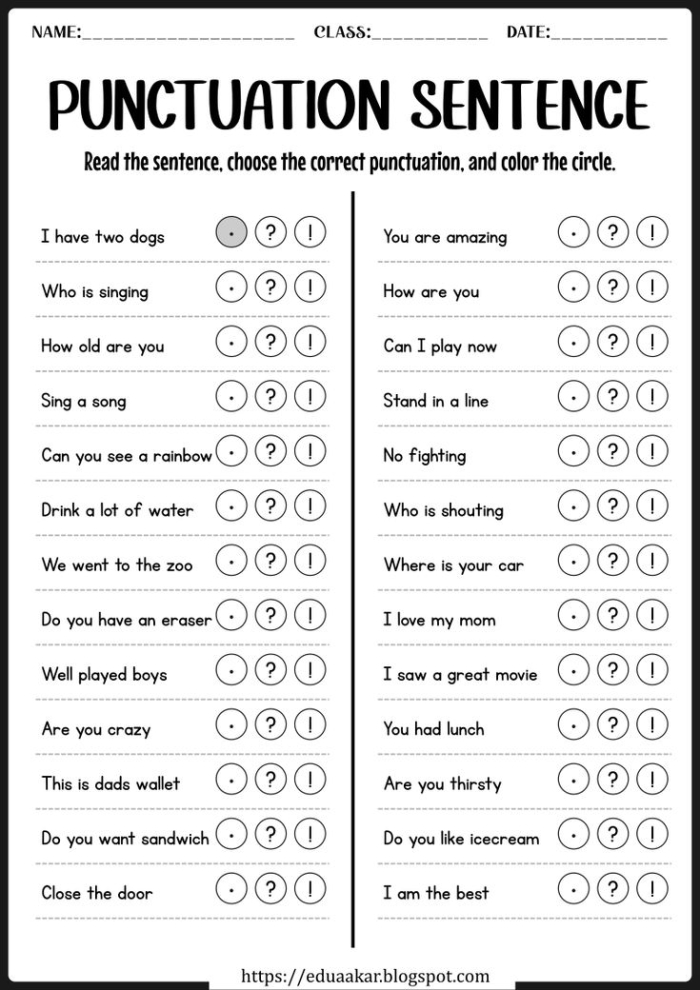
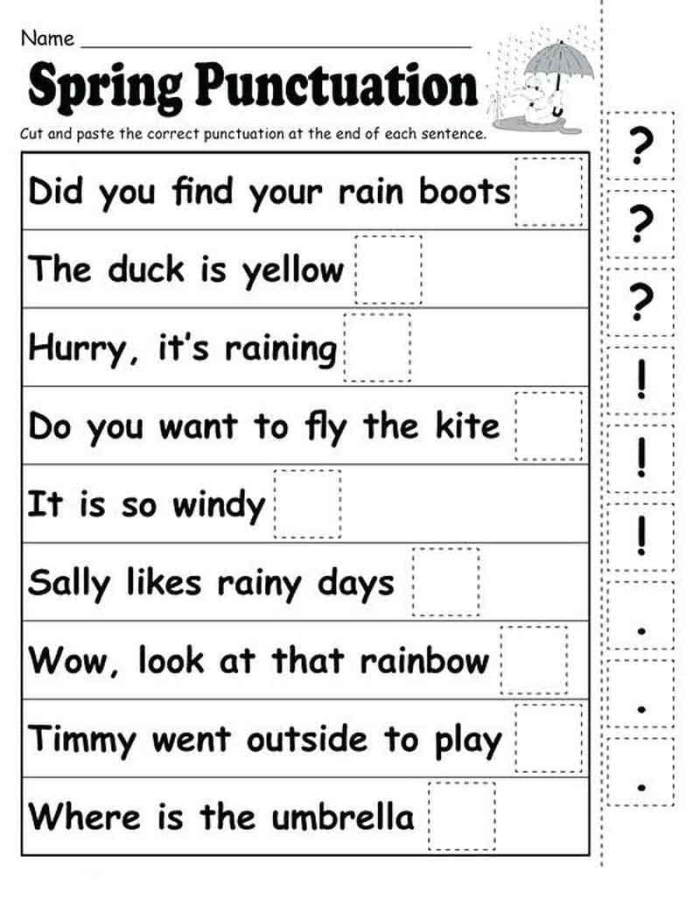
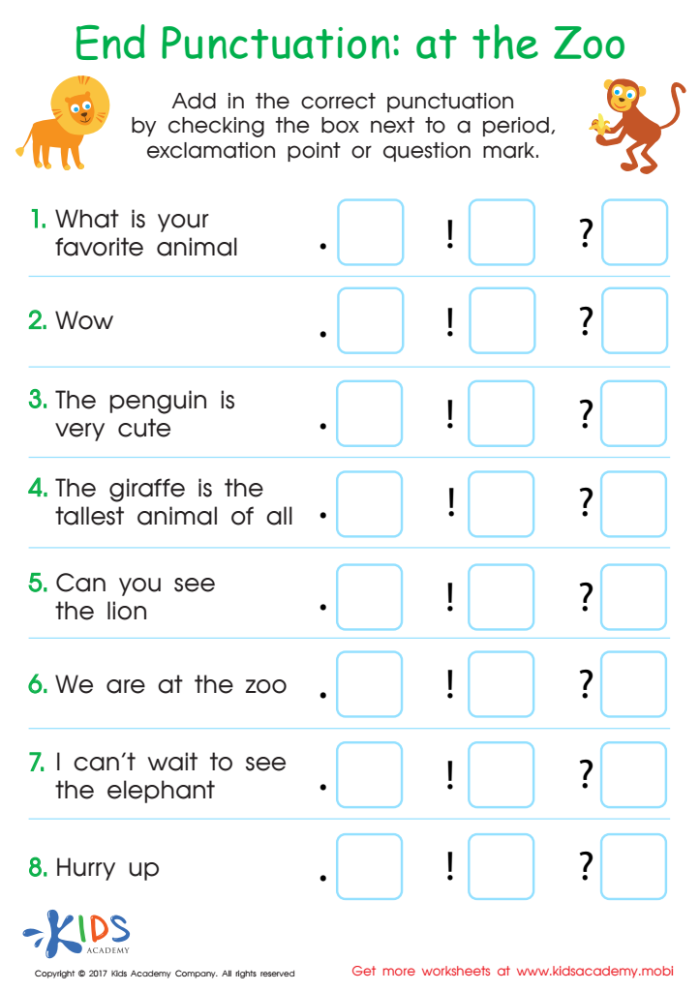
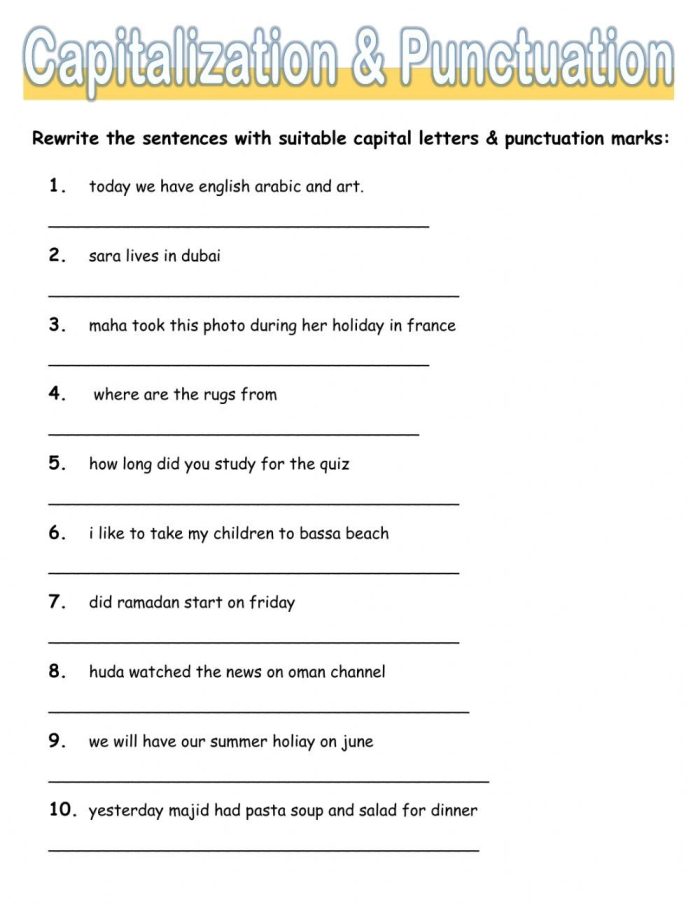
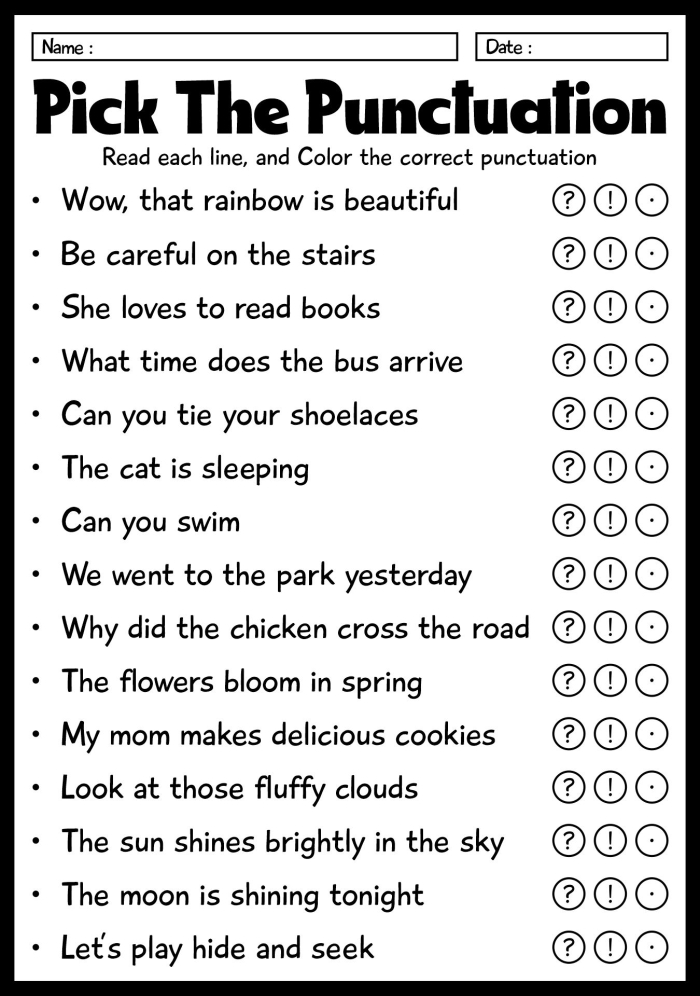
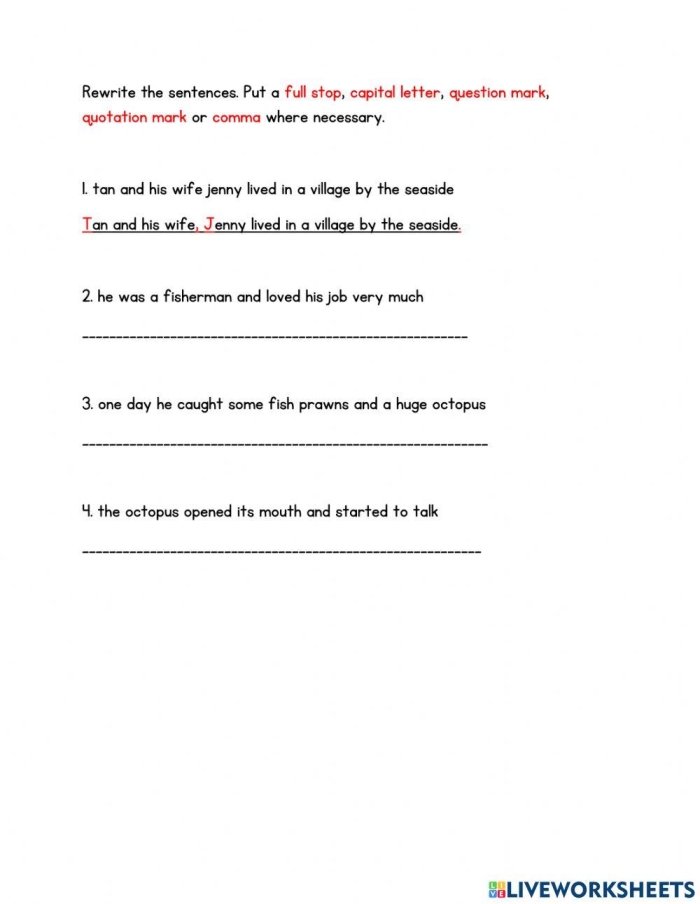
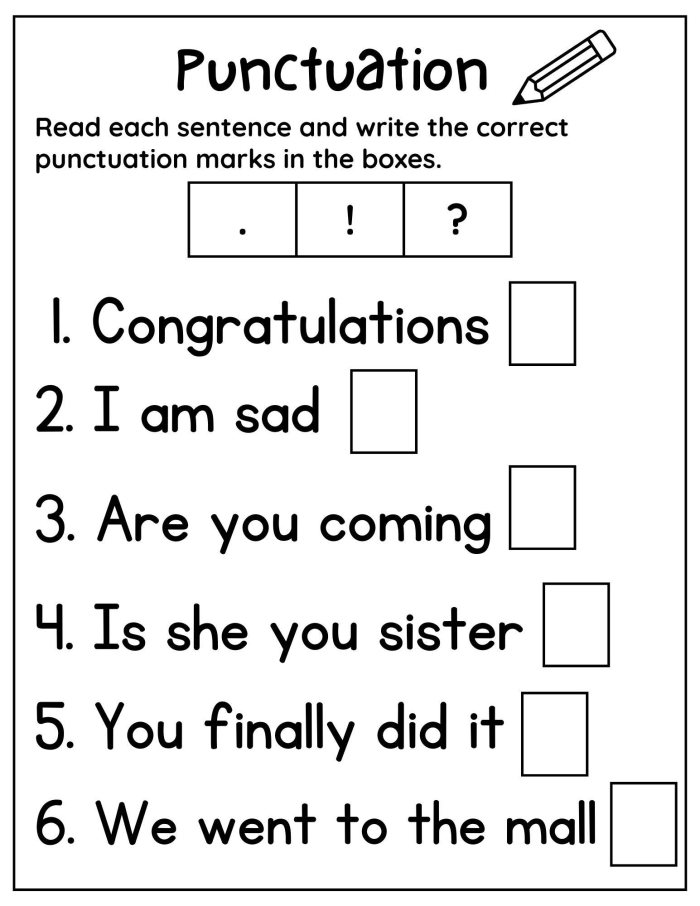
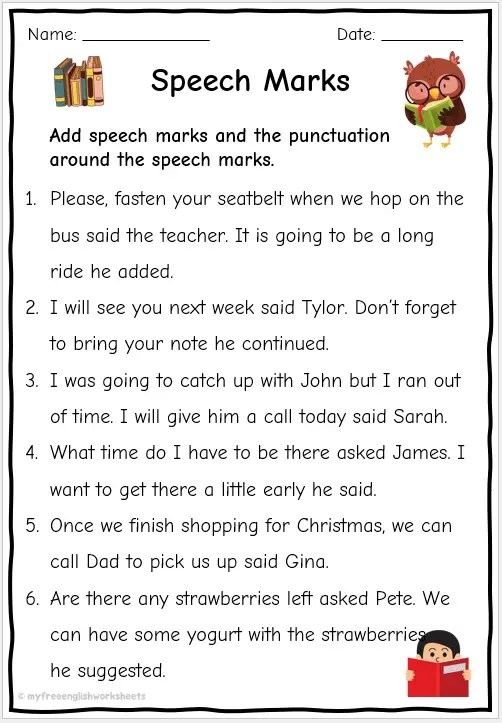
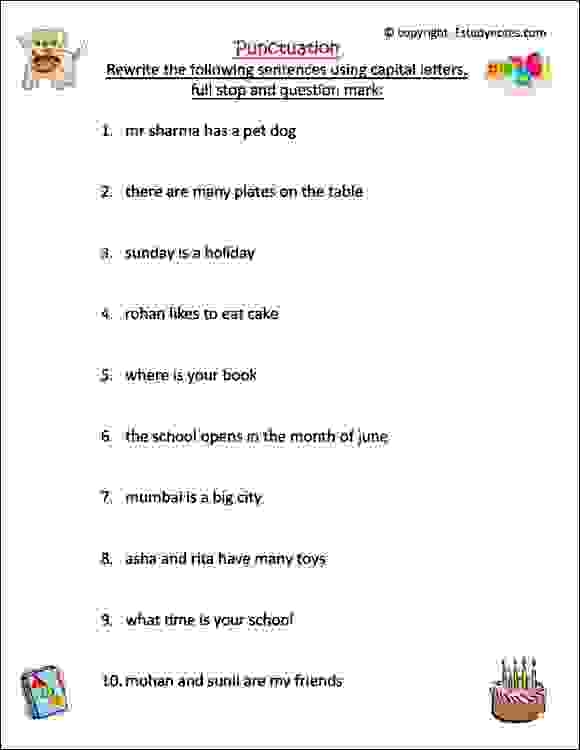
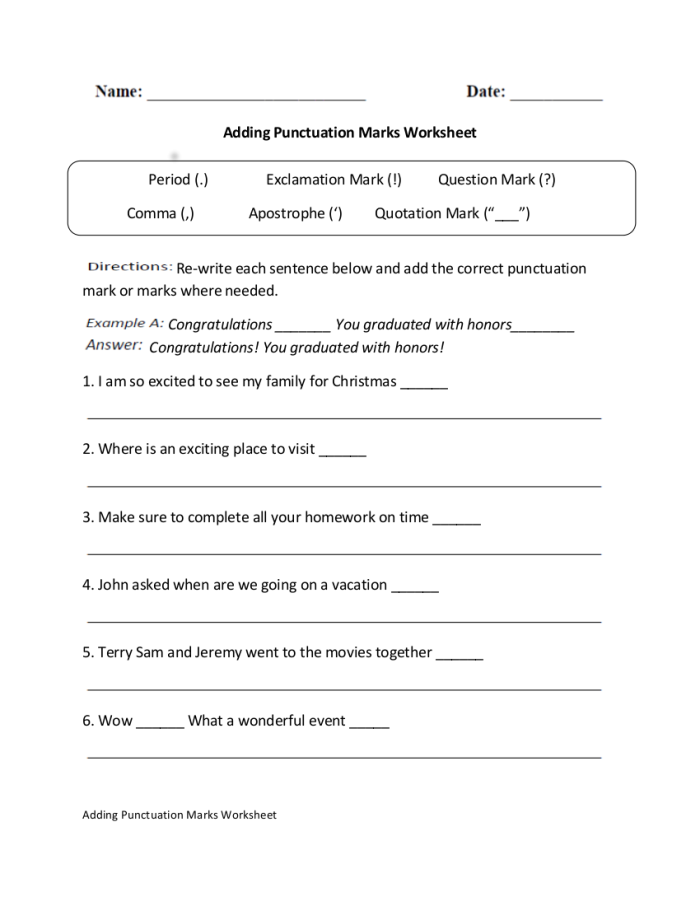
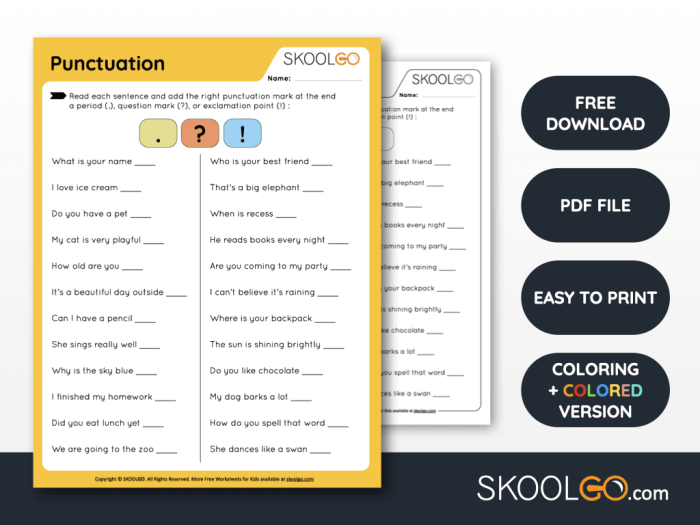
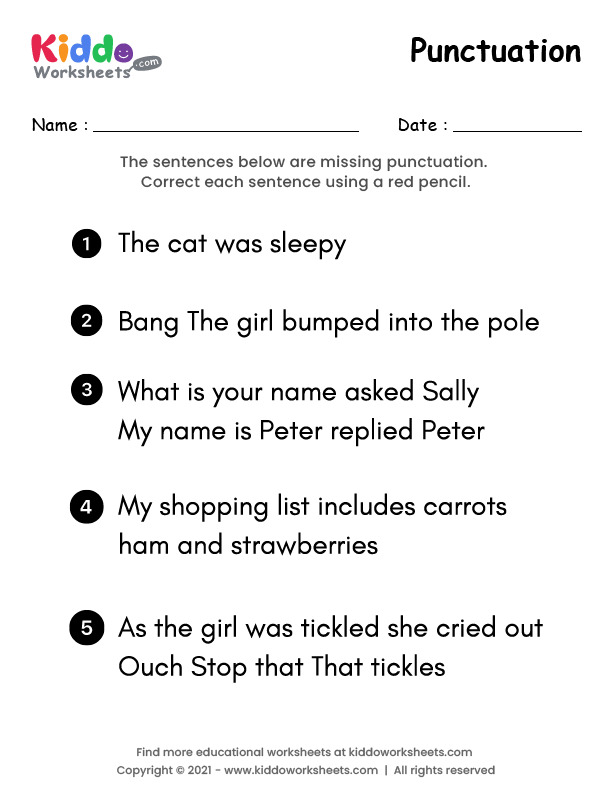
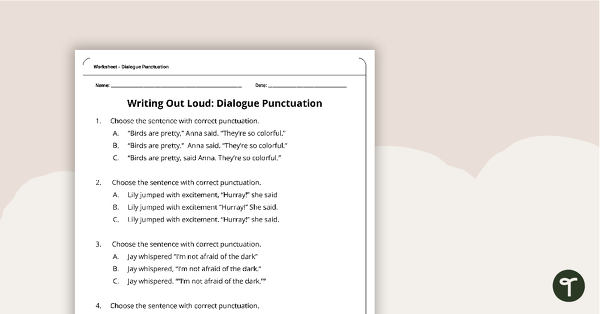
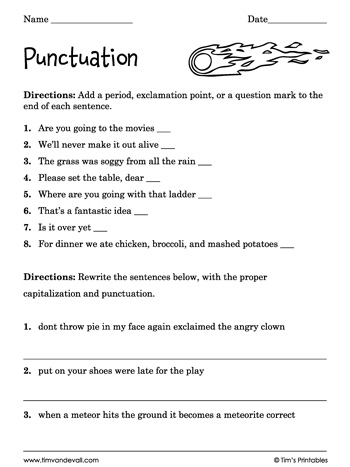
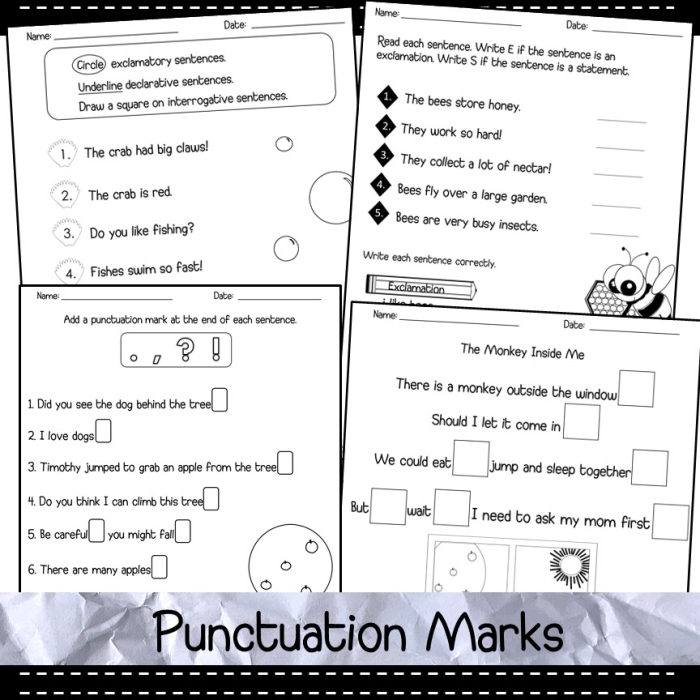
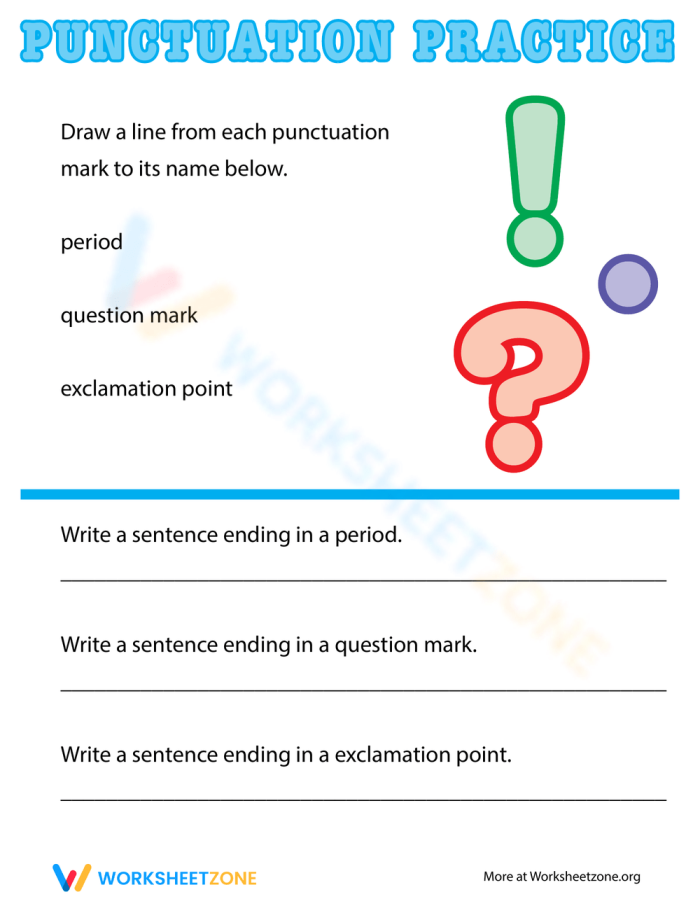
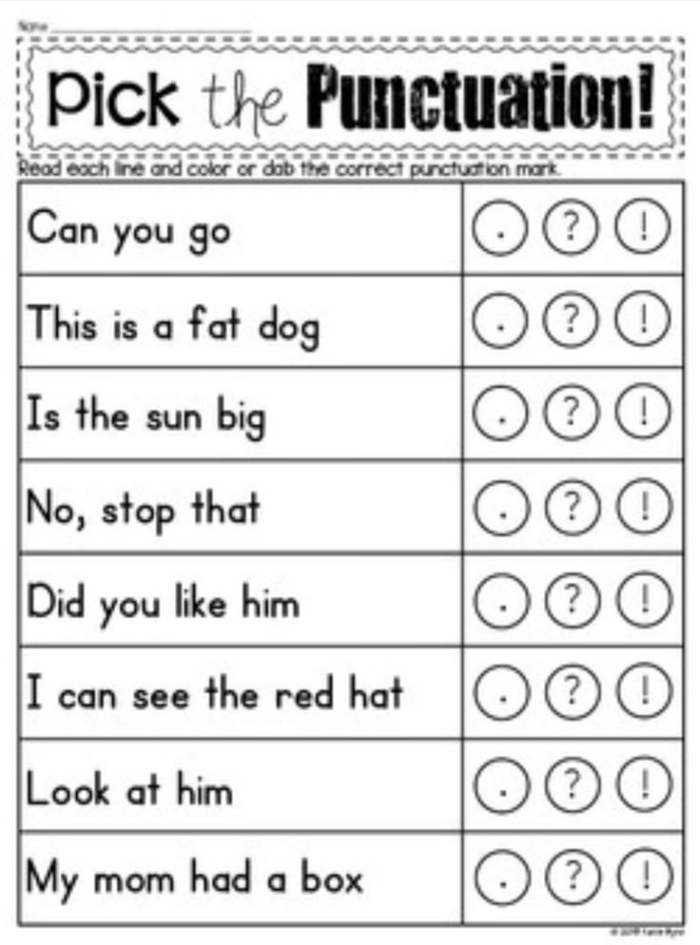
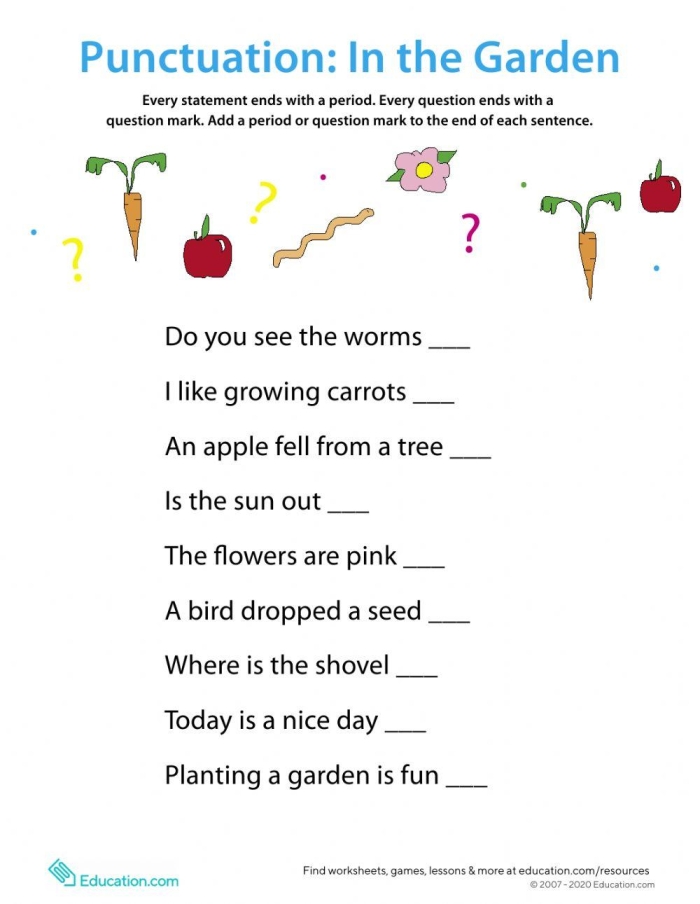
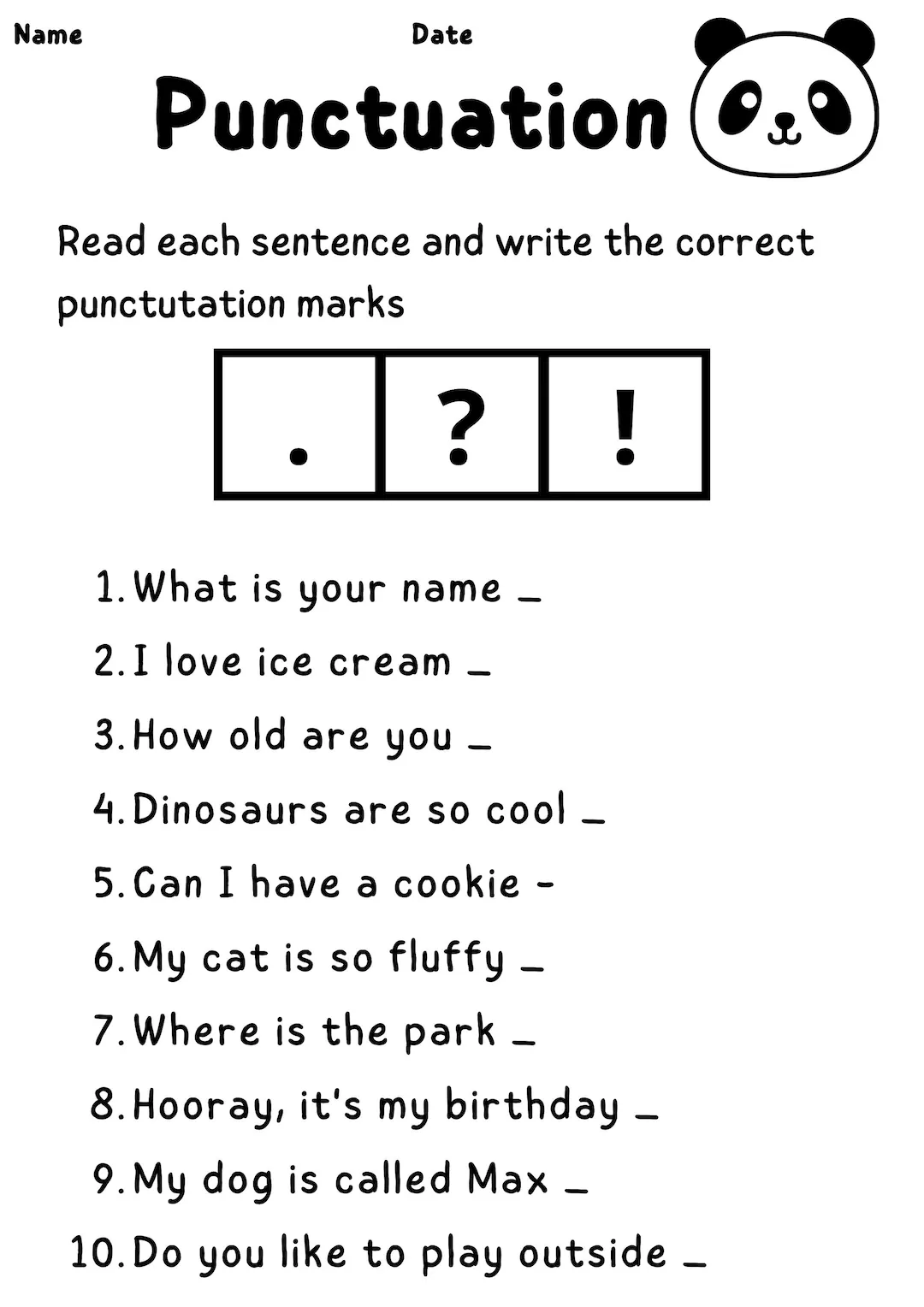
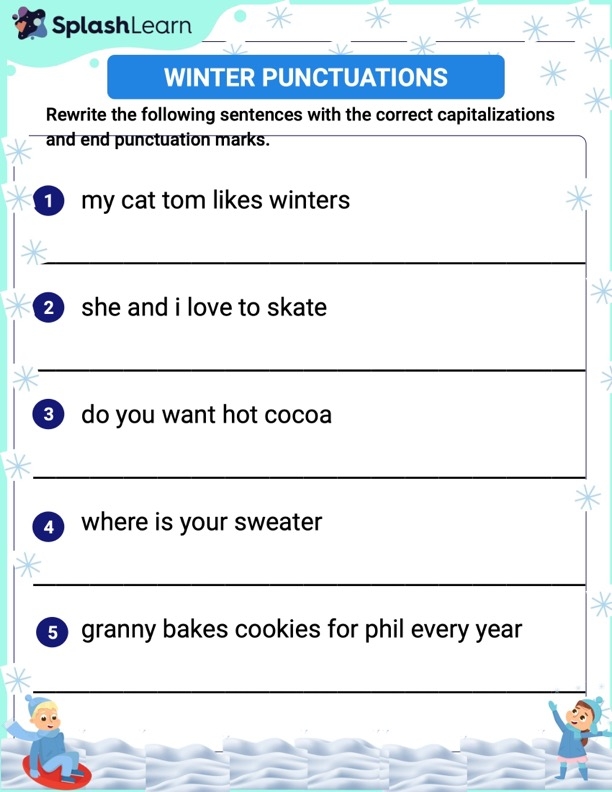
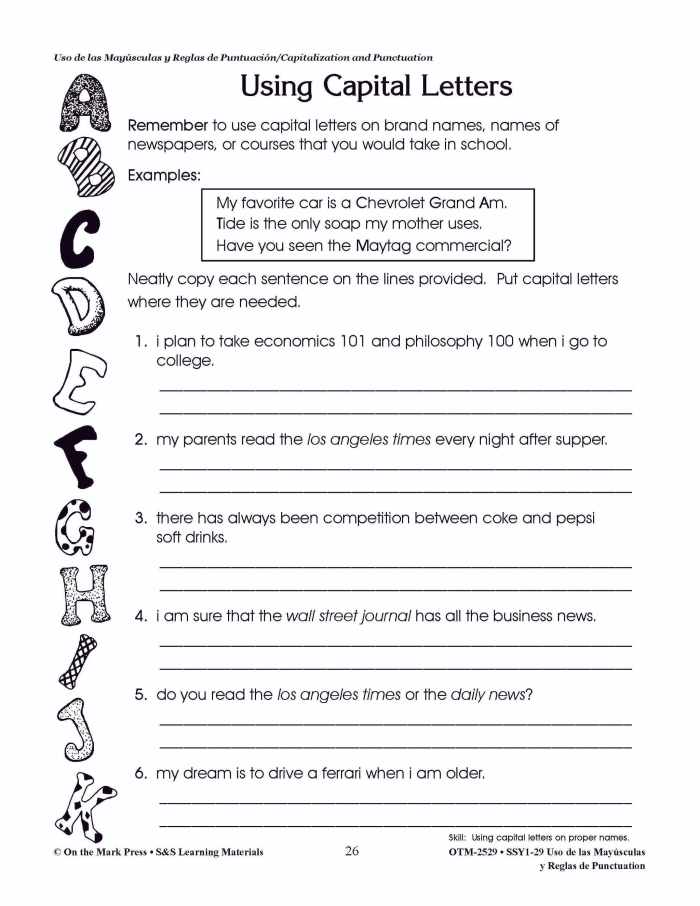
Missing ending punctuation marks are one of the most common mistakes young writers make, and catching this habit early matters. First grade students are just beginning to understand that sentences need to end somewhere, and worksheets that focus on this single skill help them recognize the pattern without overwhelming them with multiple grammar rules at once.
When children work through sentences that lack periods, question marks, or exclamation points, they’re learning to identify where thoughts complete. This is foundational work in grammar and mechanics. A sentence like “The cat sat on the mat” becomes an opportunity to pause and ask: does this statement need a period, or is it a question? The distinction seems small, but it trains young eyes to notice sentence boundaries.
The practical benefit of this type of practice is immediate. Students who regularly complete punctuation exercises develop faster reading fluency because they learn to recognize sentence chunks. They also begin writing with more intentional pauses, which naturally improves clarity in their own compositions.
Many first grade teachers pair ending punctuation worksheets with other foundational skills. For instance, combining stretching sentences practice with punctuation work helps students see how longer, more detailed writing still needs proper endings. Similarly, basic punctuation worksheets work well alongside activities that build confidence, like number line exercises that develop overall learning momentum.
The key is repetition with variety. Different sentence types, different topics, and different contexts keep the work fresh while reinforcing the same core skill. Budding writers master punctuation not through one perfect worksheet, but through consistent, varied practice that makes the rules feel natural rather than arbitrary.
Practice with These Worksheets