Understanding how animal behaviors enhance the chances of successful reproduction and offspring survival is a fascinating aspect of biology. These behaviors are not just instinctual; they play a crucial role in the survival of species. For sixth graders studying adaptations and survival, exploring these concepts through engaging worksheets can make learning more interactive and enjoyable.
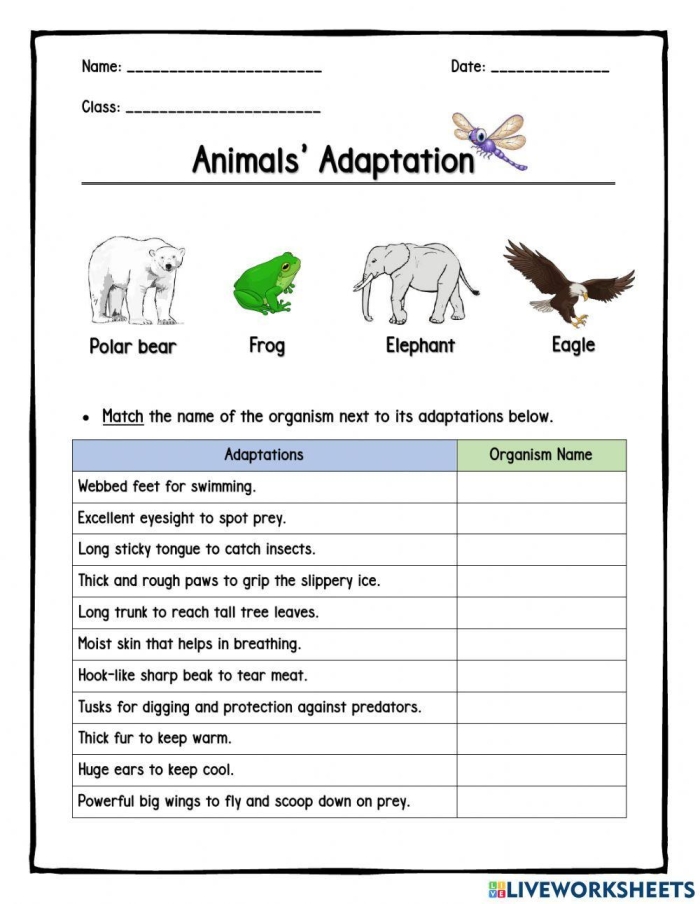
Many animals exhibit specific behaviors that increase their chances of reproduction. For instance, some species engage in elaborate courtship rituals. These can include vibrant displays of color, unique dances, or melodious calls. The peacock is a prime example; its stunning tail feathers attract peahens, showcasing the importance of visual signals in mate selection. Such behaviors ensure that only the fittest individuals pass on their genes, contributing to the health of future generations.
Moreover, parental care is another critical behavior that affects offspring survival. Many birds, like robins, invest significant time and energy in raising their young. They build nests, protect their eggs, and feed their chicks until they can fend for themselves. This nurturing increases the likelihood that the young birds will survive long enough to reproduce, thus perpetuating the cycle of life.
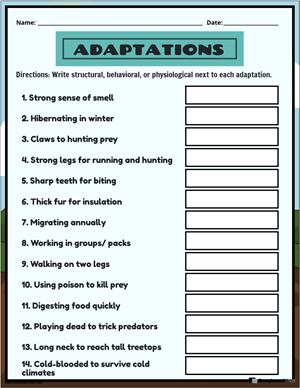
Animal behaviors also adapt to environmental challenges. For example, during harsh winters, some mammals hibernate to conserve energy, while others migrate to warmer climates. These adaptations are crucial for survival and ultimately impact reproductive success. The ability to adapt behaviors in response to changing conditions is essential for species to thrive.
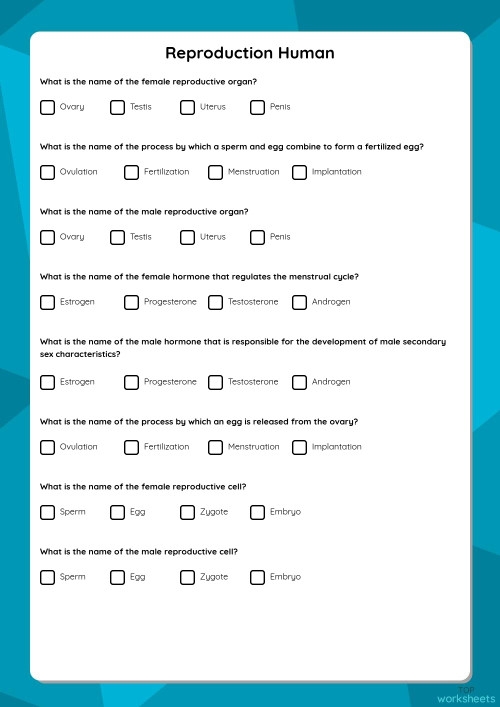
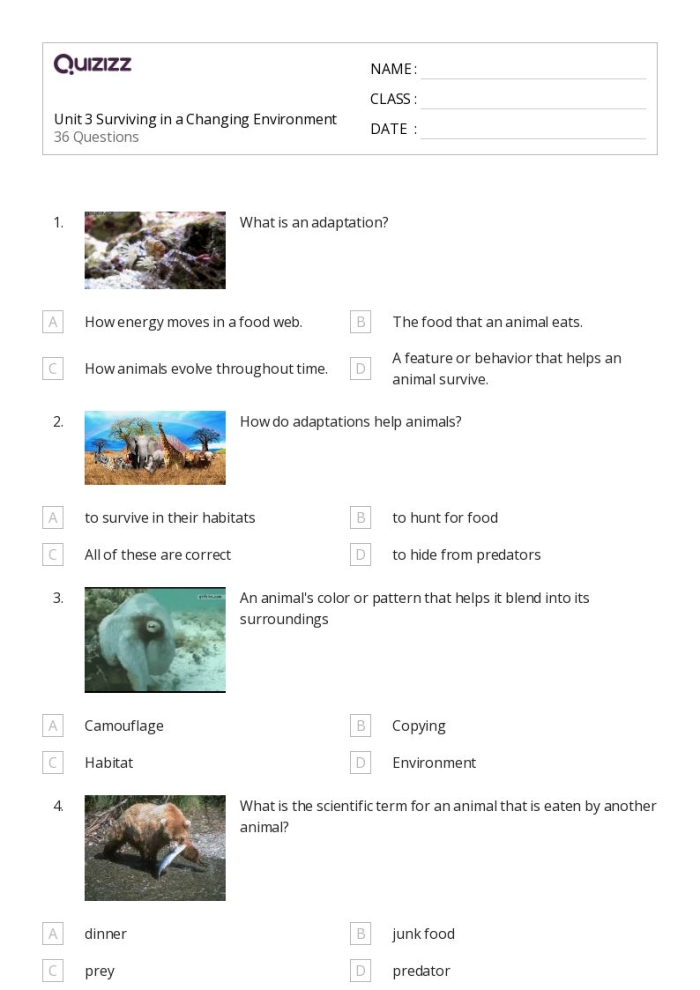
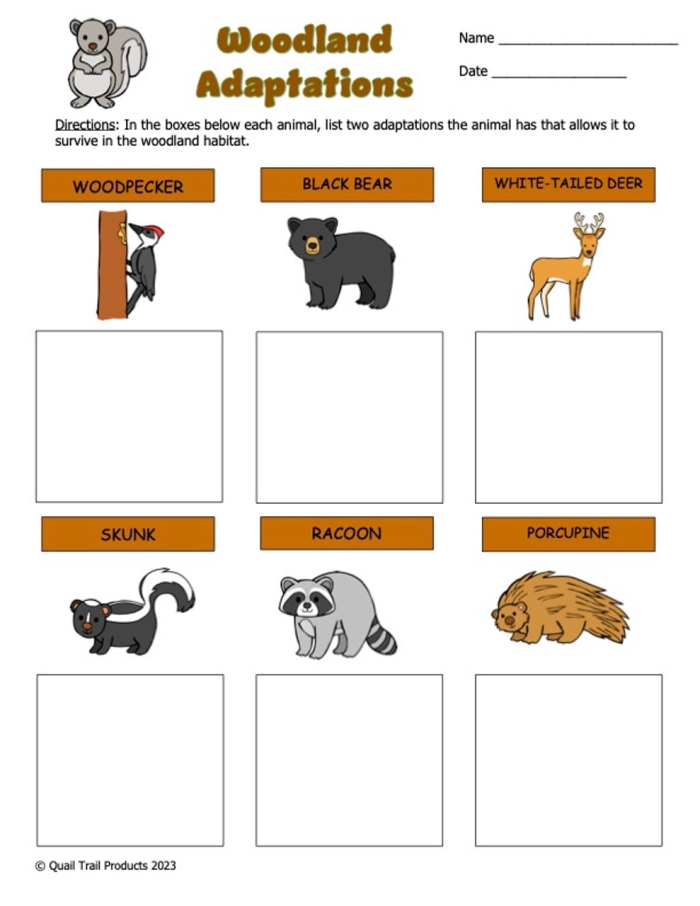
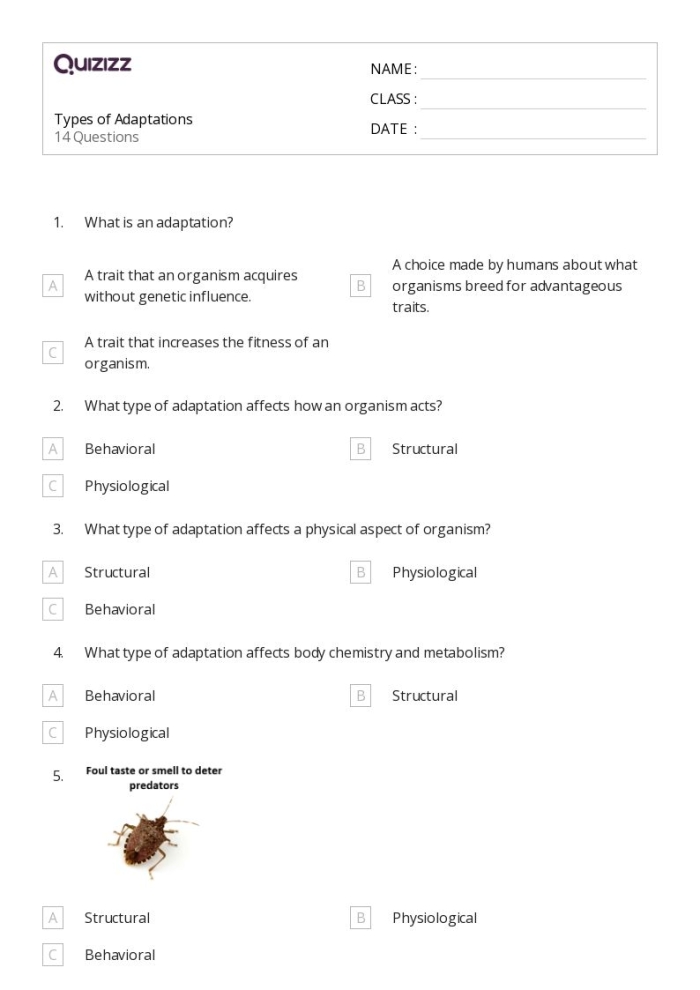
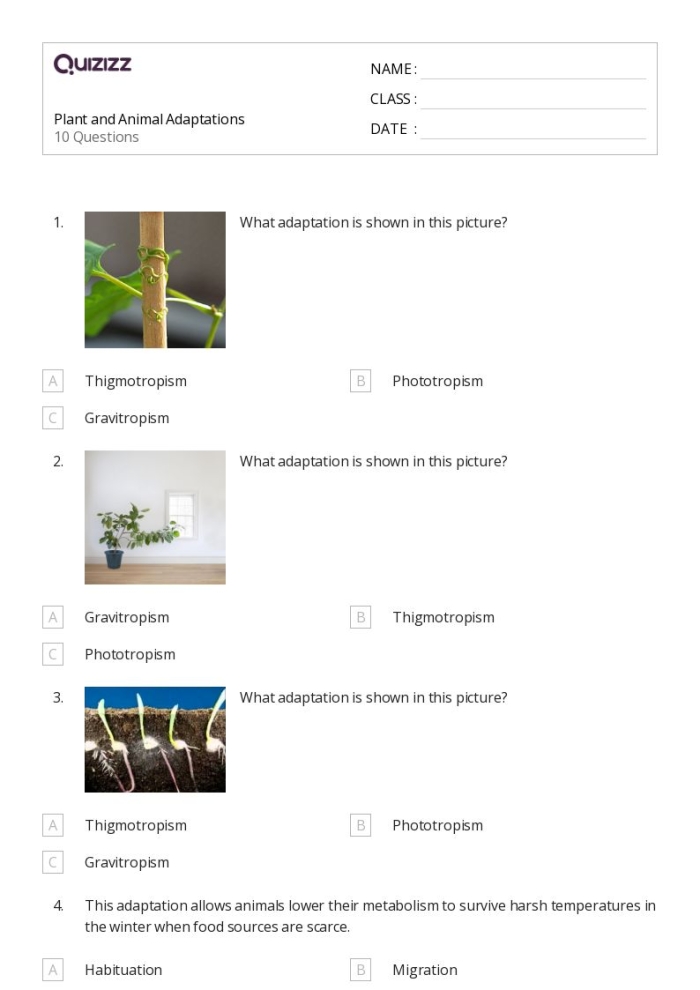
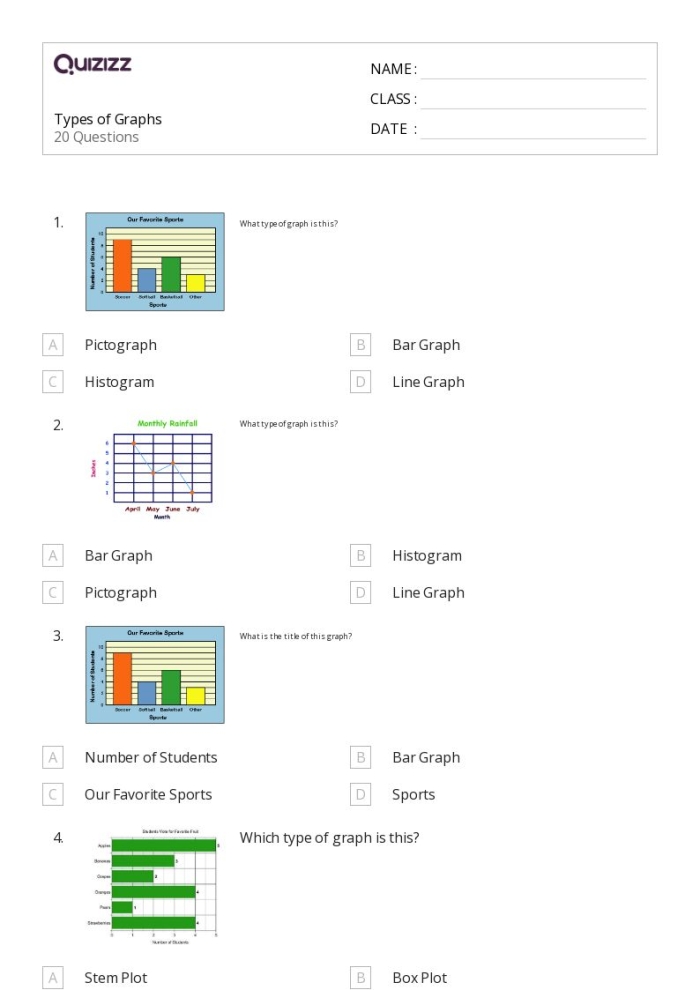
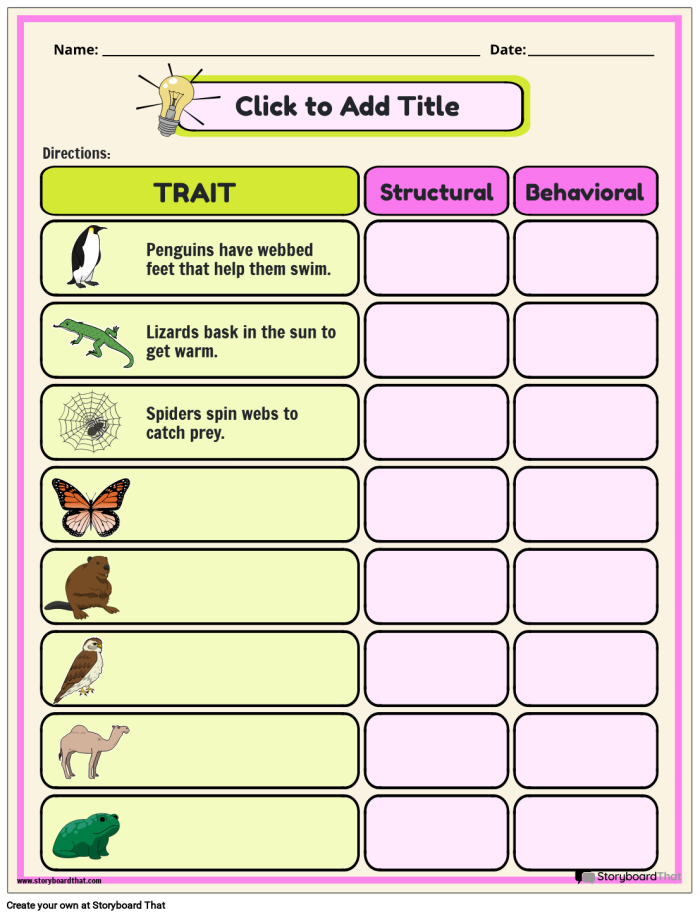
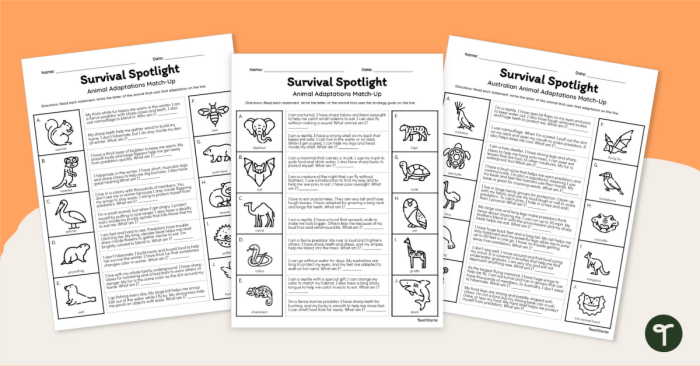
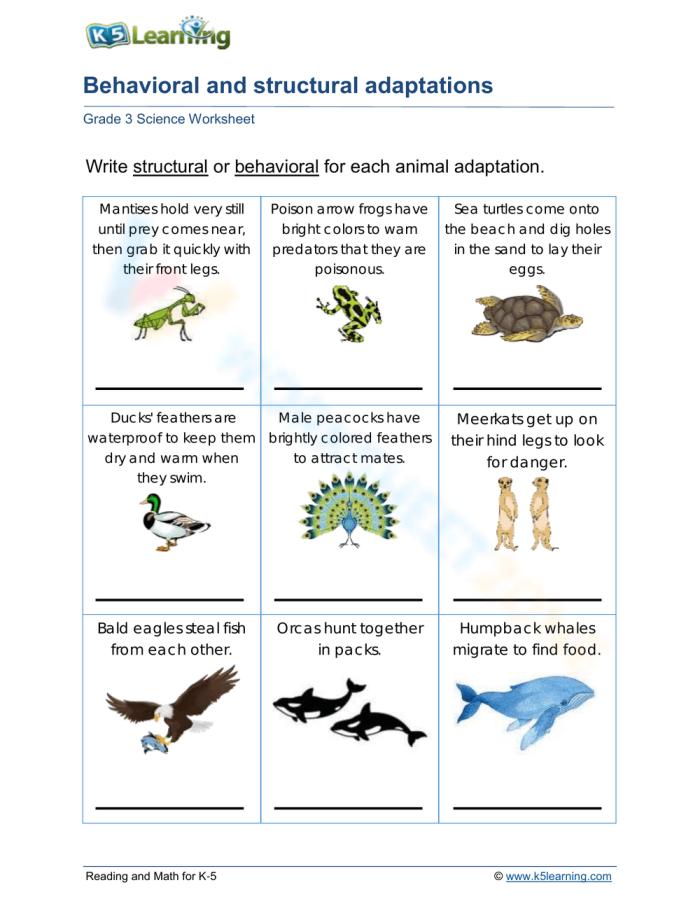
For educators, providing resources like printable adaptations and survival worksheets can help solidify these concepts. Worksheets that explore animal behaviors and their impact on reproduction can enhance students’ understanding of these vital processes. Engaging students with practical examples, such as those found in worksheets about suffixes or sports word problems, can create a more holistic learning experience.
By examining how various animal behaviors impact reproduction and survival, sixth graders can gain a deeper appreciation for the complexities of life. Understanding these dynamics not only enriches their knowledge of biology but also fosters curiosity about the natural world around them.
Printable Worksheets for Practice