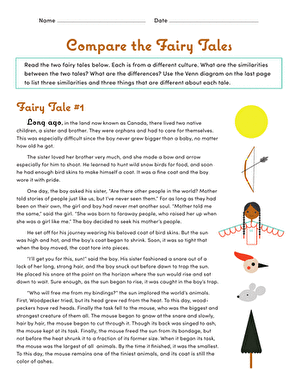
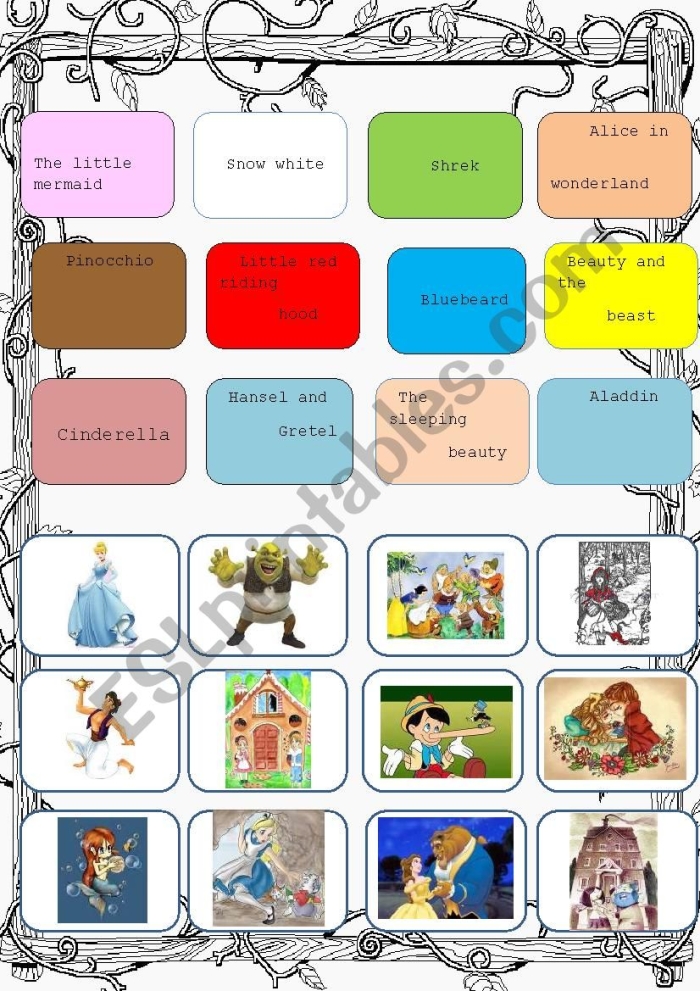
Folk tales are a rich part of cultural heritage, often passed down through generations. Many of these narratives share common themes, characters, and morals, yet they can vary dramatically in their details and presentation. For instance, consider the stories of “Cinderella” and “The Little Glass Slipper.” Both tales feature a mistreated young woman who rises to a better life through magical intervention, but they also highlight different cultural values and storytelling styles.
In “Cinderella,” the focus is often on the kindness and resilience of the protagonist. This version typically emphasizes her relationship with her animal friends and the kindness they show her, reflecting themes of friendship and loyalty. In contrast, “The Little Glass Slipper” might center more on the magical elements, such as the fairy godmother’s role in transforming Cinderella’s fate. This variation illustrates how different cultures can take similar story arcs and infuse them with unique elements that reflect their own values and traditions.
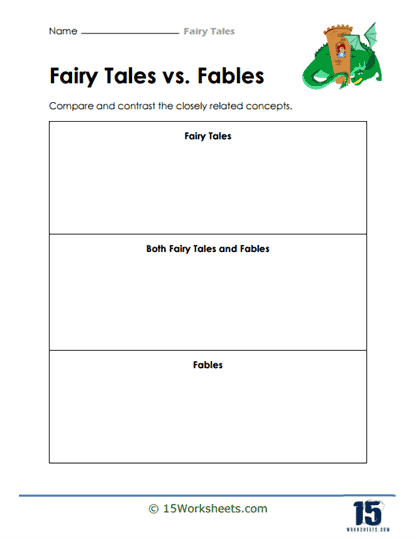
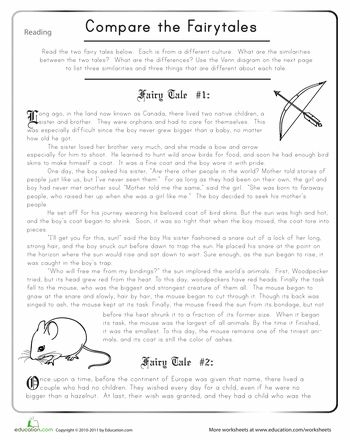
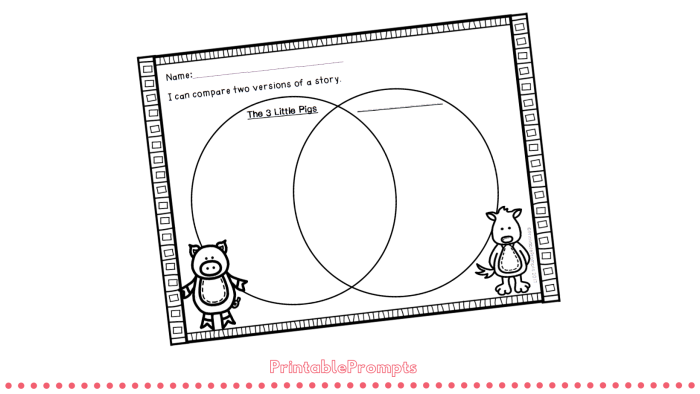
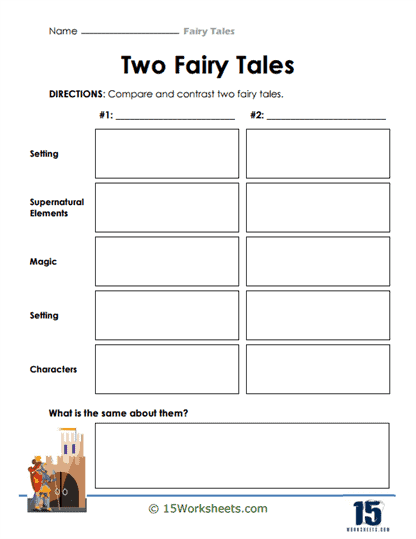
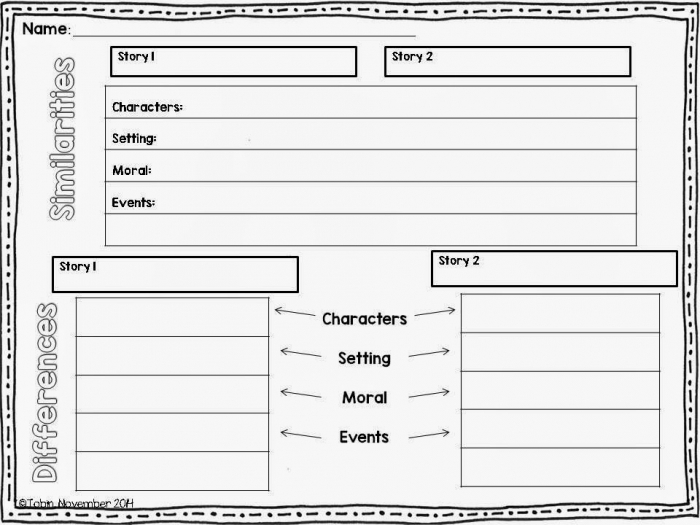
When comparing these two tales, you can look for similarities such as the presence of a cruel stepfamily, the magical transformation, and the eventual reward for virtue. These commonalities are a testament to the universal appeal of certain themes, like hope and justice. However, the differences in character motivations, the nature of the magic, and the resolution of the stories can reveal much about the cultures from which they originate.
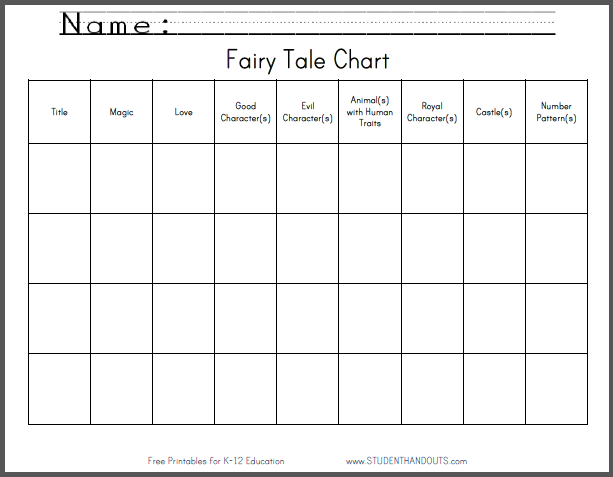
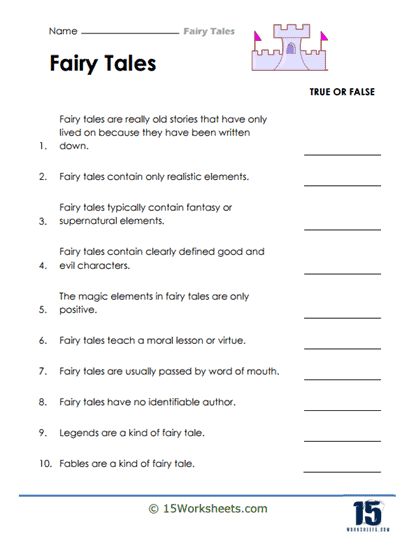
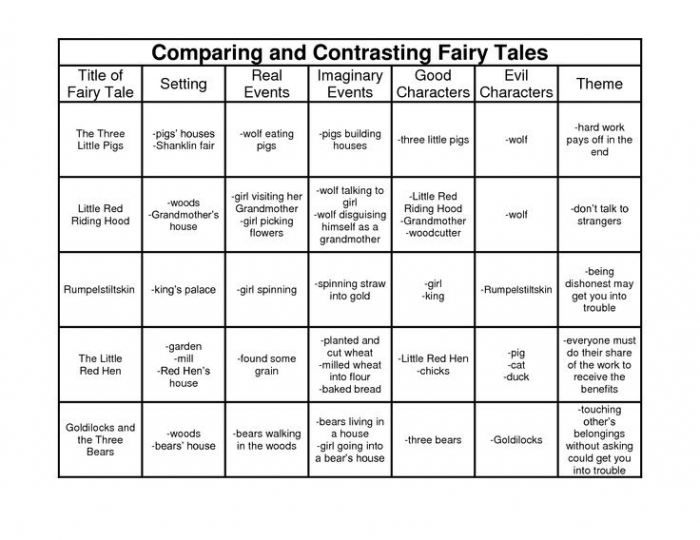
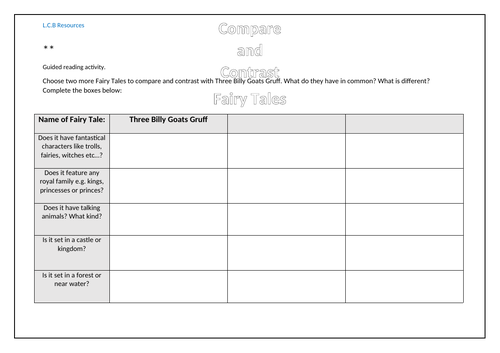
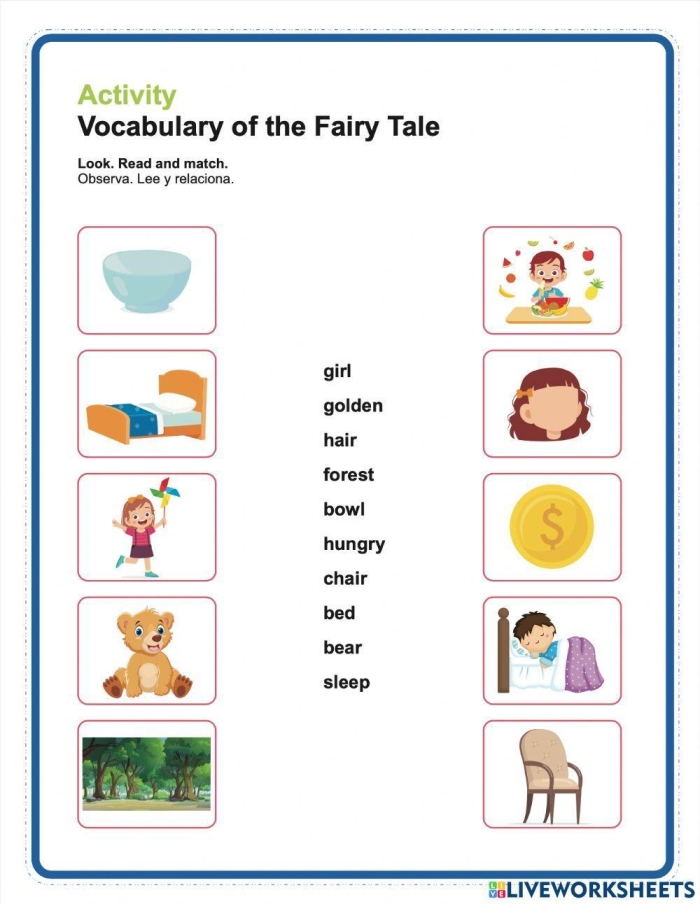
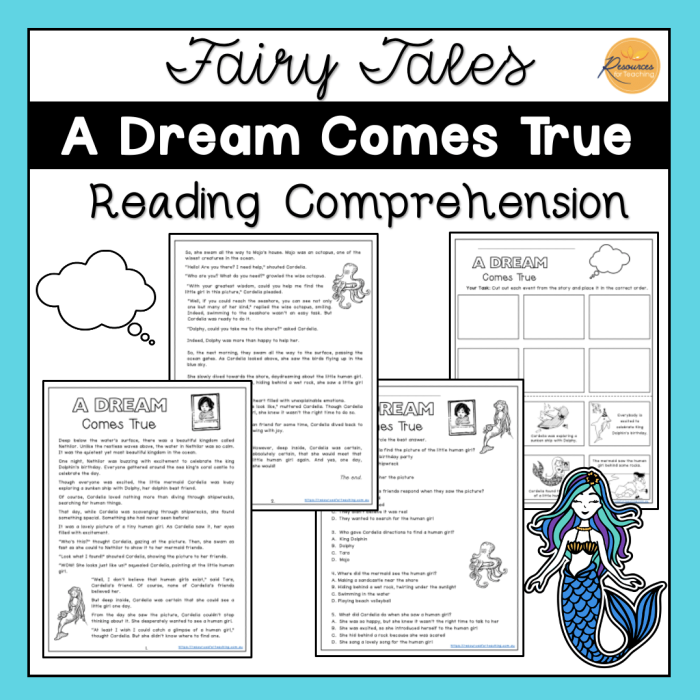
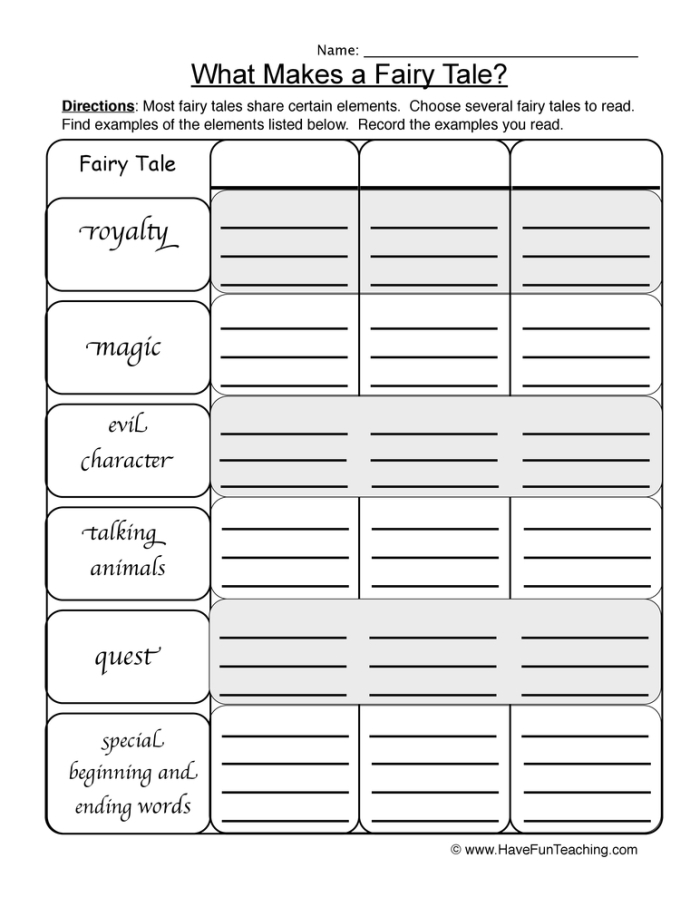
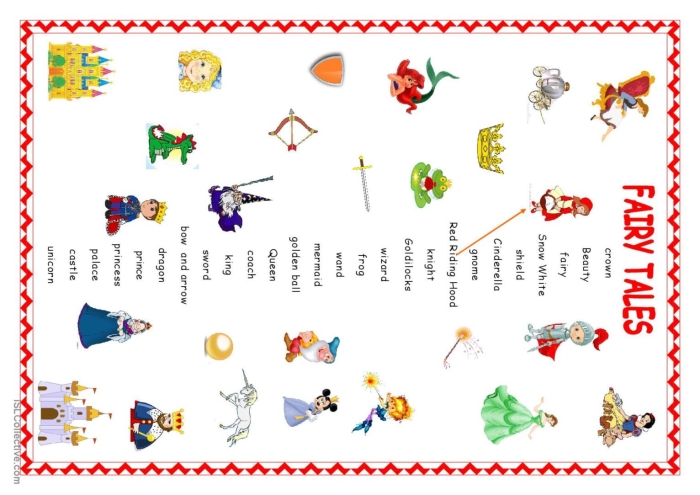
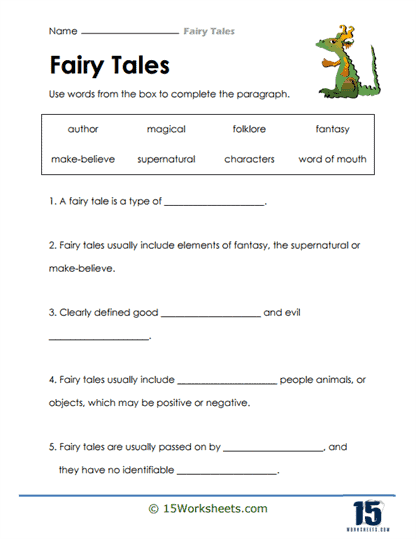
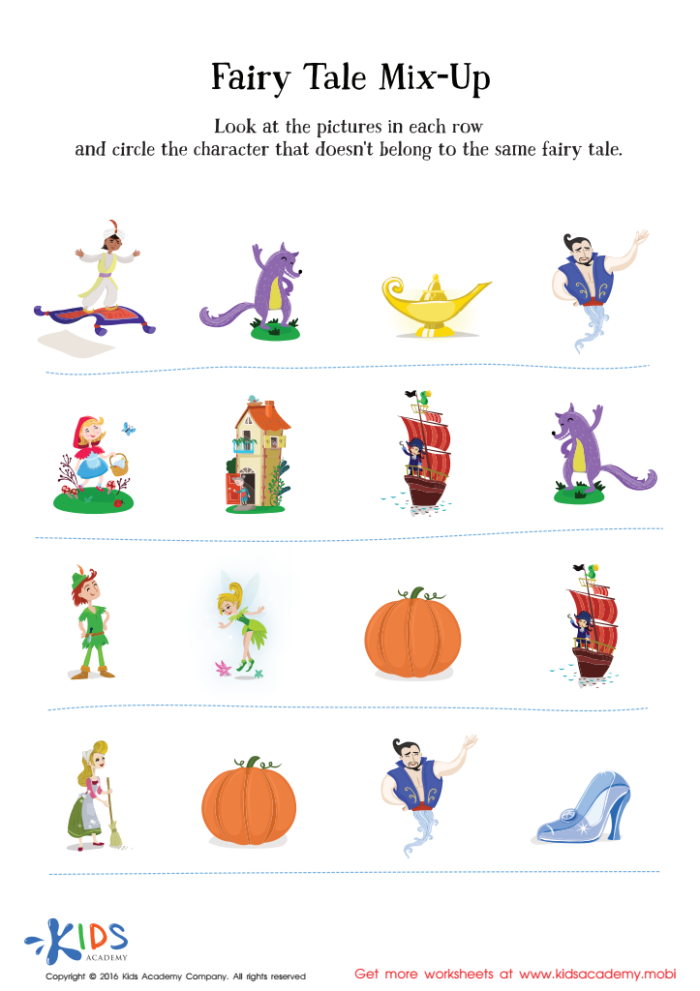
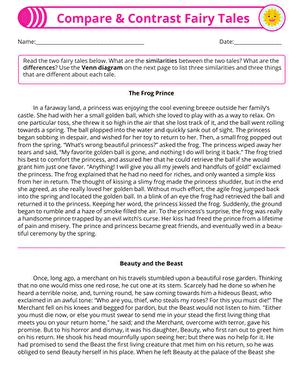
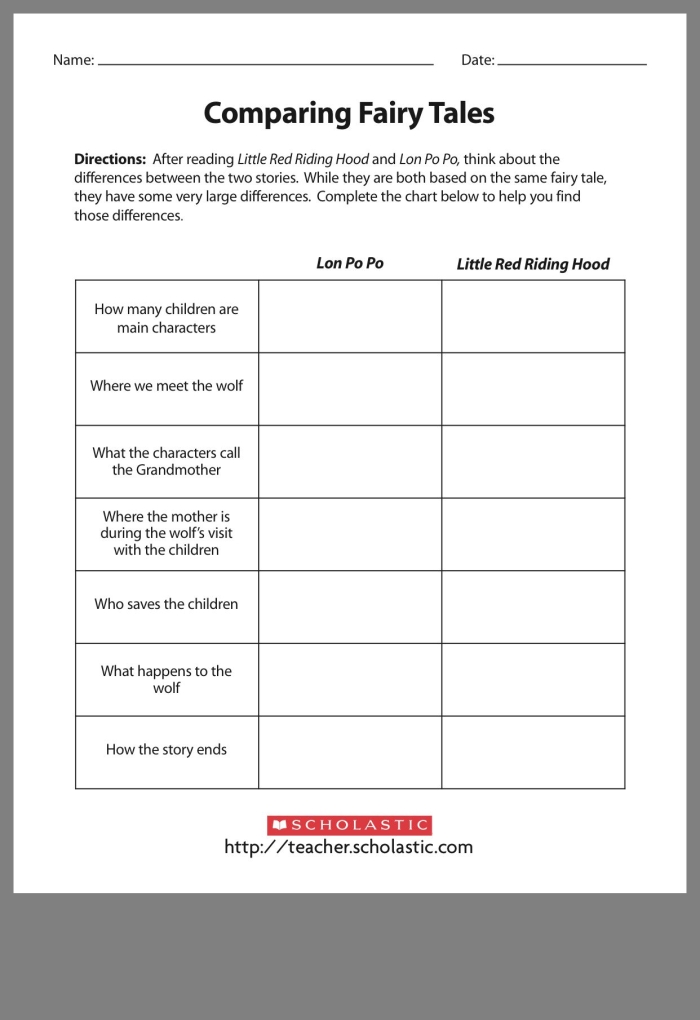
By engaging with these narratives, students can develop critical thinking skills, especially in a fourth-grade classroom setting. For those interested in exploring these comparisons further, printable worksheets designed to compare fairy tales can enhance the learning experience. Activities can include identifying similarities and differences, which not only improves comprehension but can also tie into algebraic concepts like sorting and categorizing.Explore these worksheets for a fun learning experience.
These folk tales serve as an excellent way to teach children about cultural diversity, narrative structure, and moral lessons, all while making learning enjoyable and engaging. As students analyze these stories, they practice not only their reading comprehension but also their ability to draw connections and understand variations in storytelling.
Worksheet Practice Section