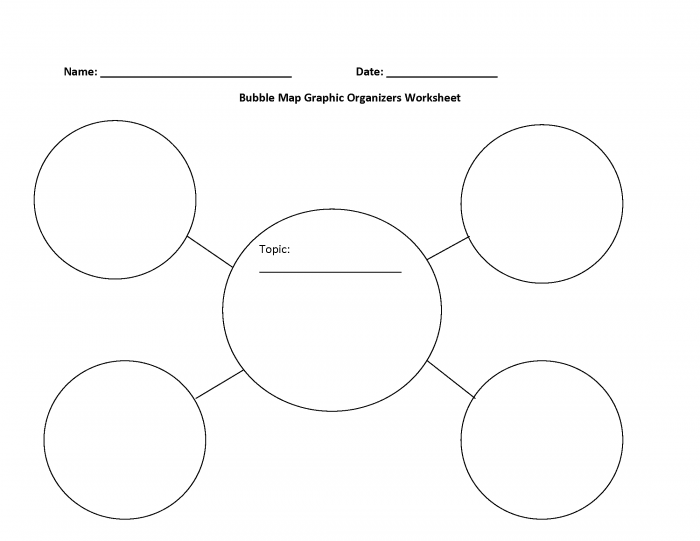
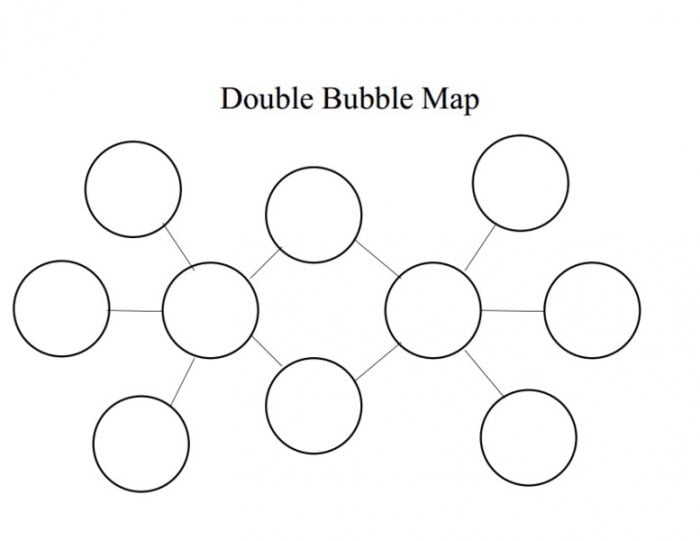
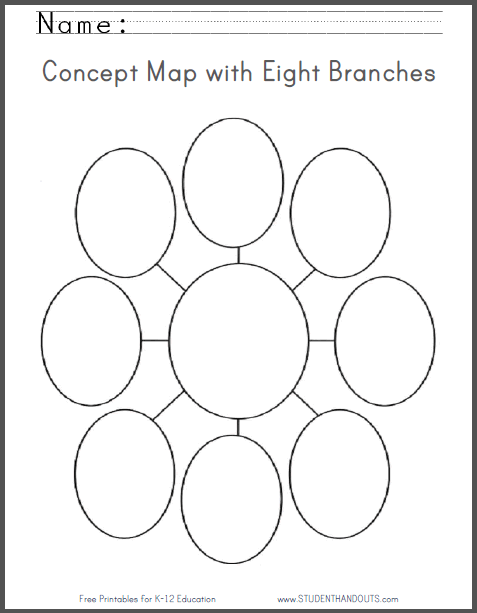
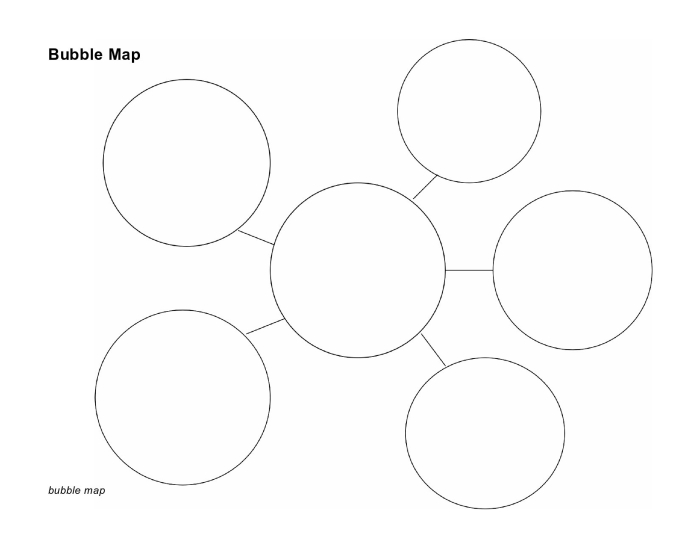
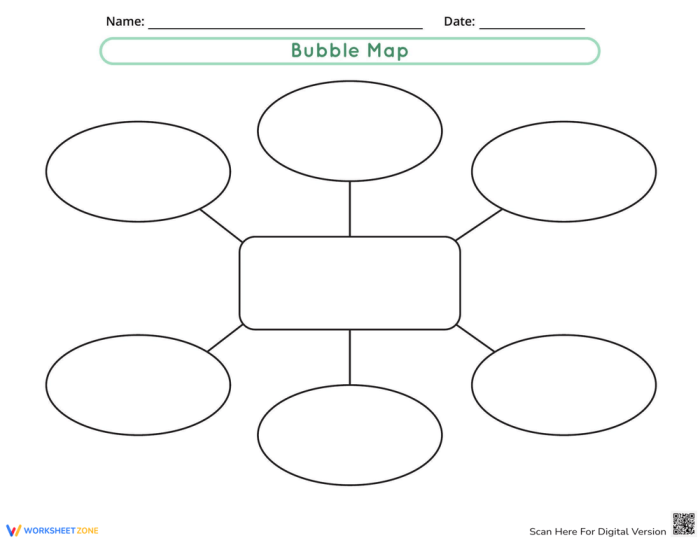
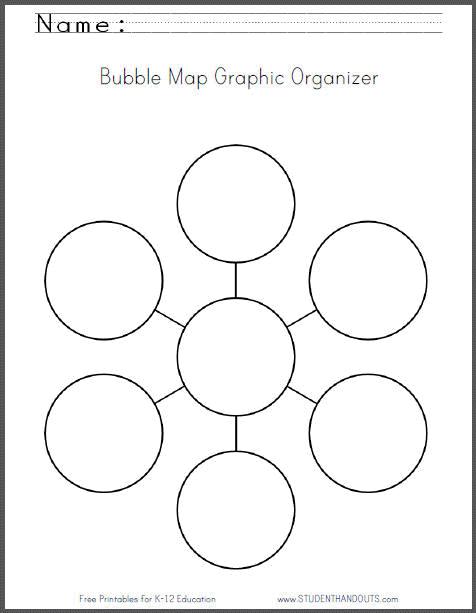
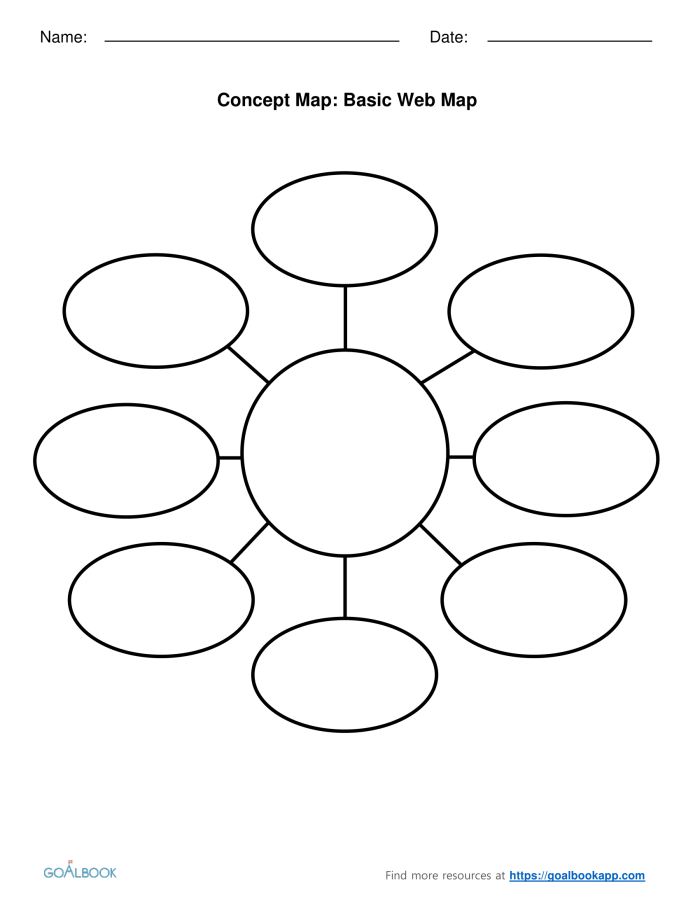
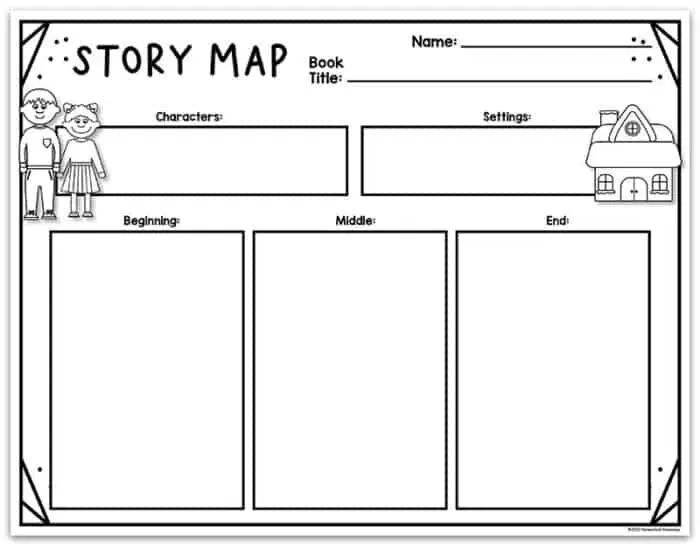
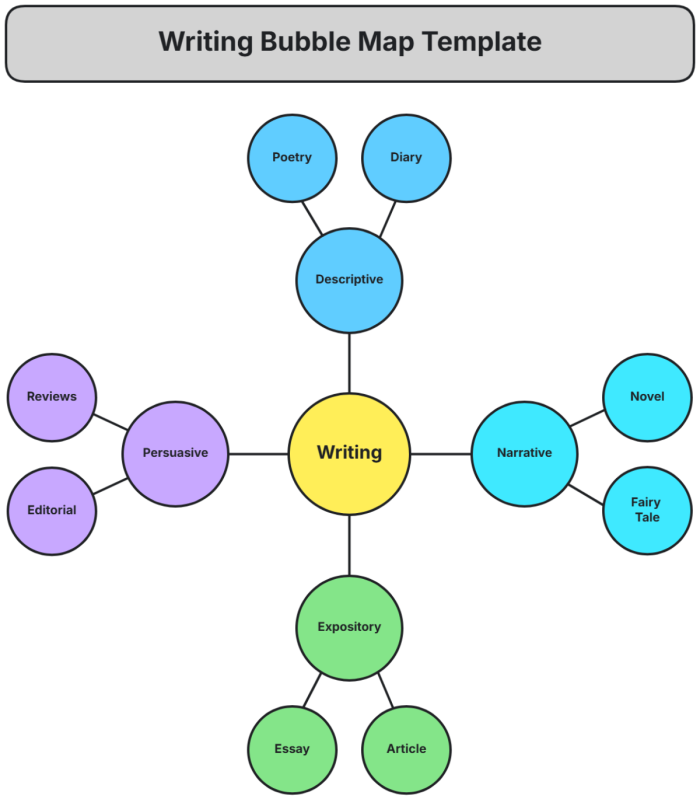
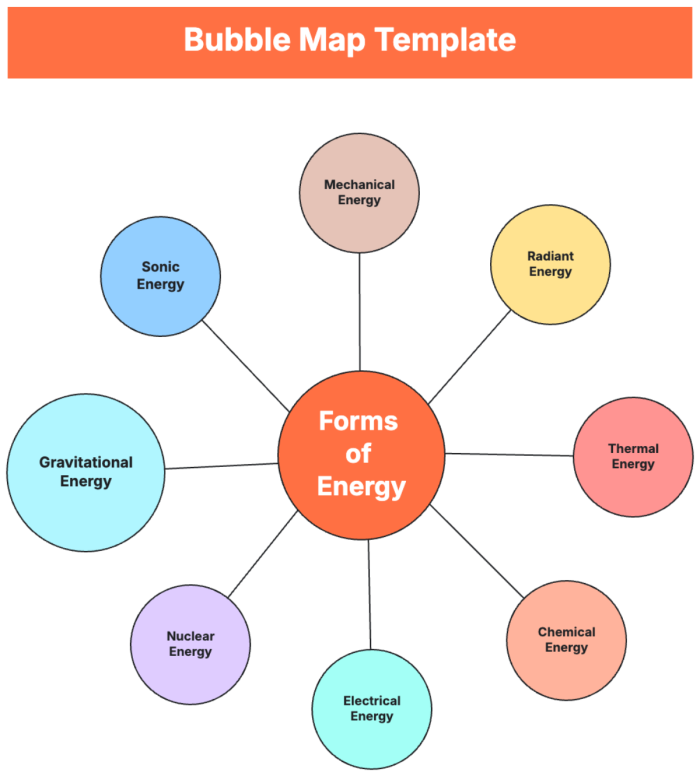
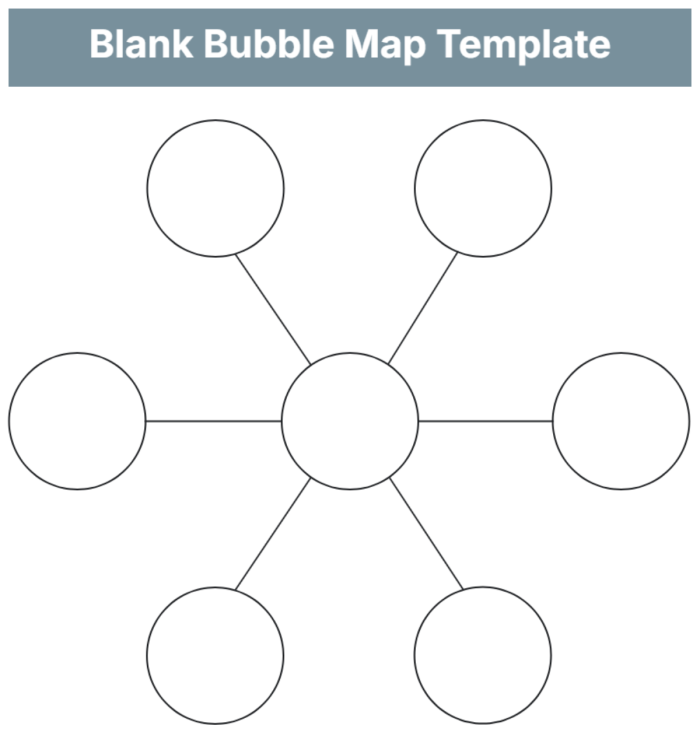
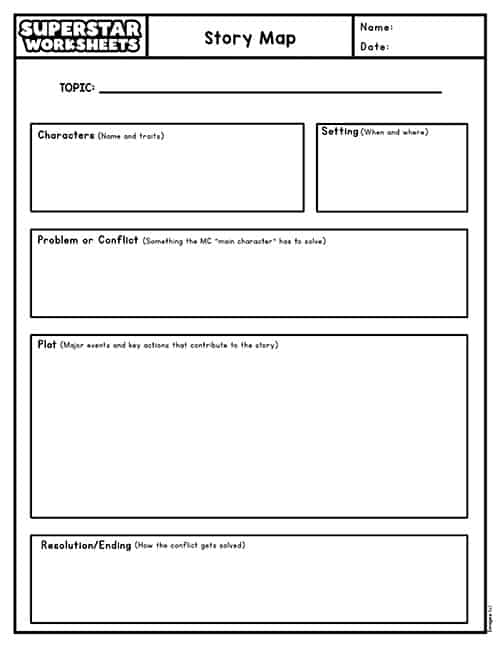
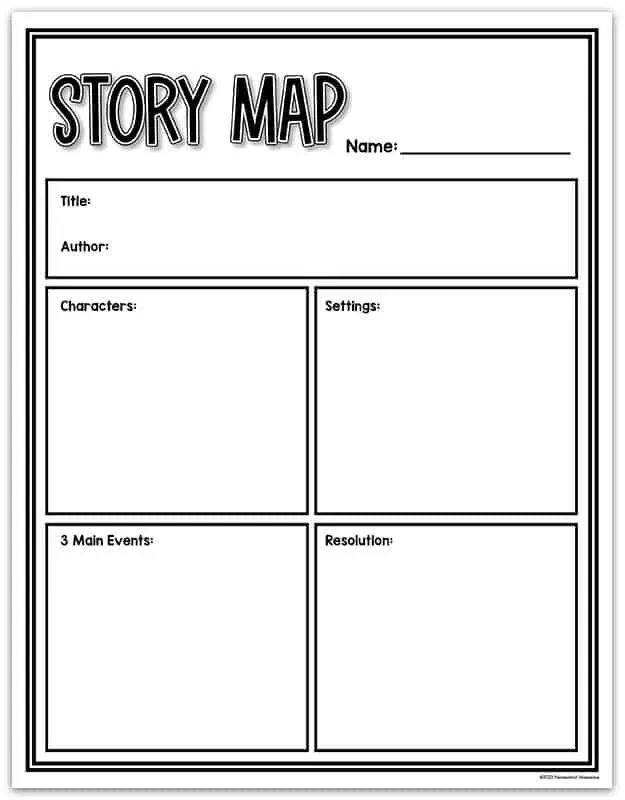
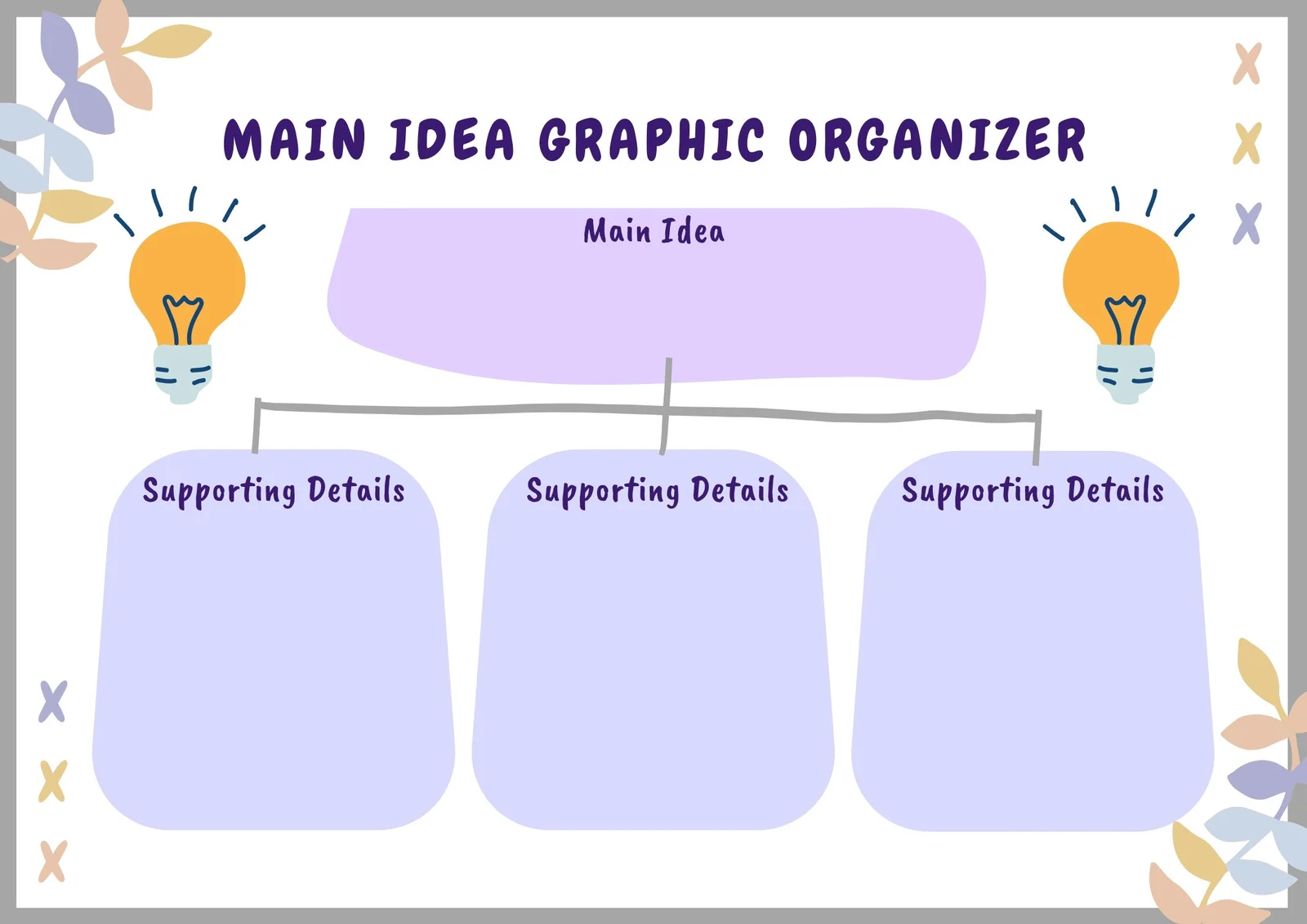
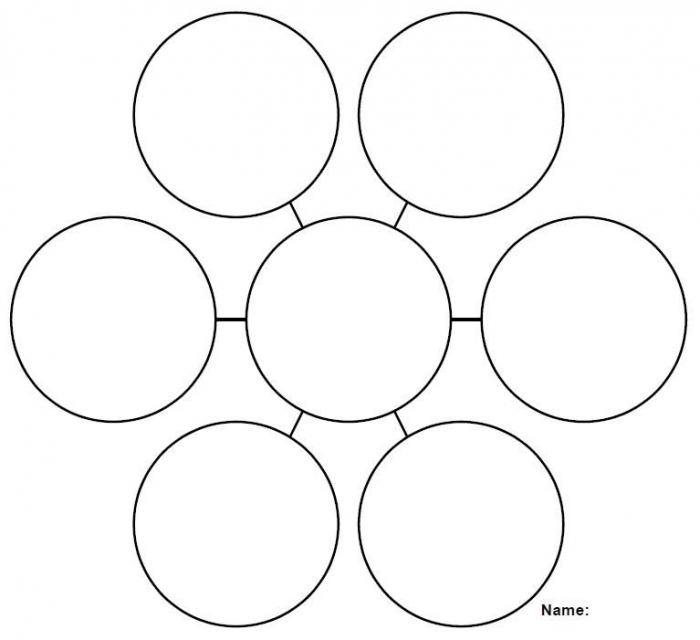
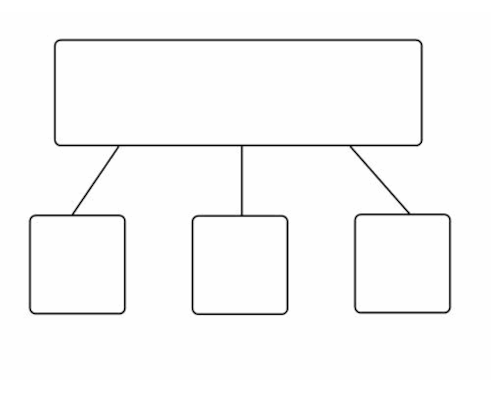
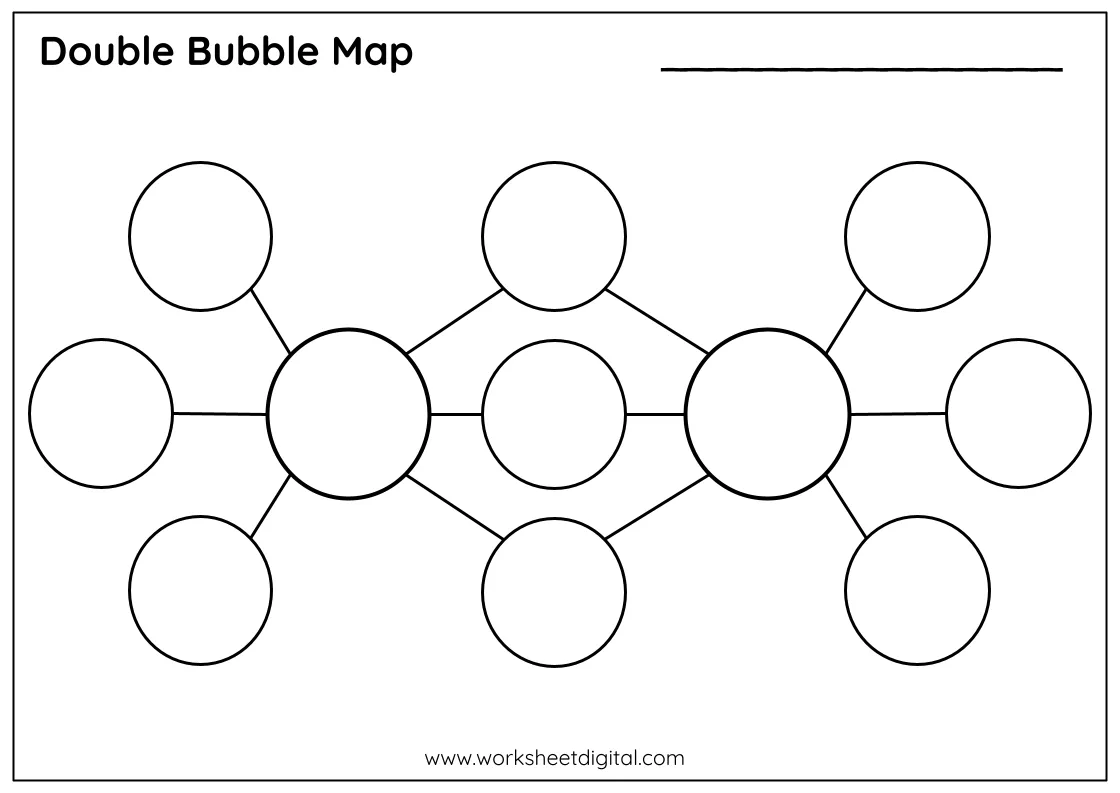
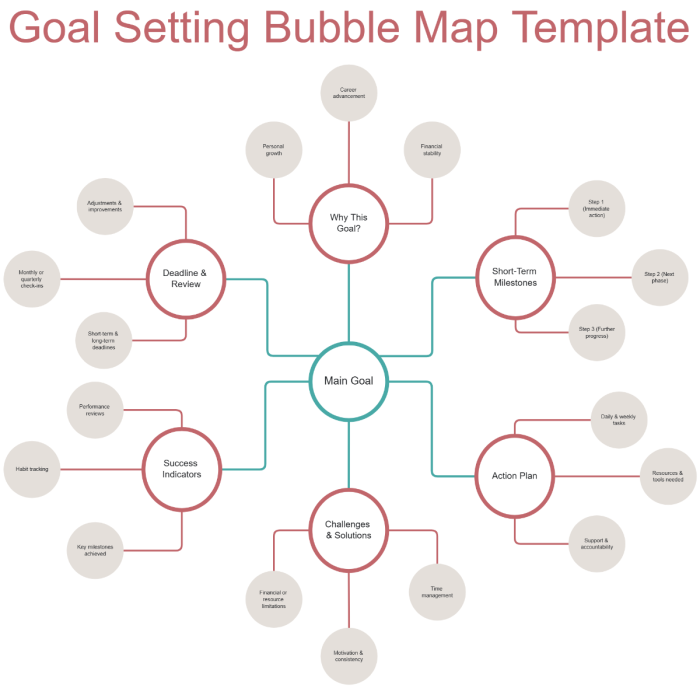
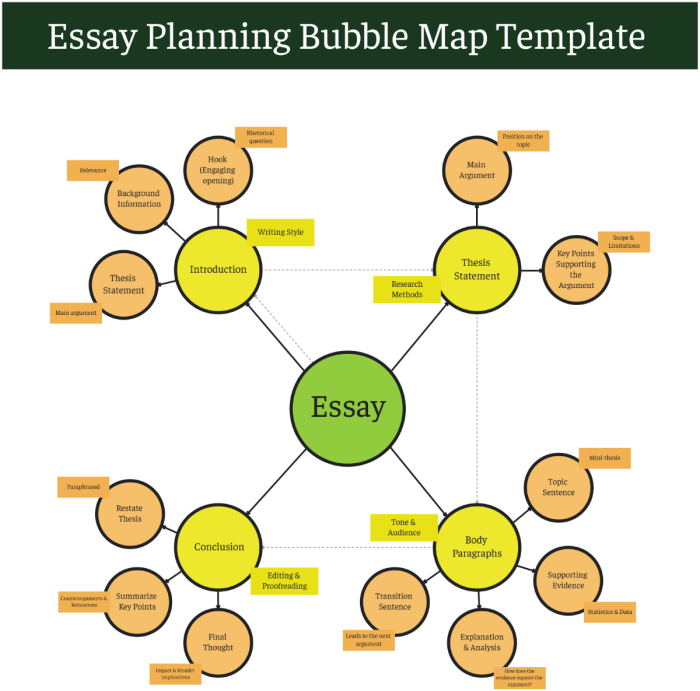
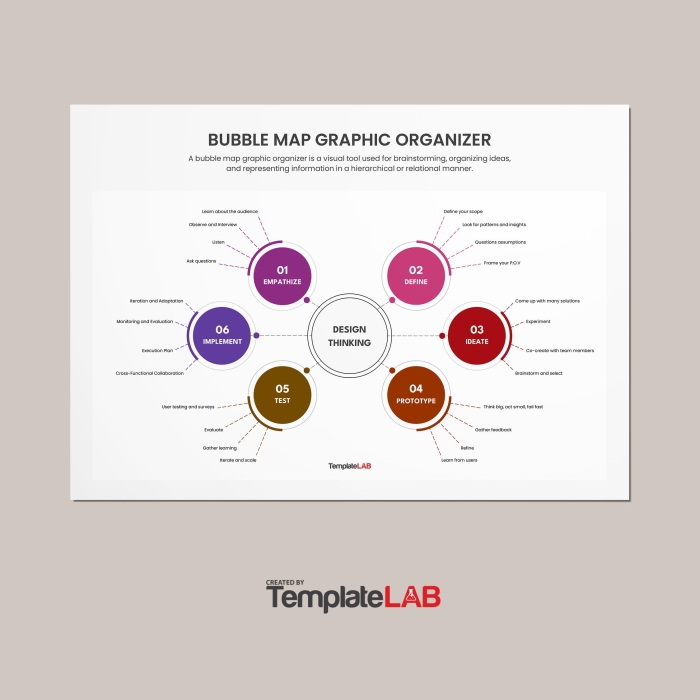
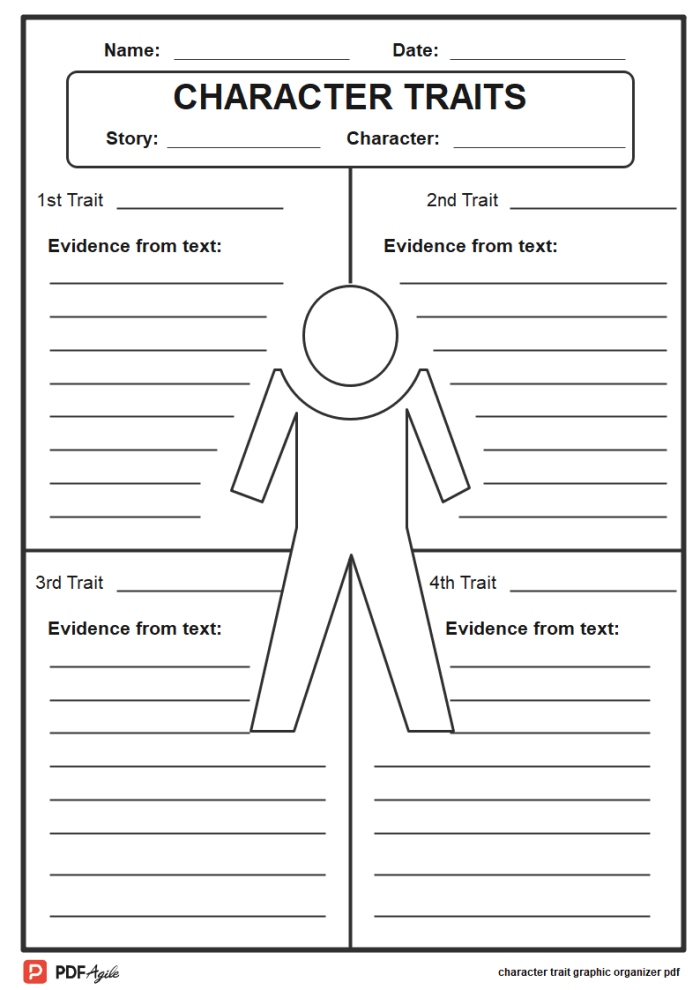
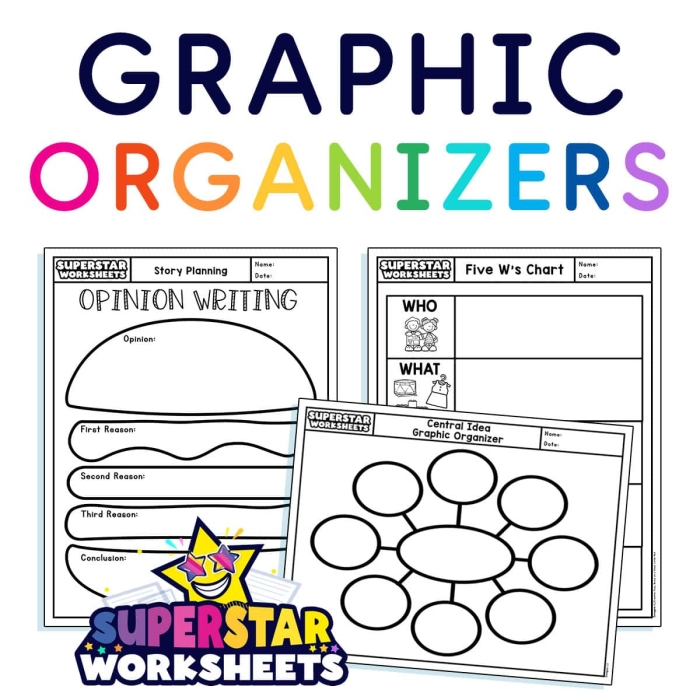
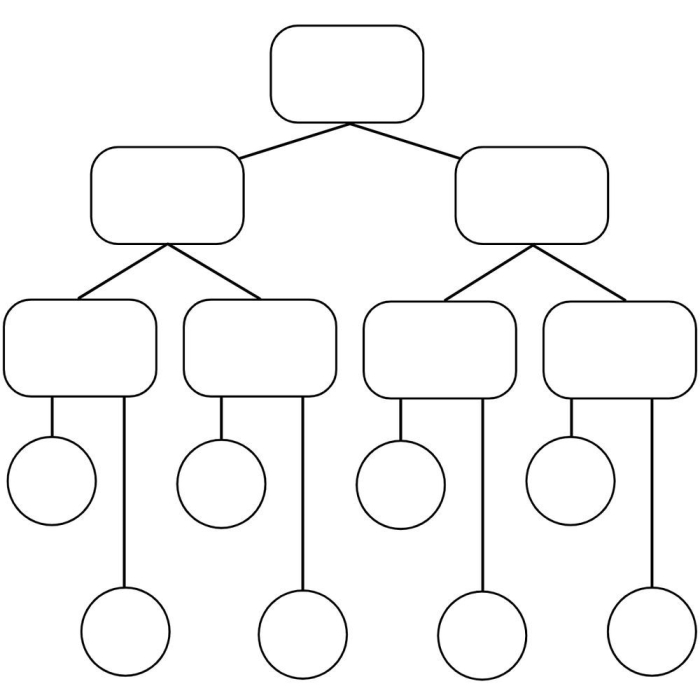
Graphic organizers are invaluable tools in the classroom, especially for young learners. One versatile option is the general organizer template designed for main ideas and details, which can significantly enhance students’ understanding and retention of concepts. For Kindergarten students, especially in subjects like Place Value, these templates offer a structured way to visualize information.
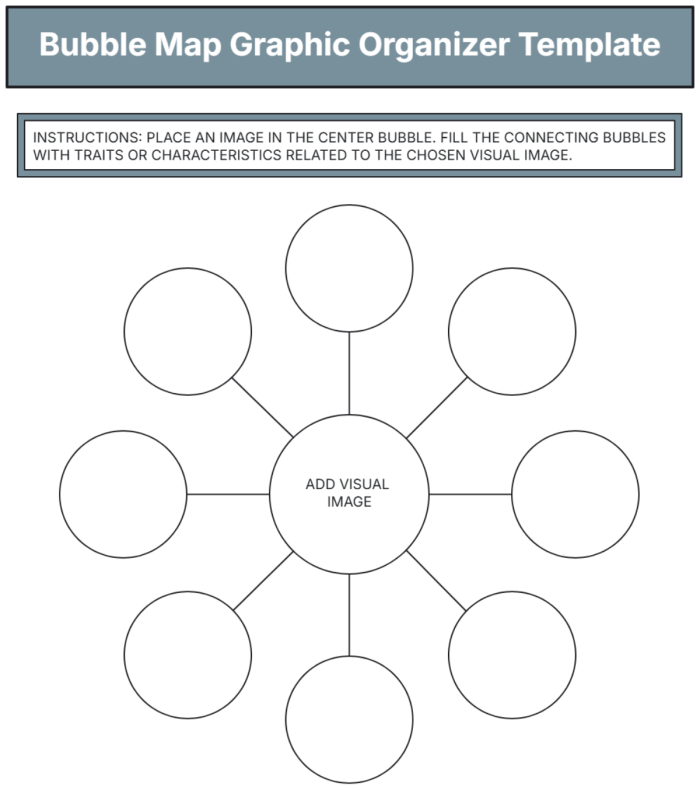
Teachers can effectively use this template for various educational purposes. For example, during pre-writing exercises, students can brainstorm their ideas before crafting a story or explaining a mathematical concept. This method encourages them to organize their thoughts, making the writing process smoother. Additionally, the graphic organizer helps with word analysis by allowing students to break down vocabulary terms, which is essential for their literacy development.
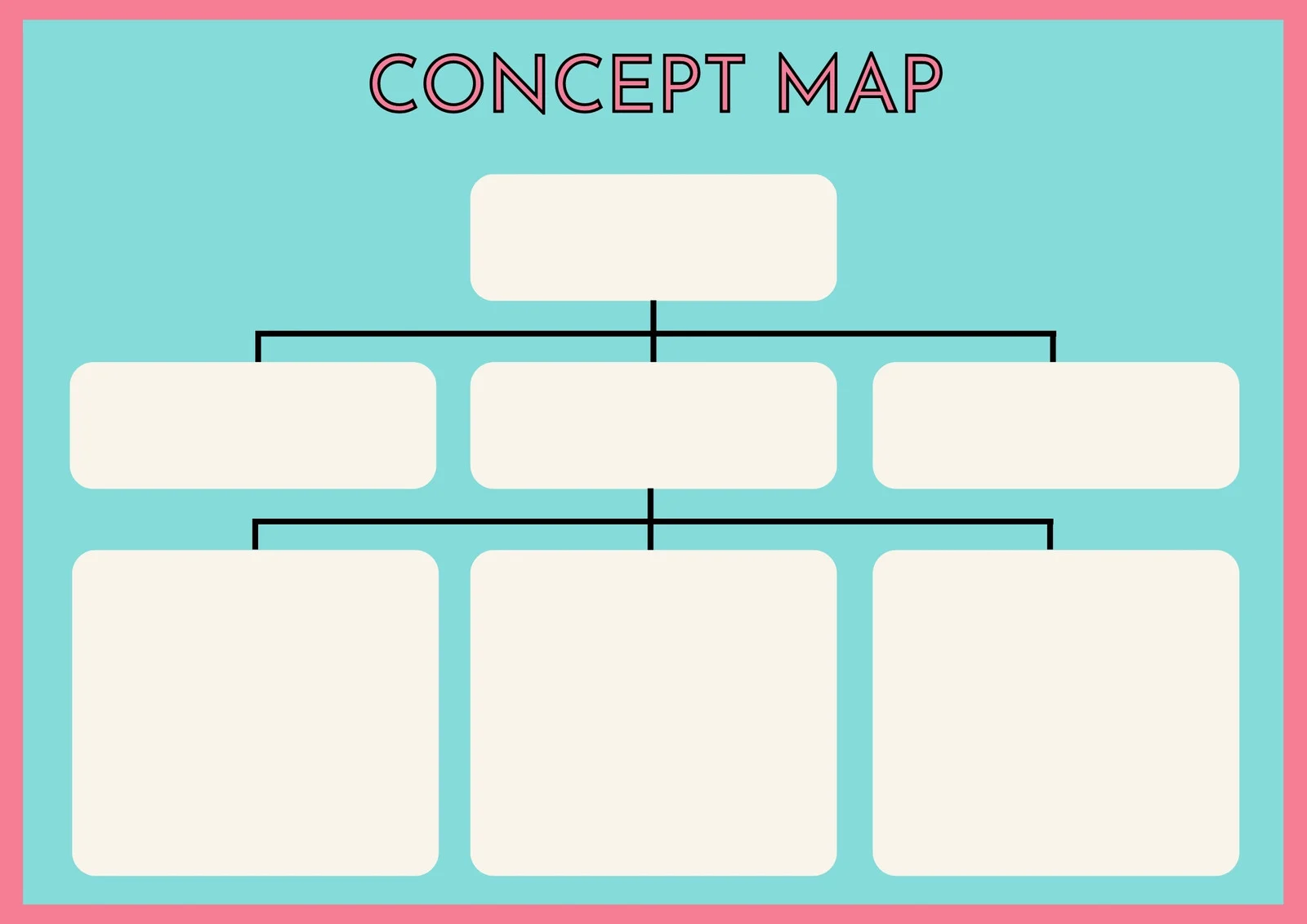
Another practical application is concept mapping. By using the template, students can connect different ideas related to a central theme, such as identifying coins in a lesson about money. This visual representation aids in reinforcing their understanding of relationships among concepts. Furthermore, it serves as a brain dump tool, enabling children to freely express what they know about a topic without the pressure of forming complete sentences.
Incorporating background knowledge collection into lessons can also be beneficial. For instance, before starting a new unit on Place Value, teachers can ask students to fill out the organizer with what they already know, setting the stage for deeper learning. This approach not only activates prior knowledge but also builds confidence as students share their thoughts with peers.
To explore more resources, educators can check out these worksheets that focus on healthy eating or identifying coins, both of which can enhance the use of graphic organizers in engaging and meaningful ways.
Start Practicing with These Worksheets