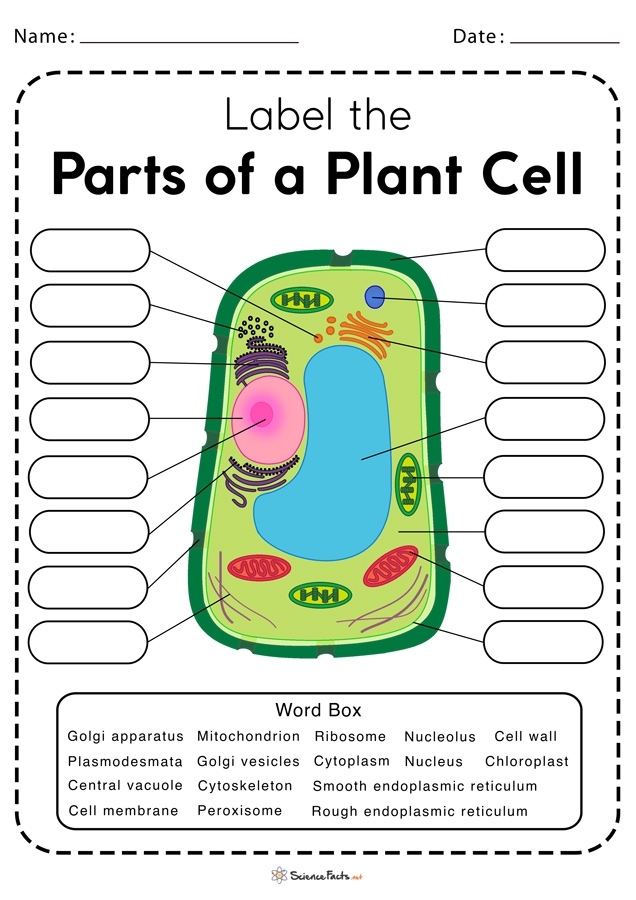
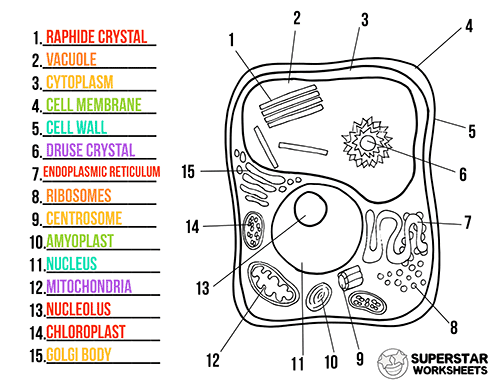
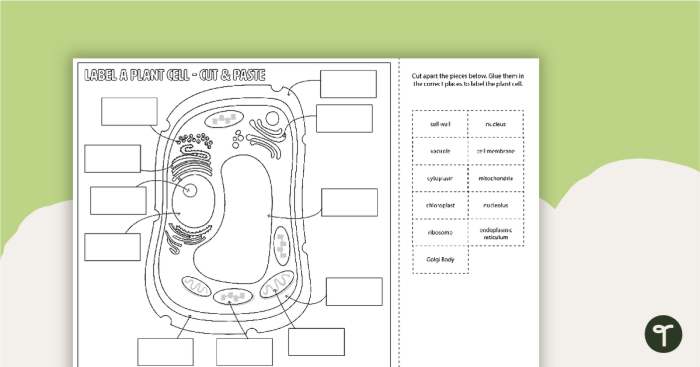
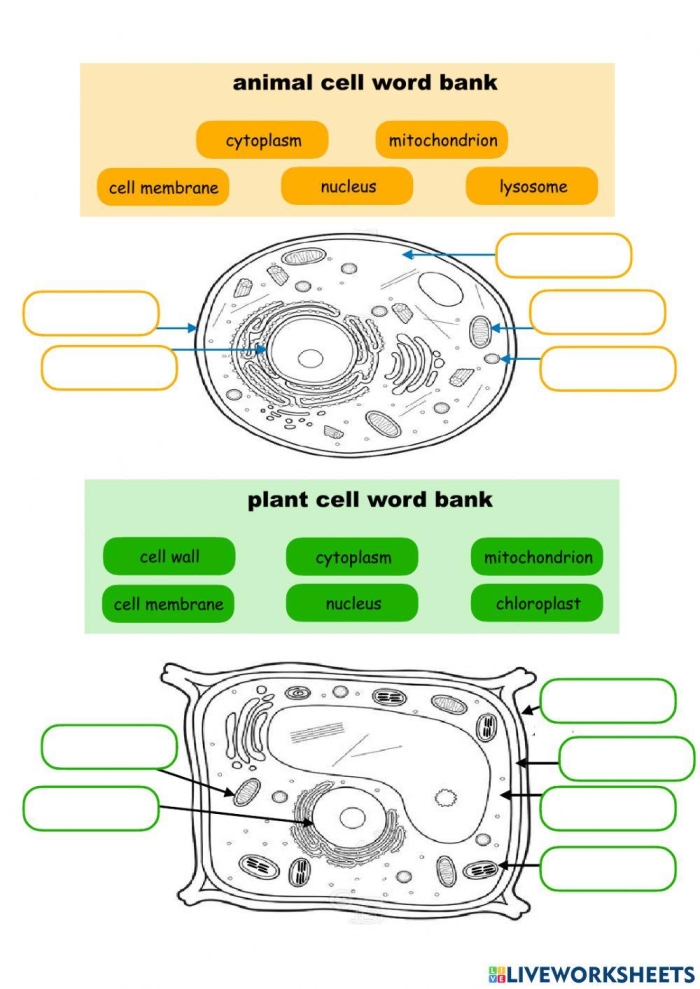
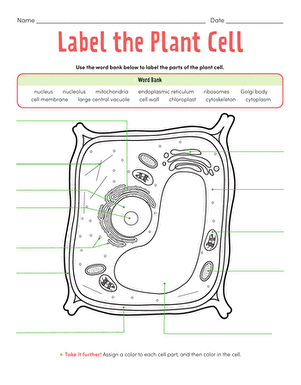
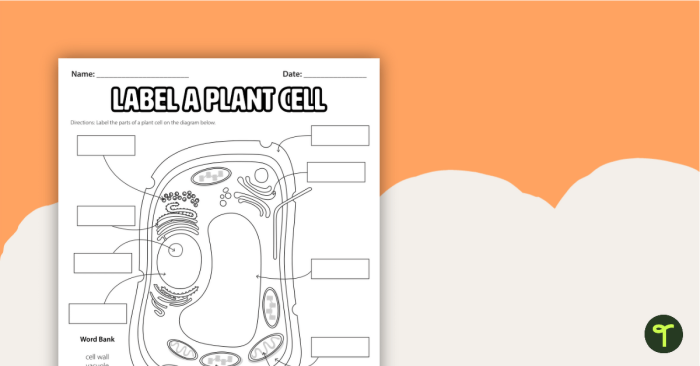
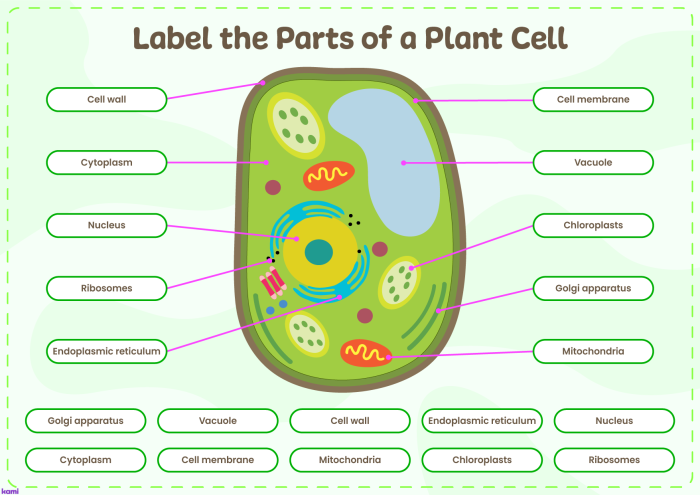
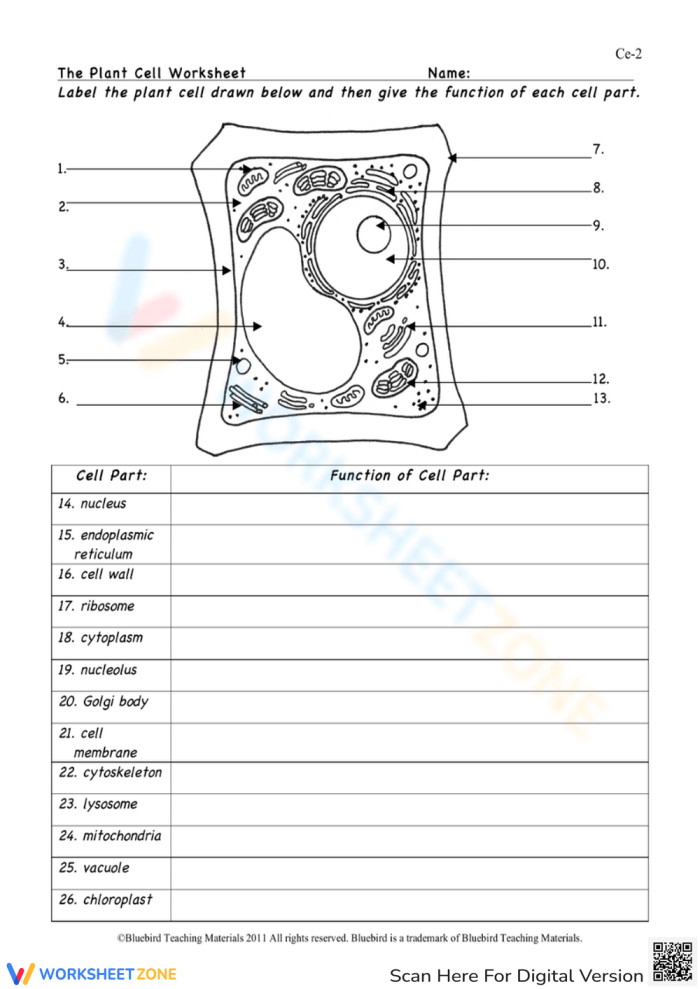
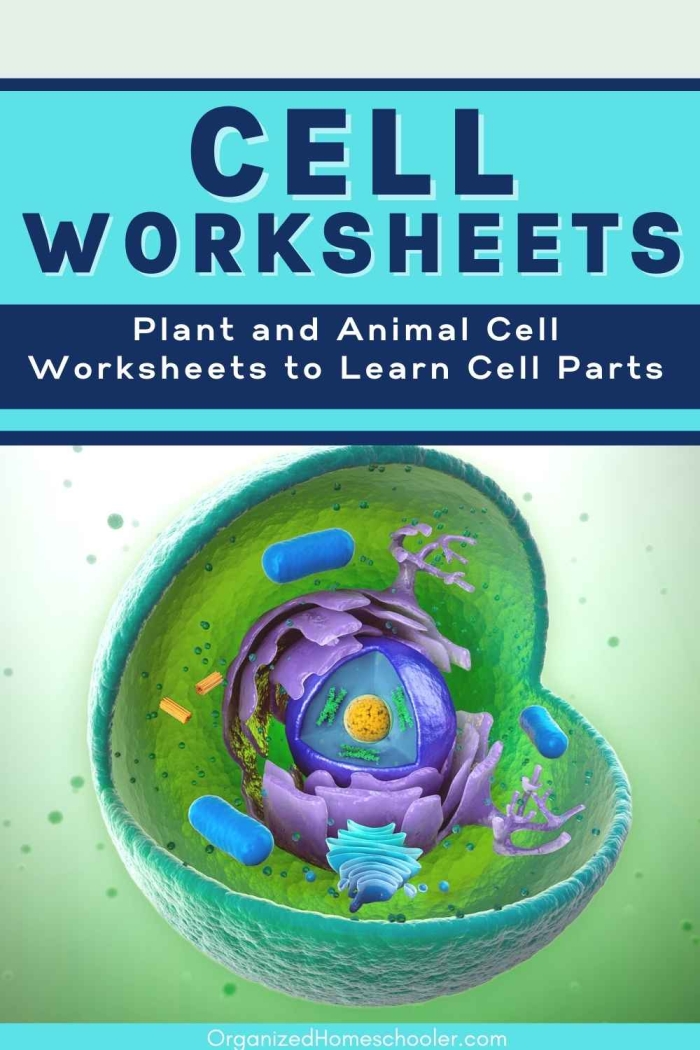
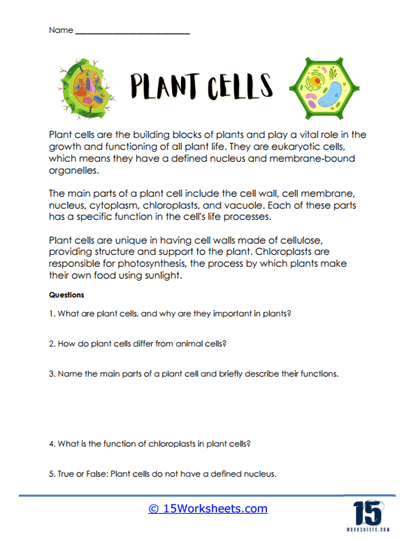
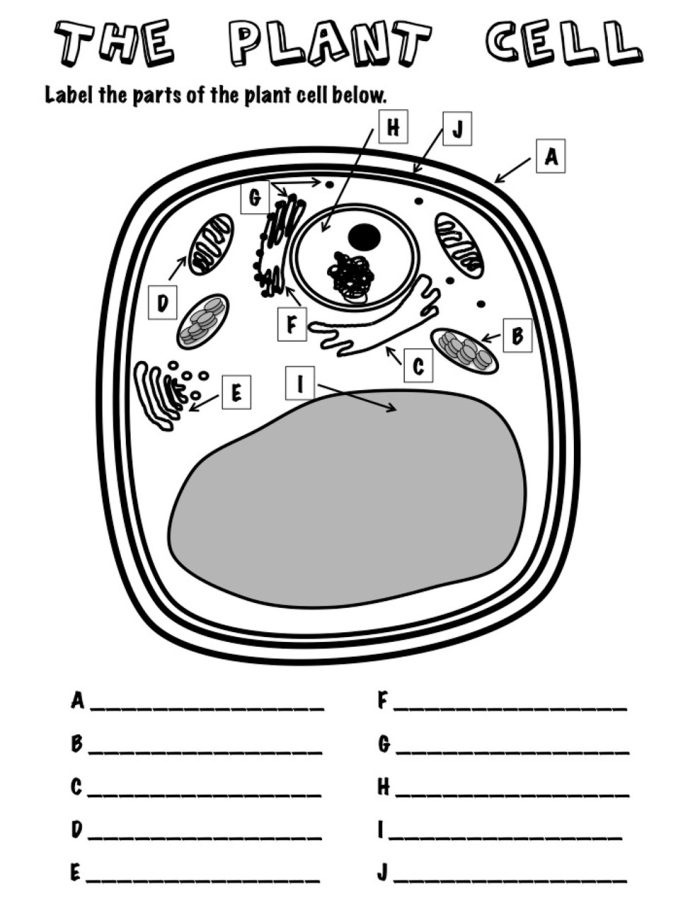
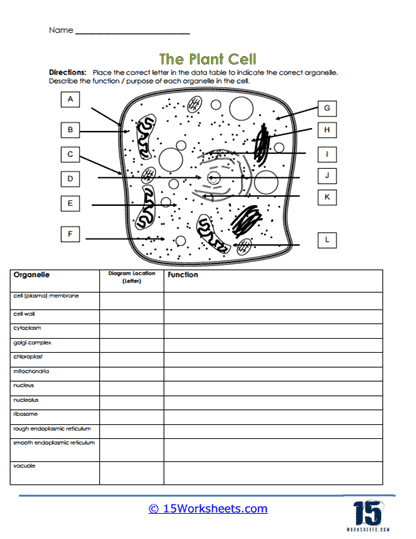
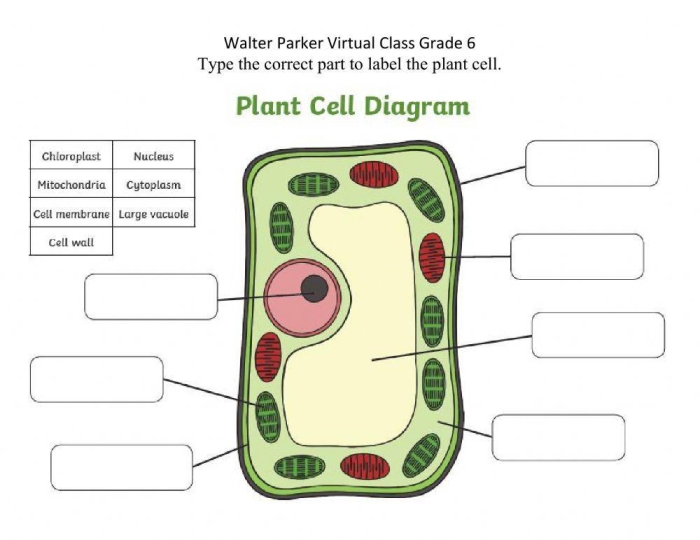
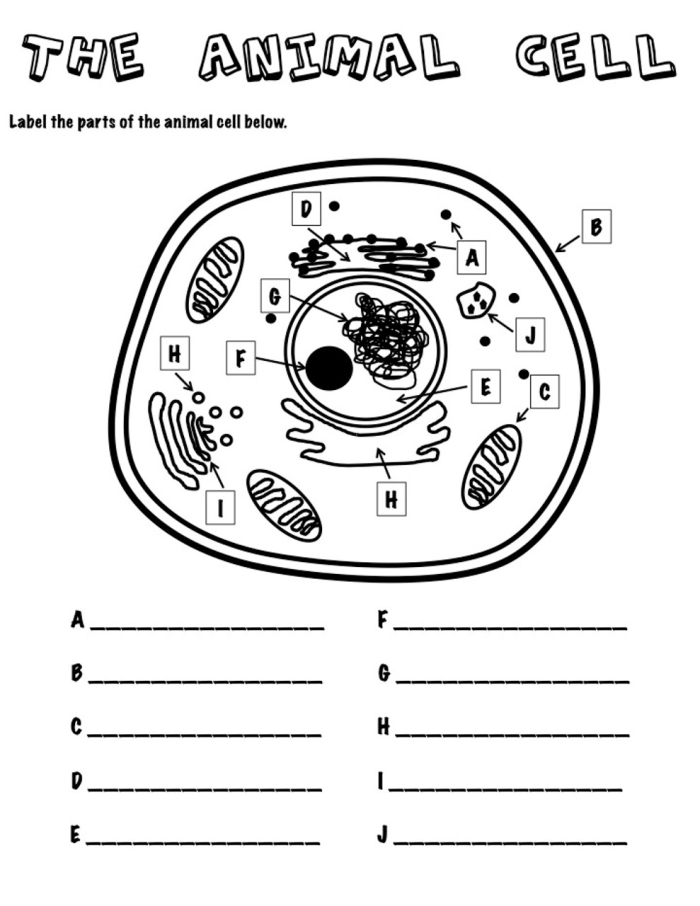
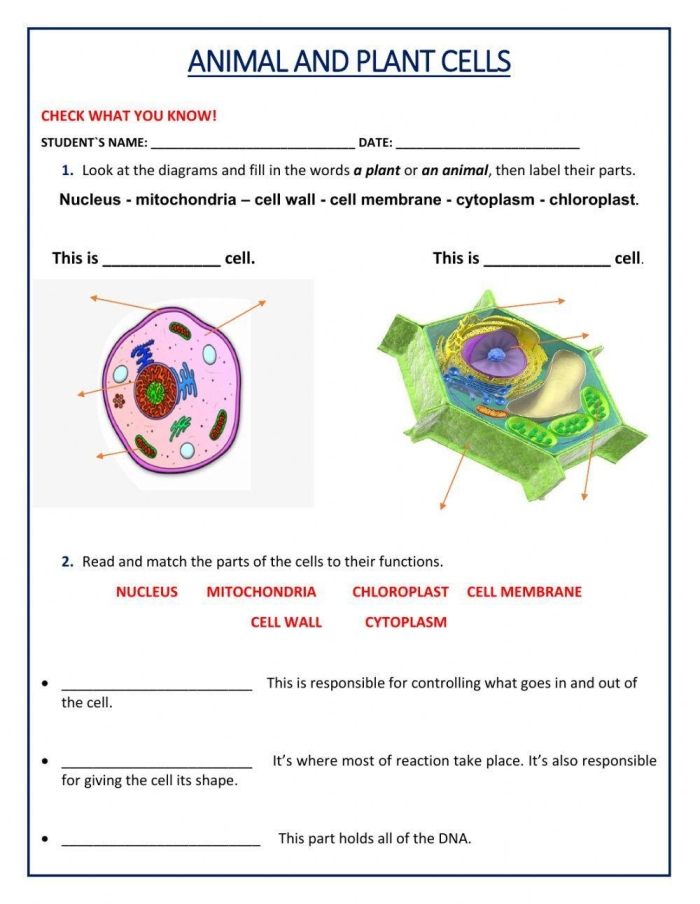
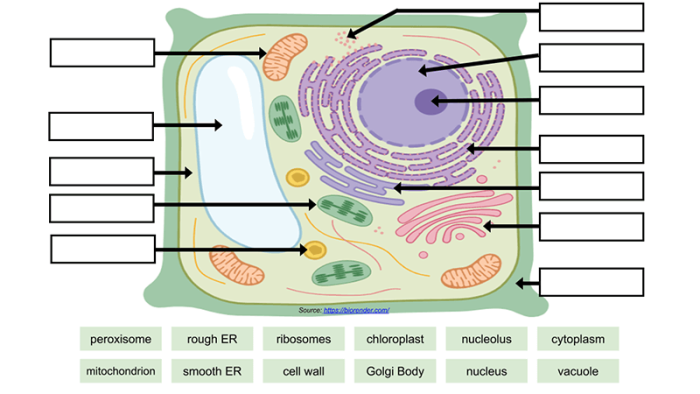
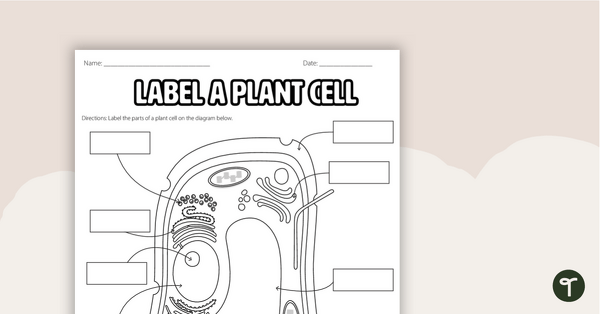
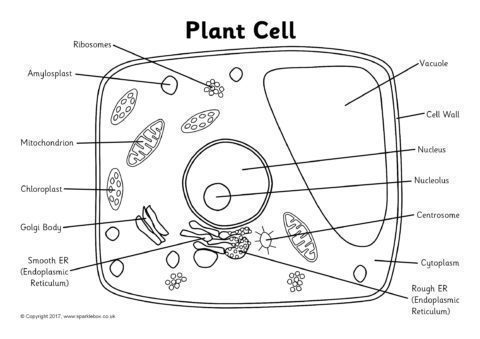
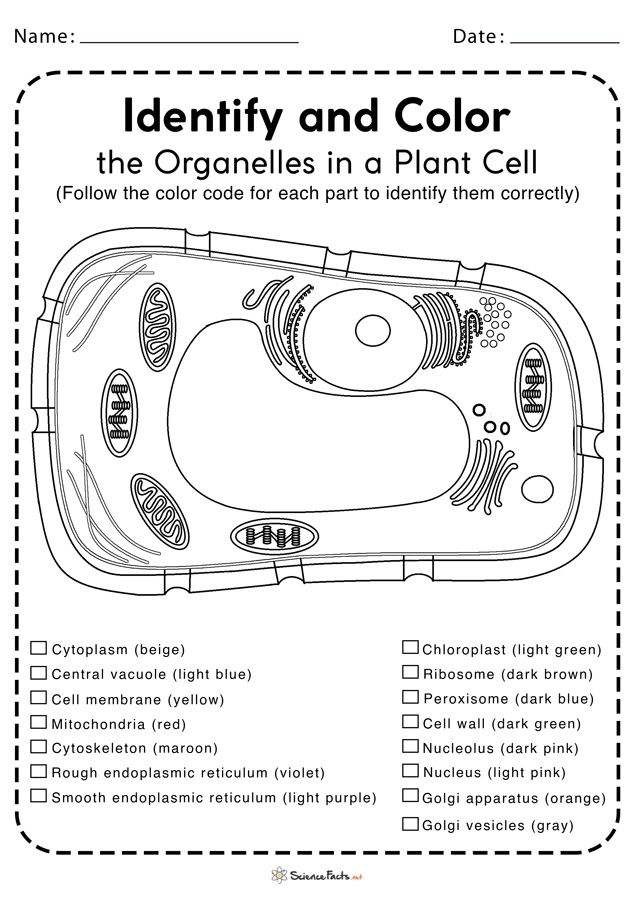
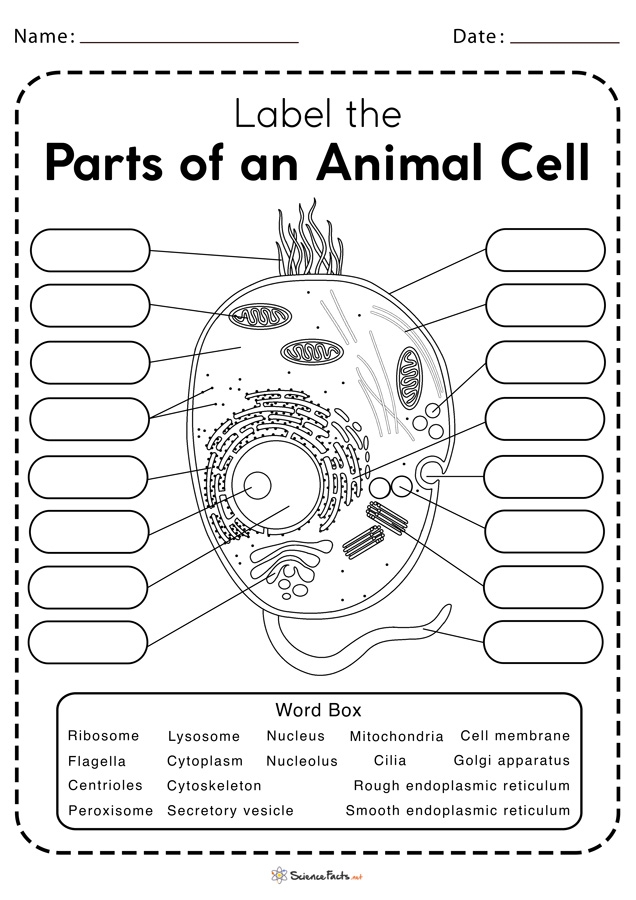
Understanding the structure of plant cells is essential for students in sixth grade as they explore the fascinating world of life sciences. A well-crafted worksheet can serve as a valuable tool, encouraging deeper engagement with the topic. In particular, the “Label the Plant Cell: Level 2” worksheet offers a chance for students to not only identify cell parts but also appreciate their functions within the larger context of plant life.
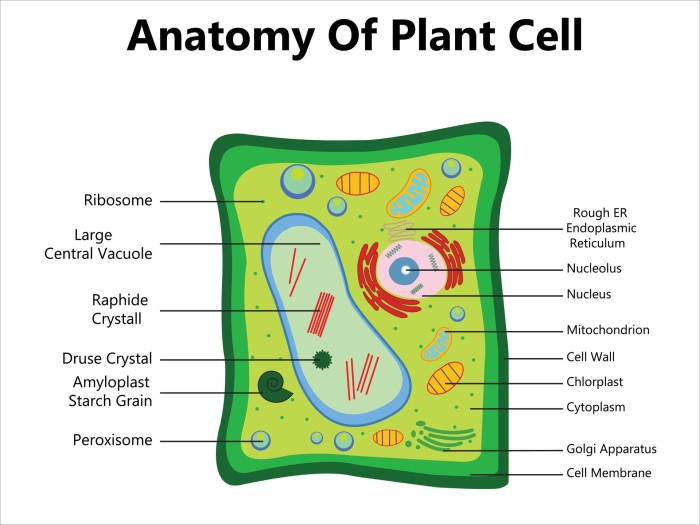
A typical plant cell includes several key components such as the cell wall, chloroplasts, and vacuoles. Each of these parts plays a crucial role in the cell’s ability to perform photosynthesis and maintain homeostasis. For instance, chloroplasts are responsible for capturing sunlight to produce energy, while vacuoles help regulate water and nutrients. By labeling these structures, students can gain insight into how plants grow and thrive.
In a middle grades life science curriculum, exploring plant cells complements other subjects like algebra, as students can use mathematical concepts to measure and analyze cell sizes or compare different types of plant cells. Activities that integrate these subjects can enhance learning outcomes and foster a more holistic understanding of biology. For example, students can calculate the surface area of a plant cell and relate it to their algebra skills, making connections between different domains of knowledge.
Worksheets such as this not only provide a structured learning experience but also stimulate curiosity. As students interact with the material, they can develop critical thinking skills by asking questions about why certain structures are necessary for plant survival. This exploration can lead to discussions about human impact on plant life, which could be further examined through resources on urban development or historical timelines, such as those found in our other worksheets on human impact and the causes of the Civil War.
Ultimately, encouraging students to take a closer look at plant cells through engaging worksheets can spark a lasting interest in life sciences. This foundational knowledge is crucial as they advance in their education and begin to explore more complex biological concepts.
Use These Worksheets Today