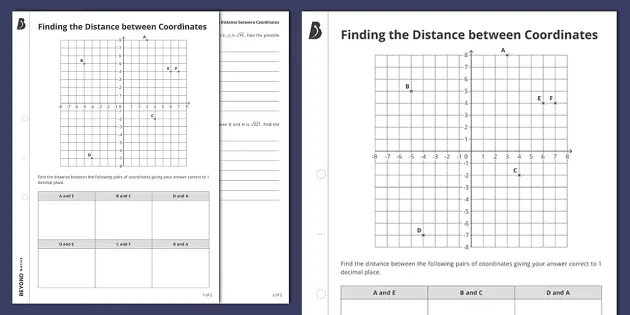
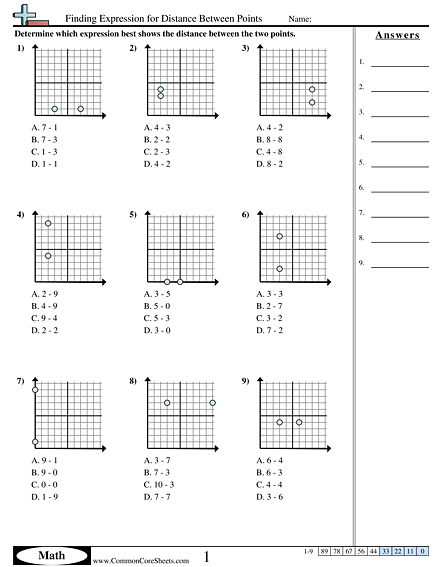
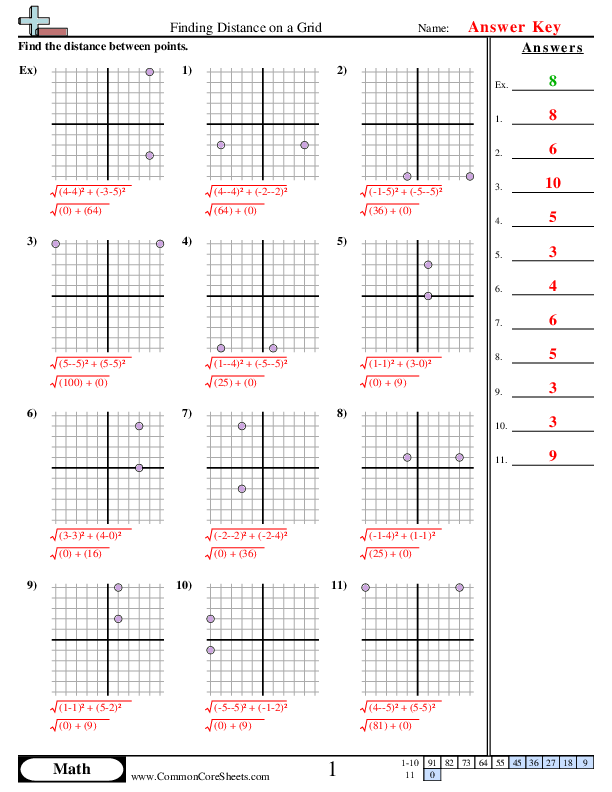
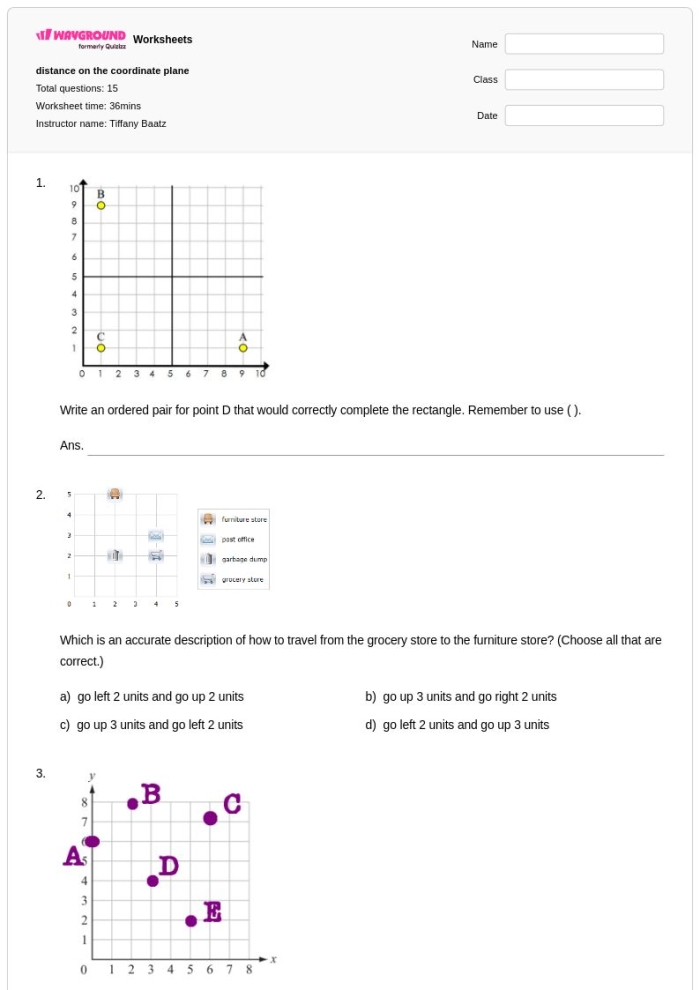
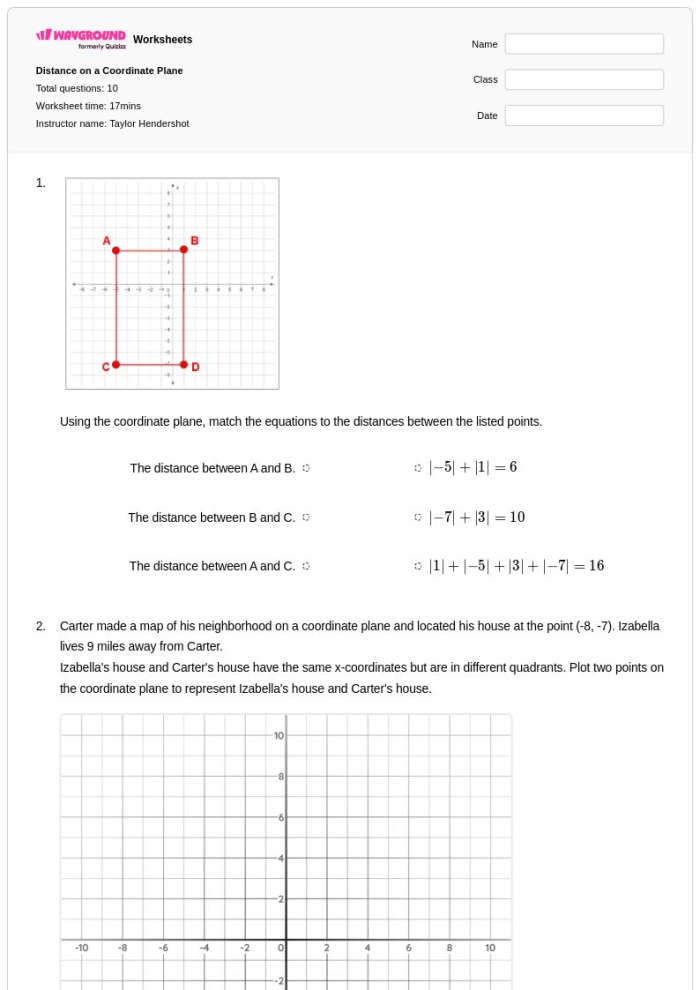
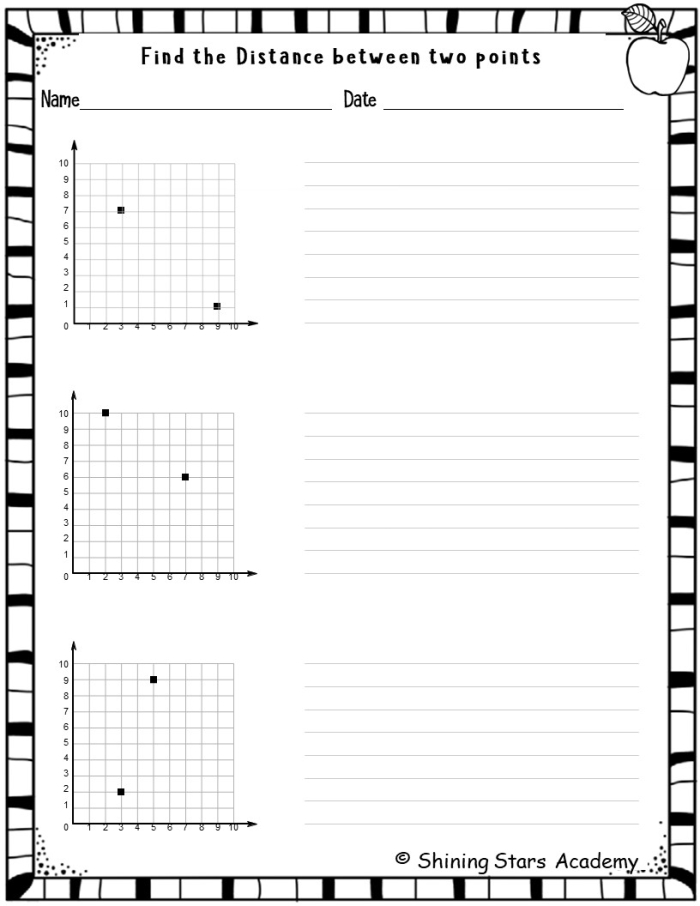
Understanding diagonal distances between two points is a fundamental skill in geometry, particularly for eighth-grade students. This concept is not just about finding the length of a line on a graph; it’s a practical application of the Pythagorean theorem that enhances spatial reasoning and problem-solving abilities.
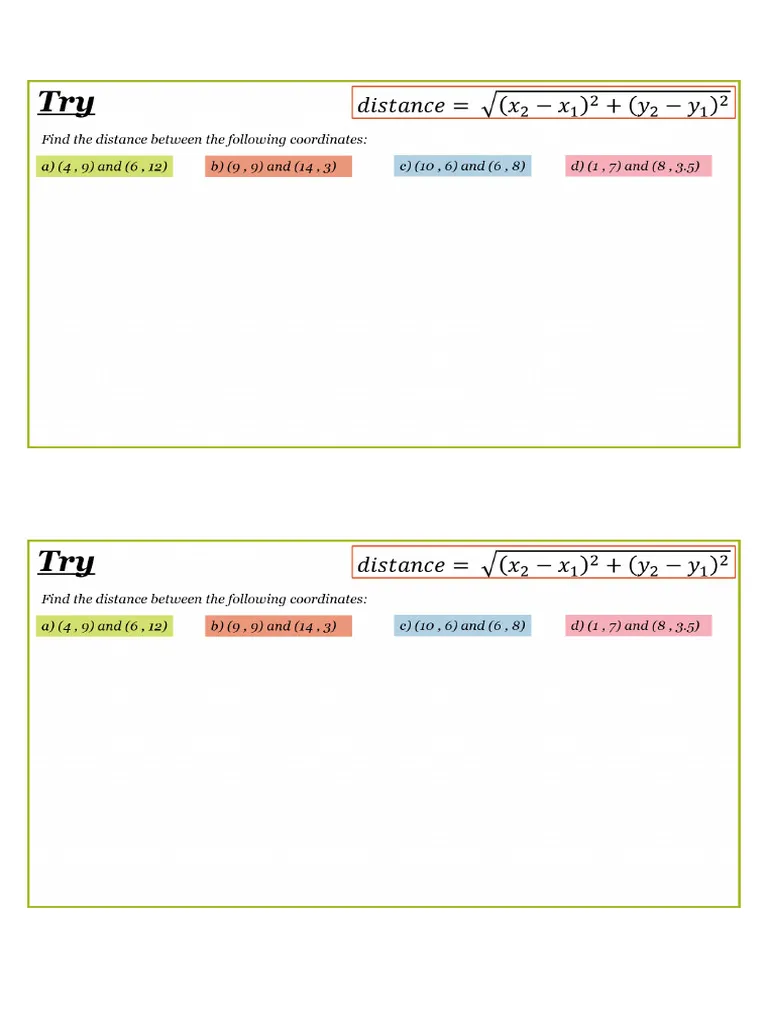
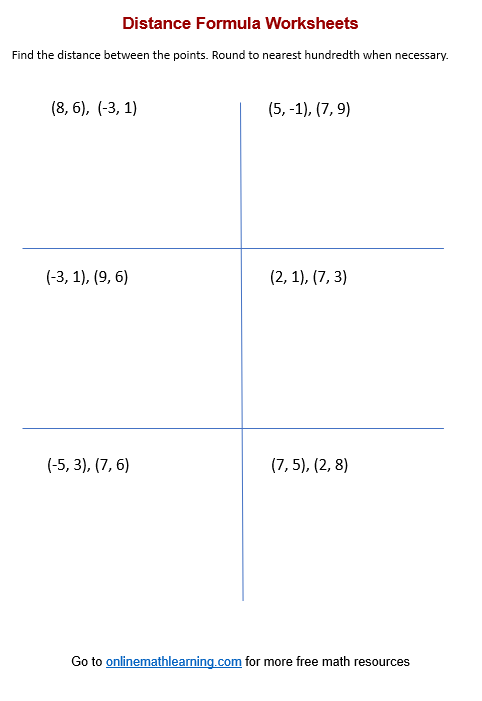
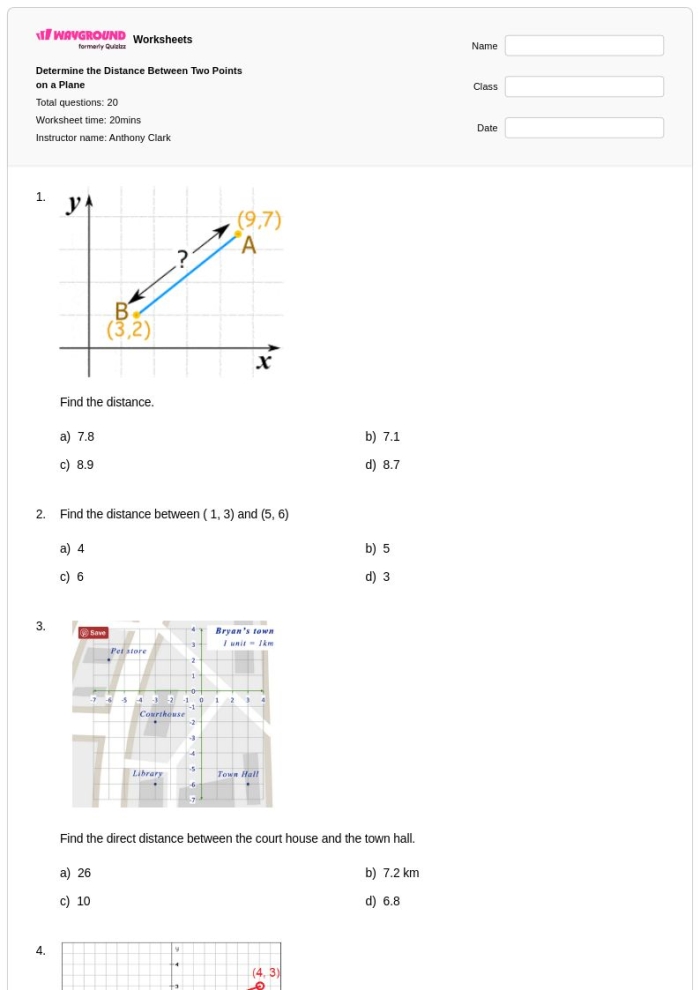
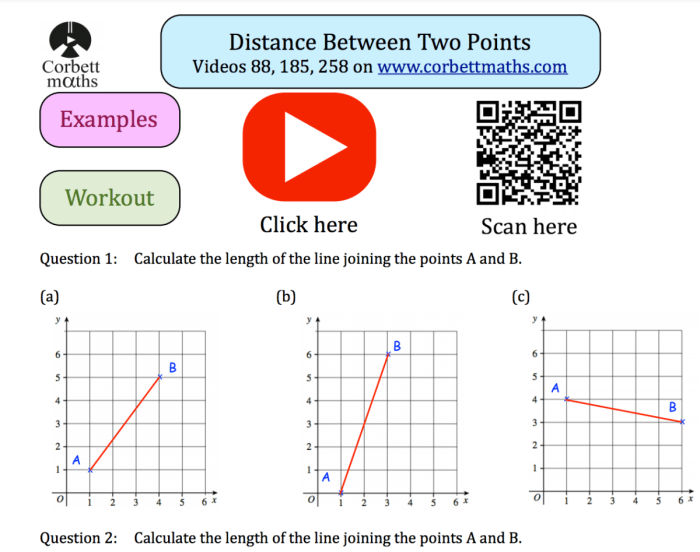
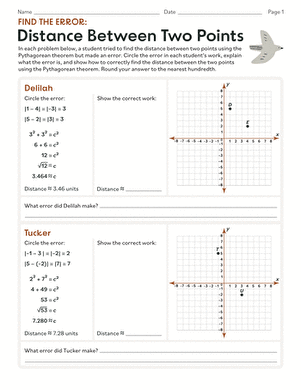
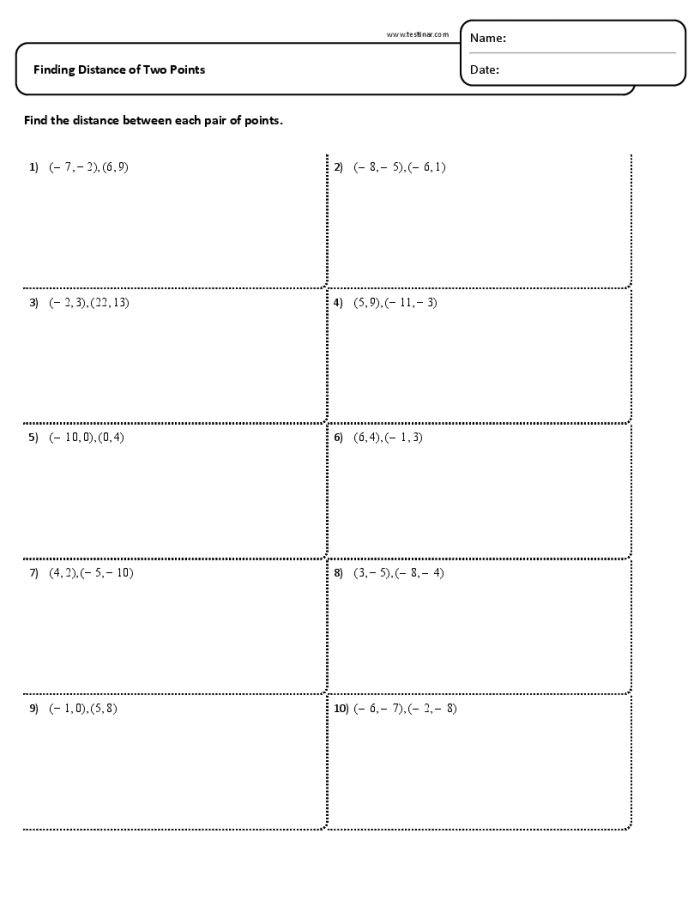
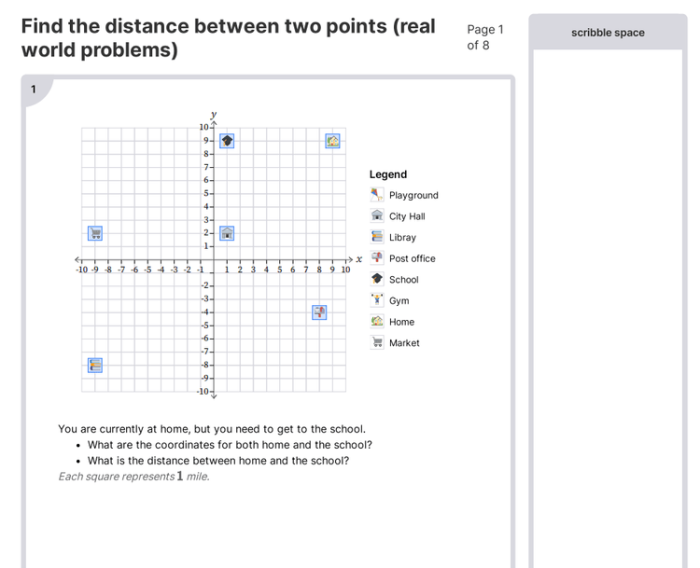
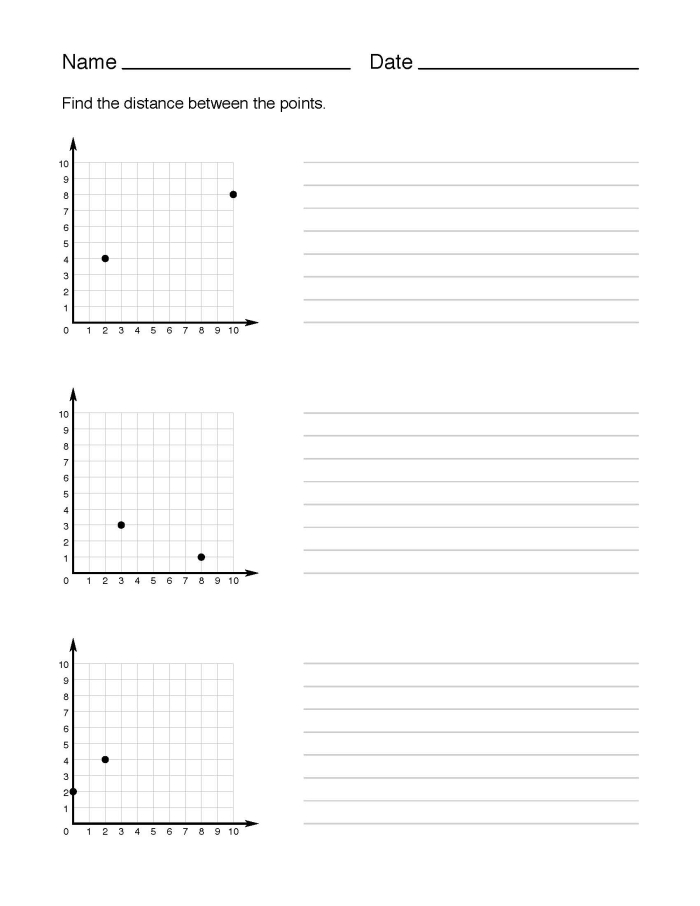
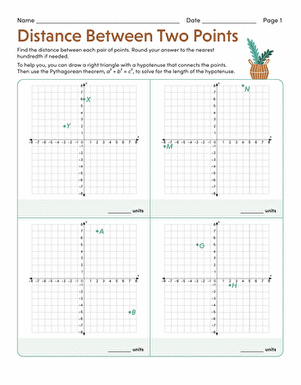
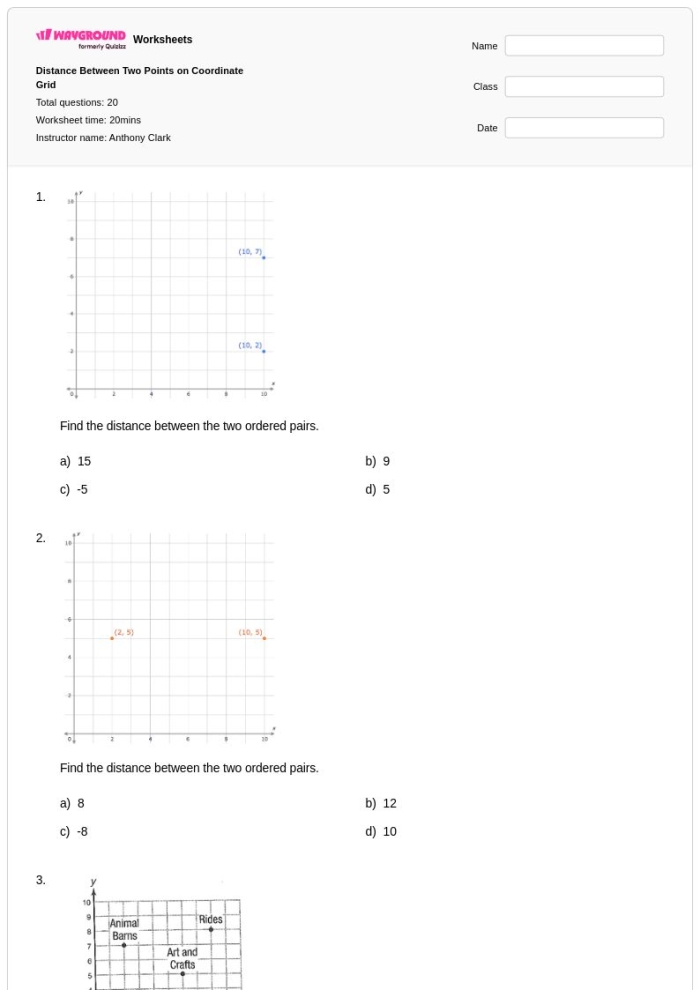
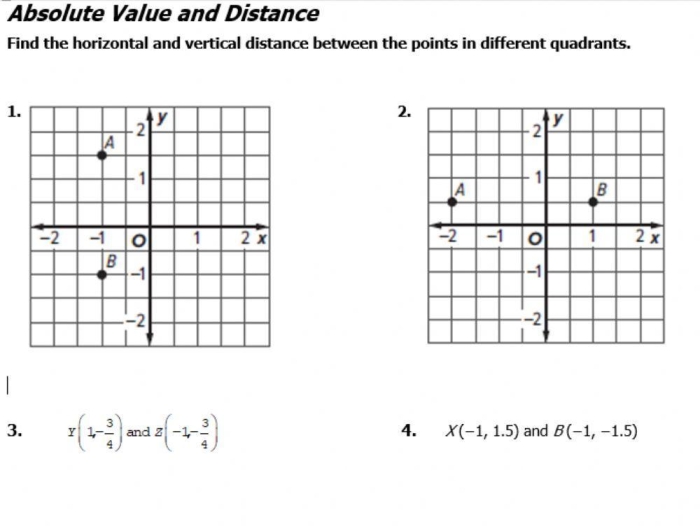
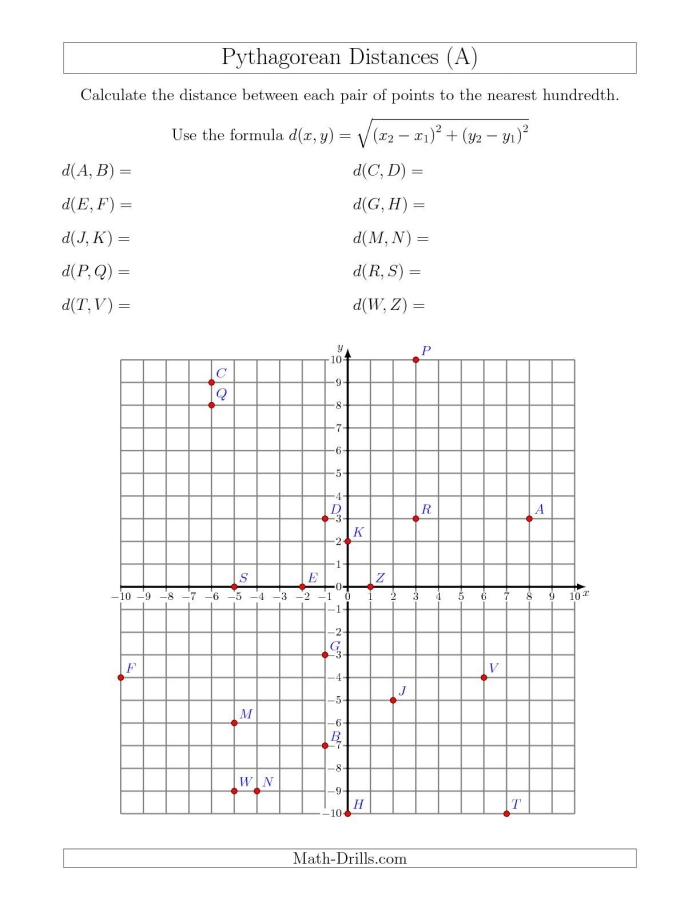
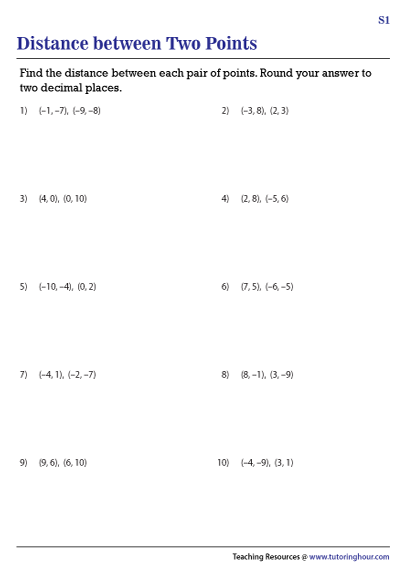
To give your students ample practice, a focused two-page worksheet can be immensely helpful. This resource allows learners to engage with various problems that require them to calculate the distance between two points on a coordinate plane. Each problem encourages students to apply the Pythagorean theorem, reinforcing their understanding of how to find the hypotenuse in a right triangle formed by the points.
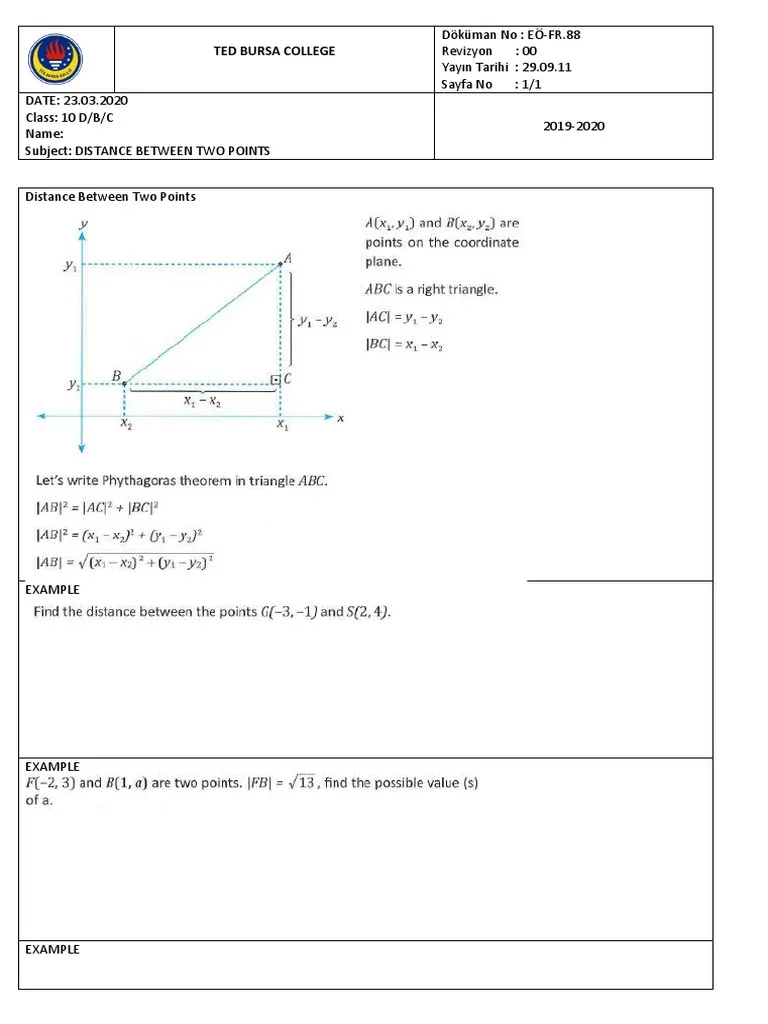
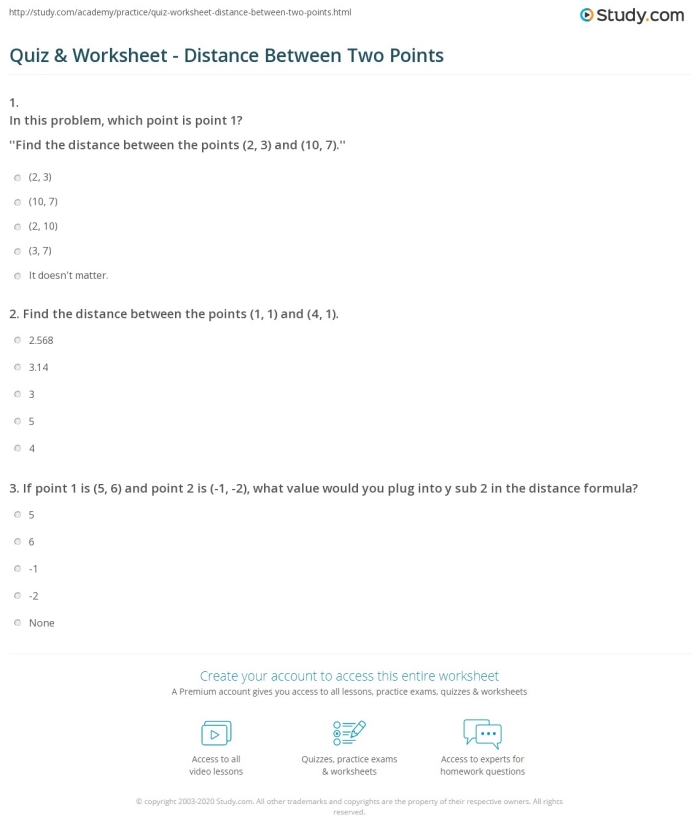
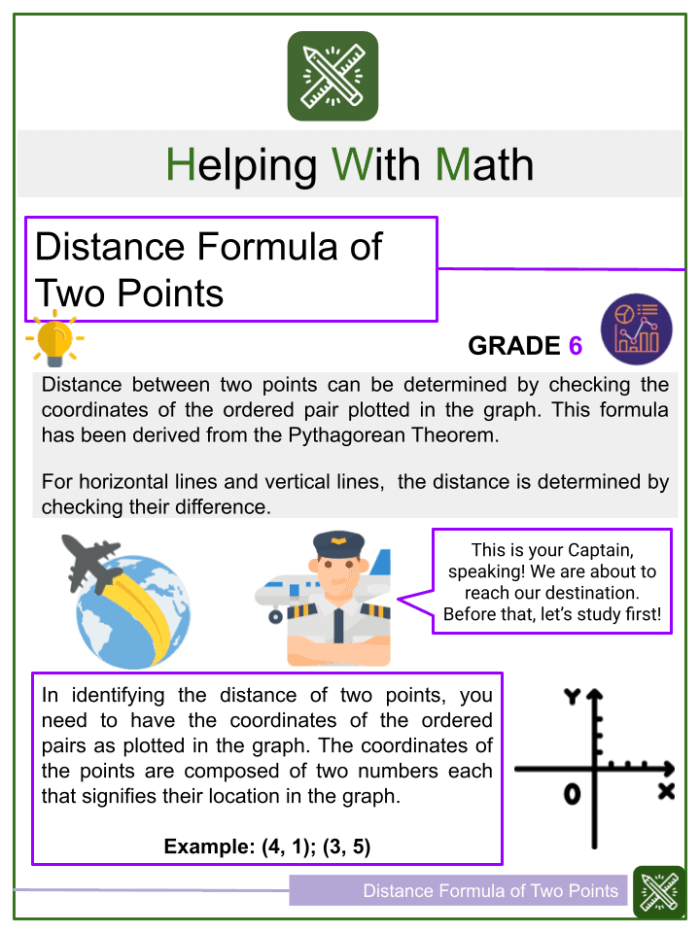
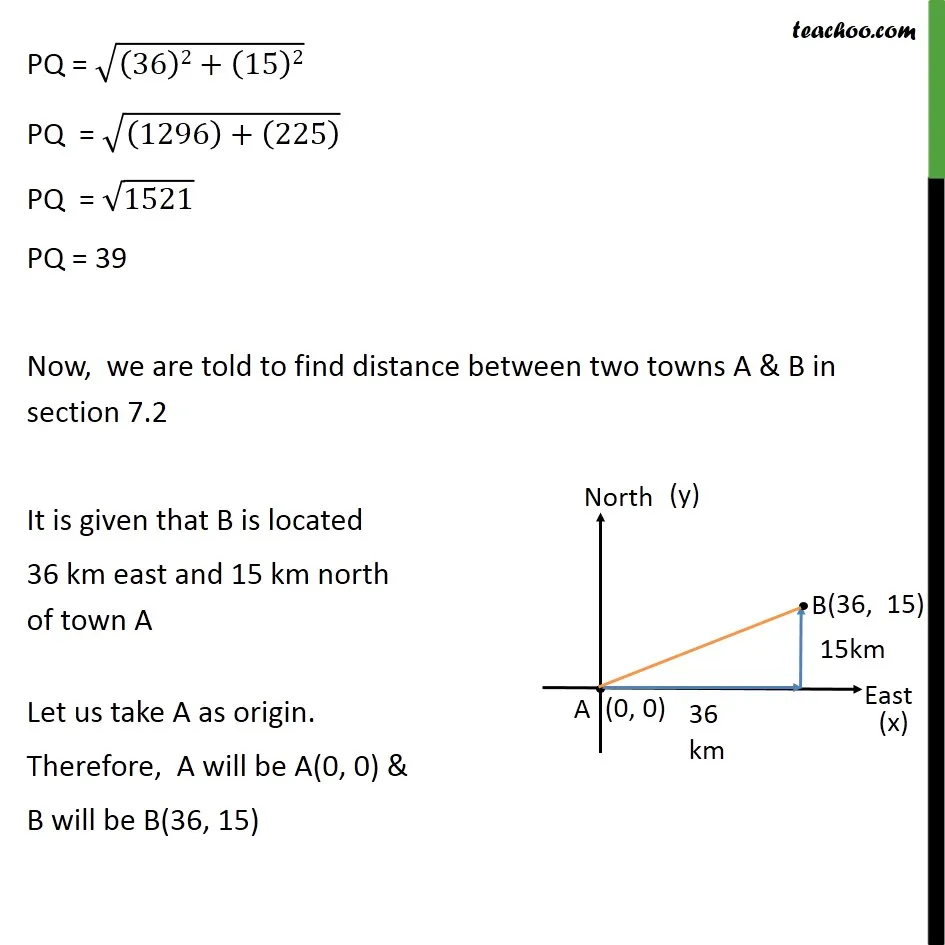
For instance, if students are given points A (3, 4) and B (7, 1), they can draw a right triangle where the horizontal and vertical lines represent the differences in the x and y coordinates. The distance formula, which is derived from the Pythagorean theorem, states that the distance between two points (x1, y1) and (x2, y2) is calculated as:
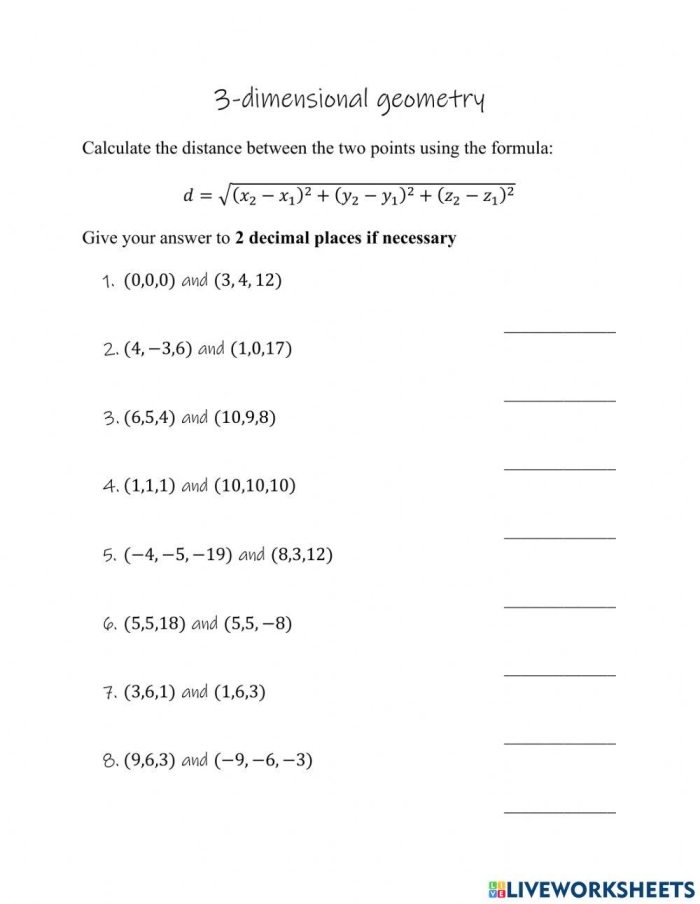
d = √[(x2 – x1)² + (y2 – y1)²]
By practicing with a worksheet tailored for eighth graders, students can enhance their confidence in using this formula. Furthermore, worksheets focusing on diagonal distances can be linked to other relevant topics, such as missing leg calculations or evaluating square roots, providing a comprehensive approach to geometry.
Incorporating these worksheets into your curriculum not only bolsters students’ understanding of geometry but also prepares them for more complex math concepts they will encounter in high school. With consistent practice, they can master the skill of finding distances, which is essential for various real-world applications.
Printable Worksheets for Practice