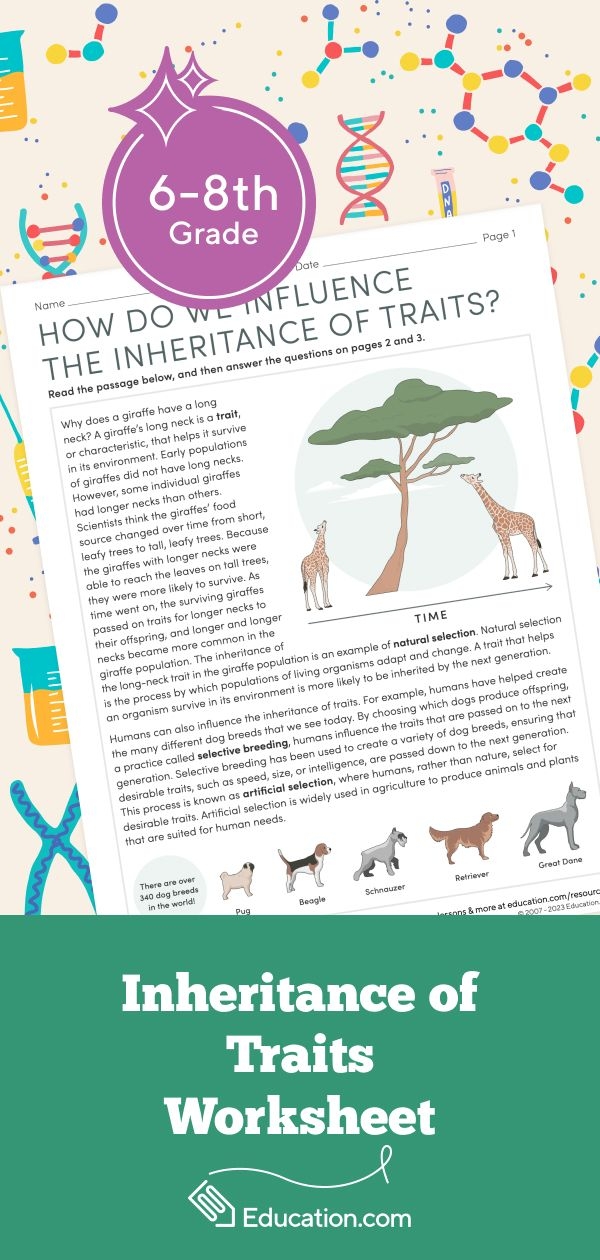
When sixth graders first encounter the concept of inheritance, they often wonder how traits actually get passed down through generations. The answer lies in understanding two distinct processes: natural selection and artificial selection. These mechanisms shape how organisms evolve and develop over time, and grasping the difference between them is crucial for understanding life science.
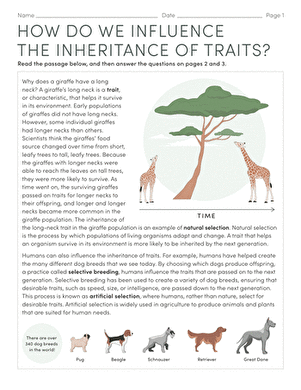
Natural selection happens without human intervention. In nature, organisms with traits better suited to their environment tend to survive longer and produce more offspring. Those advantageous traits then become more common in the population over generations. Think of how peppered moths in industrial England shifted from light to dark coloring when pollution darkened tree bark. The darker moths survived better in that environment, so their genes spread through the population naturally.
Artificial selection, by contrast, is entirely human-driven. Farmers and breeders intentionally choose which plants or animals reproduce based on desired traits. A farmer might select the largest tomatoes for seeds, or a dog breeder might choose dogs with specific coat colors. Over many generations, this deliberate choosing creates dramatic changes in a species. Most of the crops we eat and pets we keep exist because of artificial selection.
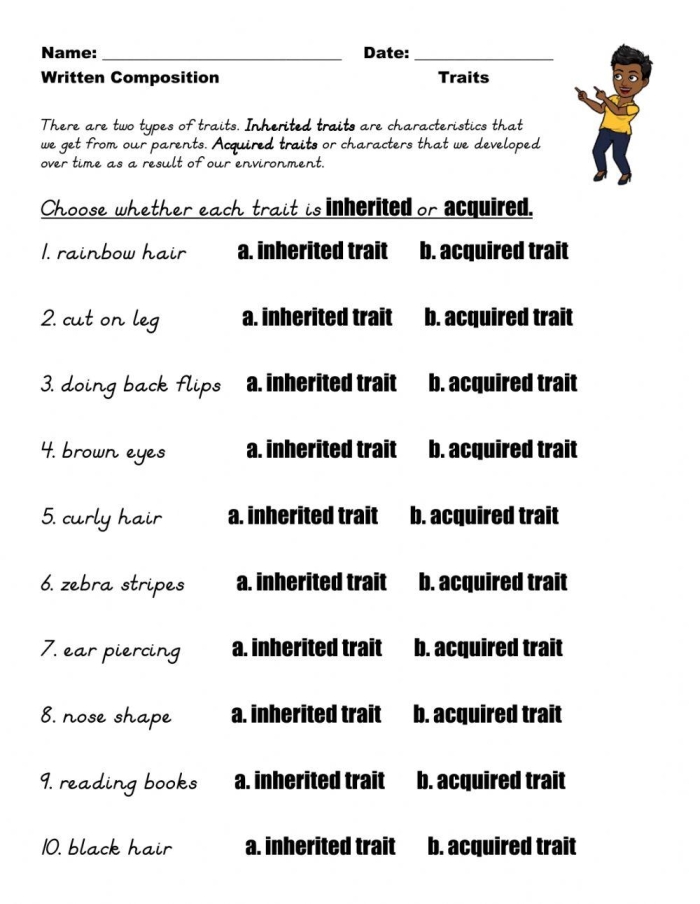
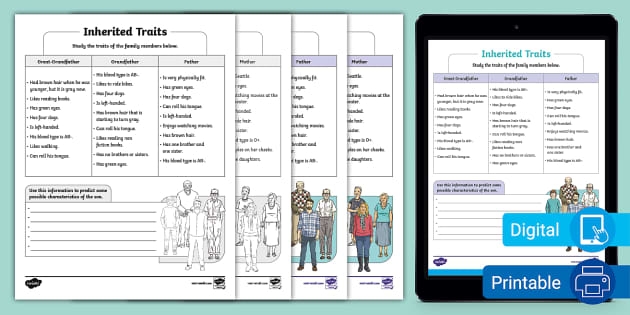
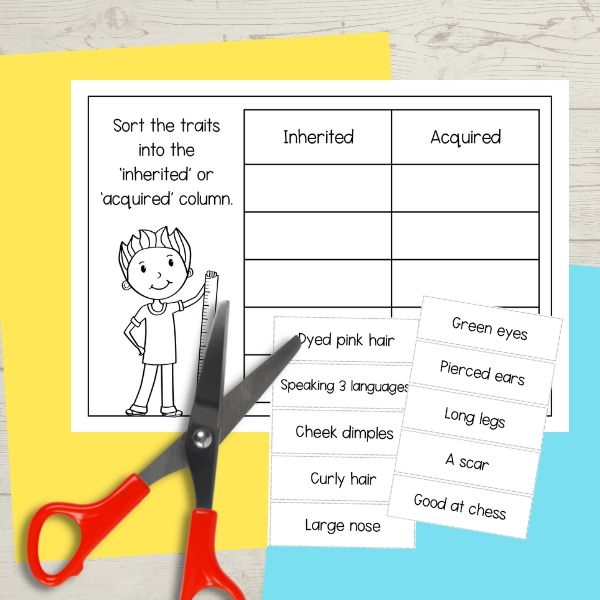
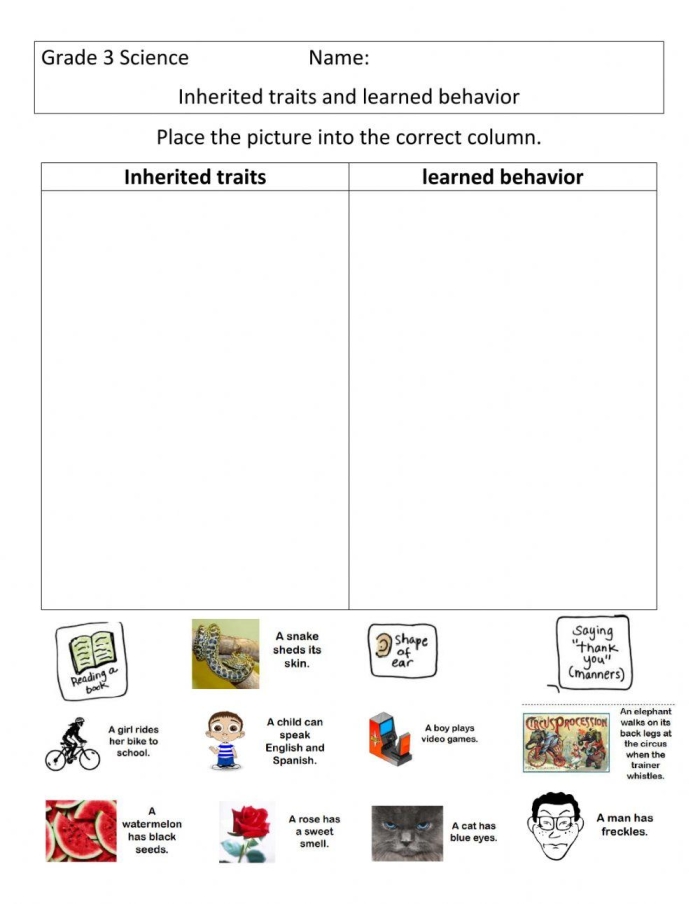
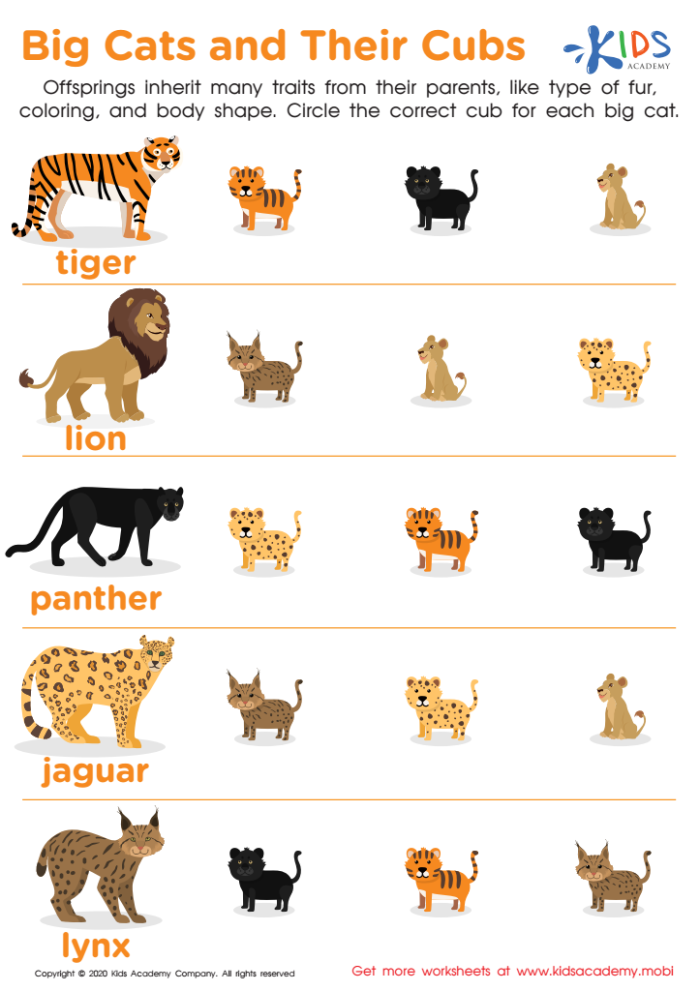
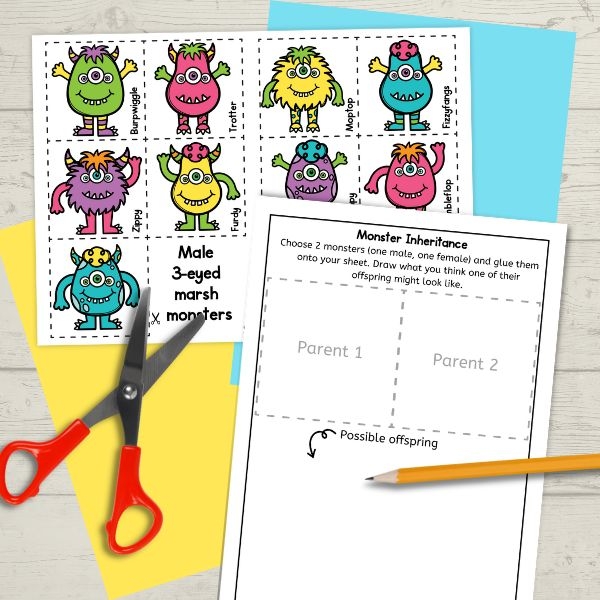
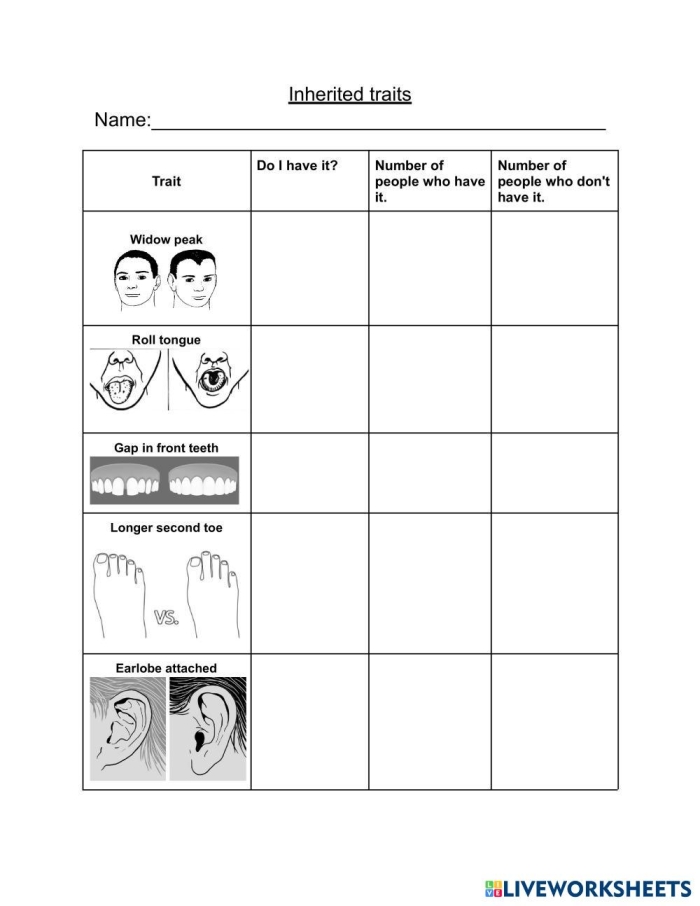
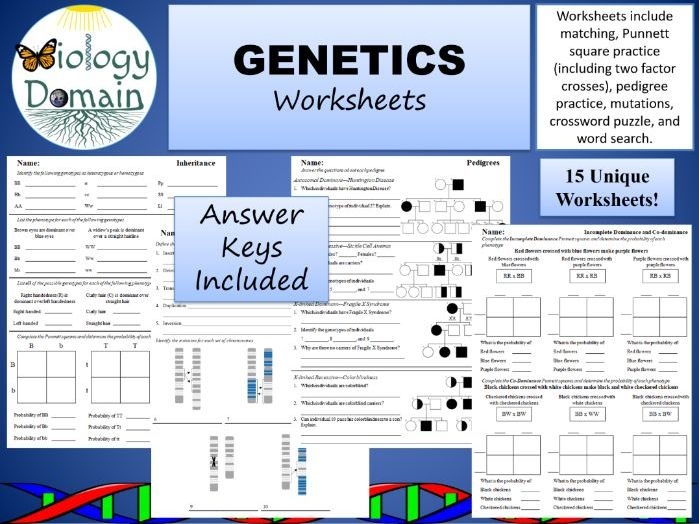
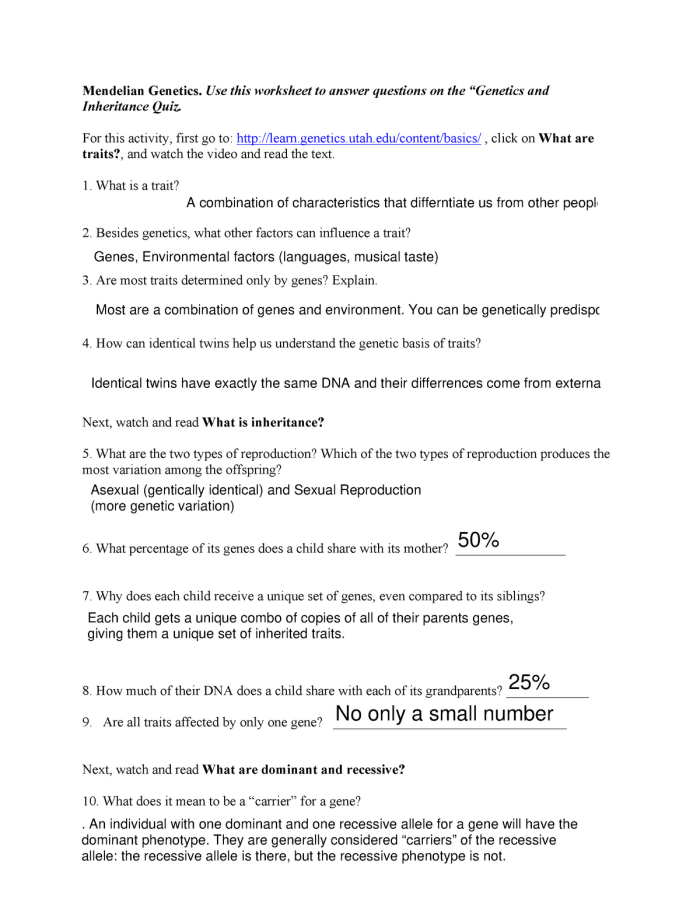
For sixth grade students developing social studies skills, worksheets comparing these two processes help clarify how humans influence the inheritance of traits. These activities often ask students to categorize examples, explain mechanisms, or predict outcomes. Working through such exercises builds critical thinking about how evolution actually works in both wild and domestic settings.
The key distinction students should remember: nature selects based on survival advantage, while humans select based on preference. Understanding this difference opens doors to recognizing how biology shapes our world, from the food on our tables to the pets in our homes.
Printable Worksheets for Practice