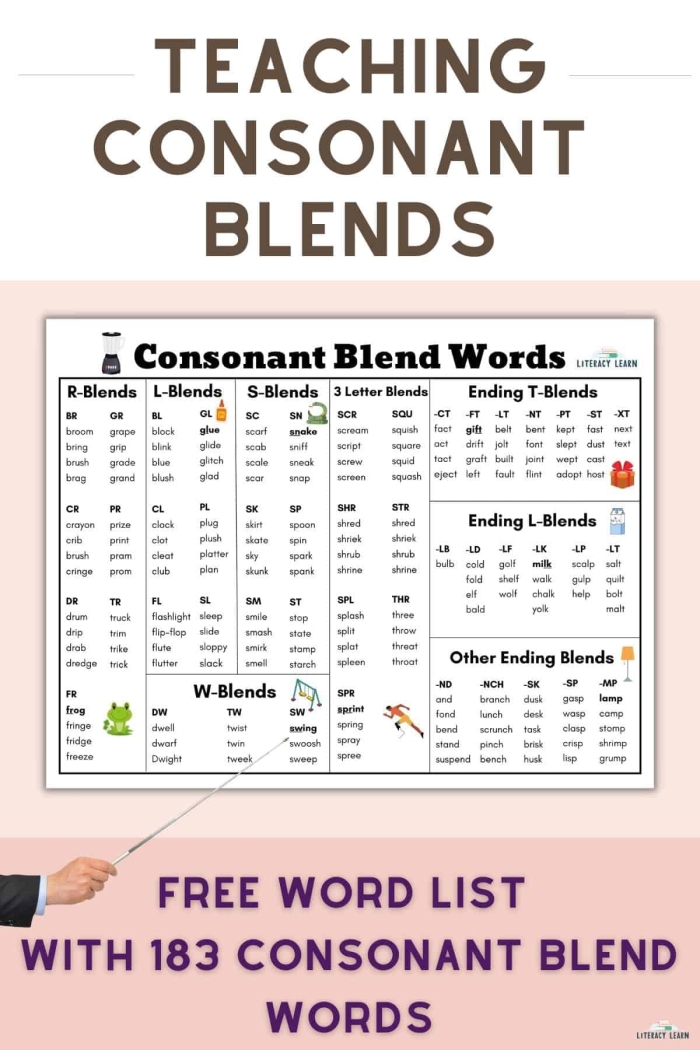
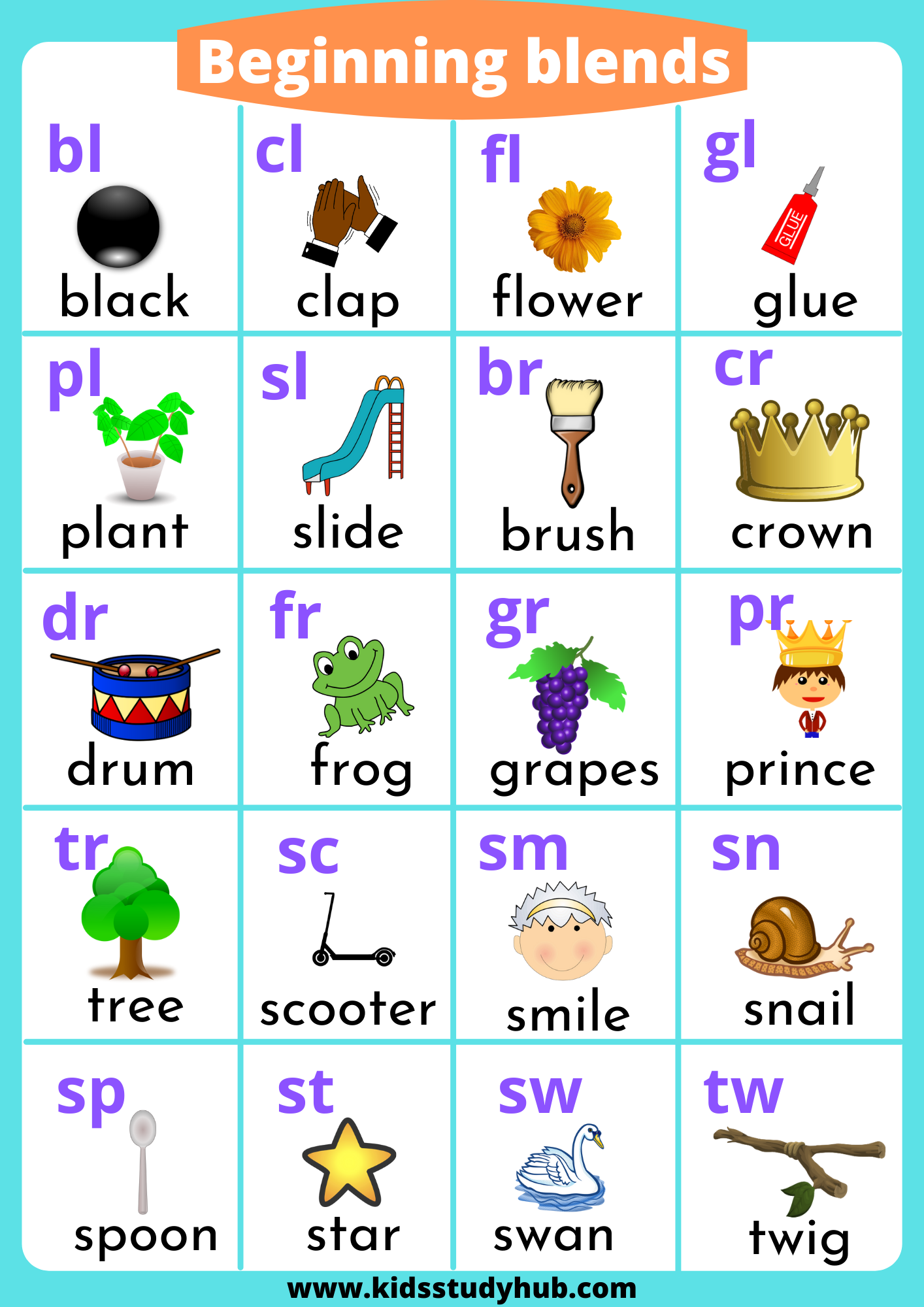
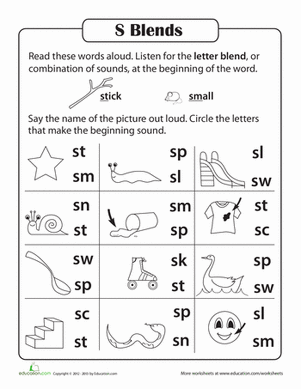
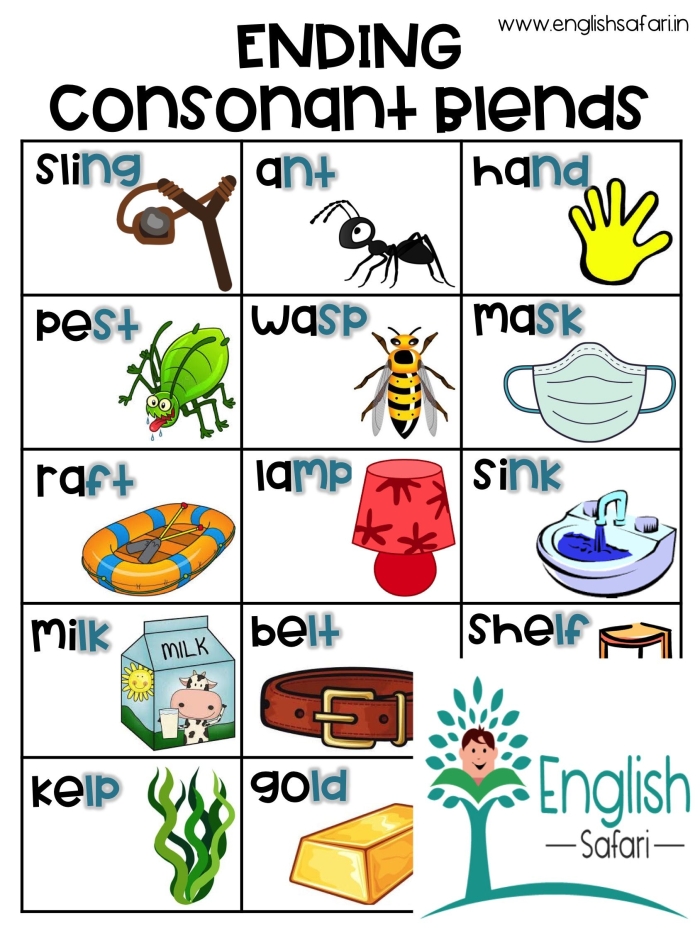
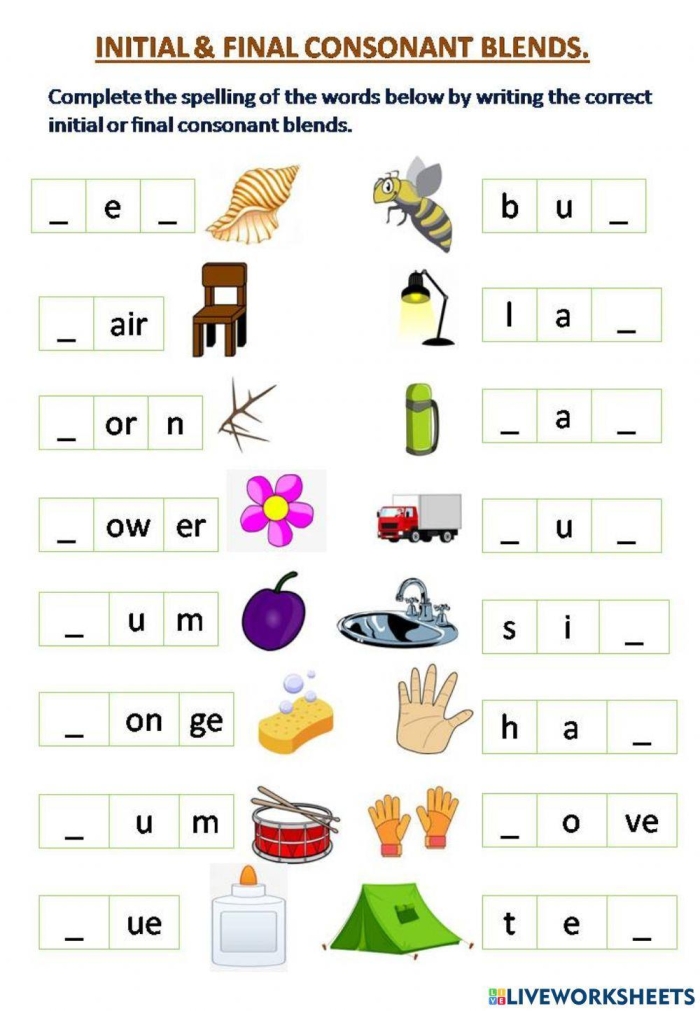
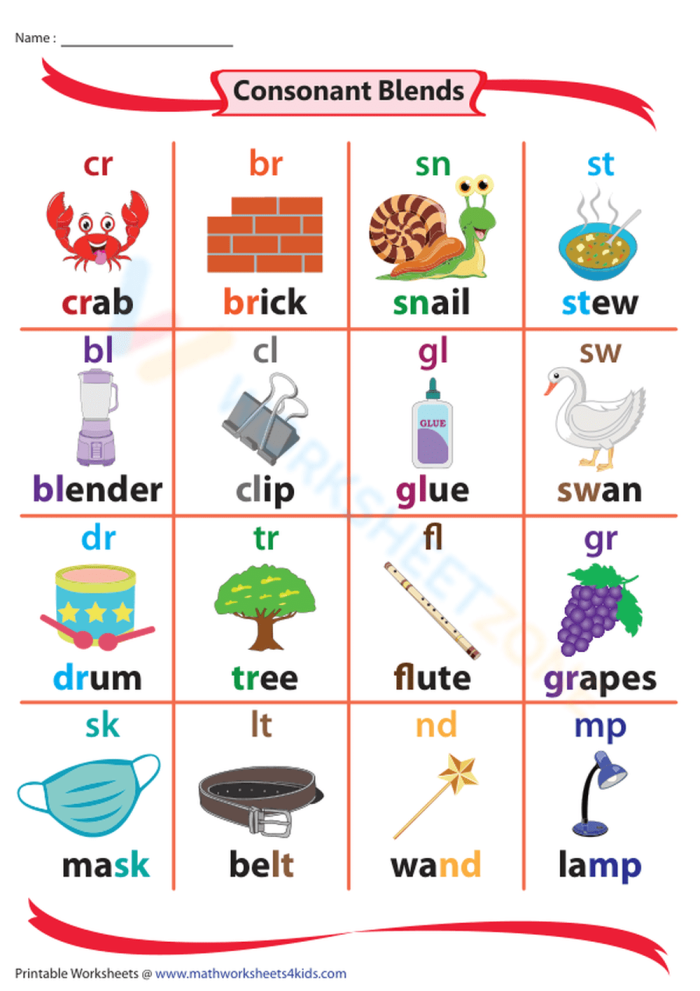
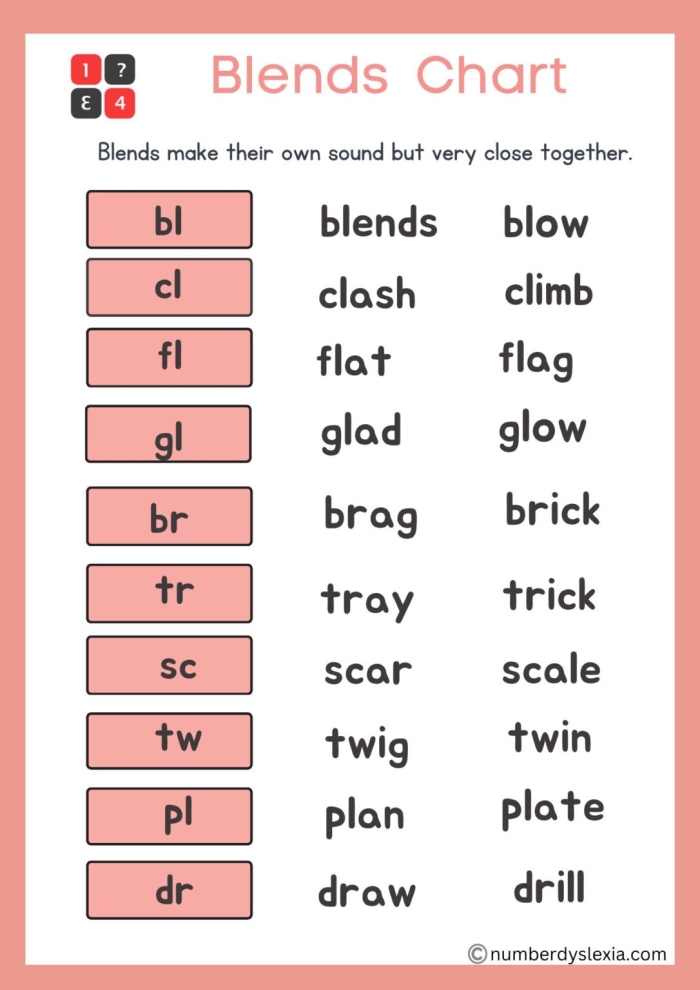
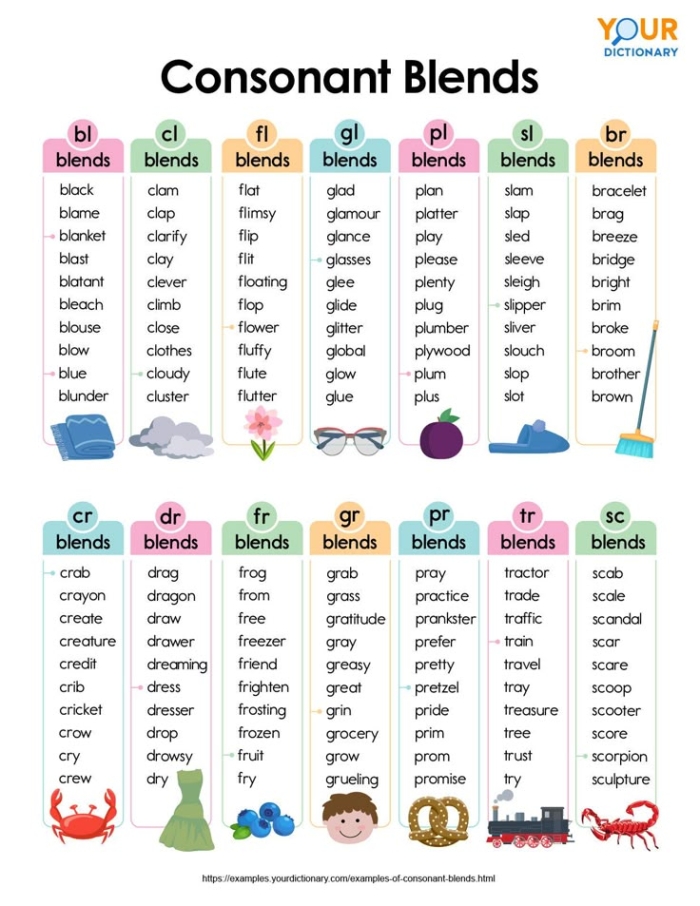
S blends are where reading starts to click for kindergarten students. When your child encounters words like smile, swing, and star, they’re meeting consonant clusters that sound different from single letters. These combinations, where S pairs with letters like M, W, T, P, or L, require a different mouth position than saying S alone. That’s why focused practice with S blends makes such a visible difference in early reading fluency.
The challenge with S blends is that they demand quick mental processing. Young learners need to recognize that two letters work together to make a specific sound, rather than sounding out each letter separately. This is a cognitive leap from simple CVC (consonant-vowel-consonant) words. When you practice these blends consistently, your kindergarten learner builds automaticity. They stop sounding out and start recognizing the pattern instantly.
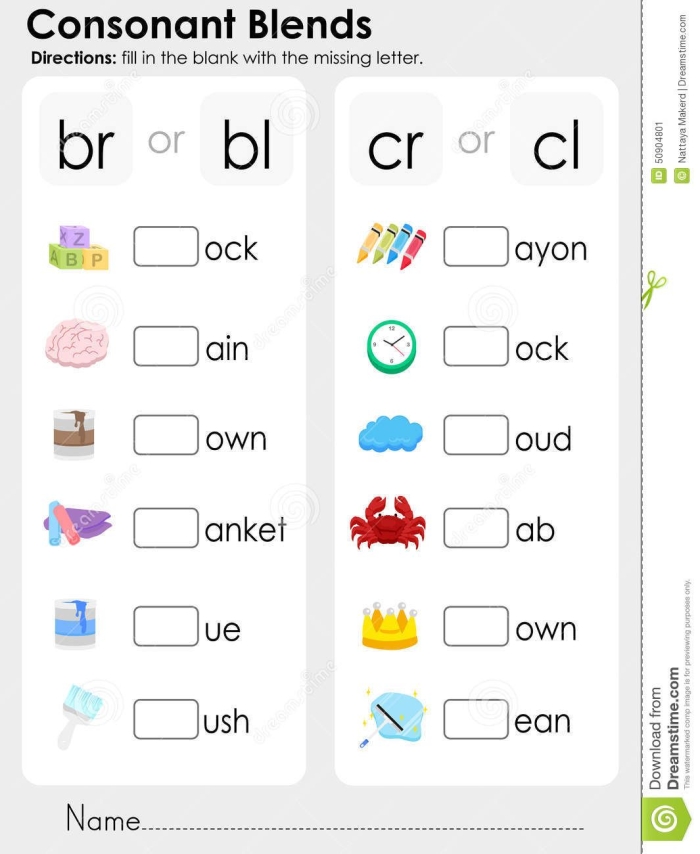
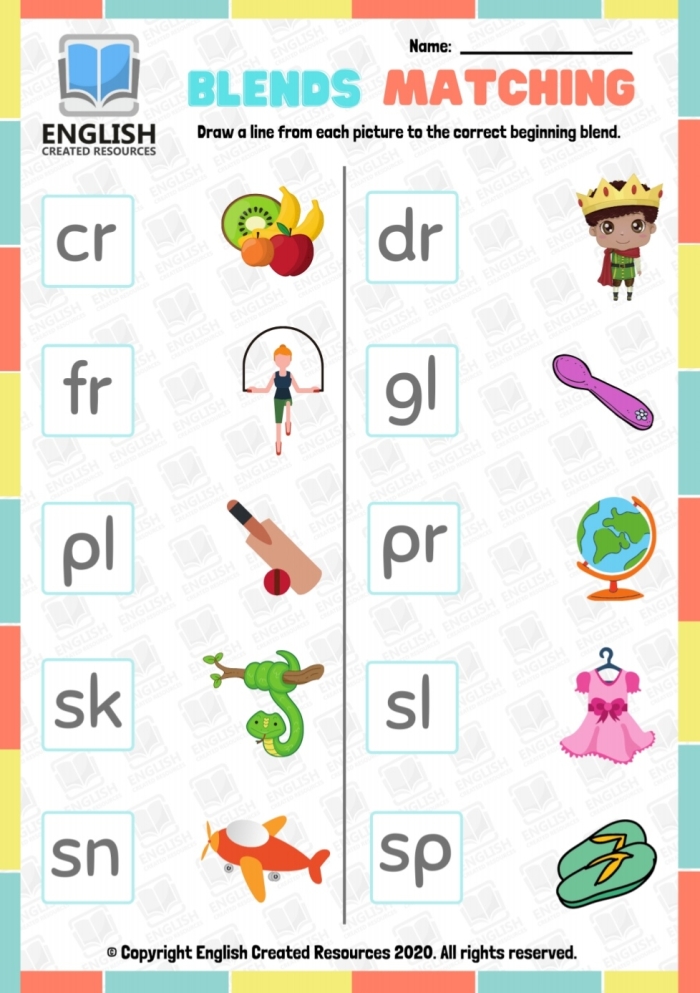
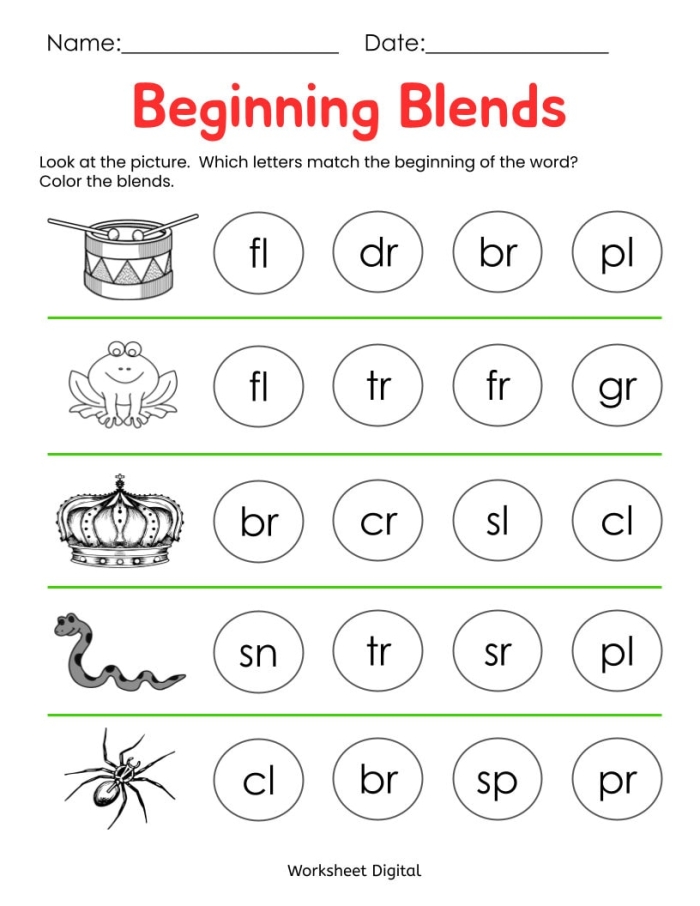
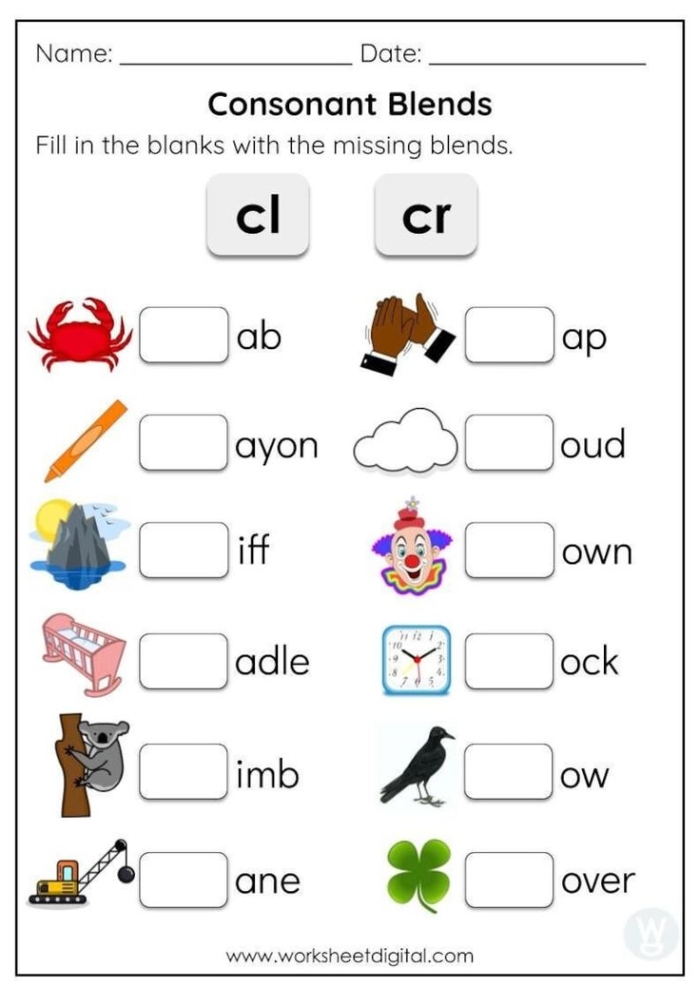
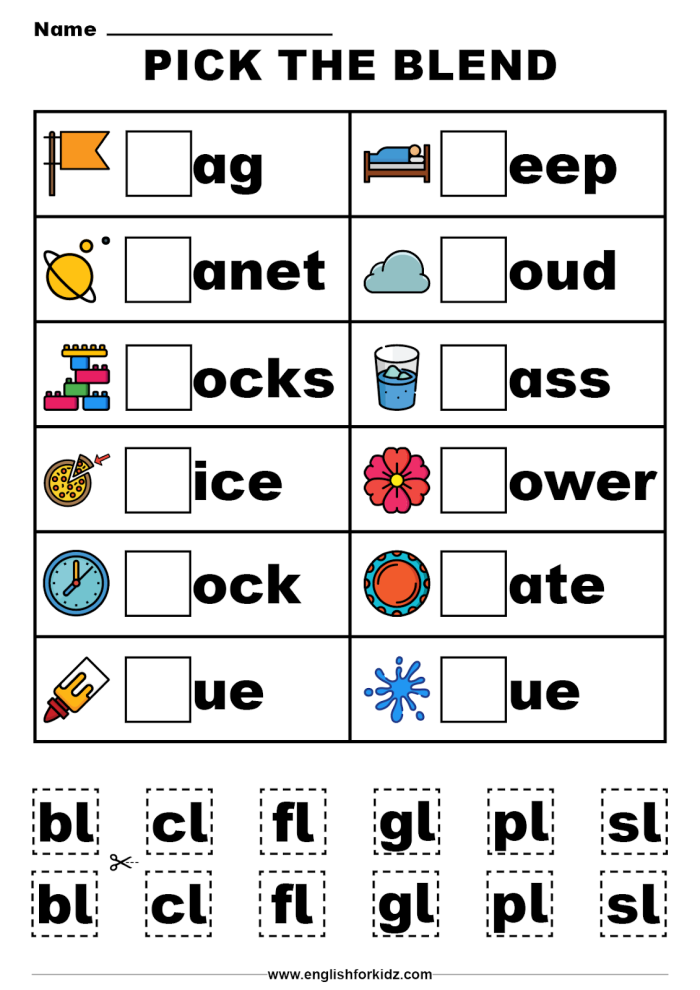
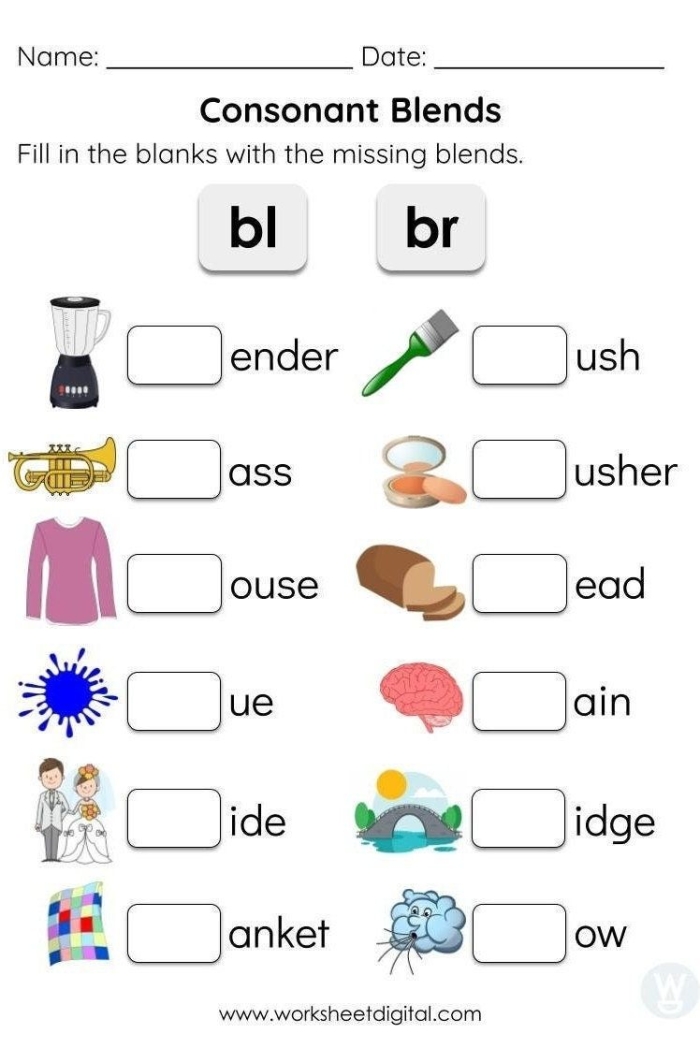
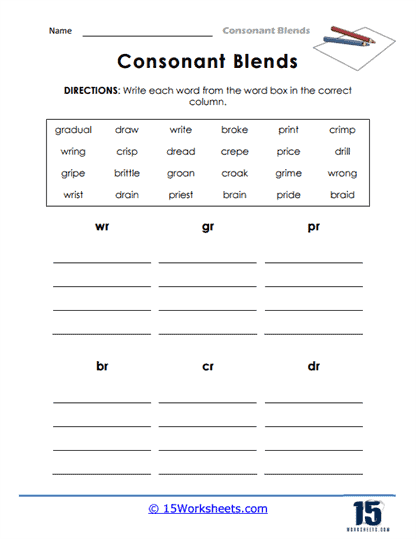
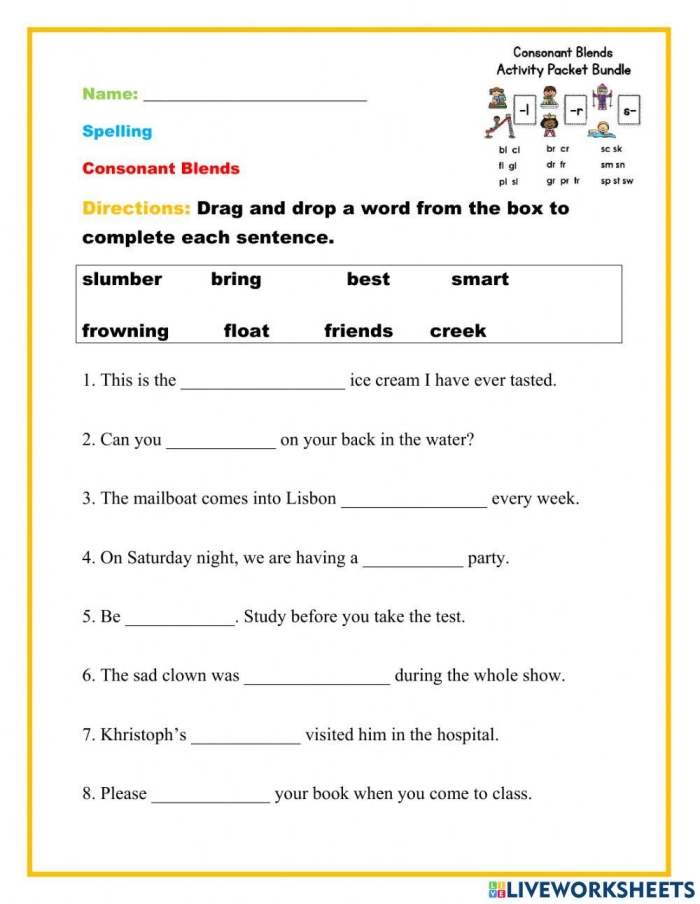
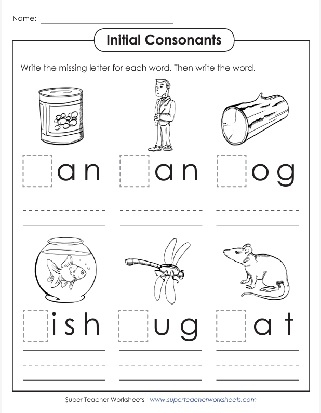
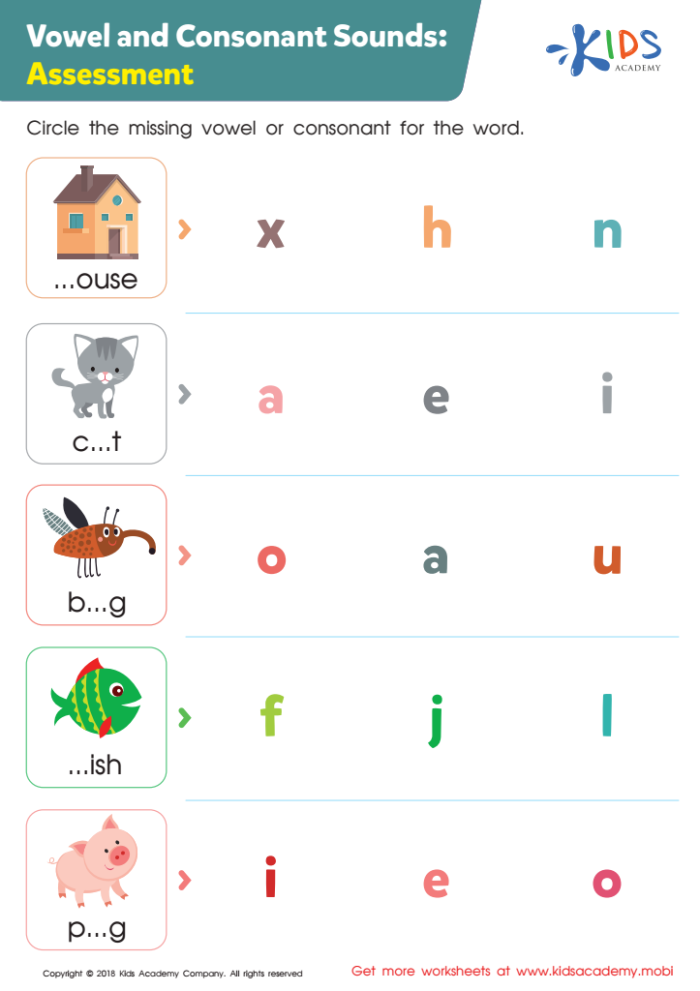
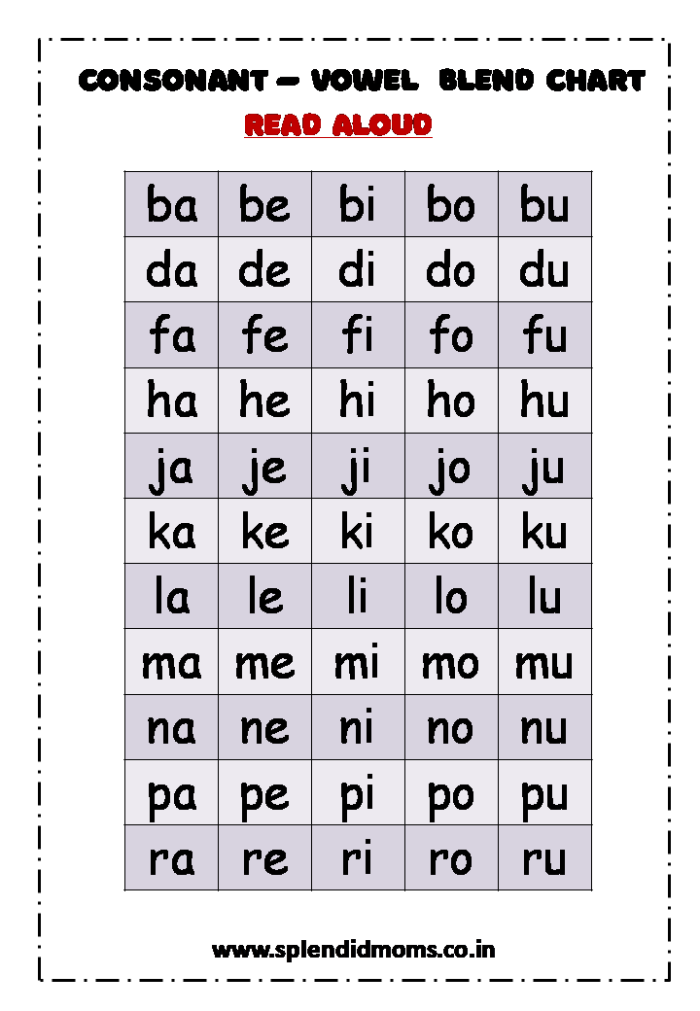
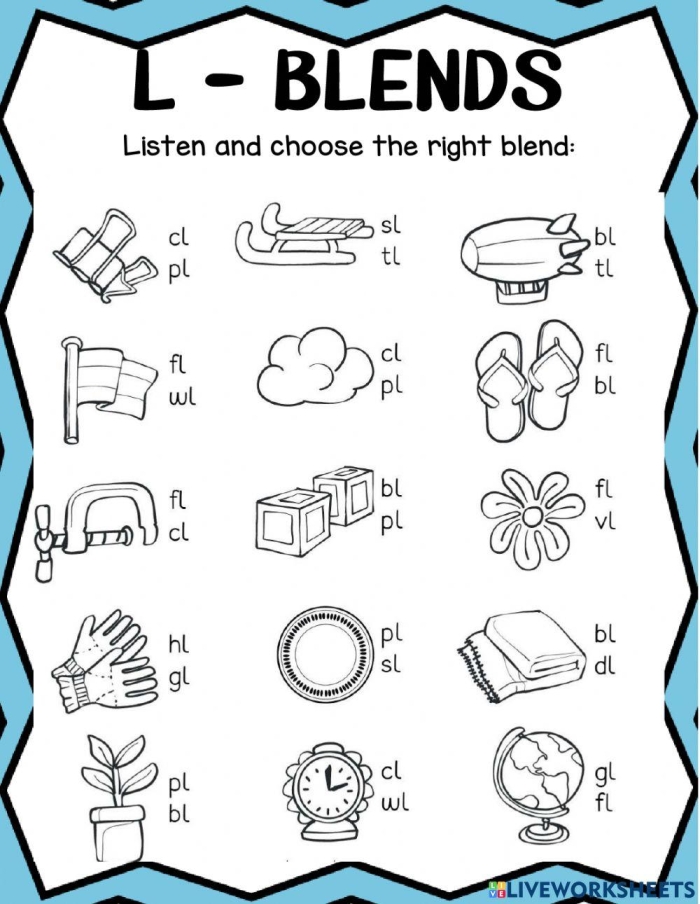
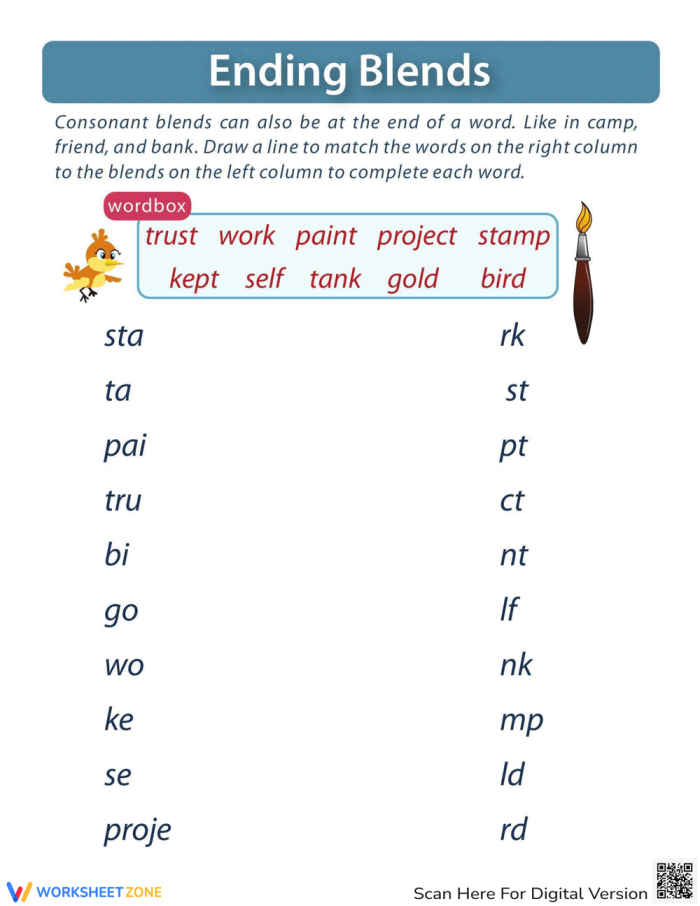
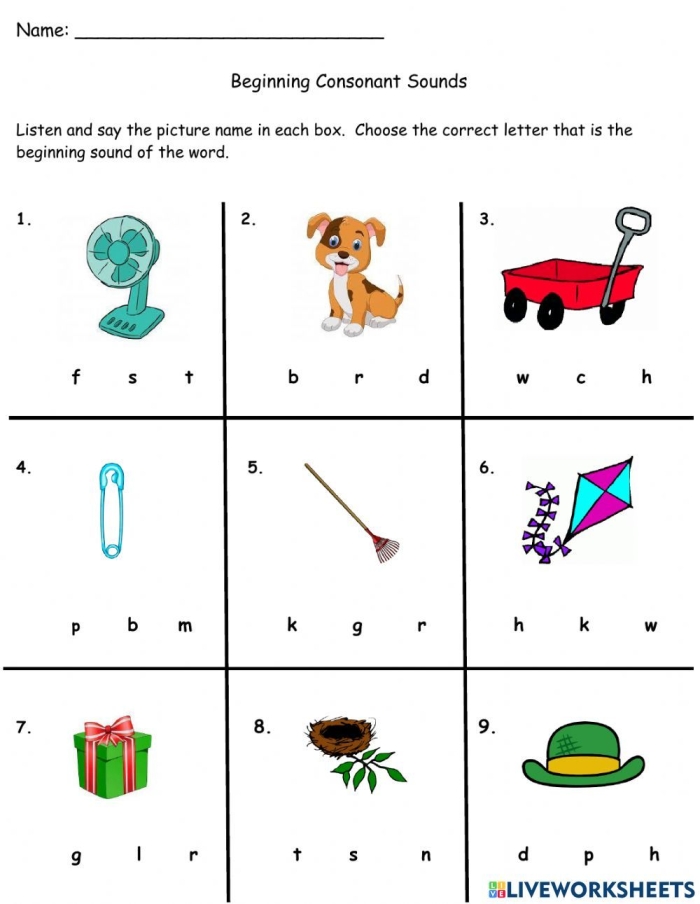
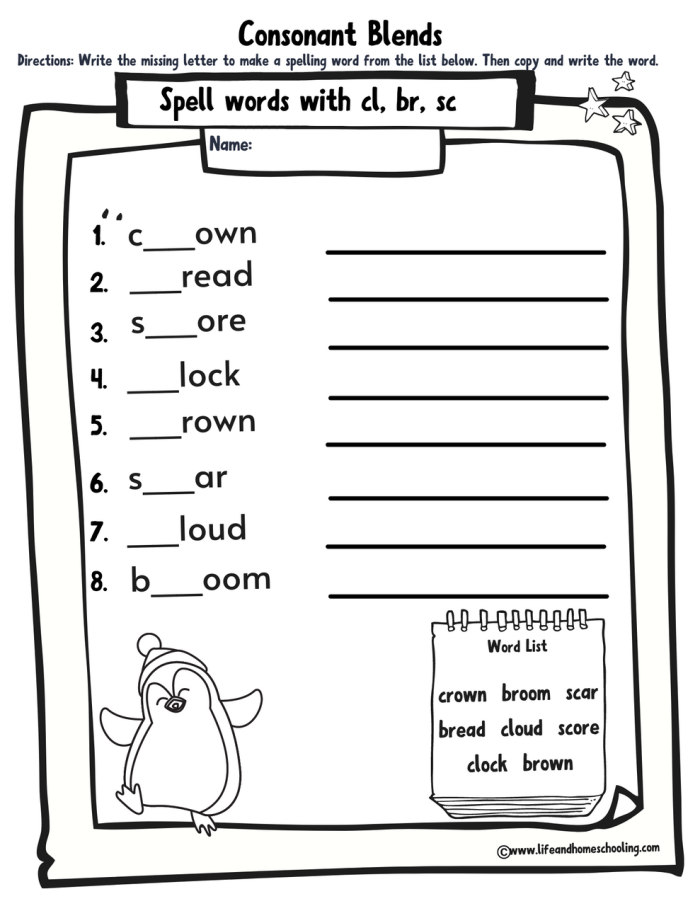
Practical repetition is where the real progress happens. Using phonics worksheets focused on S blends gives children multiple exposures to the same sounds in different contexts. Pair visual learning with activities like counting syllables in words that contain these blends, which reinforces both phonics and phonological awareness simultaneously.
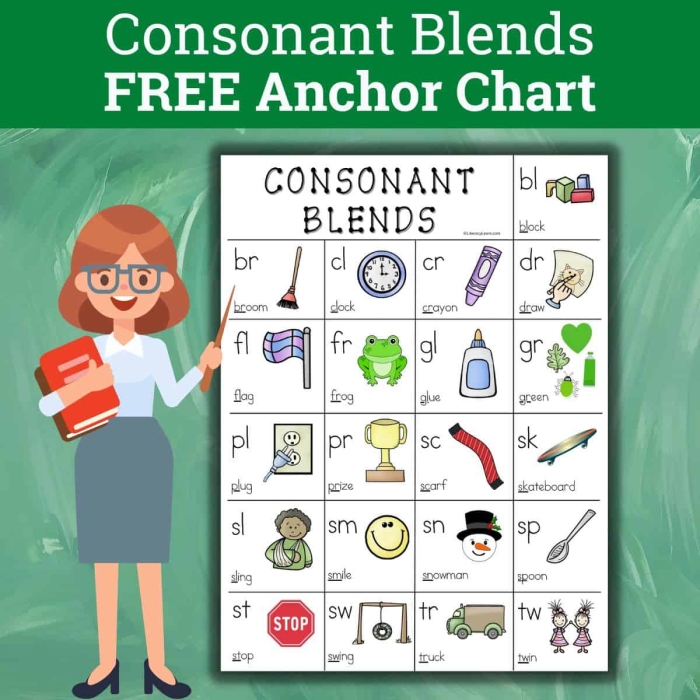
Mix worksheets with verbal practice. Say the words aloud together, exaggerate the blend sound, and have your child repeat. Point to pictures while naming them: “This is a smile. Hear that S-M sound at the start?” The combination of seeing the letters, hearing the sound, and saying it themselves creates stronger neural pathways than any single approach alone.
Incorporate interactive writing activities where your learner traces or writes S blend words alongside drawing pictures. This multisensory approach sticks better in memory. When your kindergarten student masters S blends, they’ve unlocked a pattern that applies to dozens of common words they’ll encounter throughout their reading journey.
Printable Worksheets for Practice