Seventh-grade students often struggle with abstract mathematical thinking, but probability models offer a concrete way to bridge that gap. When students create their own probability models, they move from passive observers to active mathematicians who can actually predict real-world outcomes.
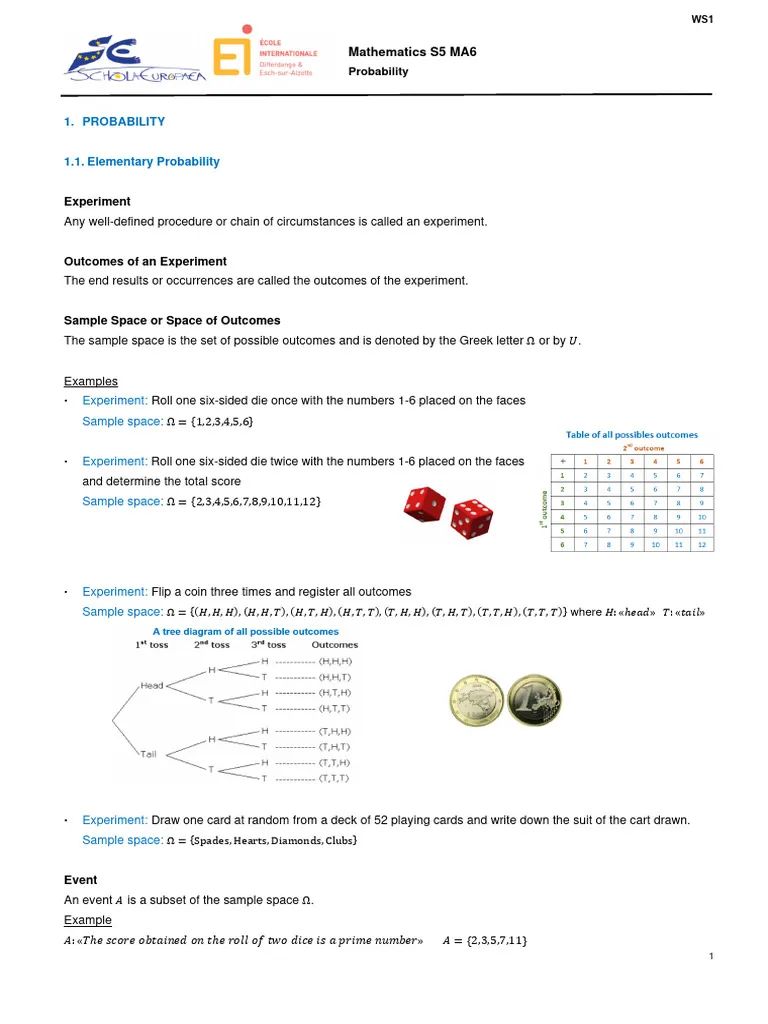
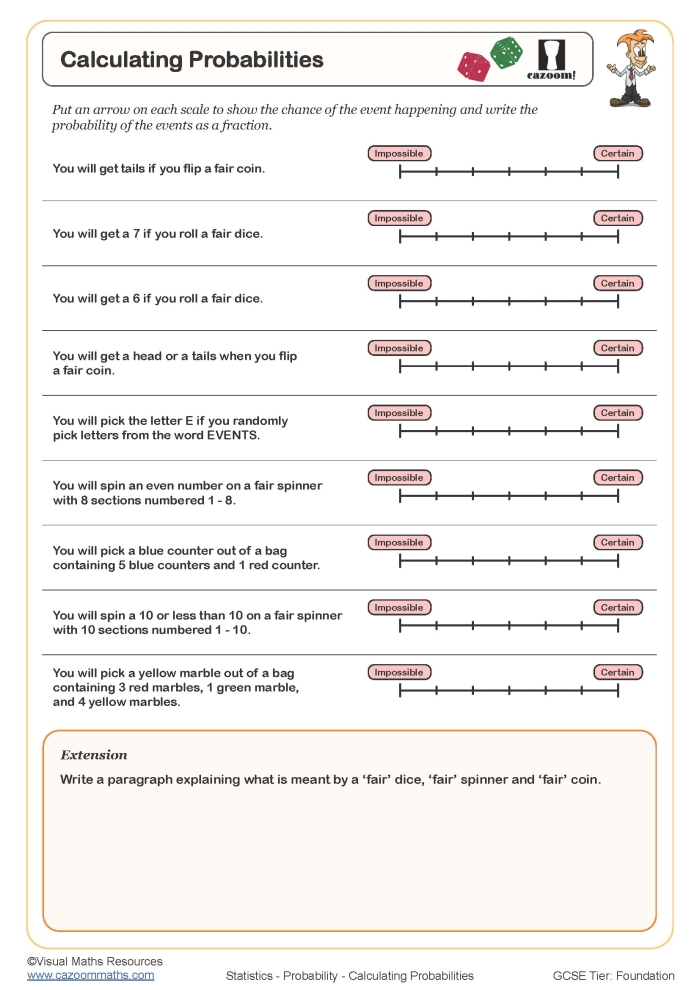
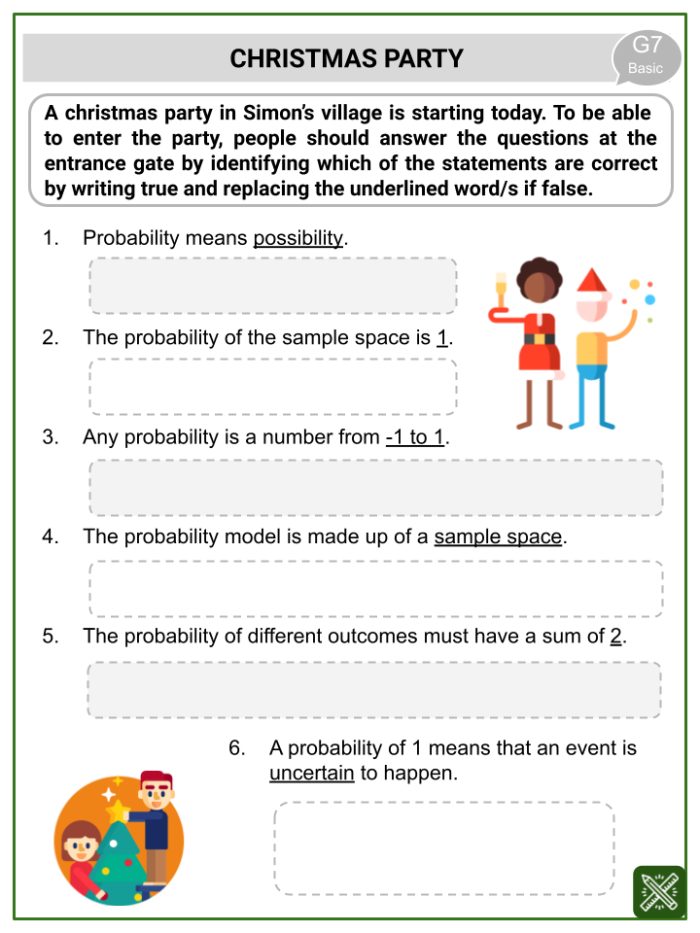
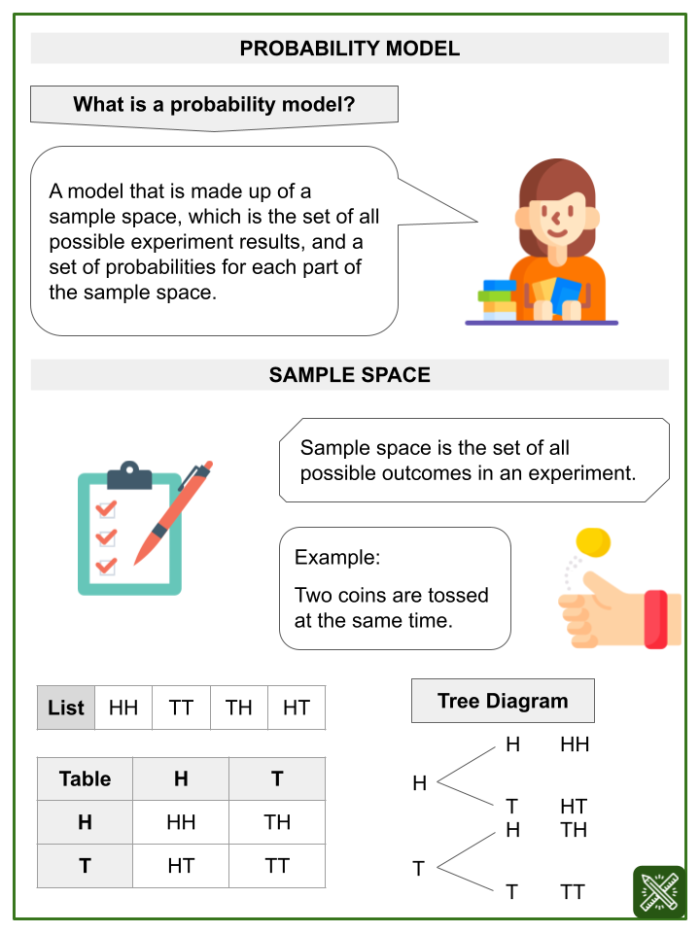
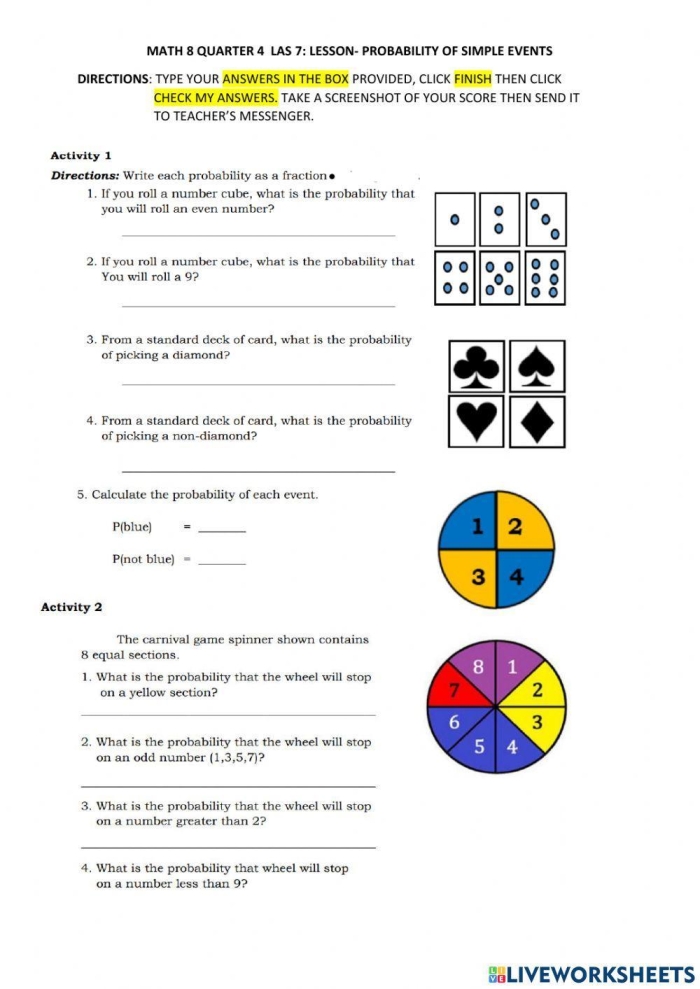
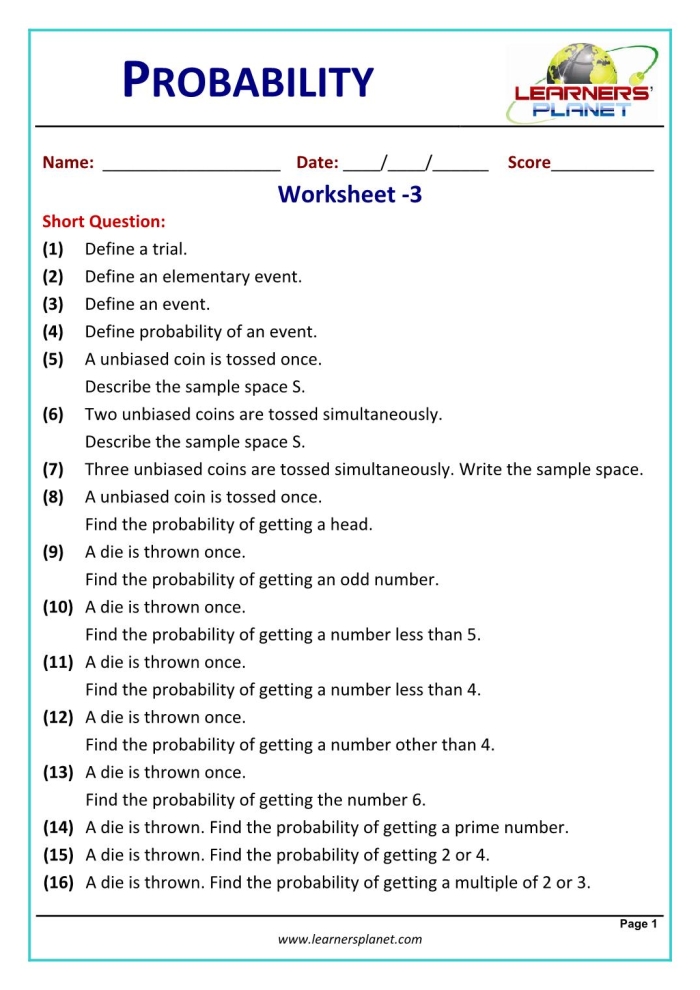
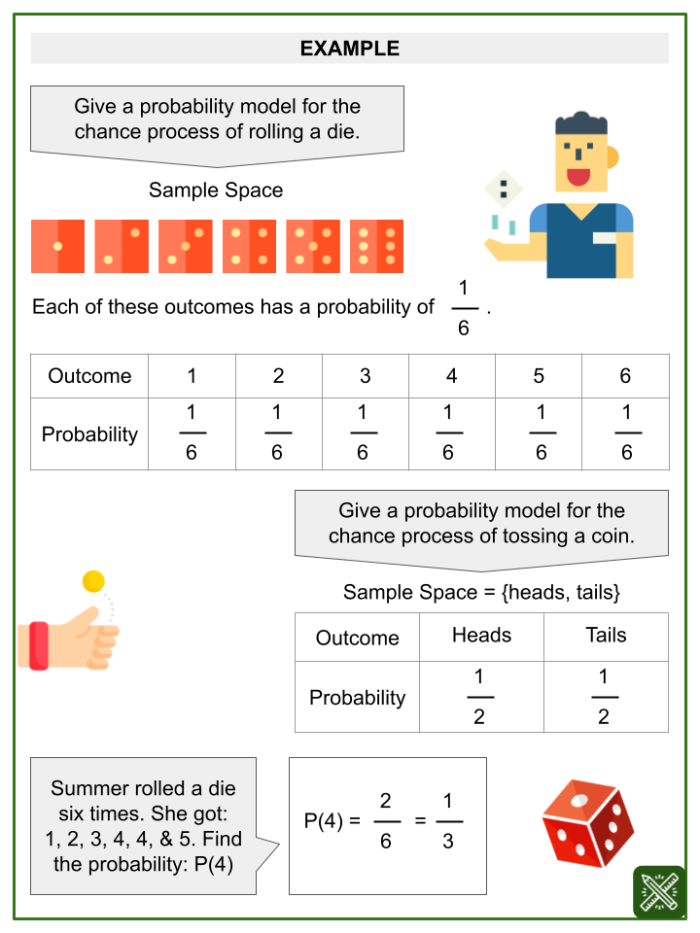
A probability model is essentially a mathematical representation of a random event. In seventh-grade geometry and algebra contexts, students learn to build these models by listing all possible outcomes and assigning probabilities to each one. For example, if a student rolls a fair six-sided die, they create a model showing that each outcome (1 through 6) has an equal probability of one-sixth. This foundation becomes essential when students later tackle more complex scenarios involving multiple events or conditional probabilities.
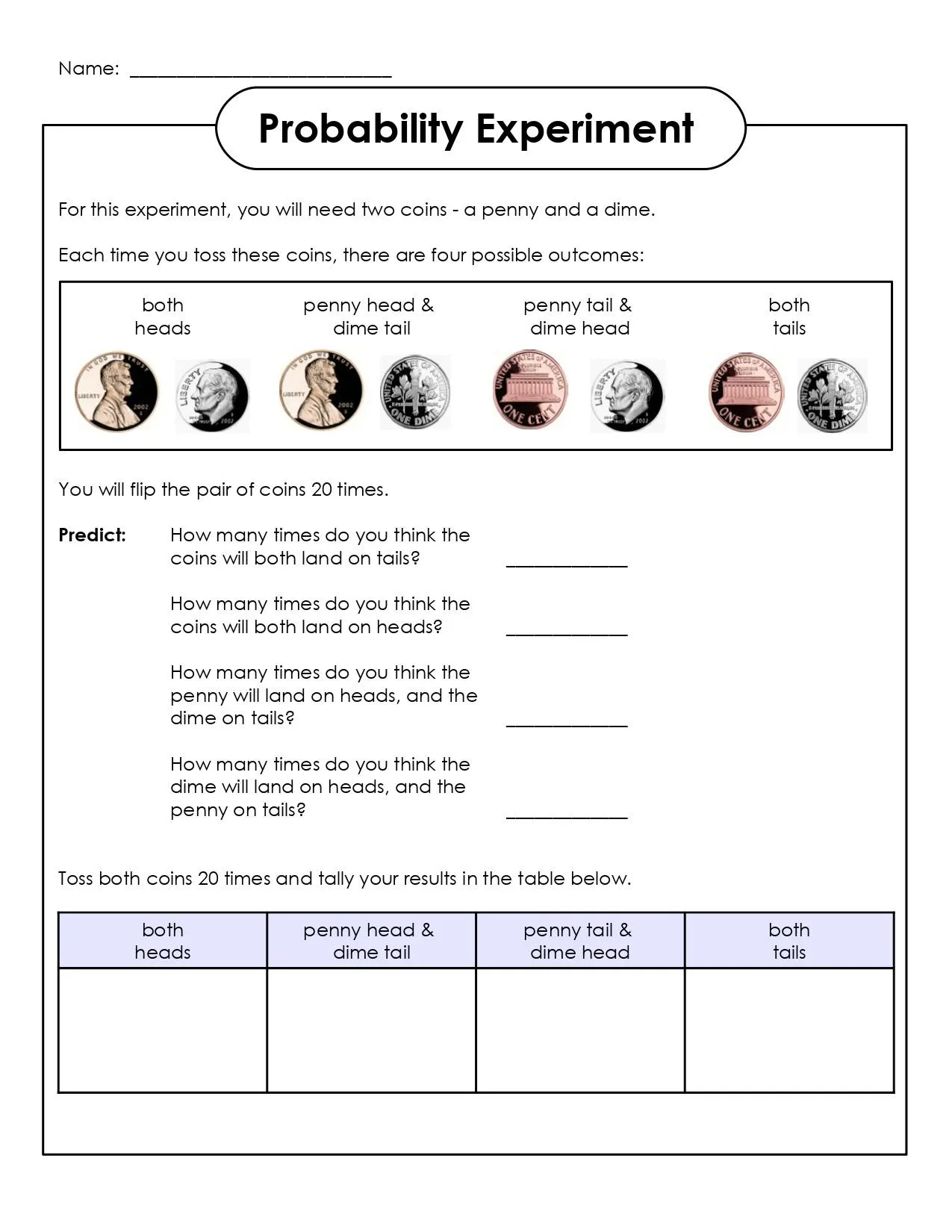
The practical value emerges when students use their models to make predictions. Rather than guessing, they calculate expected outcomes based on their mathematical framework. A student might predict how many times a coin will land on heads in 100 flips, then test their prediction through actual trials. This cycle of modeling, predicting, and verifying builds genuine mathematical reasoning.
Creating probability models also connects naturally to other seventh-grade math skills. Students reinforce their understanding of fractions and ratios when they express probabilities, and they practice working with linear expressions when calculating expected values. Some worksheets even combine probability with compound events and ratios, deepening the mathematical connections students make.
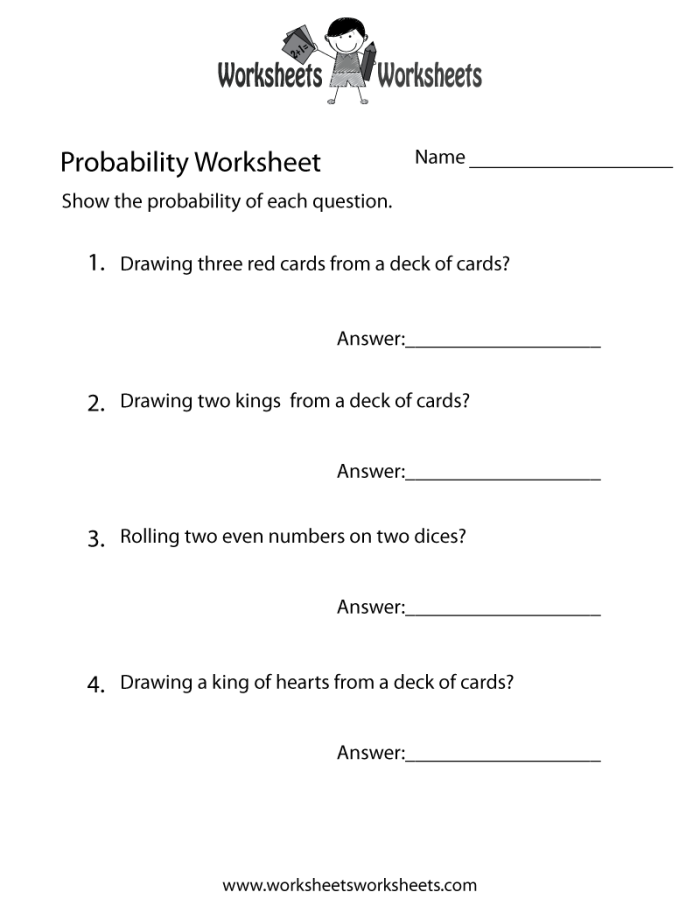
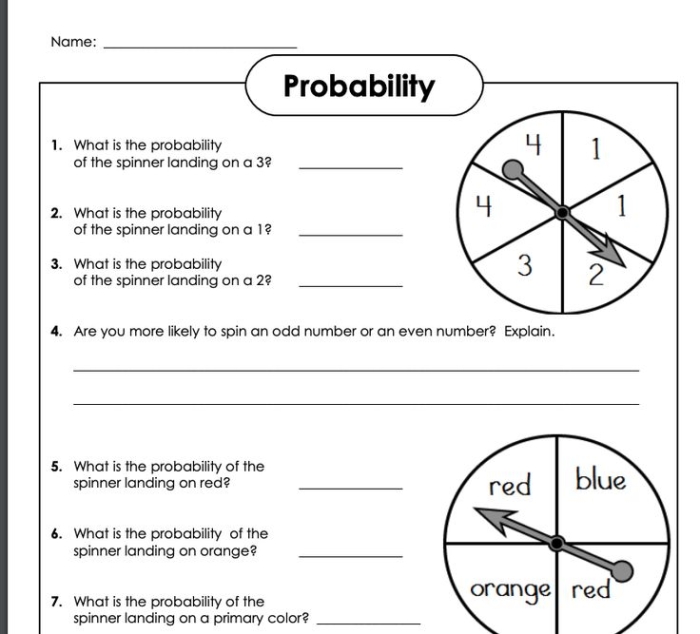
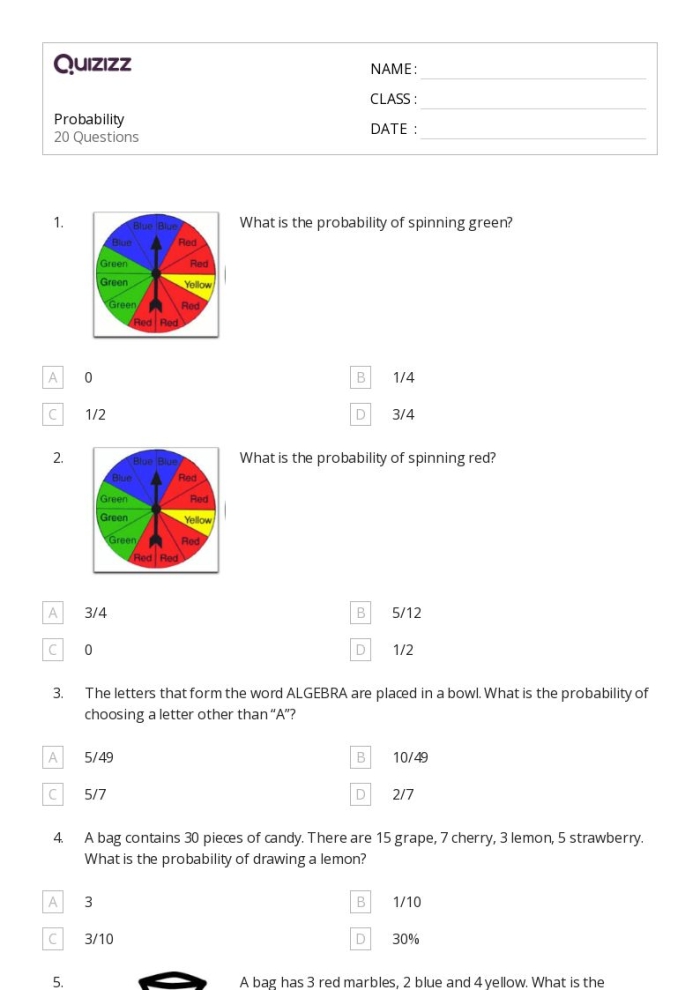
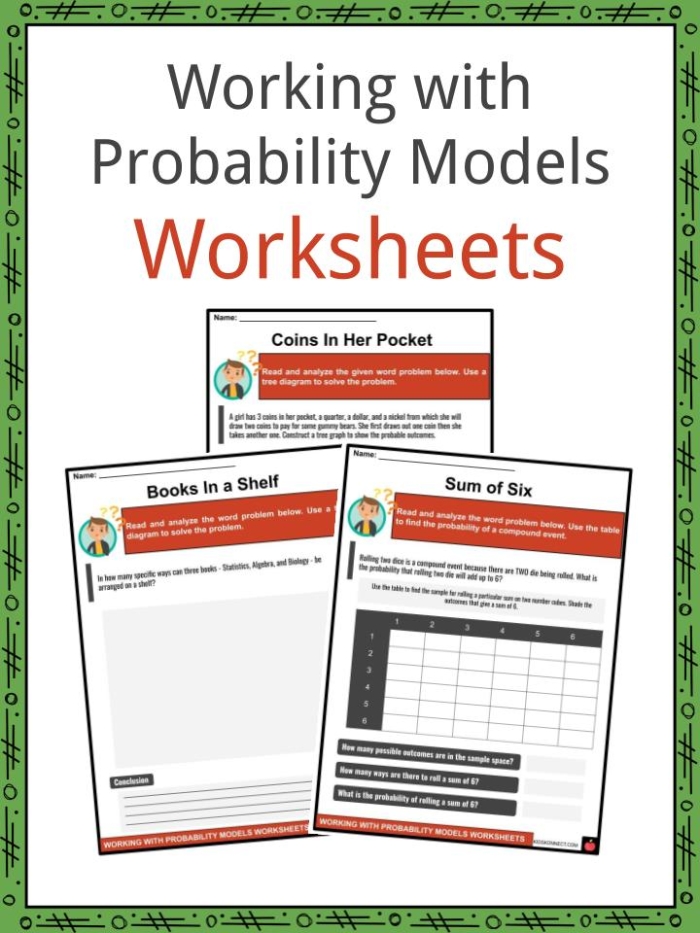
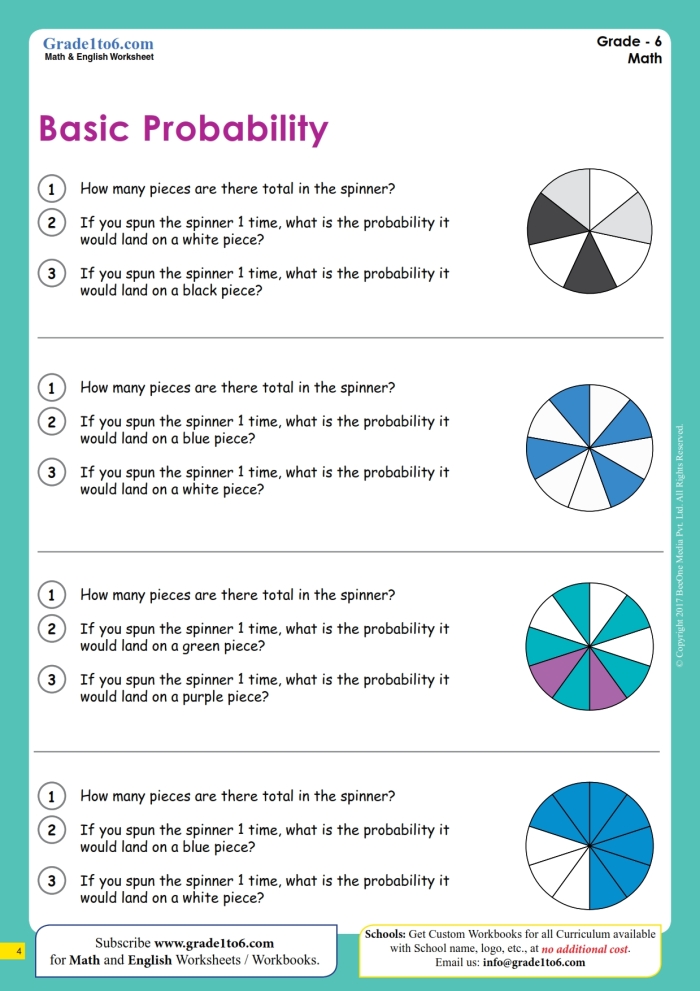
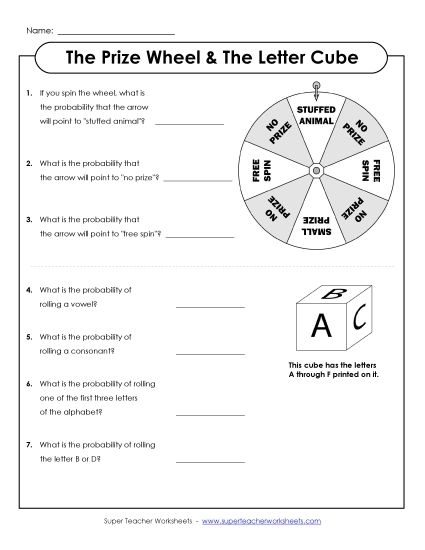
The beauty of probability model worksheets lies in their versatility. Teachers can present scenarios ranging from simple coin tosses to spinner experiments to game simulations. Students develop confidence as they realize they can predict uncertain outcomes using mathematical logic rather than intuition alone.
Start Practicing with These Worksheets