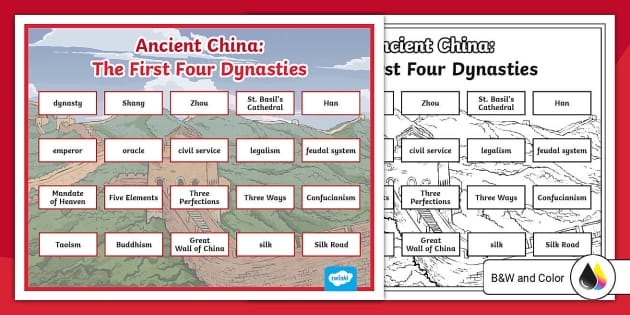
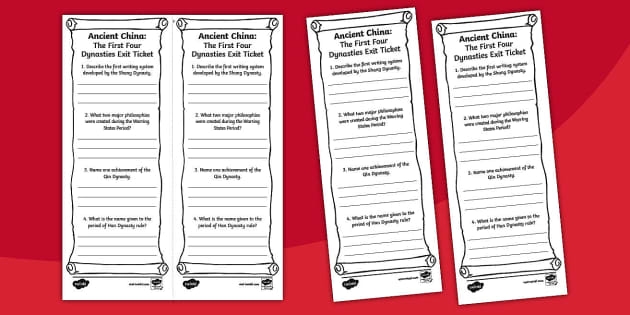
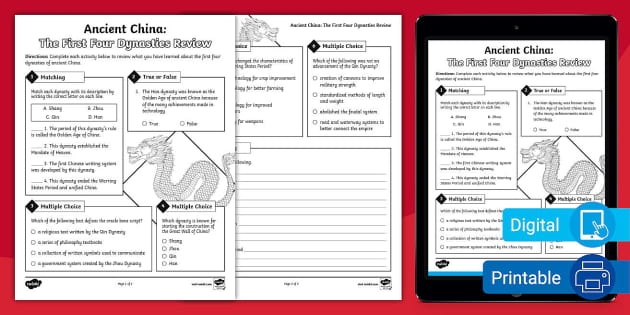
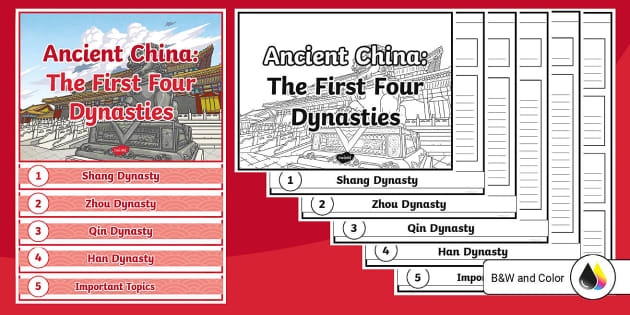
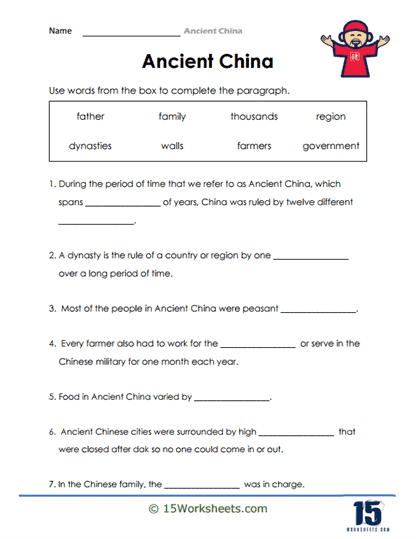
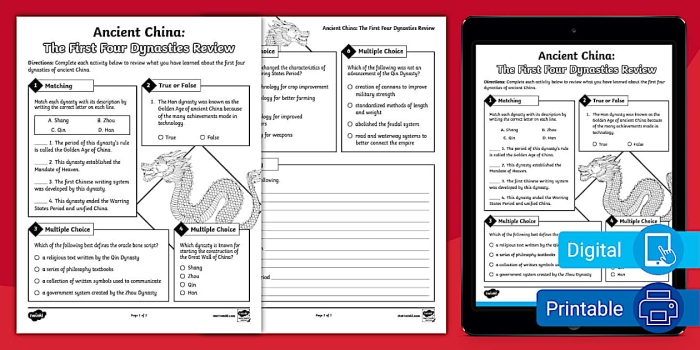
Learning about ancient China requires understanding how four successive dynasties shaped one of the world’s oldest continuous civilizations. When sixth graders study ancient China and the first four dynasties, they encounter a progression of rulers and innovations that still influence the world today.
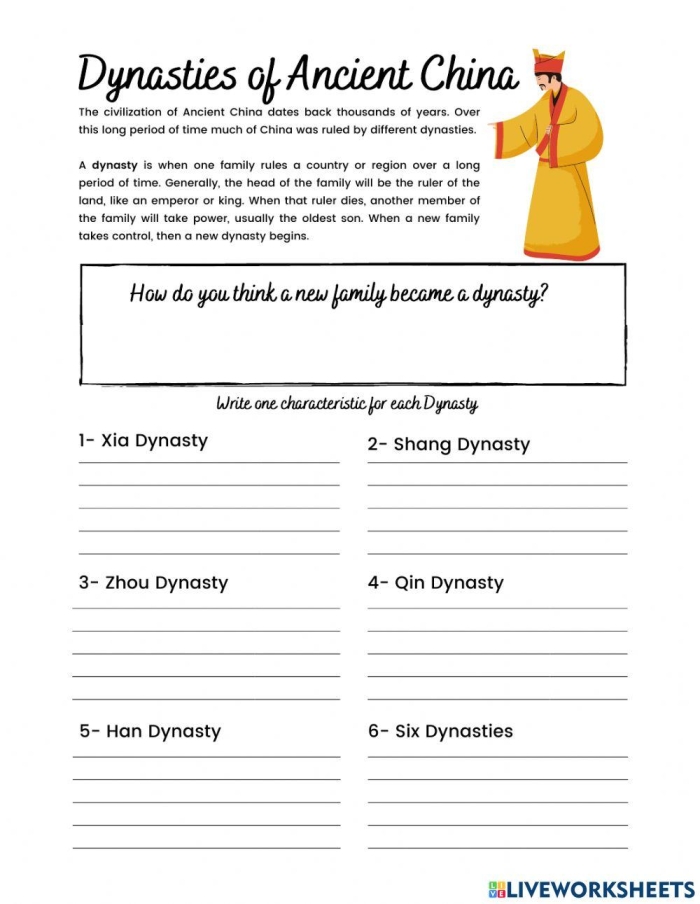
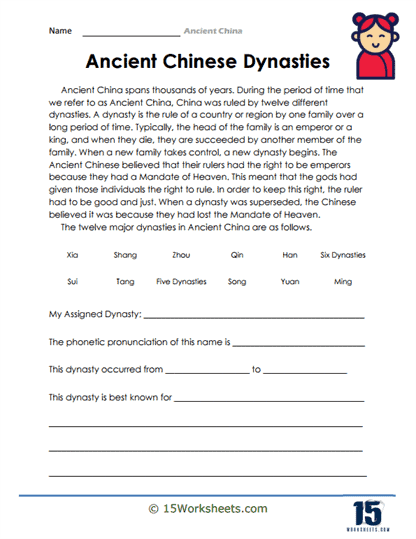
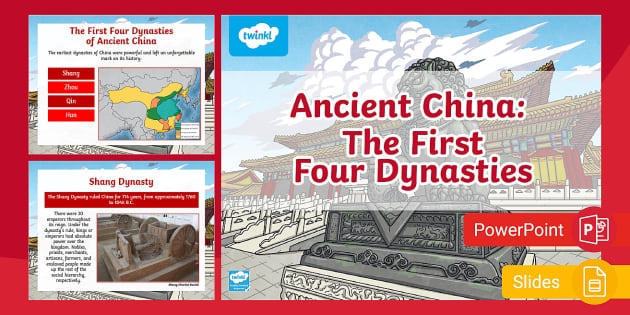
The Xia Dynasty, though difficult to verify archaeologically, represents the legendary beginning of Chinese civilization. Students learn that this period established the foundation for what would become a sophisticated system of government and culture.
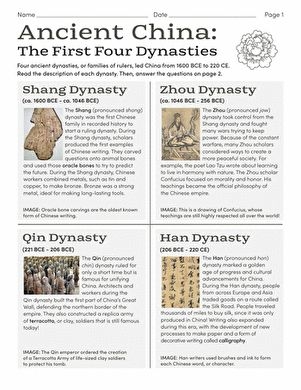
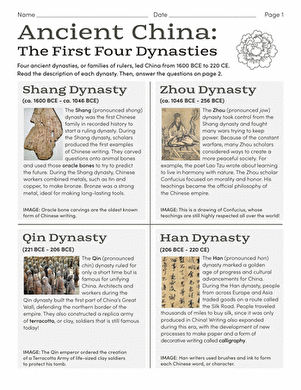
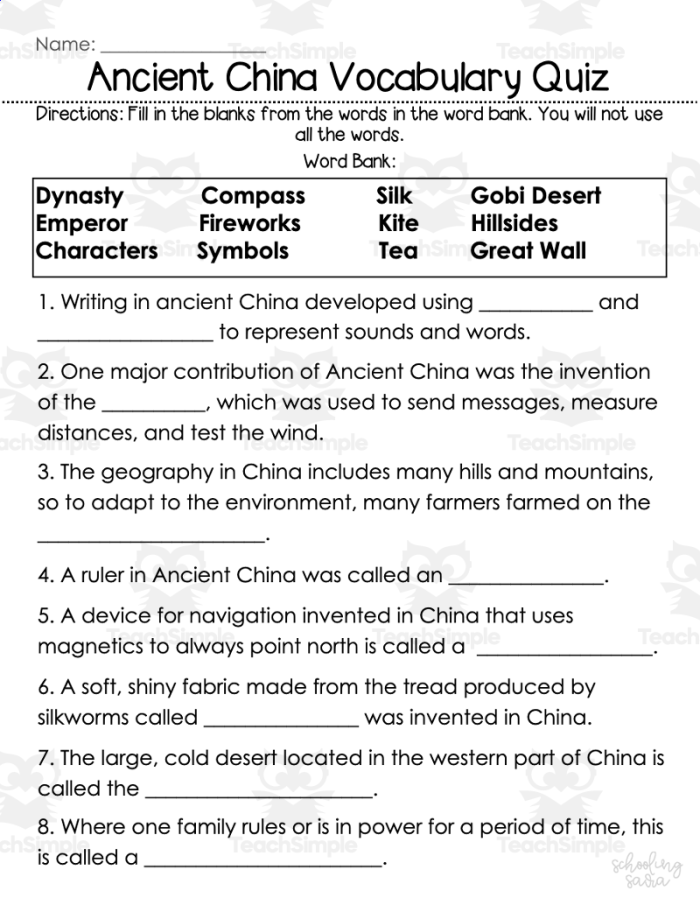
The Shang Dynasty followed, and this is where historical evidence becomes clearer. The Shang people developed oracle bones, carved with early Chinese writing, which allowed them to communicate with ancestors and gods. This writing system evolved into modern Chinese characters, making it one of the few ancient writing systems still in use.
The Zhou Dynasty introduced the concept of the Mandate of Heaven, a political philosophy explaining why rulers held power. This idea shaped Chinese governance for centuries and taught students how ancient peoples justified authority through spiritual and moral reasoning.
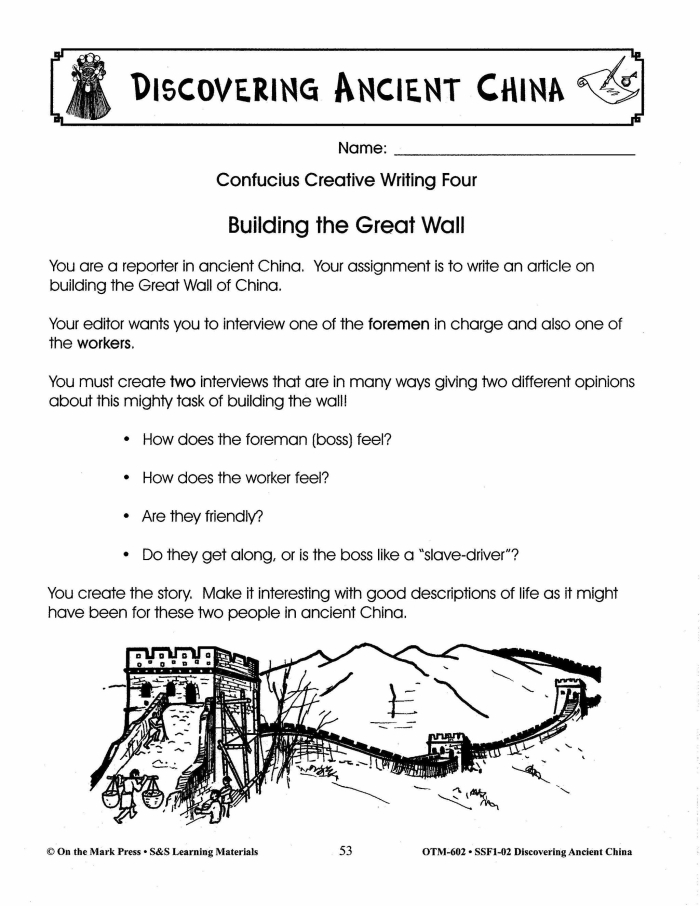
Finally, the Qin Dynasty unified China under one ruler and standardized measurements, currency, and writing. The Qin built the early foundation of the Great Wall and created the famous Terracotta Army, a collection of thousands of clay soldiers meant to protect the emperor in the afterlife.
To help students organize their learning, teachers often use structured assignments. A revision checklist for informational writing helps students refine essays about these dynasties, while an argument writing guide on removing irrelevant evidence teaches them to construct stronger claims about which dynasty made the most significant contributions. These writing tools ensure students develop both historical knowledge and communication skills simultaneously.
Practice with These Worksheets