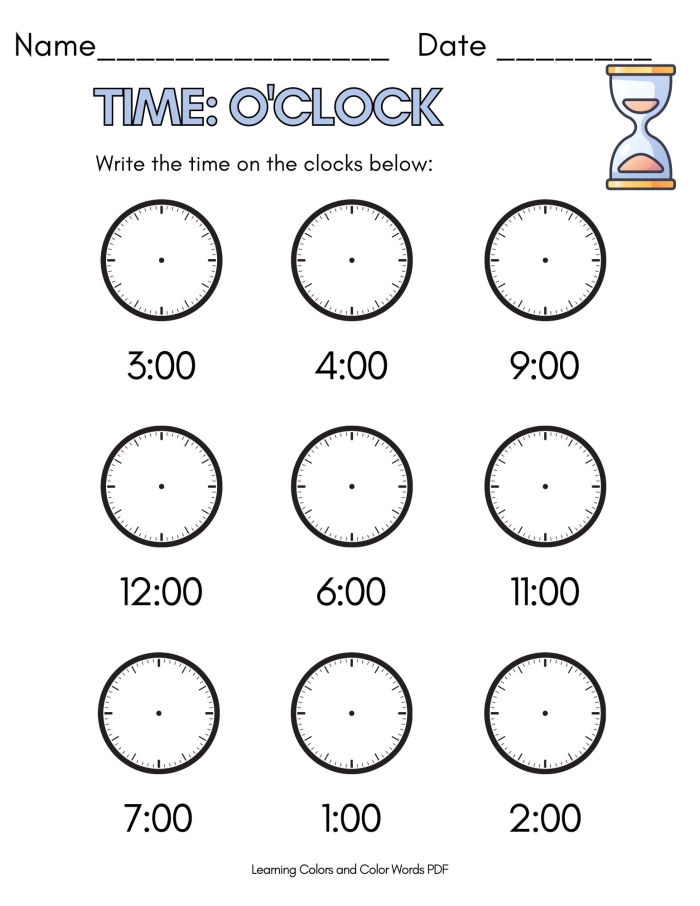
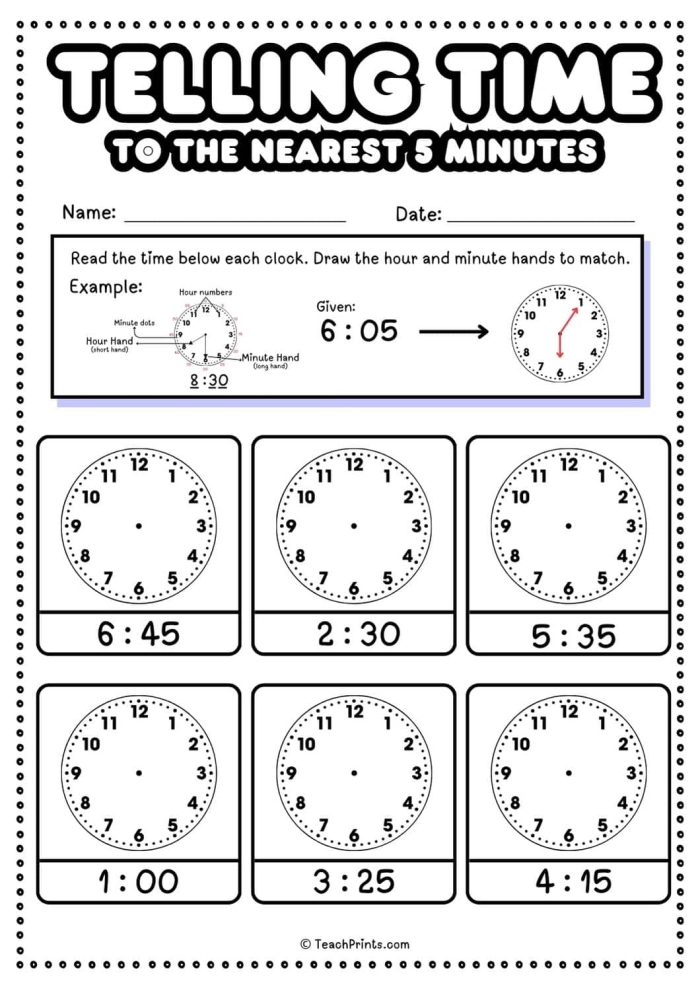
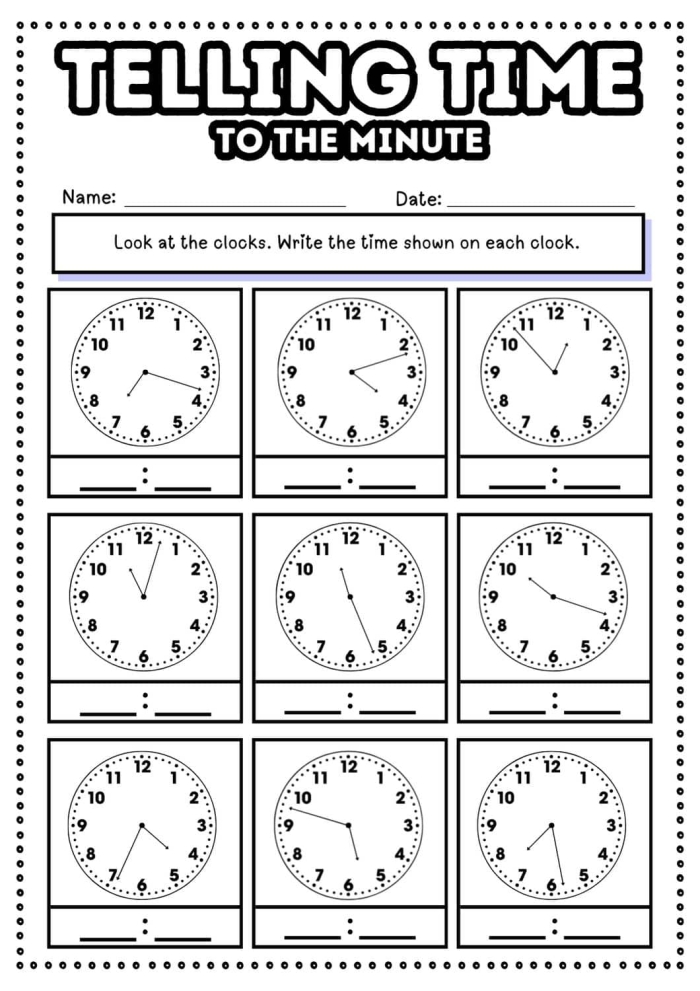
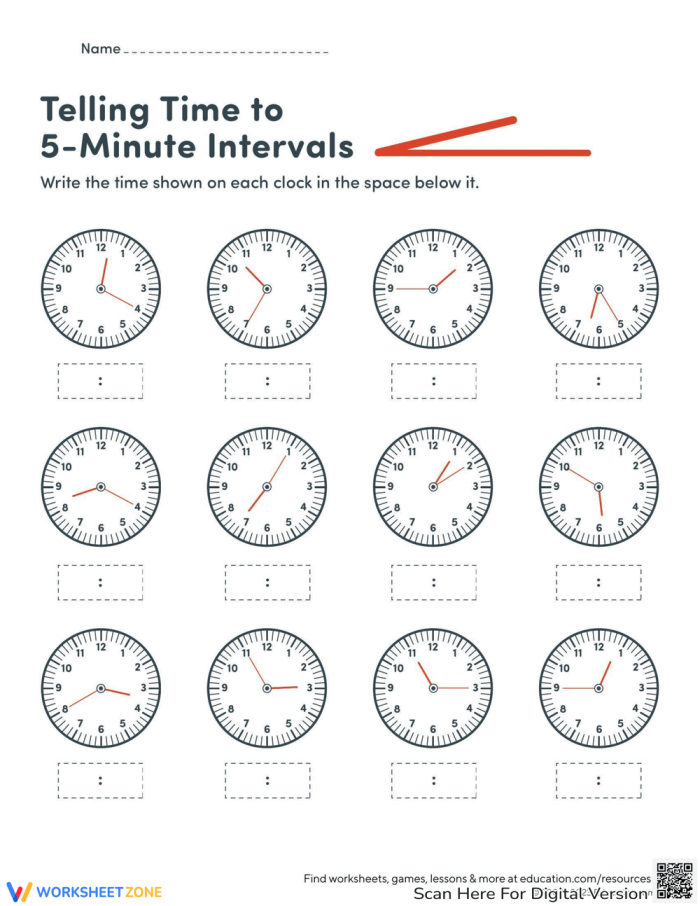
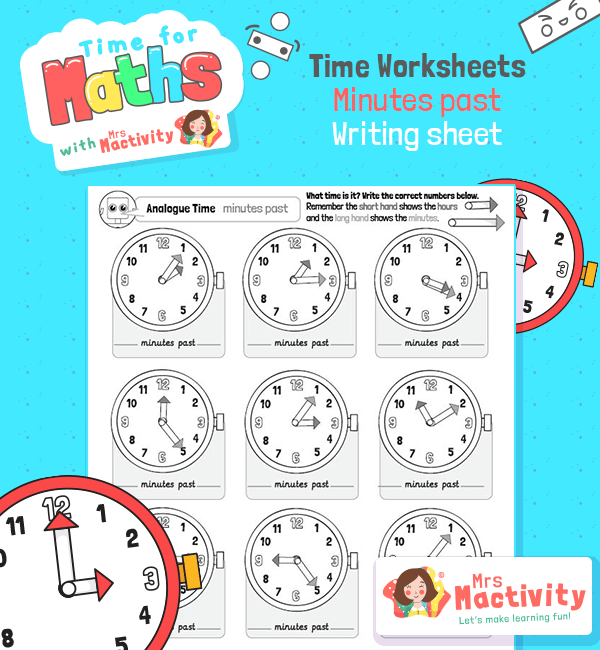
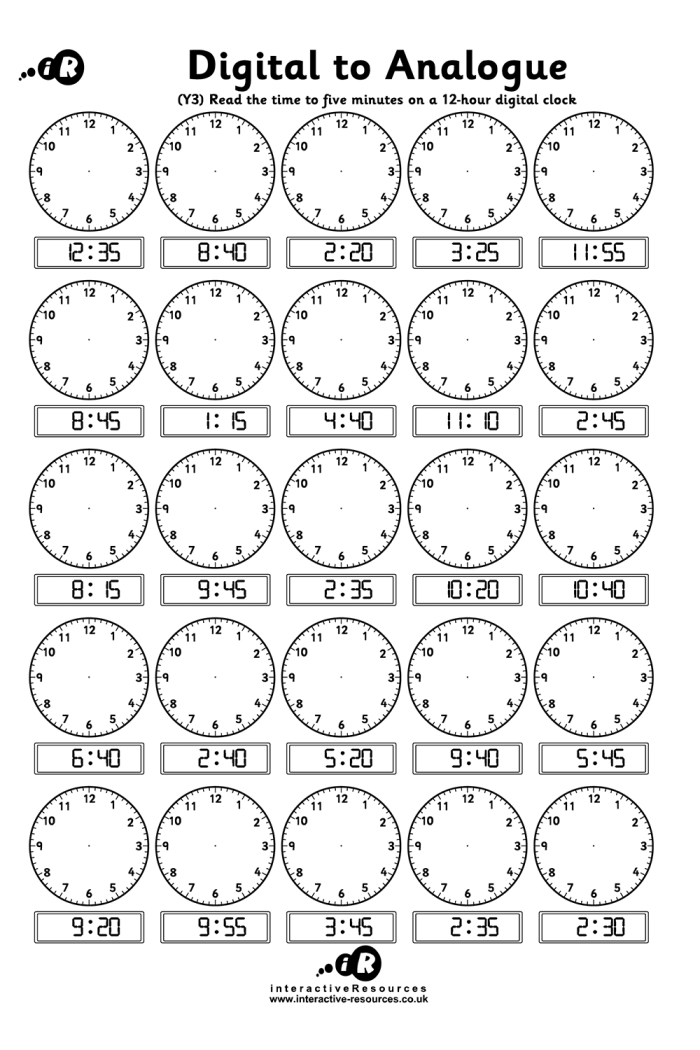
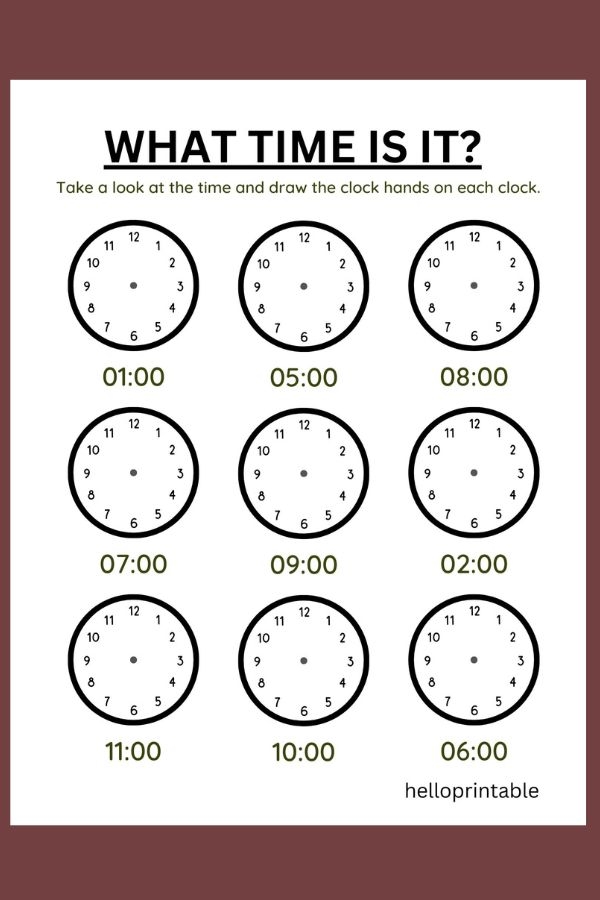
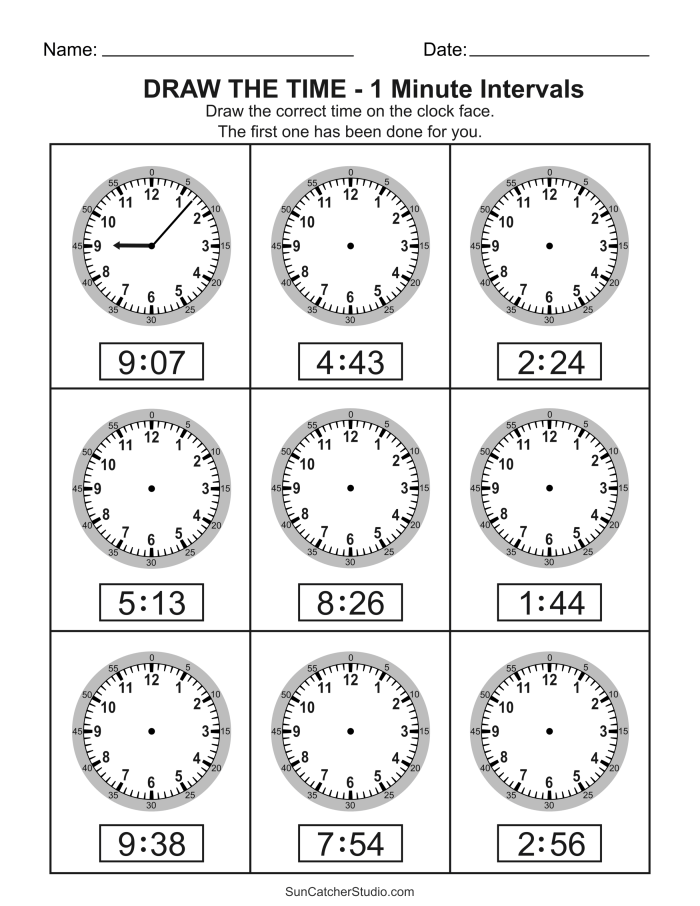
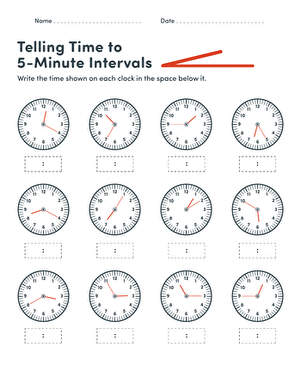
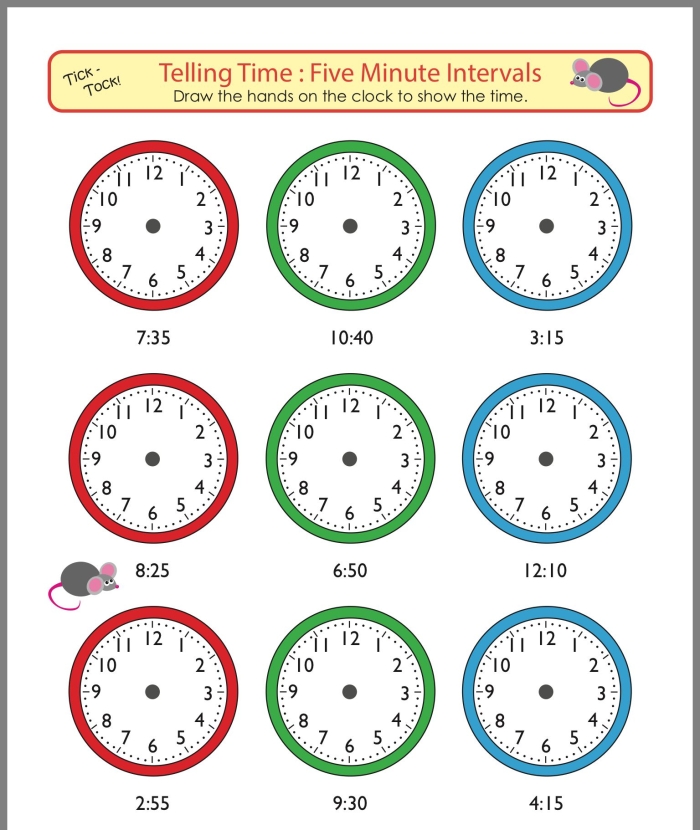
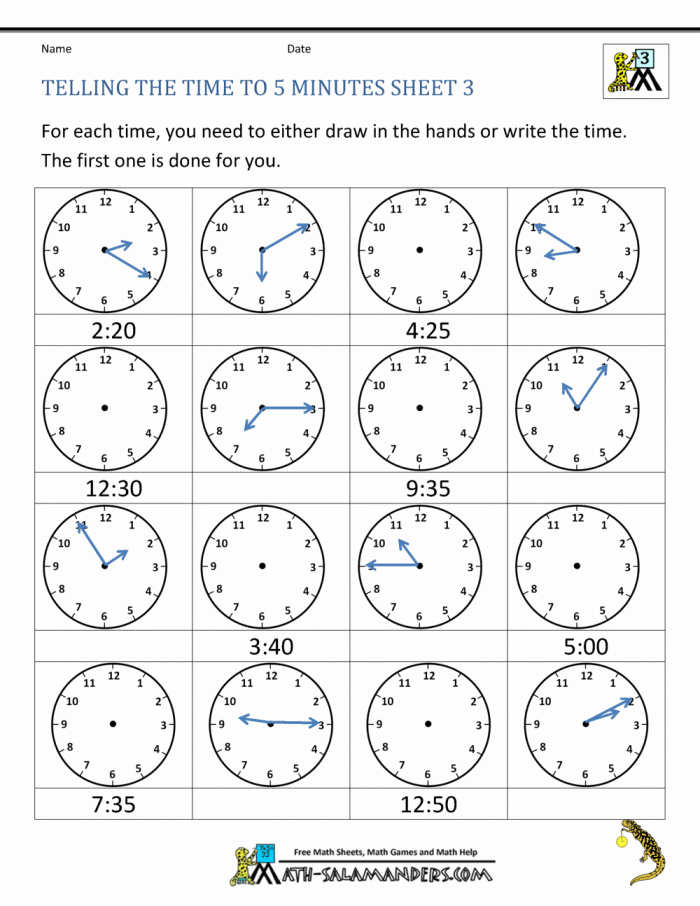
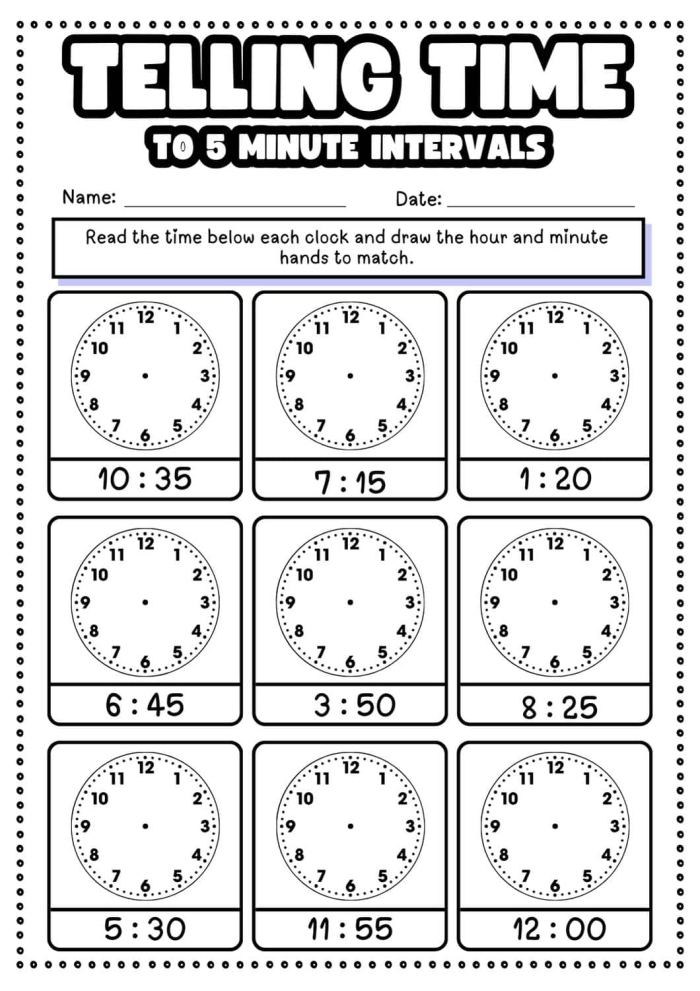
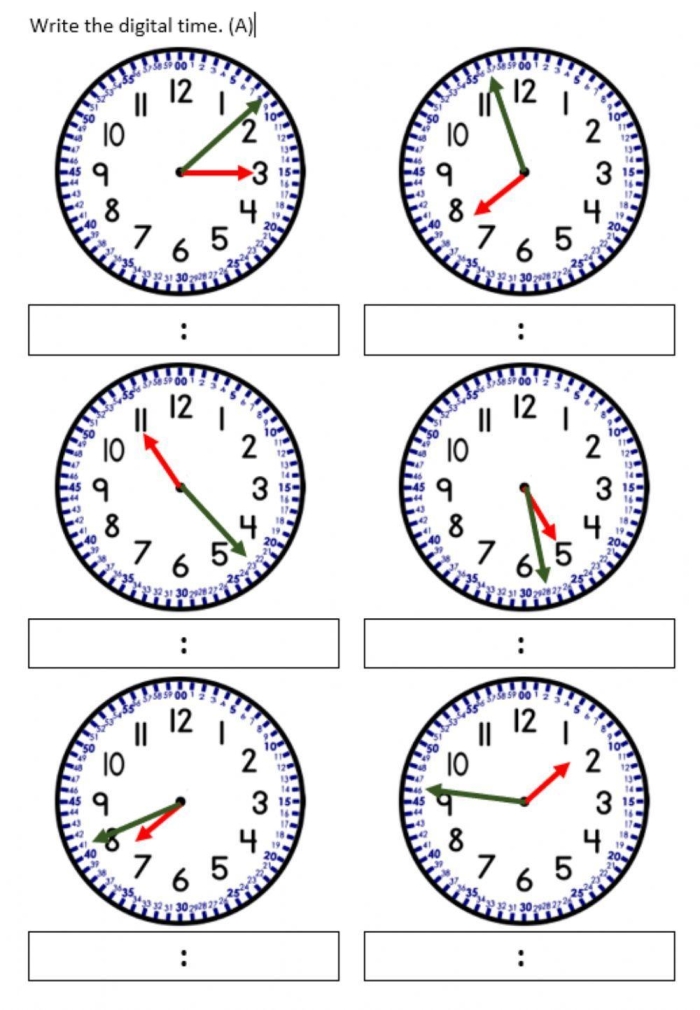
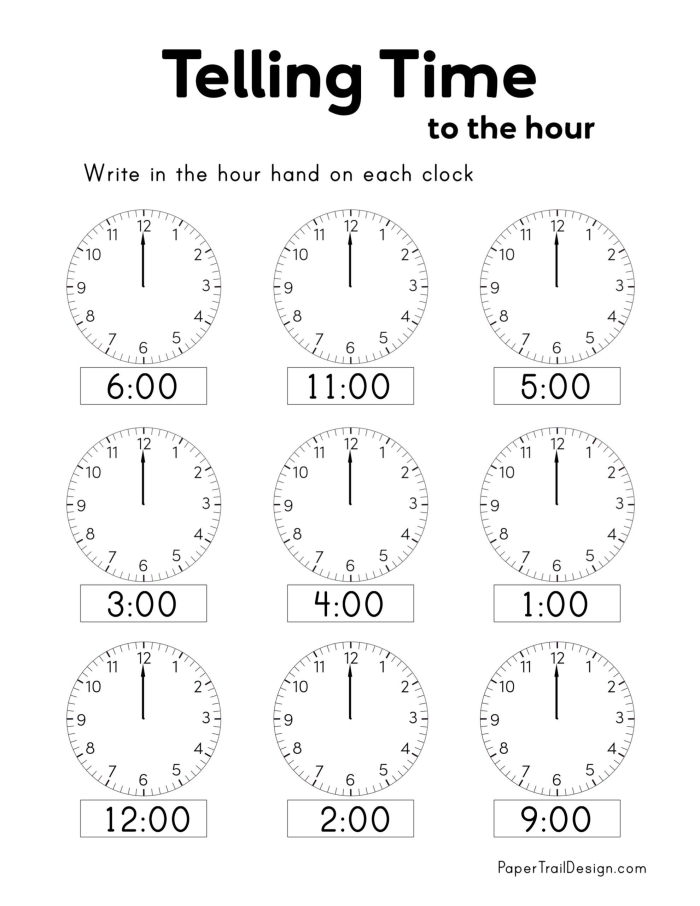
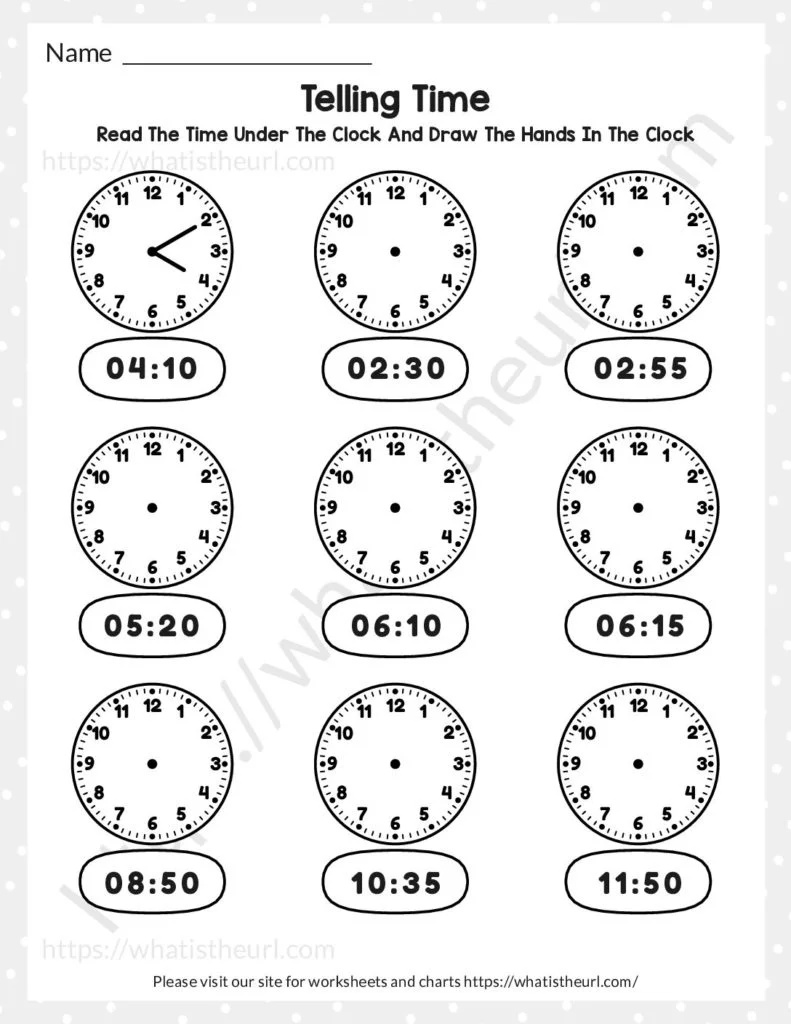
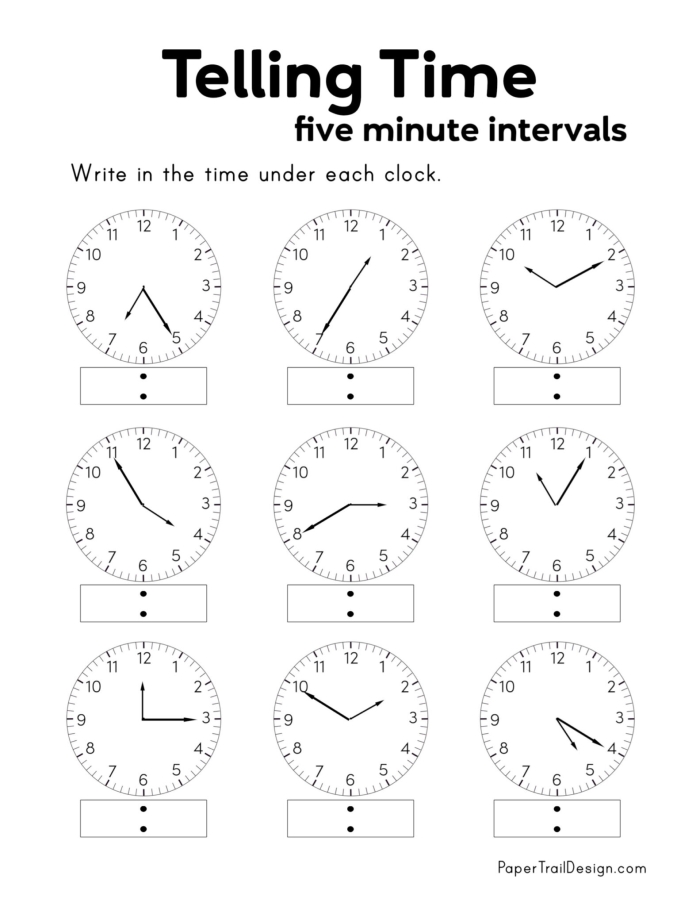
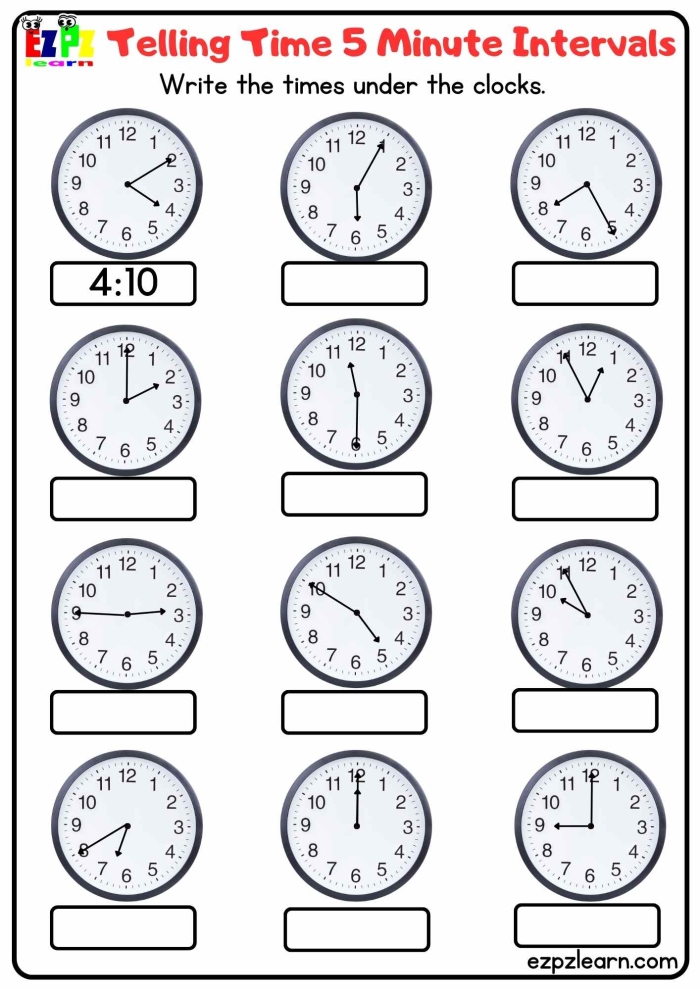
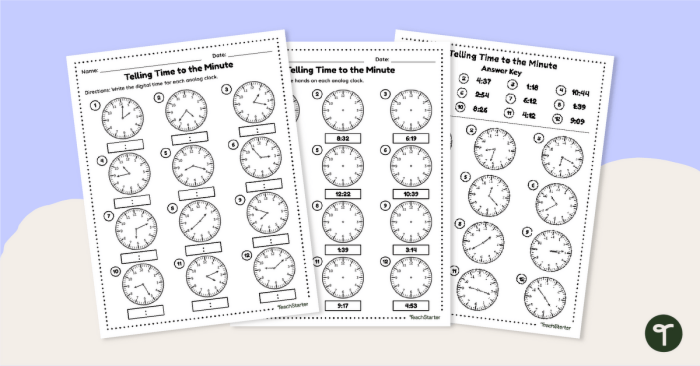
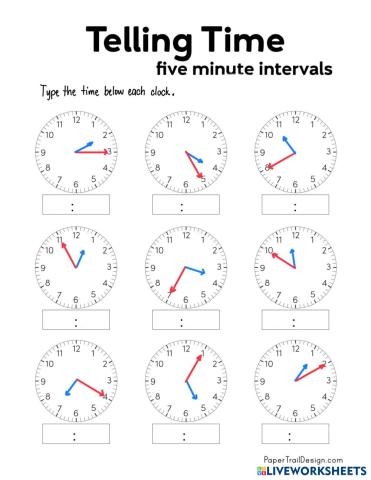
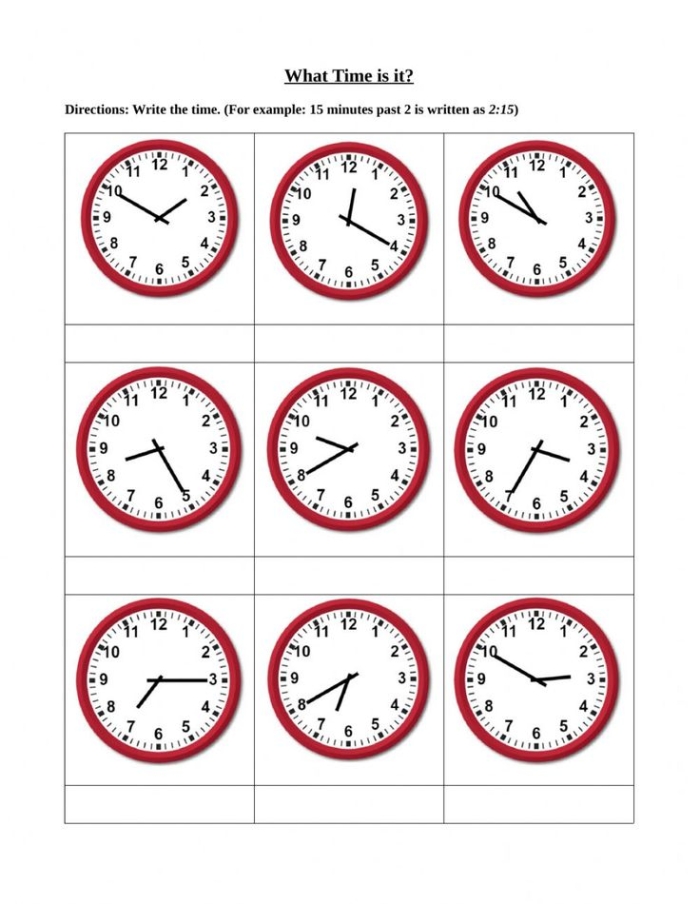
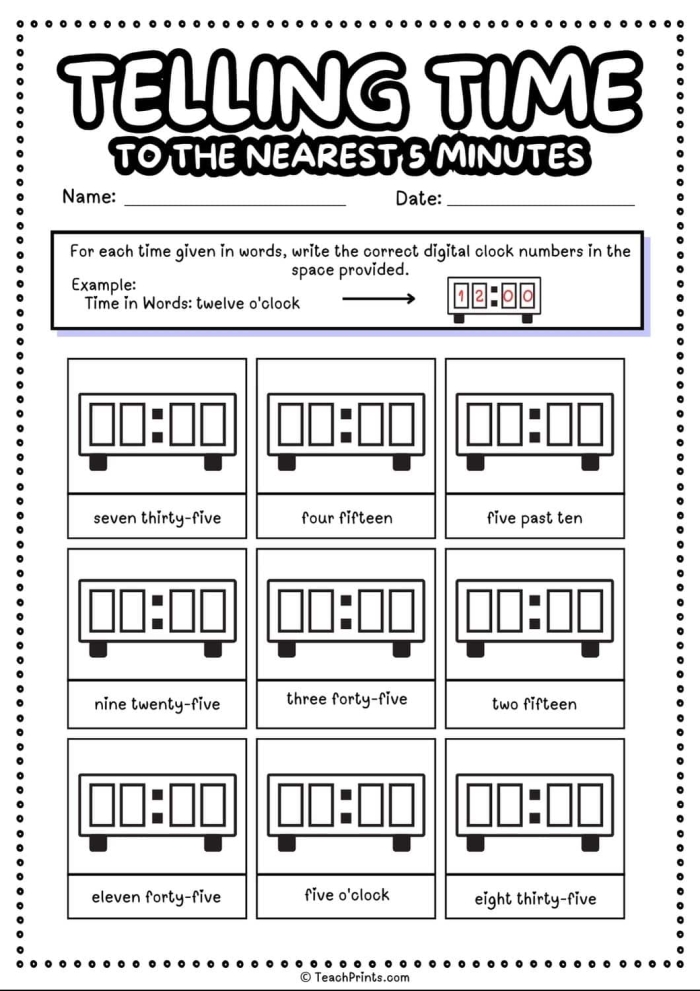
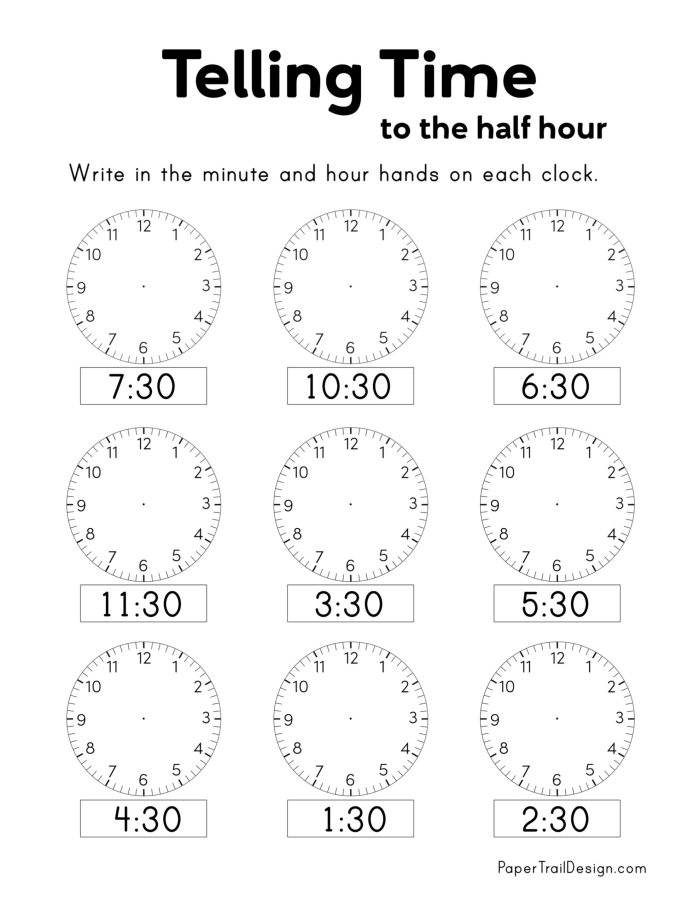
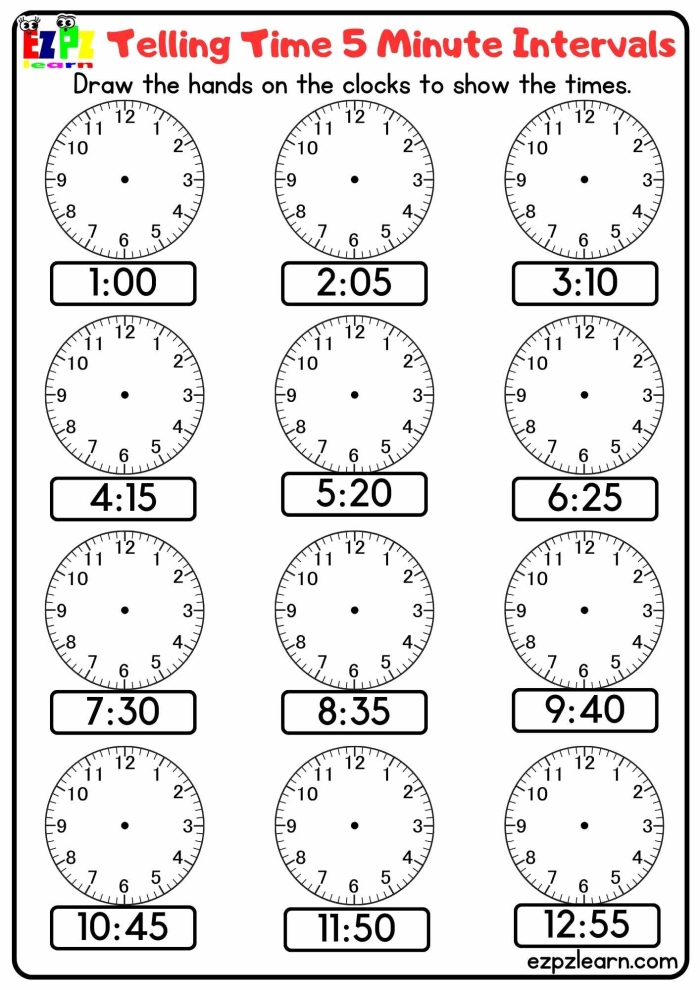
Drawing clock hands to match given times is one of the most practical ways second graders learn to read analog clocks. Instead of passively looking at a clock face, kids actively construct the hour and minute hands, which forces them to think about how these hands actually move and relate to each other.
When children draw the hands themselves, they develop a physical understanding of time that reading alone cannot provide. They learn that the hour hand moves slowly and deliberately, creeping from one number to the next as minutes pass. The minute hand, meanwhile, sweeps around the clock face much faster. By placing these hands on blank clock faces repeatedly, kids internalize the spatial relationship between numbers and time intervals.
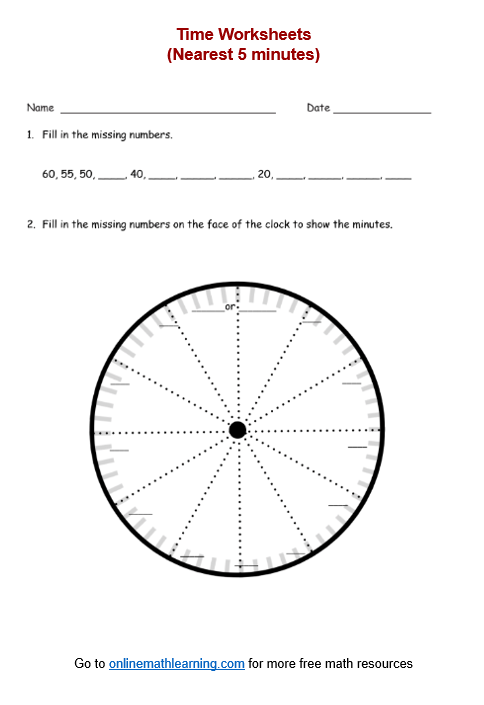
The process typically works like this: a worksheet shows a time like 2:35, and the student must draw the hour hand between the 2 and 3, then position the minute hand pointing at the 7 (since 35 minutes equals 7 on the clock face). This requires understanding that minutes count by fives around the clock, a concept that connects directly to other numbers and counting activities in second grade.
Teachers often pair these drawing exercises with other skill-building activities. Students might practice identifying patterns in sequences or working with pictographs to organize data, all of which strengthen mathematical thinking alongside time-telling skills.
The repetition matters. A child who draws twenty clock faces throughout a unit develops muscle memory and confidence. By the end, they can glance at a time and immediately visualize where those hands belong without hesitation.
Practice with These Worksheets