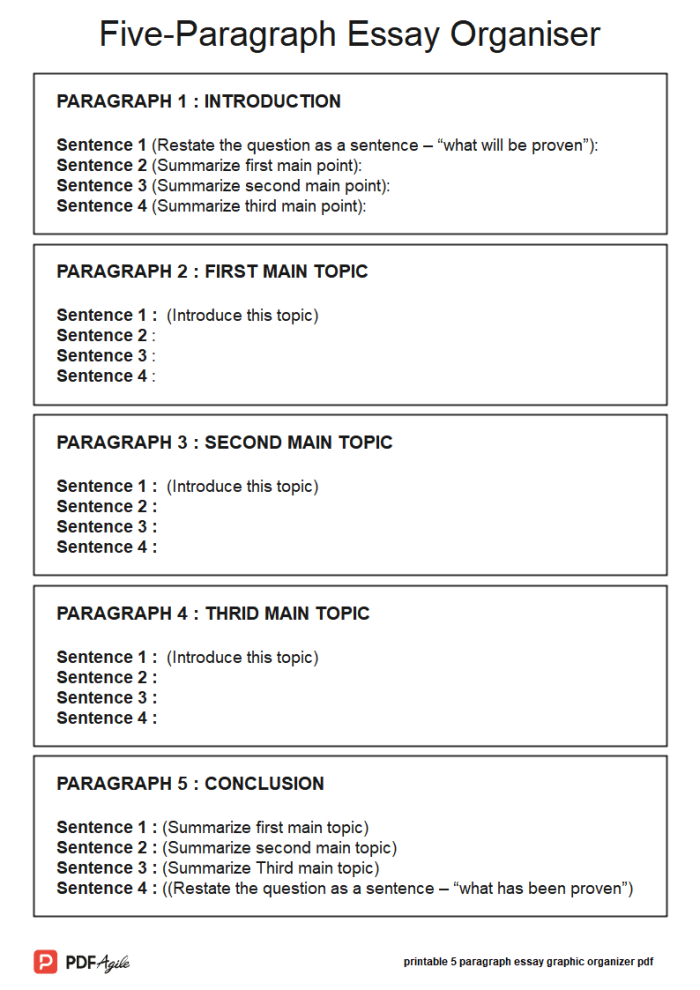
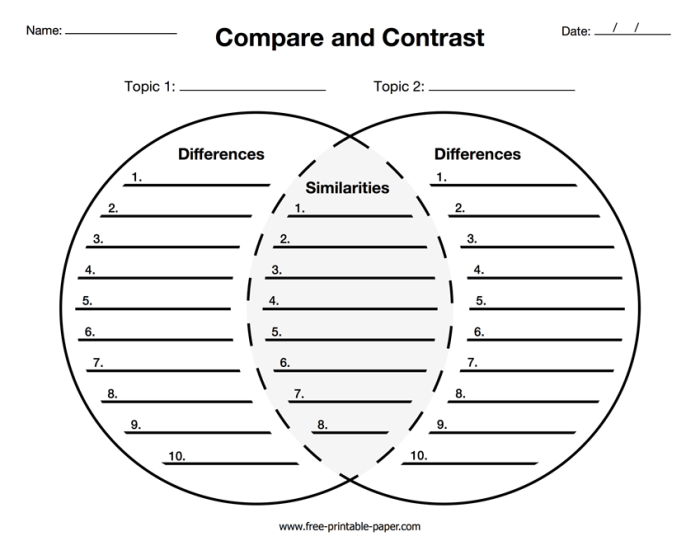
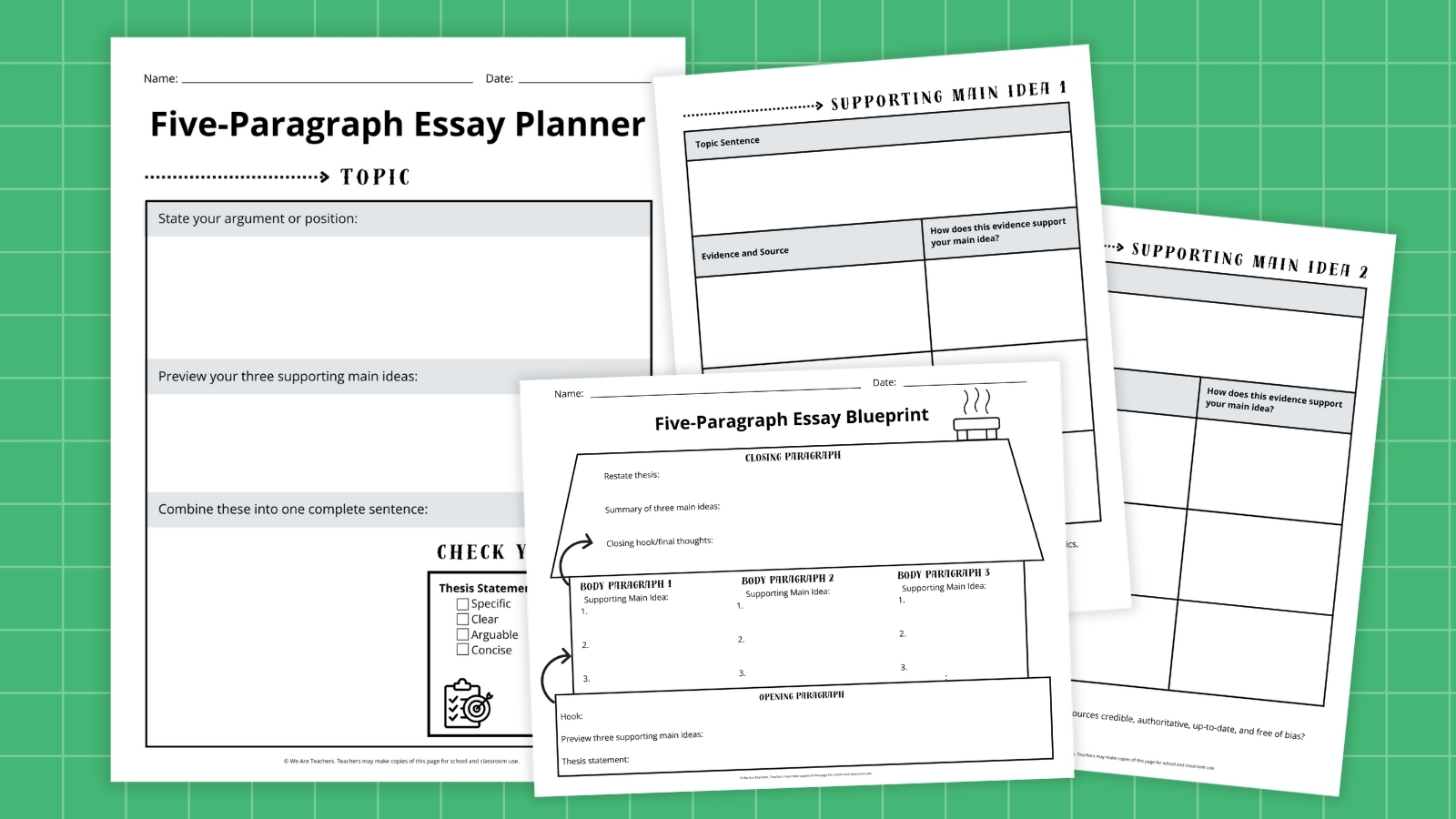
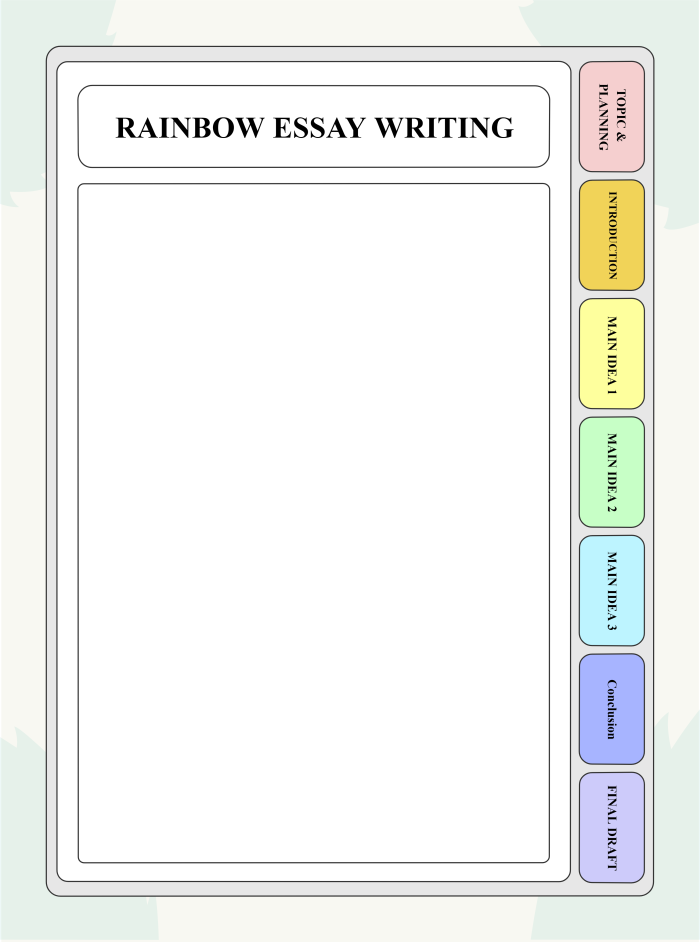
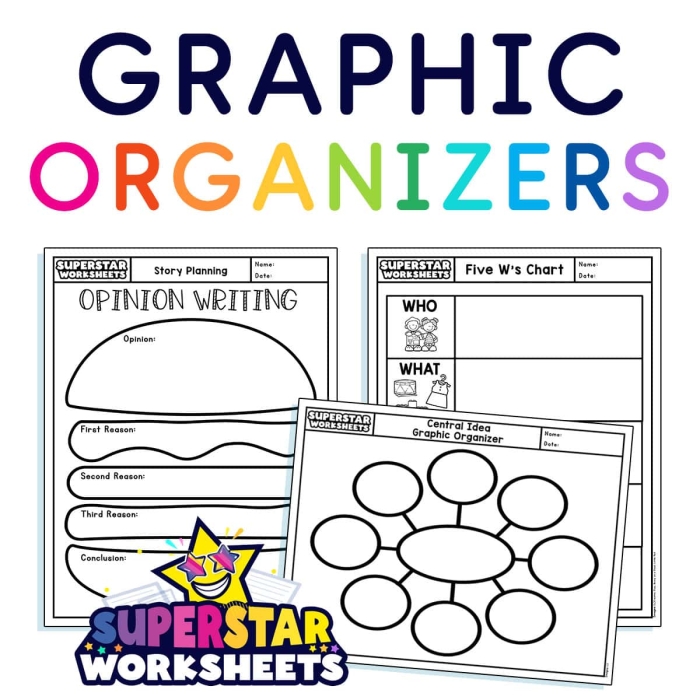
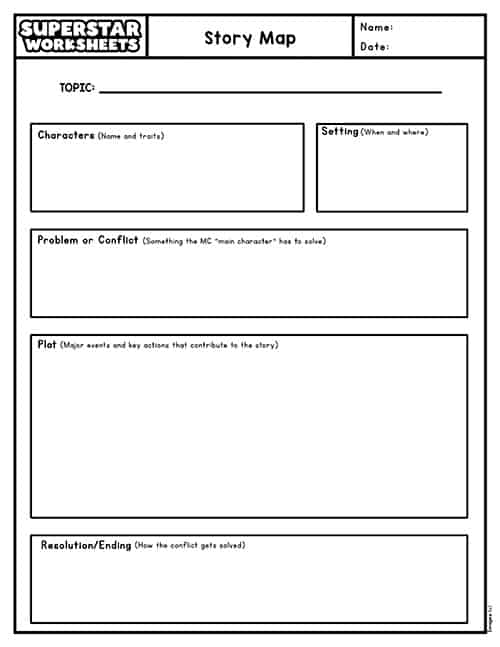
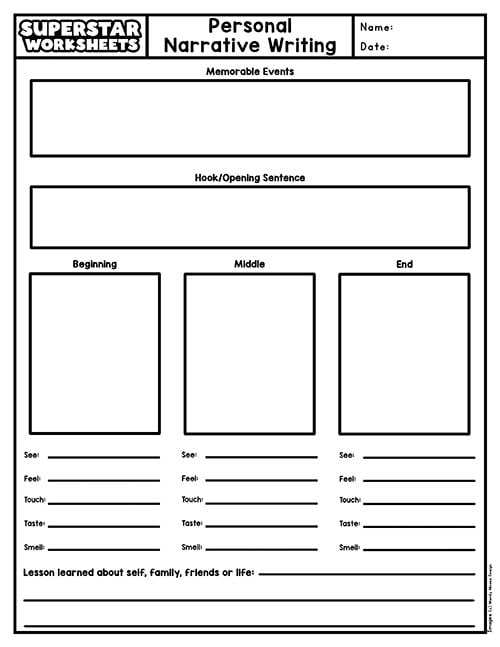
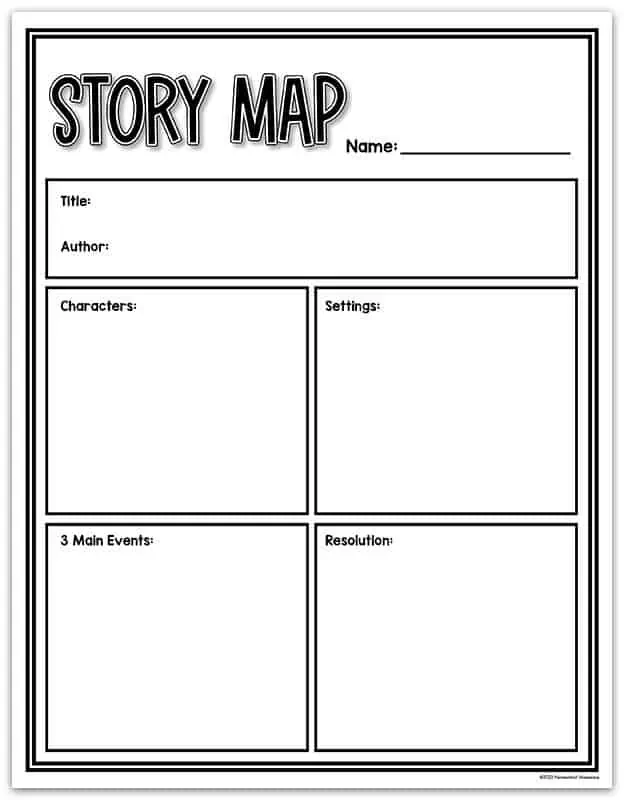
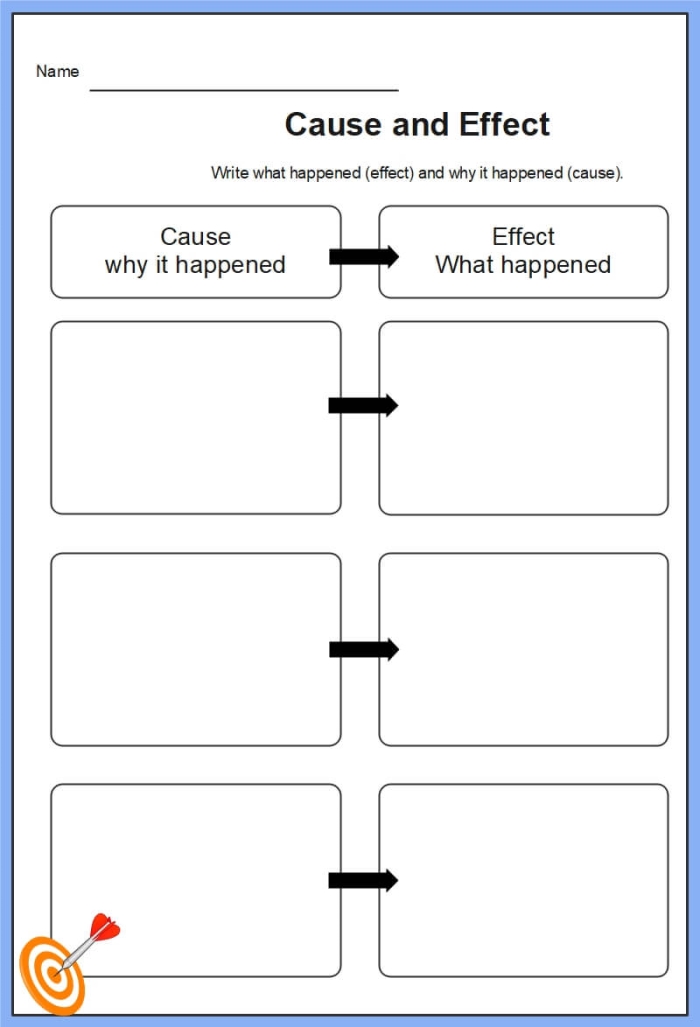
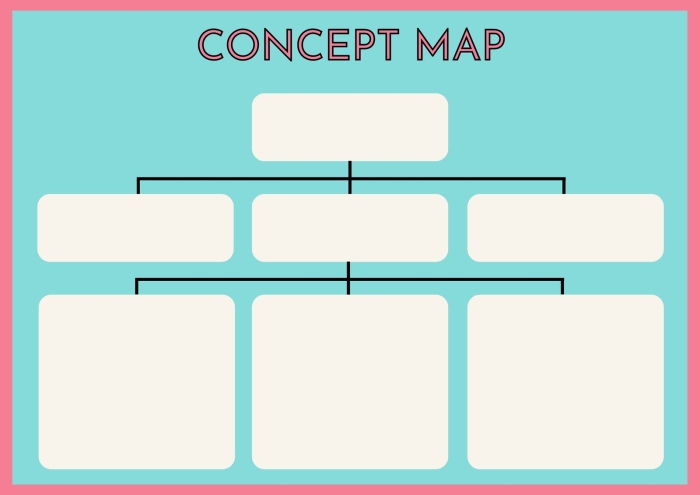
Before a fourth grader puts pen to paper, the blank page can feel overwhelming. A graphic organizer solves this problem by giving young writers a structured way to arrange their thoughts before drafting. Rather than staring at emptiness, students can map out their ideas in boxes, lines, and sections that show how different parts of an essay connect.
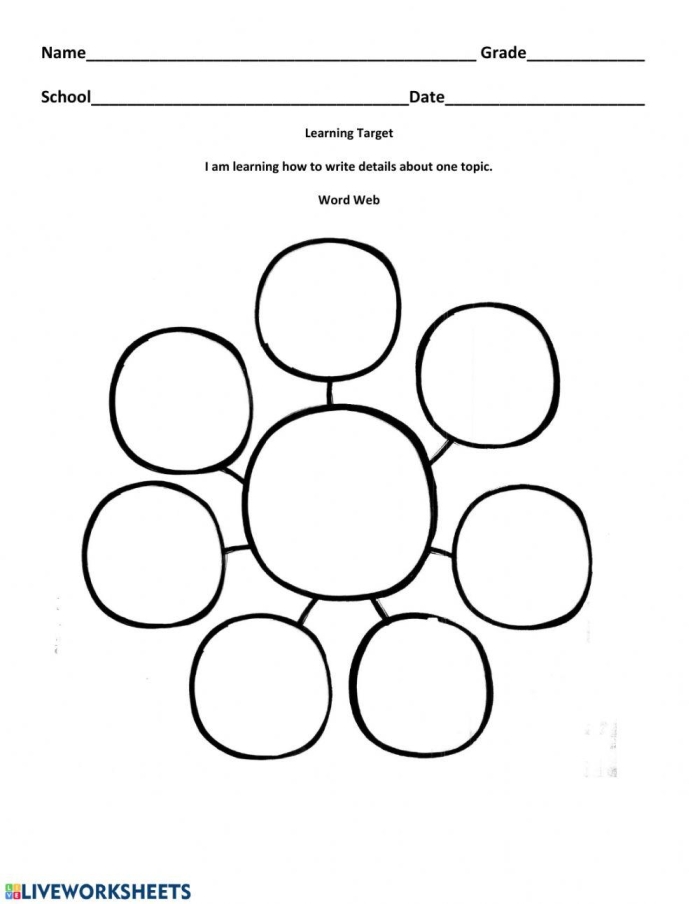
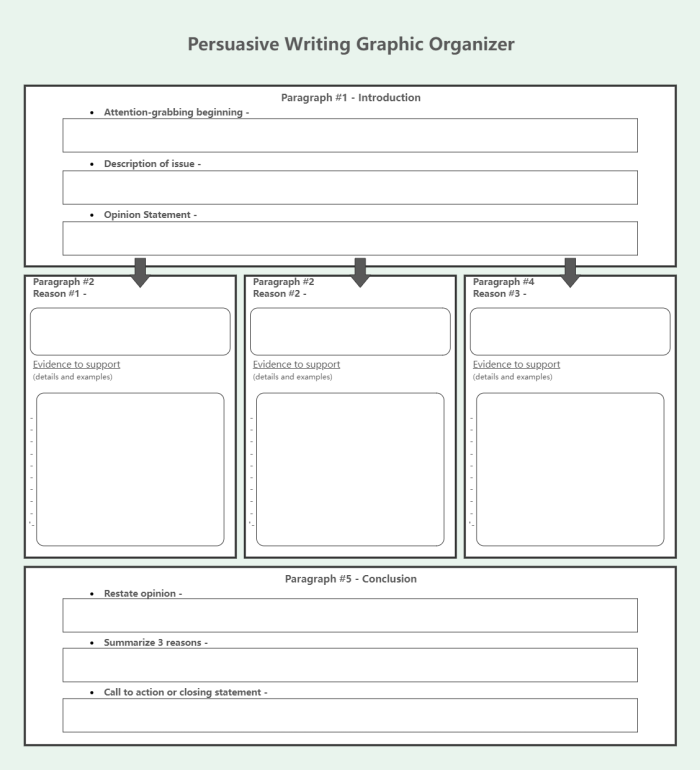
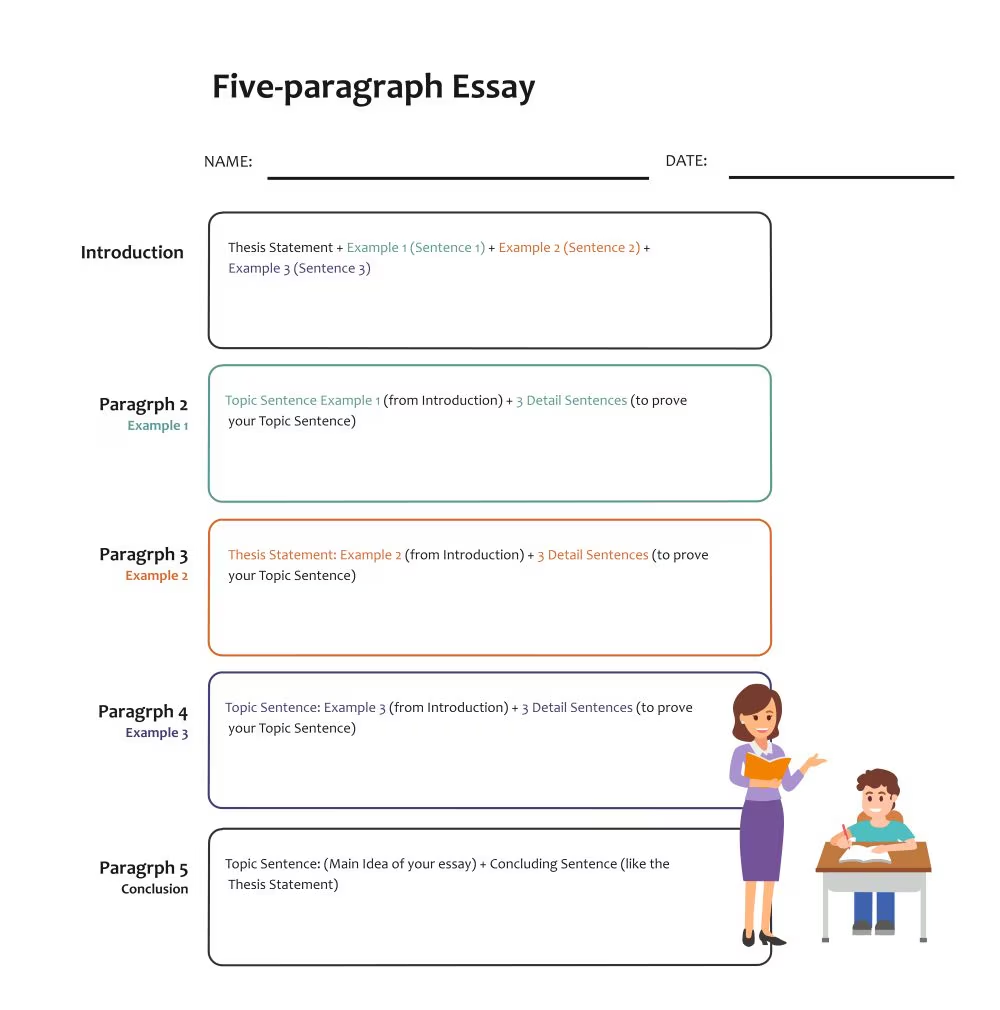
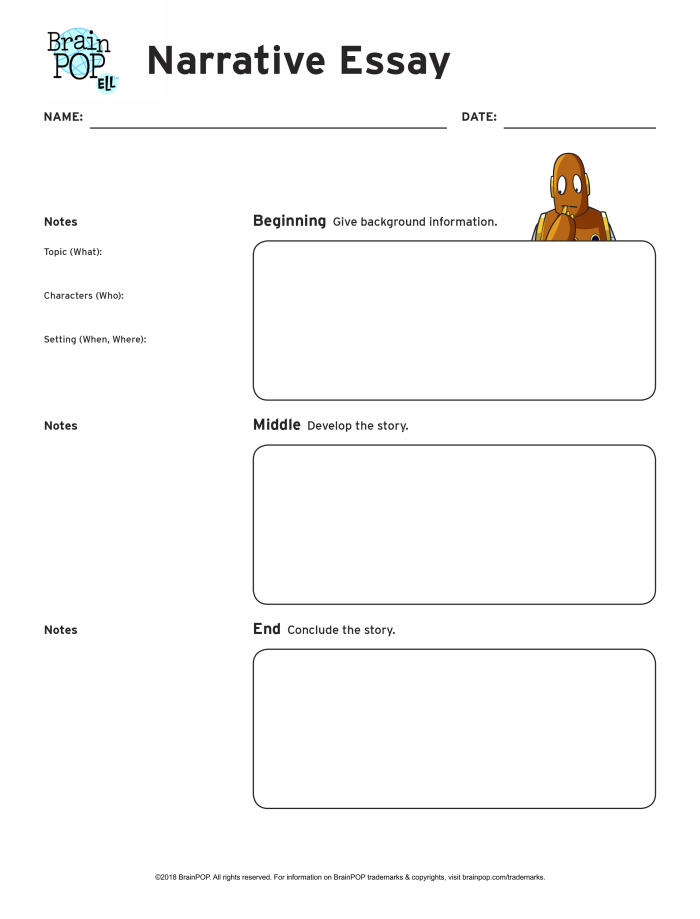
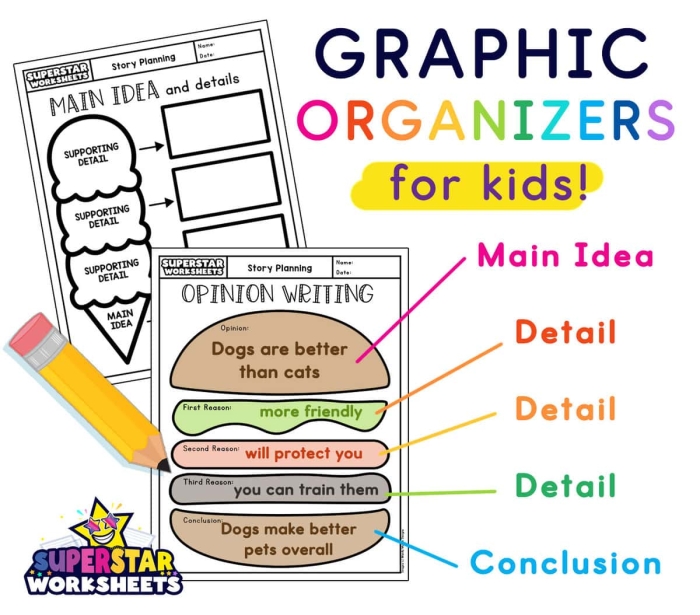
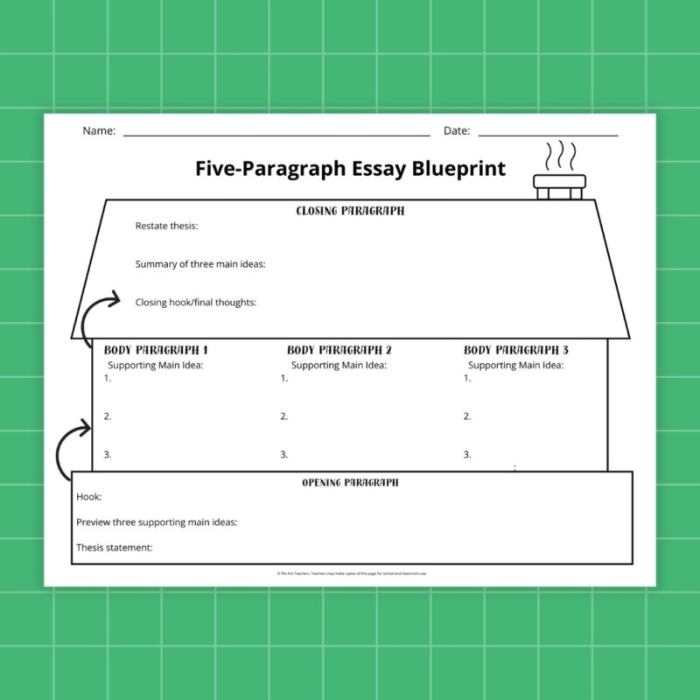
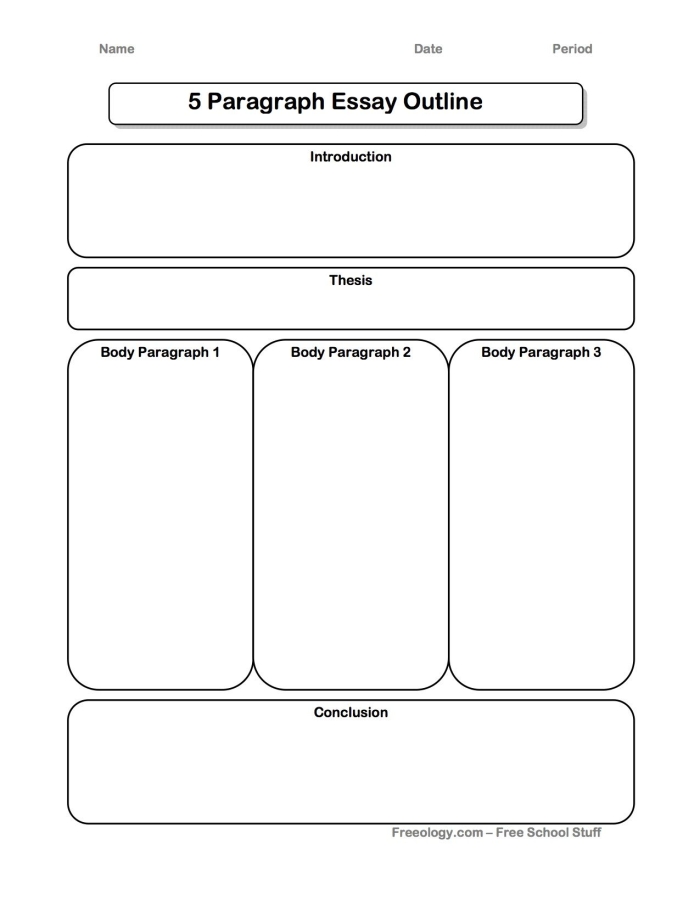
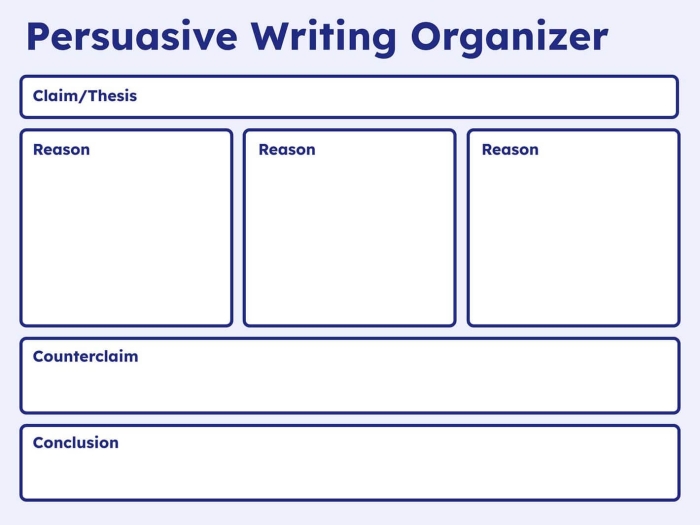
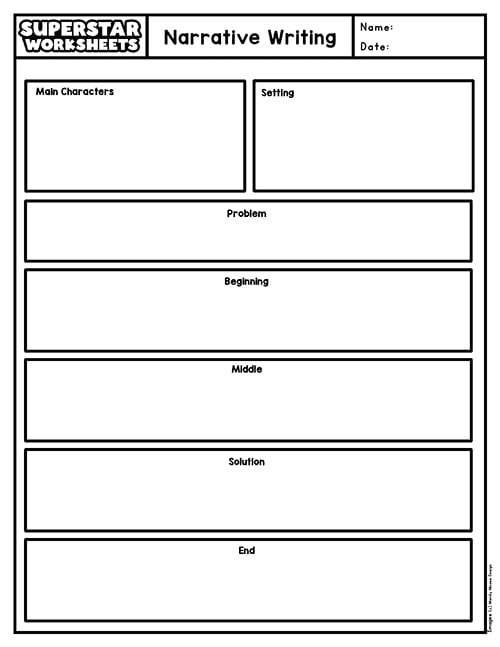
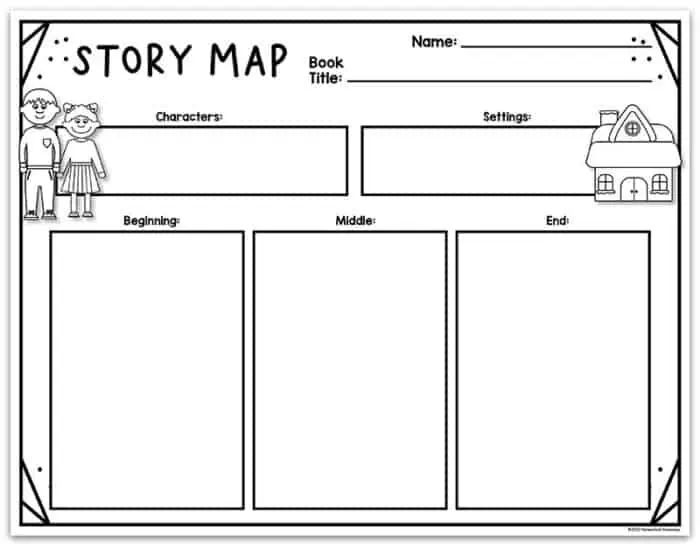
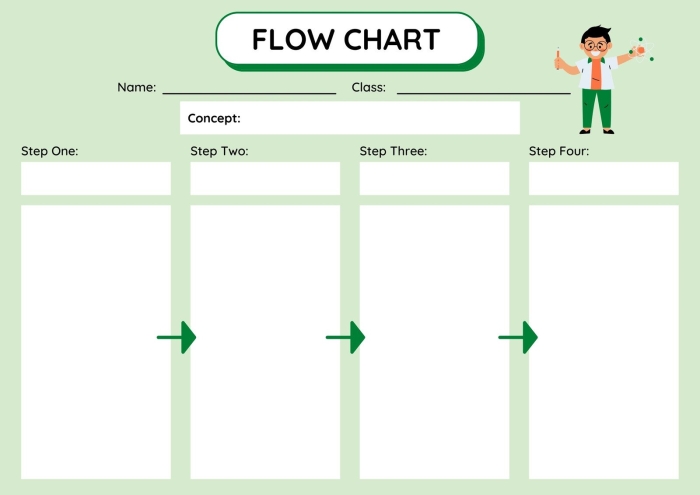
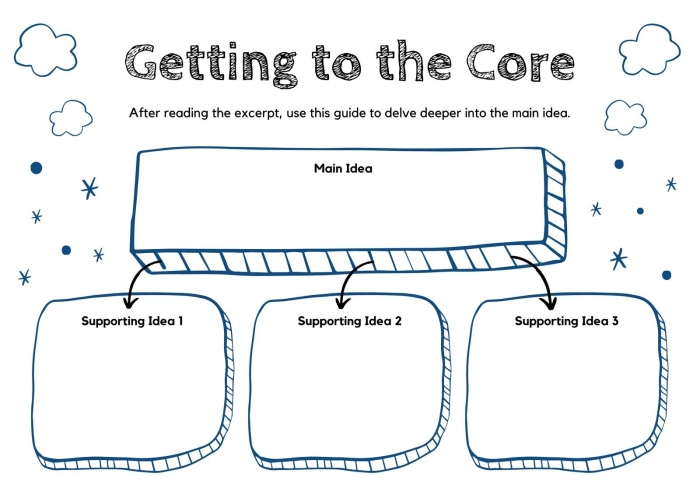
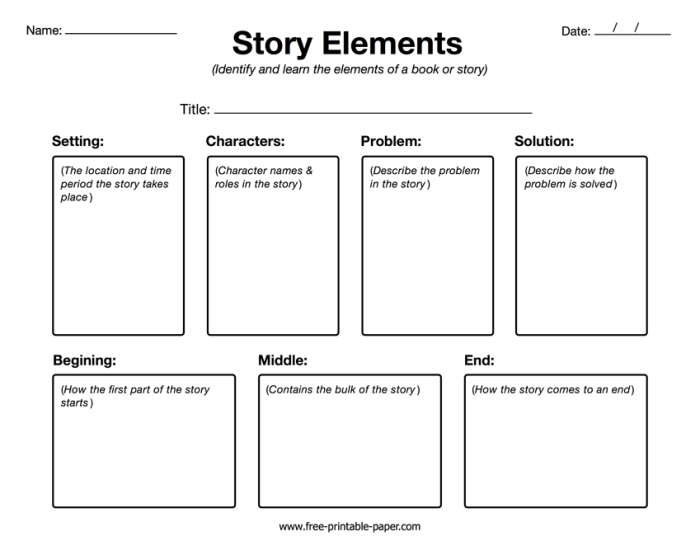
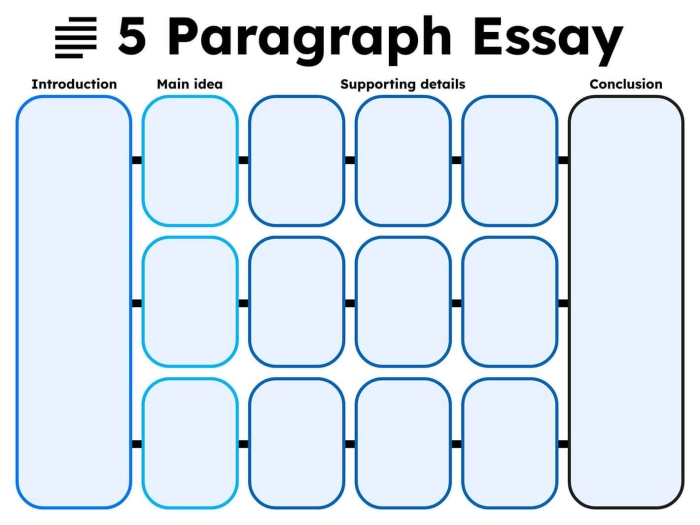
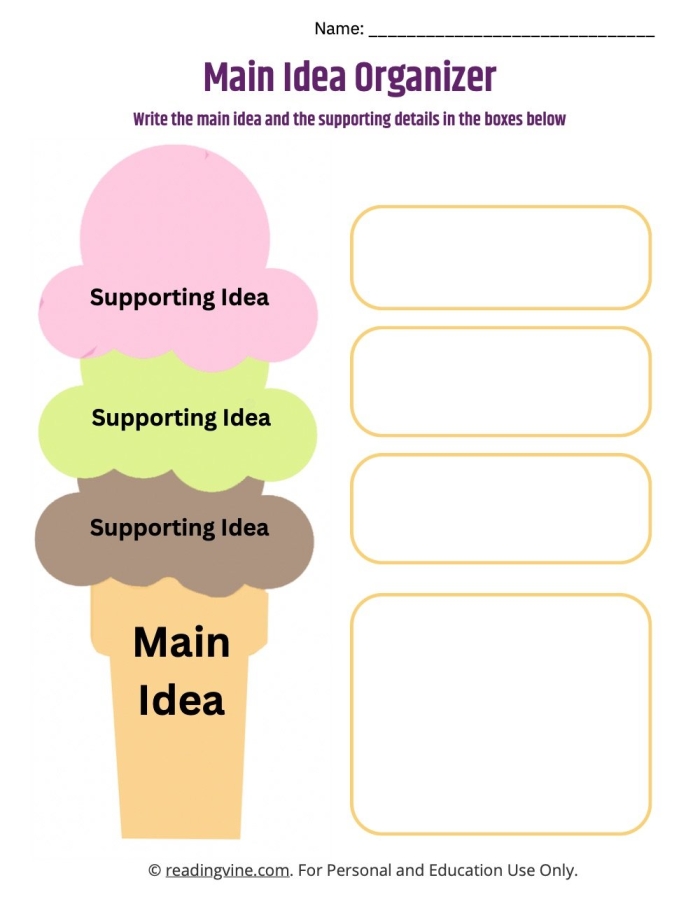
The basic structure of an essay graphic organizer typically includes spaces for an introduction, body paragraphs, and a conclusion. Students write their main idea in one section, then add supporting details in surrounding boxes. This visual layout helps fourth graders understand that an essay needs a clear beginning that introduces the topic, middle sections that explain and support the main point, and an ending that wraps everything together. When young writers can see these components arranged on a page, they grasp how ideas should flow from one paragraph to the next.
What makes this tool particularly useful for reading and writing instruction is that it removes the pressure of perfection during planning. A student can jot down rough thoughts, cross things out, and rearrange sections without worrying about grammar or spelling. The organizer becomes a thinking tool, not a final product. Many teachers pair these worksheets with other learning resources, such as reading between the lines activities that help students extract deeper meaning from texts they might later write about.
Fourth grade is the ideal time to introduce this strategy because students are moving beyond simple narratives toward more structured writing. A printable map your essay graphic organizer worksheet gives teachers a ready-made tool that students can use repeatedly, building the habit of planning before writing. Once young writers internalize this process, they carry the skill forward into middle school and beyond.
Download These Worksheets for Practice