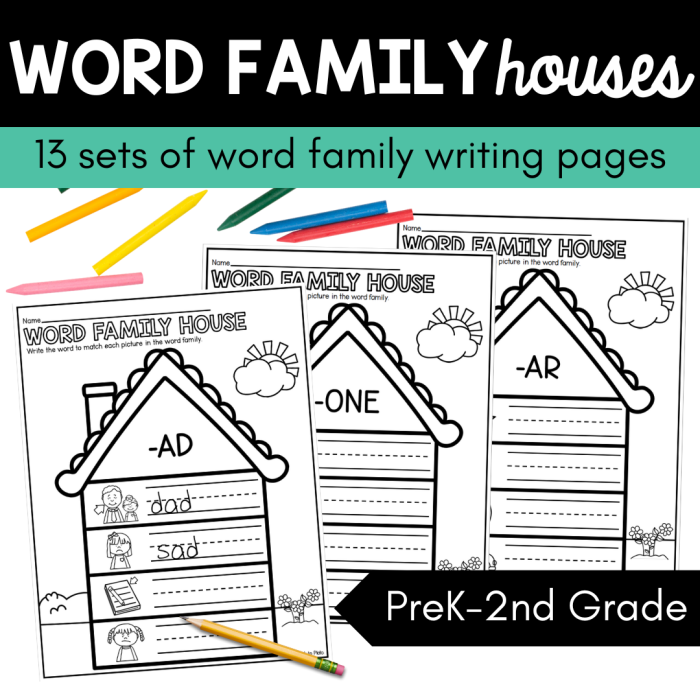
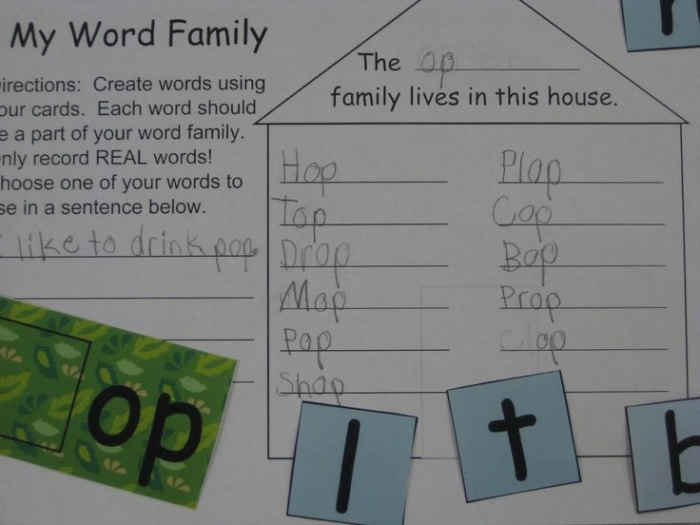
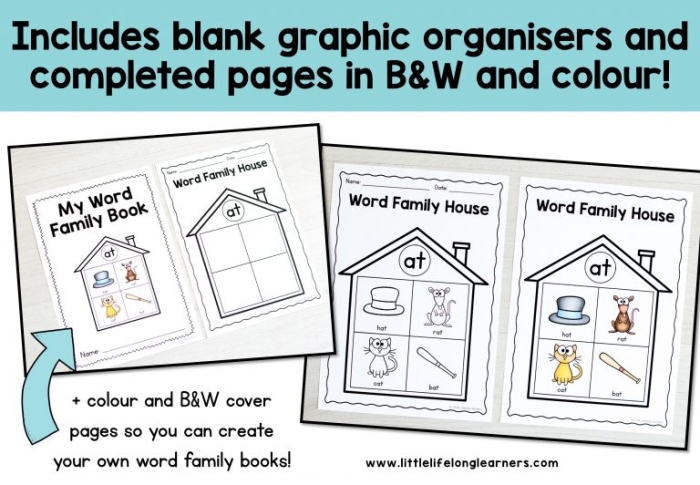
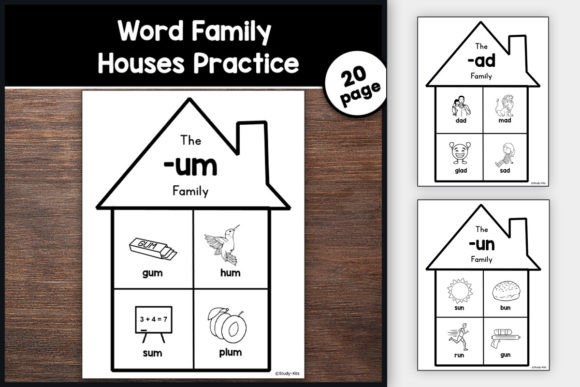
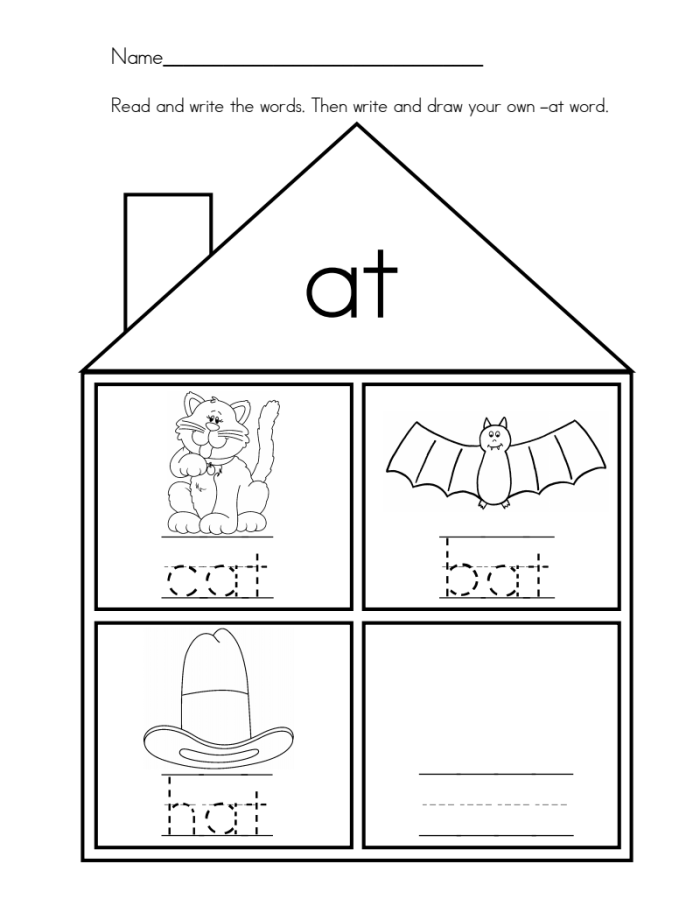
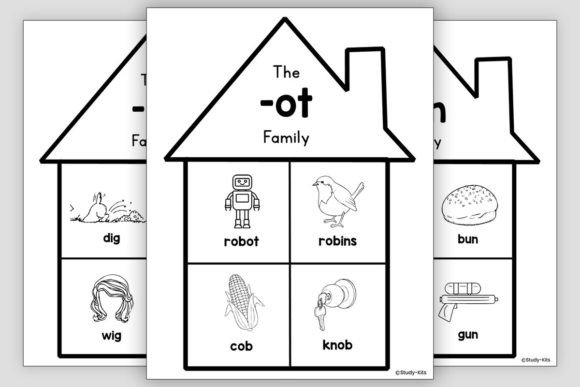
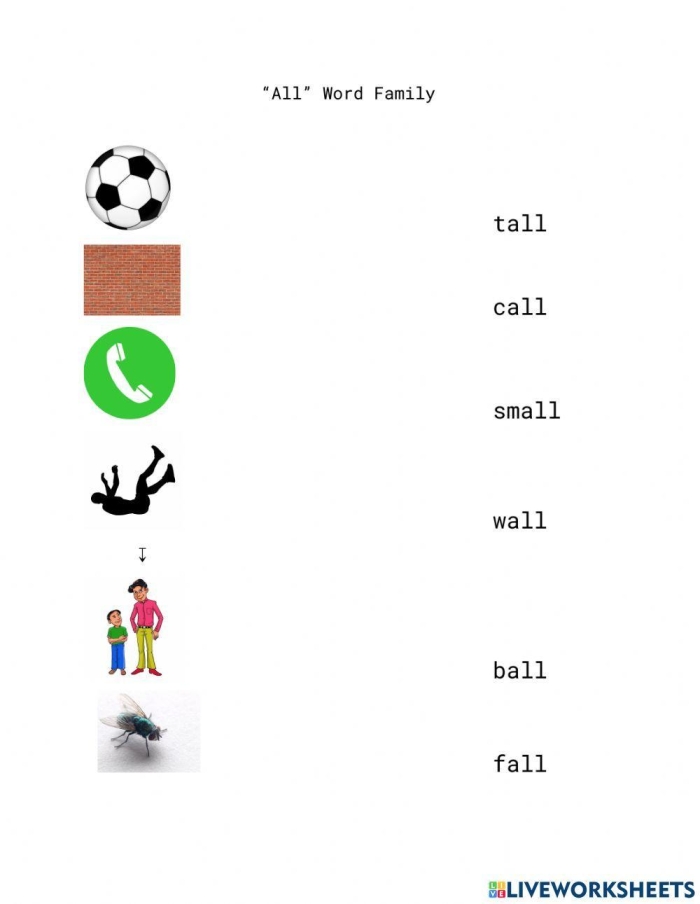
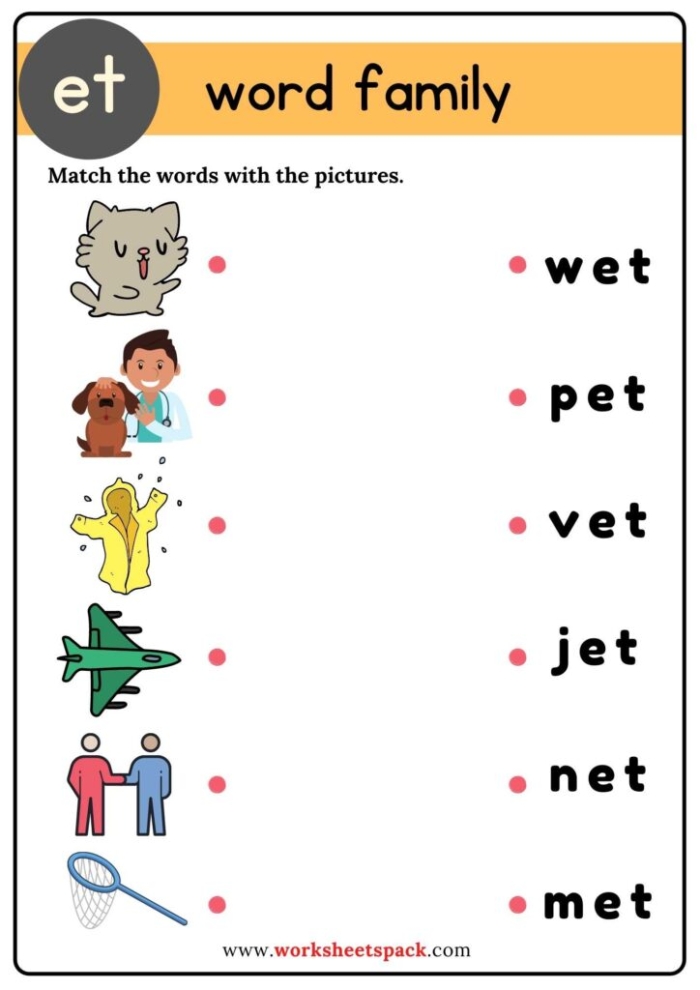
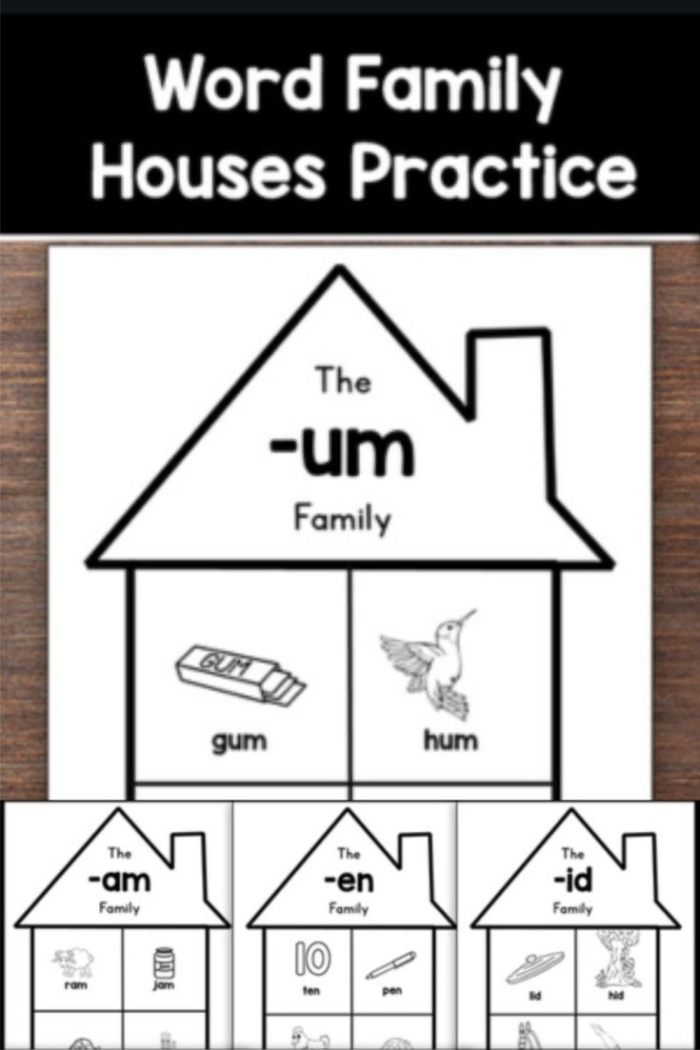
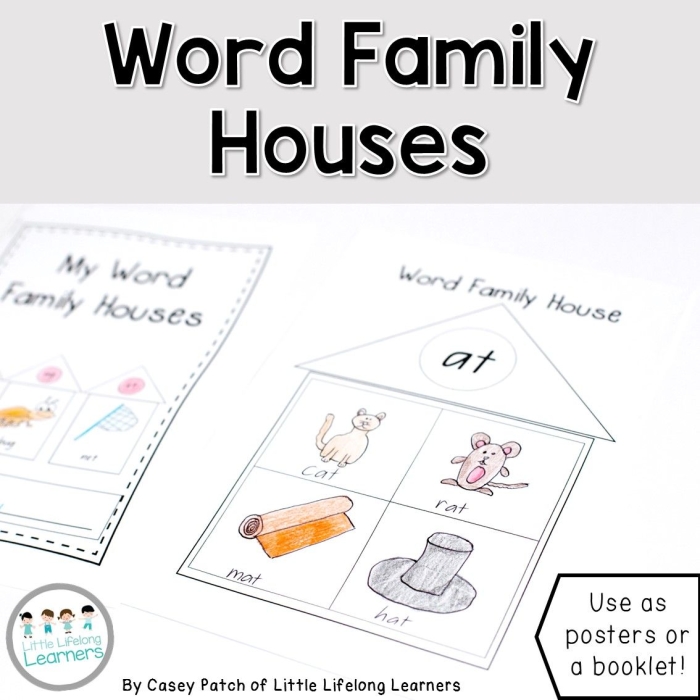
Word families are one of the most effective ways to help kindergarten students recognize patterns in spelling and build reading fluency. When children see that cat, bat, and mat all share the same ending sounds and letters, they start to understand how language works at a fundamental level. This pattern recognition becomes the foundation for stronger spelling skills and faster word decoding.
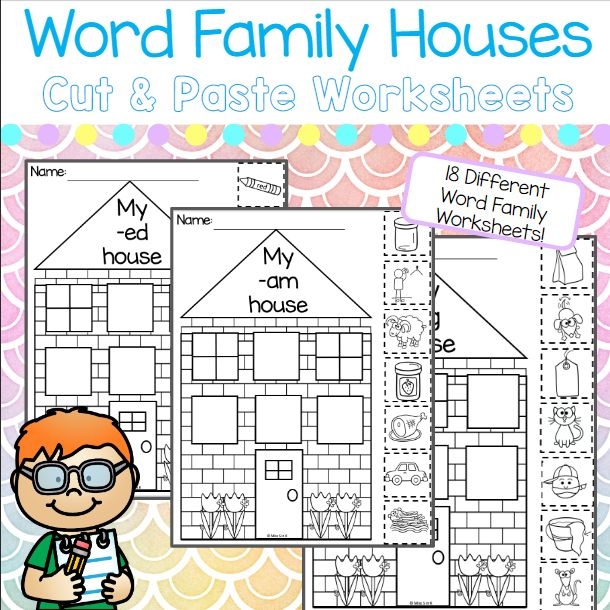
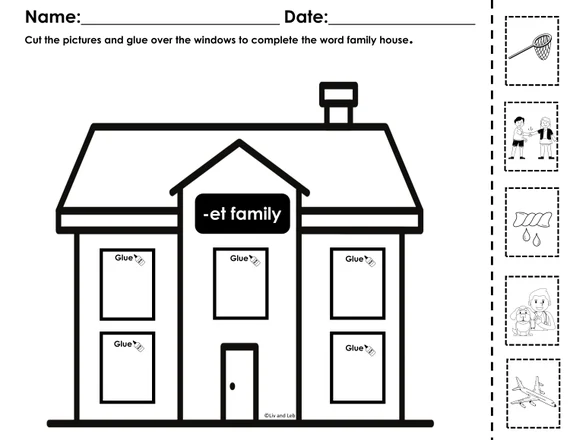
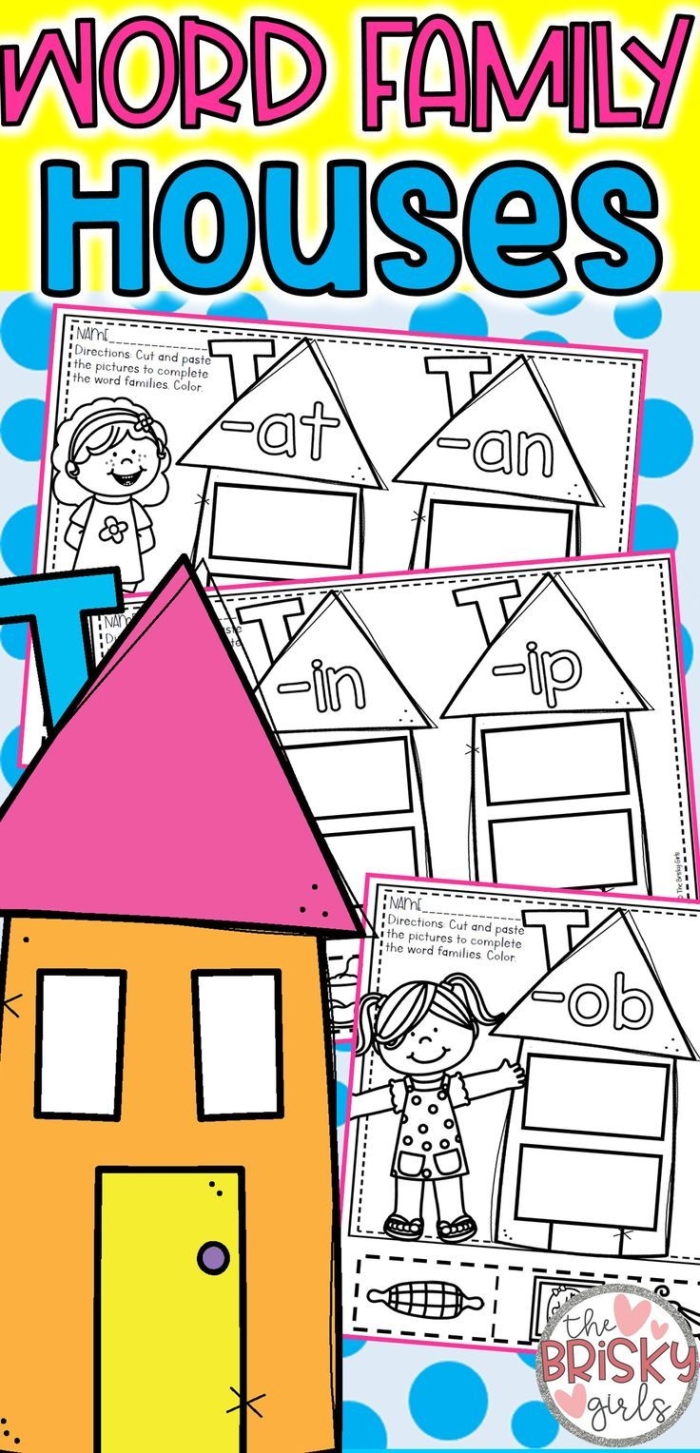
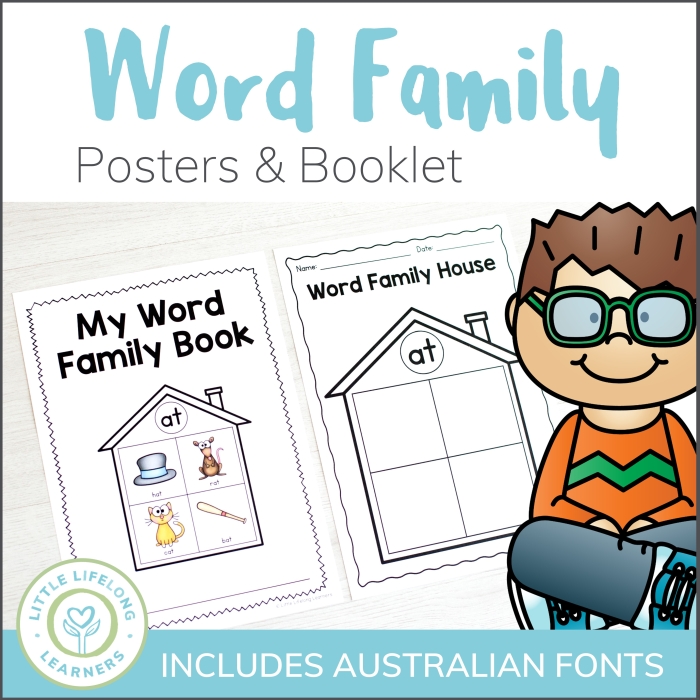
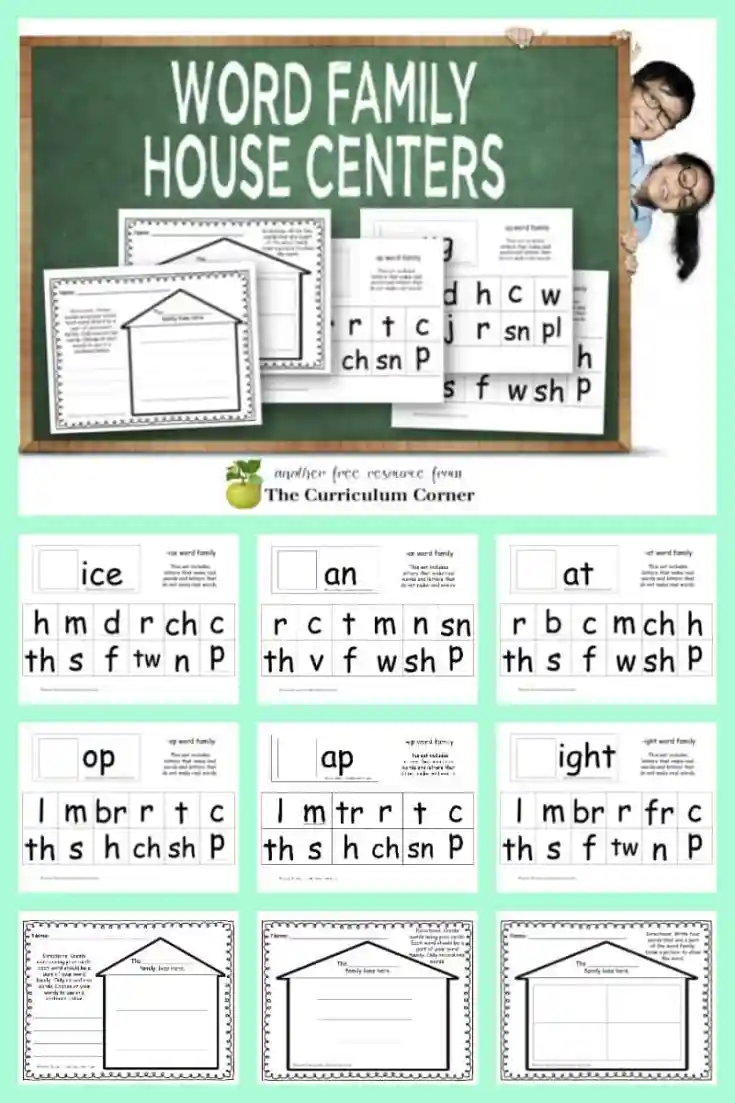
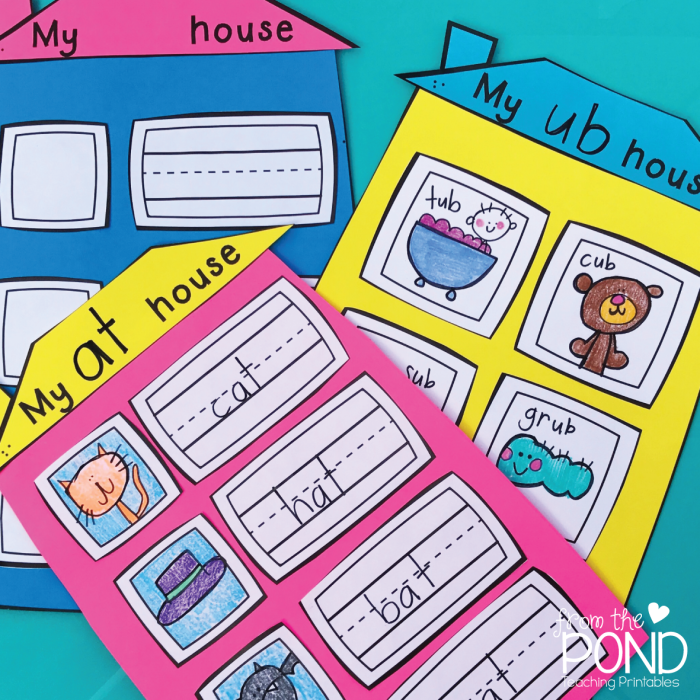
The -at and -ay word families are perfect starting points for young learners because they appear frequently in beginner readers and everyday vocabulary. A cut-and-paste activity focused on these word families gives students hands-on practice with sorting and matching, which keeps them engaged while reinforcing grammar and mechanics concepts. Rather than passively reading words, children actively participate by cutting out words and organizing them into their correct family groups.
This type of activity works because it combines visual learning with kinesthetic movement. Students see the words, handle the paper, and make decisions about where each word belongs. The physical act of cutting and pasting creates a memory anchor that helps the spelling pattern stick in their minds. When you pair this with other foundational grammar and mechanics worksheets, like uppercase letter recognition activities, you create a comprehensive approach to early literacy.
To make the most of word family practice, keep the sorting categories clear and limit the number of words on each page. Kindergarten students benefit from focused, manageable tasks rather than overwhelming amounts of content. You might also combine word family work with other engaging activities, such as dot-to-dot exercises, to maintain variety in your instruction and keep students motivated throughout the week.
Download These Worksheets for Practice