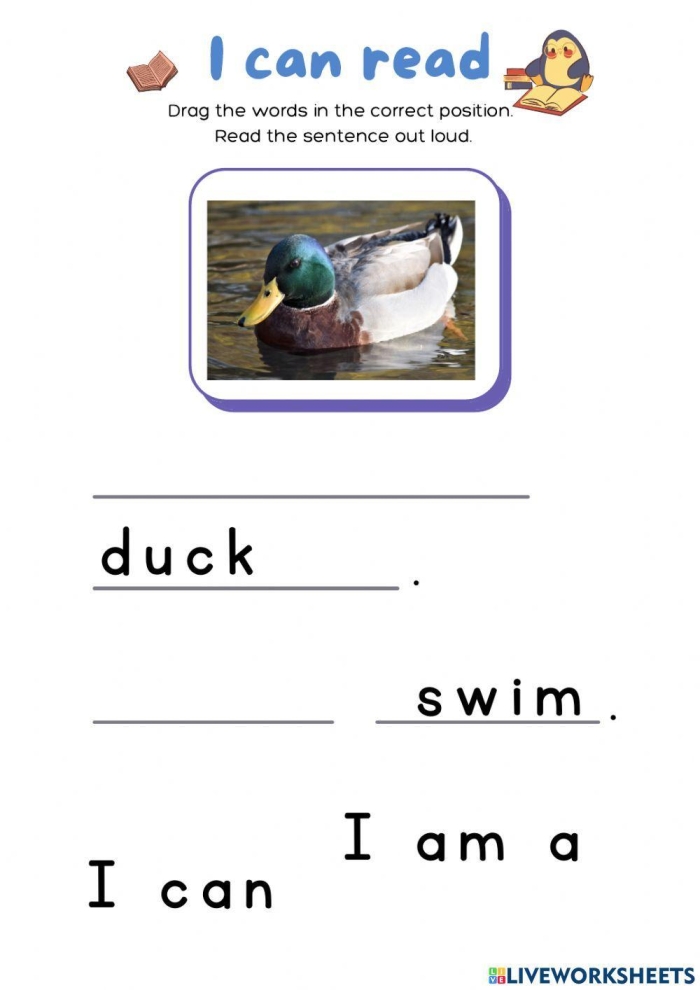
Kindergarten students thrive when they discover what they can do, and sight words are the perfect vehicle for this discovery. The word “can” appears constantly in children’s books and everyday conversations, making it one of the most practical words to master early. When kids learn to recognize and use “can,” they unlock the ability to talk about their own capabilities, which naturally builds confidence alongside literacy skills.
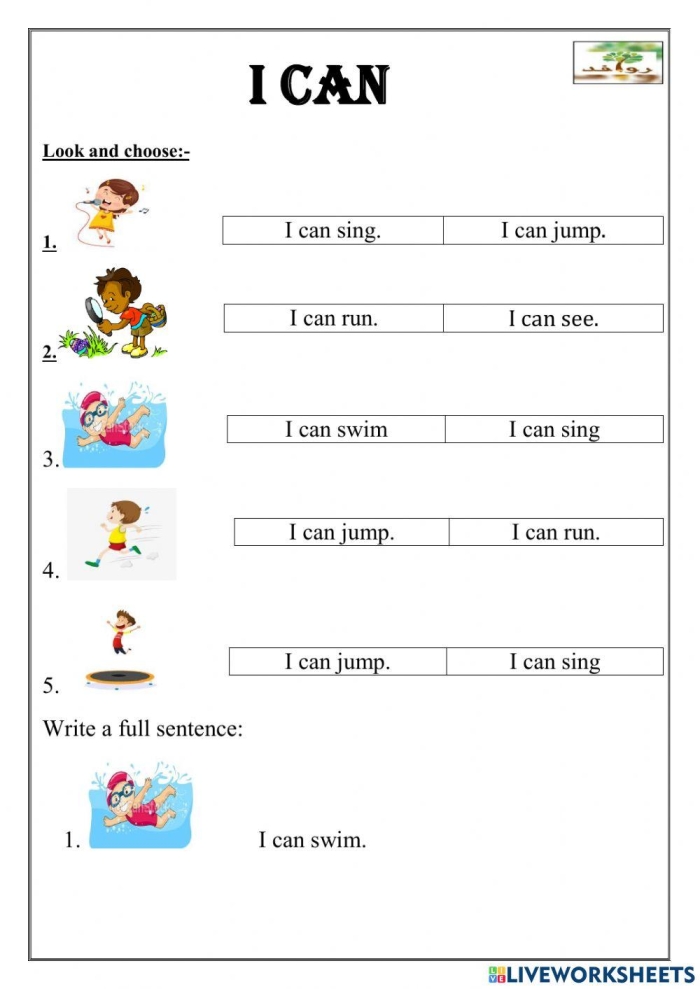
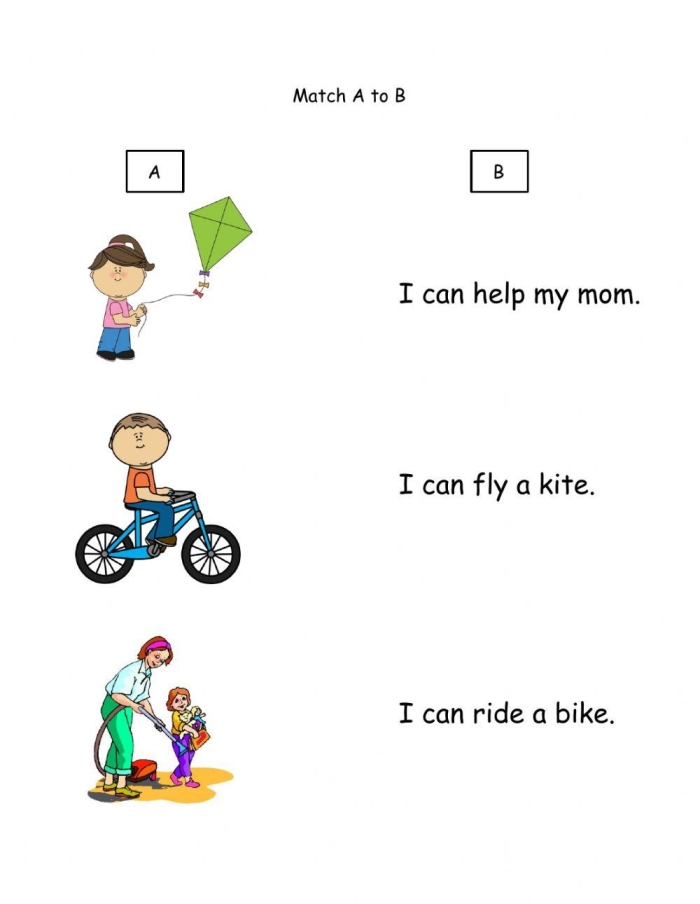
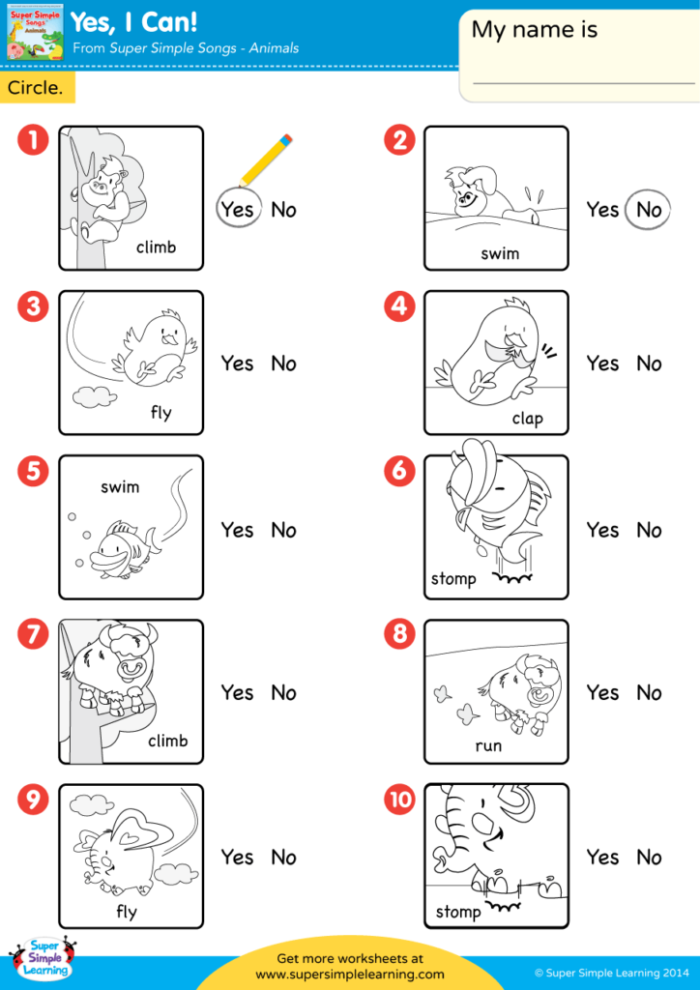
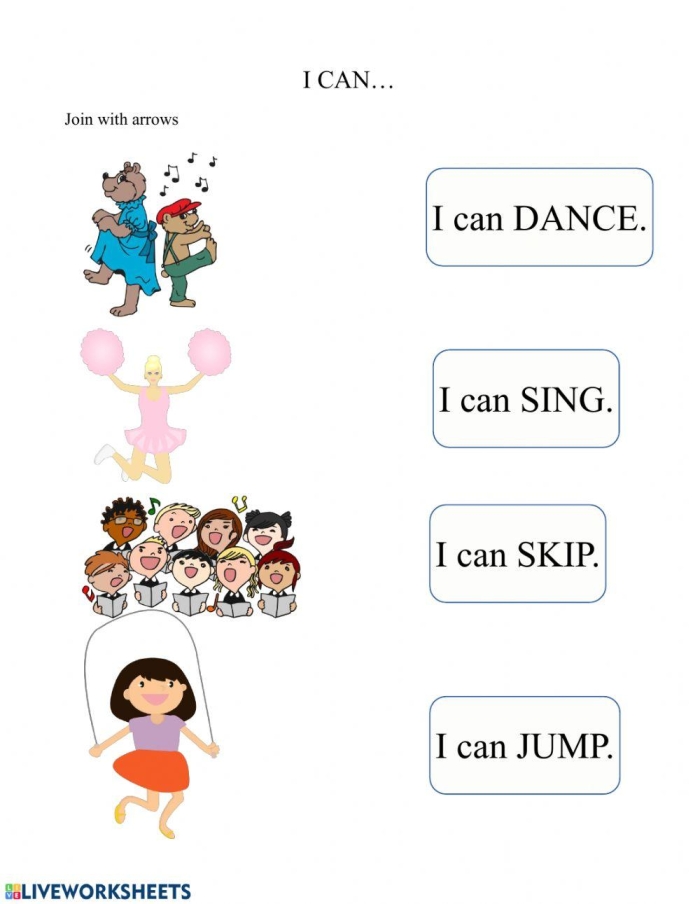
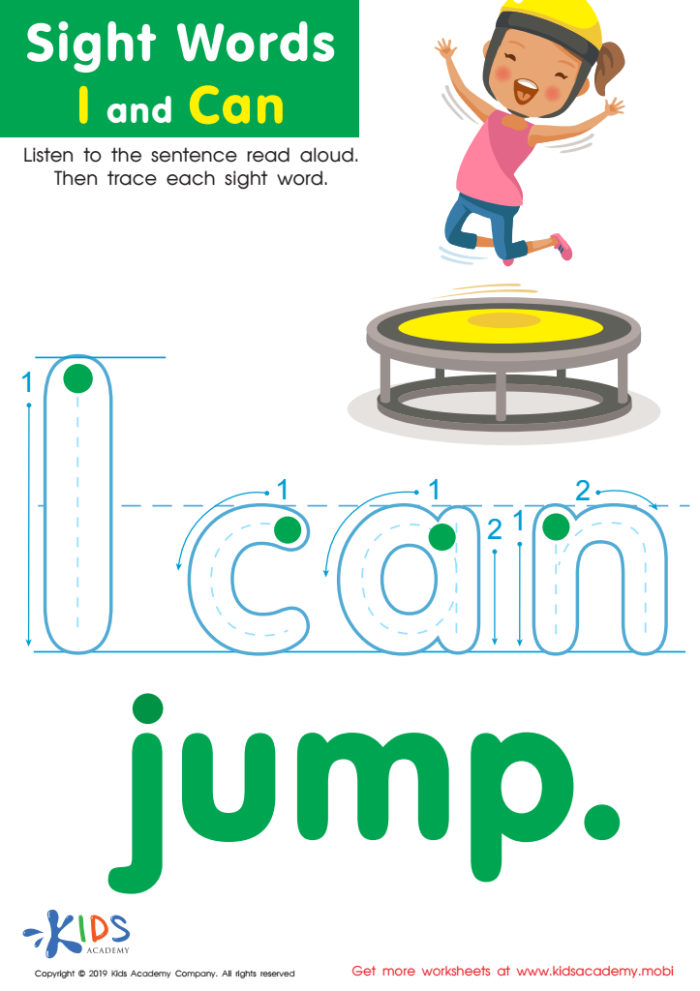
Teaching “can” works best when you turn it into a sharing activity. Ask your kindergarteners to complete sentences like “I can run,” “I can jump,” or “I can draw.” This approach combines reading practice with meaningful self-expression. Children see the word in context repeatedly, which helps cement it in their memory far better than flashcards alone. They’re not just learning letters, they’re learning a word that directly relates to their lives and abilities.
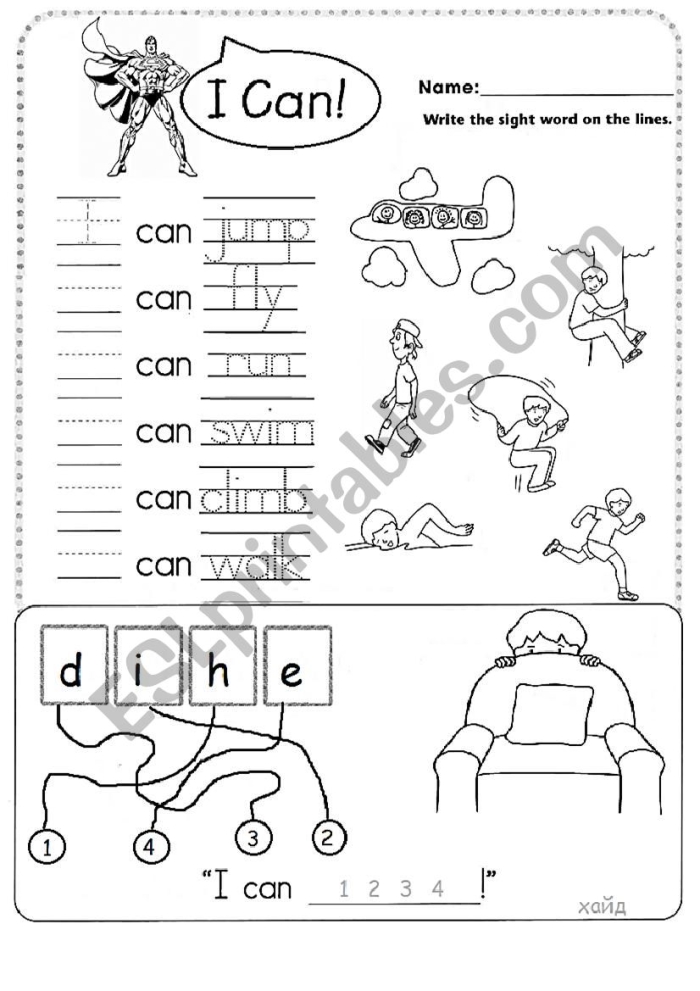
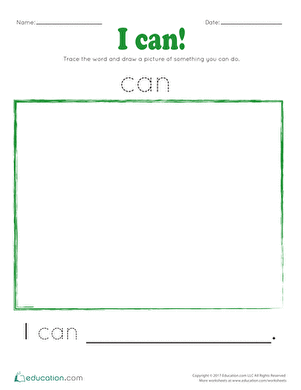
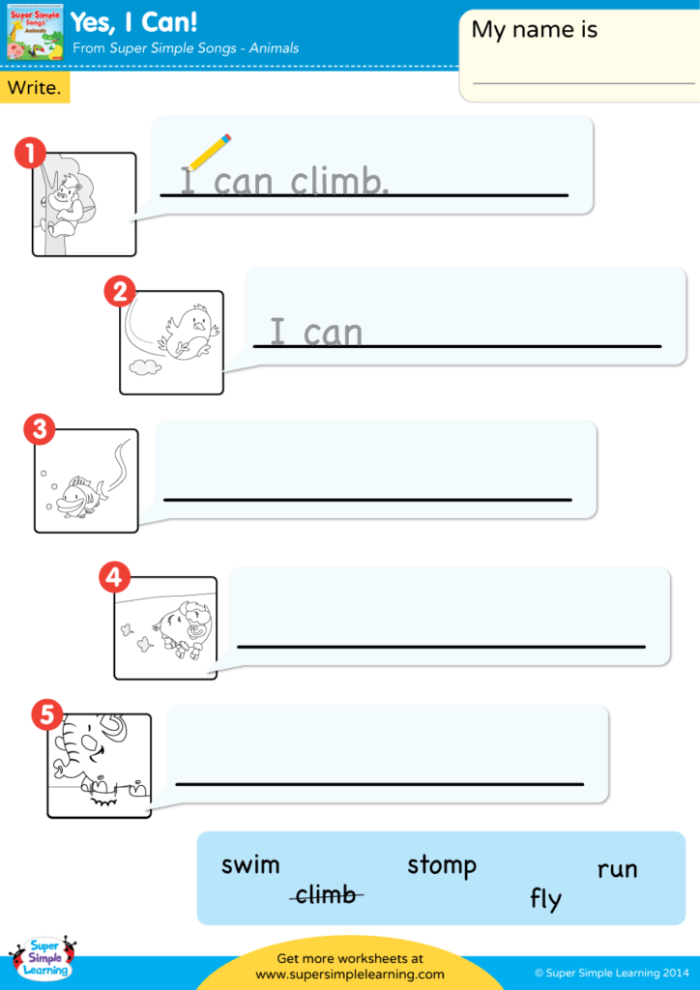
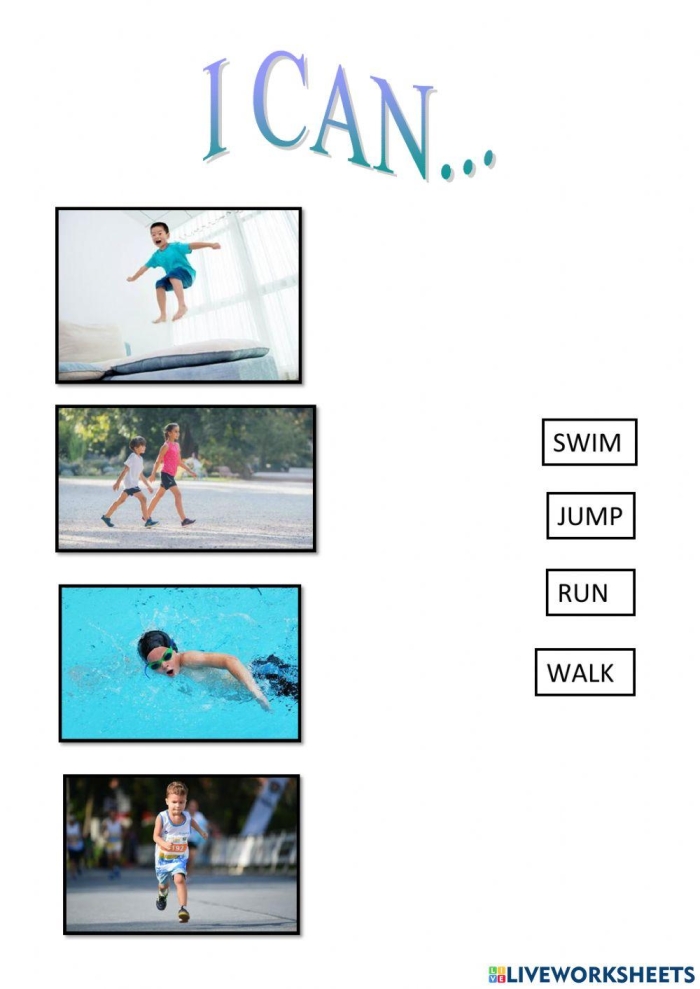
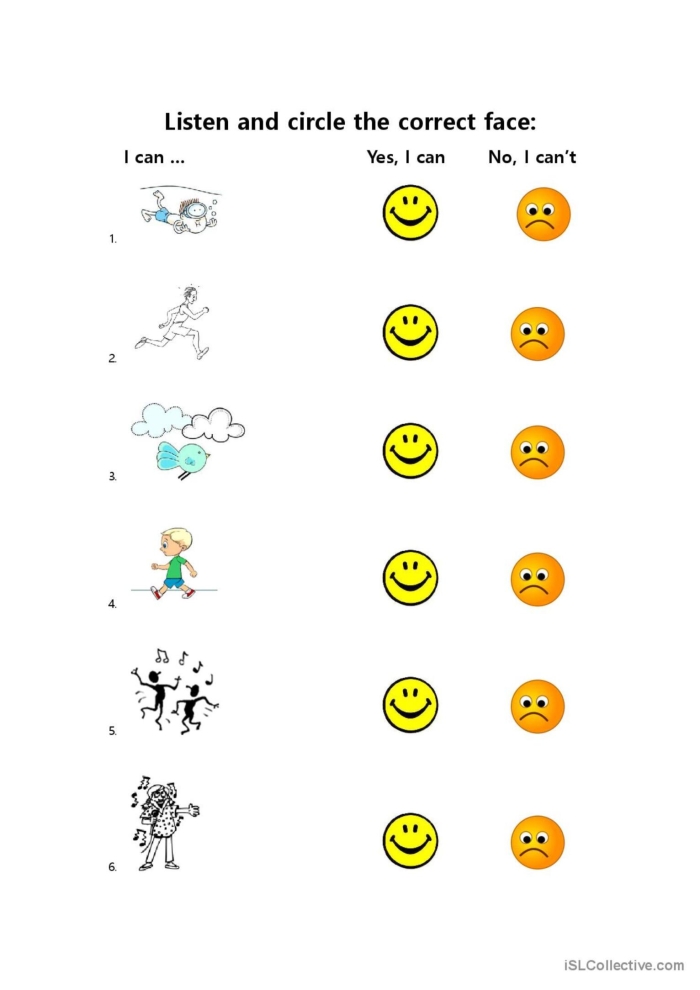
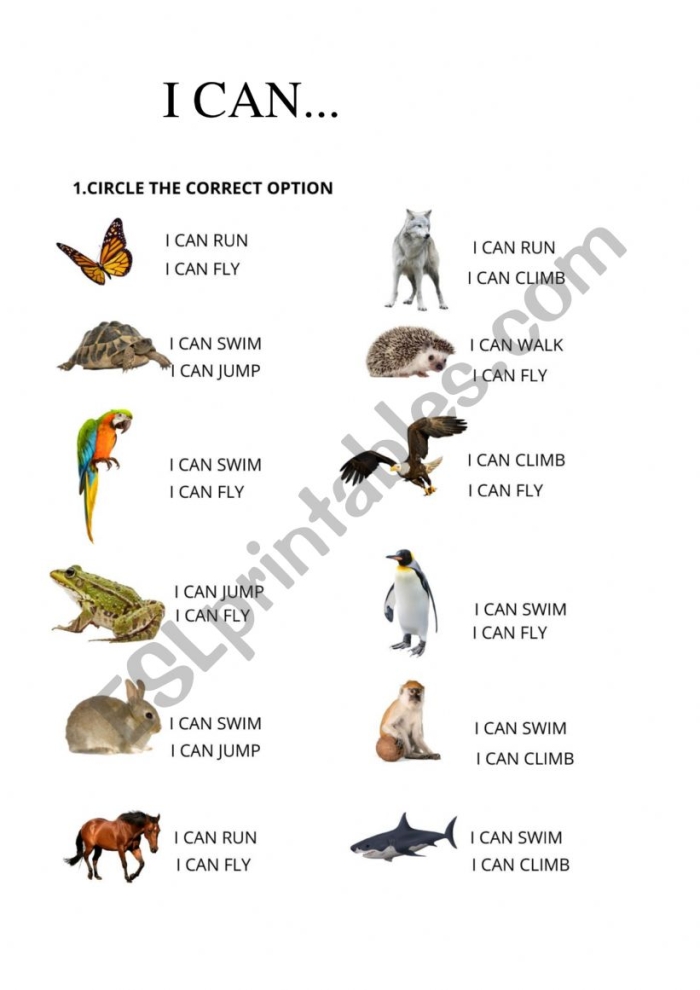
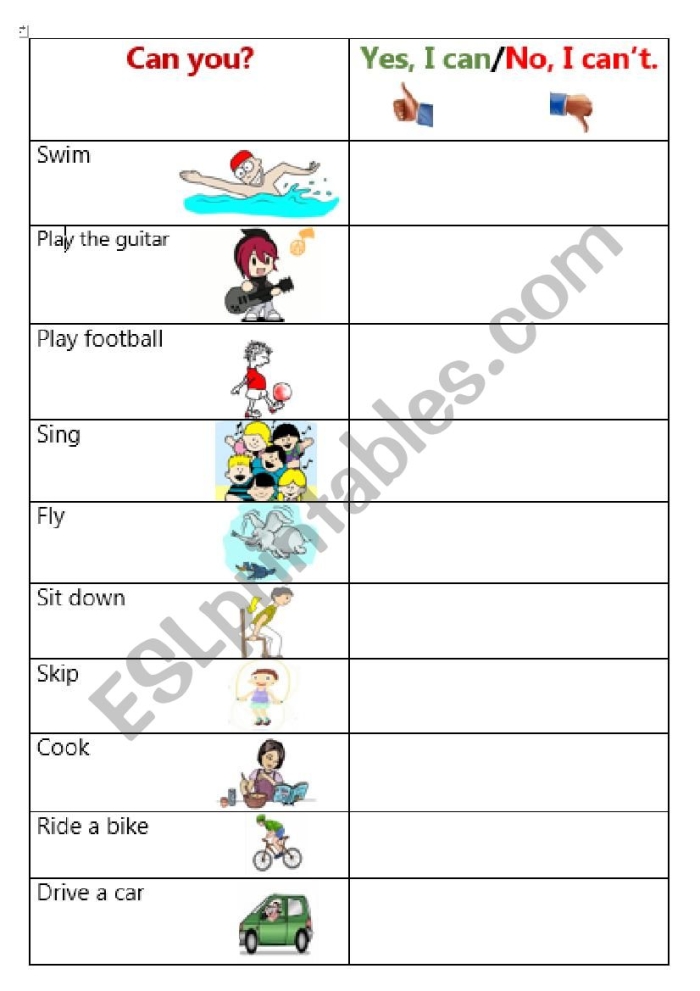
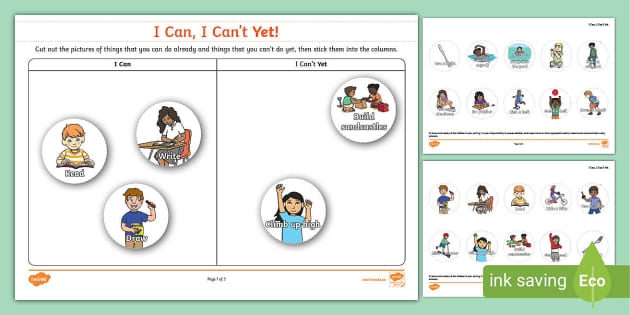
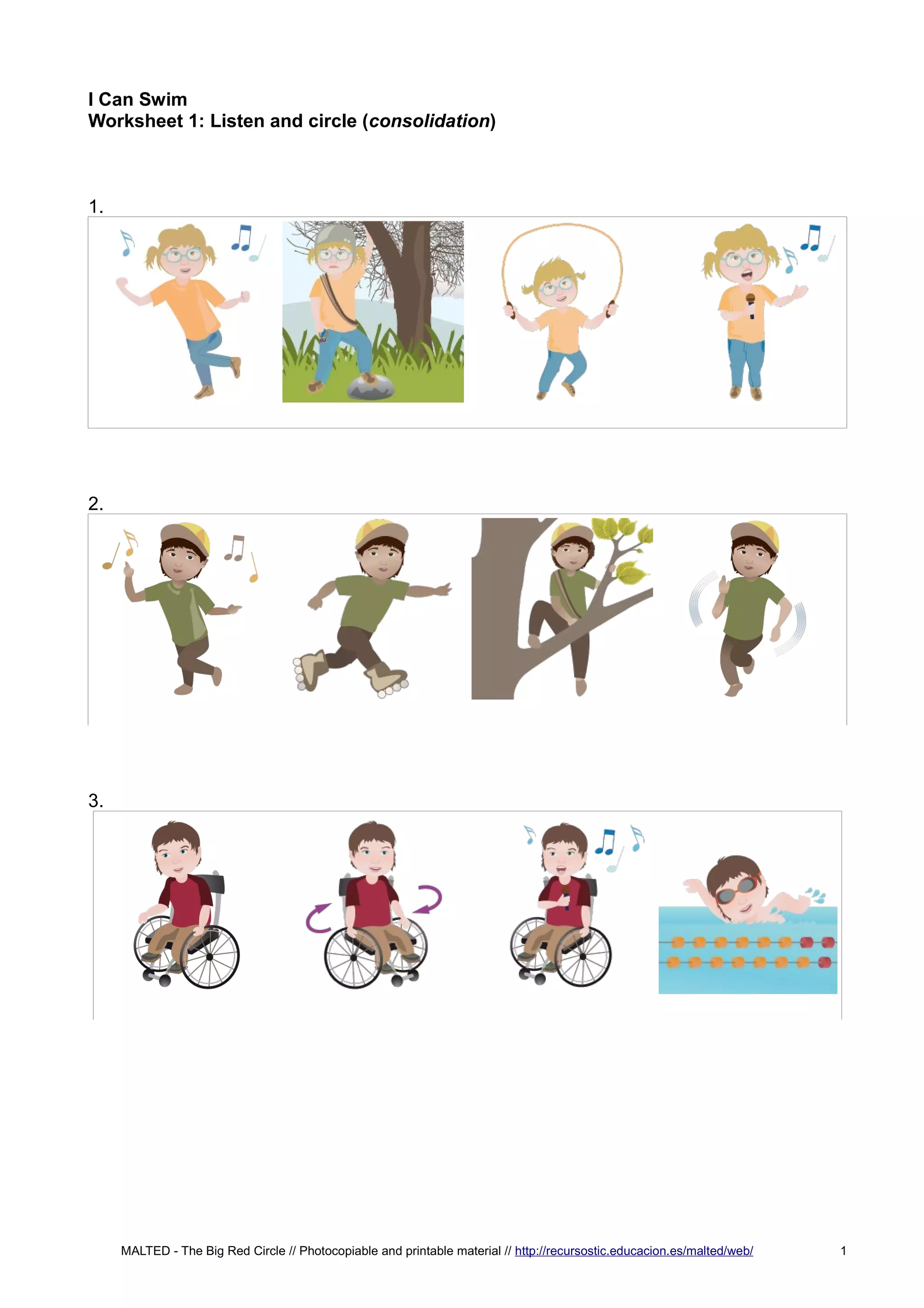
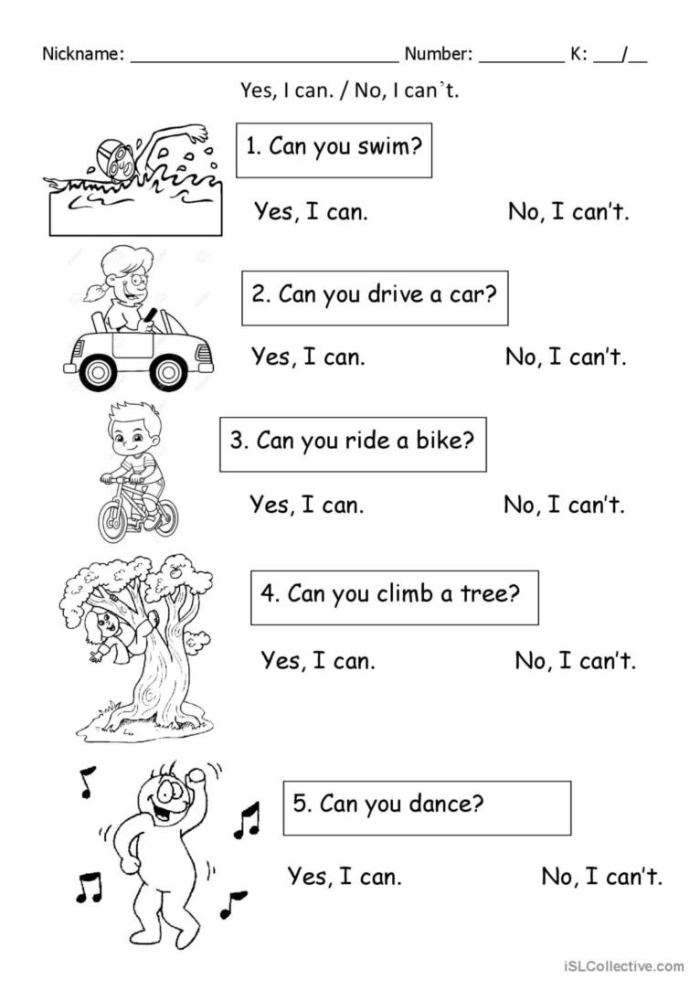
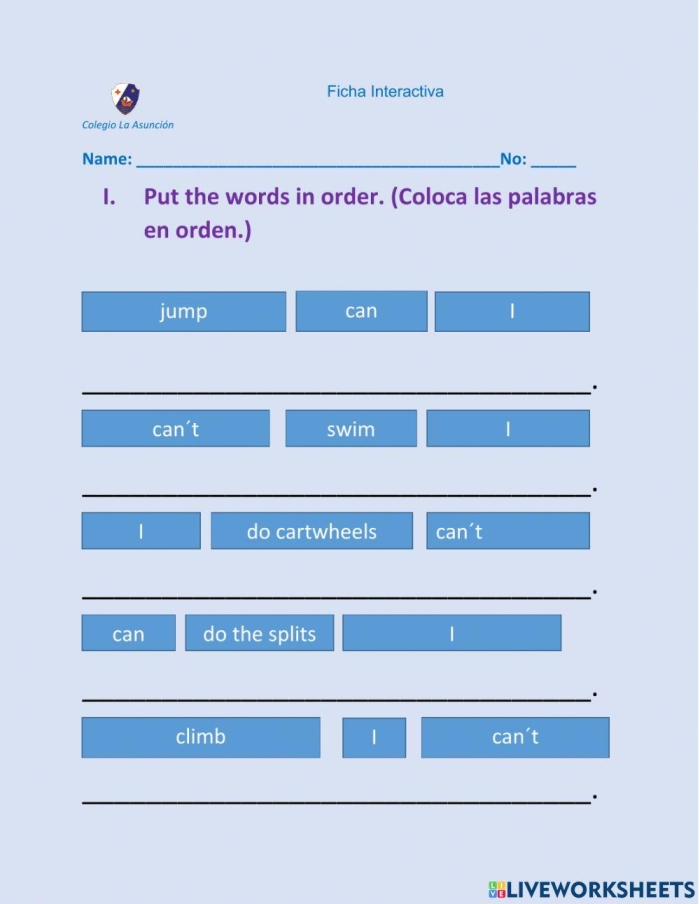
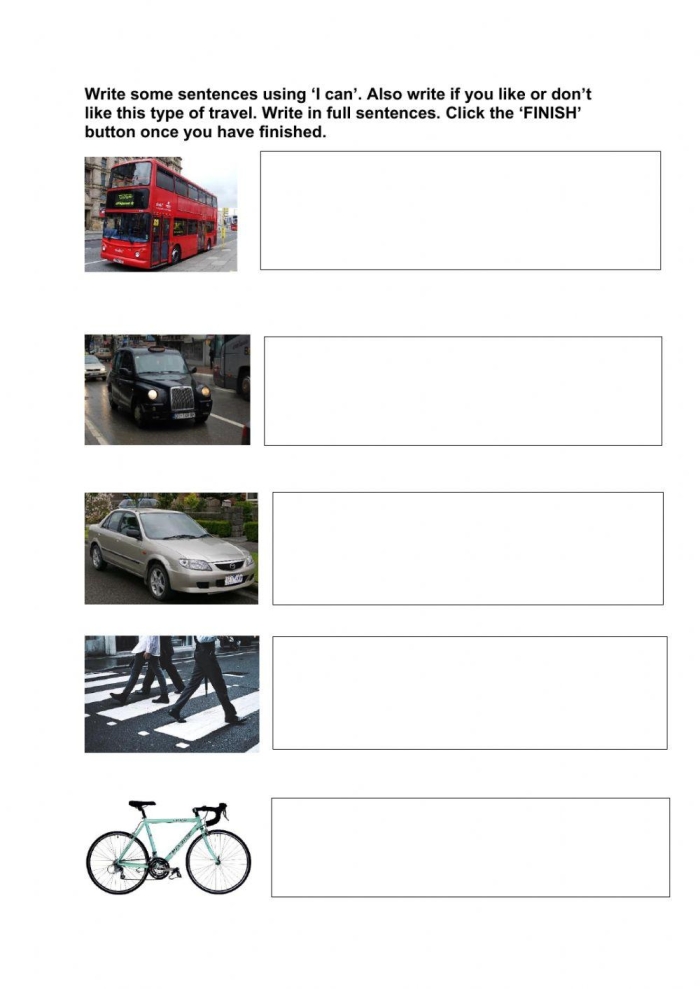
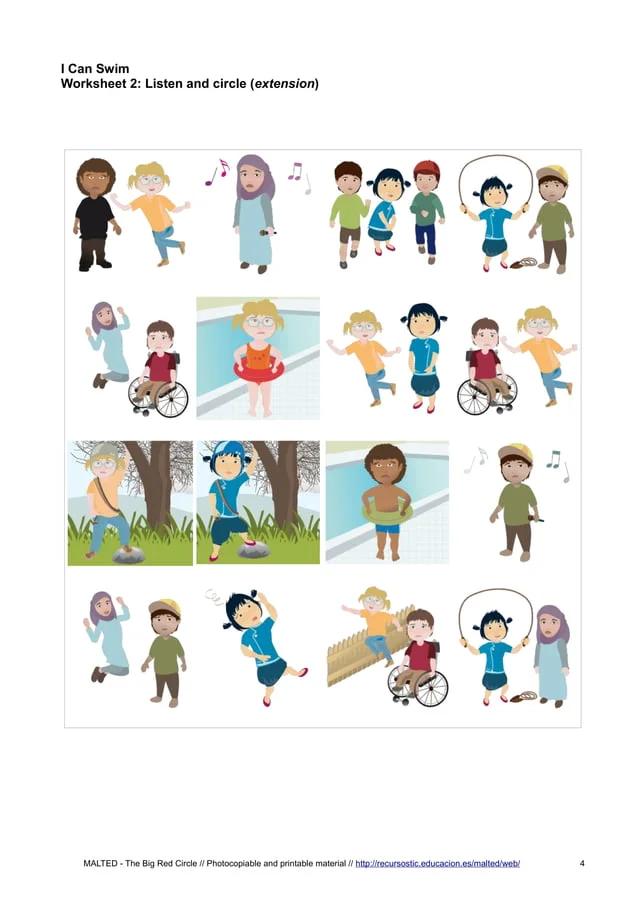
Writing activities deepen this learning. When students practice writing the word “can” and drawing pictures to match their sentences, they engage multiple senses and learning pathways. This hands-on approach to writing helps kindergarteners develop fine motor skills while reinforcing sight word recognition. You might try pairing these activities with worksheets that combine writing with visual elements, such as worksheets where children say what they can do or activities combining writing and drawing for sight words.
The beauty of this approach lies in its simplicity. You’re not introducing abstract grammar rules. Instead, you’re helping children understand that reading and writing connect directly to expressing themselves. As they share their “I can” statements with classmates, they reinforce the word through repetition and conversation, creating a natural learning loop that extends far beyond the worksheet.
Printable Worksheets for Practice