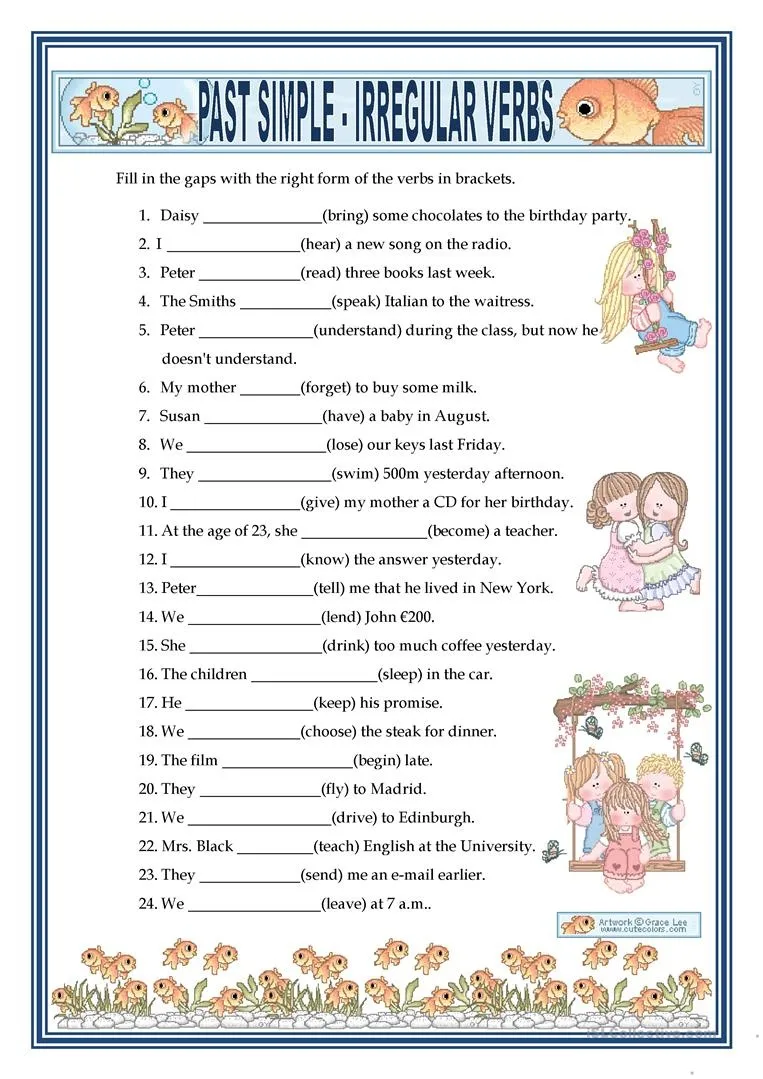
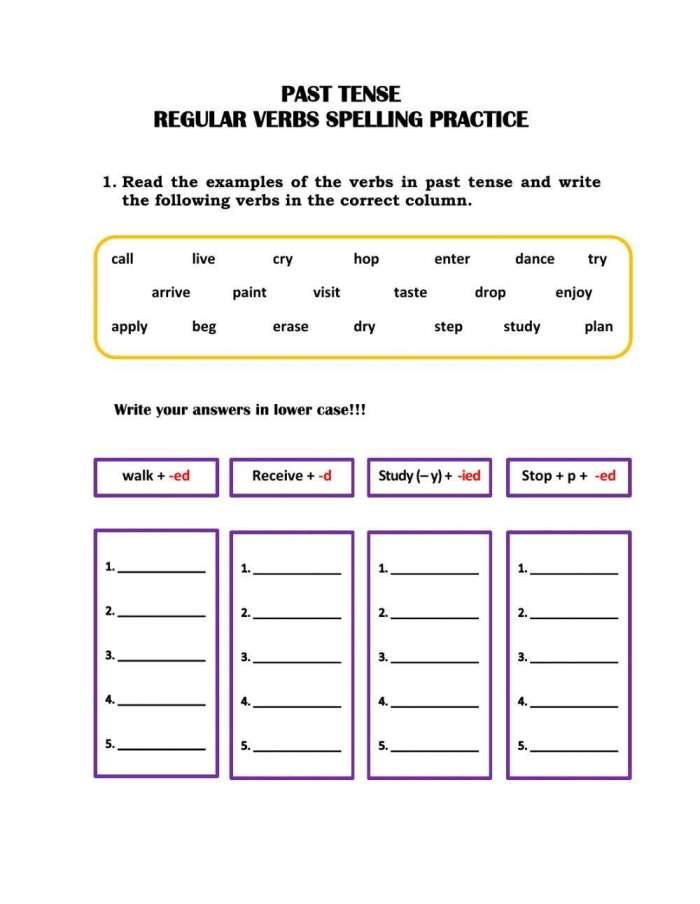
Second graders often stumble when they first encounter past tense verbs, especially when the rule seems inconsistent with how words actually sound. A worksheet that focuses on the -ed ending provides a concrete foundation for understanding how English marks actions that already happened. Rather than diving into irregular verbs like “went” or “ate,” starting with regular past tense verbs gives students a predictable pattern to hold onto.
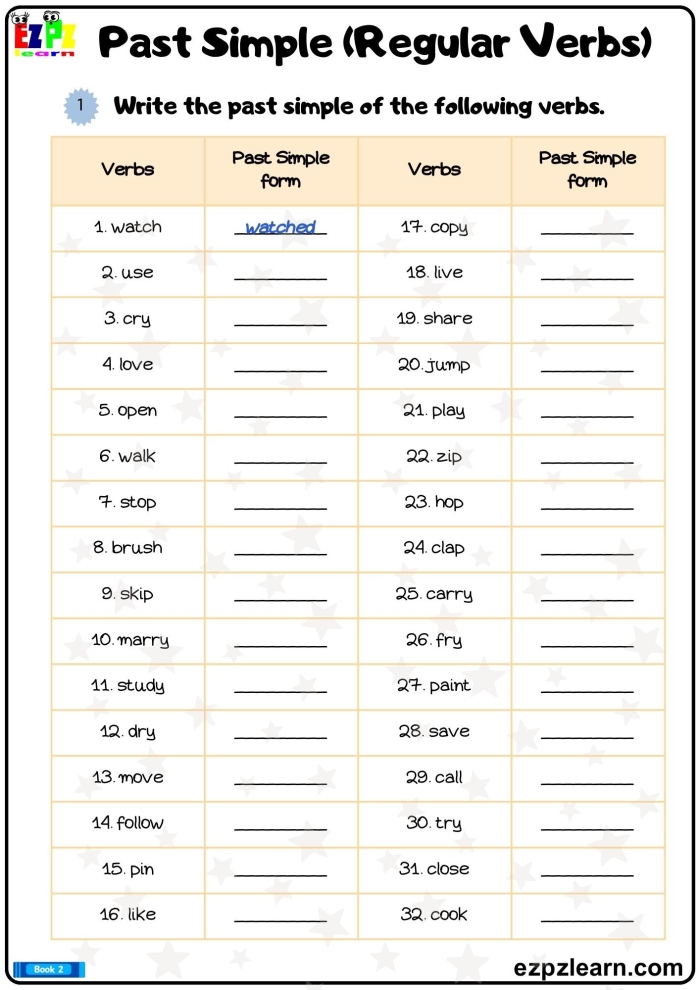
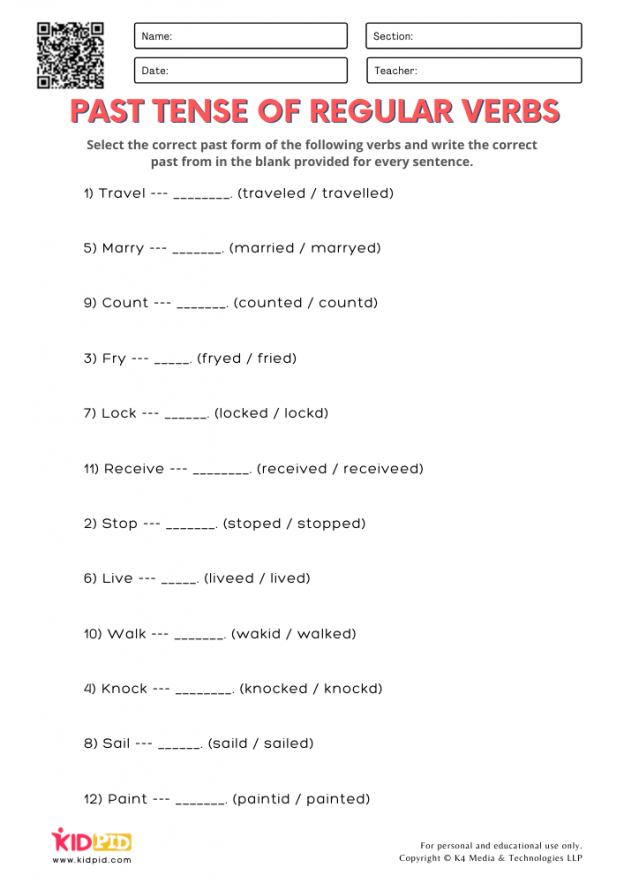
The -ed ending is one of the most reliable patterns in English grammar. When you add -ed to a verb, you signal that something occurred in the past. Words like “walked,” “played,” “jumped,” and “talked” follow this rule consistently. For second graders working through geometry worksheets and other core subjects, recognizing this pattern frees up mental energy they can use elsewhere. Once they understand that “walk” becomes “walked,” they can apply the same logic to hundreds of other verbs.
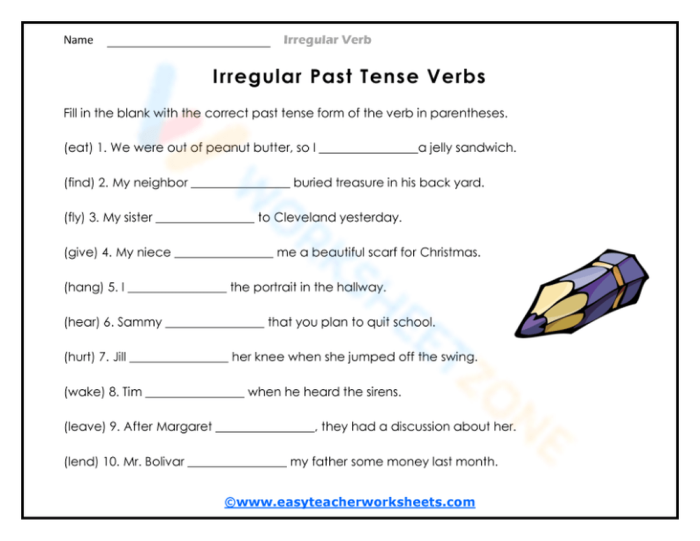
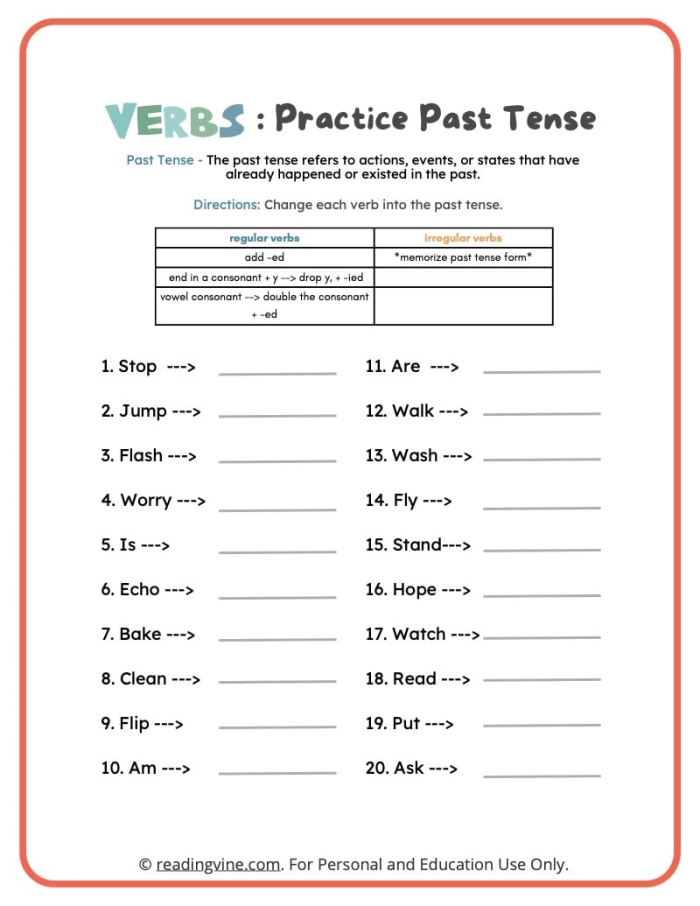
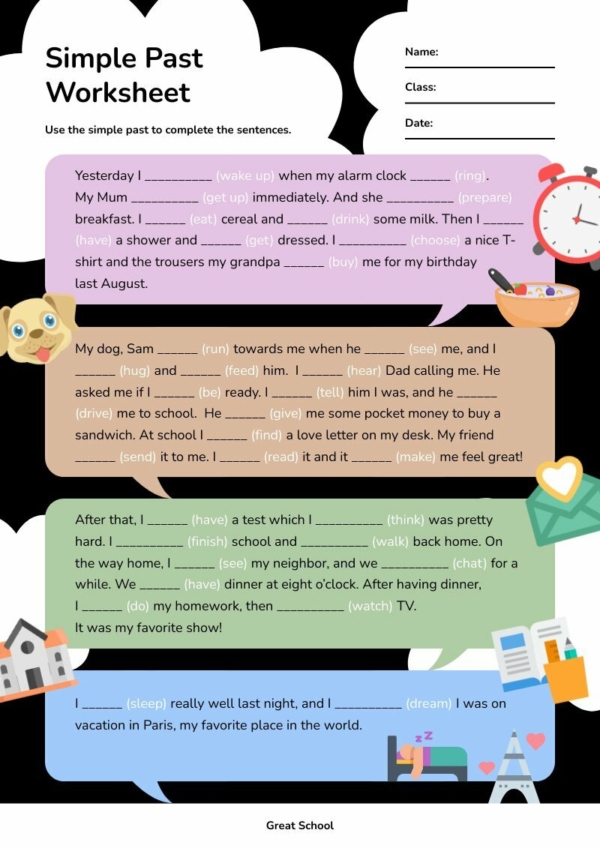
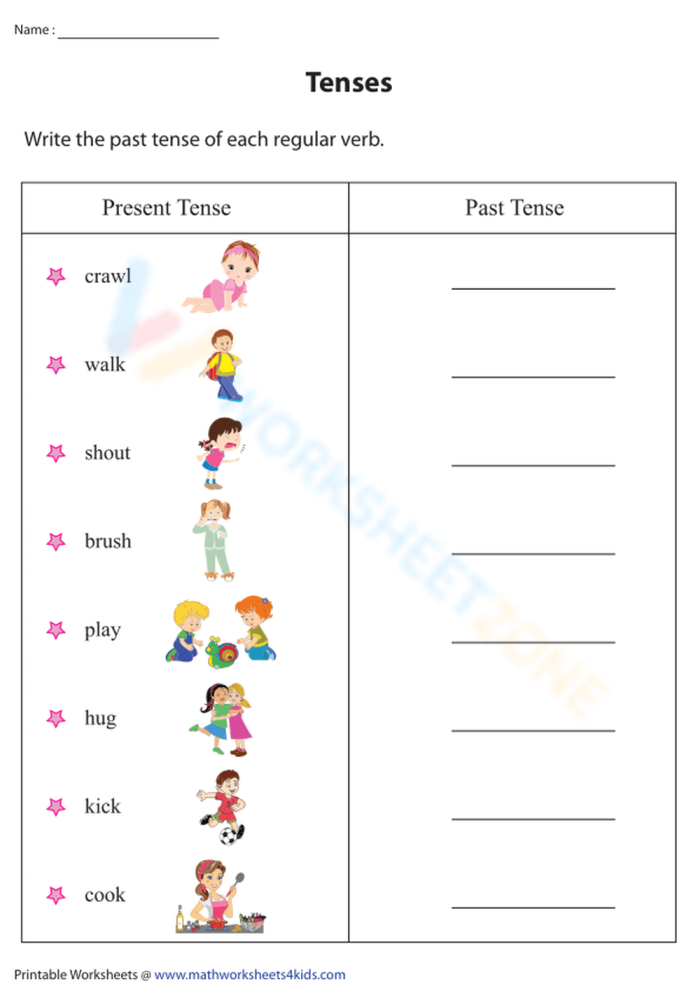
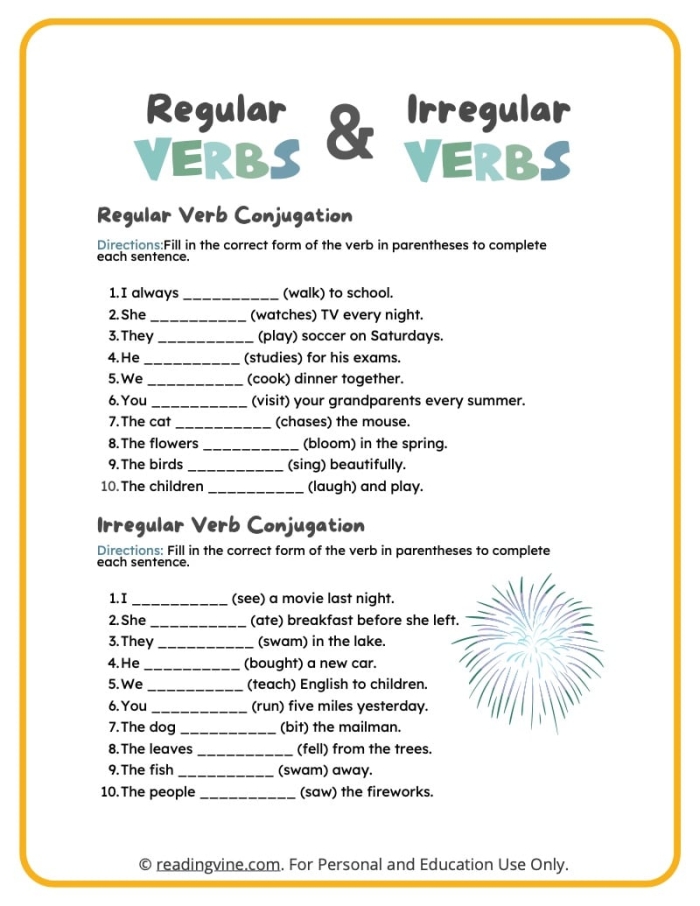
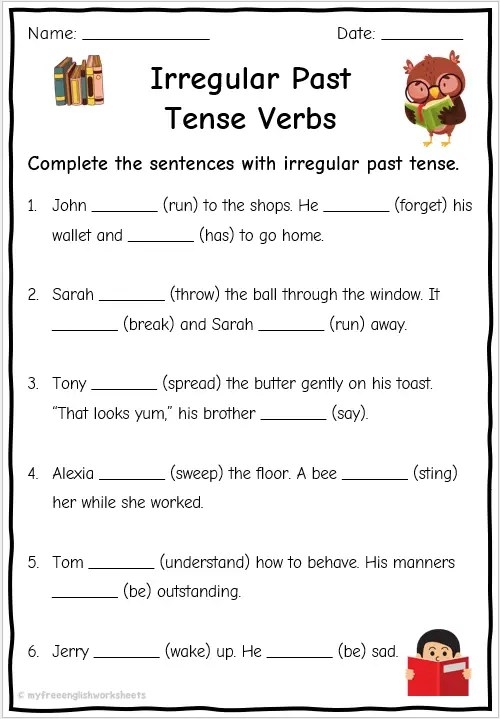
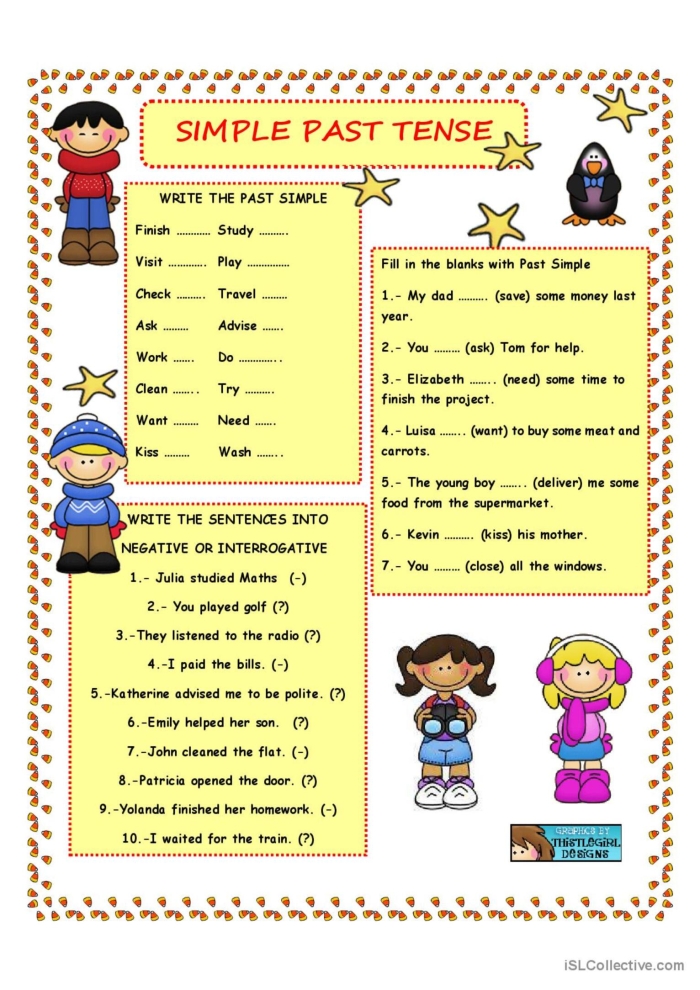
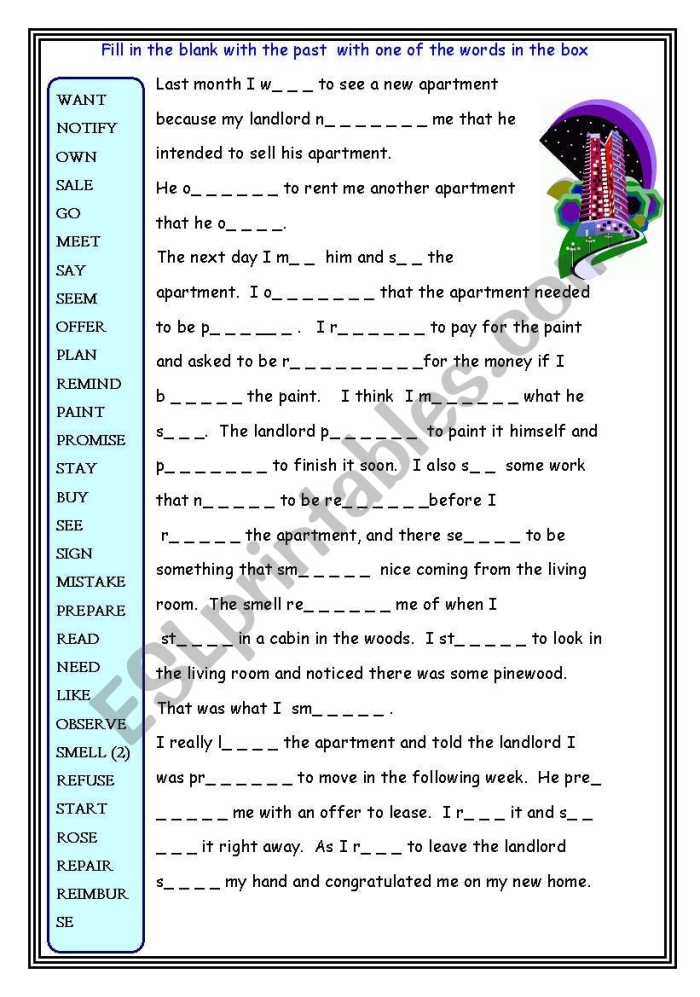
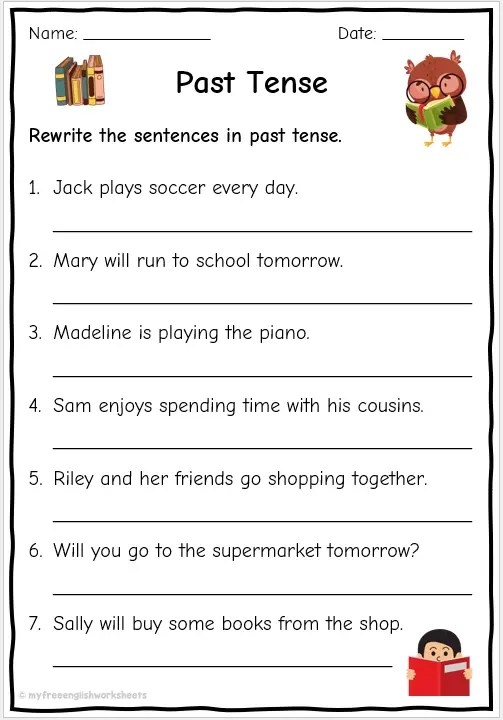
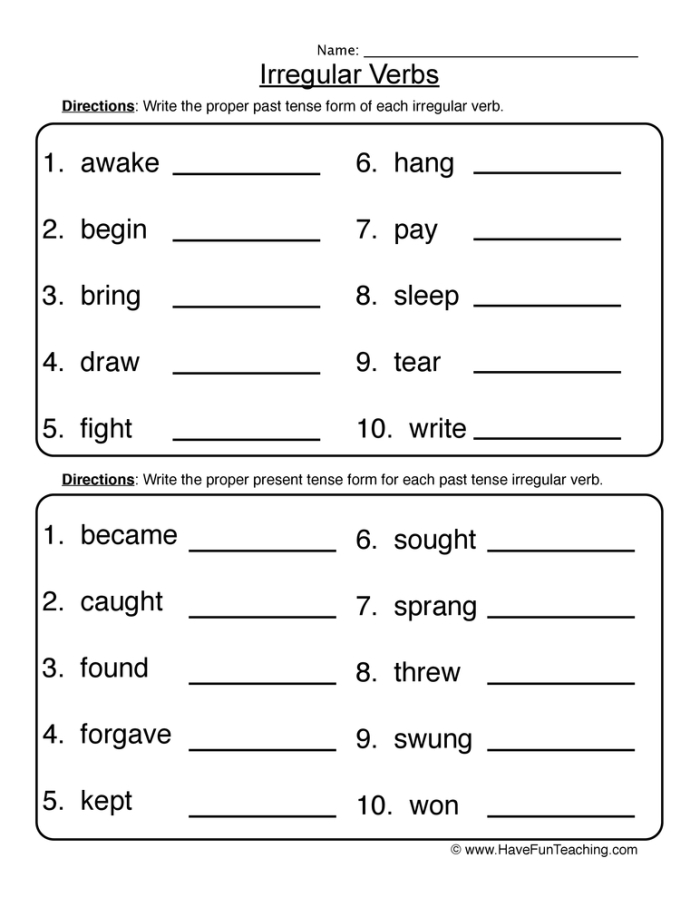
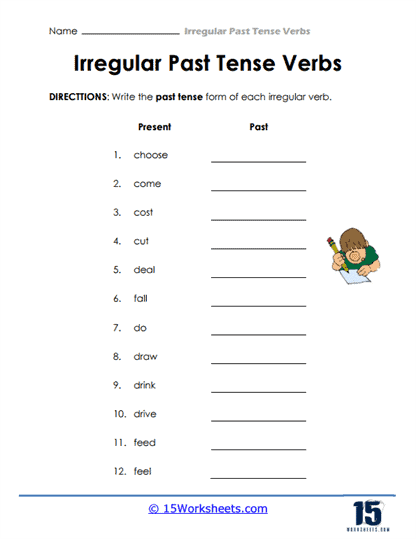
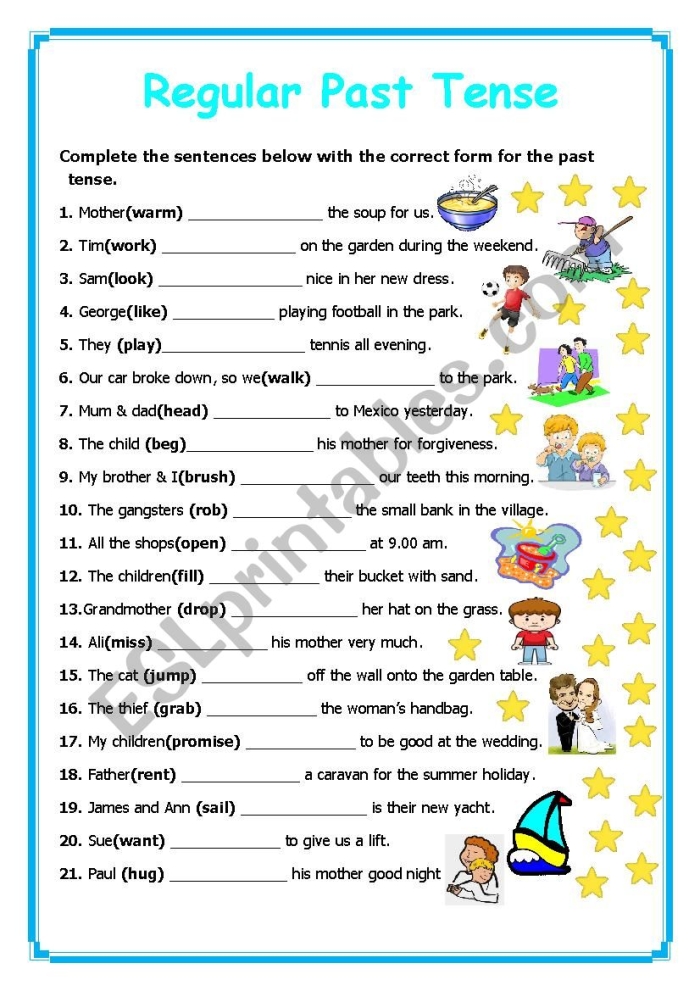
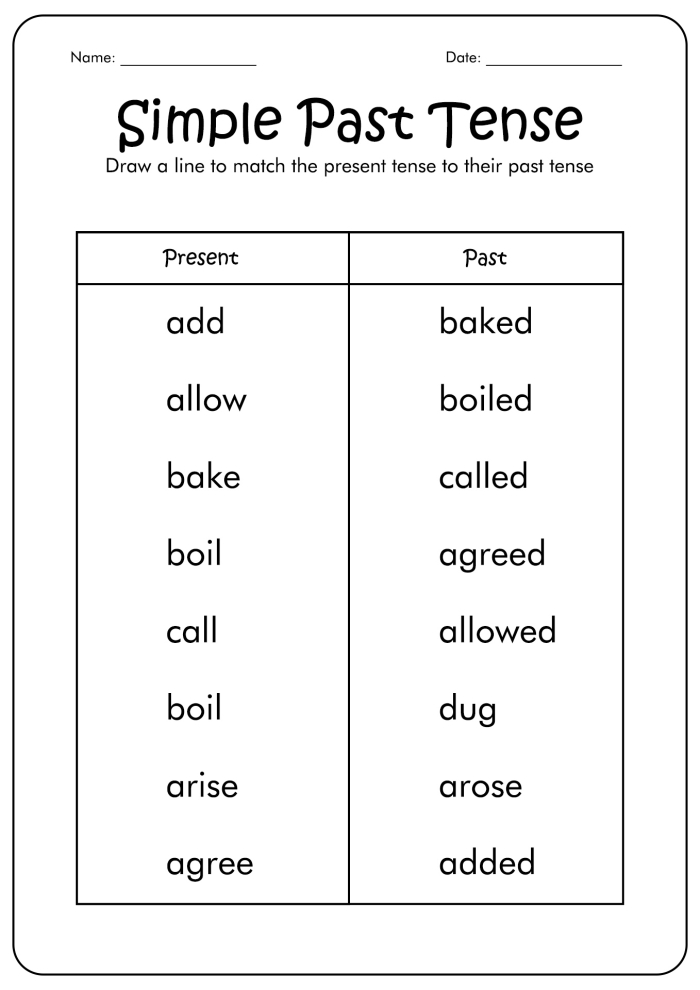
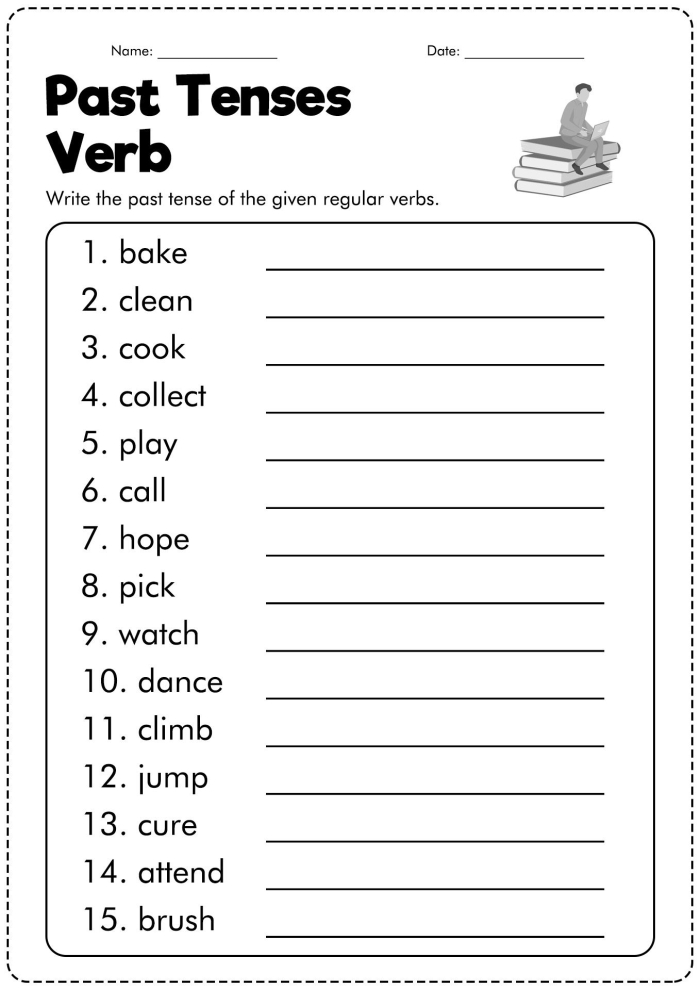
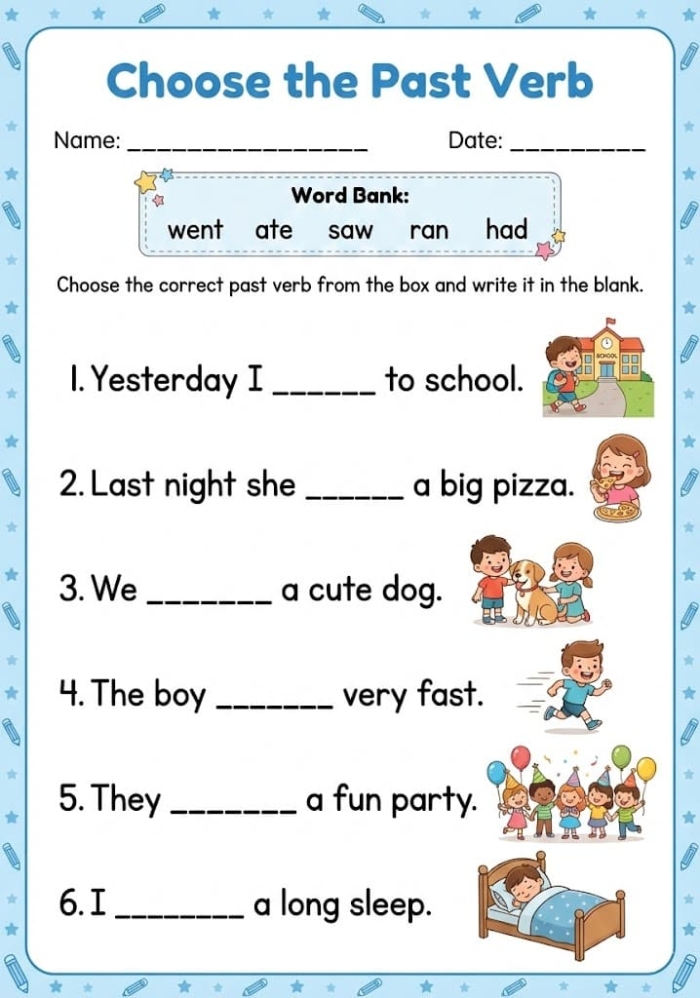
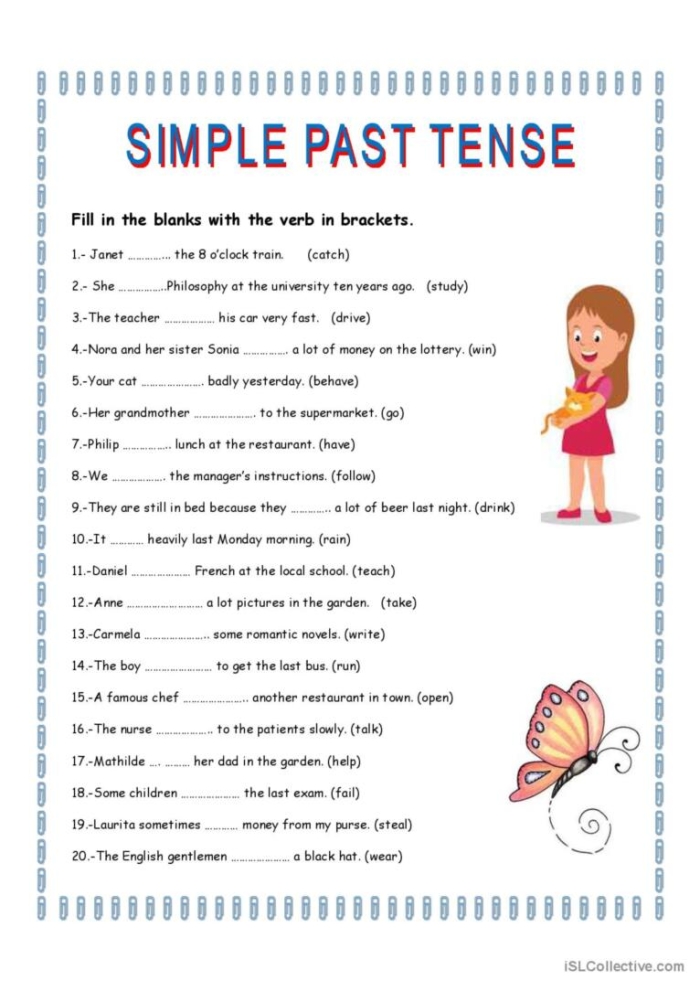
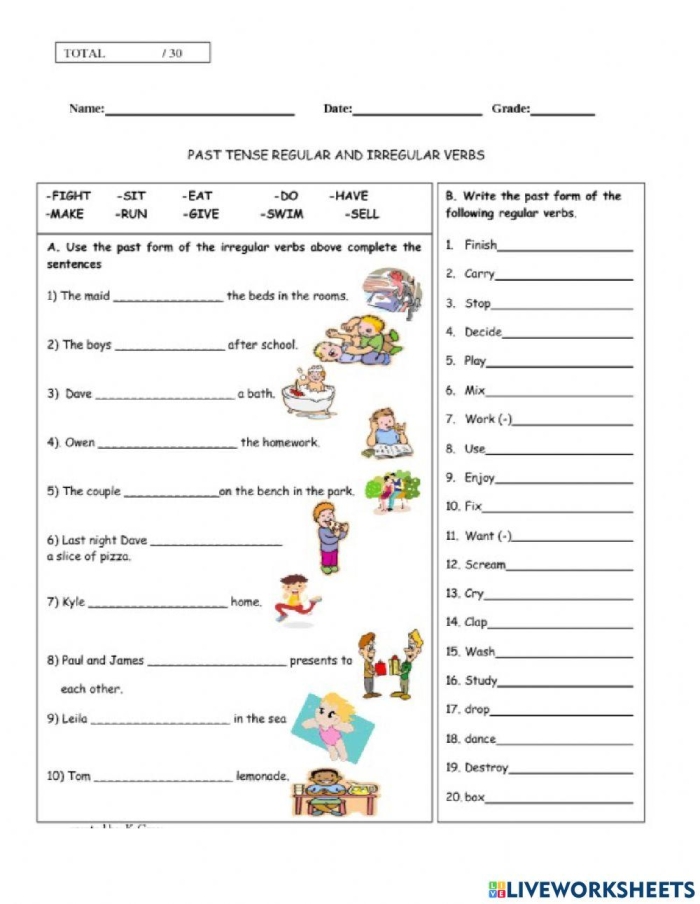
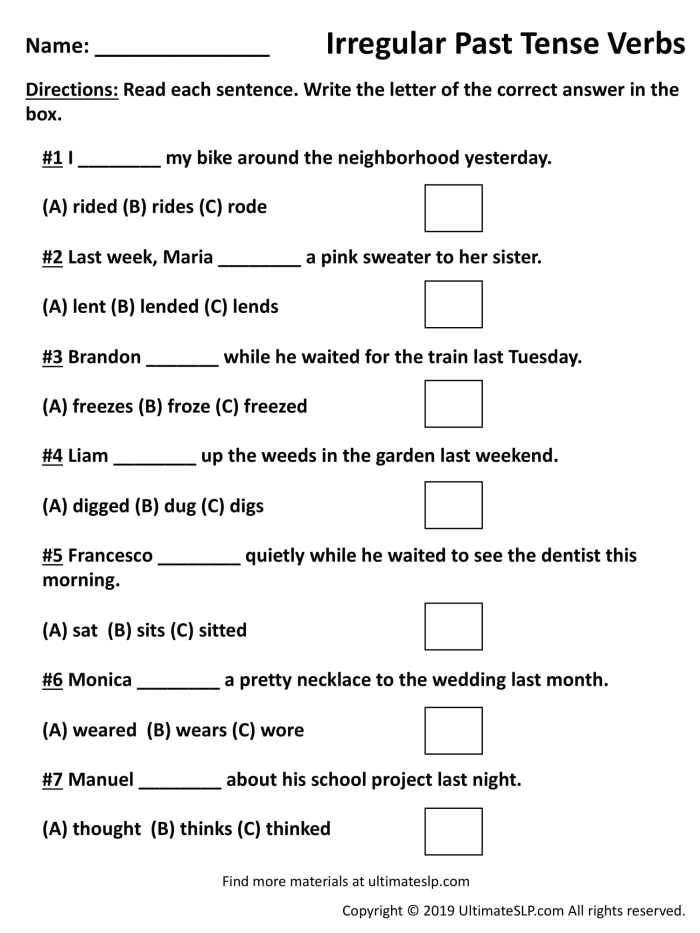
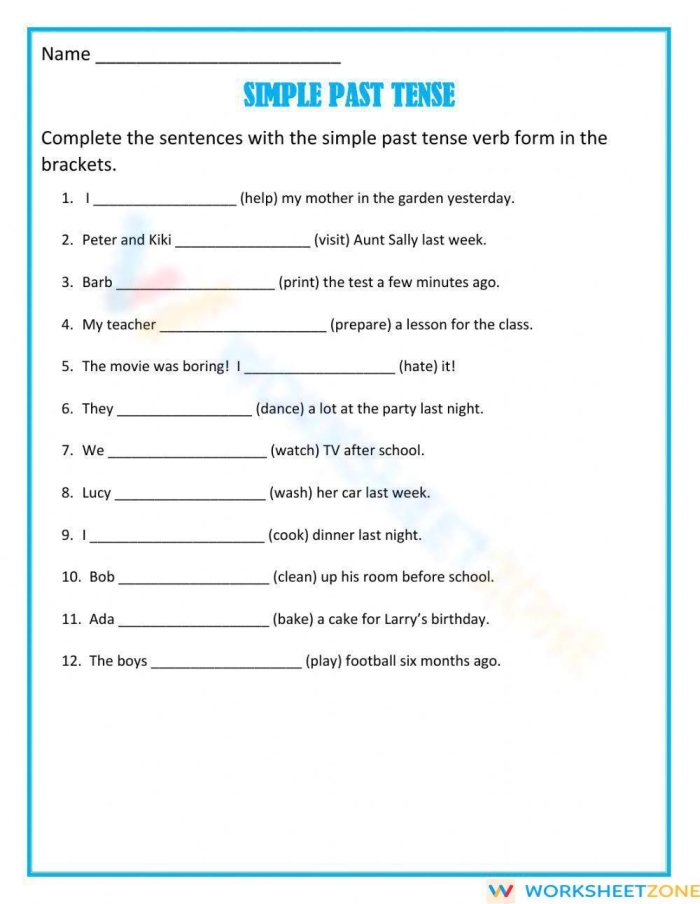
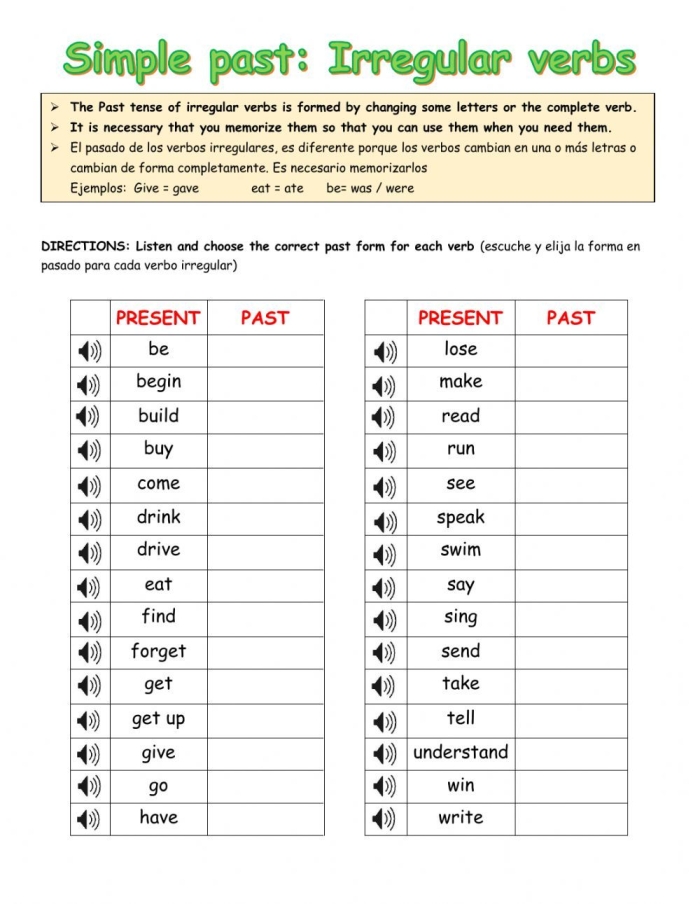
A well-designed worksheet typically includes several practice activities. Students might match present tense verbs to their past tense forms, fill in blanks in sentences, or identify which word in a sentence is the past tense verb. Some worksheets incorporate visuals or simple illustrations to help students connect the word to its meaning. This multimodal approach works especially well for second graders who still rely heavily on pictures to support their reading.
What makes these worksheets effective is their focus on high-frequency verbs that children encounter in their daily lives. Words like “helped,” “asked,” “wanted,” and “looked” appear in the stories they read and the conversations they hear. When students practice with relevant vocabulary, the learning sticks better than if they were memorizing obscure or abstract verbs.
Pairing a past tense worksheet with other foundational grammar work strengthens overall language development. Resources like those covering contractions and vowel patterns complement verb instruction nicely, building a comprehensive picture of how English works at the sentence level.
Start Practicing with These Worksheets