Rewriting stories from different perspectives teaches fourth grade students how a single event looks completely different depending on who’s telling it. When students shift the point of view of various texts, they discover that narration choices shape everything: what details matter, which emotions surface, and how readers understand the entire story.
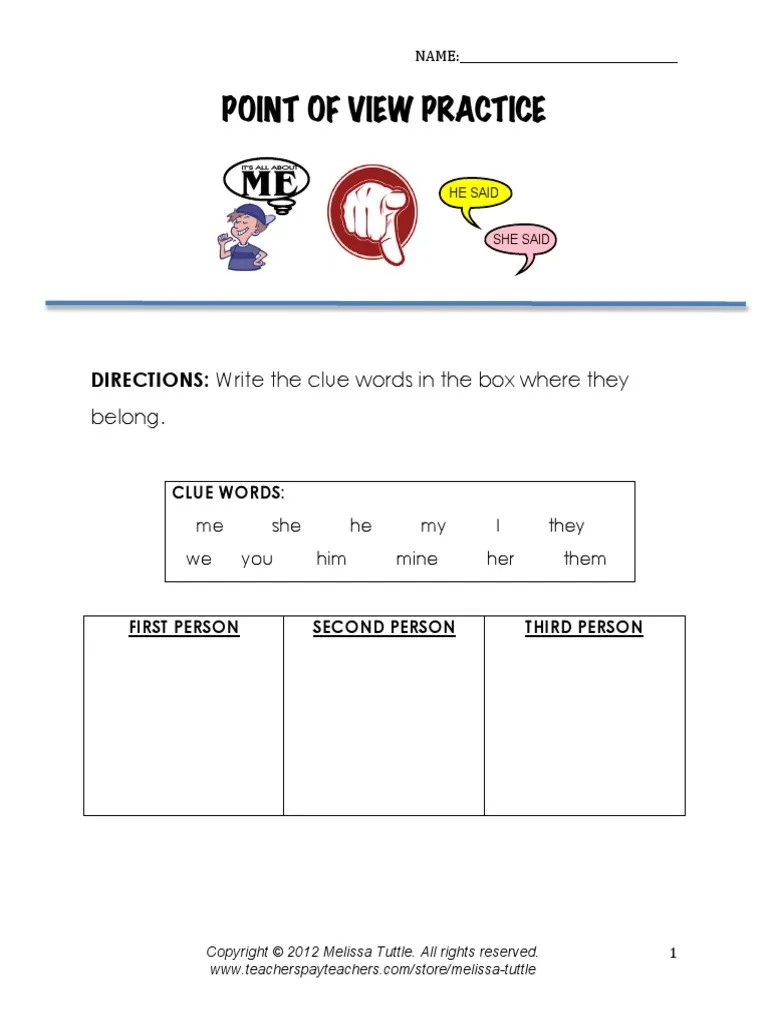
This skill builds on foundational comprehension work. Students already learn to identify relative pronouns and grammatical structures that anchor narrative voice. Now they apply that knowledge by actually rewriting passages. A fairy tale told from the villain’s perspective becomes sympathetic. A sports scene narrated by a bench player feels entirely different than one told by the star athlete.
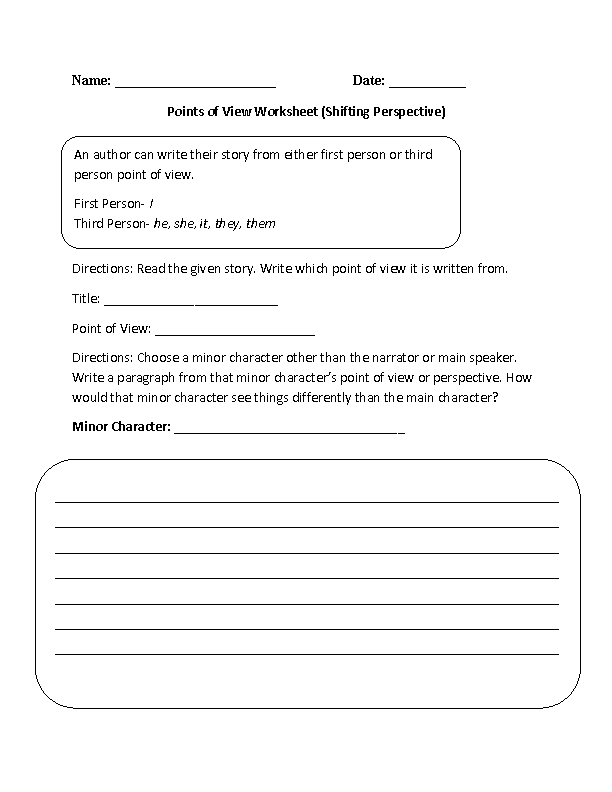
The practical exercise works like this: students select a short text, identify the original narrator’s point of view, then rewrite key scenes from another character’s angle. A fourth grader might take a simple story about a lost toy and retell it from the toy’s viewpoint, or from a sibling’s perspective instead of the main character’s. The rewrite requires them to track what that new narrator would see, know, and care about.
This activity strengthens writing skills beyond just creative expression. Students learn how cause and effect relationships shift based on who experiences them. They practice maintaining consistent voice and tense while making deliberate word choices. These are addition skills that layer onto existing grammar and comprehension abilities.
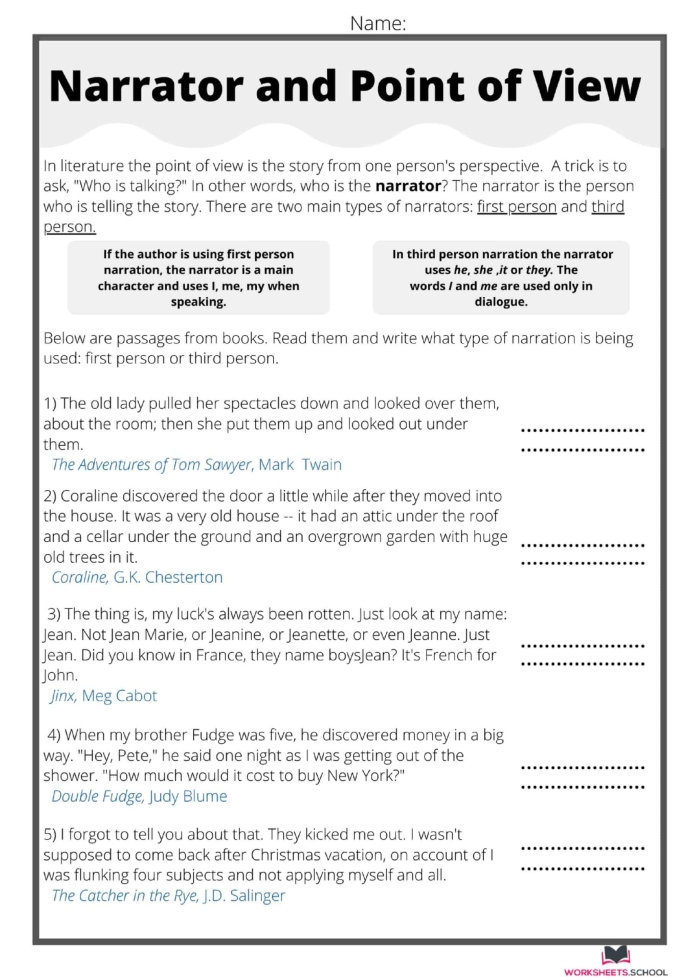
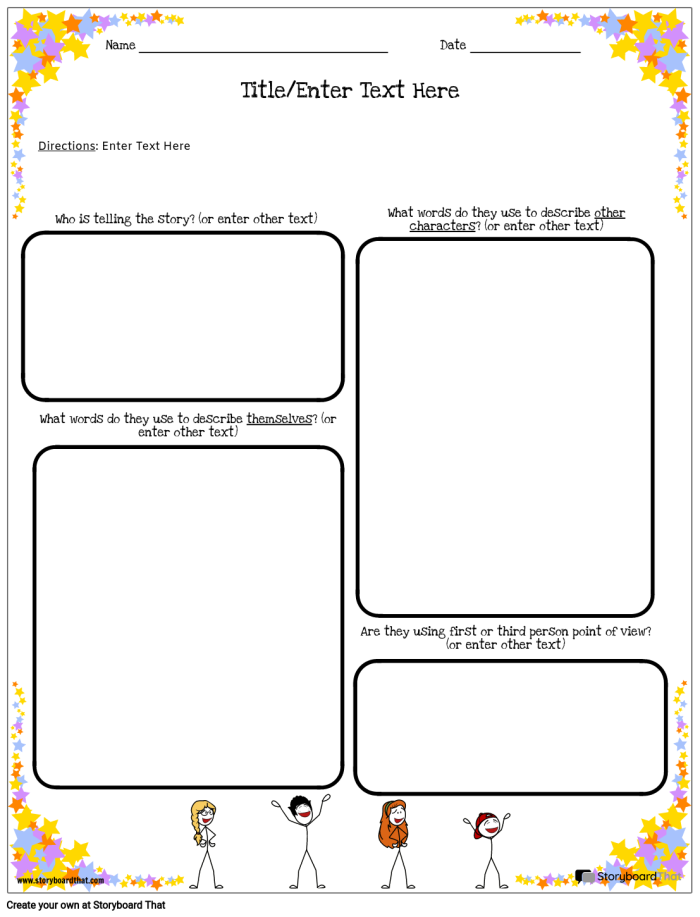
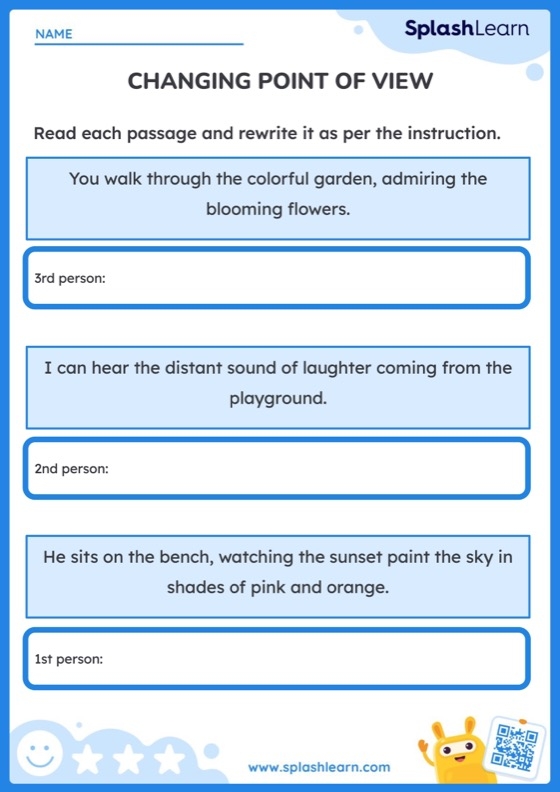
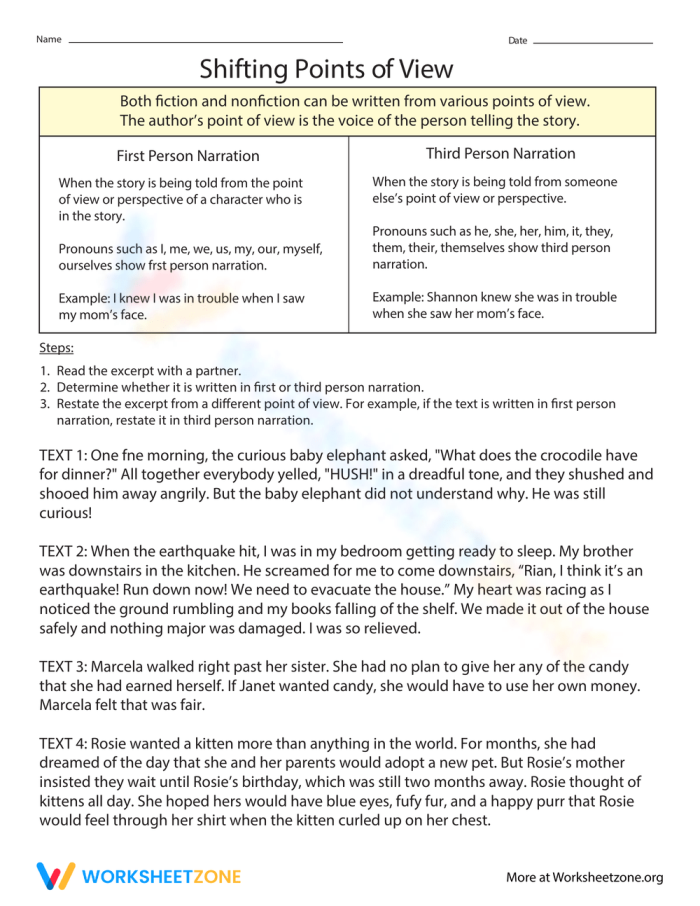
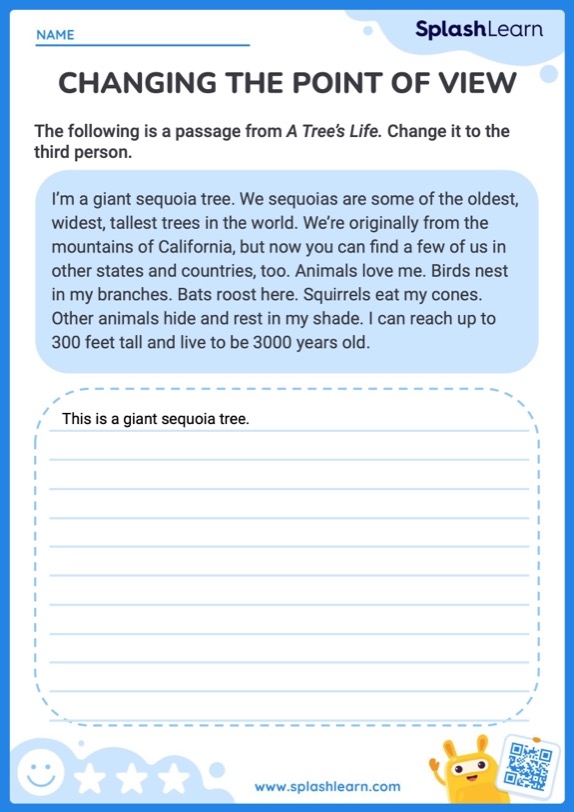
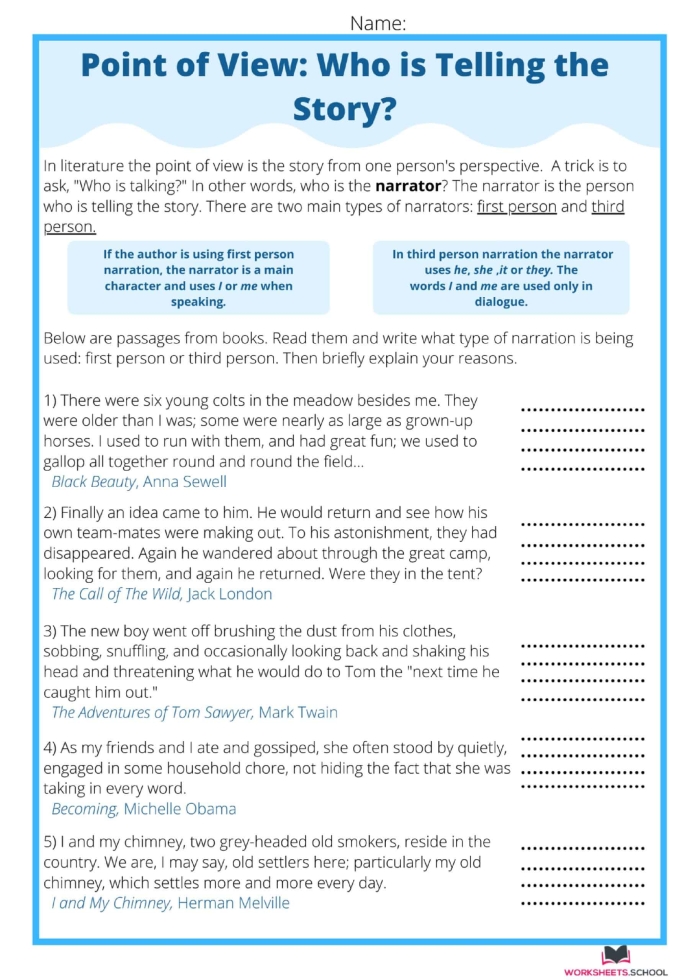
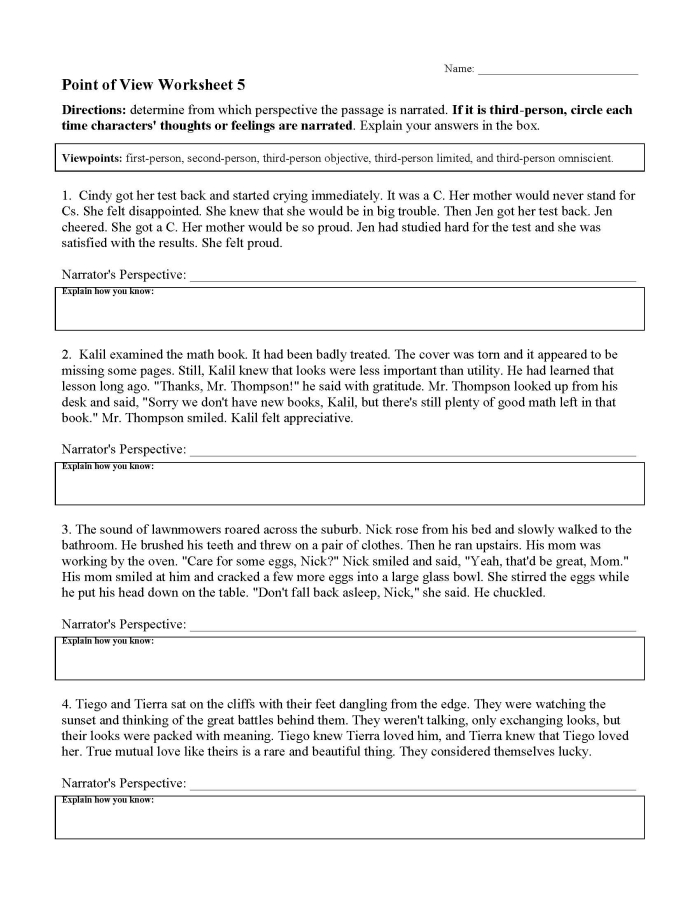
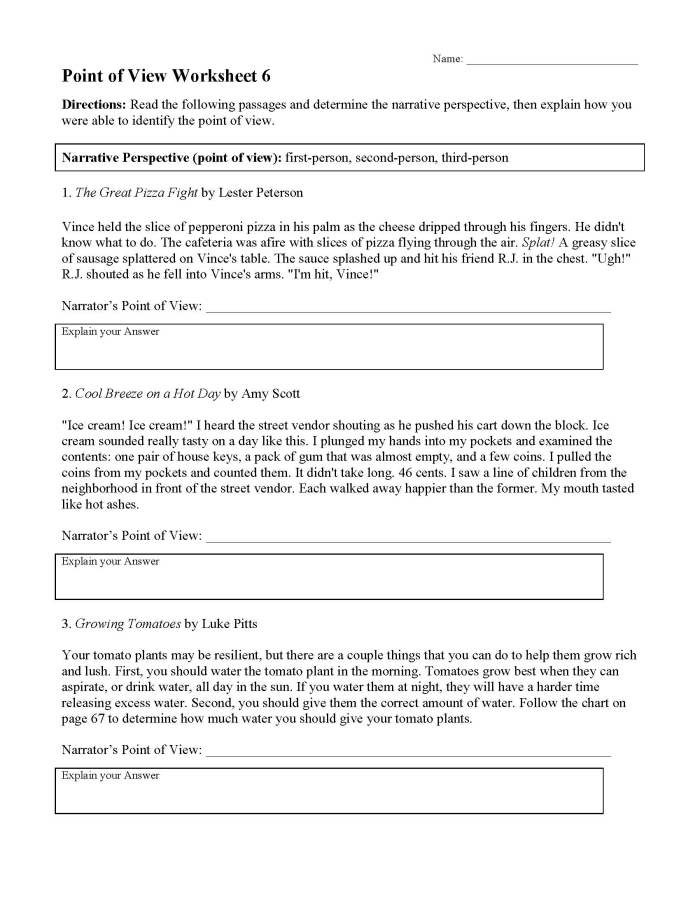
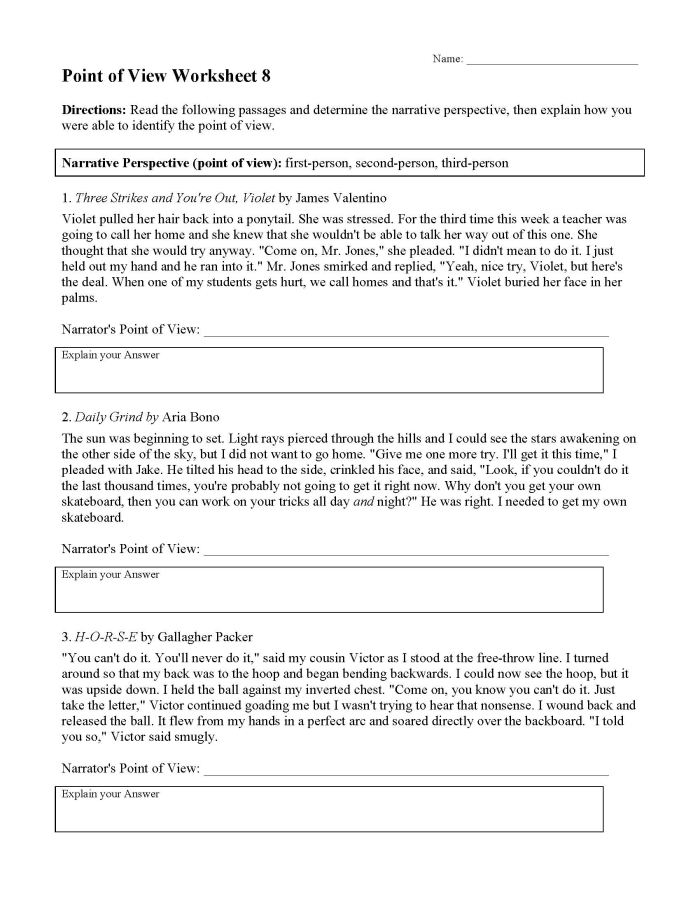
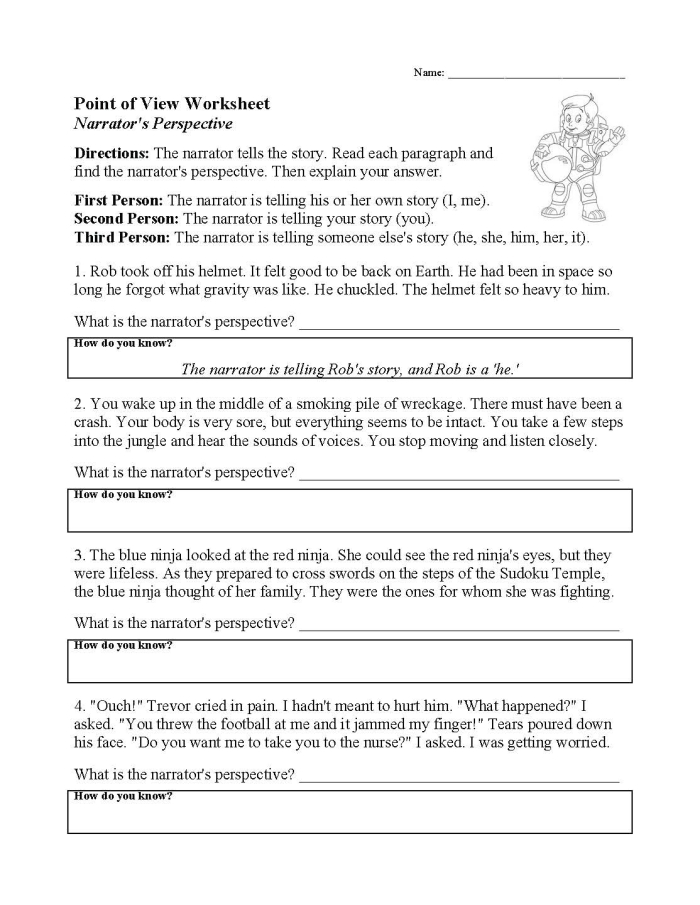
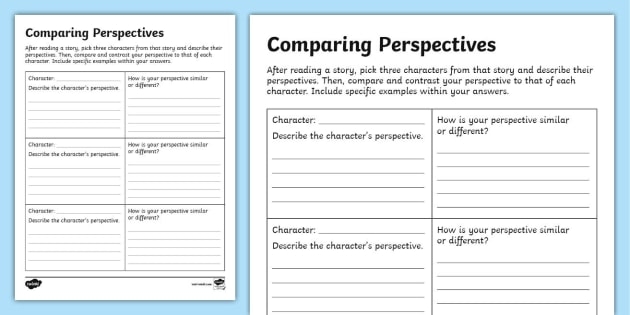
Printable shifting points of view worksheets guide students through this work with scaffolded prompts and example texts. Fourth grade teachers use these resources to help students move from understanding perspective as a concept to actually manipulating it in their own writing. The result is deeper reading comprehension and more sophisticated storytelling.
Use These Worksheets Today