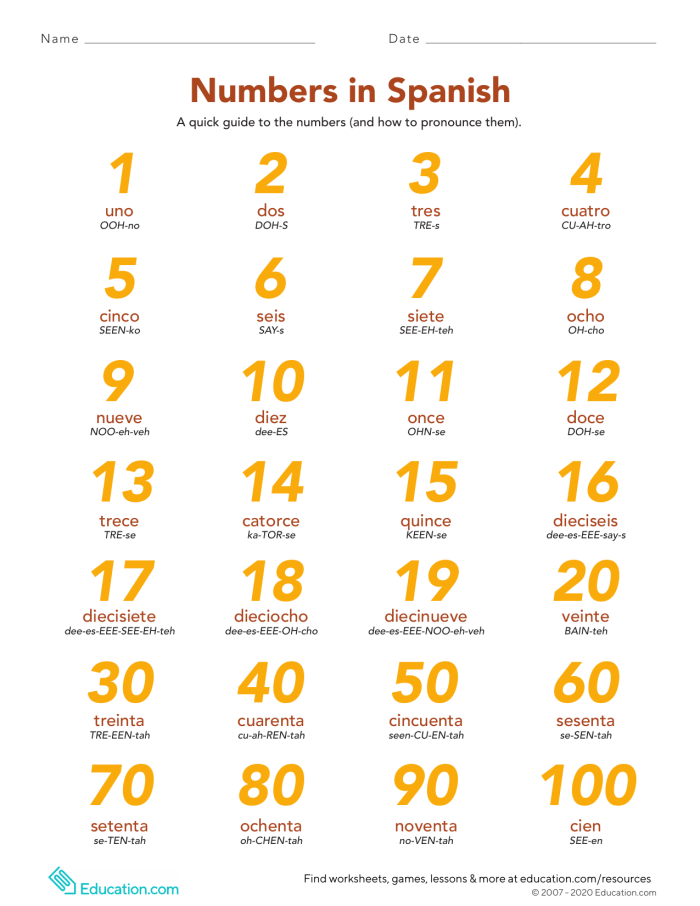
Learning Spanish numbers from one to one hundred opens up a foundation that second grade students need for basic math conversations, telling time, and understanding prices. The jump from single digits to triple digits feels intimidating at first, but breaking it into chunks makes the process manageable and even enjoyable.
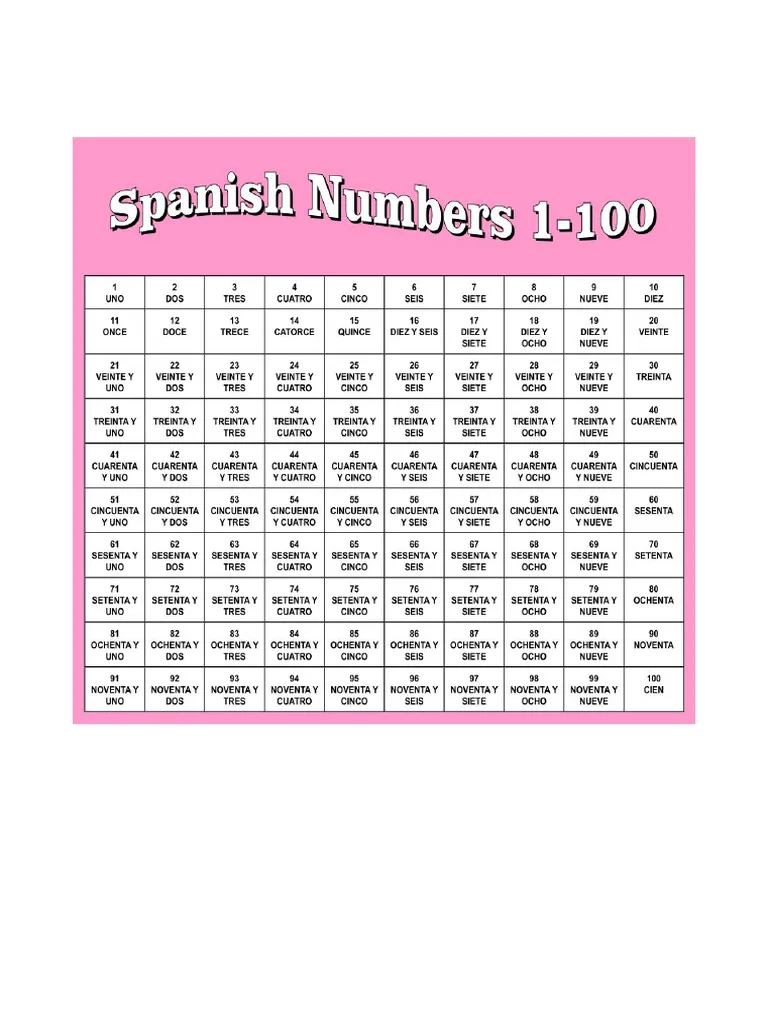
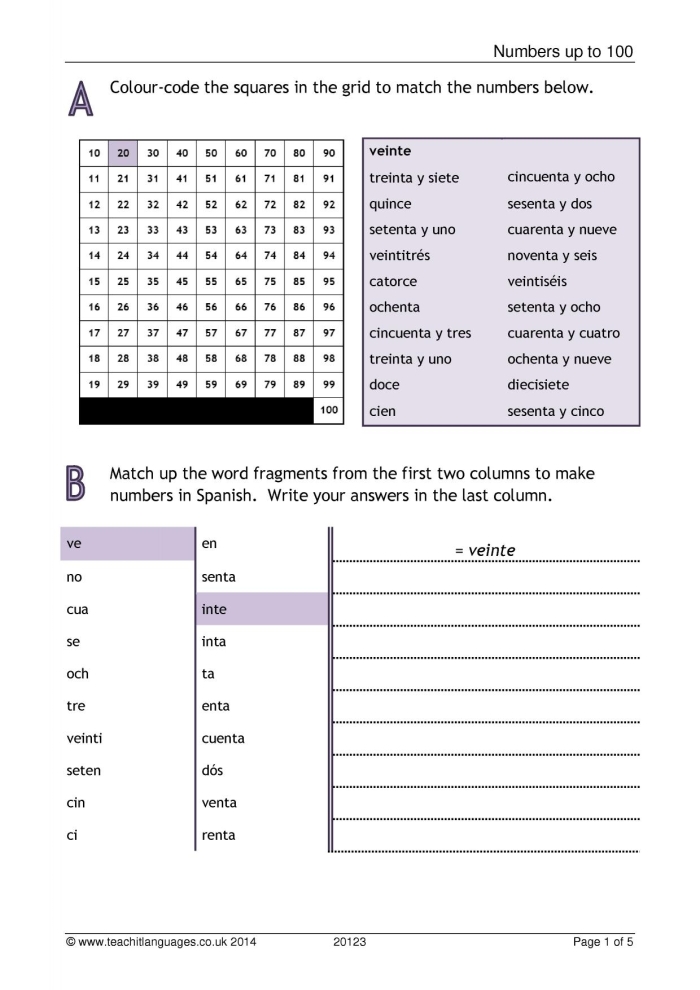
The beauty of Spanish numbers lies in their consistent patterns. Once you understand the structure of numbers one through thirty, the rest follows logically. Numbers uno through treinta have unique names you need to memorize, but starting at thirty-one (treinta y uno), the pattern repeats itself. You simply combine the tens place with the ones place using the word “y” (and) in between. Thirty-two becomes treinta y dos, forty-five becomes cuarenta y cinco, and so on.
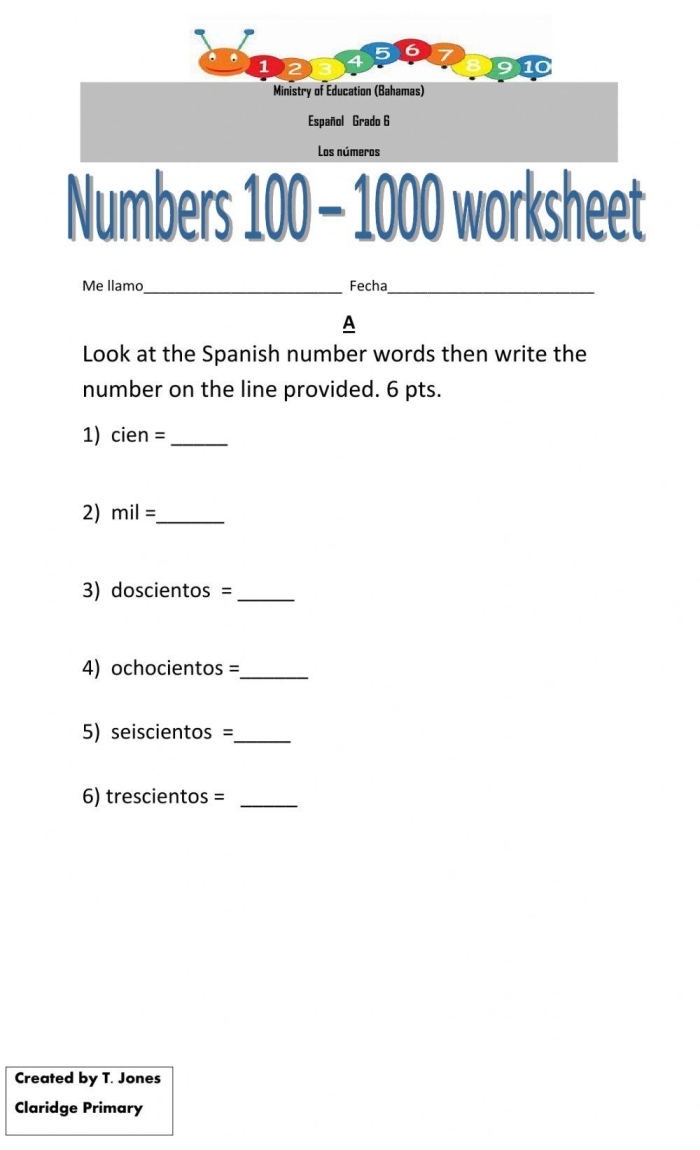
Counting by tens gives you the scaffolding for everything else. The tens have their own distinct words: diez, veinte, treinta, cuarenta, cincuenta, sesenta, setenta, ochenta, noventa, and cien. Practicing these anchor points first helps students recognize the framework before filling in the gaps. Many teachers find that spending dedicated time on tens creates confidence that carries through the entire hundred-number range.
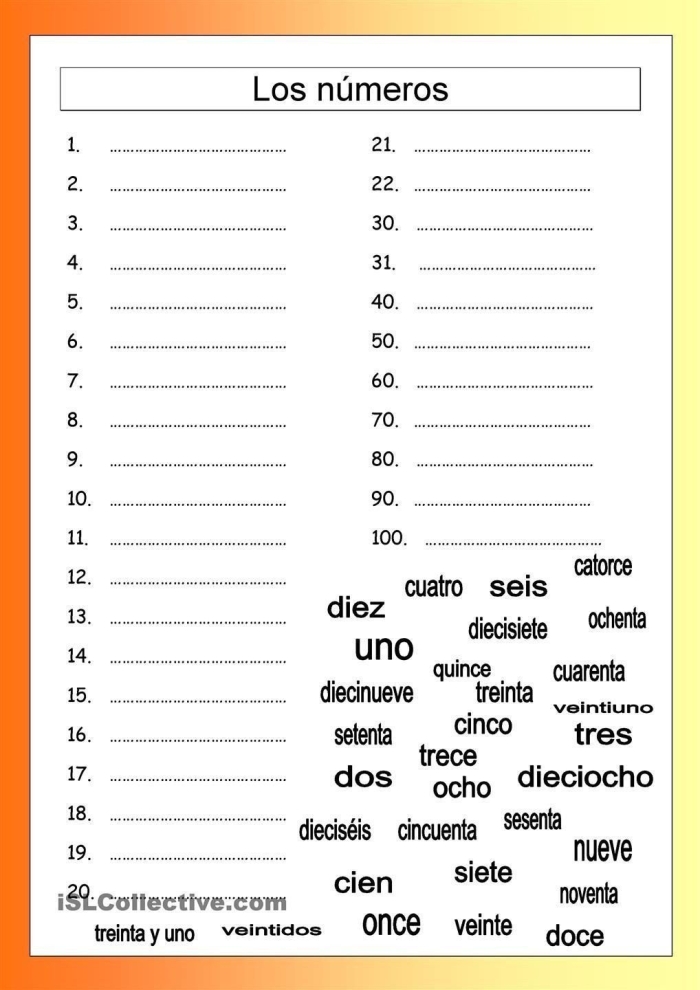
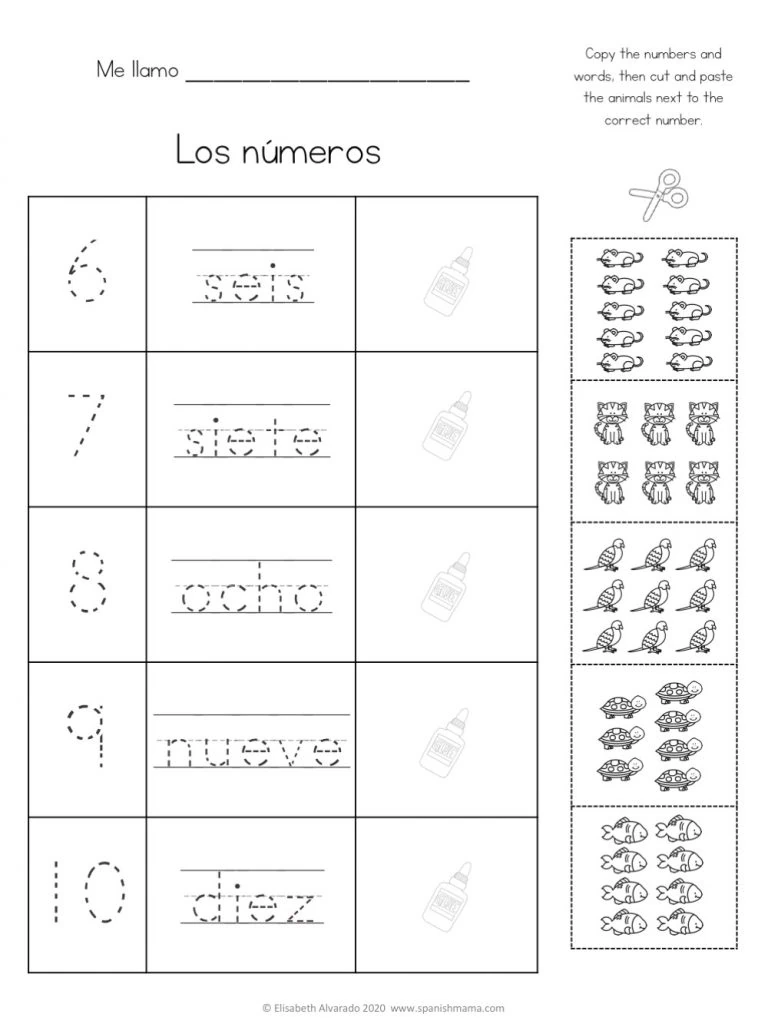
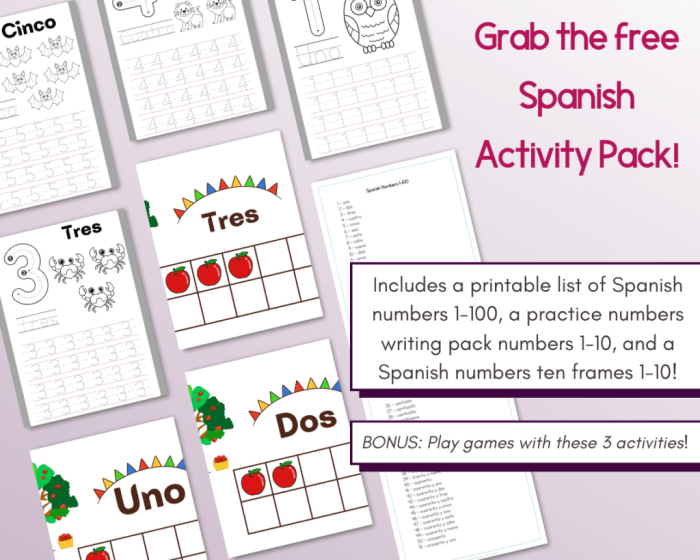
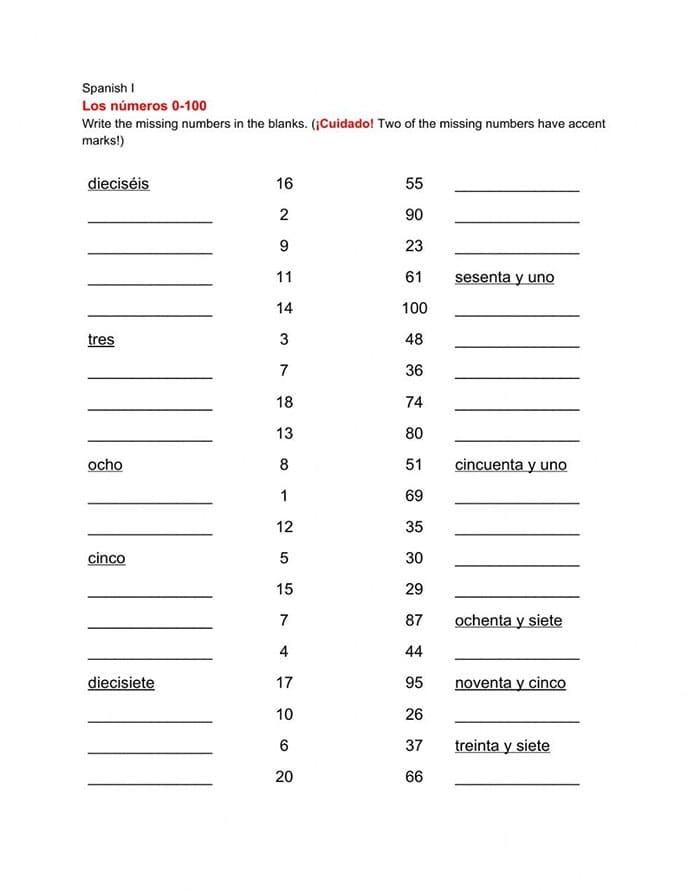
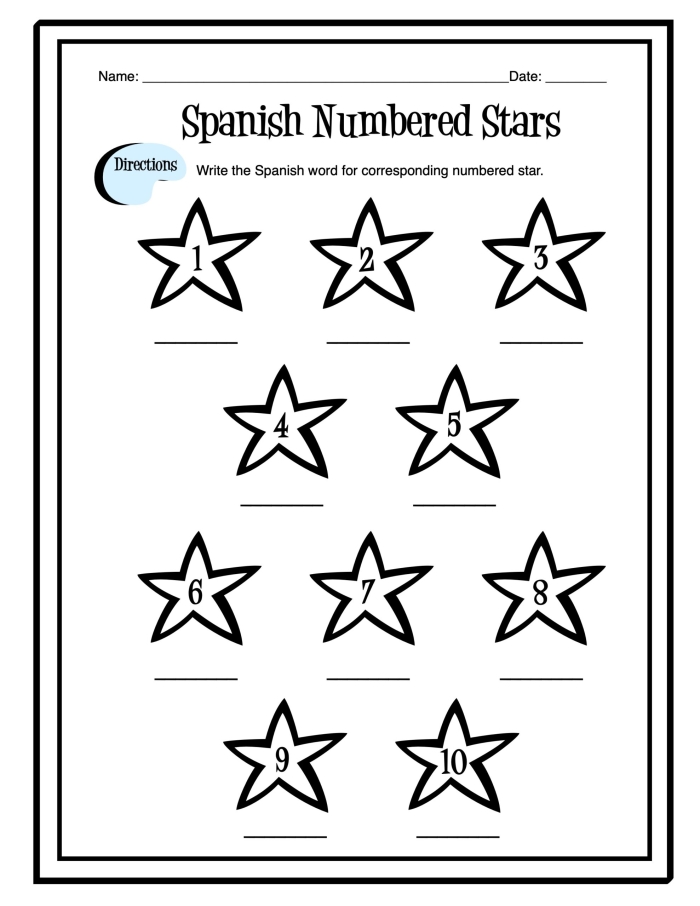
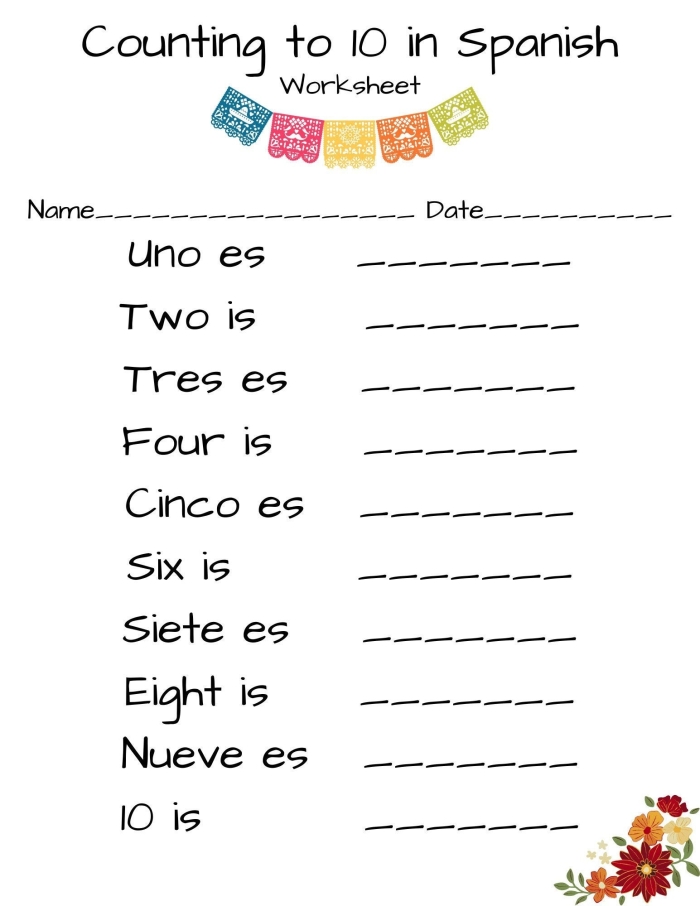
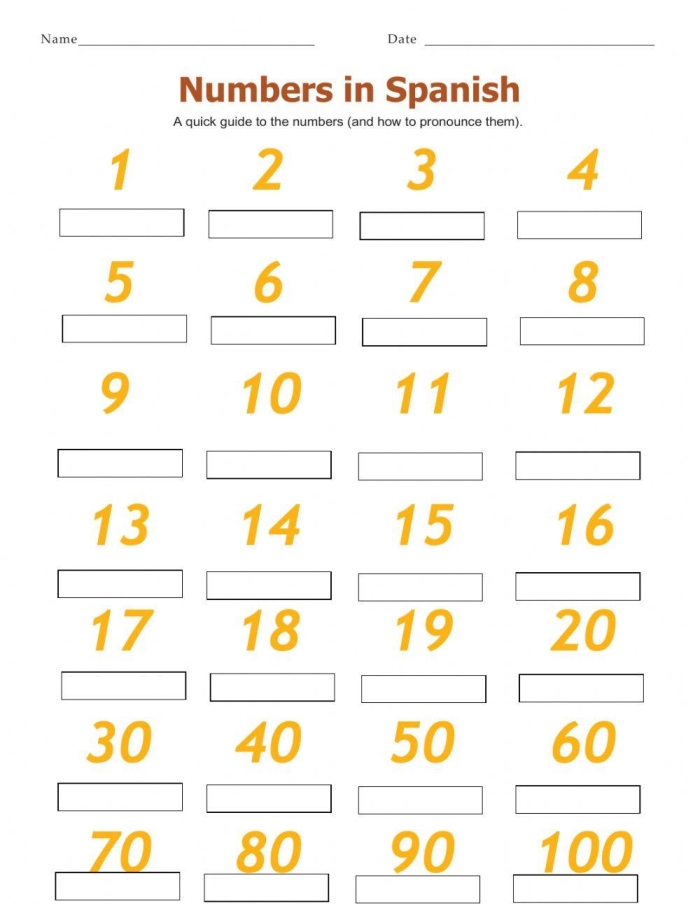
A practical cheat sheet for writing practice keeps numbers visible while students work through exercises. Having a reference guide reduces frustration and lets learners focus on spelling rather than remembering which number comes next. This approach works particularly well for second grade writing activities where the goal involves both language acquisition and penmanship development.
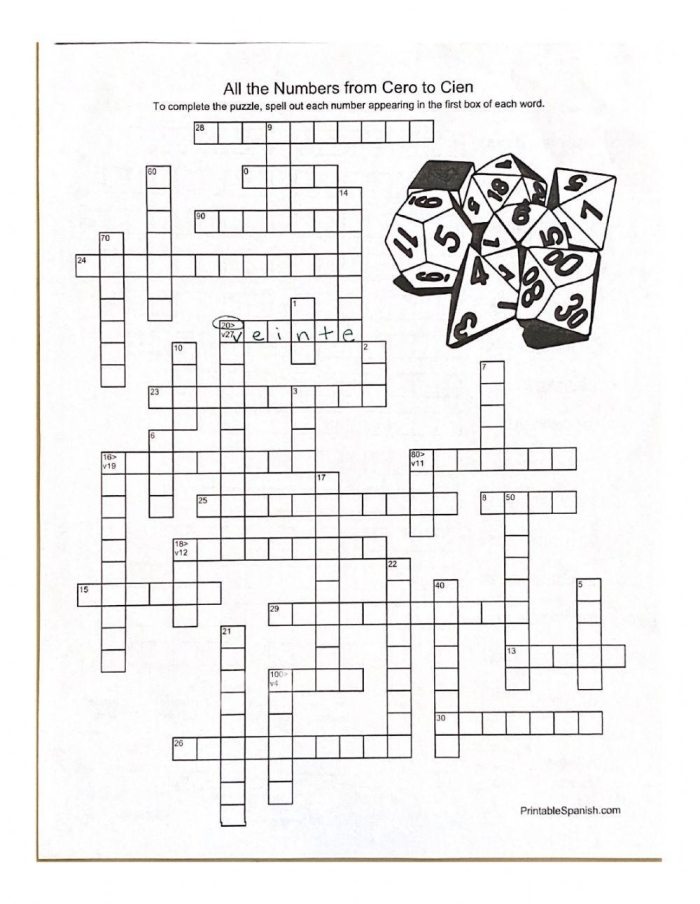
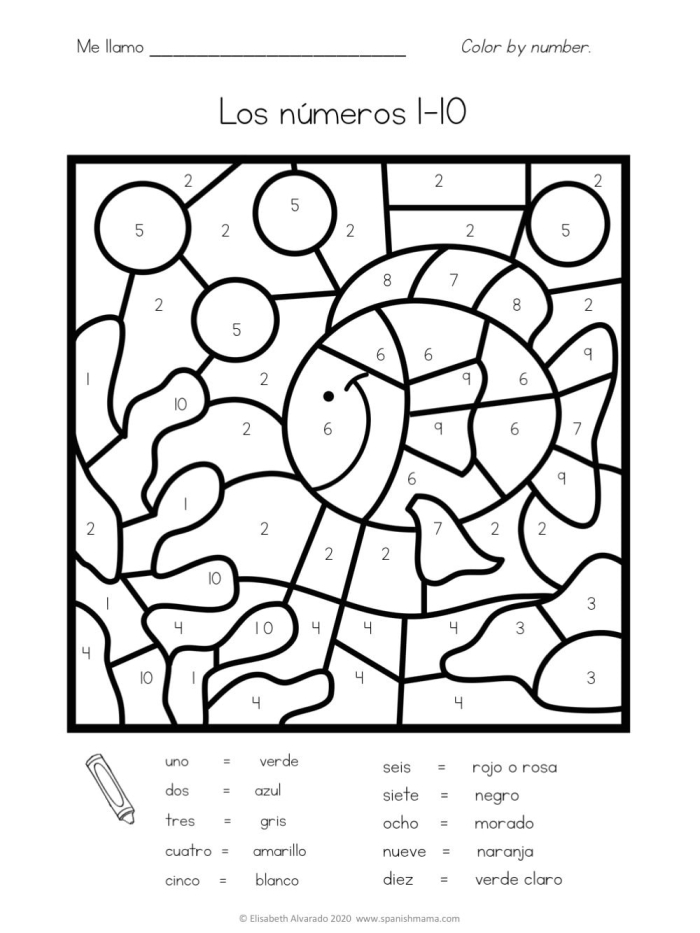
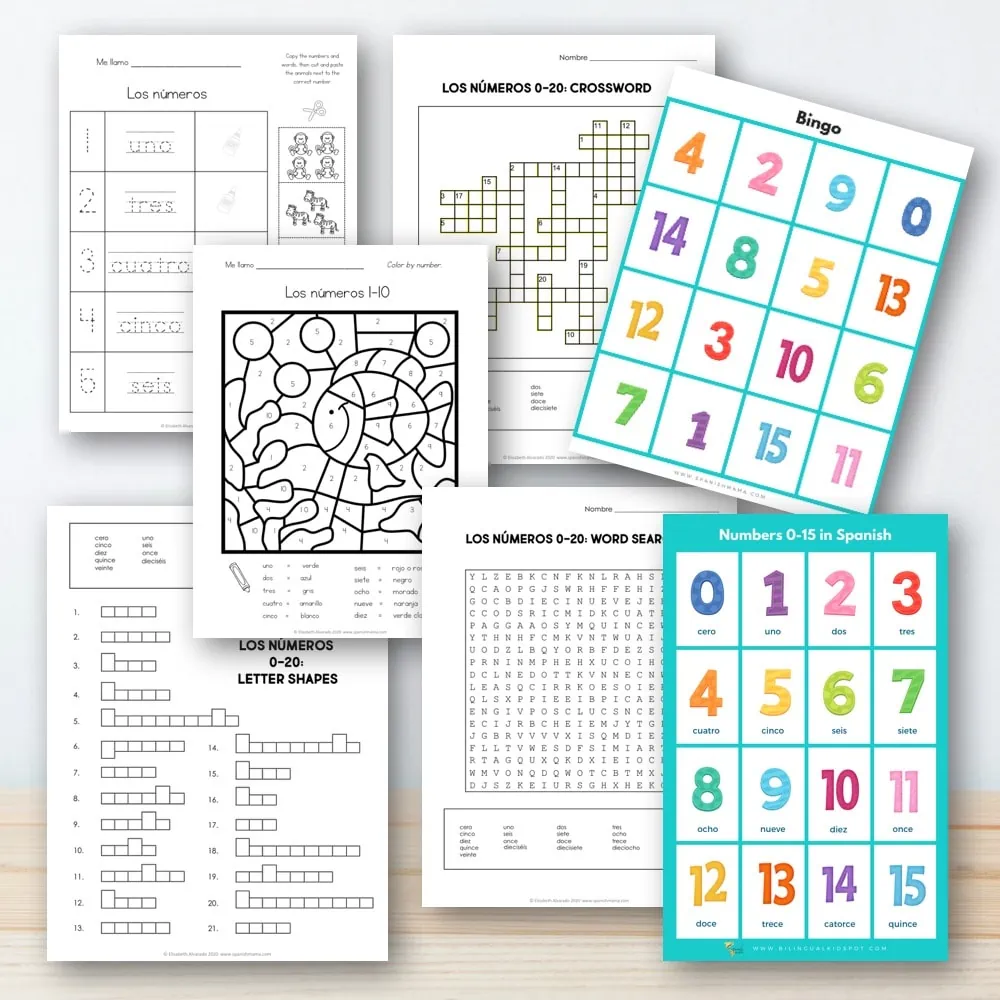
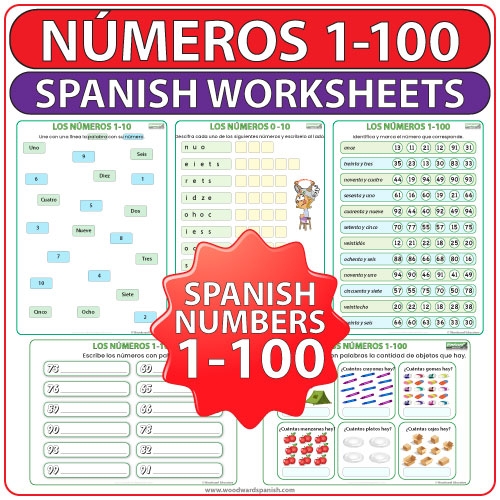
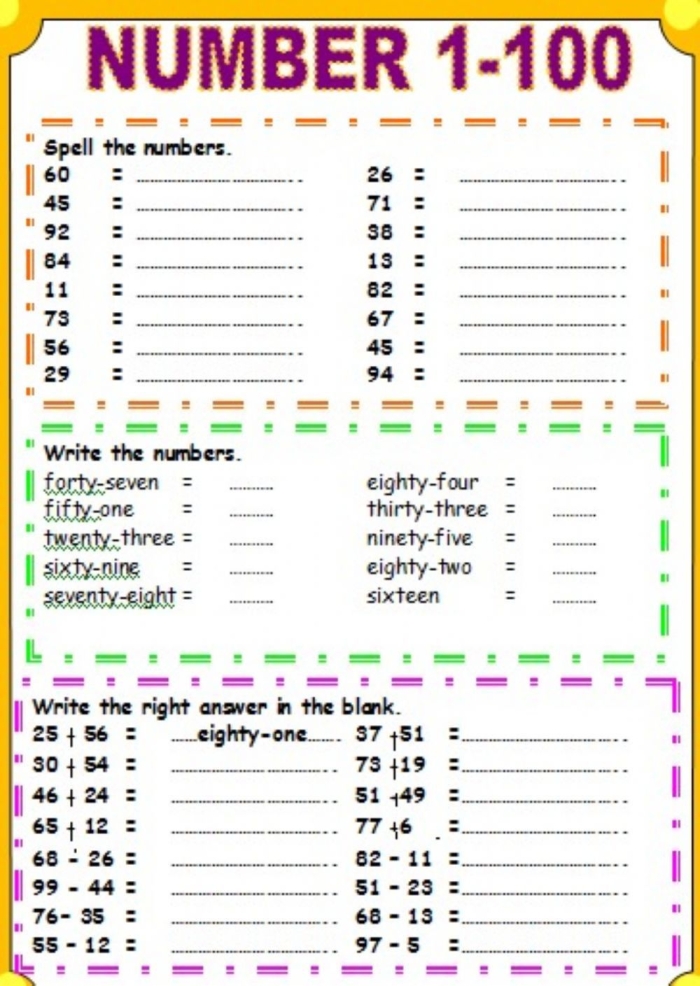
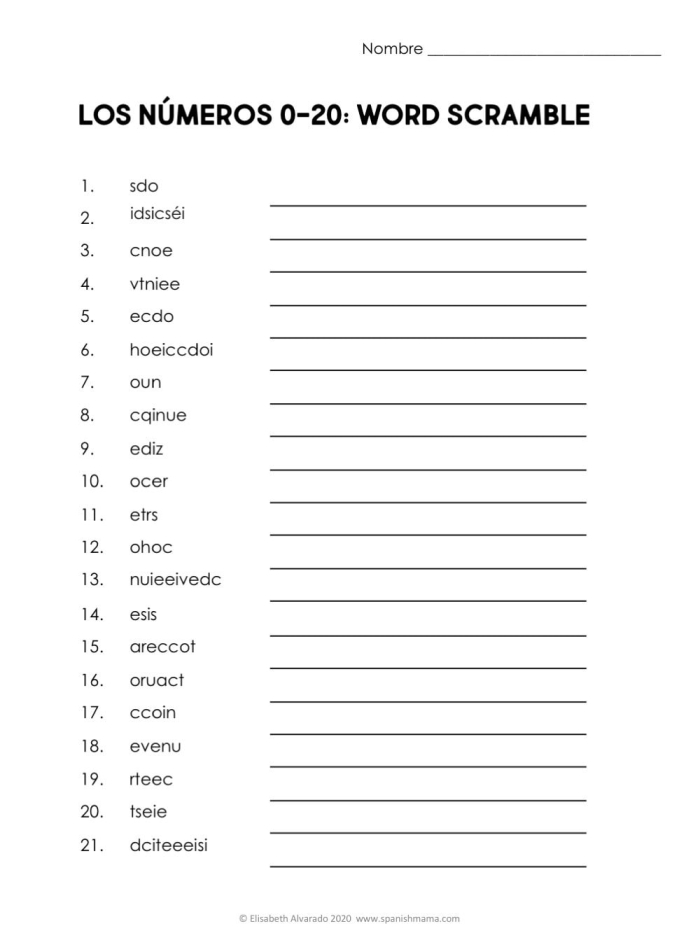
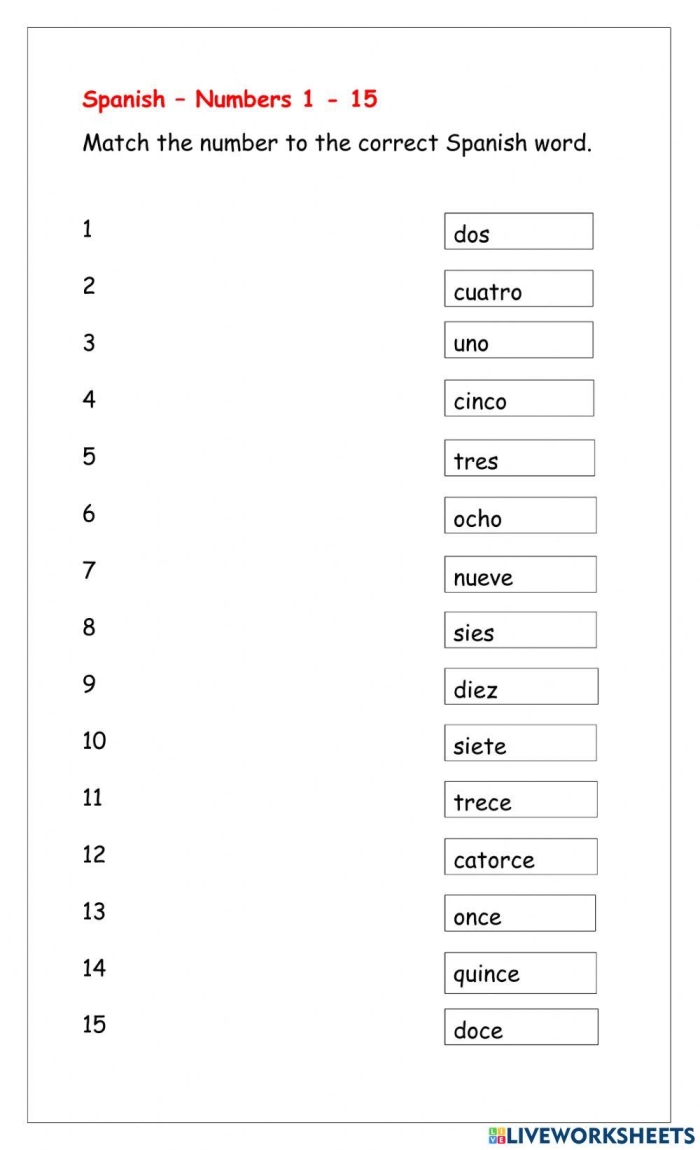
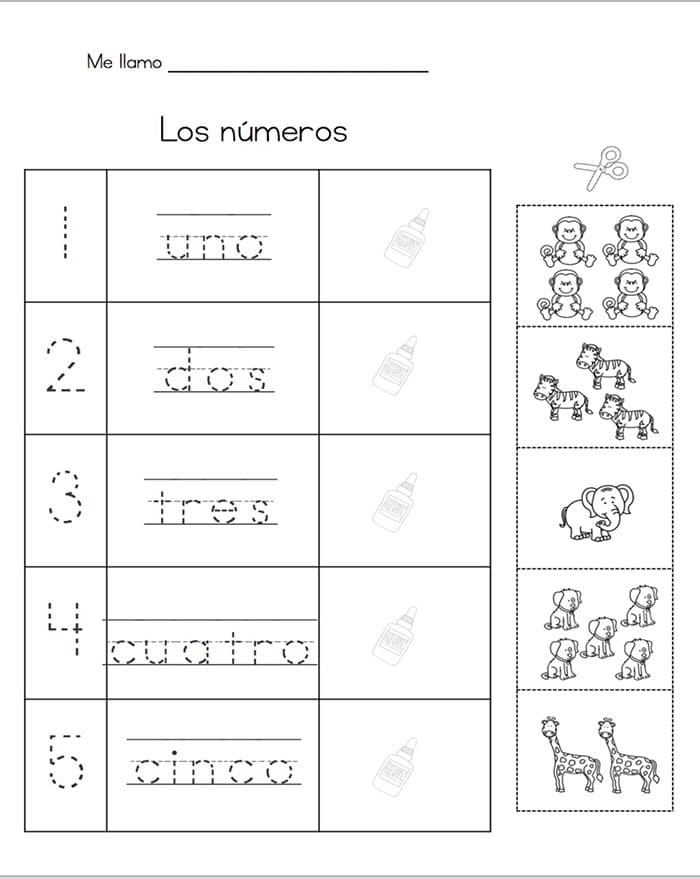
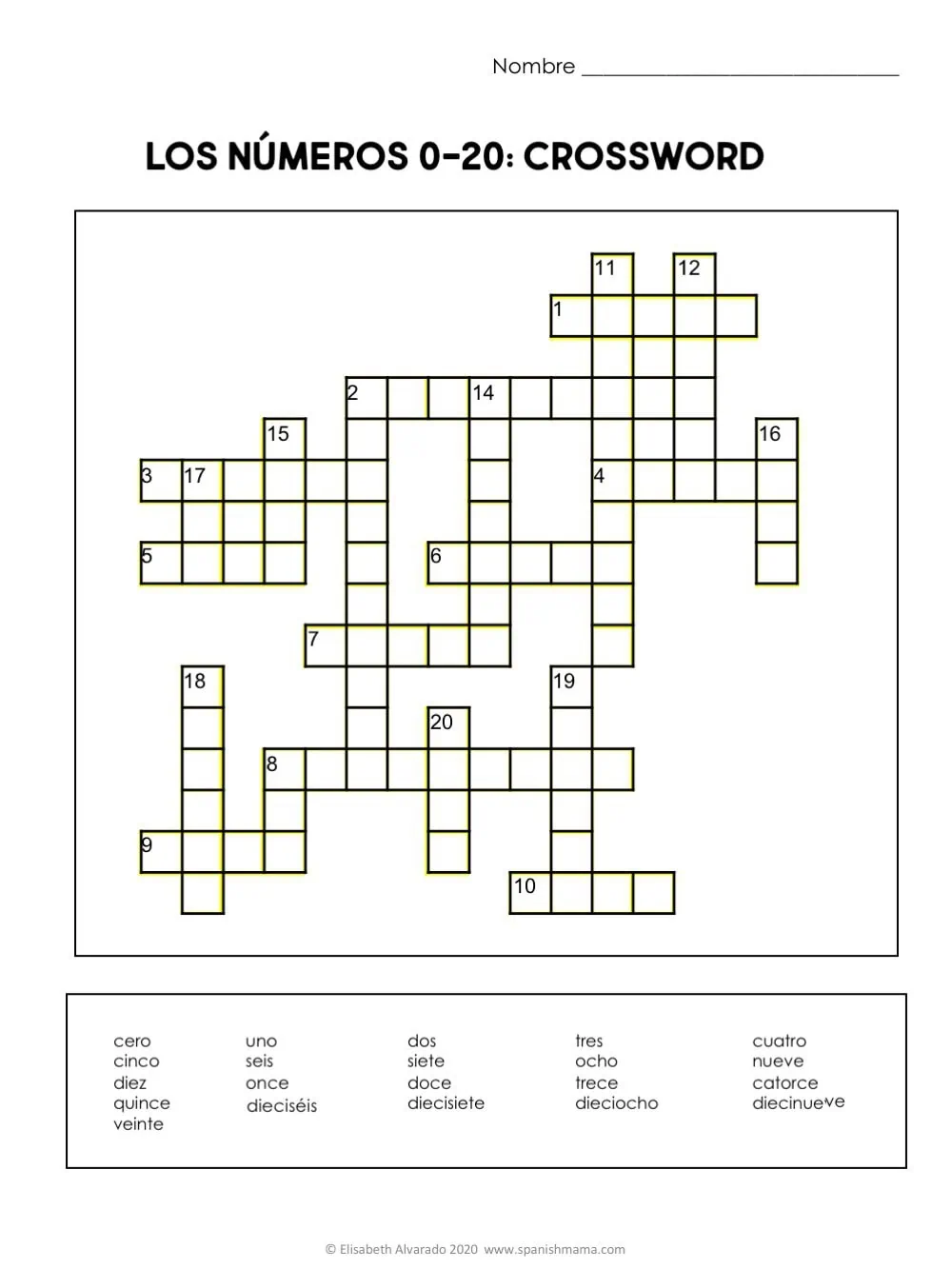
Using second grade worksheets with structured writing activities helps reinforce number spelling through repetition. Pairing number practice with engaging word activities keeps students motivated while building vocabulary simultaneously. Regular practice with these resources transforms abstract number concepts into automatic recall.
Try These Printable Worksheets