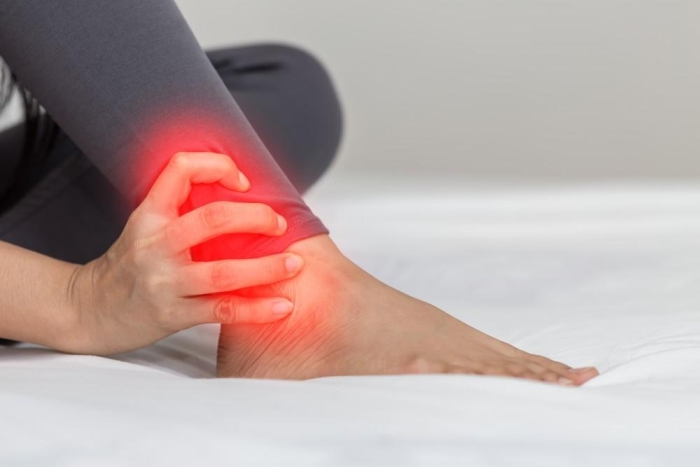
Similes are all around us, and second grade is the perfect time to help students spot them in everyday stories. The challenge is that similes often hide in plain sight, waiting for readers to pause and really think about what the author is describing. A lighthearted story about a twisted ankle is an excellent way to practice this skill because the narrative unfolds naturally, making comparisons feel genuine rather than forced.
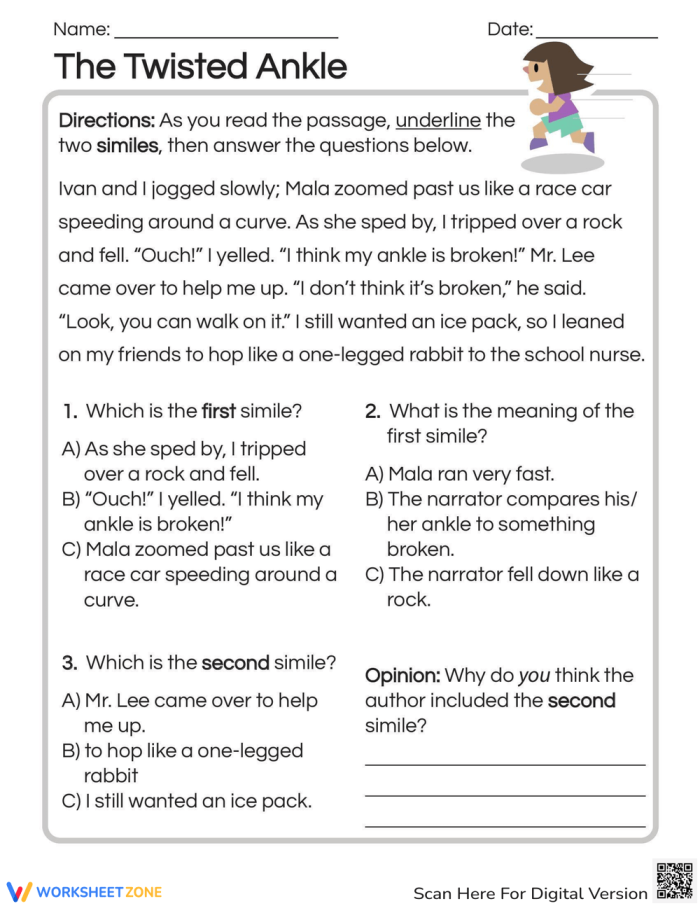
In this particular story, two similes are woven throughout. Finding them requires students to slow down and ask themselves: “What is the author comparing to what?” This kind of close reading builds confidence and makes students more aware of how writers use language to paint pictures with words. When a second grader discovers a hidden simile on their own, it creates a real “aha” moment that sticks with them.
The beauty of using a story like this is that it connects to measurement and observation skills naturally. As students track the character’s experience with an injured ankle, they’re also measuring their understanding of the text. They notice details about how the character moves, how pain feels, and how the world looks from a different perspective. This kind of careful observation is exactly what readers need to catch similes.
To help your students succeed, try reading the story aloud first, then ask them to listen for comparisons as you read again. You might prompt them by asking, “Did the author say something was like something else?” This direct approach works well for second graders who are still building their vocabulary for literary devices. Once they find the similes, celebrate the discovery and discuss why the author might have chosen those particular comparisons.
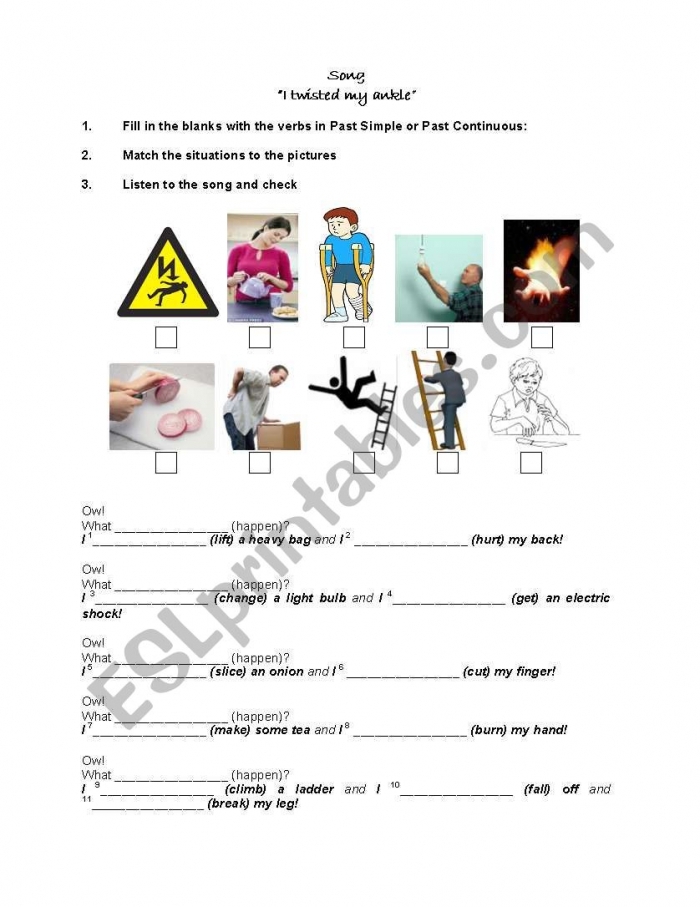
Pairing this story with writing activities about what happened next helps students extend their thinking. They can also practice action words with -ing endings to describe movement, which is especially useful when discussing how the injured character moves through the story. These complementary exercises reinforce the skills they’re developing.
Download These Worksheets for Practice