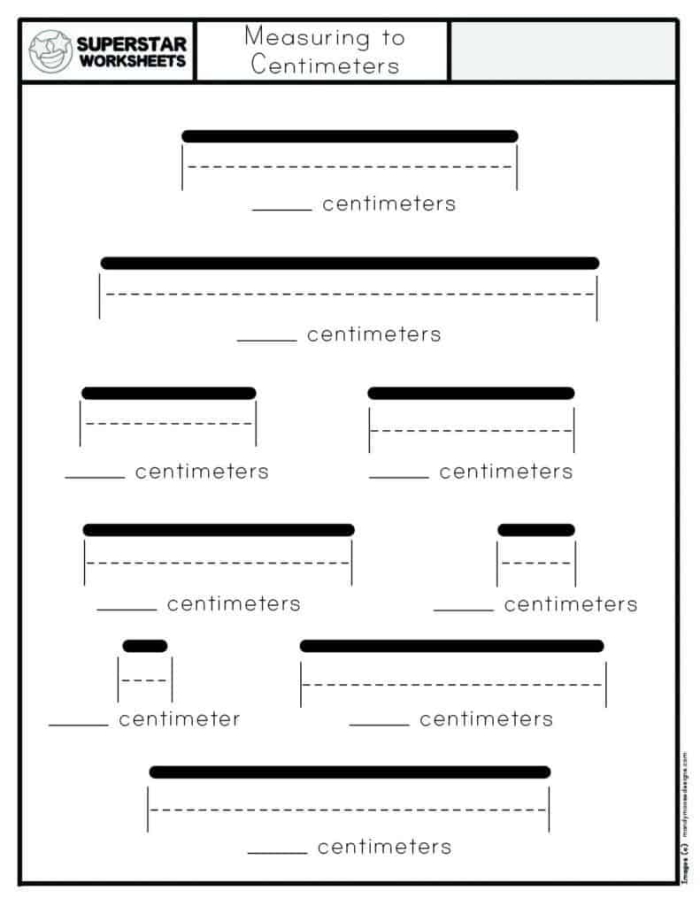
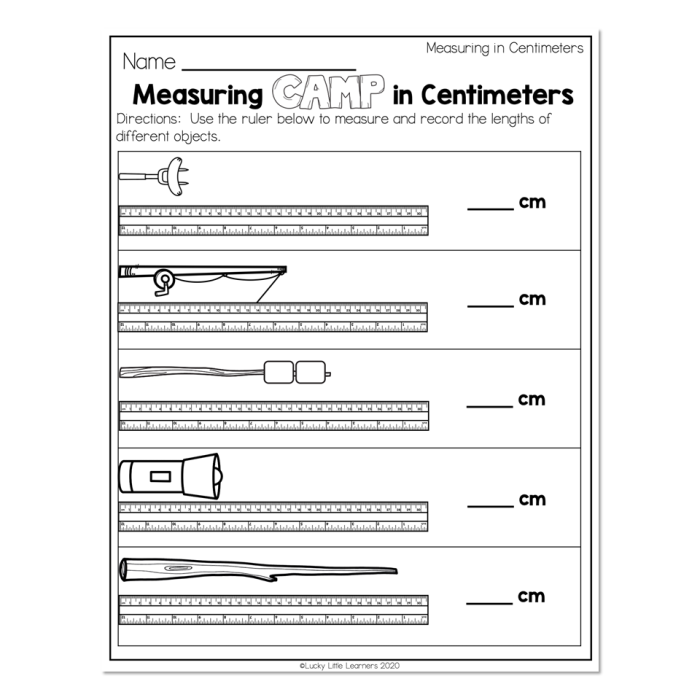
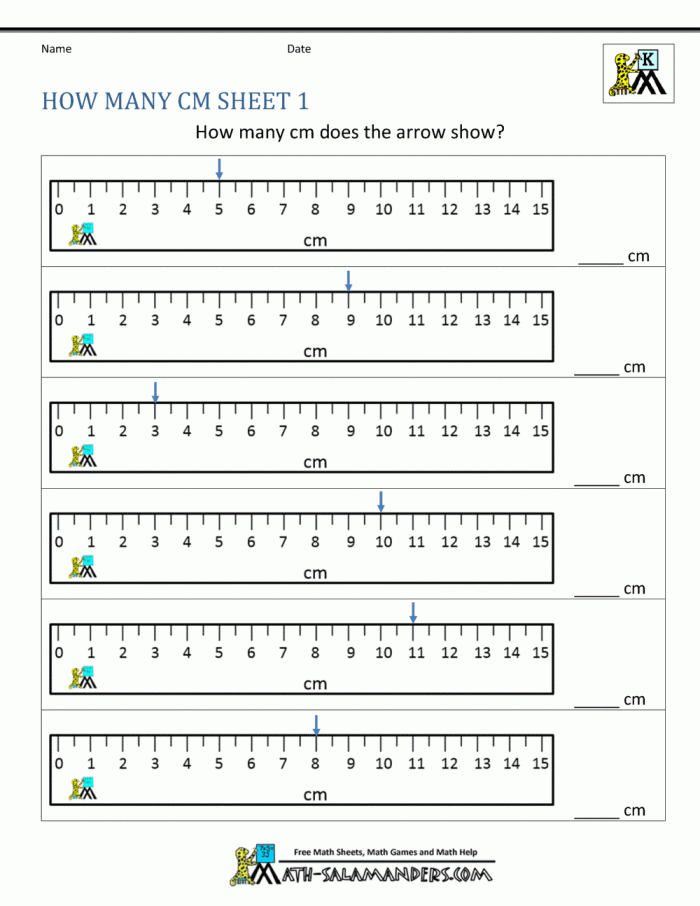
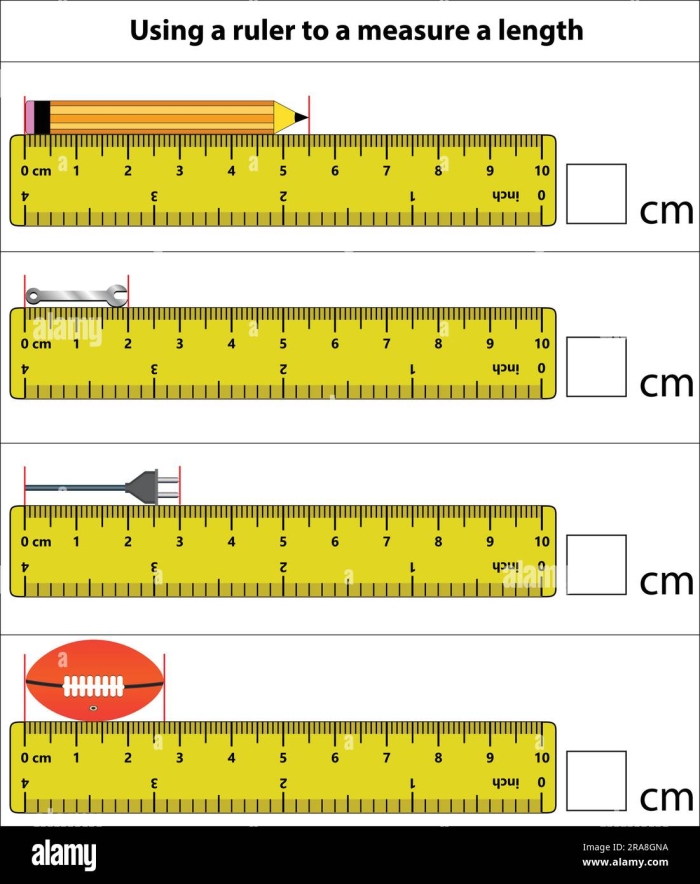
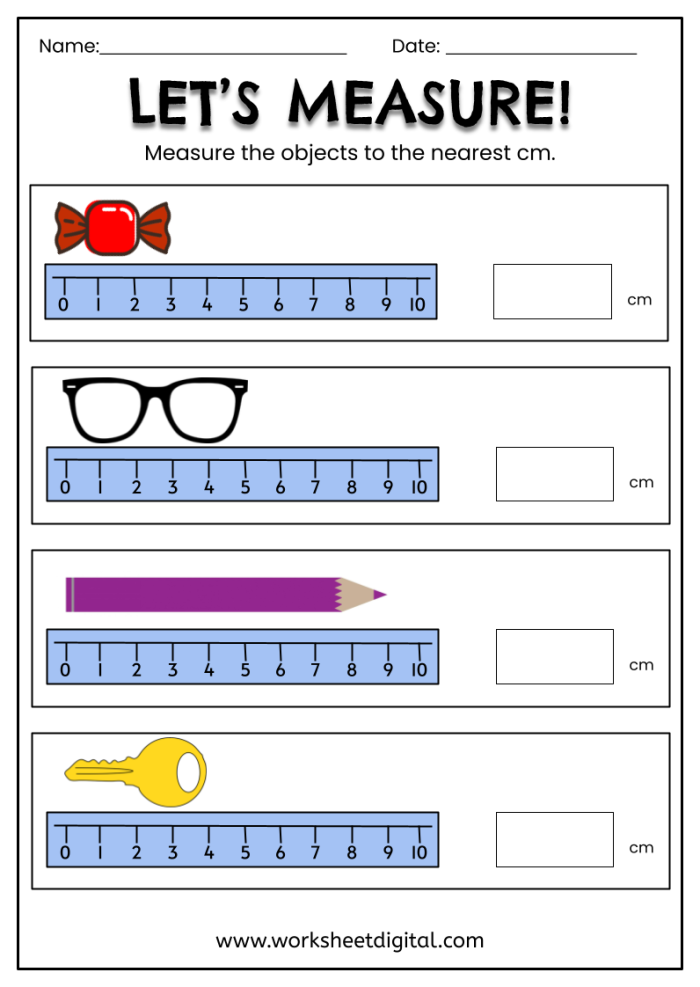
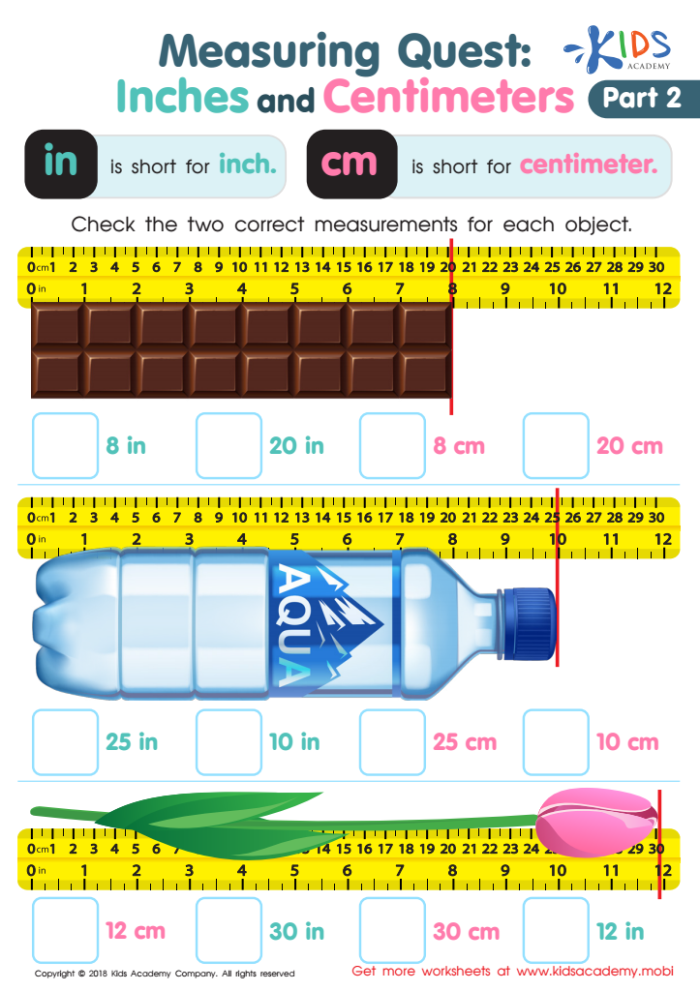
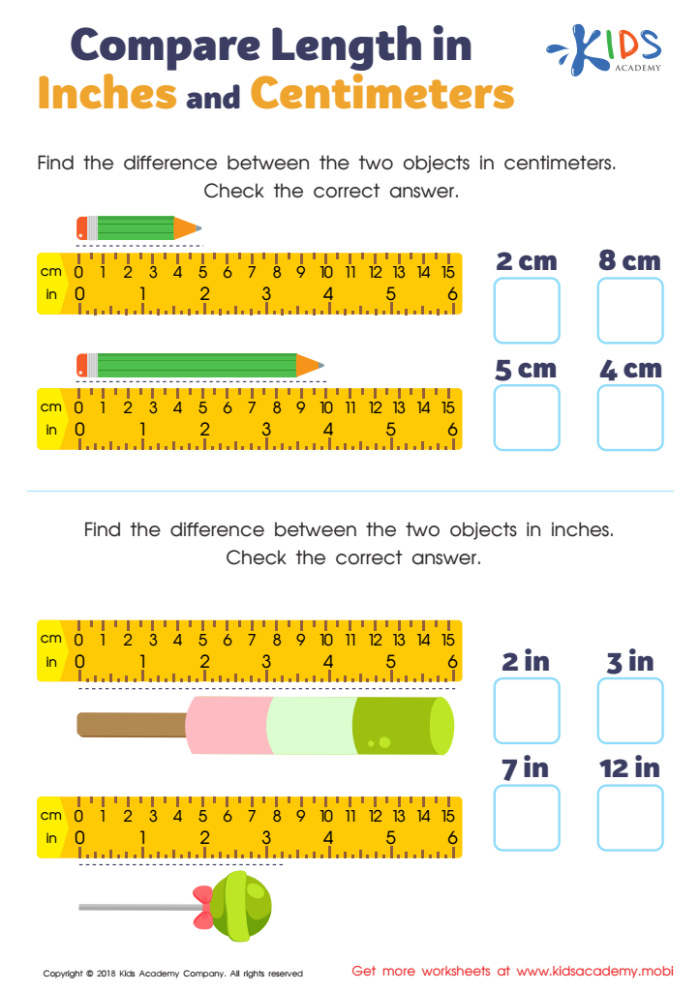
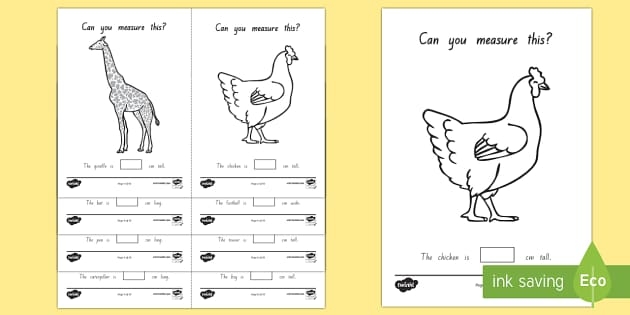
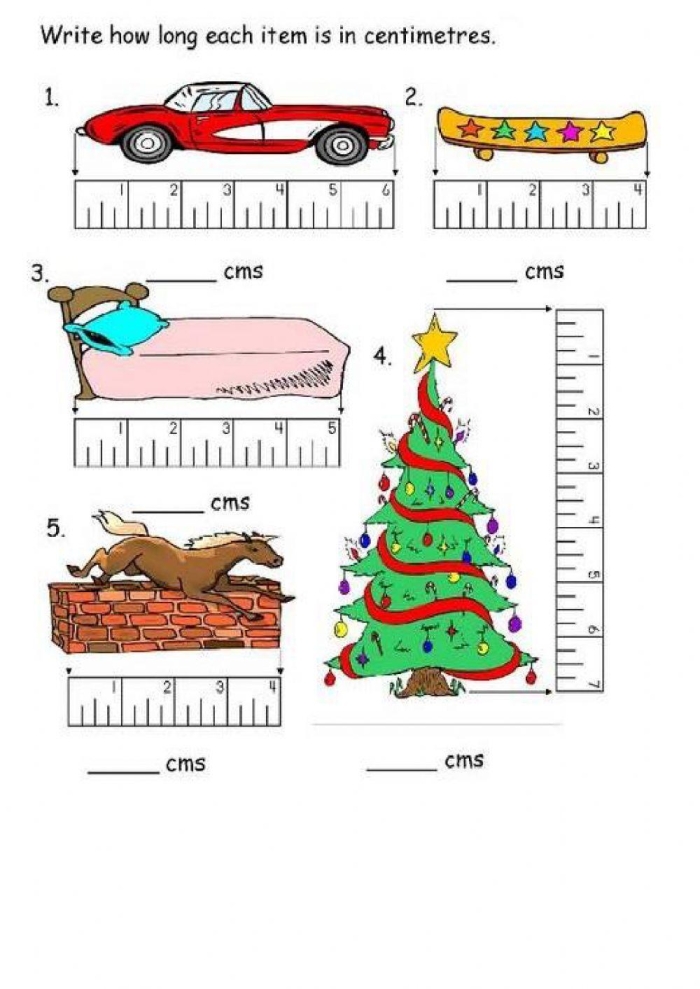
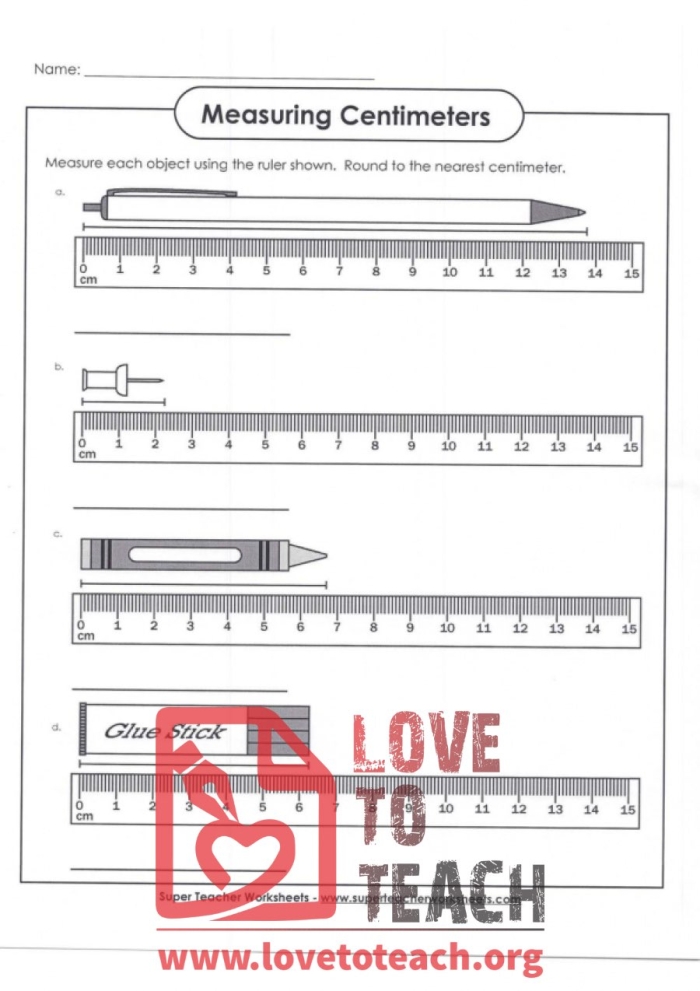
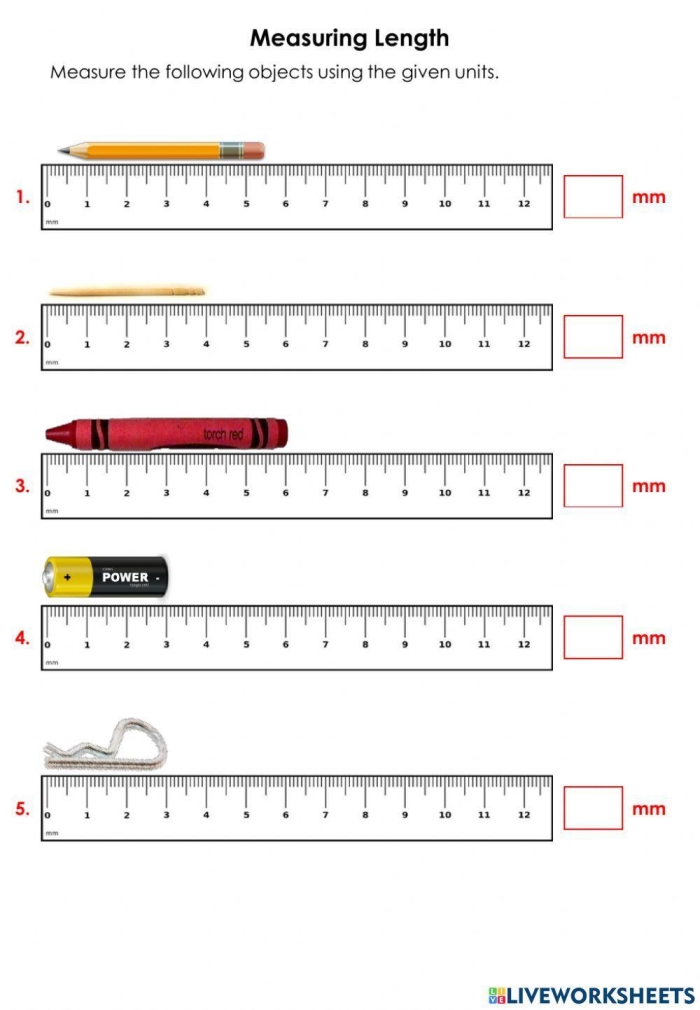
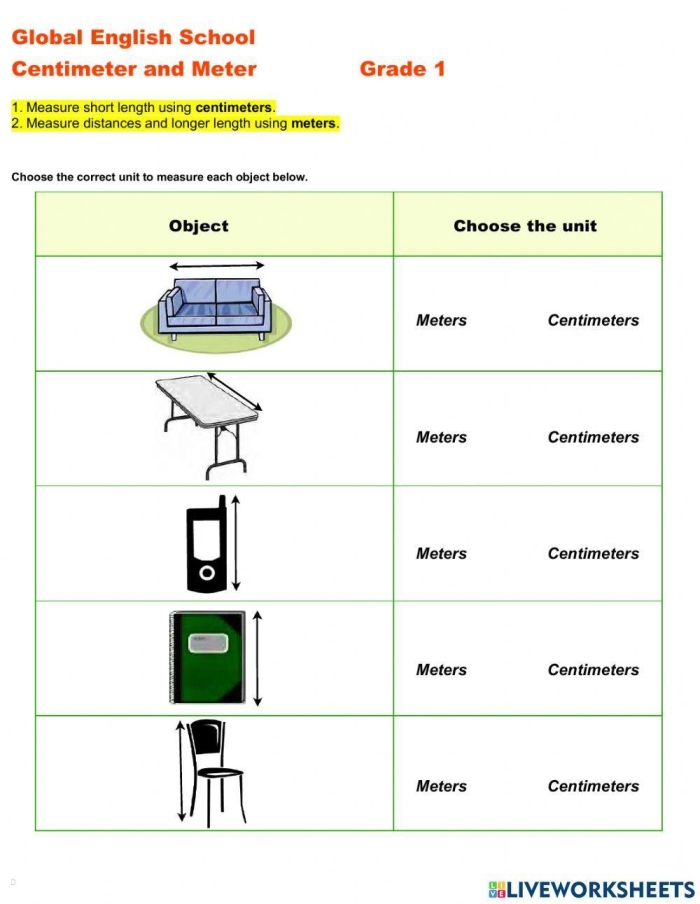
Measuring with a ruler feels like magic to first graders, especially when they get to measure things they use every day. Instead of abstract numbers on a worksheet, your child can hold a pencil next to a centimeter ruler and watch the measurement appear right before her eyes. This hands-on approach makes centimeters real and meaningful, turning a math lesson into something she’ll actually remember.
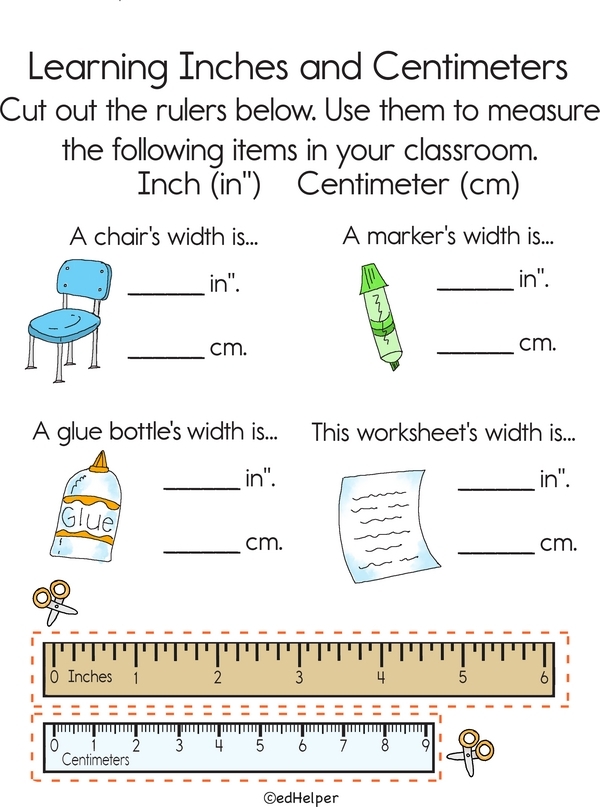
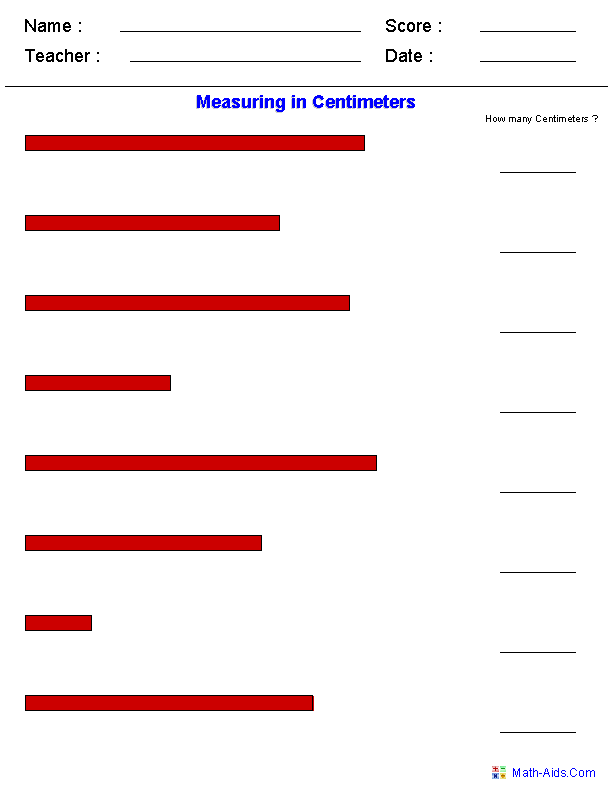
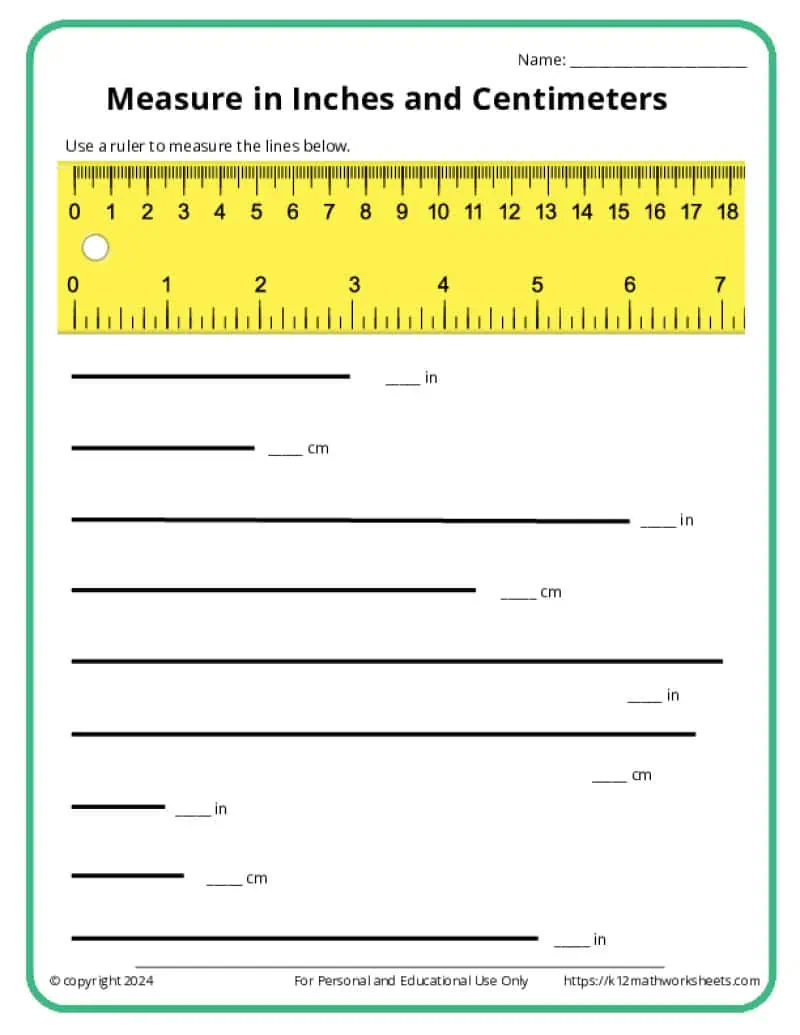
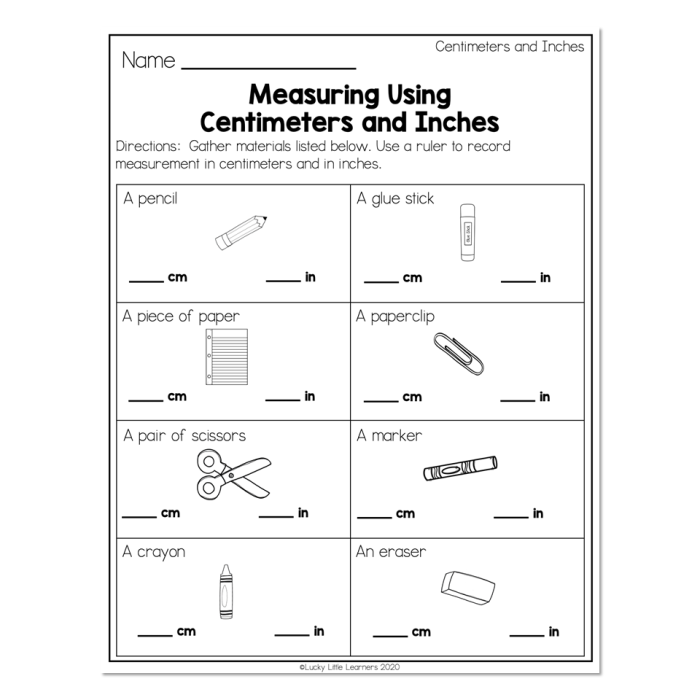
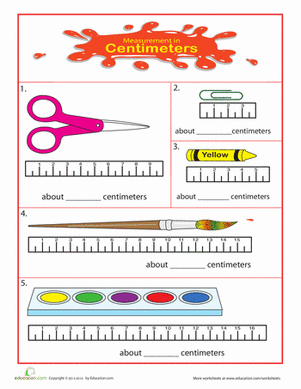
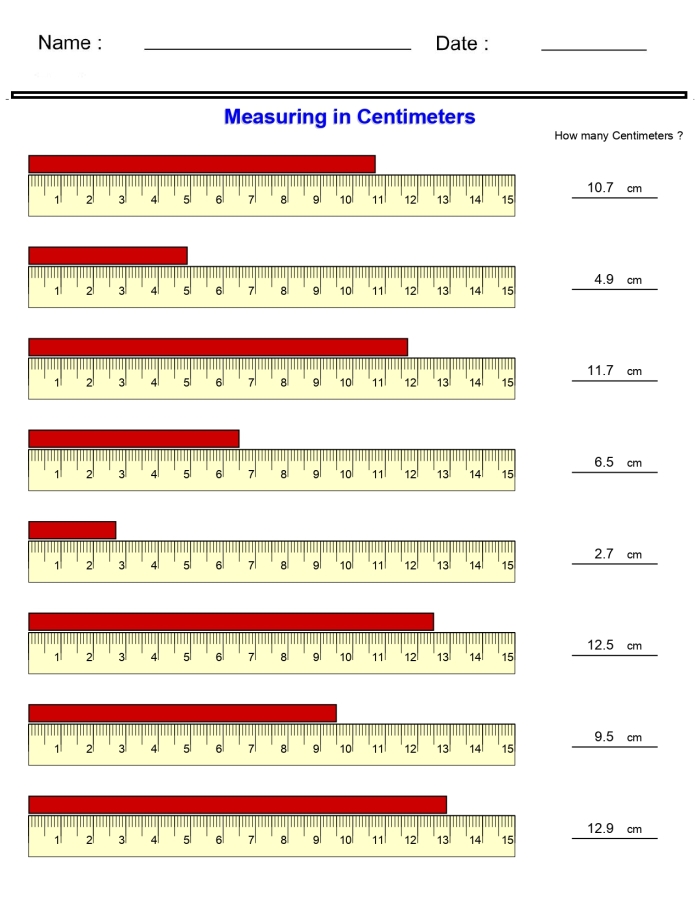
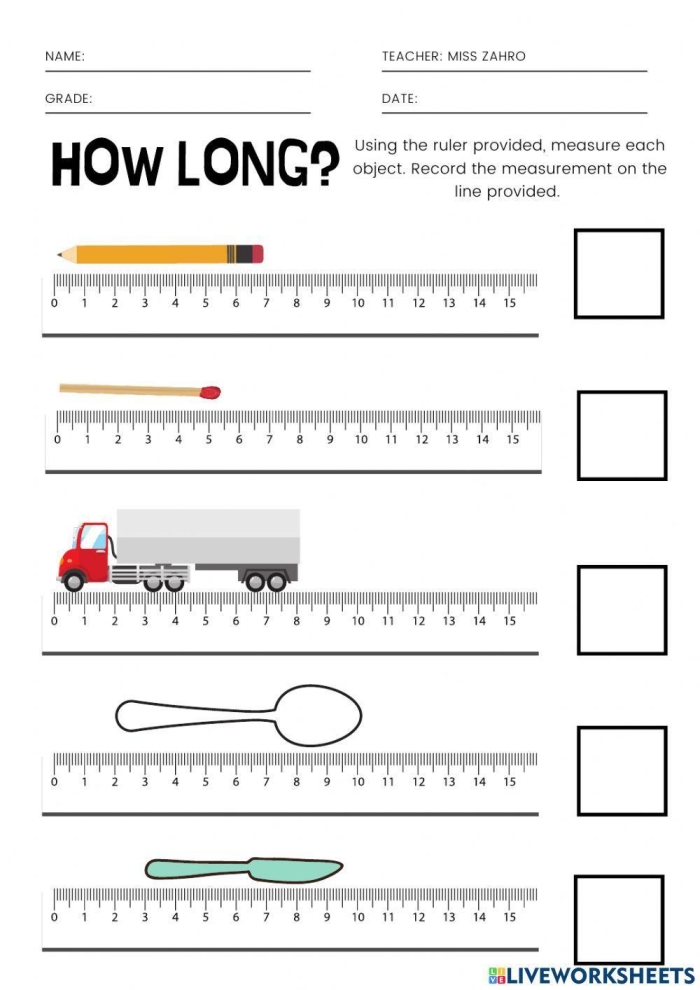
Start by gathering items from around her desk or backpack. A pencil, eraser, glue stick, and small notepad work perfectly for this activity. Show her how to line up one end of the object with the zero mark on the ruler, then find where the other end stops. The number it lands on is the measurement in centimeters. Most pencils measure between 18 and 19 centimeters, erasers around 4 to 5 centimeters, and a standard glue stick about 8 centimeters. These concrete examples help her understand that centimeters measure length in a way she can see and touch.
As she practices, she’ll start noticing which items are longer or shorter than others. A marker is longer than a crayon. Her pencil case is wider than a single pencil. These comparisons build her understanding of measurement relationships naturally. You might even create a simple chart where she writes down what she measured and the results.
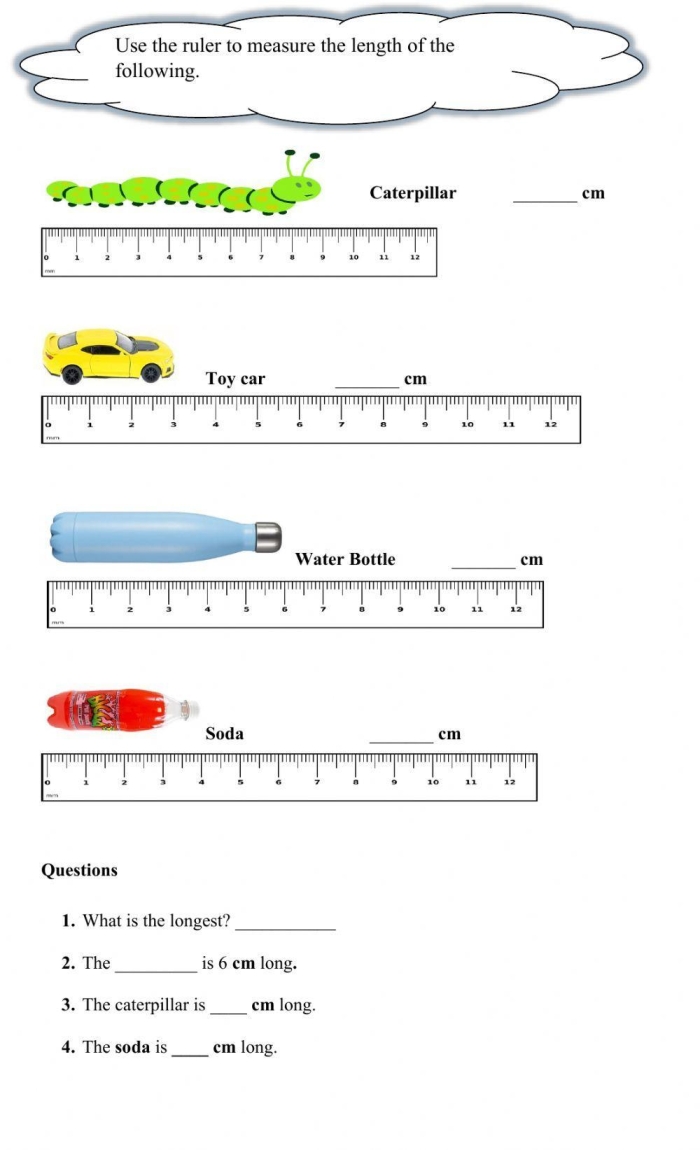
Once she’s comfortable with school supplies, extend the activity to other classroom objects like her desk, a book, or a water bottle. Pairing this measuring practice with activities like matching and coloring 3D shapes reinforces her spatial awareness and math skills together. The key is letting her lead the exploration and celebrate each measurement she discovers on her own.
Hands-On Worksheet Activities