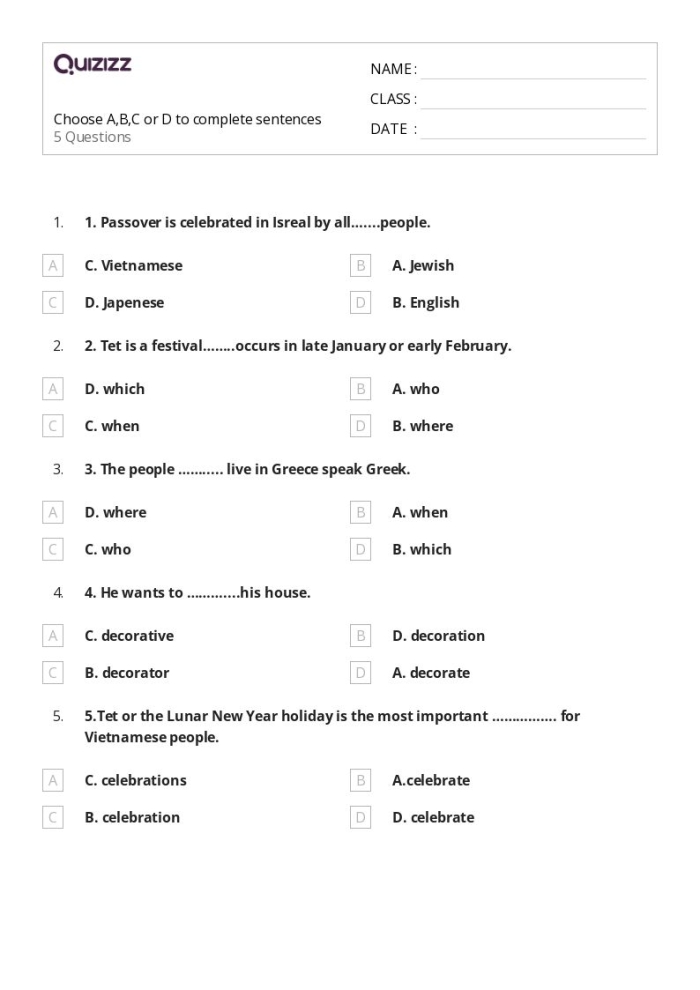
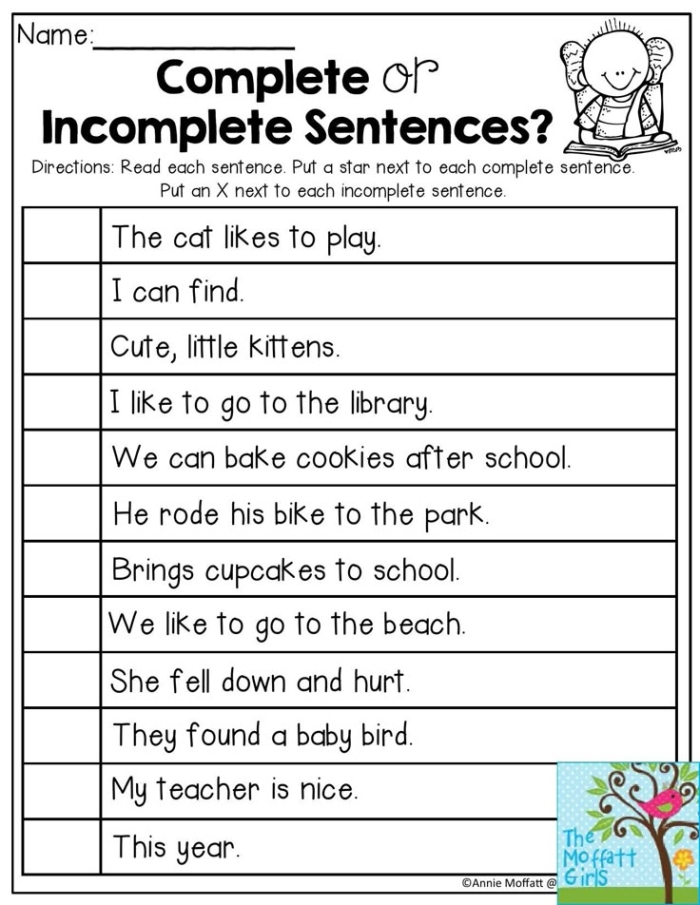
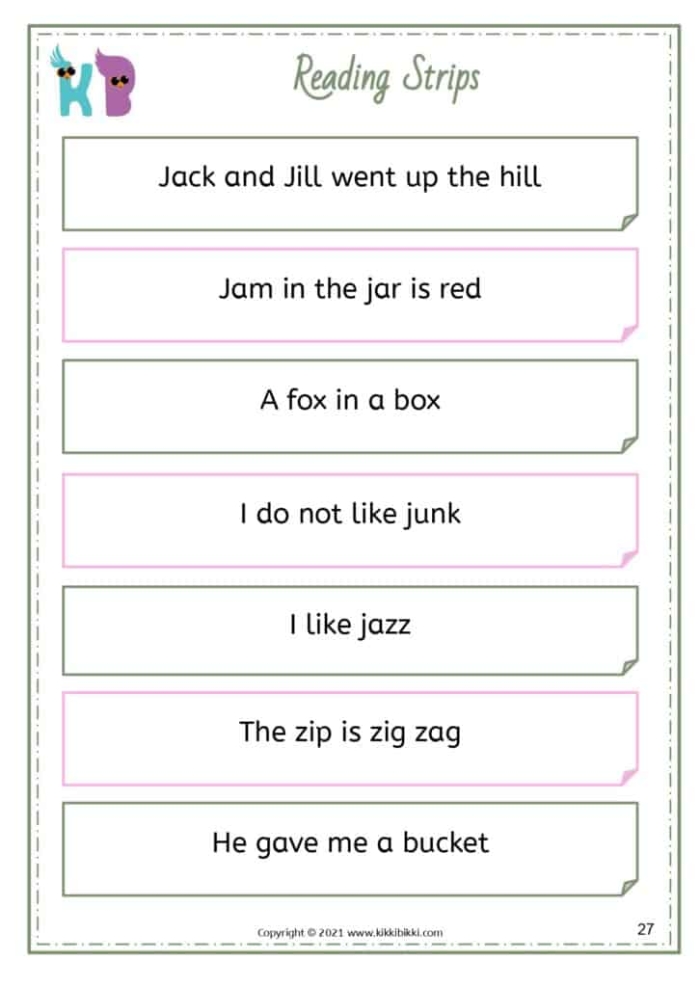
There’s something magical about watching a kindergarten student hold a pencil for the first time with genuine purpose. They’re not just scribbling anymore, they’re becoming writers. This shift from playful mark-making to intentional letter formation marks a real turning point in early literacy development.
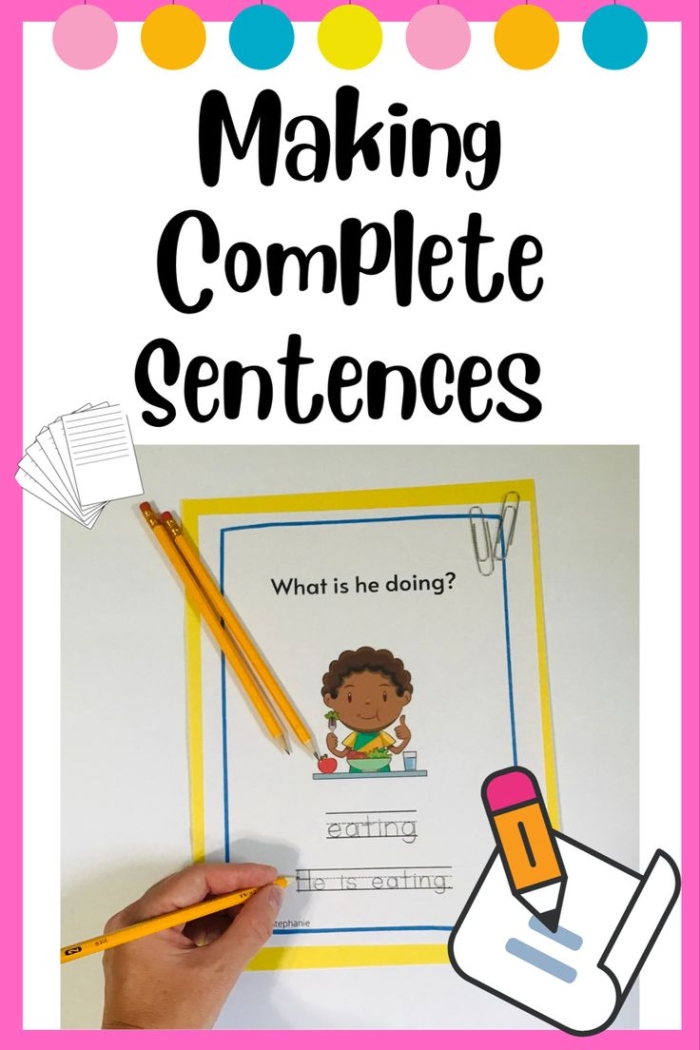
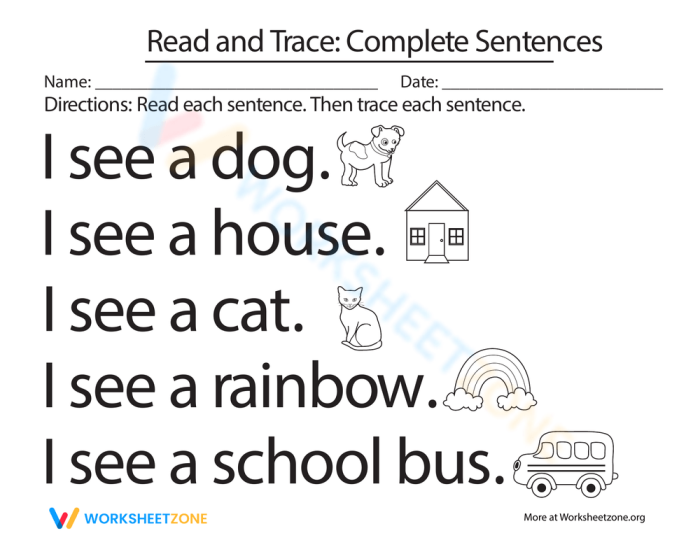
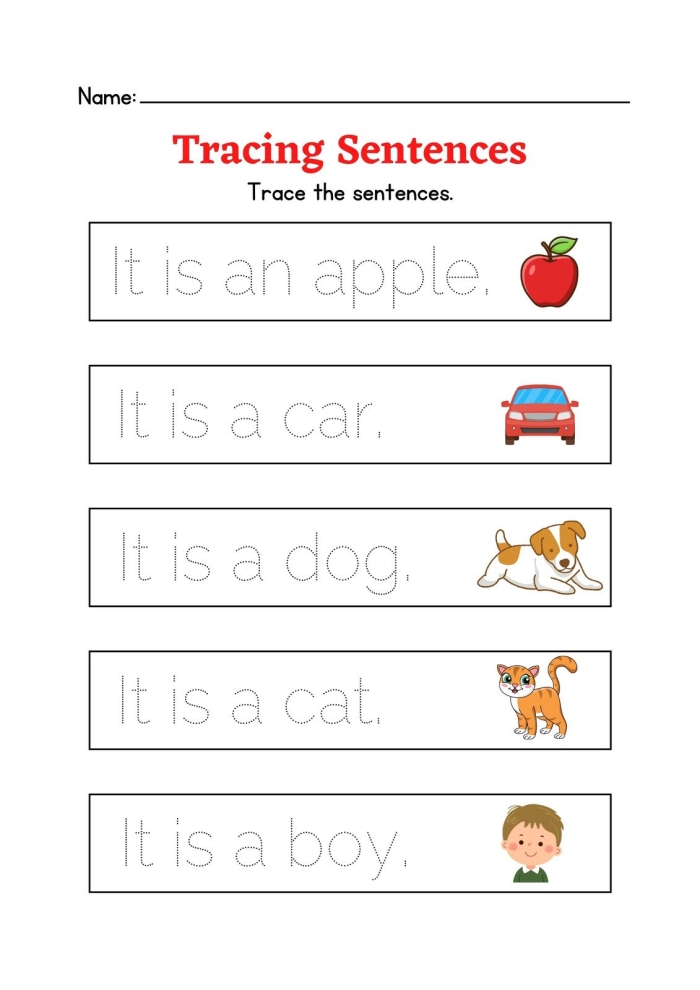
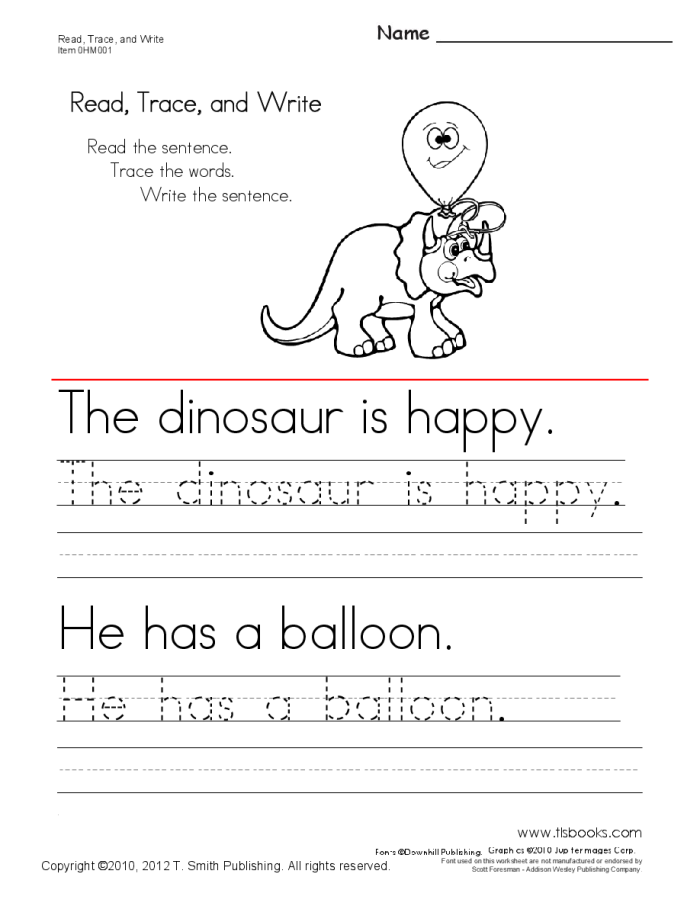
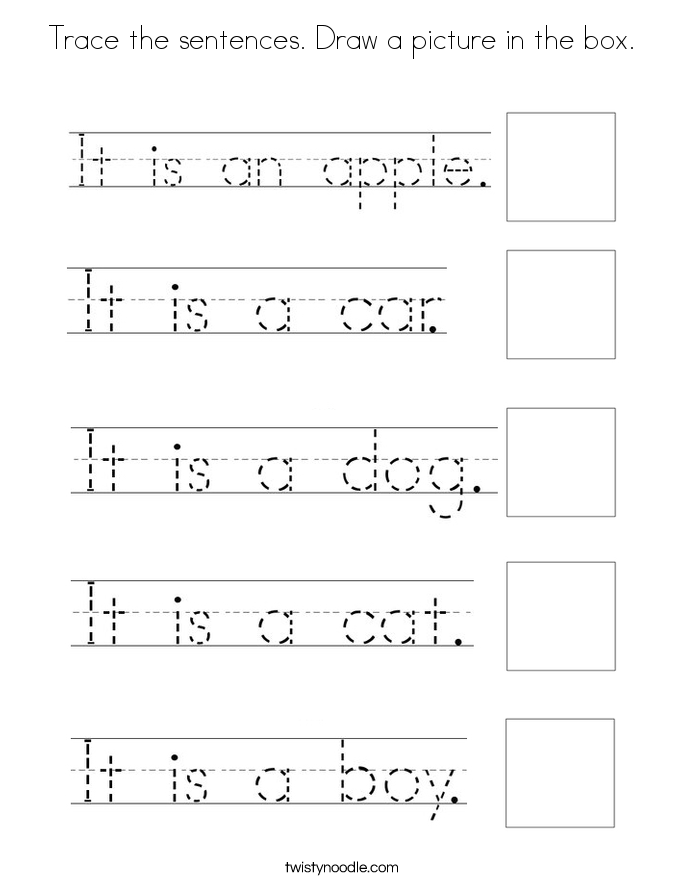
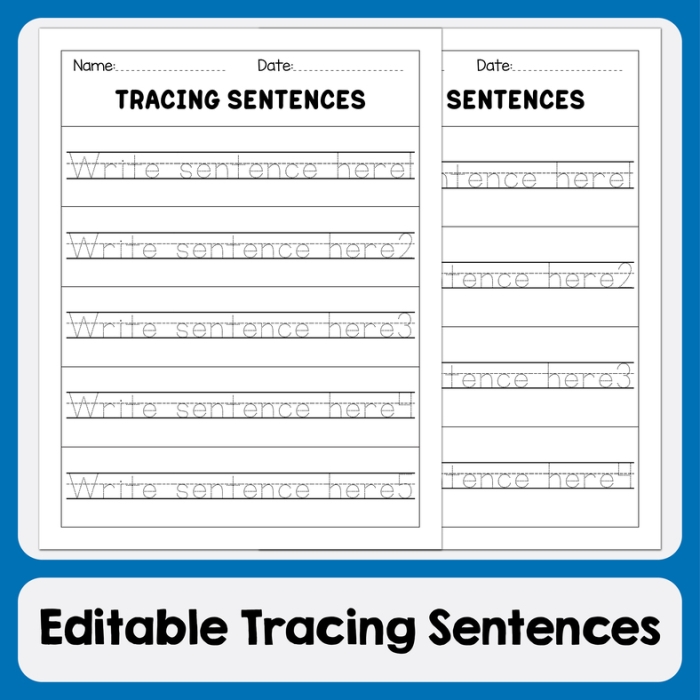
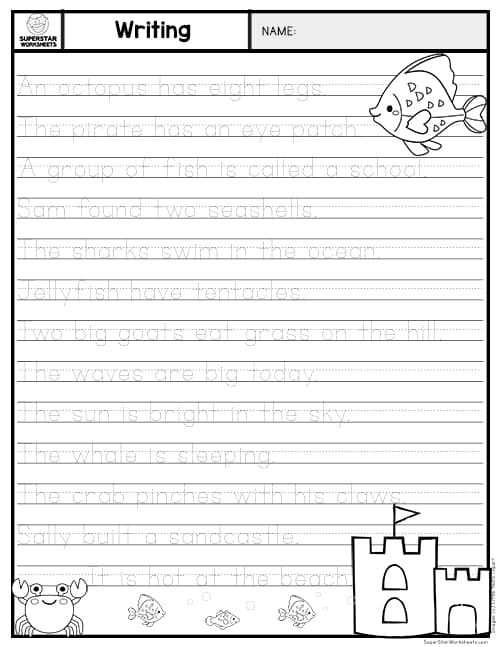
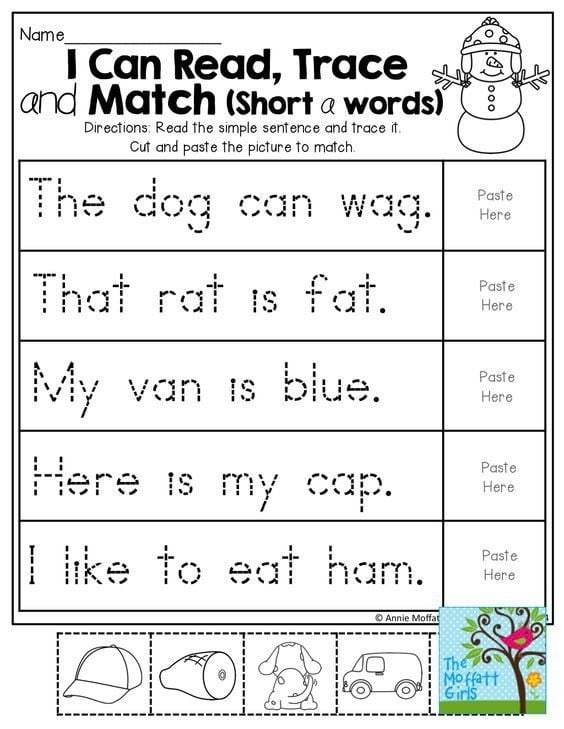
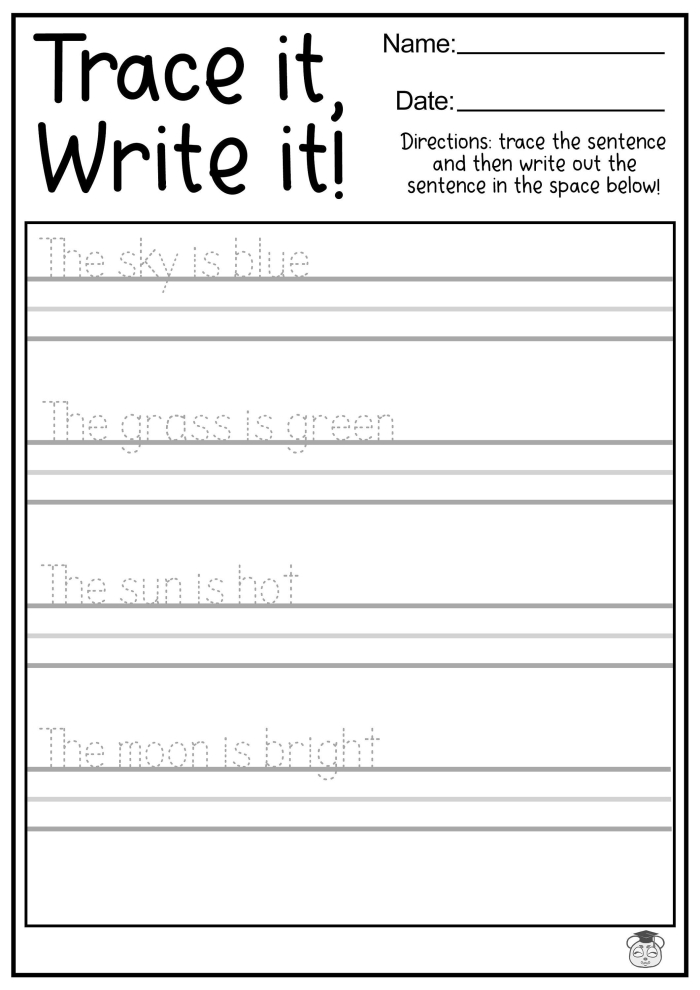
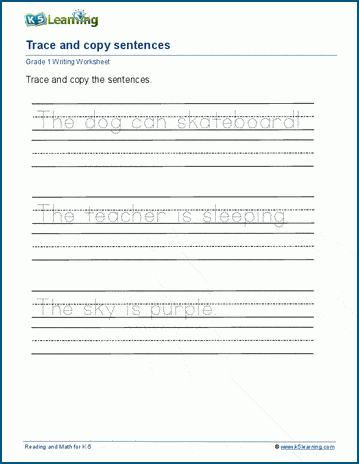
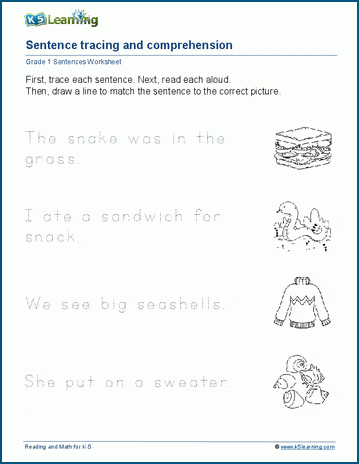
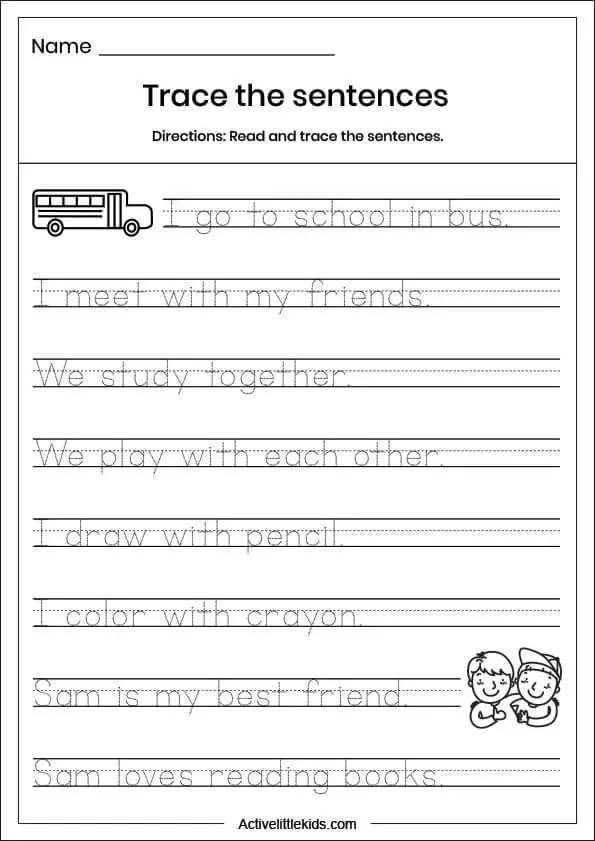
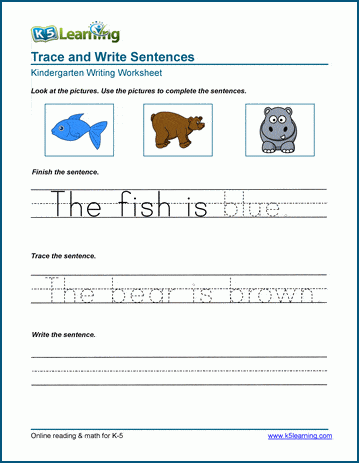
Reading and tracing simple sentences gives kindergarten students the perfect bridge between recognizing words and producing them on their own. When children trace over dotted letters and words, their hands begin to understand the physical movements required for writing. Their eyes follow the path, their fingers develop muscle memory, and something clicks. They start seeing themselves as capable of creating meaning on a page.
The beauty of this approach lies in its simplicity. Rather than asking young learners to generate letters from scratch, tracing provides a scaffold. They can focus on the mechanics of letter formation without the cognitive overload of deciding what to write or how to spell it. At the same time, they’re reading the words they trace, which reinforces sight word recognition and builds confidence in both skills simultaneously.
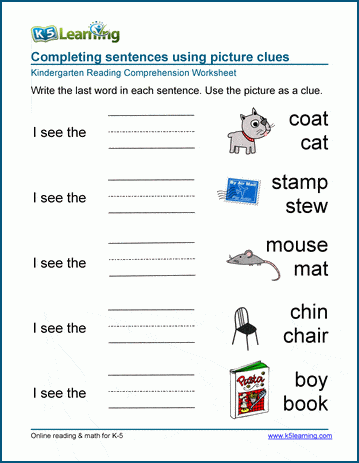
A well-designed read and trace worksheet for kindergarten typically features short, meaningful sentences with clear, large text. The sentences often relate to familiar concepts, whether counting objects, identifying shapes like those found in identifying shapes activities, or describing everyday experiences. This context helps students understand what they’re reading and tracing, rather than treating it as an abstract exercise.
When kindergarteners complete these worksheets regularly, they develop stronger fine motor control and begin to internalize common letter patterns. They see how words are formed, how sentences are structured, and how writing communicates ideas. By combining reading and writing practice in one activity, you’re building foundational skills that will support literacy development for years to come. Your kindergarten students will surprise you with how quickly they progress from excited beginners to confident young writers.
Worksheet Practice Section