Teaching third graders to tell facts from opinions is one of those skills that sticks with them long after they leave the classroom. When you apply this concept to colonial history, something clicks. Suddenly, students aren’t just memorizing dates and names, they’re learning to think critically about the sources they encounter.
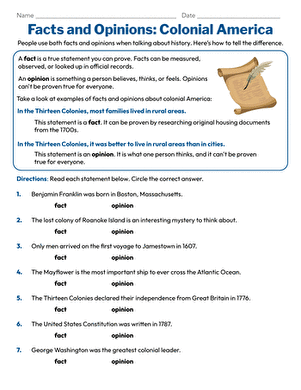
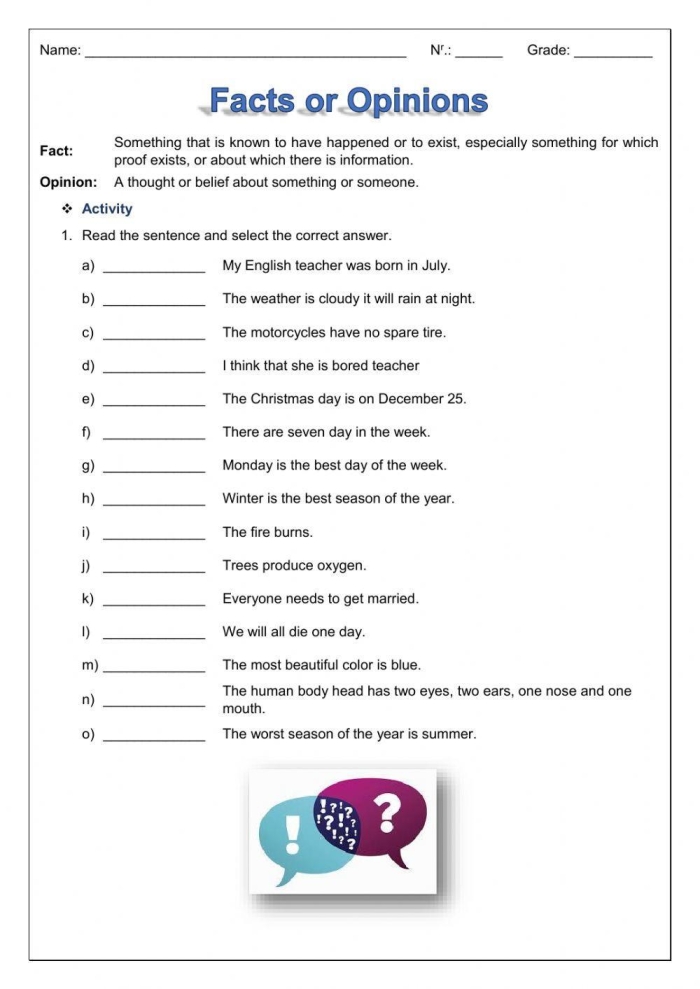
A fact is something that can be proven true or false. “George Washington was the first president” is a fact. You can verify it in multiple sources. An opinion, on the other hand, is a belief or judgment that varies from person to person. “Colonial life was harder than modern life” is an opinion, even if many people agree with it. The difference matters because understanding it helps students evaluate what they read and hear.
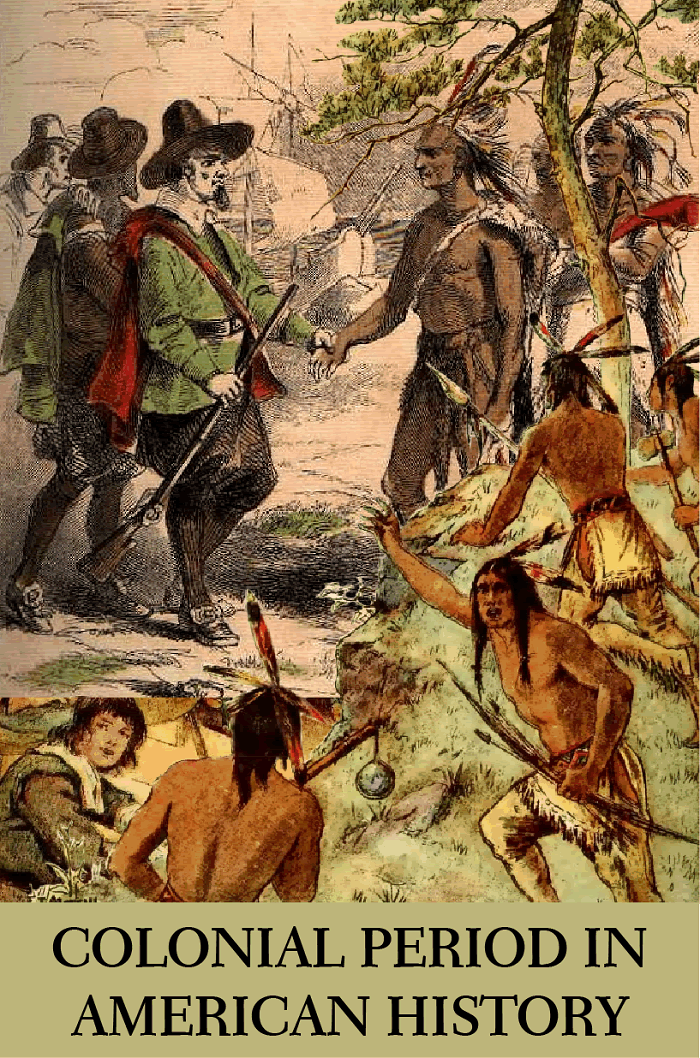
When you work with colonial history specifically, the stakes feel real to young learners. They discover that historical accounts often mix facts with the writer’s perspective. A colonist’s journal entry about Native Americans contains factual details about what happened, but also reflects the author’s beliefs and biases. This realization transforms history from a list of events into a puzzle where students become detectives.
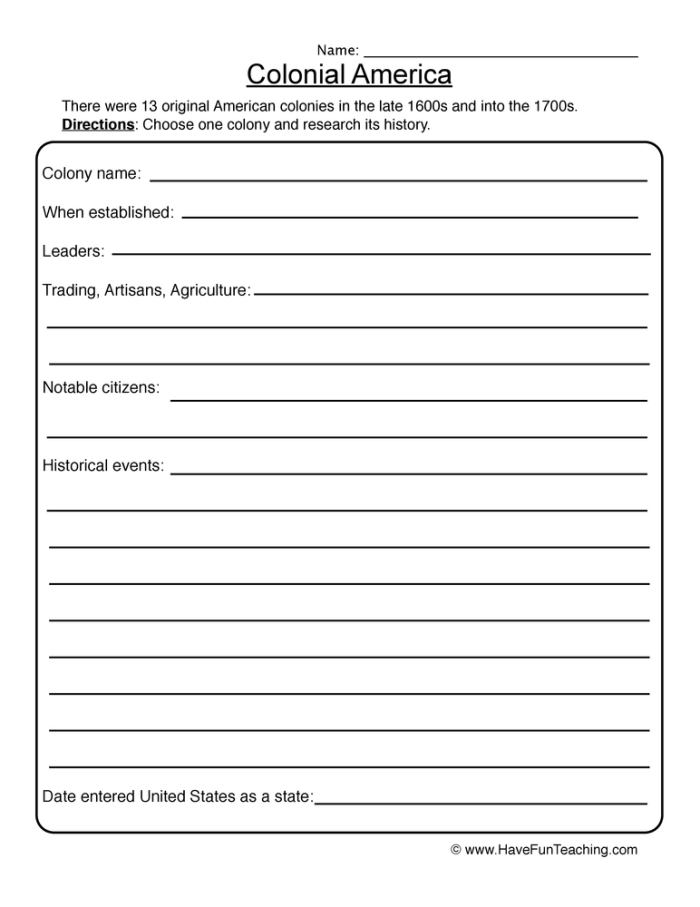
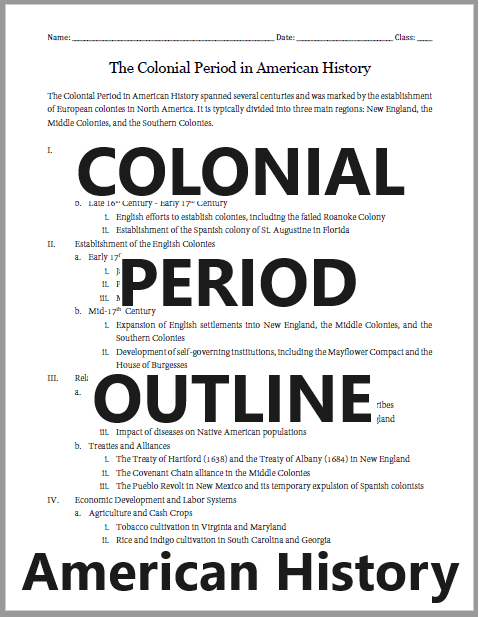
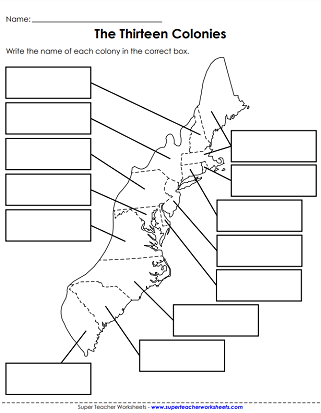
A well-designed worksheet guides students through this thinking process. It might present statements like “The colonists grew corn” (fact) versus “The colonists were brave” (opinion). Third grade students can handle this distinction when examples are clear and relevant. The same critical thinking applies when they work through word problems involving multiplication, where they separate the actual numbers from what they’re asked to figure out.
Building these analytical skills early prepares students for more complex social studies work. They learn that history isn’t just what happened, it’s also how people understood and described what happened. That’s powerful learning for any third grader.
Boost Skills with These Worksheets