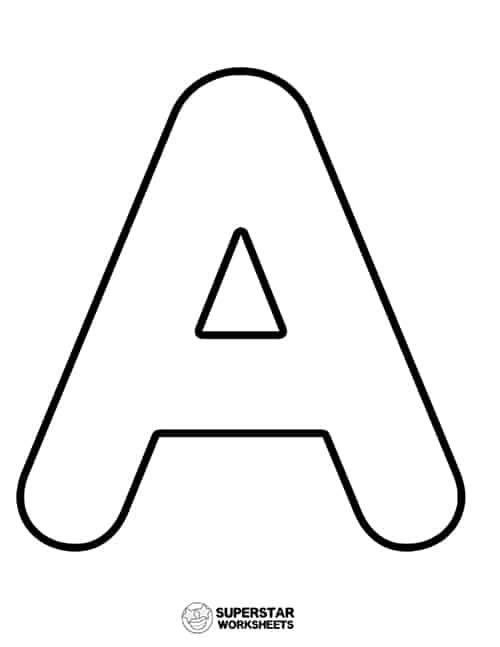
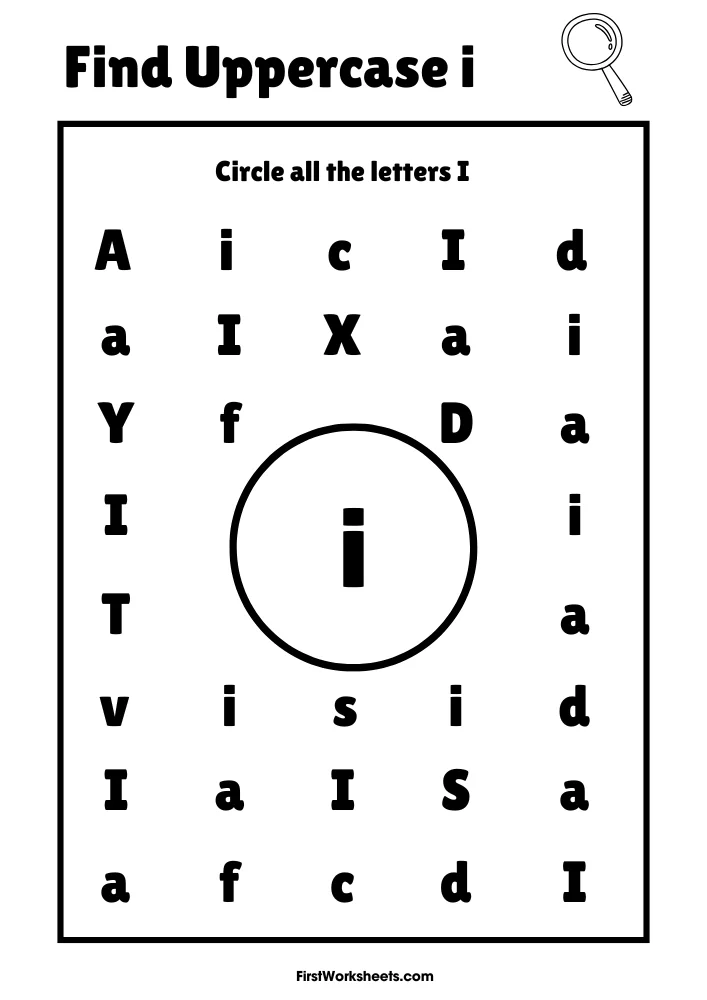
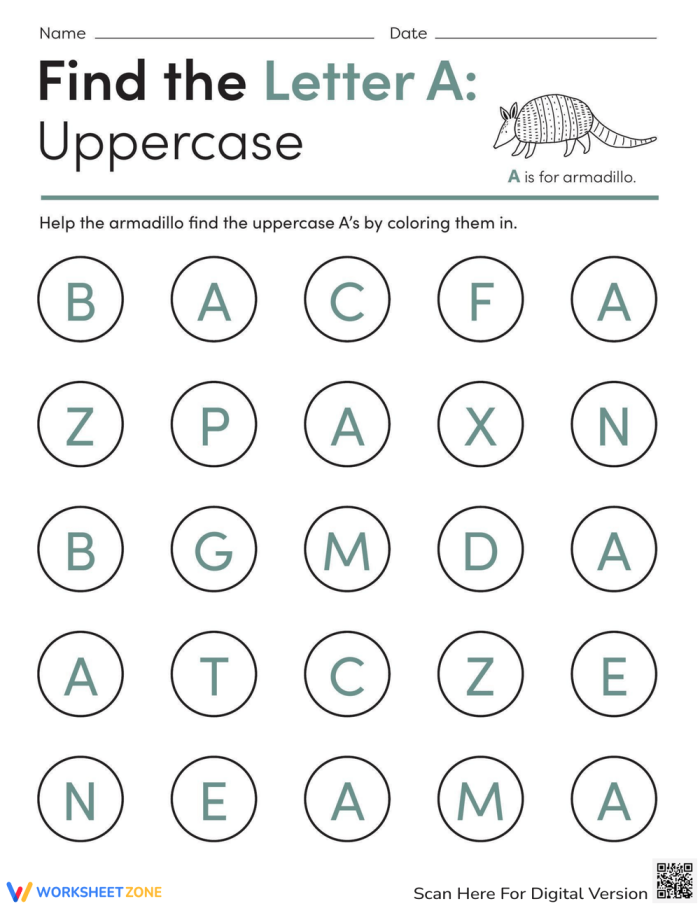
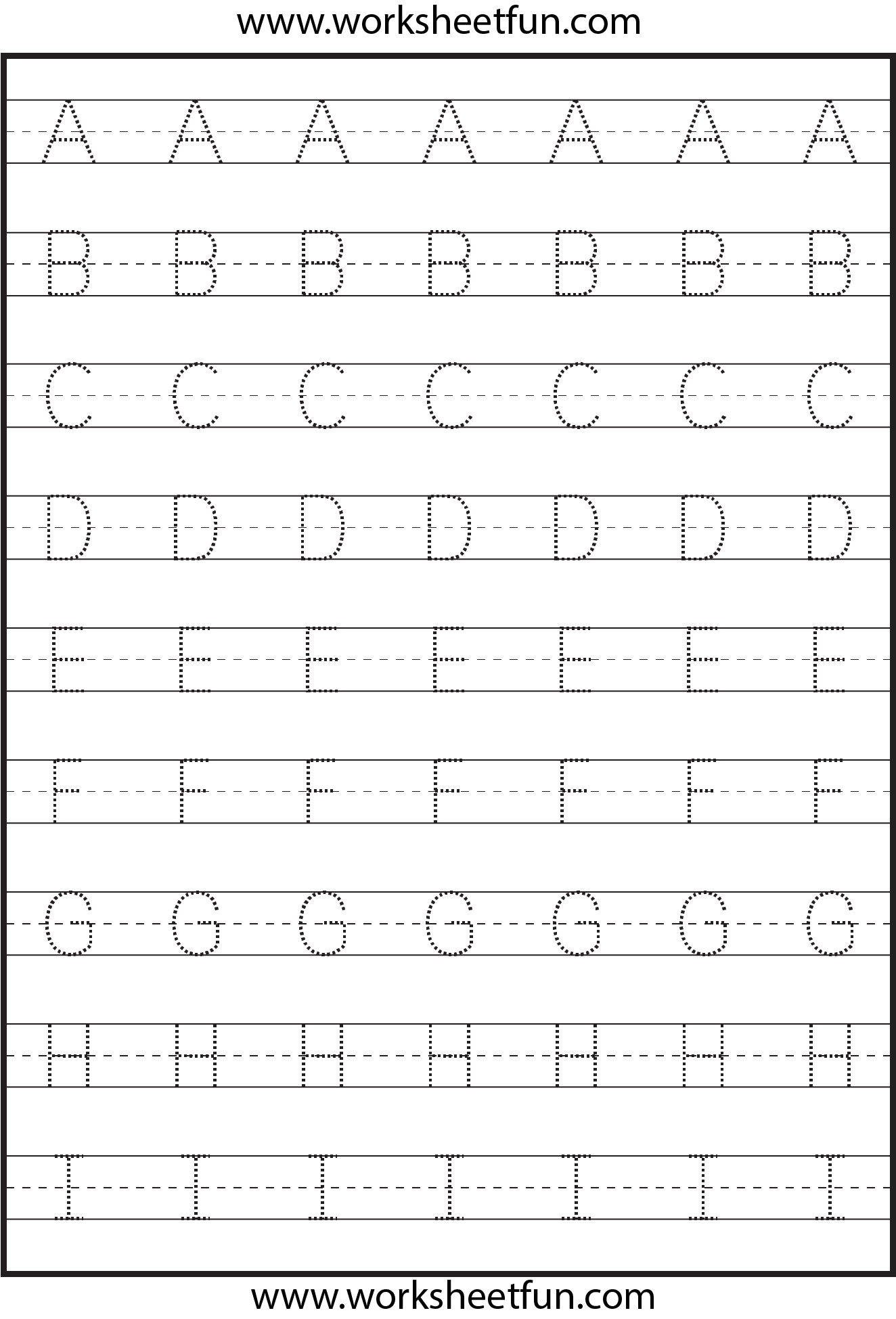
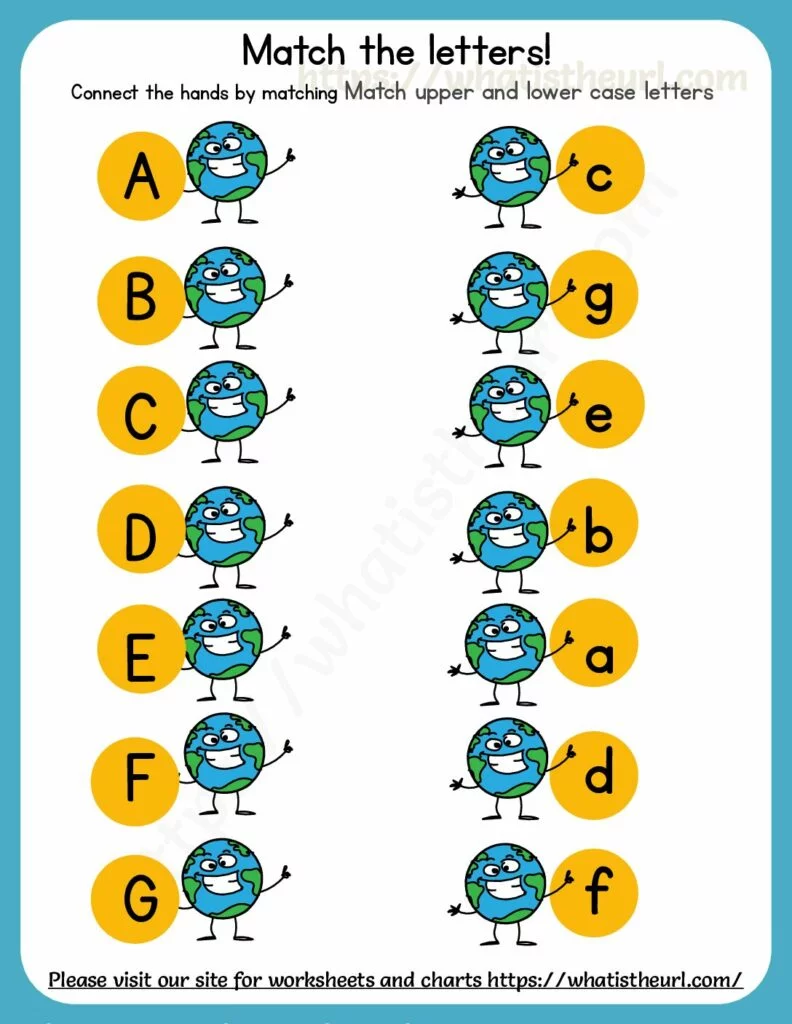
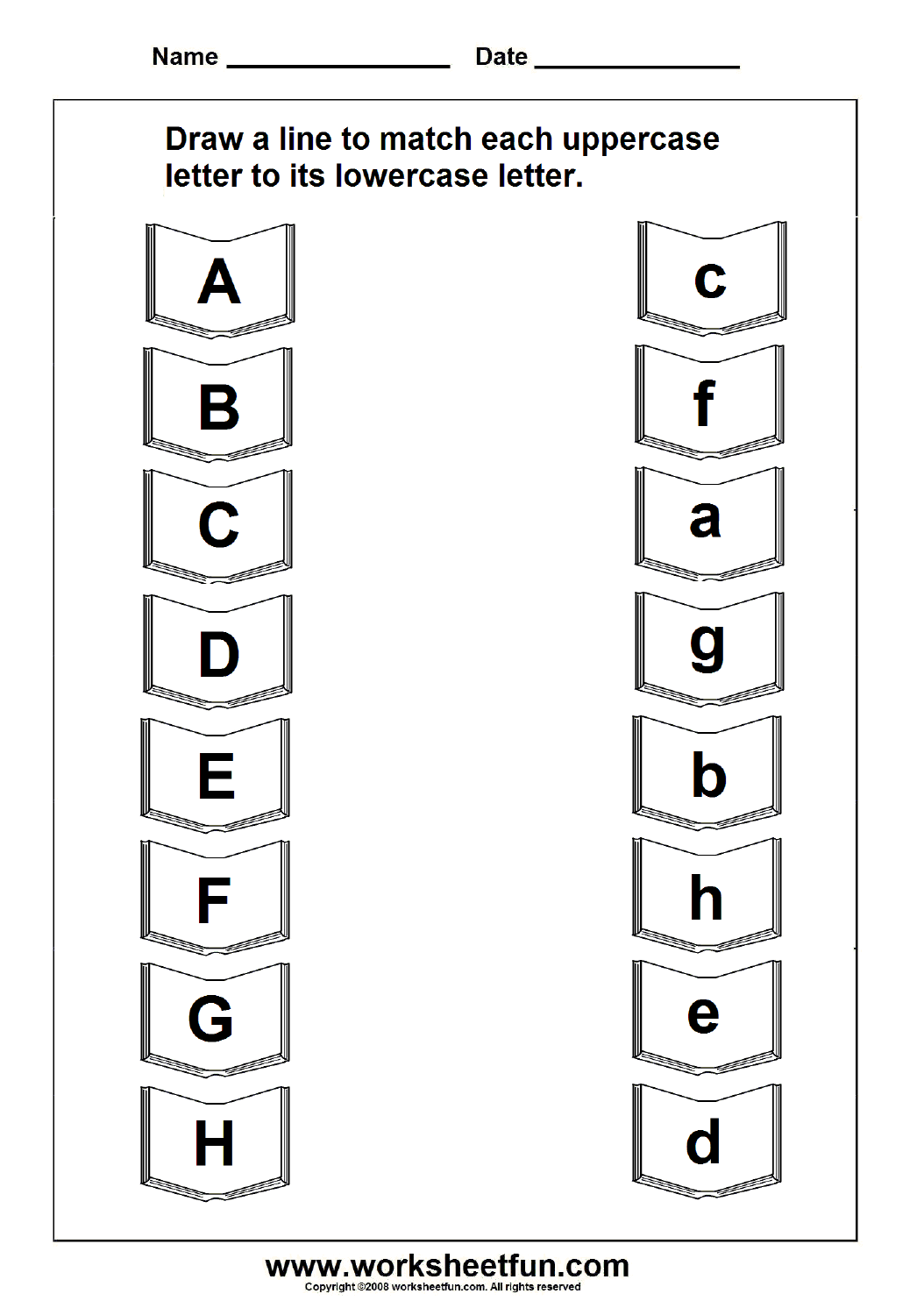
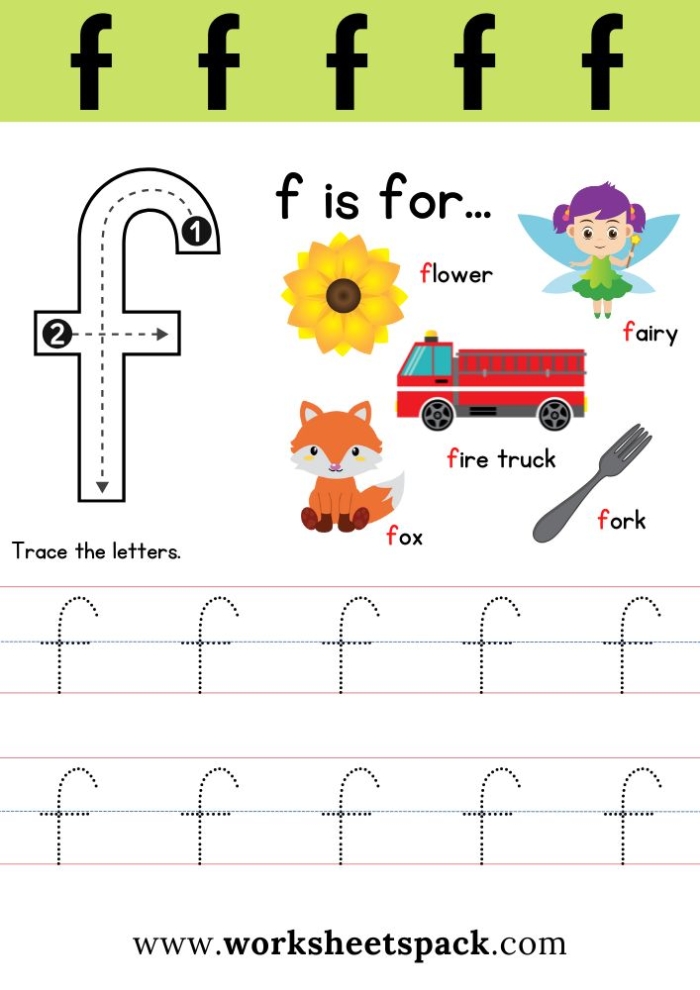
Letter recognition forms the foundation of early reading development, and a simple search-and-find activity can transform this essential skill into genuine fun. When young learners hunt for uppercase A’s alongside a friendly armadillo character, they’re building visual discrimination abilities without realizing they’re working.
Pre-K students benefit enormously from activities that combine movement, visual focus, and repetition. The armadillo-themed worksheet creates a narrative context that keeps children engaged longer than traditional flashcard drills. As they scan the page looking for each uppercase A among other letters and images, they’re training their eyes to recognize letter shapes, proportions, and distinctive features. This repeated exposure helps cement the visual pattern of the letter in their memory.
The vocabulary development aspect matters too. While searching, children naturally encounter other letters and begin building their letter-naming vocabulary. When an adult sits alongside them and names each letter found, the learning deepens. A child might say “A!” excitedly upon discovery, reinforcing both letter recognition and letter naming simultaneously.
What makes this activity particularly effective is its low-pressure nature. Unlike formal assessments, a playful hunt feels like entertainment rather than instruction. Children work at their own pace, and the visual reward of finding each letter provides immediate positive feedback. This approach aligns well with how Pre-K learners actually absorb information through play-based exploration.
For educators looking to build upon letter recognition foundations, worksheets that incorporate data and visual elements can extend learning further. Activities like graphing exercises help older students apply their reading skills to interpret information, while graphic organizers strengthen comprehension across grade levels.
The armadillo search activity works best when repeated with fresh worksheets over several weeks. Consistency builds automaticity, meaning children eventually recognize uppercase A’s without conscious effort. That fluency becomes the springboard for tackling more complex literacy tasks ahead.
Hands-On Worksheet Activities