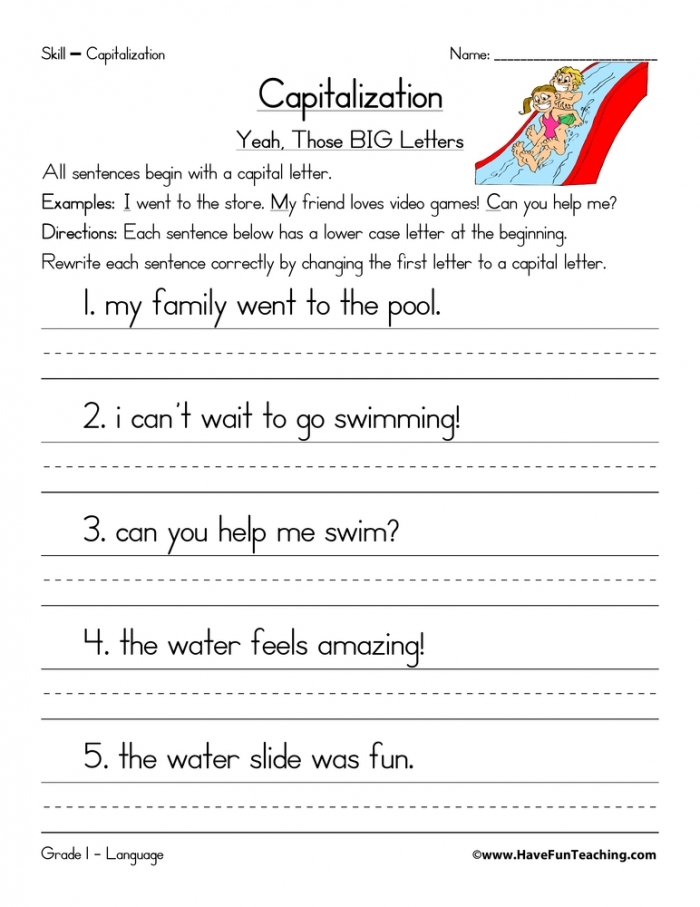
Getting a reader to keep turning pages starts with a single sentence. Second grade writers often struggle with openings because they haven’t yet learned that the first few words matter more than anything else on the page. A strong beginning sentence acts like a hook, pulling readers in before they decide to look elsewhere.
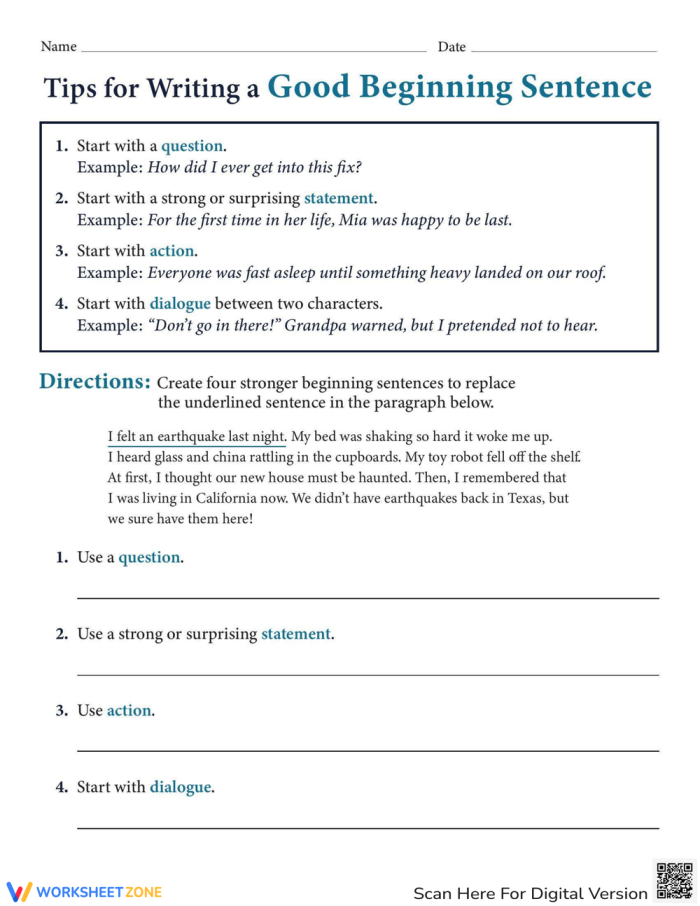
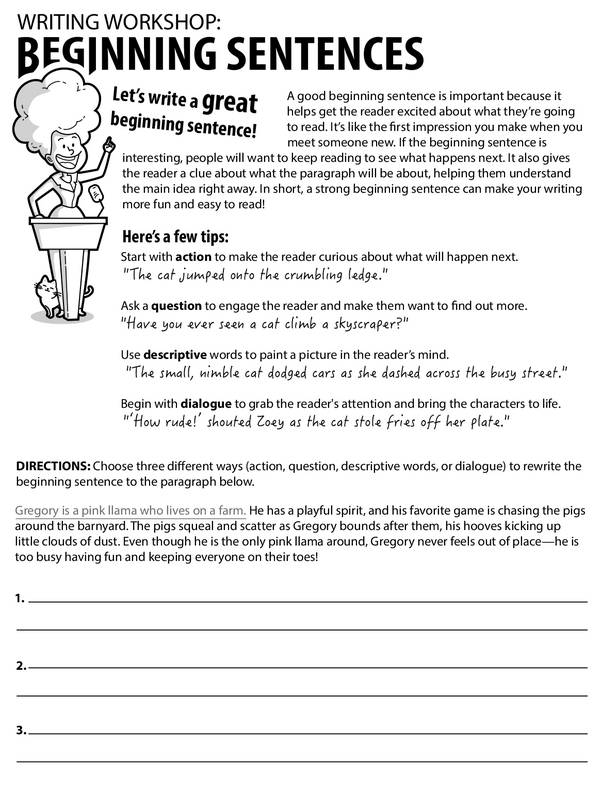
This writing worksheet teaches young writers three concrete strategies for crafting introductions that actually work. The first strategy involves starting with a question that makes readers curious. Instead of writing “I have a pet,” a second grader might write “What would you do if your pet could talk?” This approach immediately engages the reader’s imagination.
The second strategy uses action or movement to grab attention. Rather than beginning with “There is a dog,” young writers learn to write “The dog jumped over the fence.” Action verbs make scenes come alive and give readers something visual to hold onto from the very first sentence.
The third strategy introduces an unexpected detail or surprising fact. When second graders include something unusual or interesting right away, readers want to know more. This might sound like “My cat is afraid of mice” instead of just describing what a cat does.
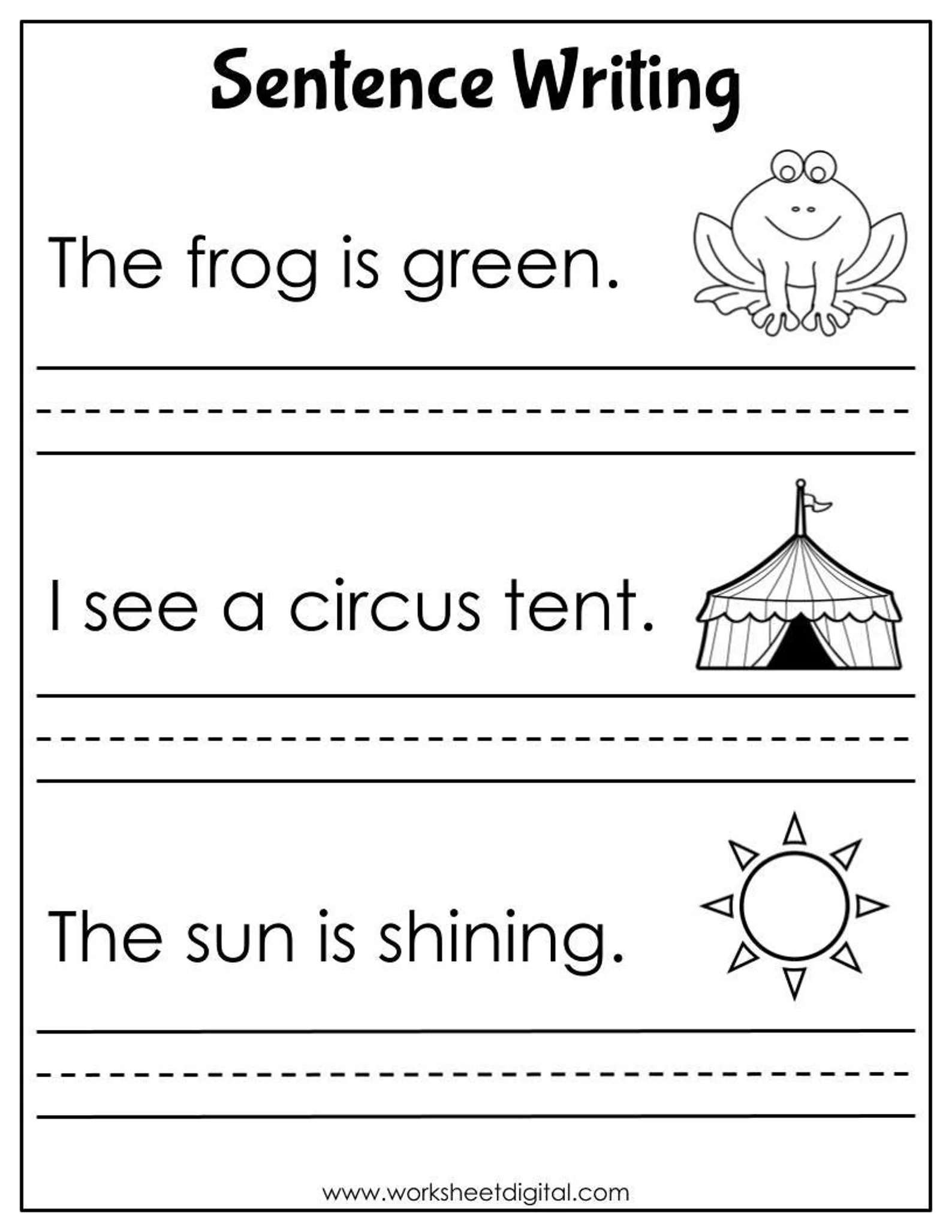
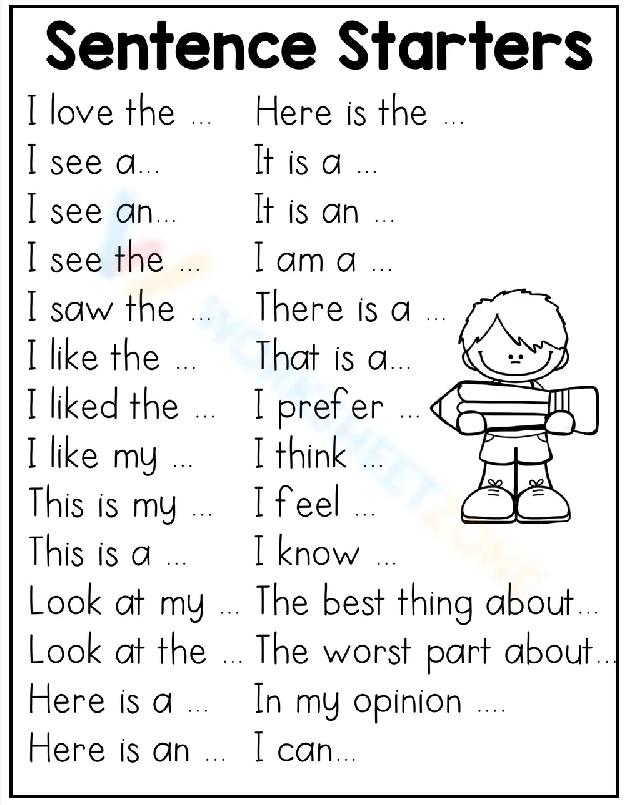
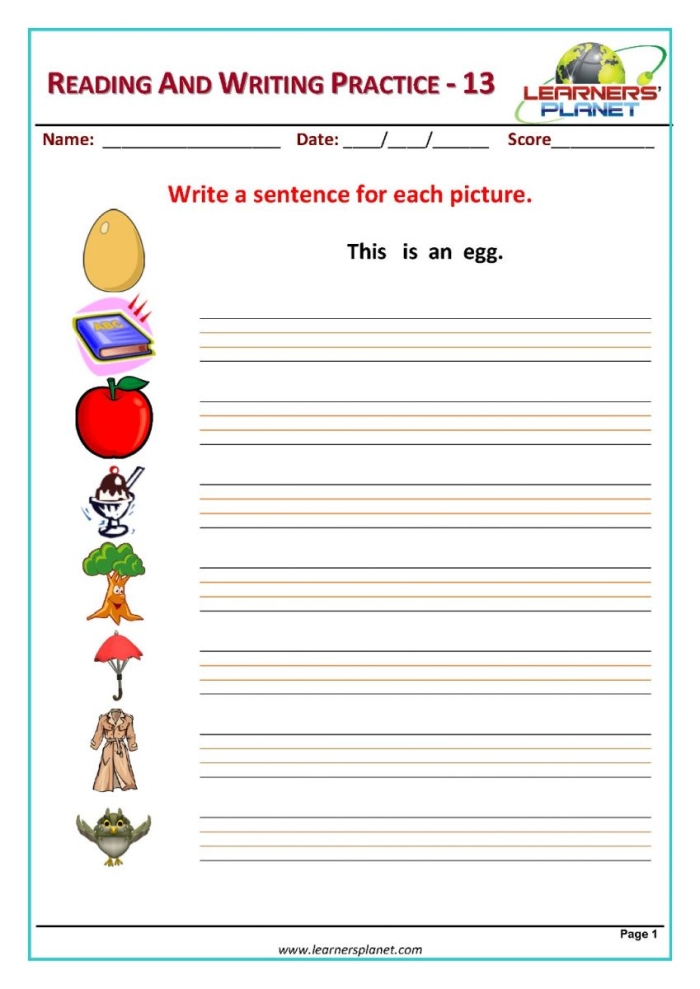
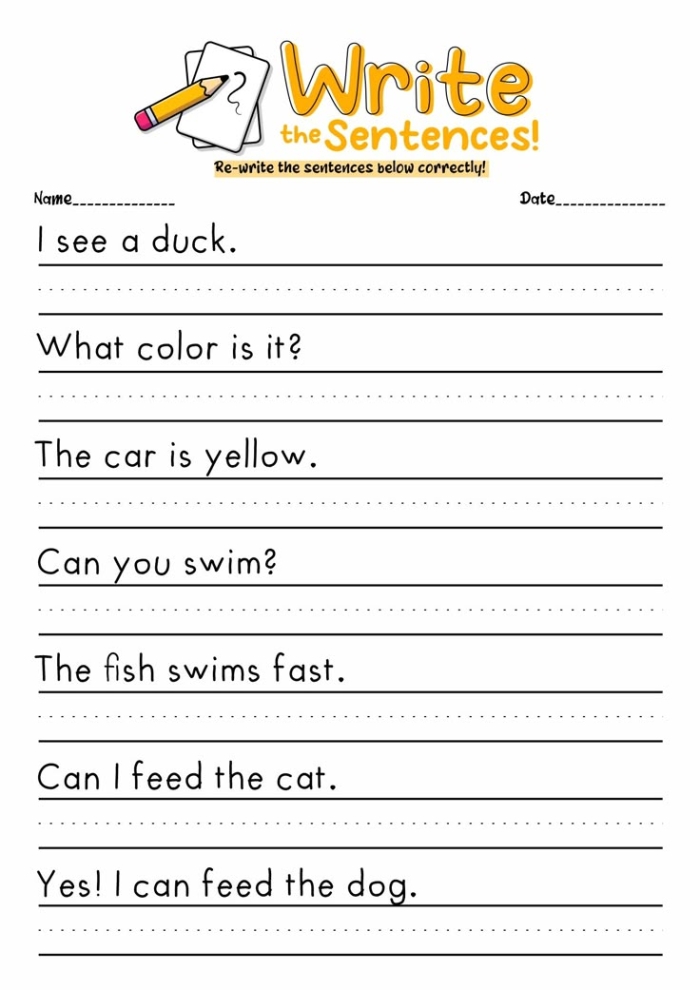
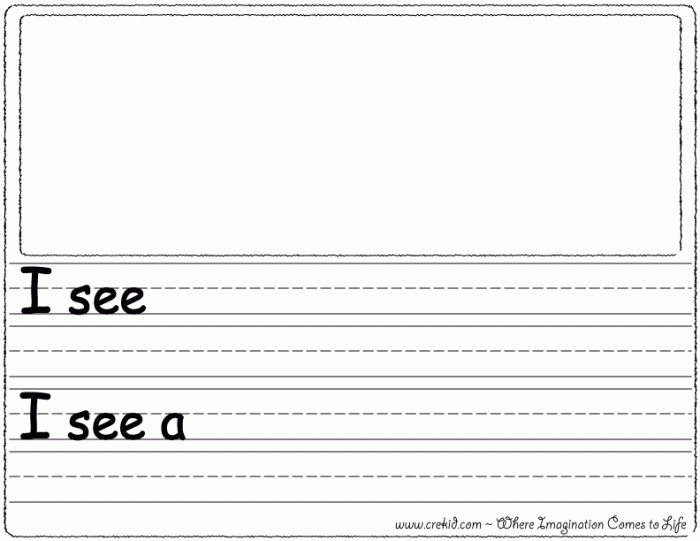
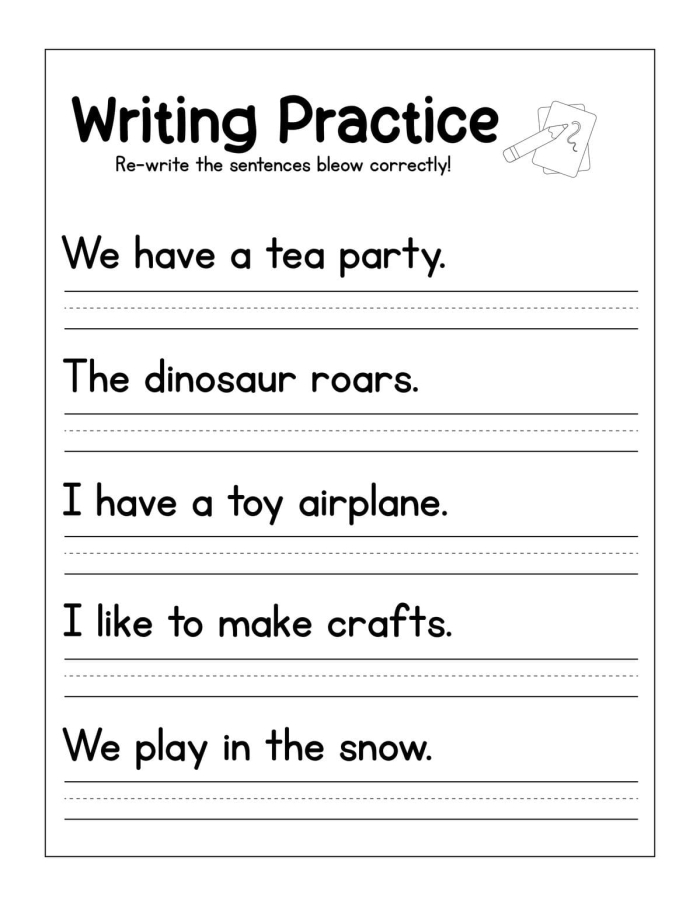
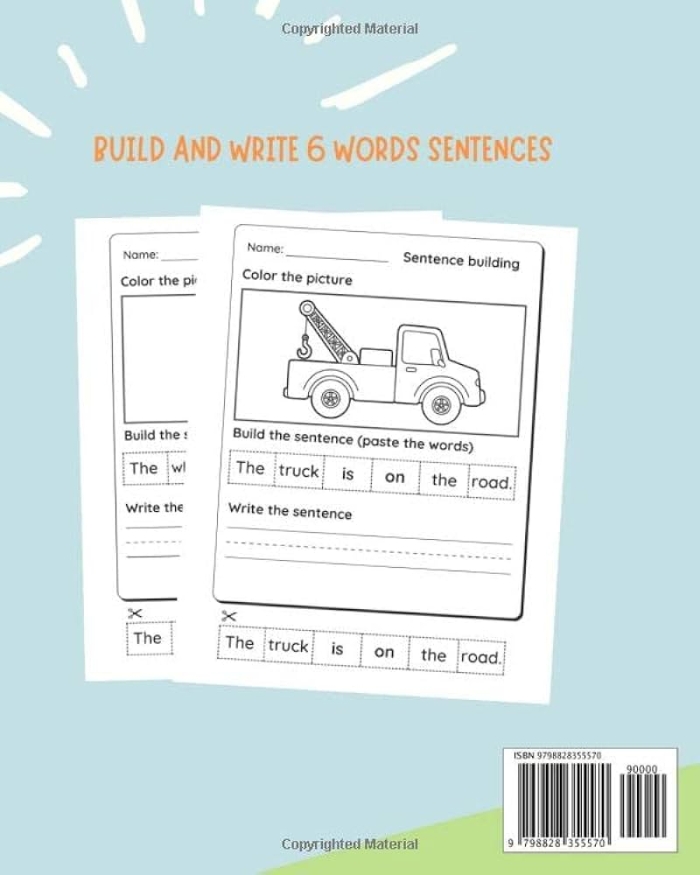
Using this worksheet, students practice each technique with guided examples. They see how different openings create different feelings and reactions. The hands-on practice helps them understand that every word choice matters, even in a simple sentence.
These same principles apply across different writing contexts. Whether young writers are working through horse-themed activities or learning about cultural celebrations, strong opening sentences make their ideas clearer and more interesting to readers. Building this skill early creates confident writers who understand that capturing attention is the first step in any piece of writing.
Practice with These Worksheets