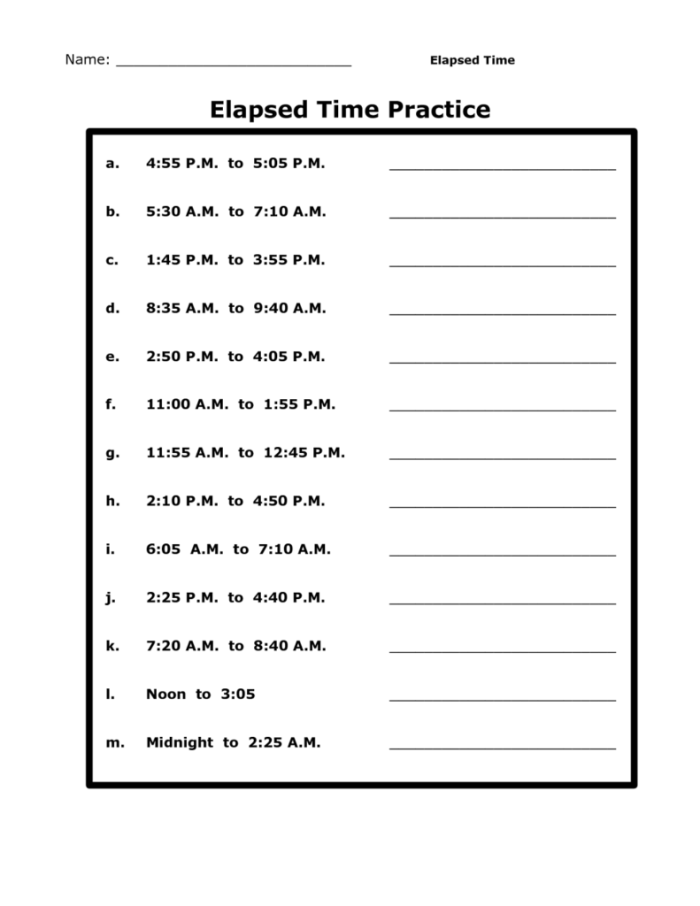
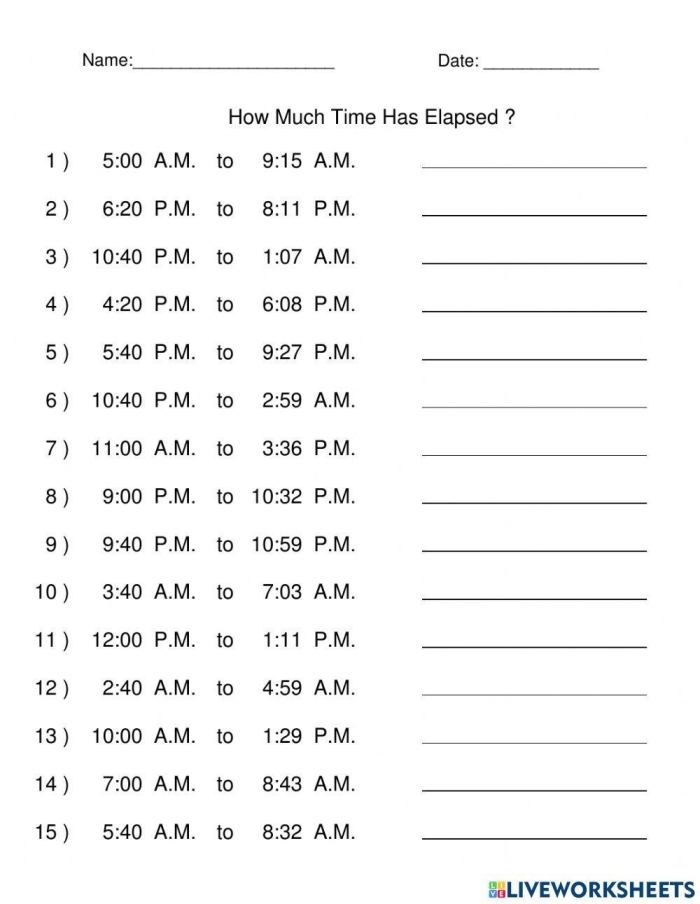
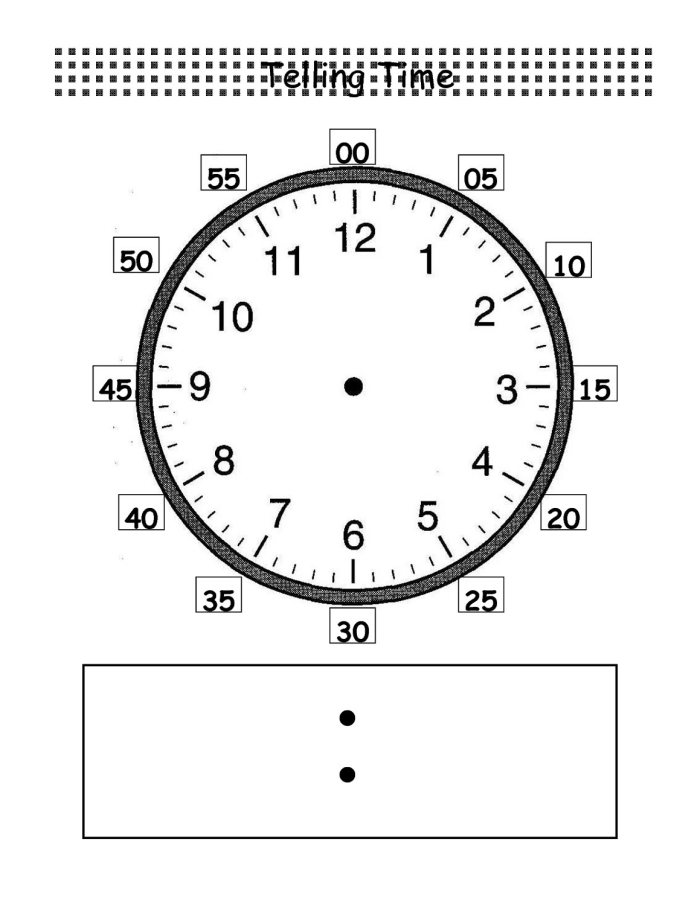
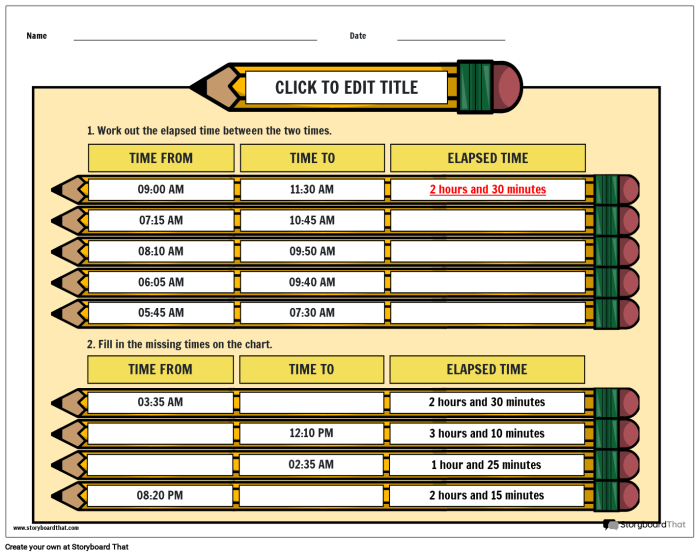
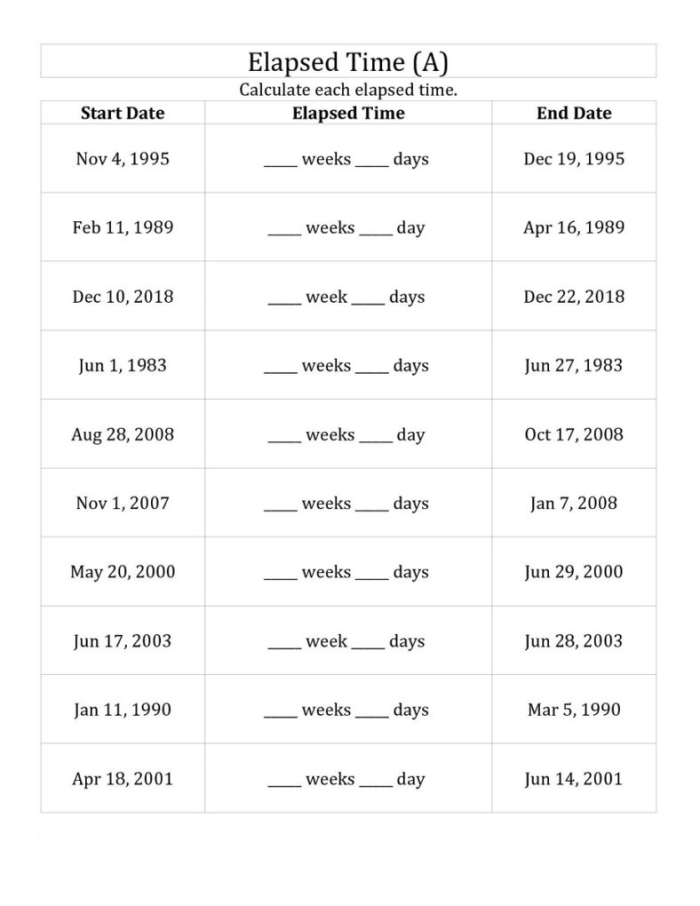
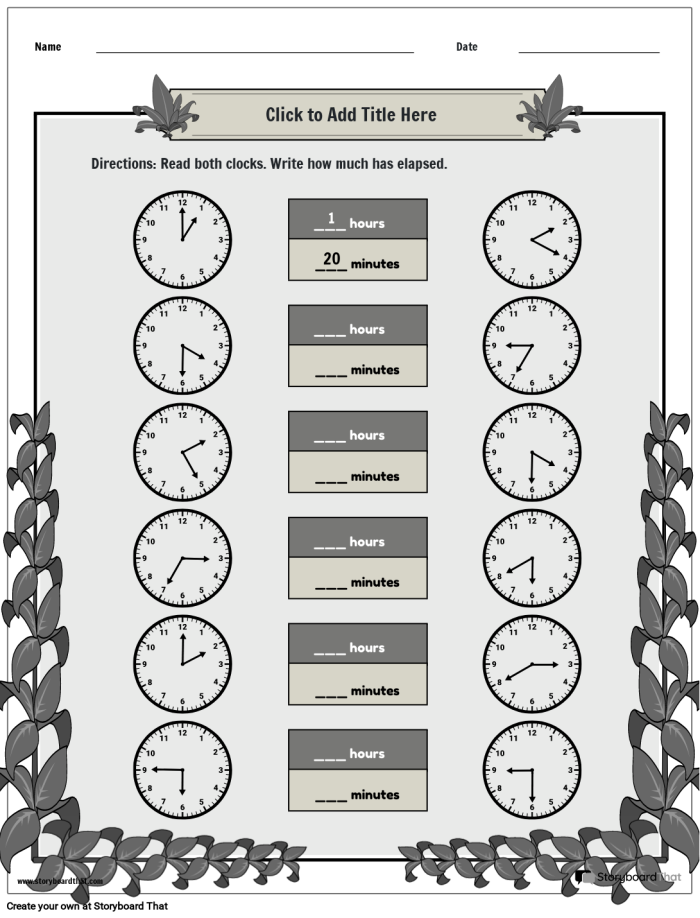
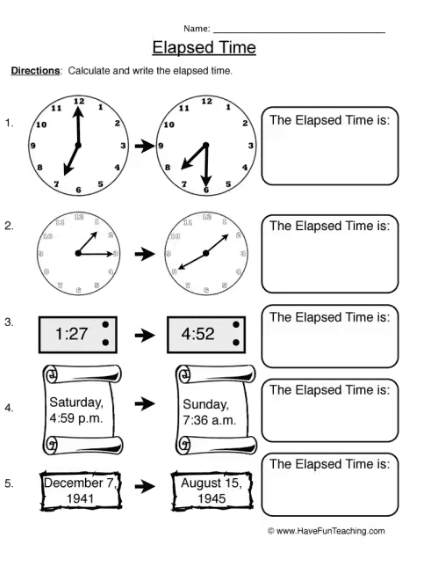
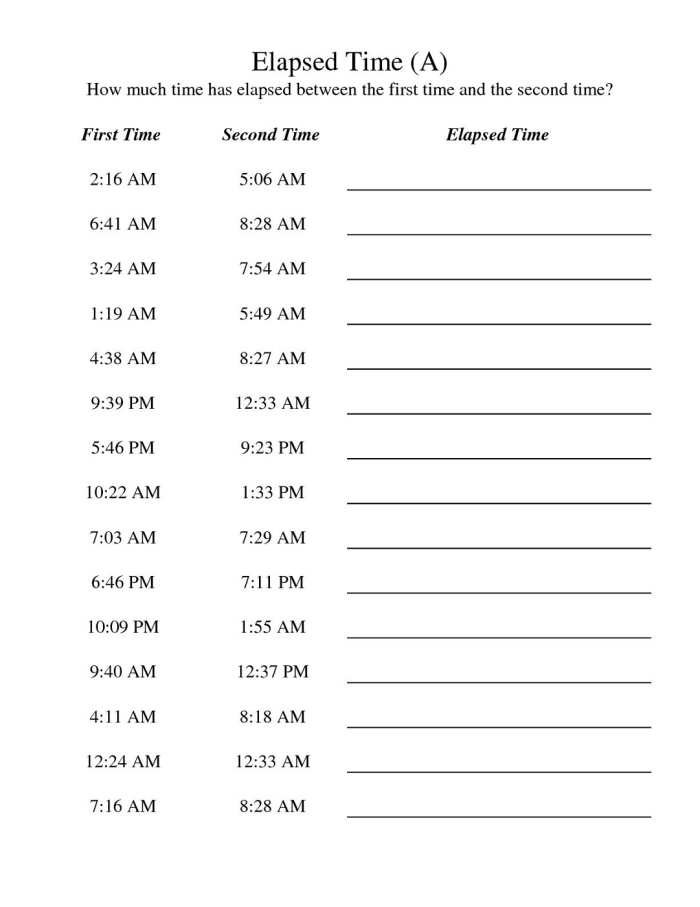
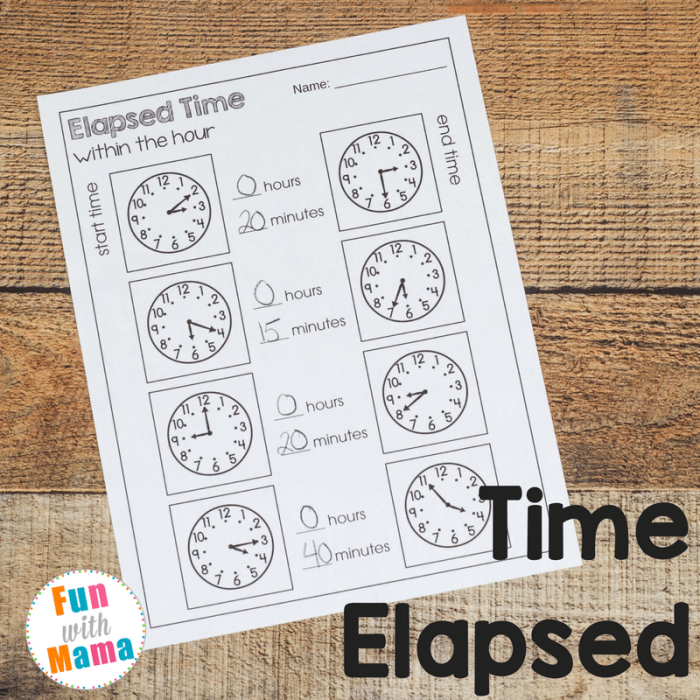
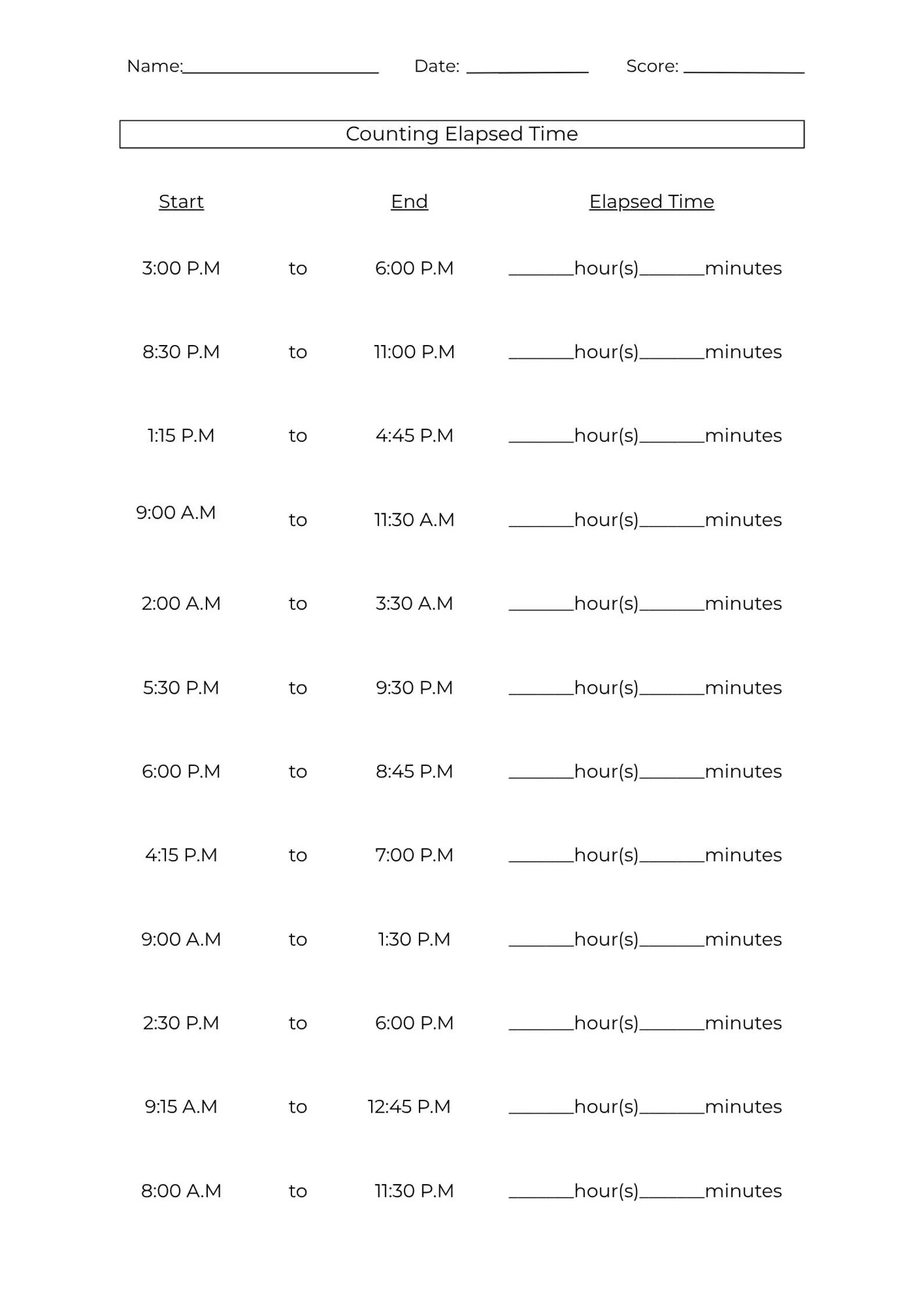
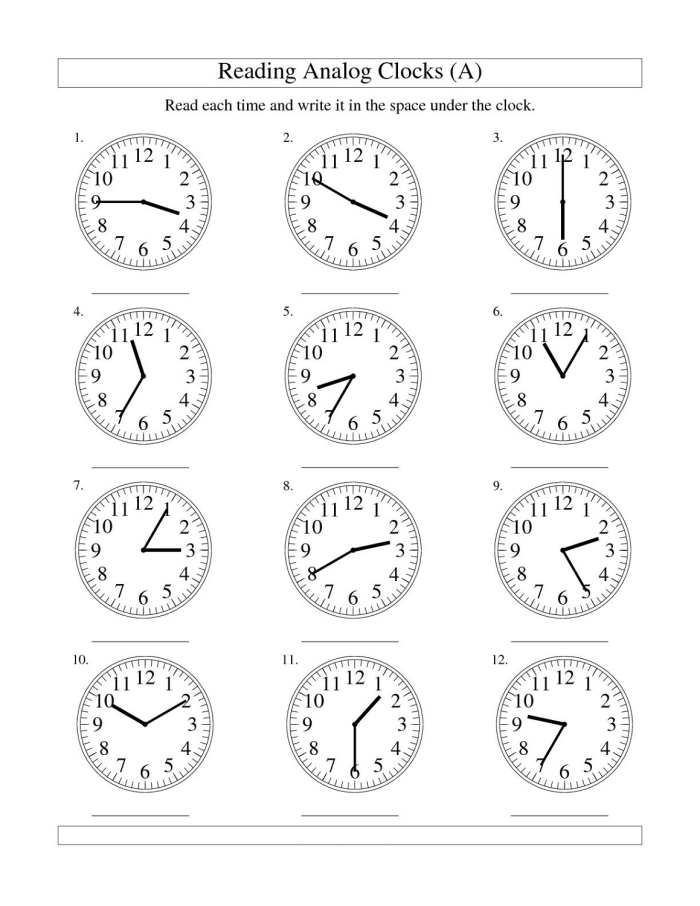
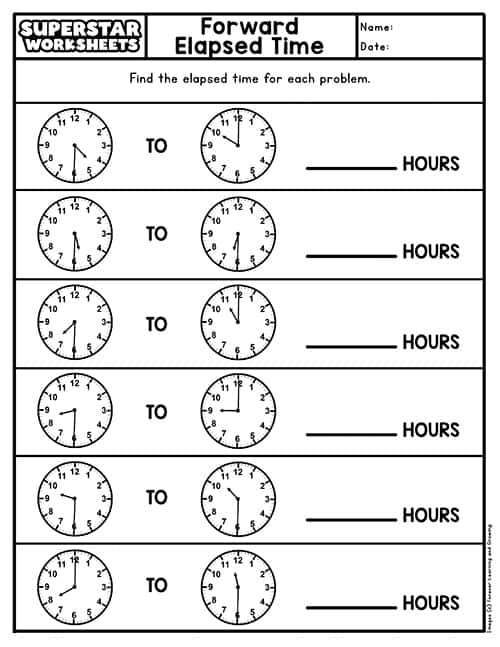
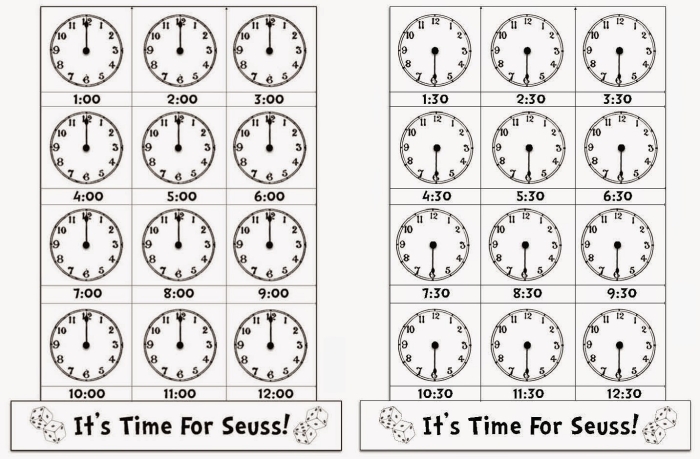
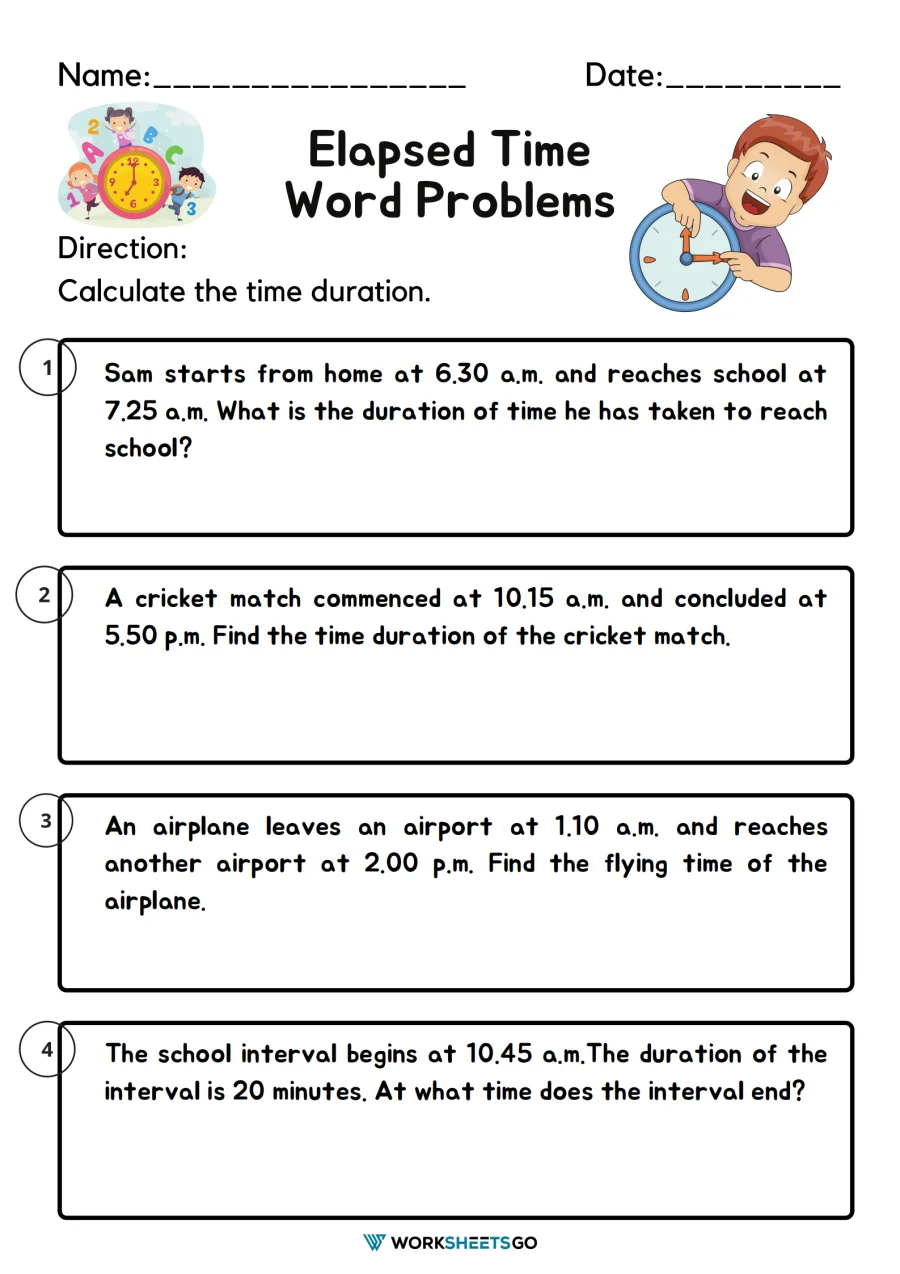
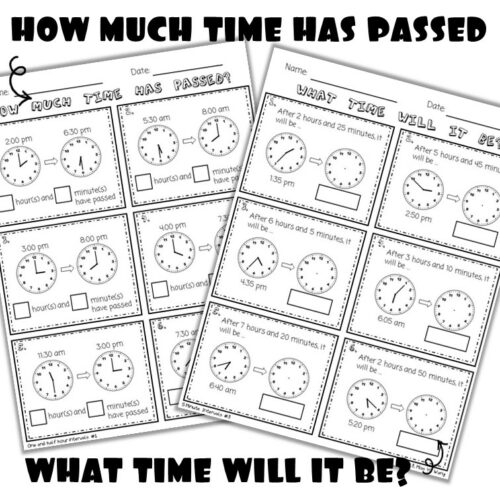
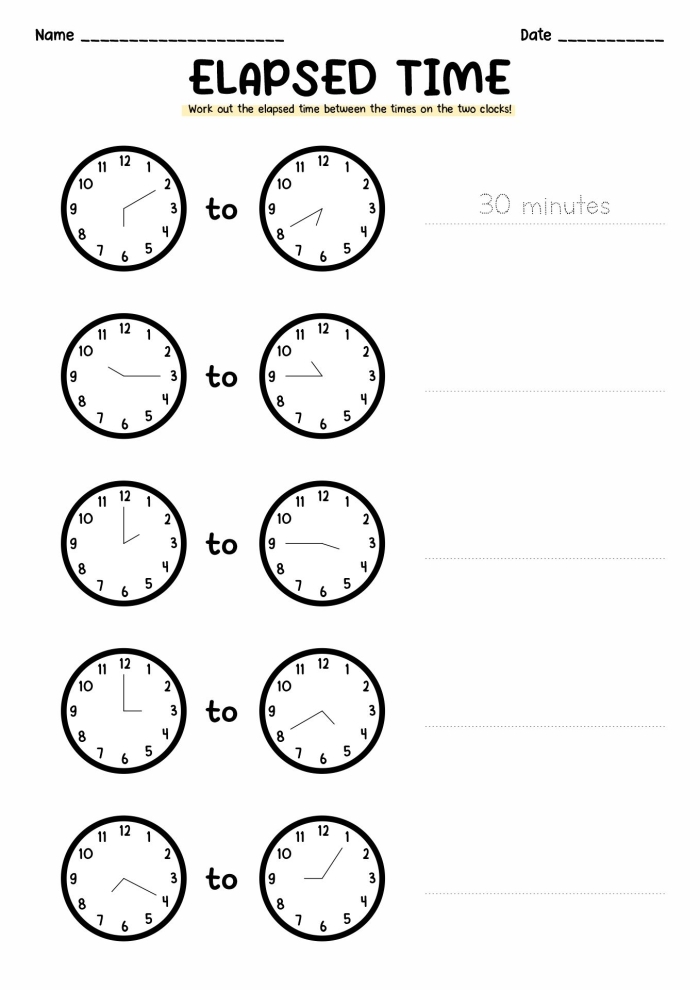
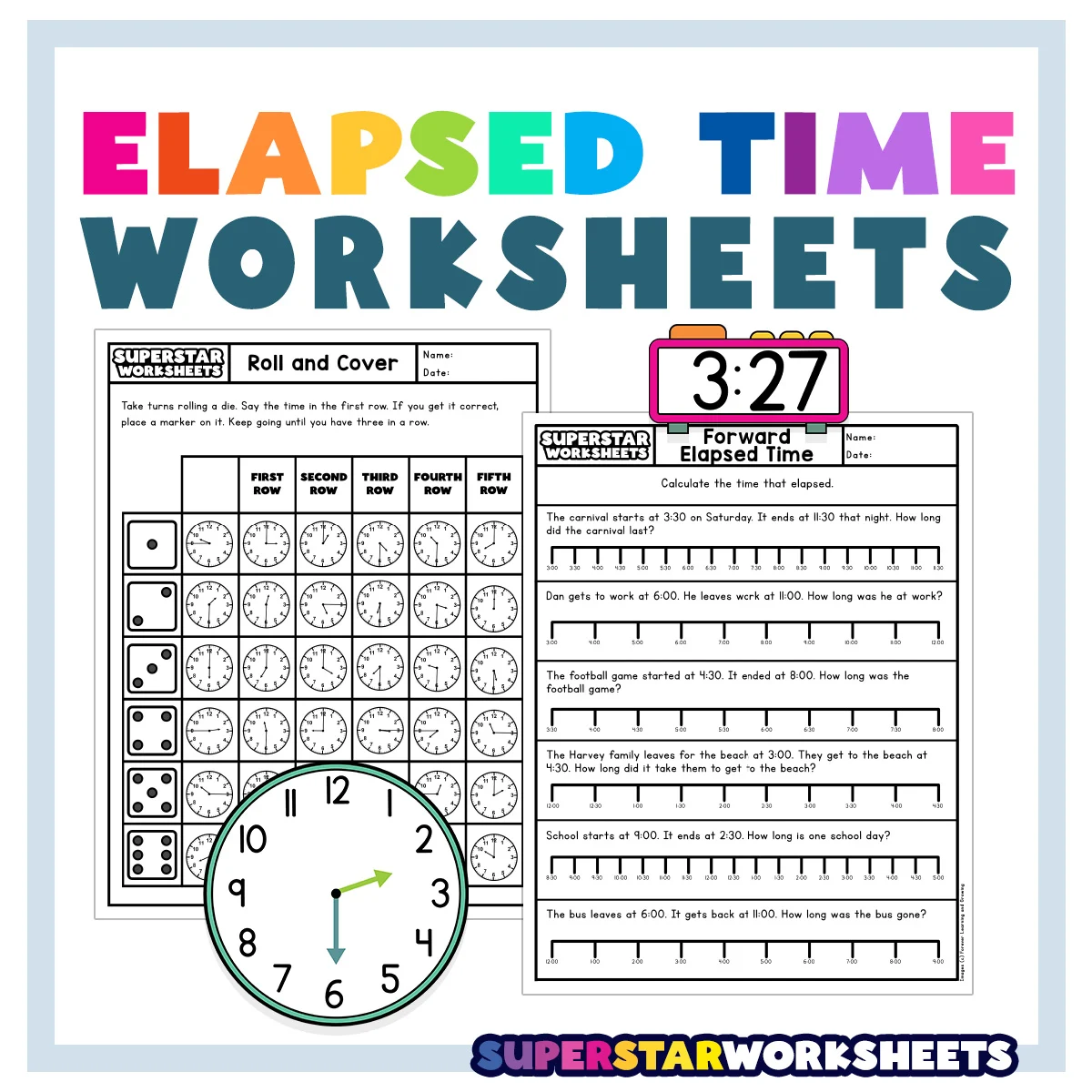
Number lines offer one of the most straightforward ways for third grade students to visualize and calculate elapsed time. Rather than relying on abstract thinking or memorizing formulas, students can physically mark starting and ending times on a line, then count the intervals between them. This concrete approach transforms what could feel like a confusing concept into something they can see and touch.
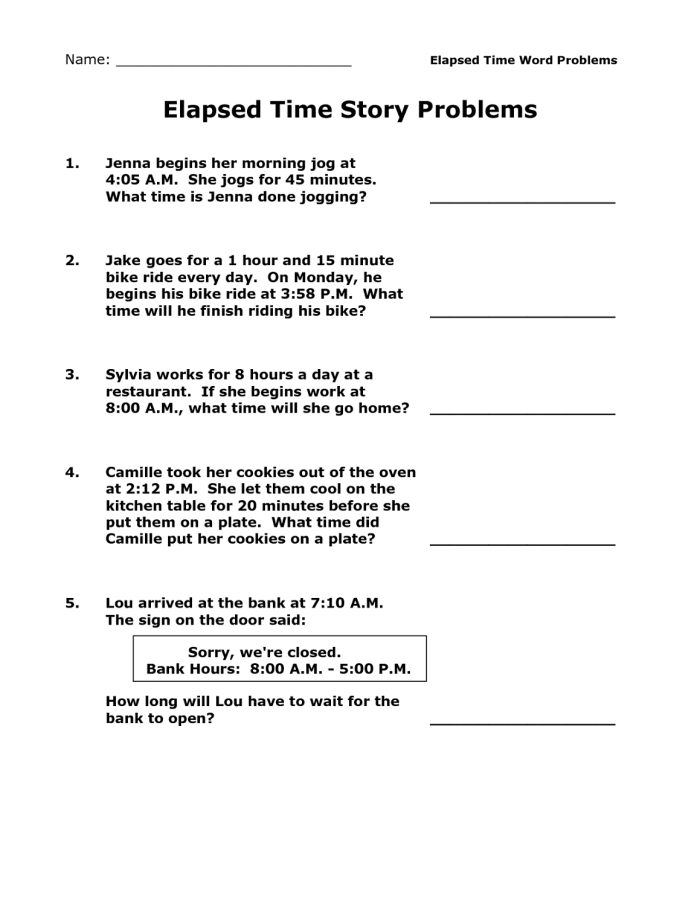
When you introduce a number line for elapsed time, you’re giving students a tool they’ll use repeatedly throughout their math journey. The beauty of this method lies in its simplicity: a student marks the start time, marks the end time, and counts forward to find how much time has passed. For a third grader working through word problems in sports involving addition and subtraction, this visual strategy makes the math feel less intimidating and more manageable.
To assess how well your students understand elapsed time, create a quick check-in activity where they build their own number lines from scratch. Rather than filling in pre-drawn lines, students should draw the line, label the intervals, and solve the problem themselves. This reveals whether they truly grasp the concept or if they’re just following a template. You’ll quickly spot which students understand the relationship between time intervals and which ones need additional support.
This hands-on assessment works particularly well because it combines numbers and counting with spatial reasoning. Students aren’t just calculating, they’re also organizing information visually. If you’re looking to reinforce number patterns and sequencing skills alongside elapsed time, worksheets on number patterns and writing can complement this work nicely.
The number line method sticks with students because it’s intuitive. They can see exactly where they started, where they ended, and what happened in between. That clarity makes elapsed time far less abstract than it otherwise would be.
Start Practicing with These Worksheets