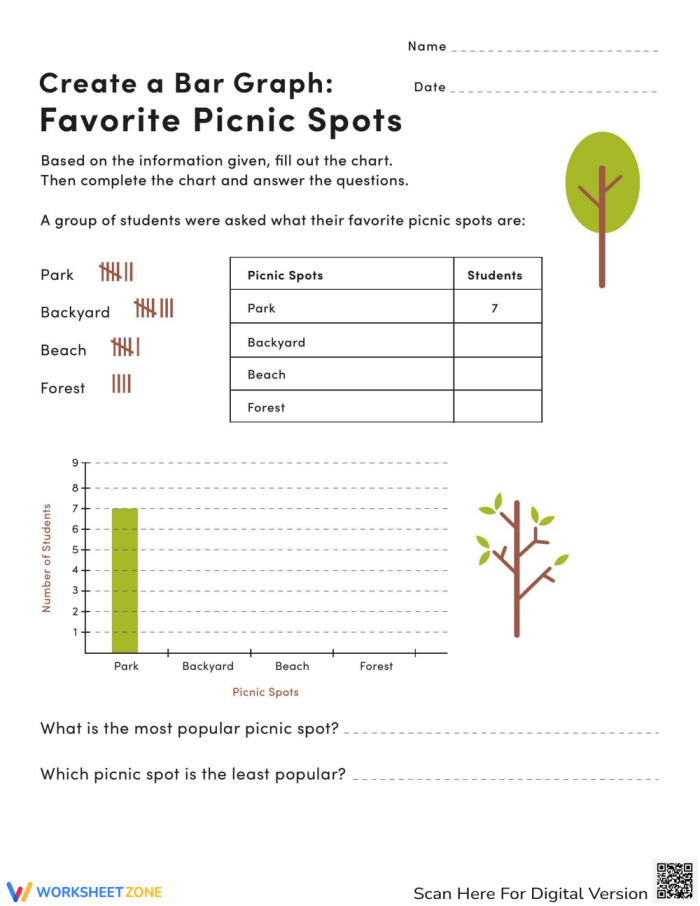
Ask any second grader what they love most about a picnic, and you’ll get wildly different answers. Some kids sprint straight to the three-legged race, while others camp out at the water balloon toss. This variety in preferences makes picnic games the perfect teaching tool for learning how to read and interpret data.
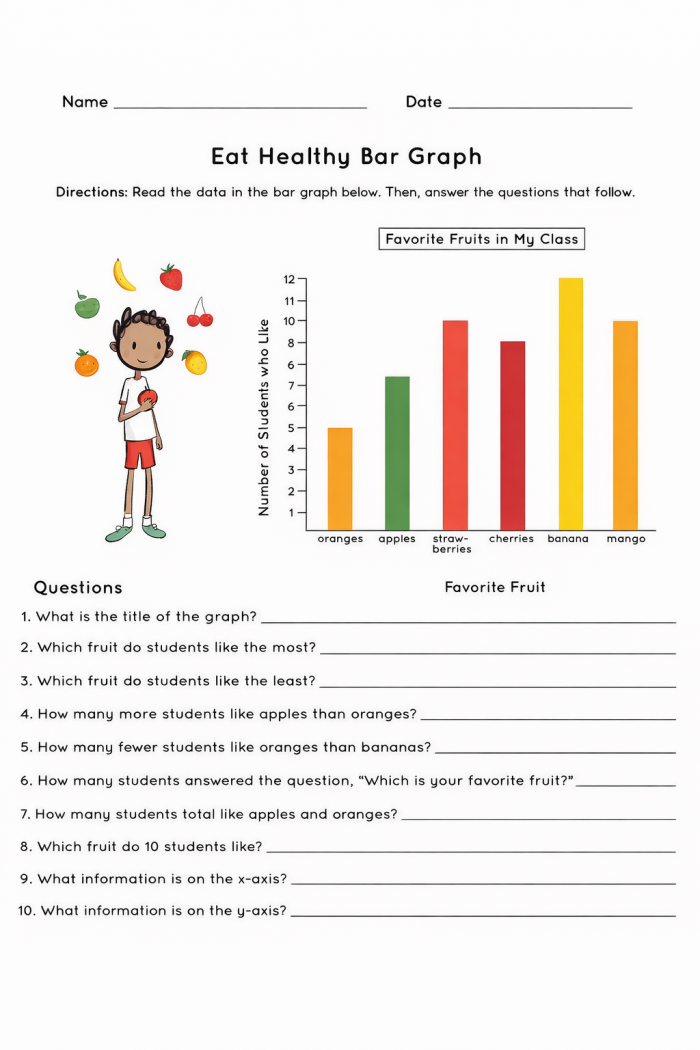
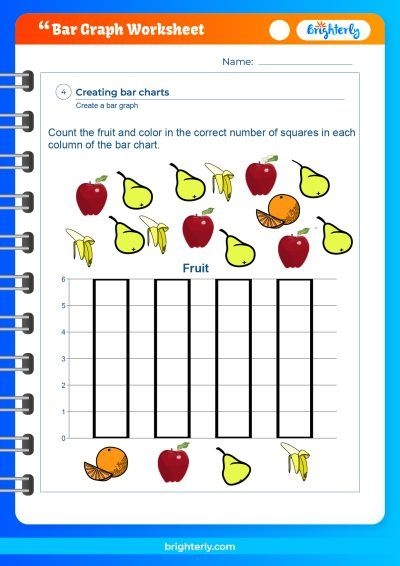
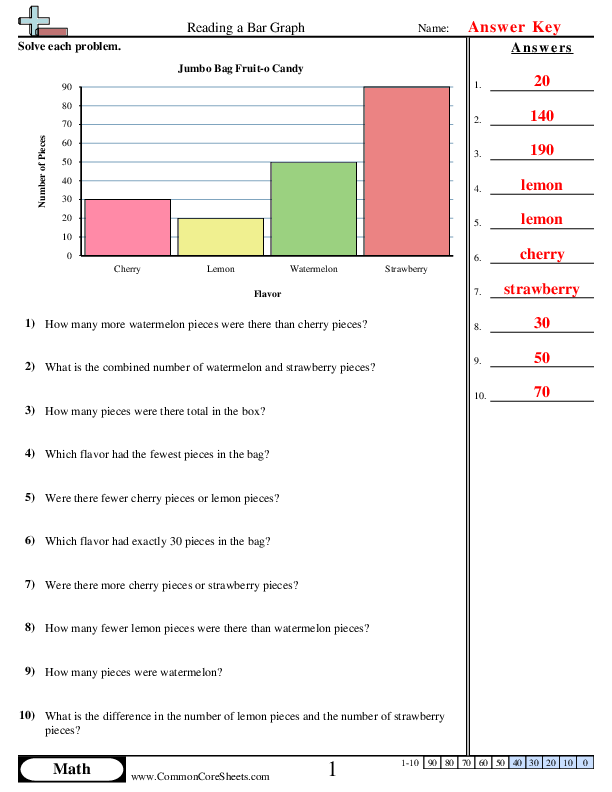
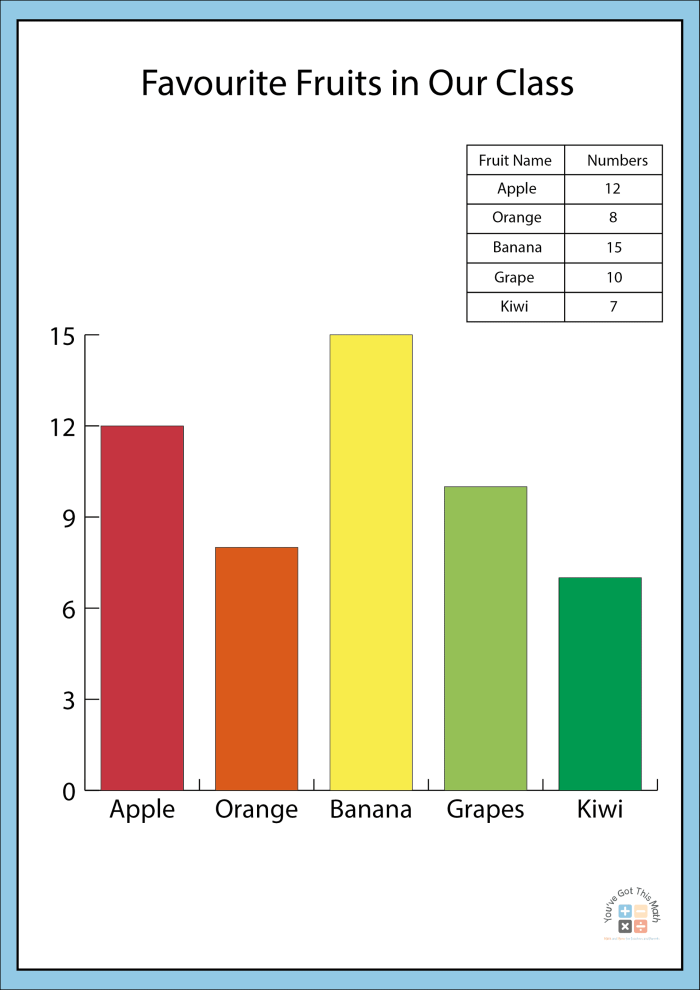
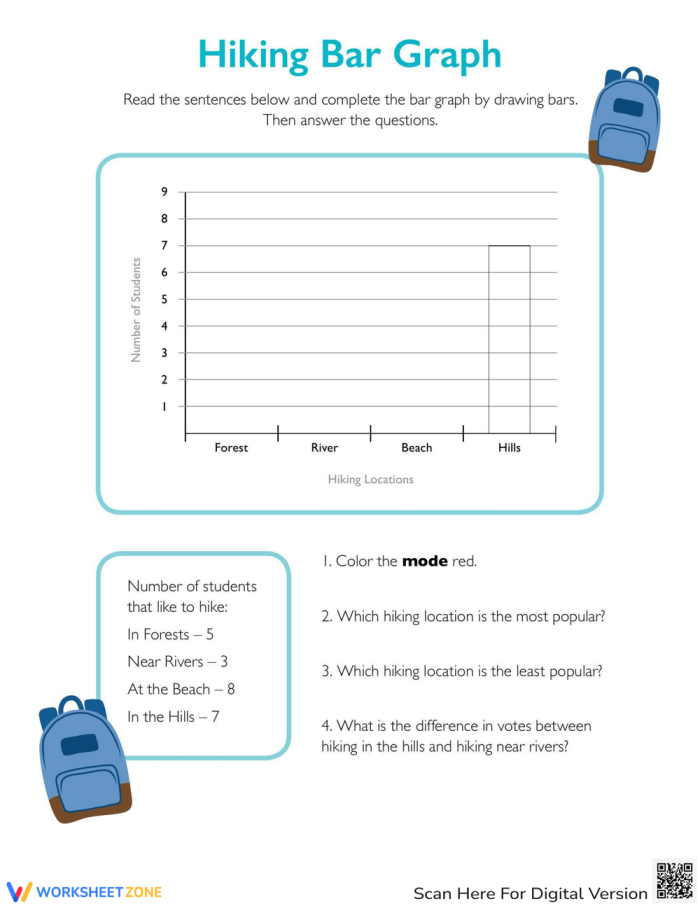
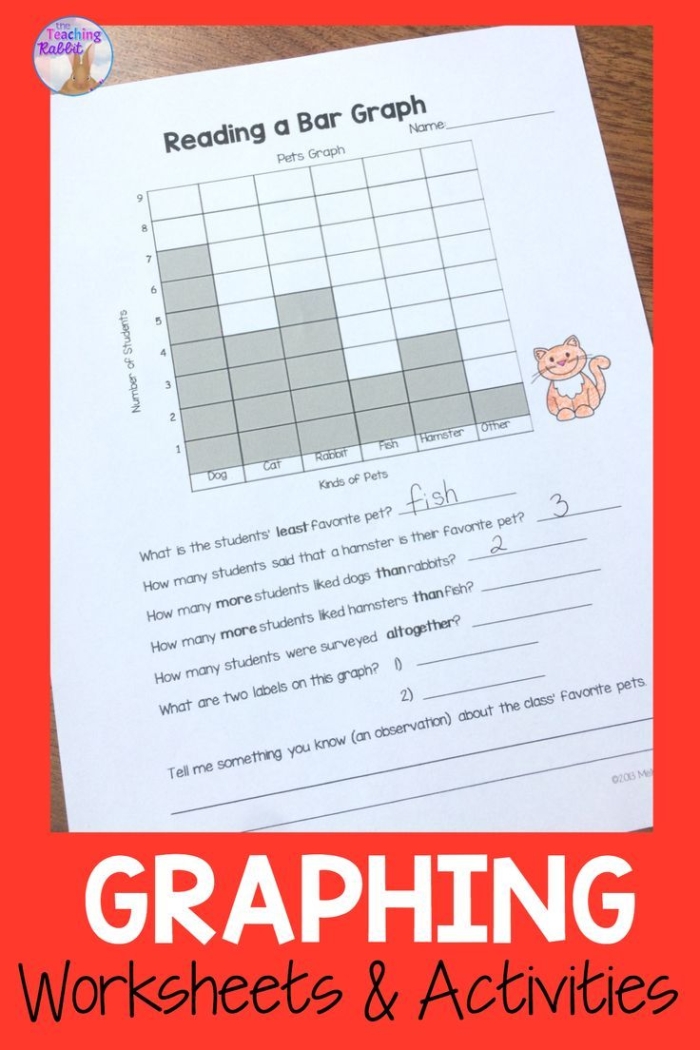
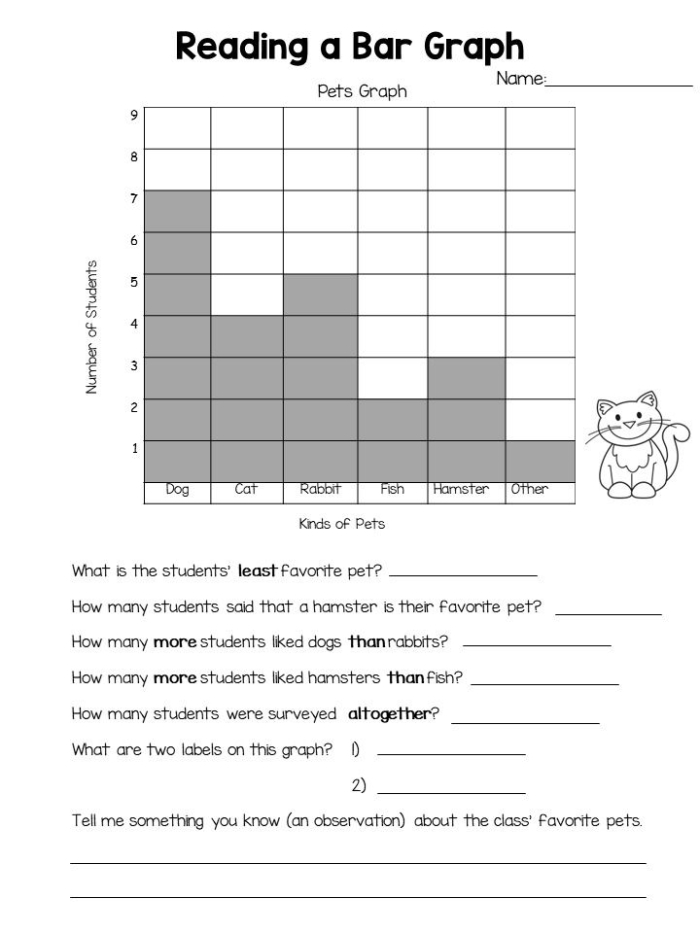
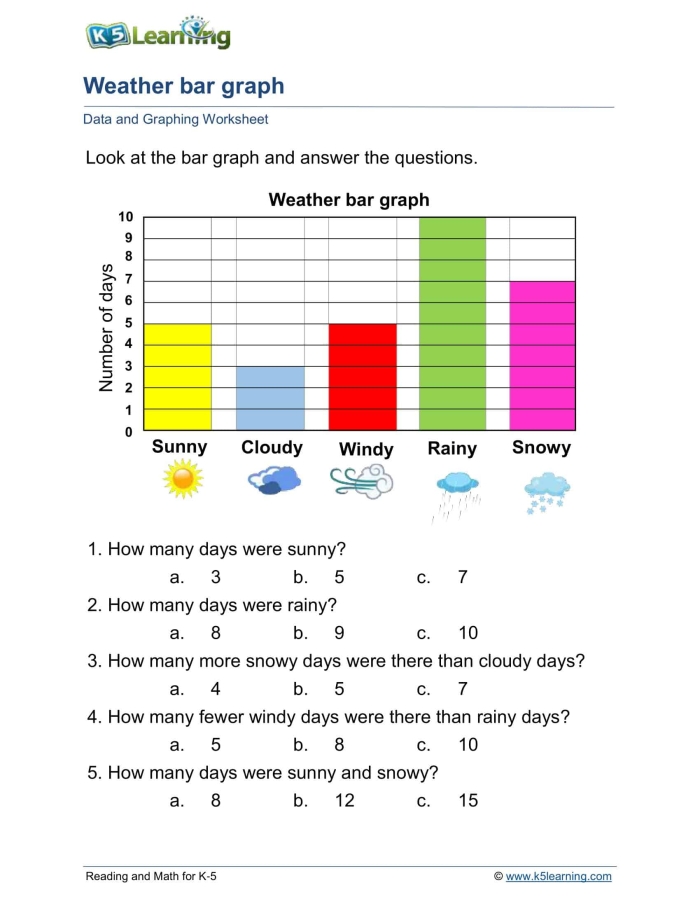
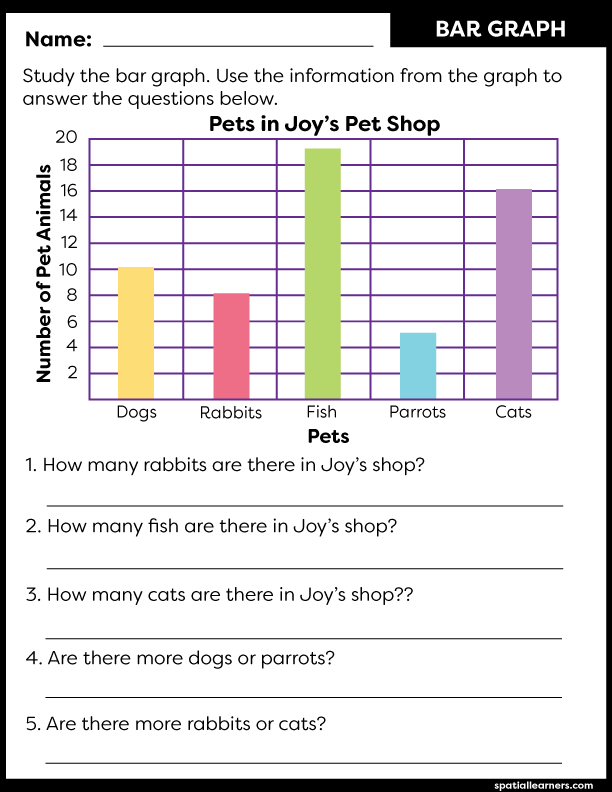
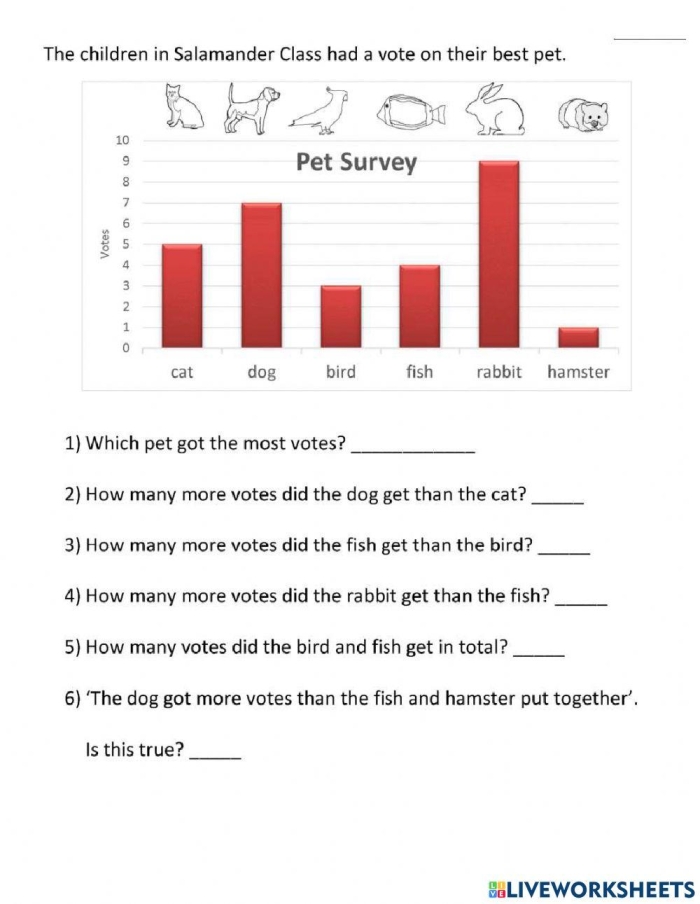
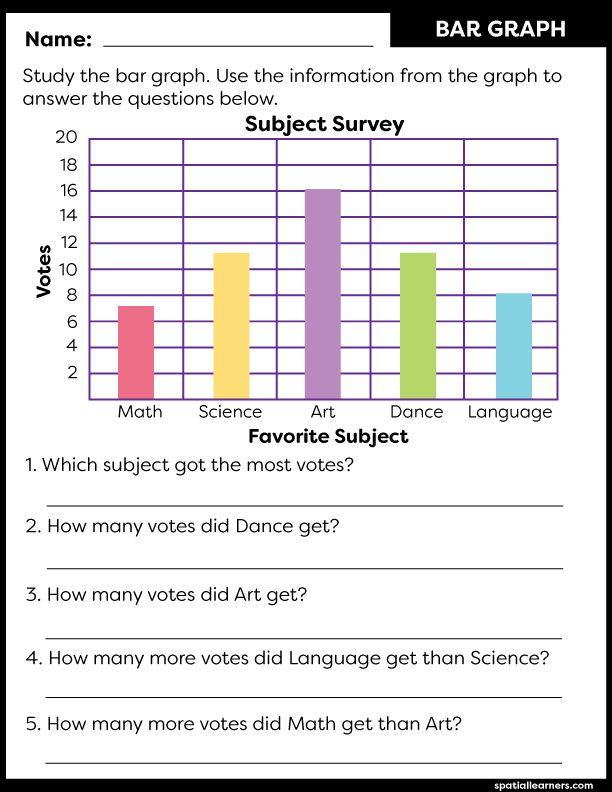
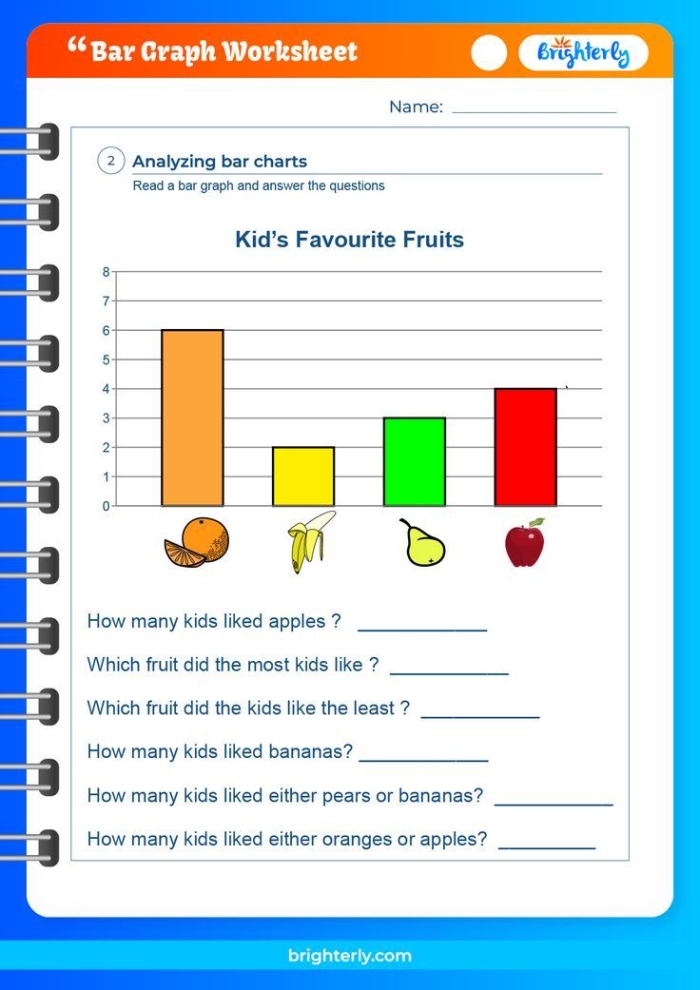
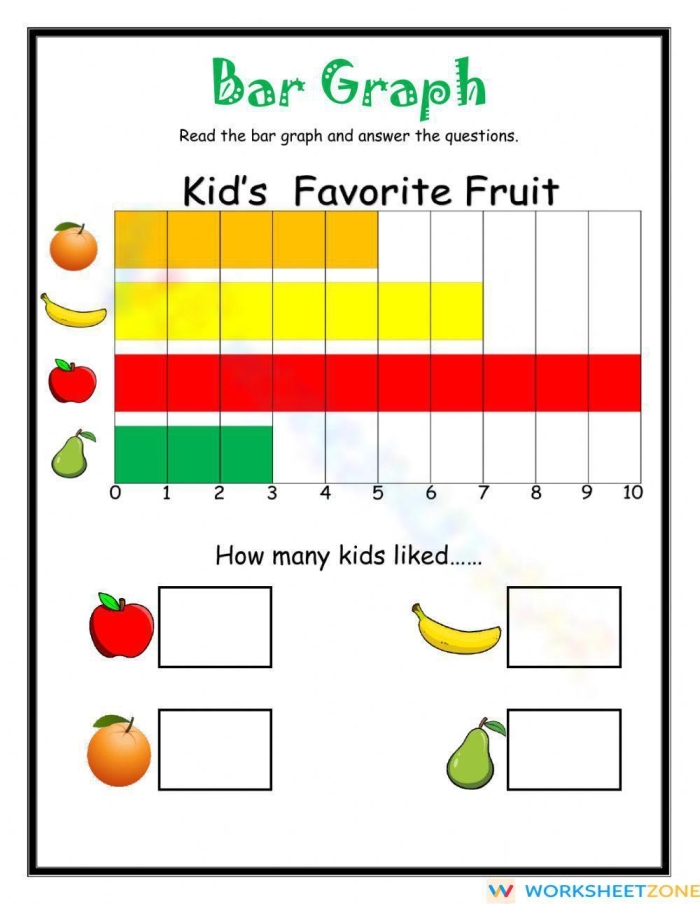
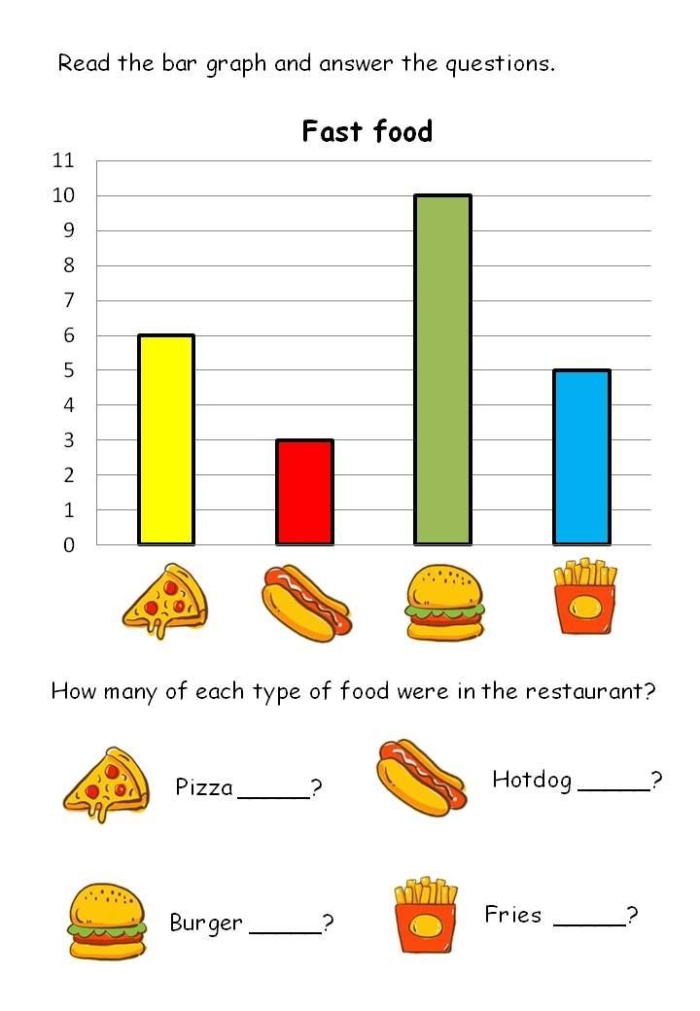
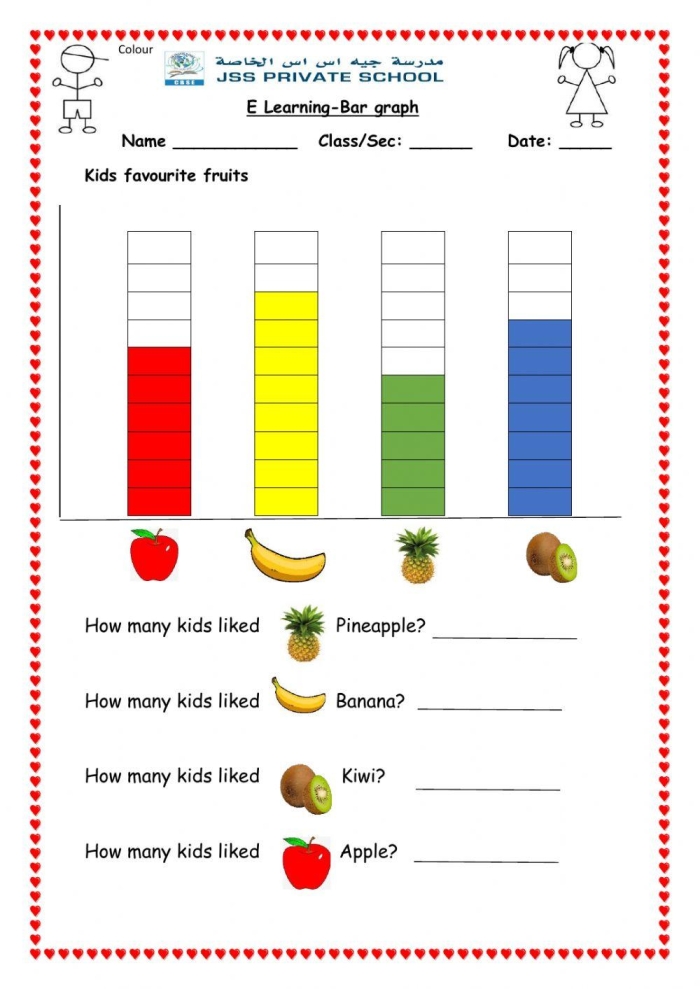
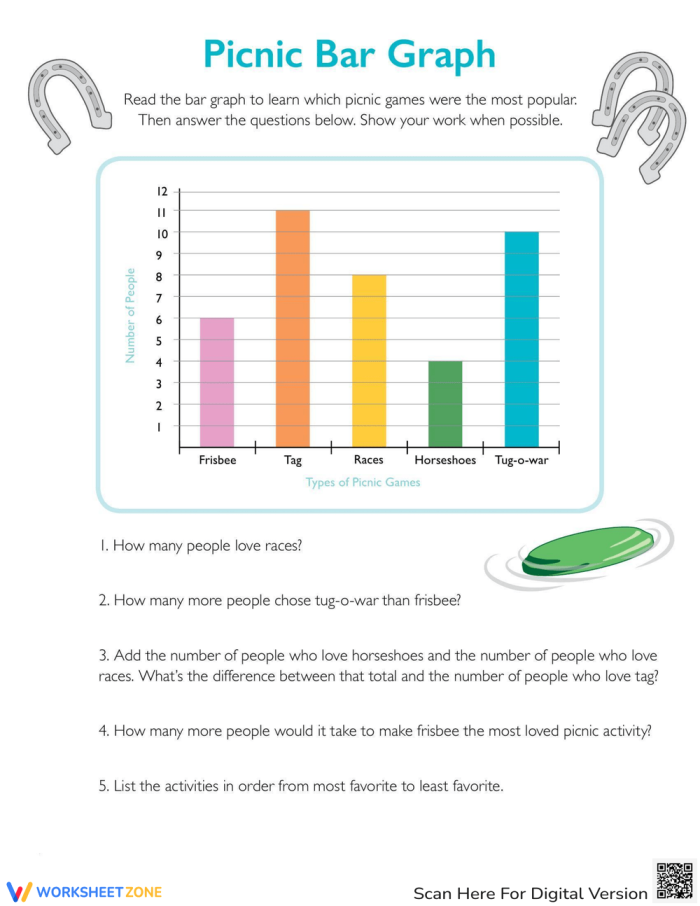
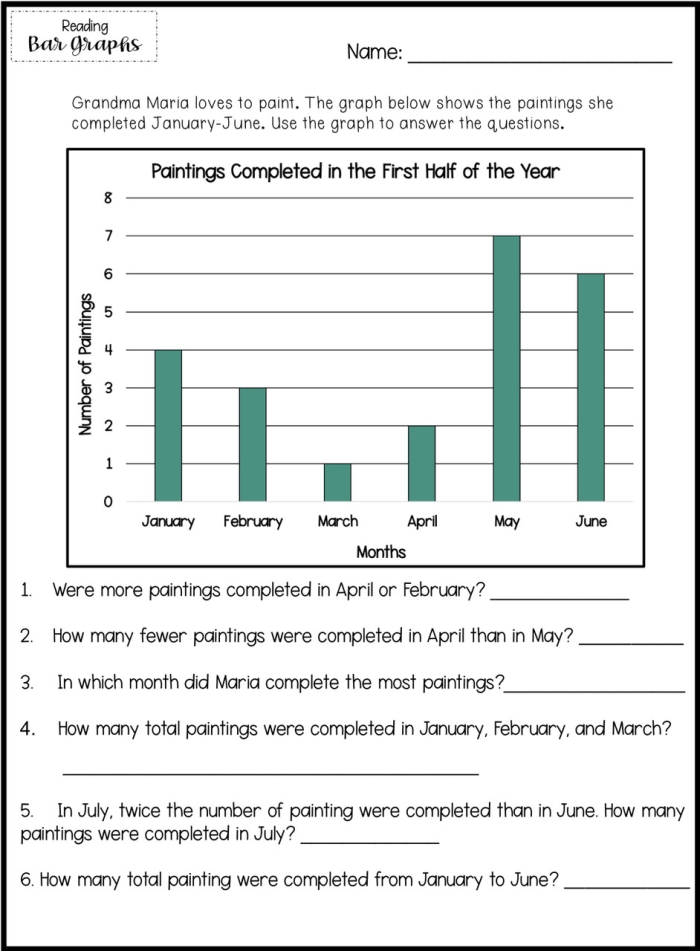
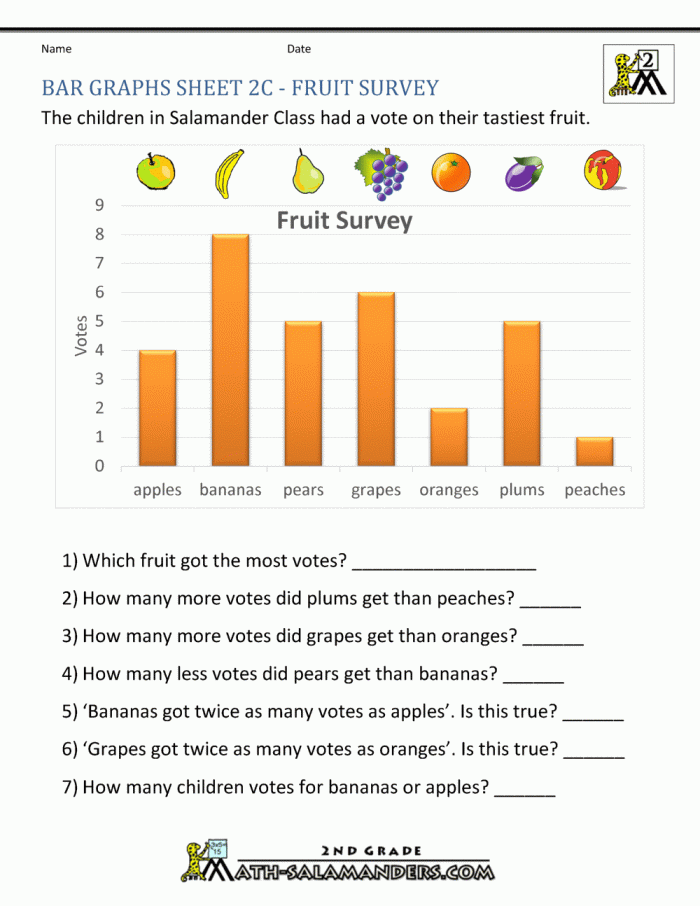
A picnic bar graph works by showing which games attracted the most participants. Each bar represents a different activity, and its height tells you how many students chose that game. The visual format helps second grade learners see patterns instantly without needing to read long lists of numbers. When a bar is taller, more kids picked that activity. When it’s shorter, fewer students were interested. This concrete representation makes abstract data concepts click for young learners in ways that raw numbers alone cannot.
Working with picnic-themed bar graphs naturally connects to addition practice. Students count the bars, compare heights, and calculate differences between activities. For example, if sack races had 8 participants and relay races had 5, students add and subtract to find the difference. This approach makes addition feel relevant rather than disconnected from real experiences.
The picnic setting itself engages second graders because they can relate to the context. They’ve either played these games or can imagine doing so. When learning involves familiar scenarios, retention improves. Teachers often pair these worksheets with other data-focused activities. Some classrooms combine picnic bar graphs with lessons on sensory words to describe the picnic experience, or tackle word problems involving money if the picnic includes snack purchases.
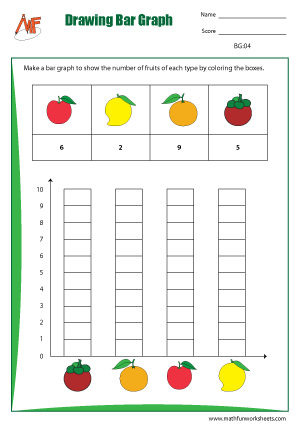
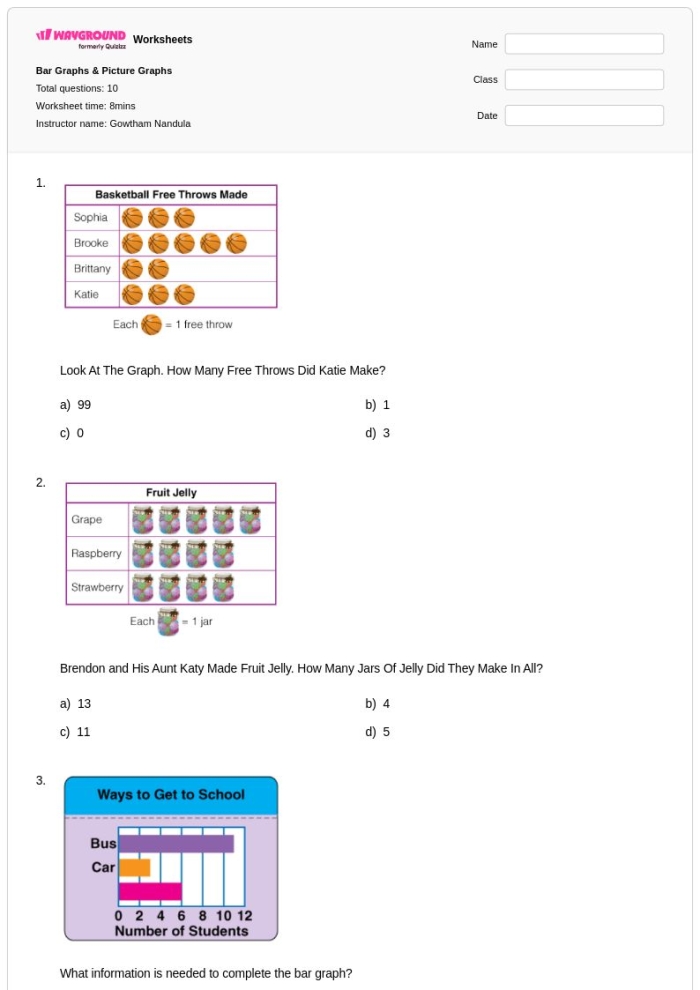
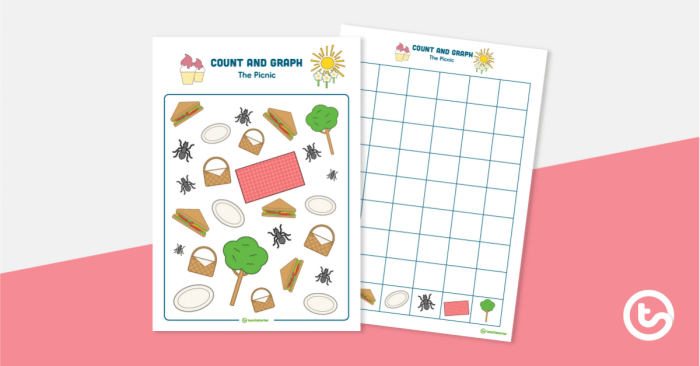
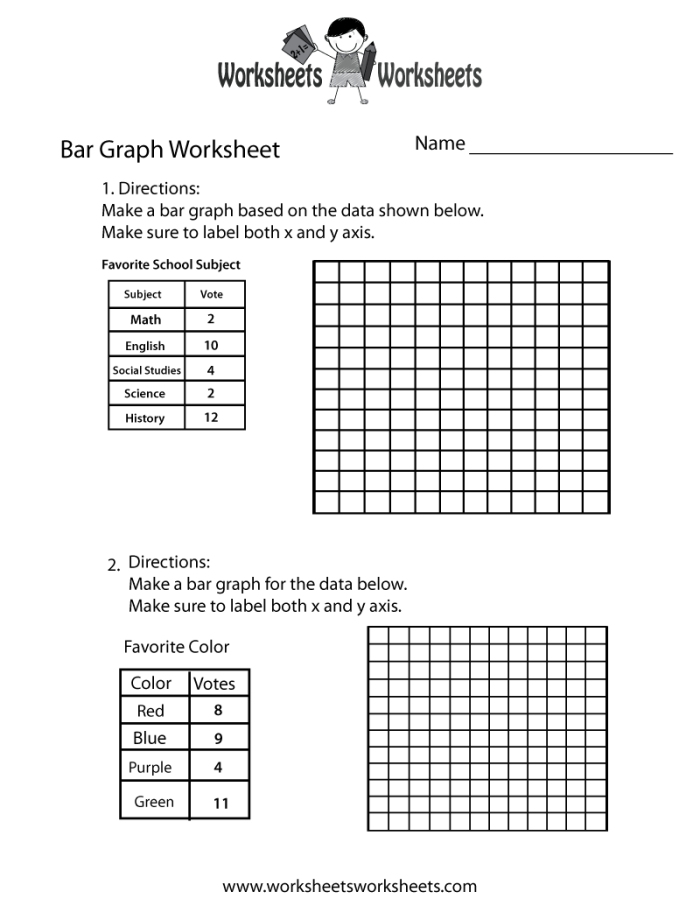
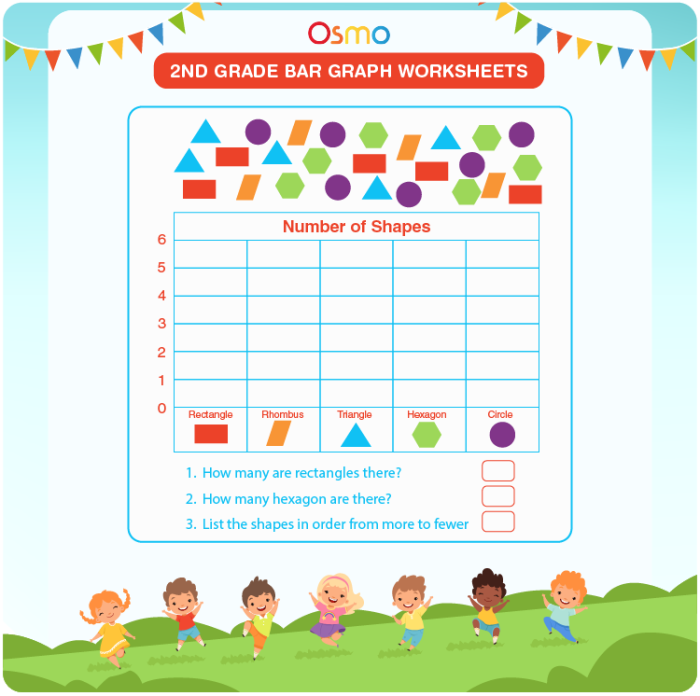
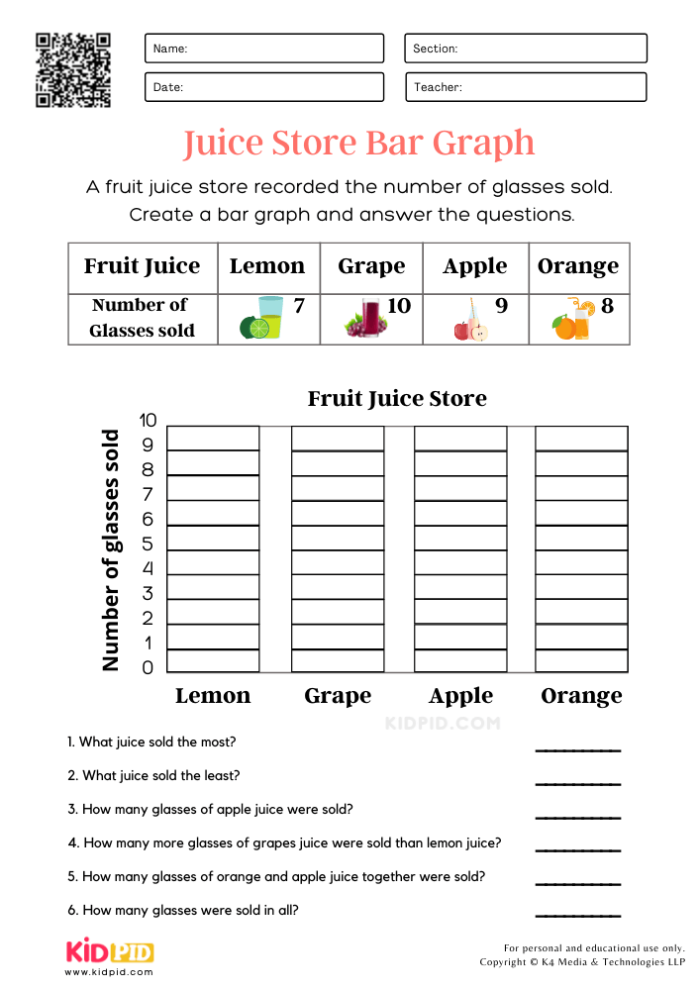
Printable picnic bar graph worksheets typically ask students to read existing graphs and create their own based on classroom data. Some versions include activities like planning a picnic menu using money math problems, which layers multiple skills together. This combination approach strengthens both graphing literacy and numerical reasoning simultaneously.
Use These Worksheets Today