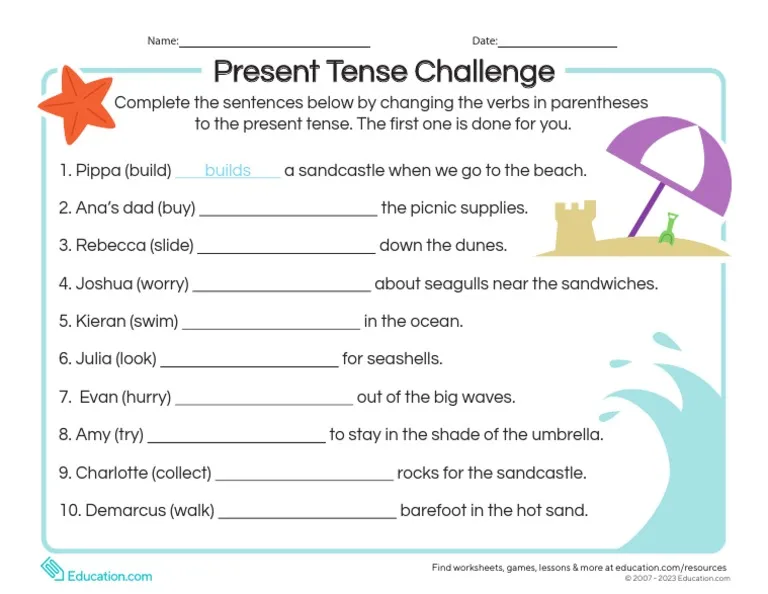
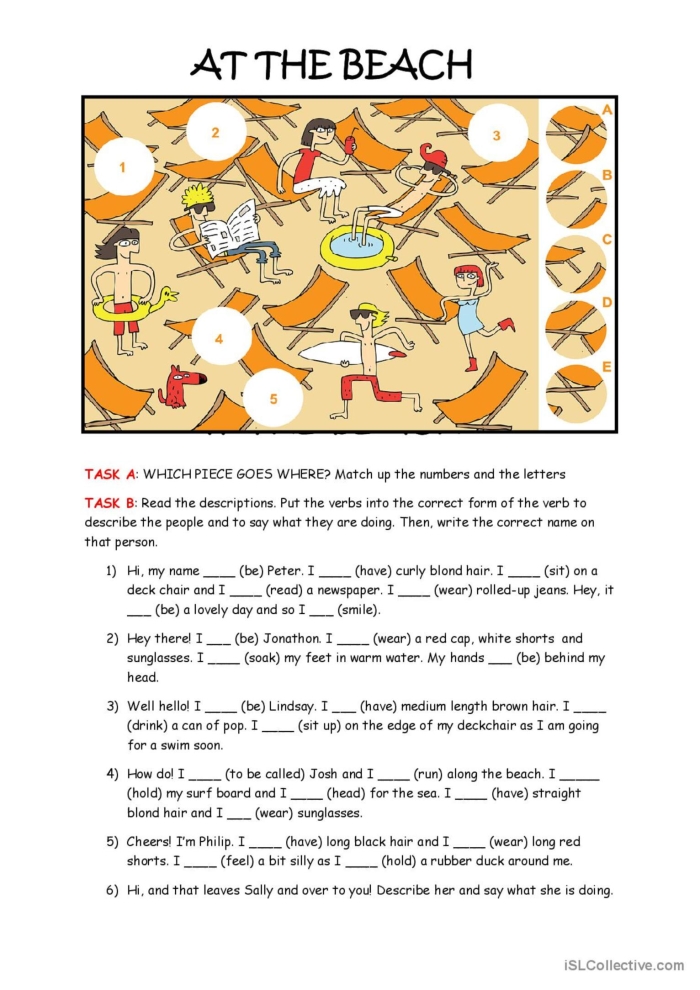
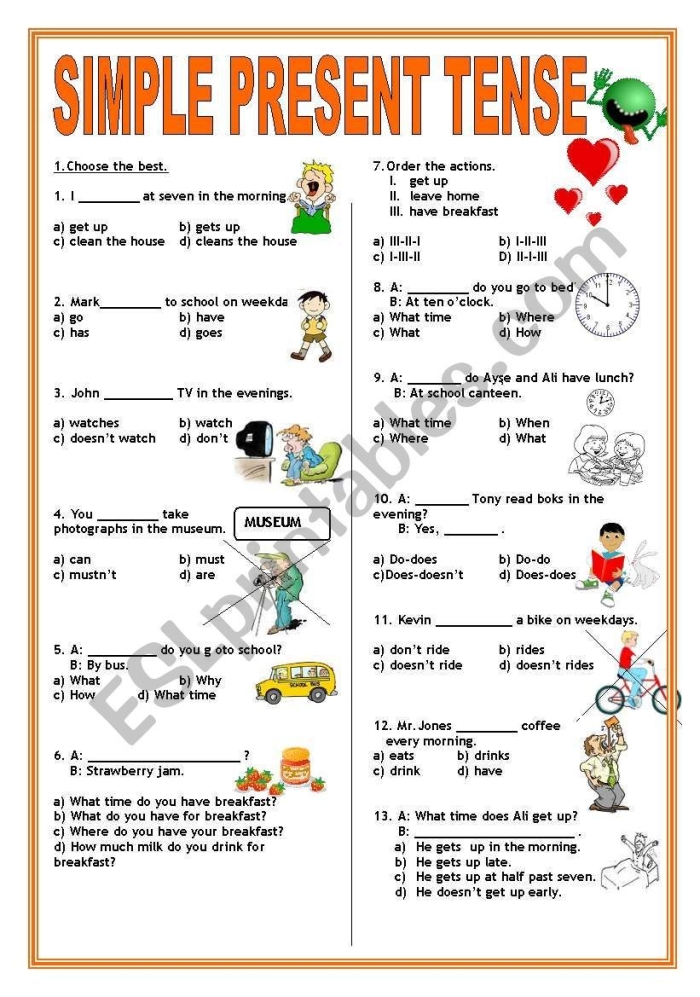
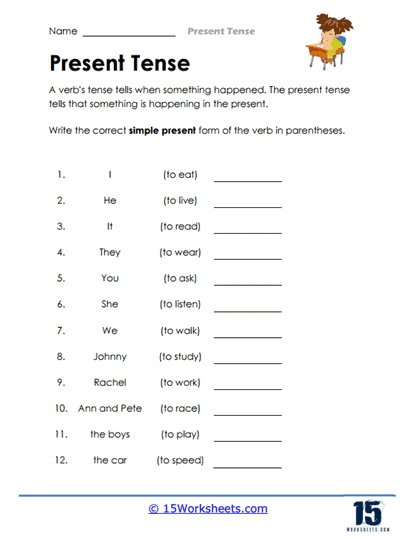
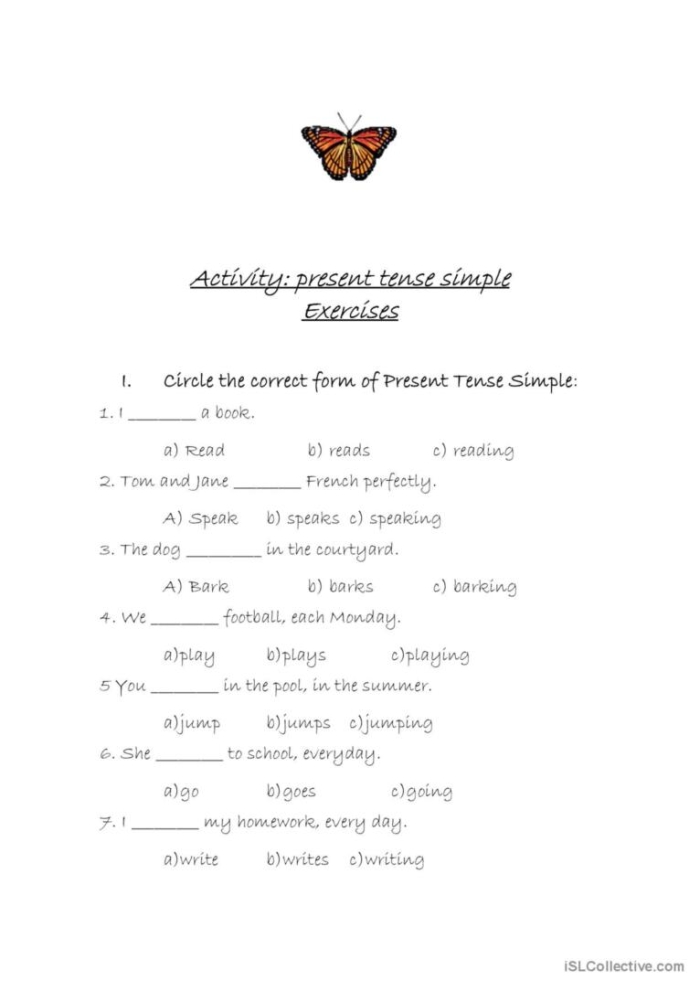
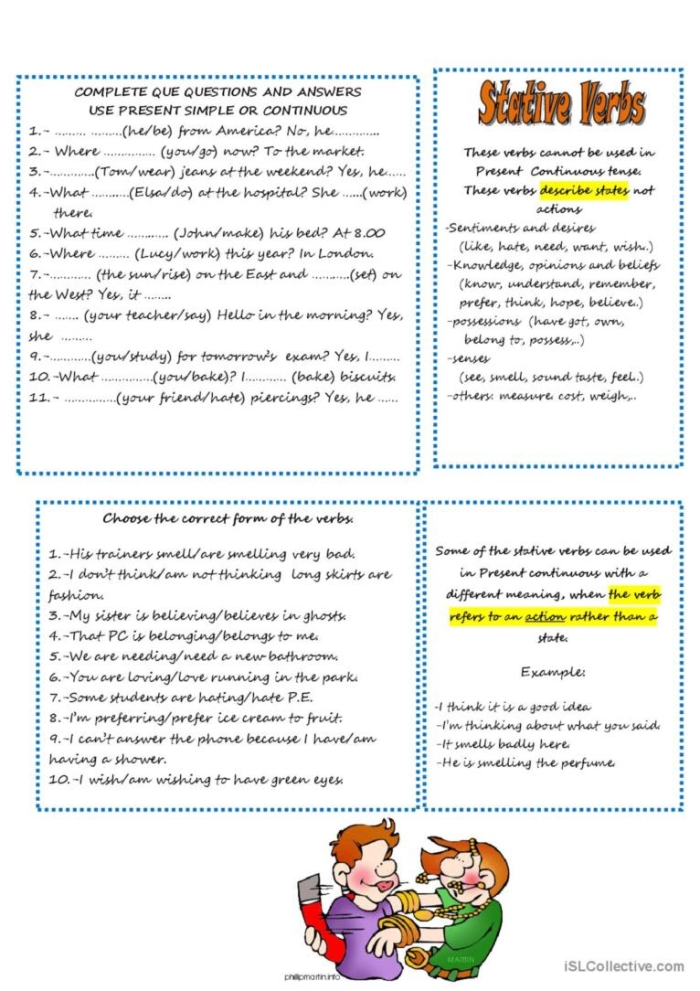
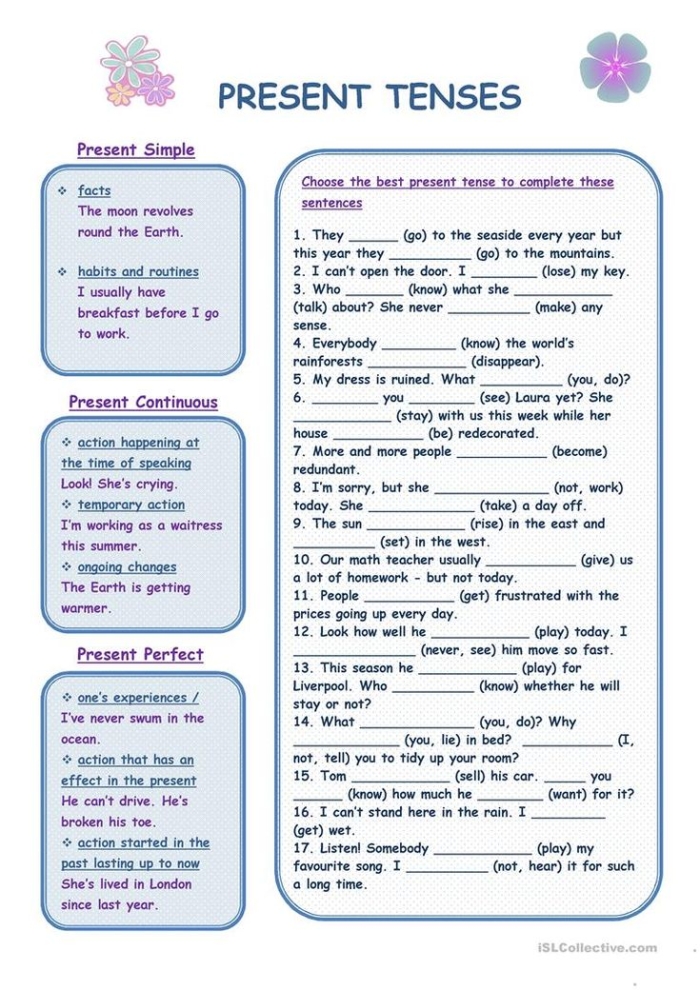
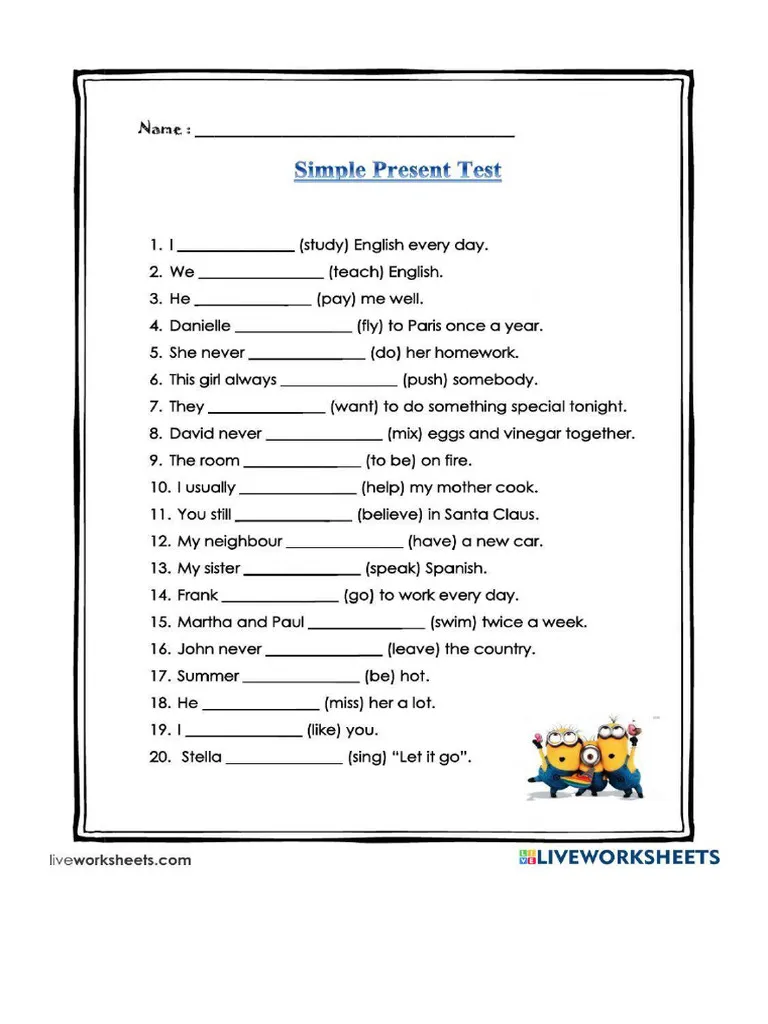
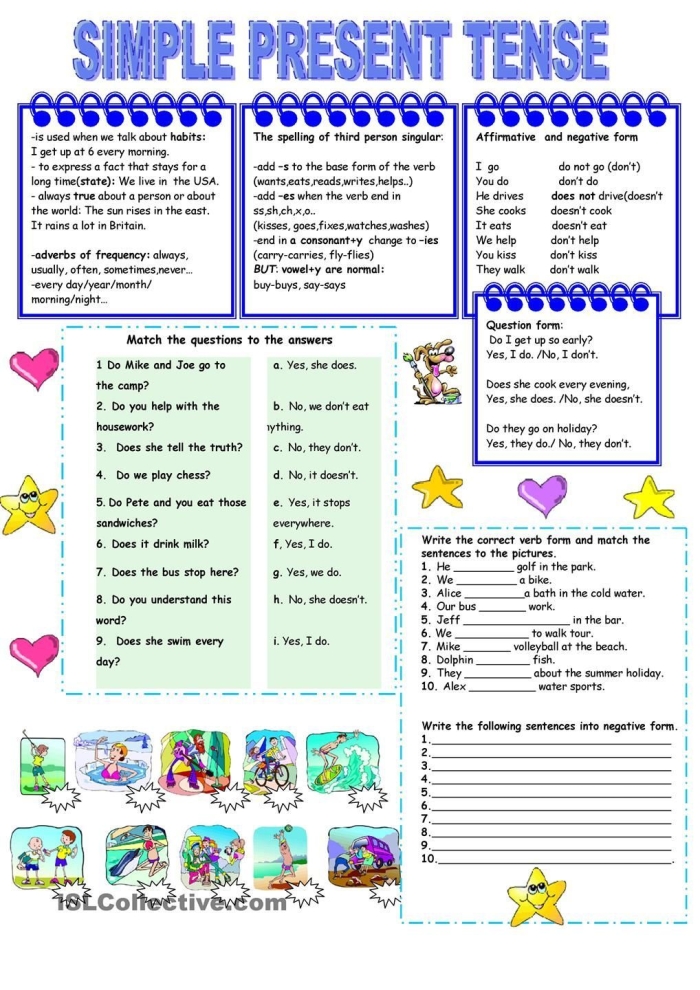
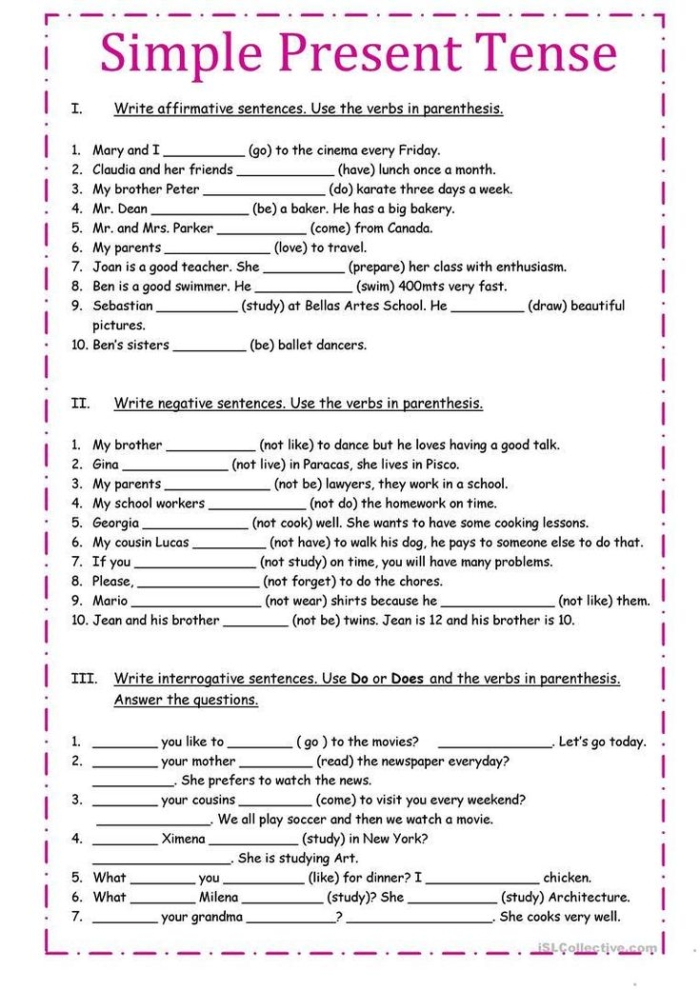
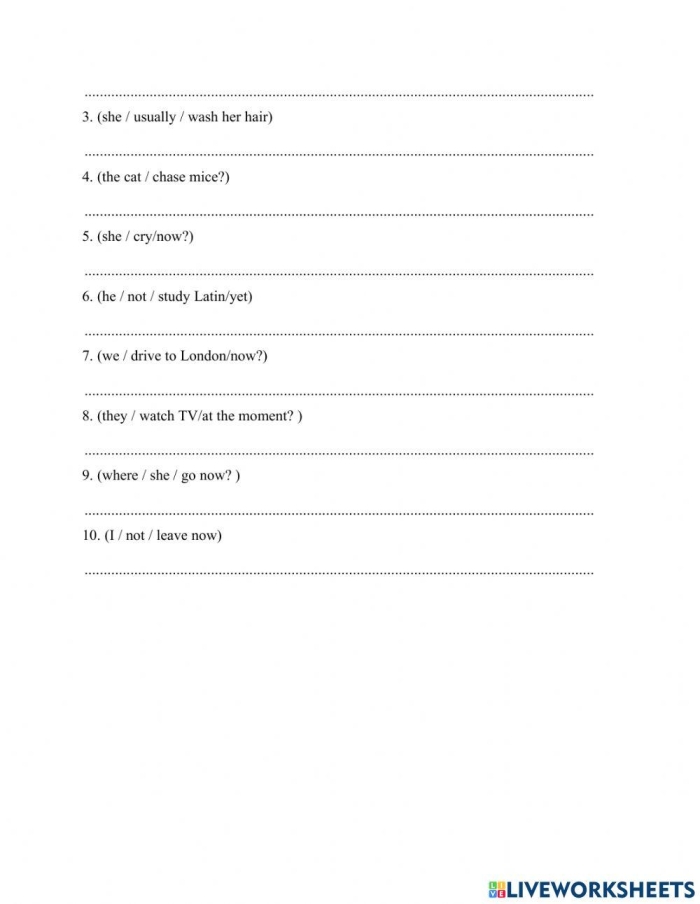
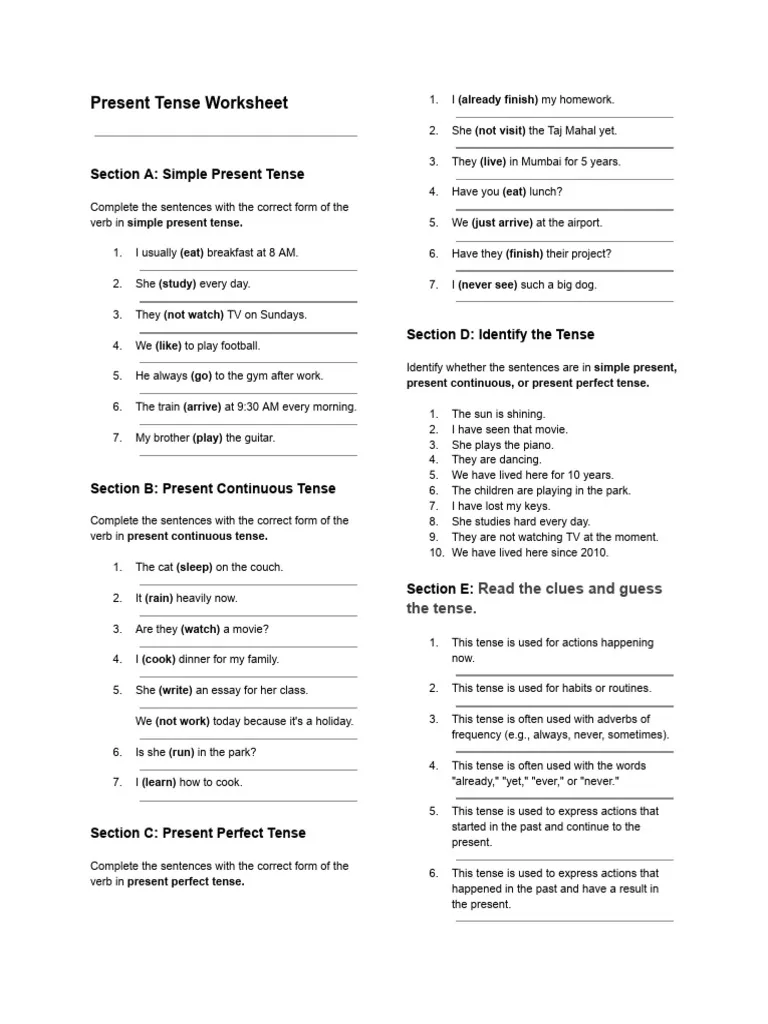
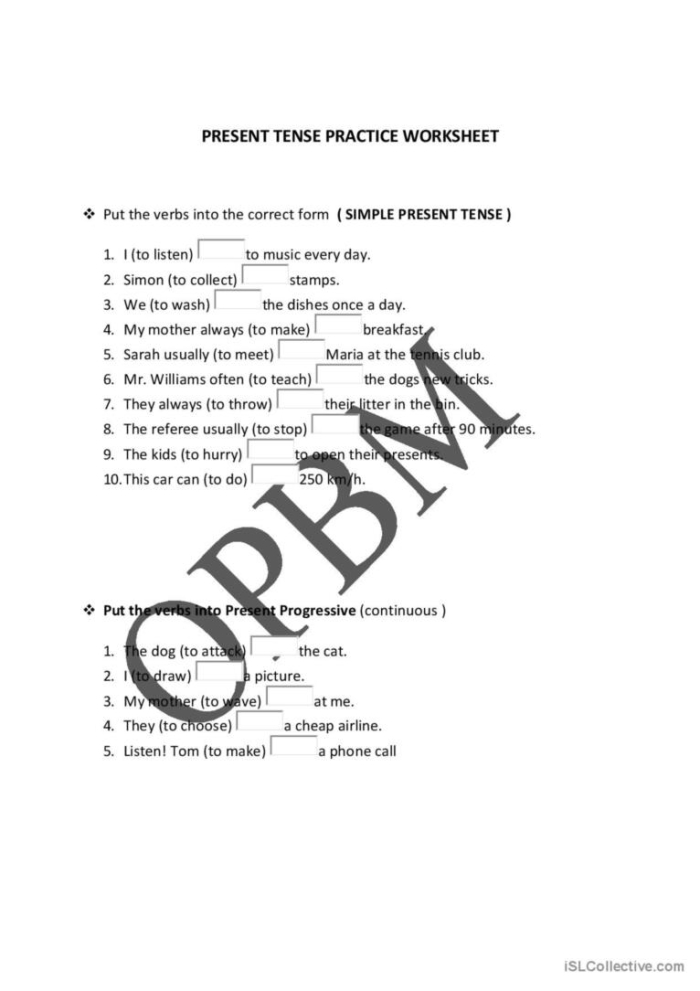
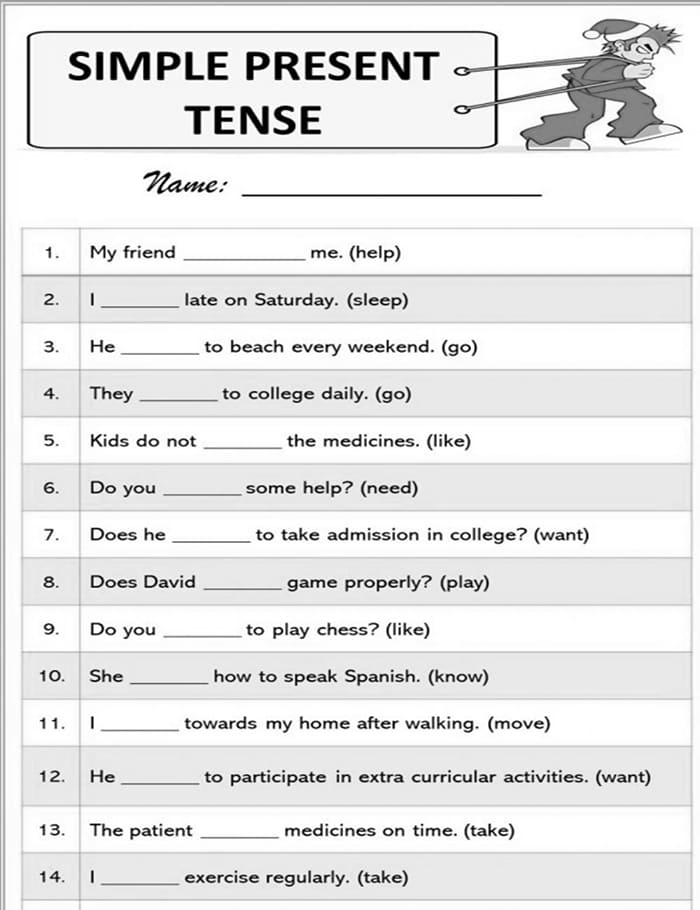
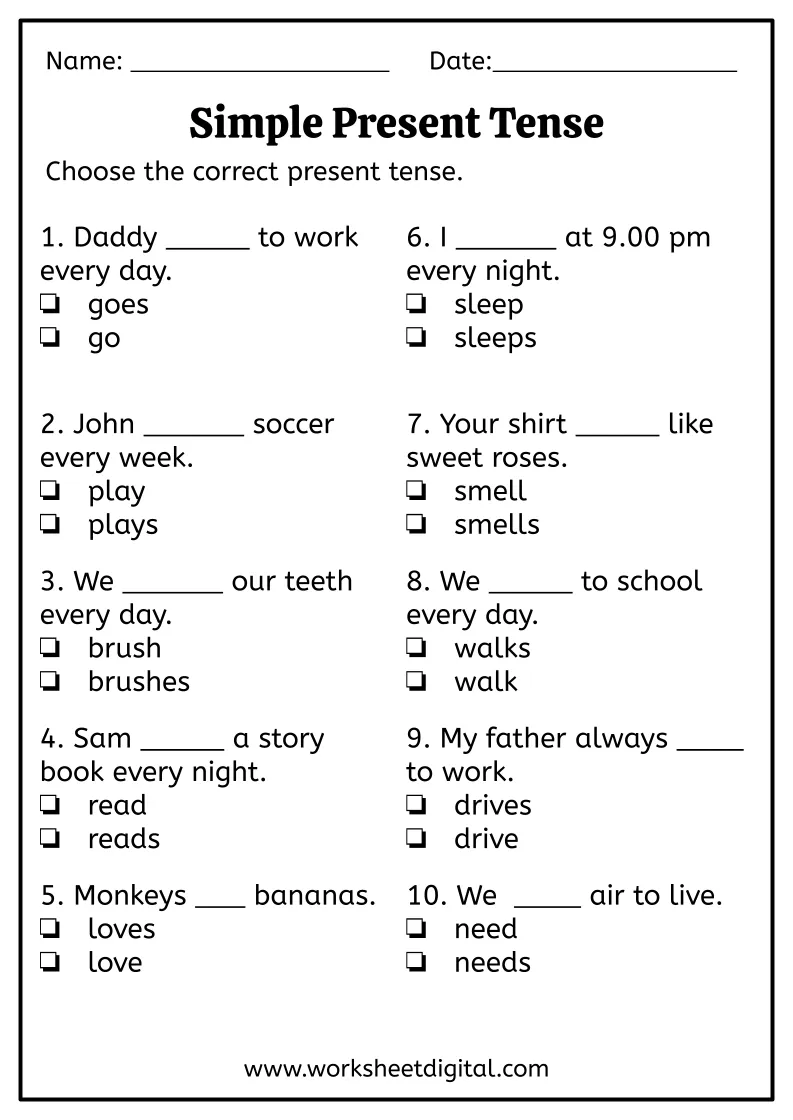
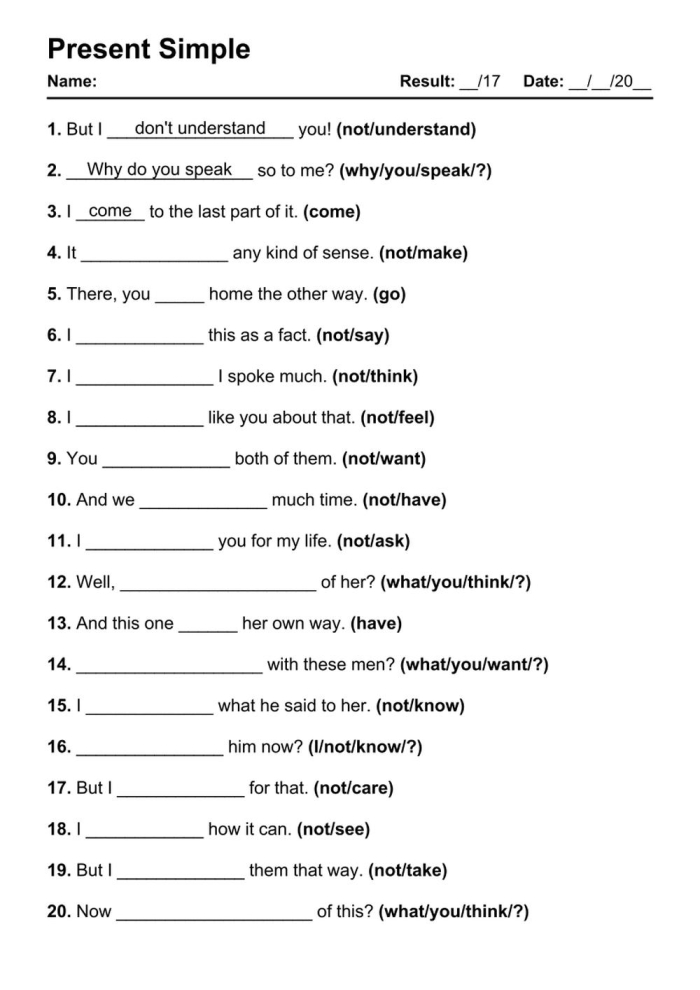
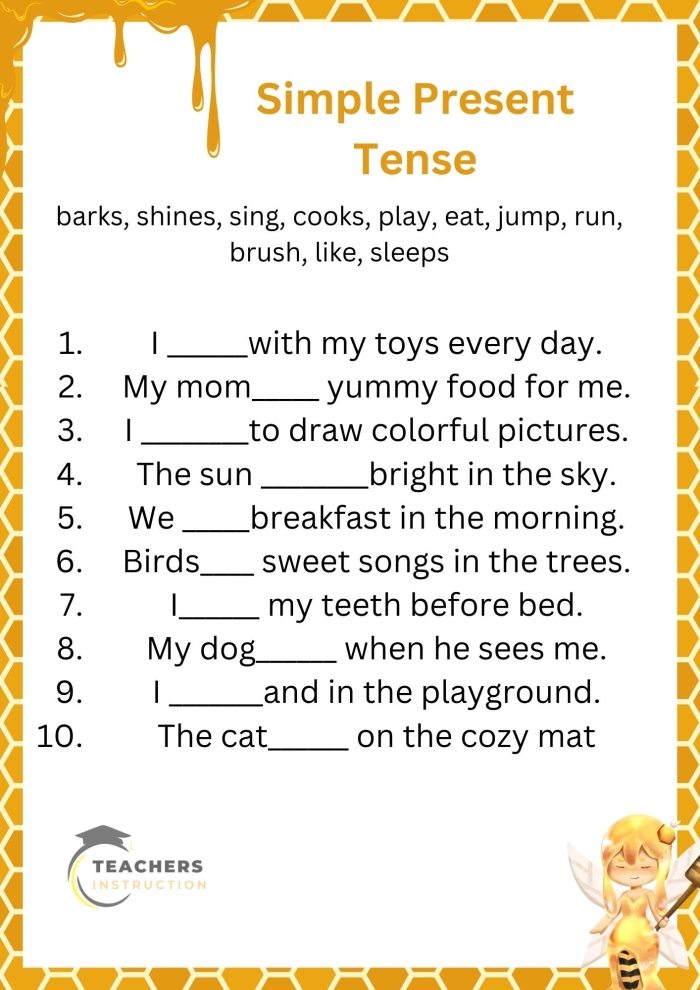
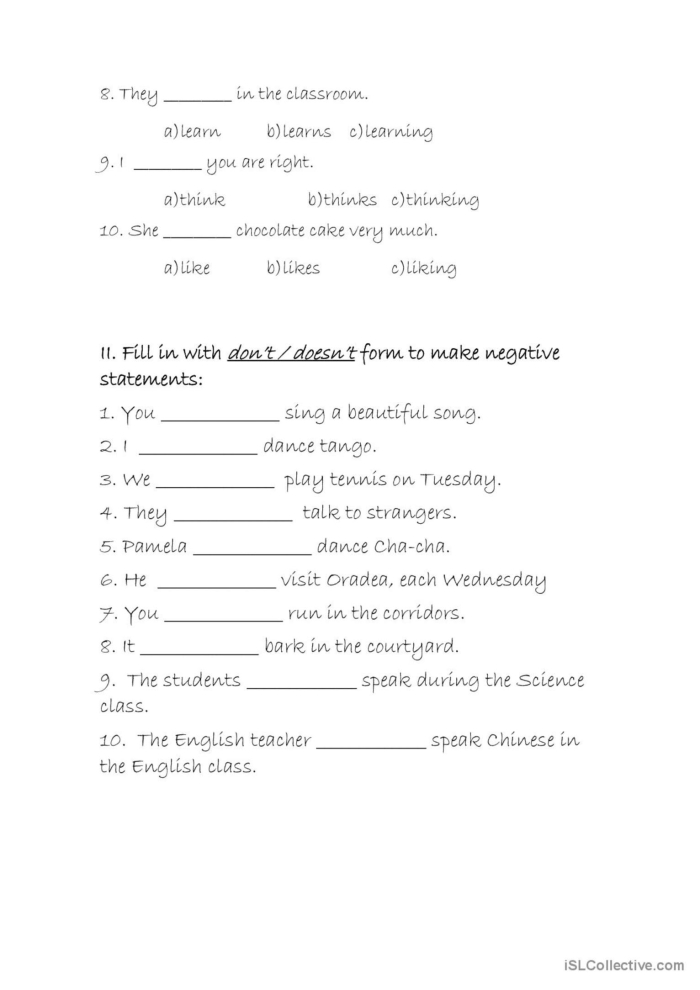
Third person singular present tense trips up more second grade students than you might expect. The rule seems simple enough: add an “s” to most verbs, but change the “y” to “ies” for verbs ending in Y. Yet when students encounter sentences like “She plays with shapes” or “He tries to count the sides,” they often freeze. The inconsistency between regular verbs and those Y-ending exceptions creates genuine confusion that practice alone can solve.
The challenge intensifies when you layer in other grammar concepts. A second grader working on geometry problems might write “The triangle have three sides” instead of “has,” especially when their focus is already divided between understanding spatial relationships and forming complete sentences. They’re juggling multiple skills at once, and verb conjugation becomes the forgotten piece.
What makes Y-ending verbs particularly tricky is that they require students to do more than just add a letter. They must recognize the pattern, apply a transformation rule, and maintain that rule consistently across different sentences. Verbs like “carry,” “study,” “worry,” and “try” demand this cognitive step that regular verbs do not.
Mixing regular and Y-ending verbs in targeted practice gives students the repetition they need without boring them with isolated drills. When you combine this practice with real context, like describing geometric shapes or solving word problems, the grammar becomes purposeful rather than abstract. A worksheet that asks students to write about what shapes “do” or what they “try” to accomplish engages both their language skills and their mathematical thinking.
The payoff is worth the effort. Students who master these verb endings develop confidence in their writing across all subjects. If your class needs reinforcement on foundational skills, second grade geometry worksheets with integrated language practice can address multiple learning objectives simultaneously while keeping students engaged.
Boost Skills with These Worksheets