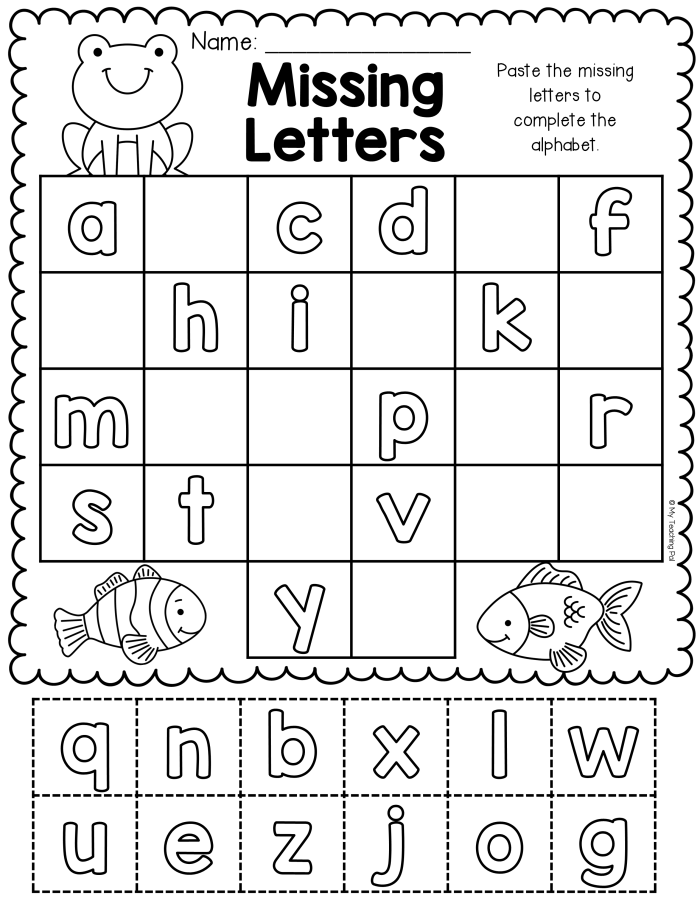
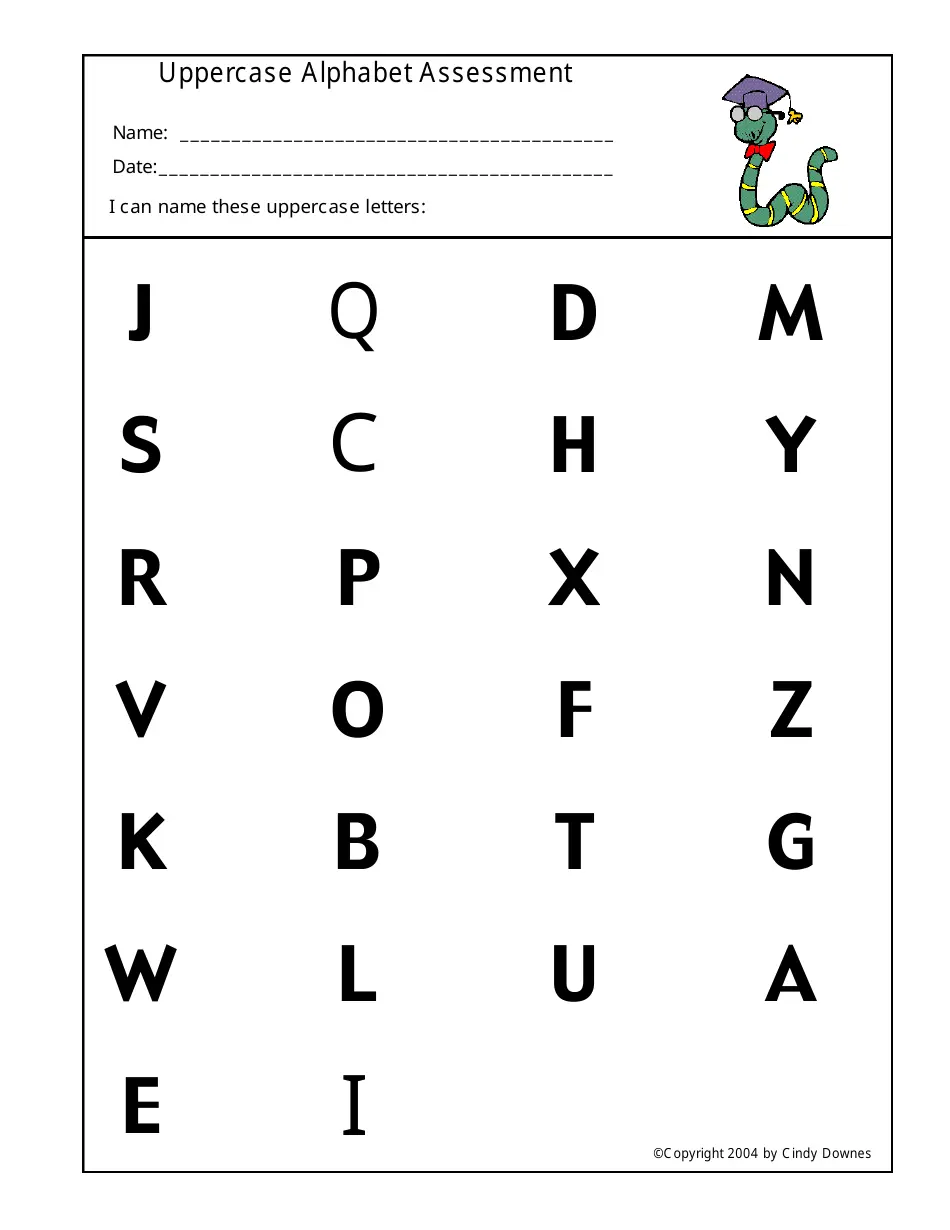
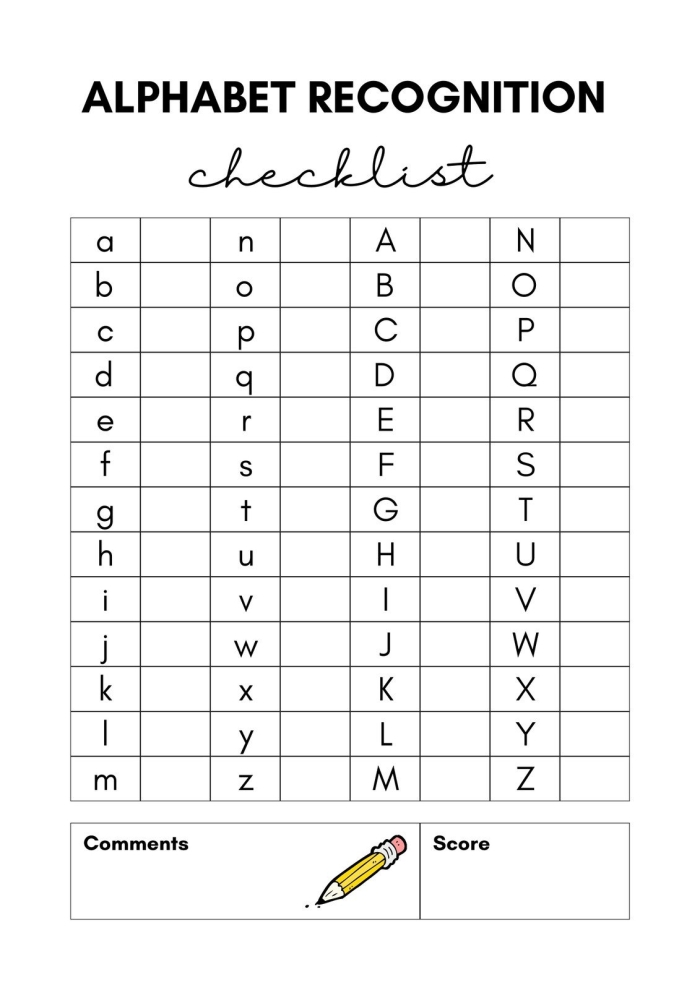
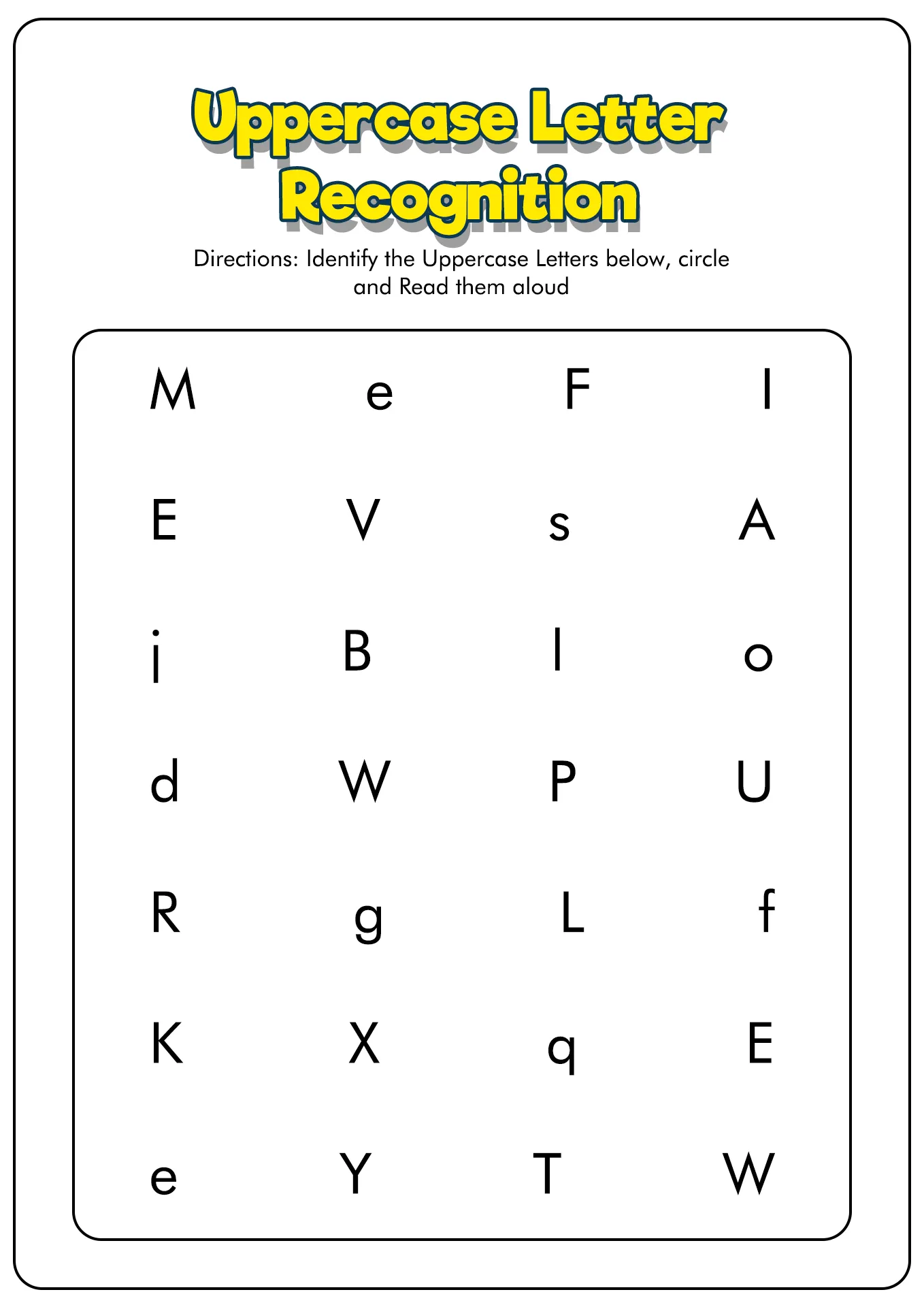
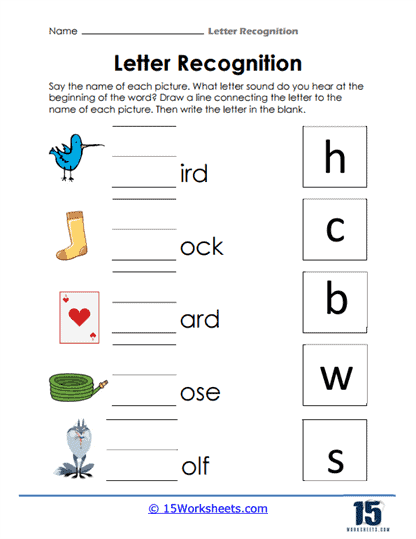
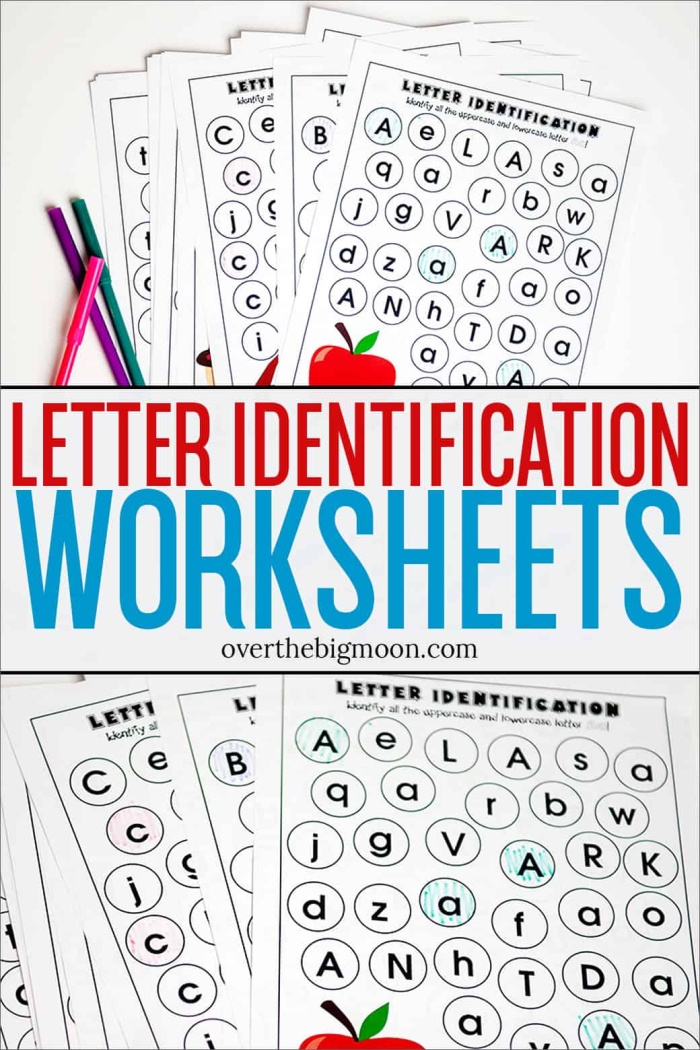
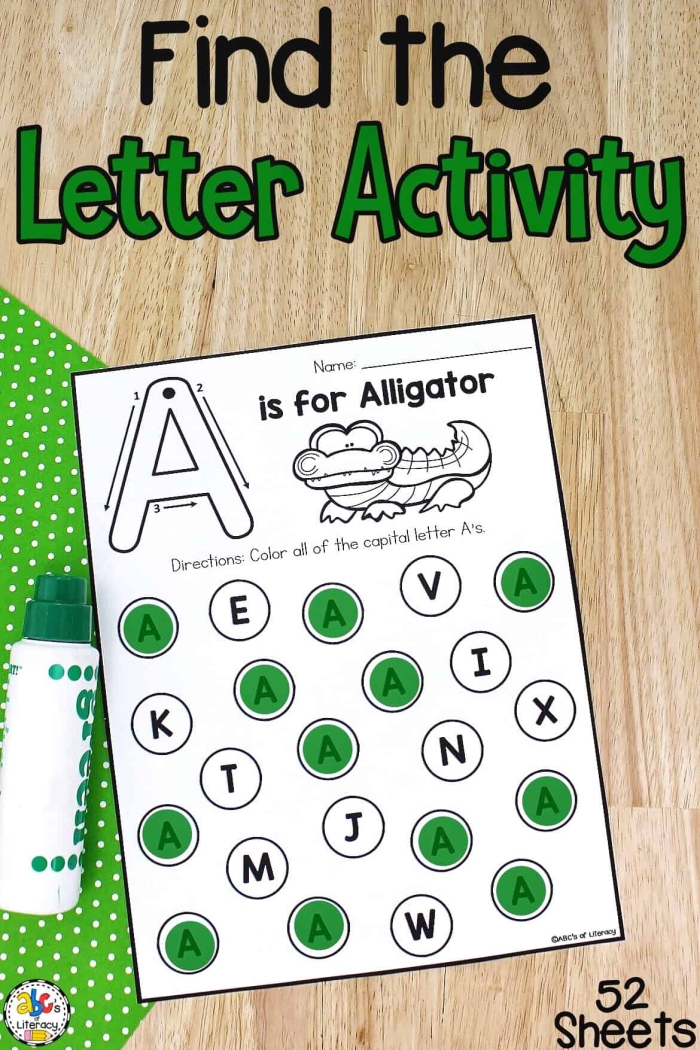
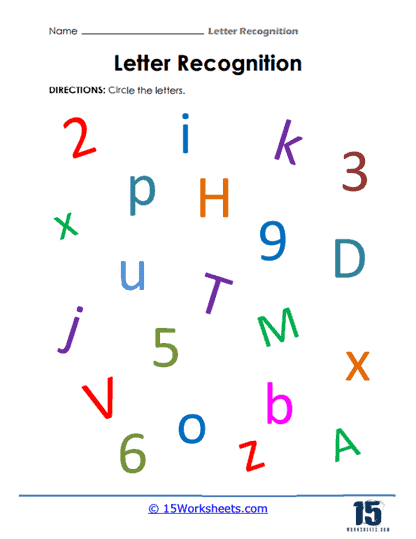
When children walk through the preschool classroom door for the first time, they bring wildly different levels of familiarity with letters. Some kids can already recognize half the alphabet, while others are seeing letter shapes for the first time. Understanding where each child stands matters far more than assuming everyone starts from the same place.
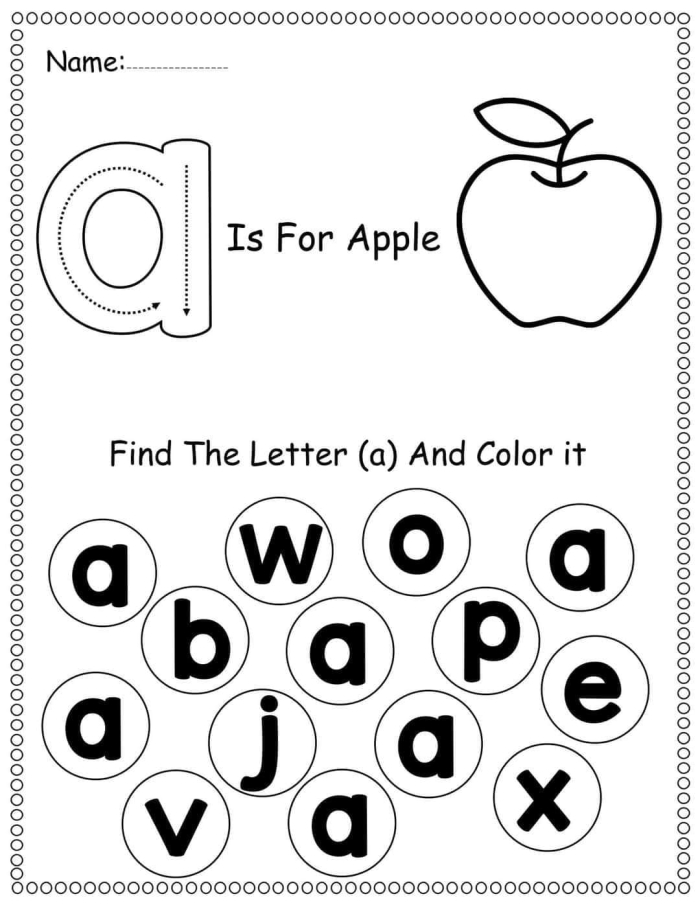
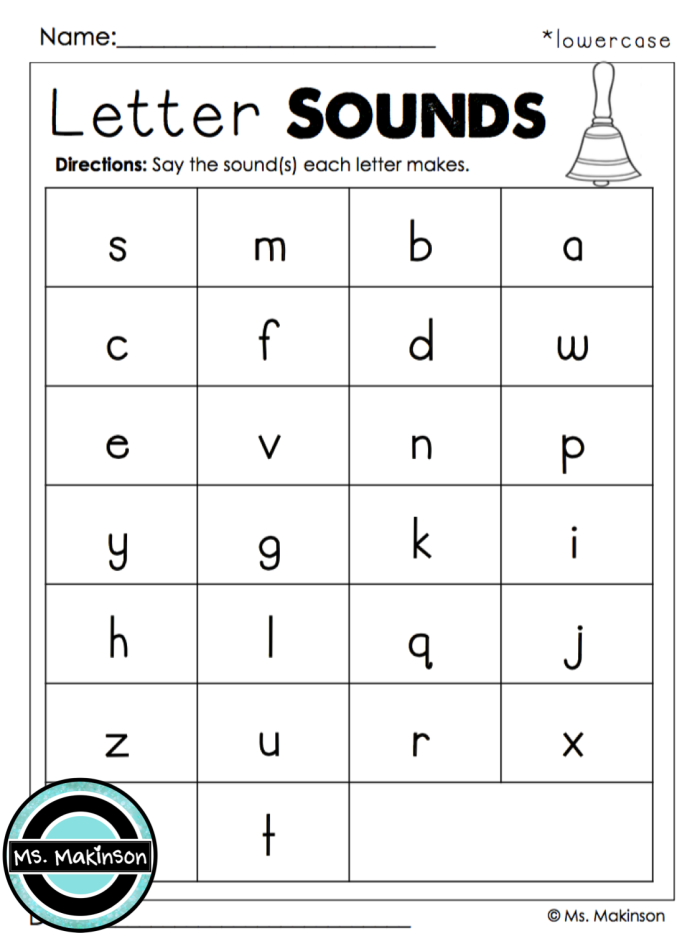
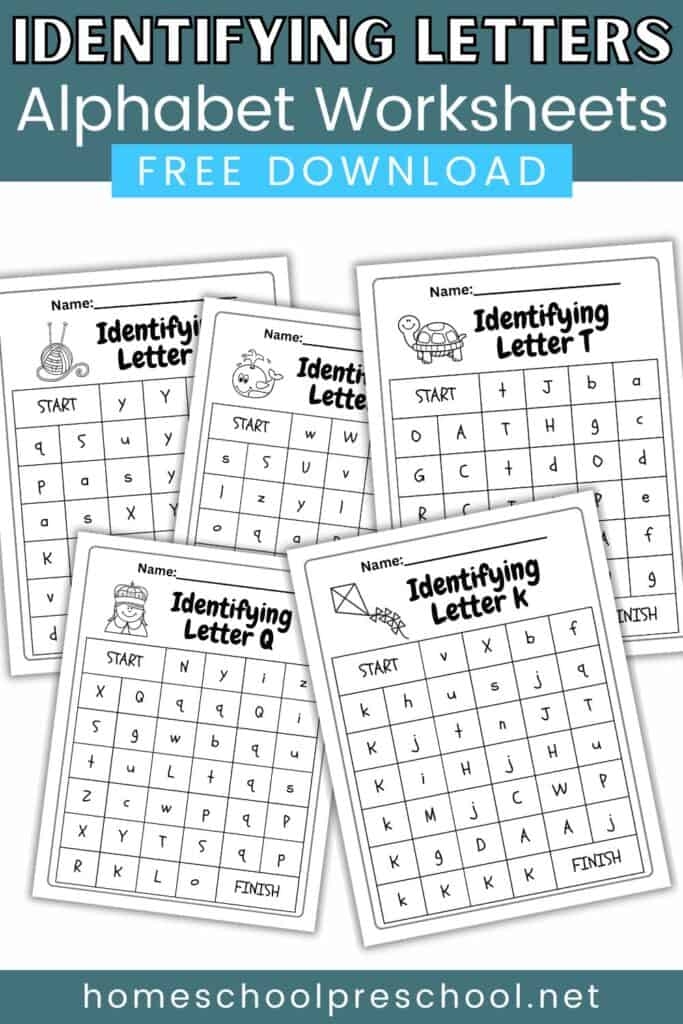
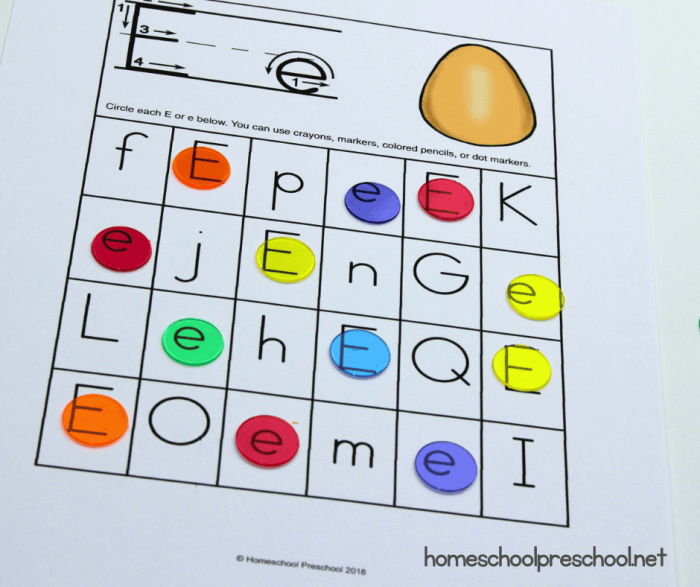
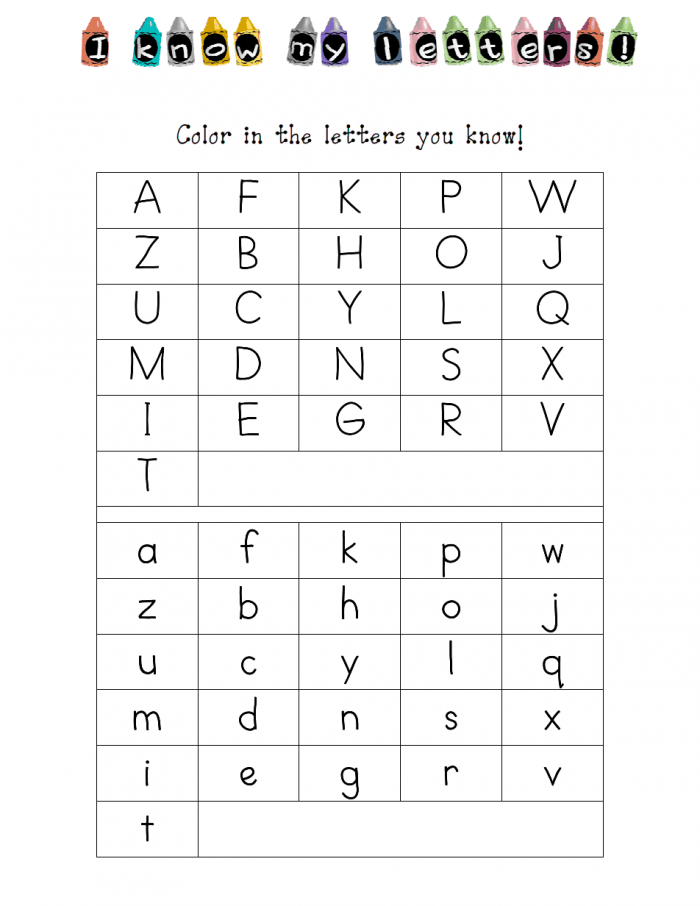
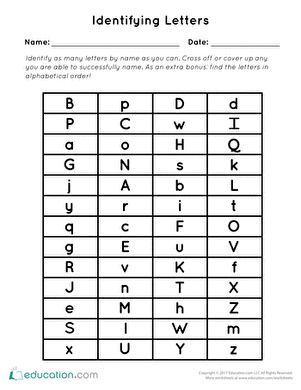
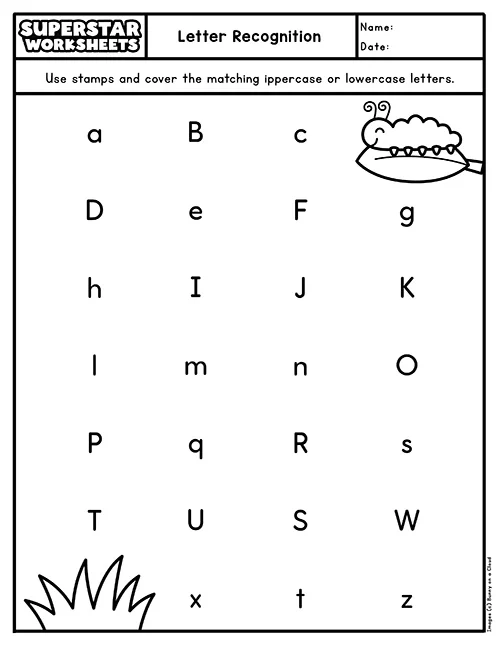
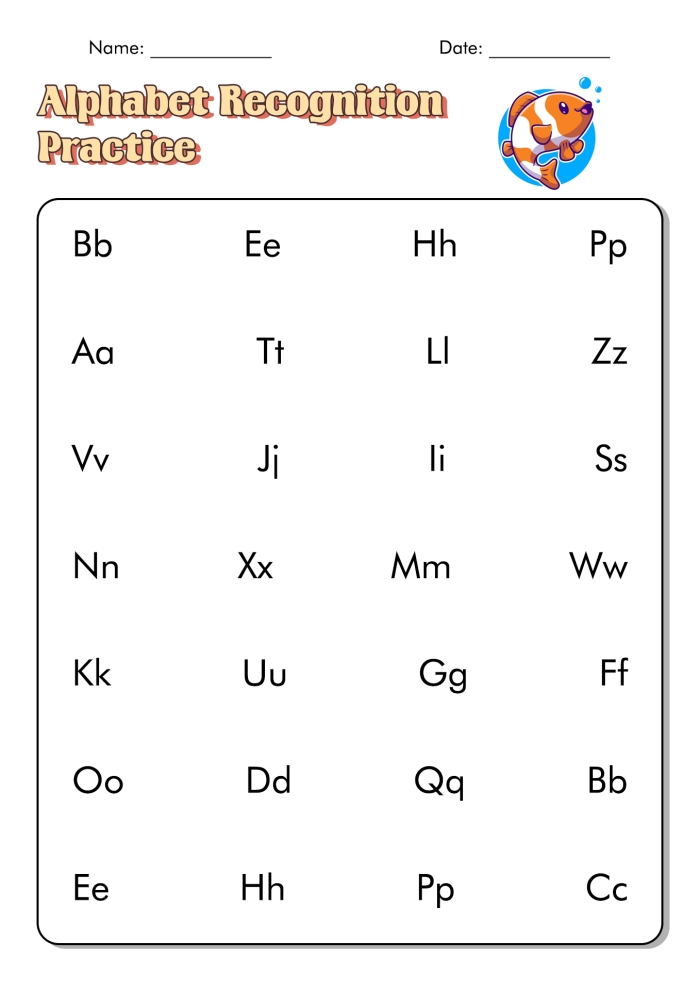
A printable identifying letters assessment worksheet serves as your baseline measurement tool. Rather than guessing which letters a child knows and which ones remain unfamiliar, you gather concrete information in just a few minutes. The child points to or names letters as you present them one at a time. You mark what they recognize and what they skip or misidentify. This simple process reveals patterns: maybe they know uppercase letters but struggle with lowercase, or perhaps they recognize letters from their own name but little else.
This kind of assessment works particularly well in Pre-K settings where formal testing feels out of place. Kids don’t experience pressure because they’re simply looking at pictures and shapes. Teachers can observe whether a child identifies letters by sound, by name, or by visual recognition alone. These distinctions help you plan instruction that actually matches where students are developmentally.
The data you collect becomes your instructional roadmap. A child who recognizes eight letters needs different activities than one who knows twenty. You might pair letter learning with other foundational skills, much like how letter recognition connects to broader language development in later grades.
Beyond academics, this assessment also helps you communicate with families. Parents appreciate knowing exactly which letters their child can identify. You can offer specific suggestions for home practice rather than vague encouragement. The worksheet becomes a conversation starter about literacy development, grounded in observable evidence rather than general observations.
Start Practicing with These Worksheets