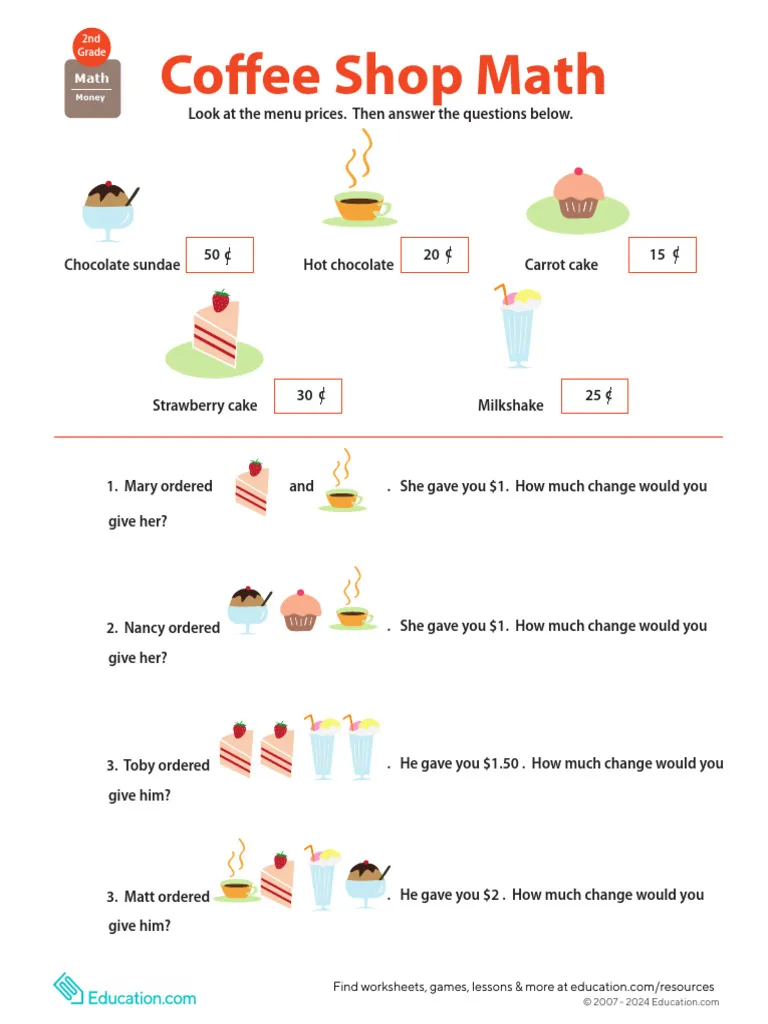
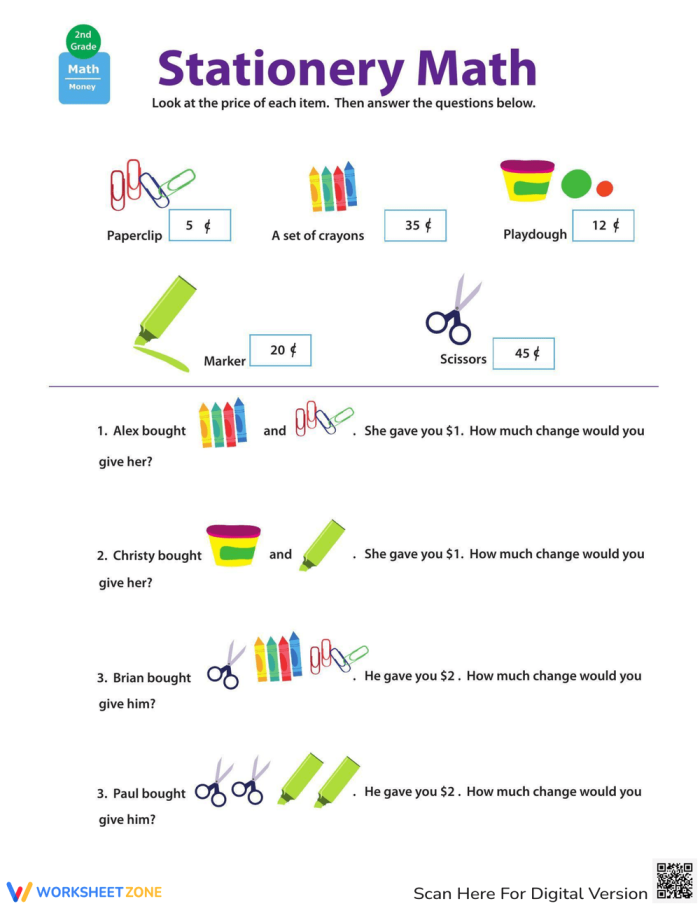
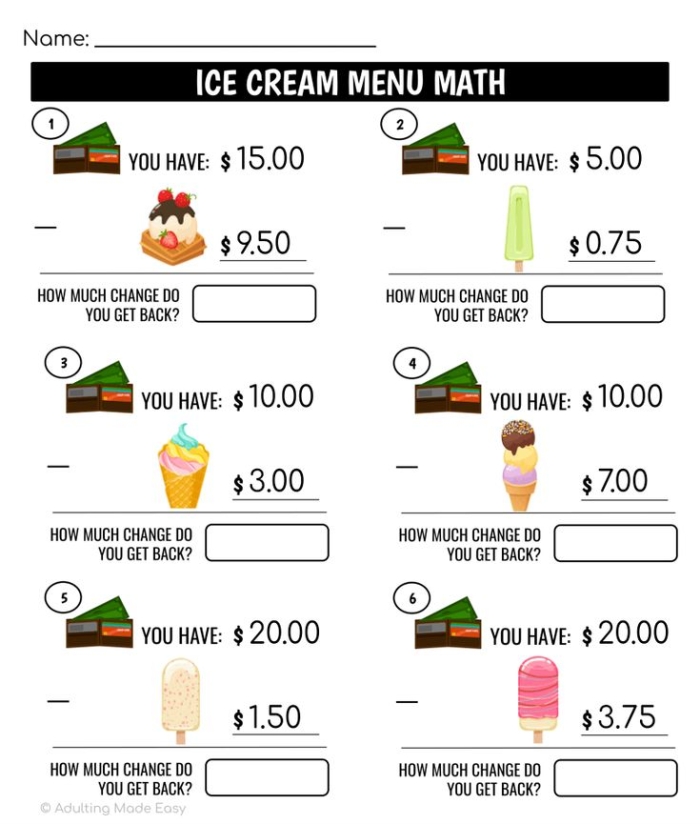
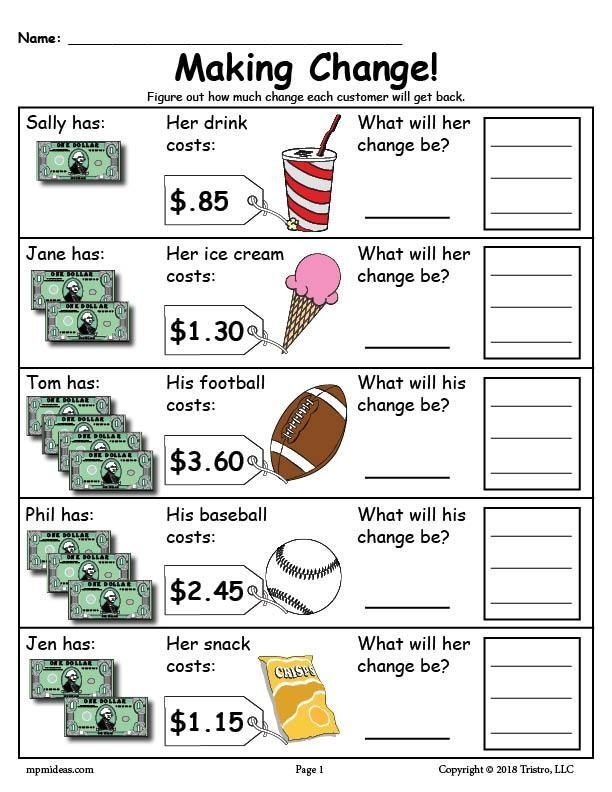
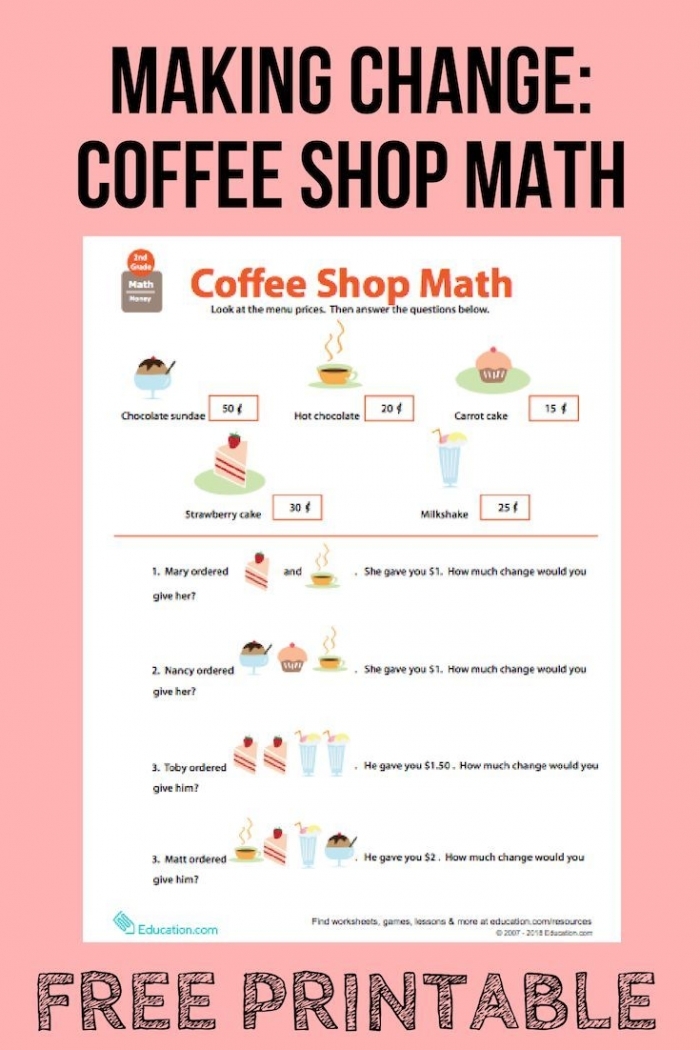
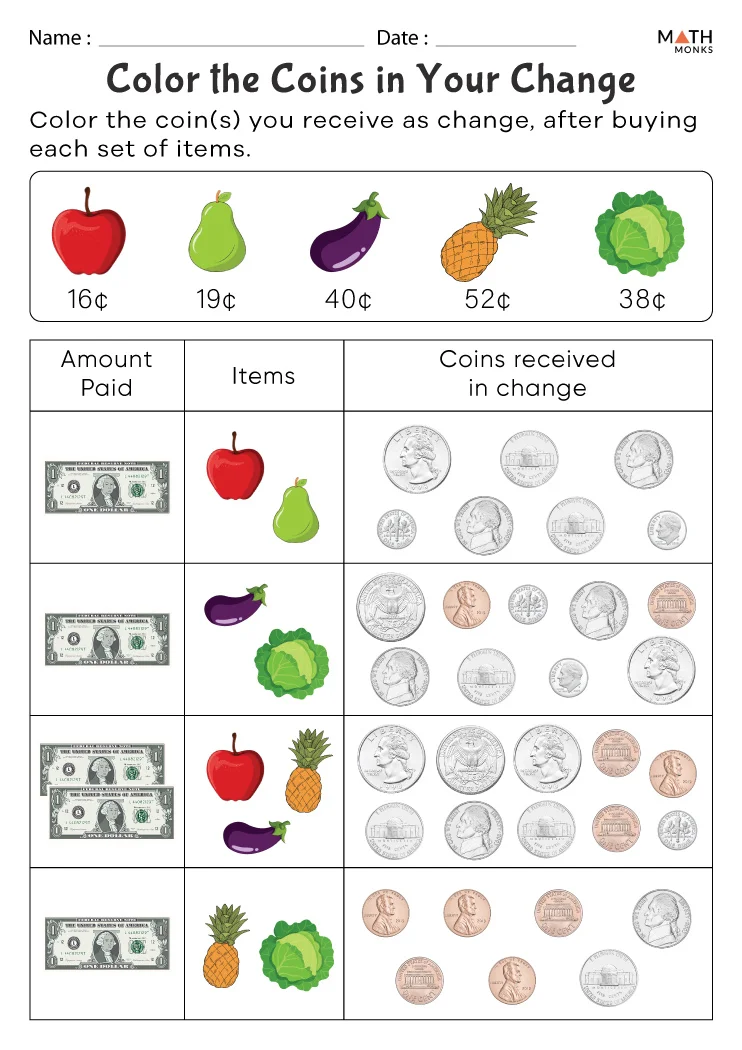
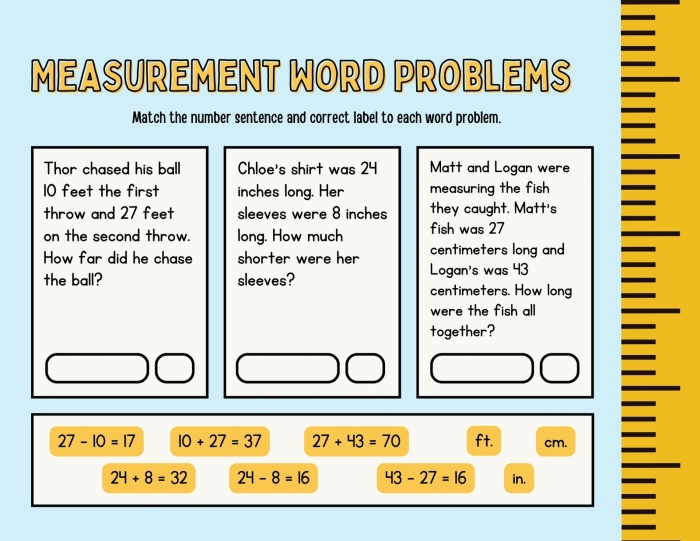
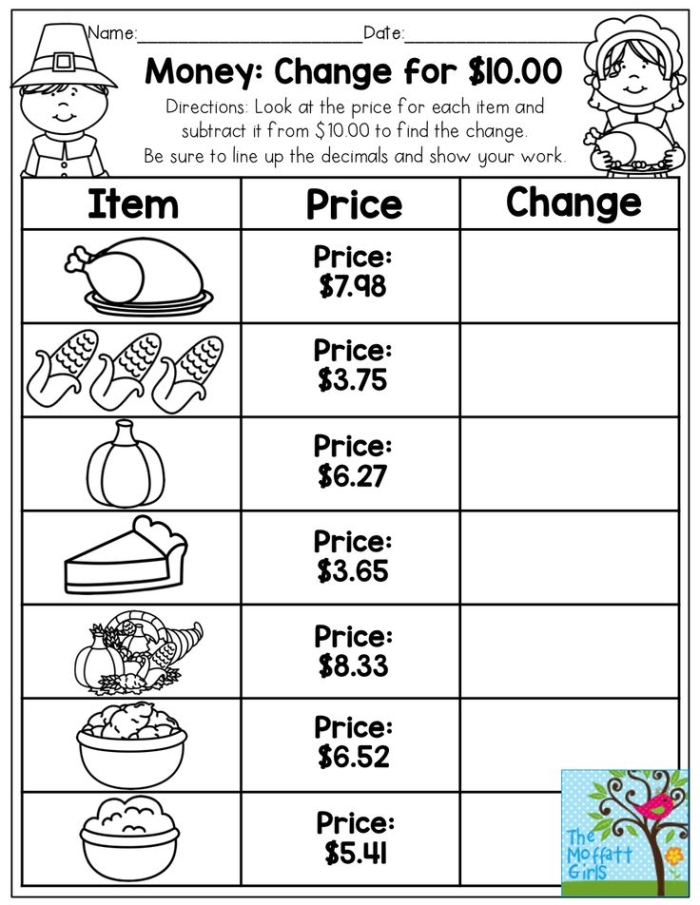
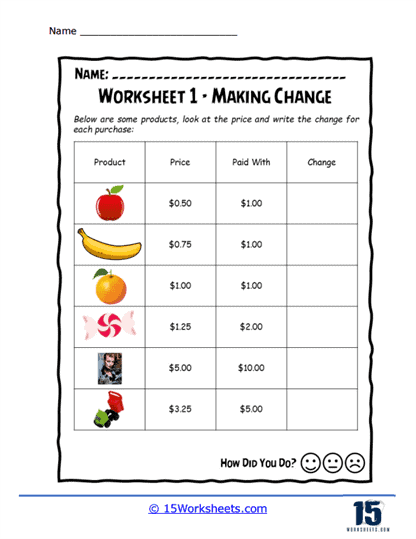
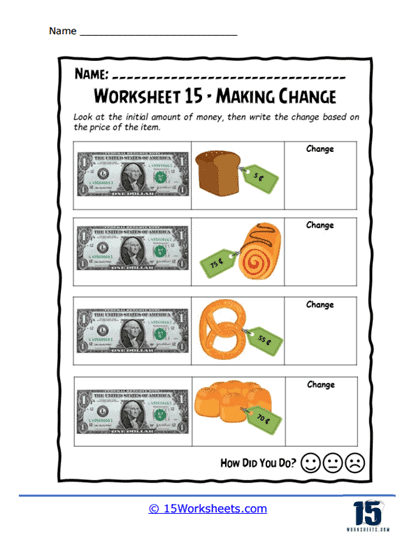
There’s something magical about the moment a child first holds real money. The weight of it, the colors, the ability to trade it for something they want, it all clicks into place in a way worksheets alone can’t capture. That’s exactly why a coffee shop math activity works so well for second grade learners who are building foundational math skills.
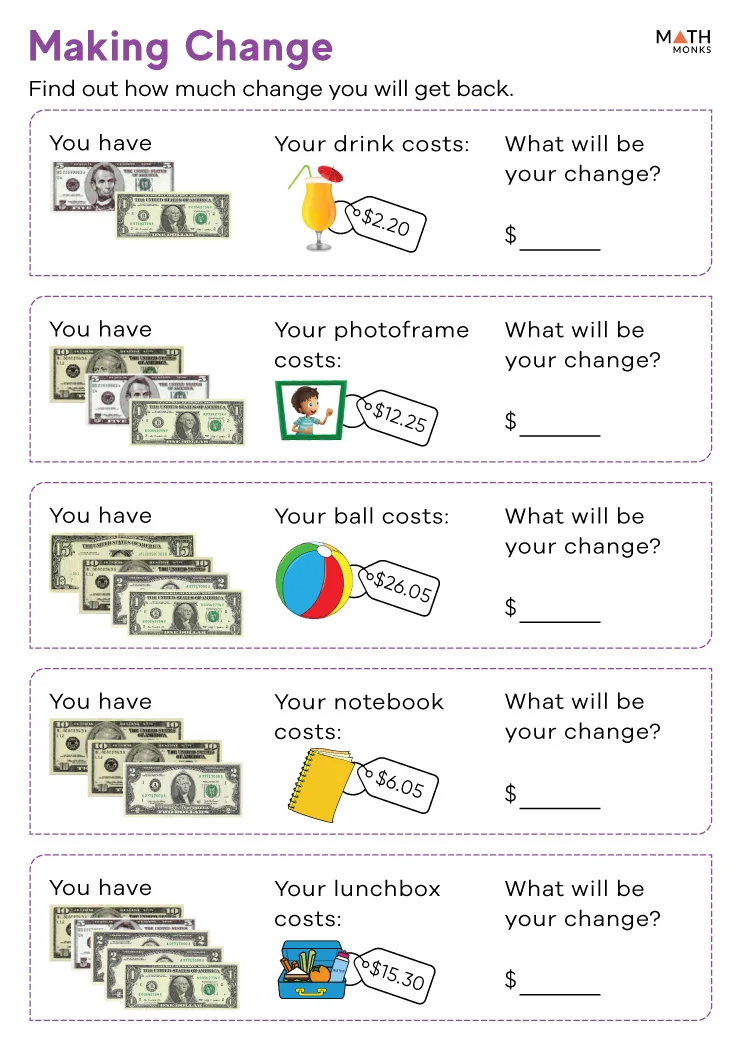
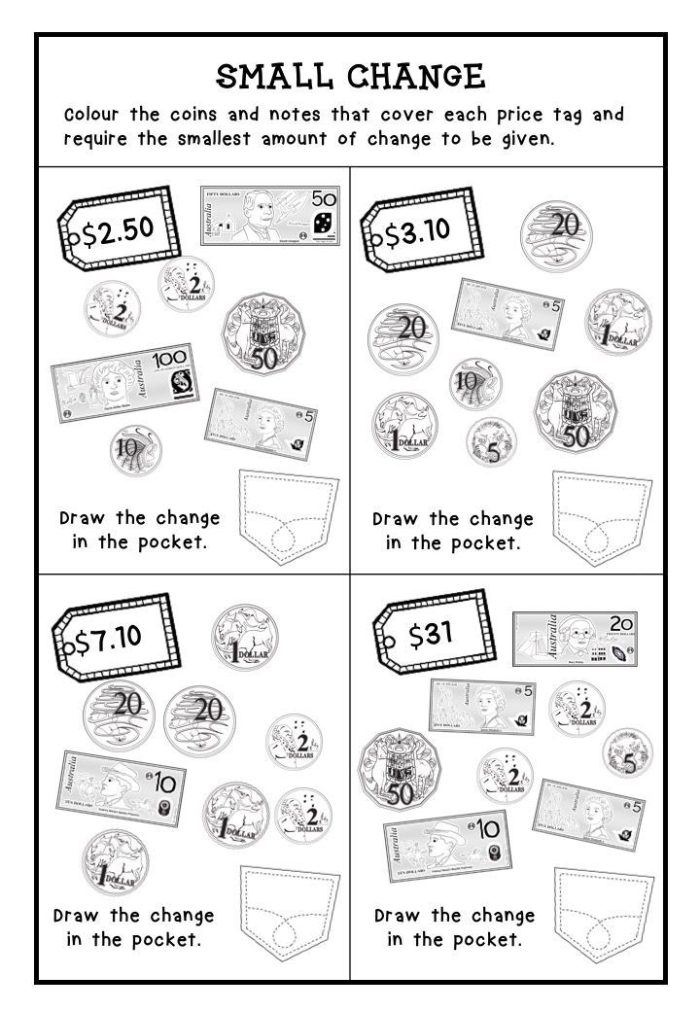
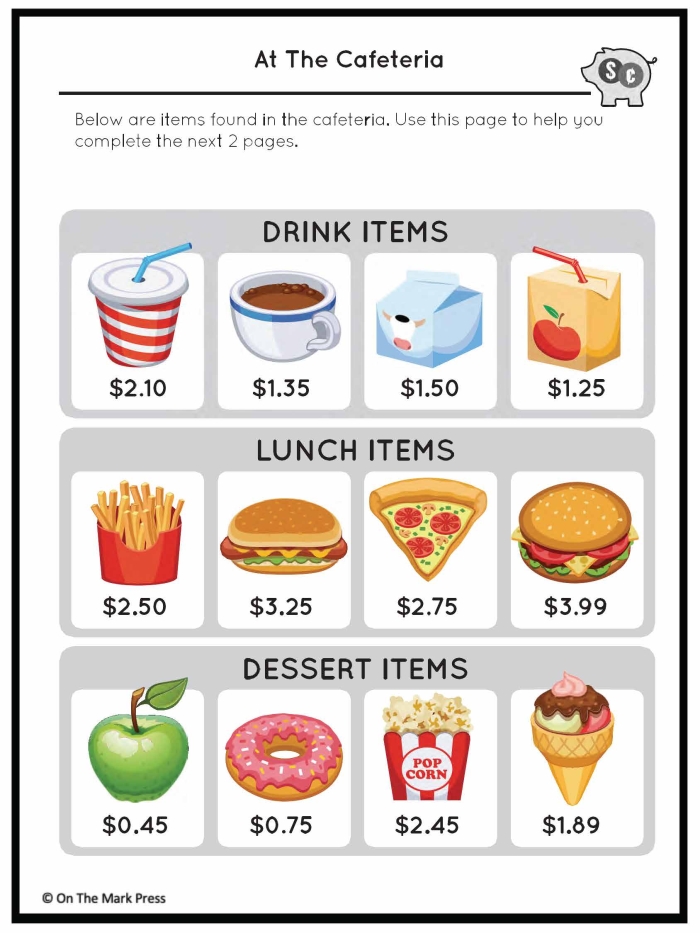
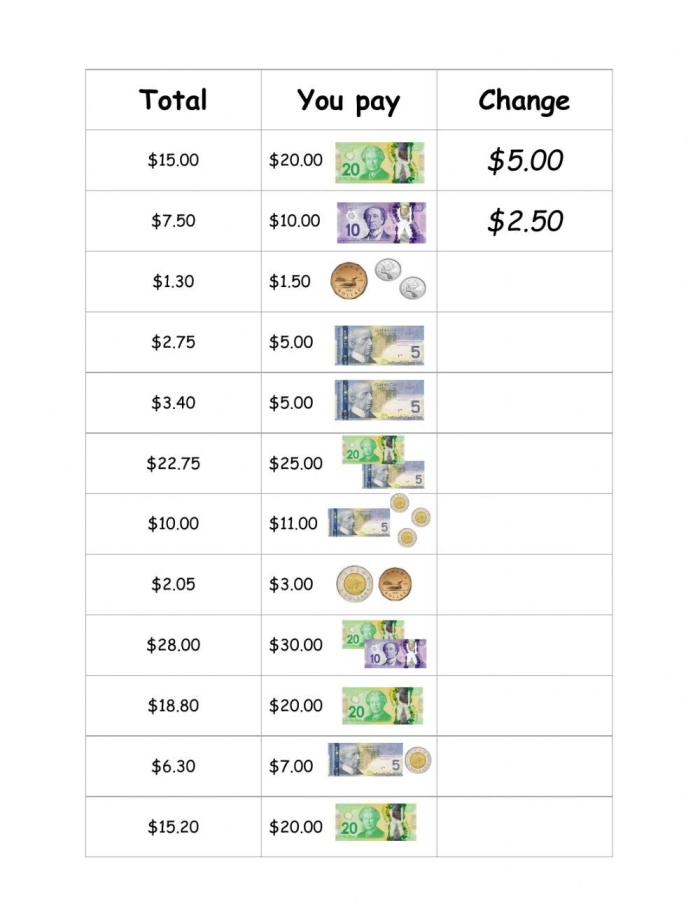
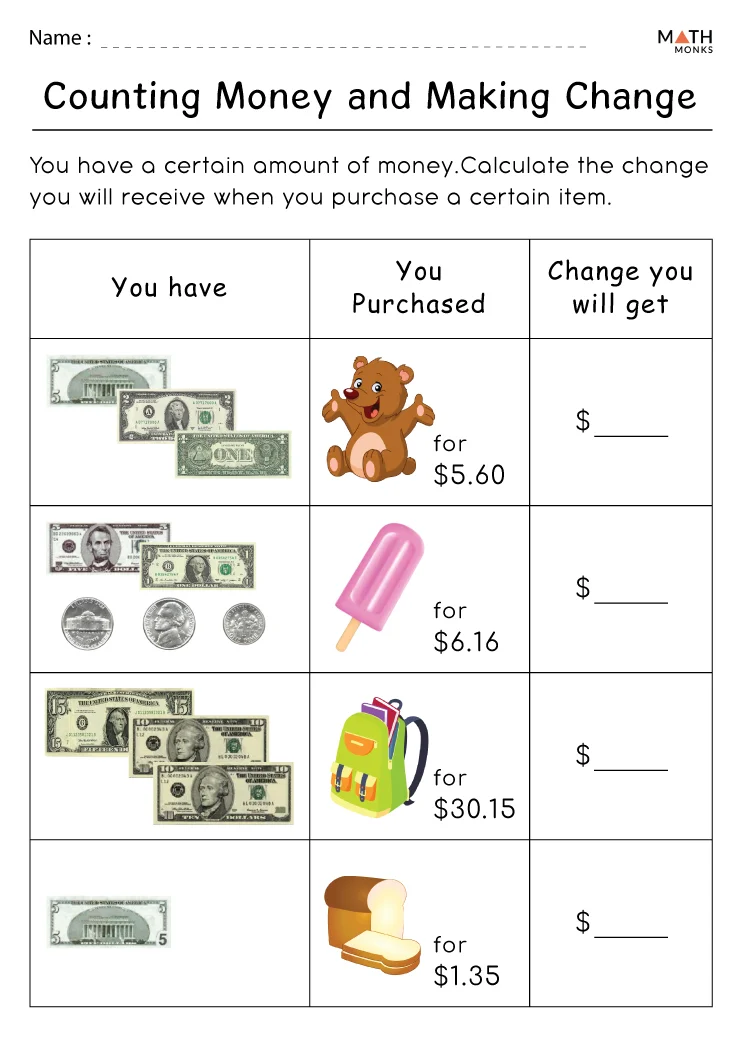
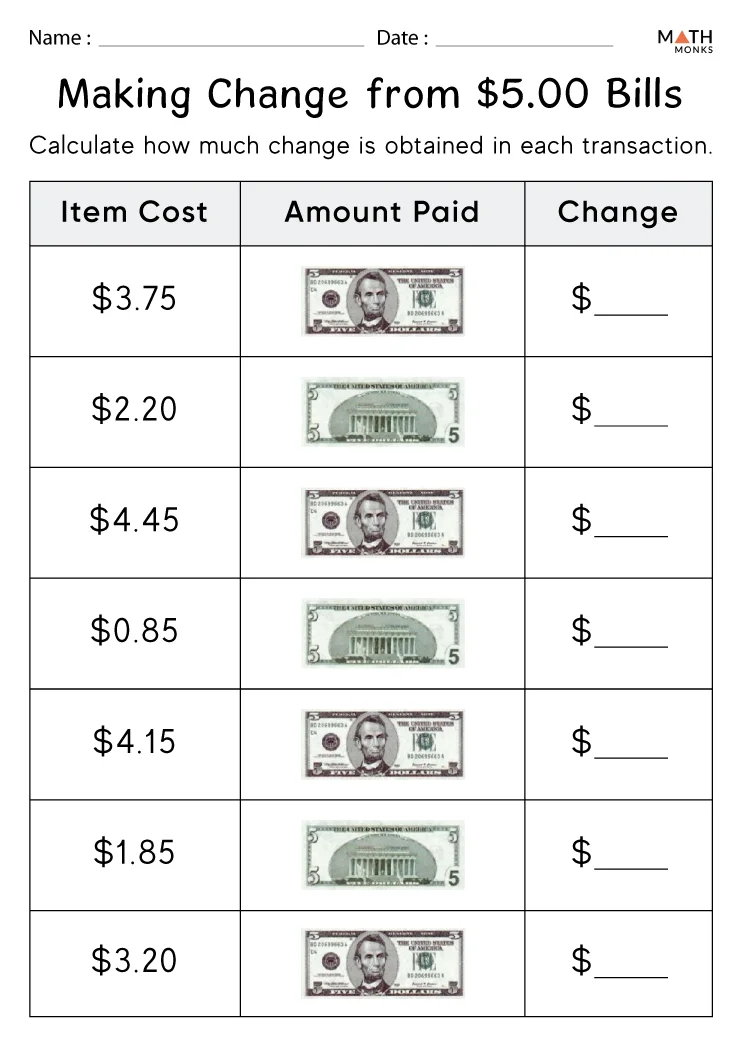
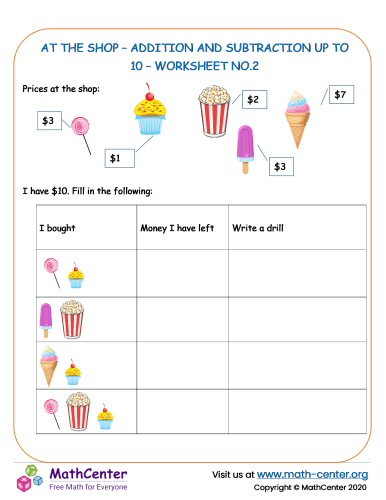
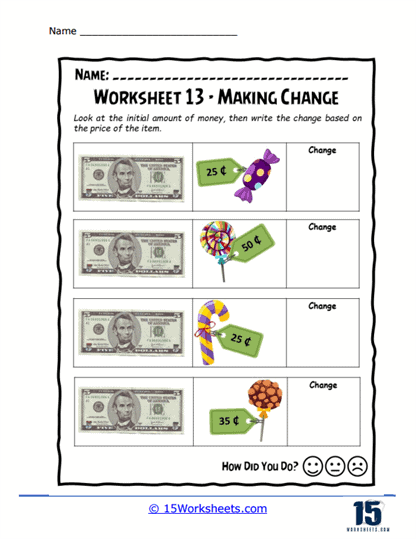
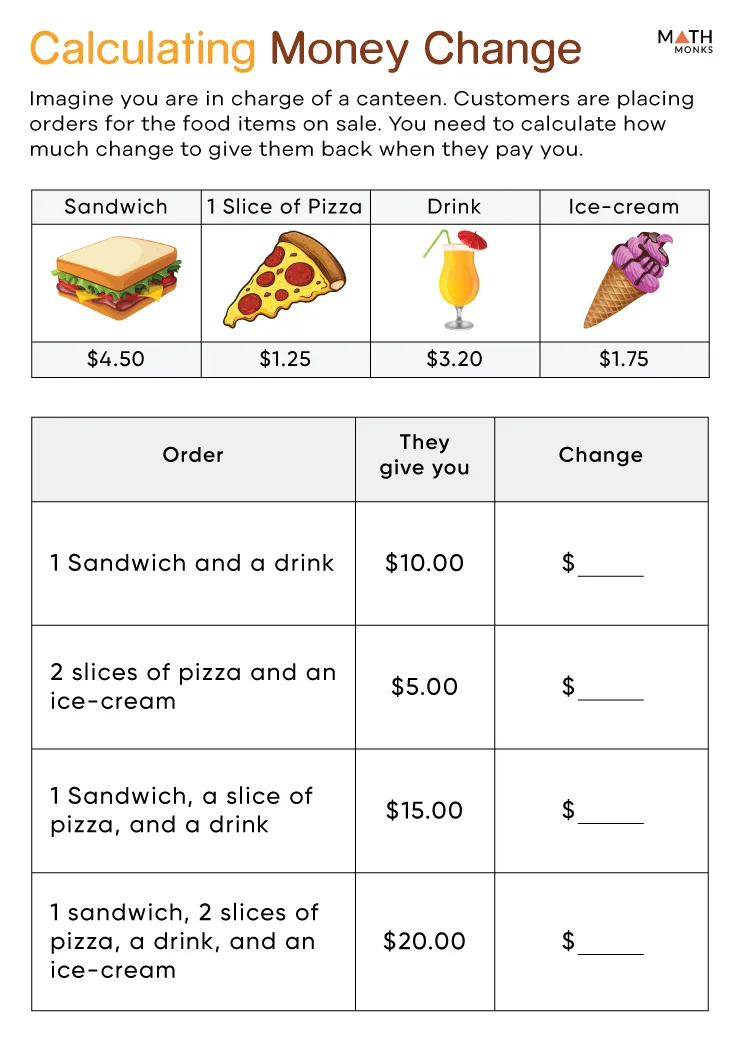
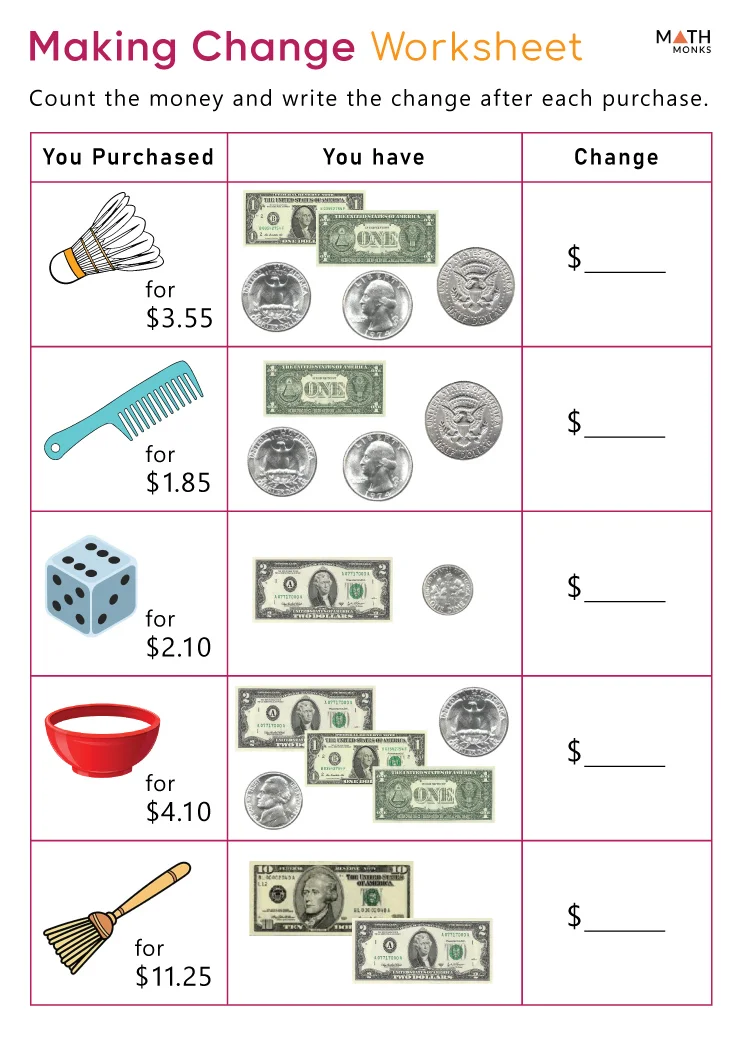
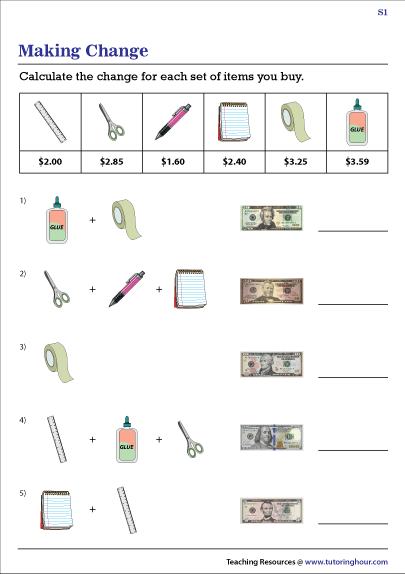
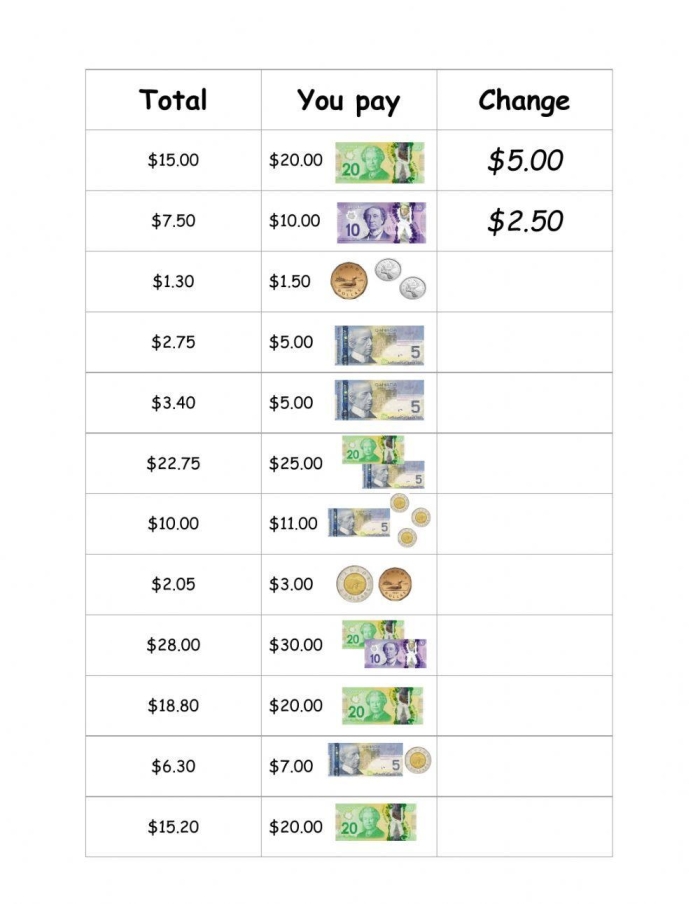
When kids set up a pretend café or coffee shop, they’re not just playing. They’re engaging in genuine problem-solving. A customer orders a muffin for $3 and a juice for $2. Your child adds those amounts, figures out the total is $5, then calculates the change when someone hands over a $10 bill. The concrete nature of money makes abstract math concepts suddenly tangible. They’re not just memorizing that 10 minus 5 equals 5, they’re experiencing it.
The beauty of this approach is that it naturally combines multiple learning areas. While practicing addition and subtraction practice, children also develop real-world math literacy. They learn that math isn’t confined to a worksheet, it’s everywhere.
You can extend this activity by having kids write out the transactions. They might list items and prices, write the customer’s order, or even create menus. This bridges the gap between math and writing in a way that feels purposeful rather than forced. Second grade writing activities work best when they’re connected to something children care about, and running a shop definitely qualifies.
For structured practice at home or in the classroom, pairing this hands-on activity with supplementary materials like subtraction practice worksheets reinforces what they’re learning through play. The combination of real money handling and printed exercises creates a complete learning experience that sticks.
Printable Worksheets for Practice