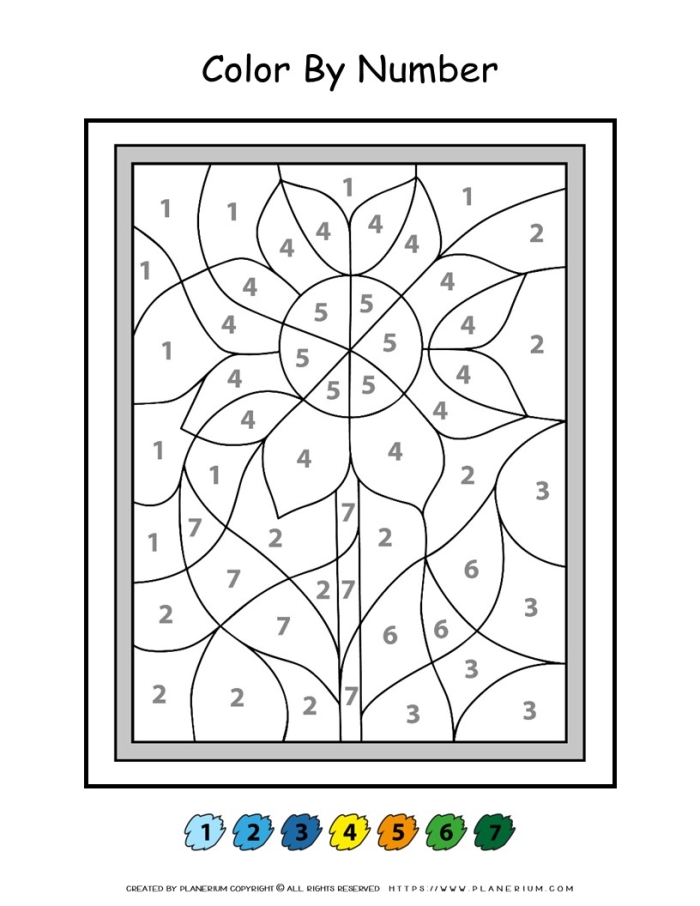
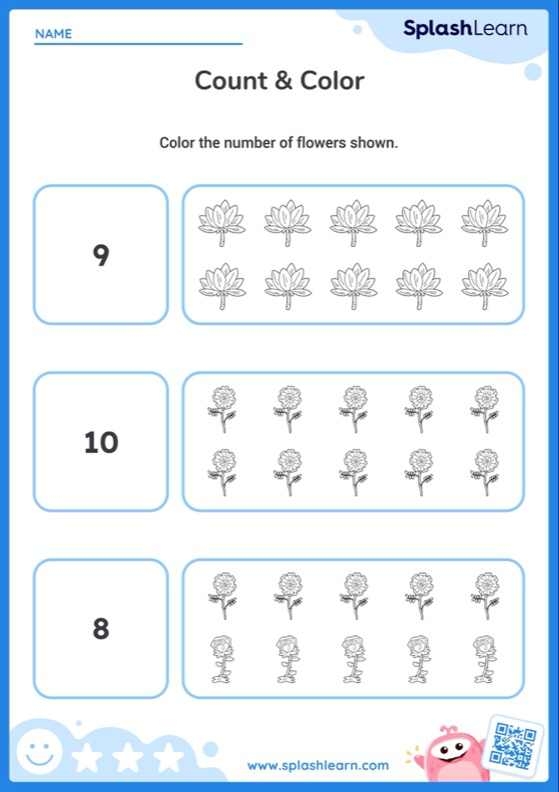
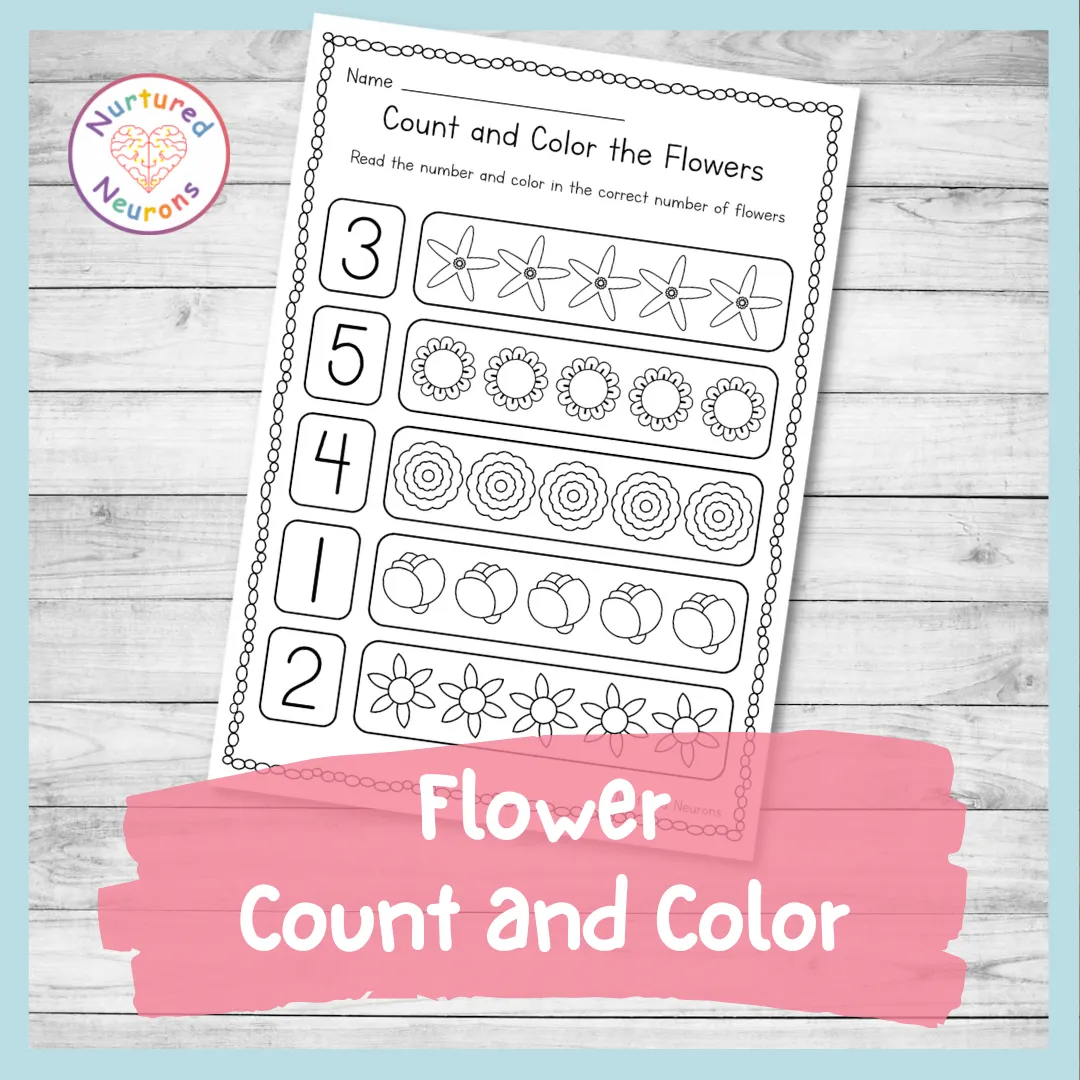
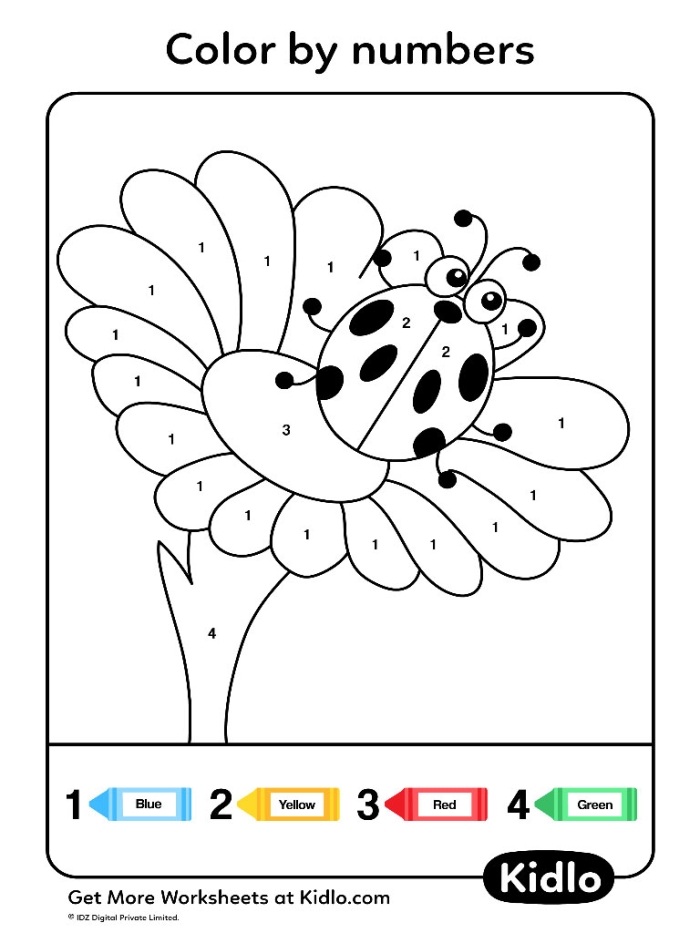
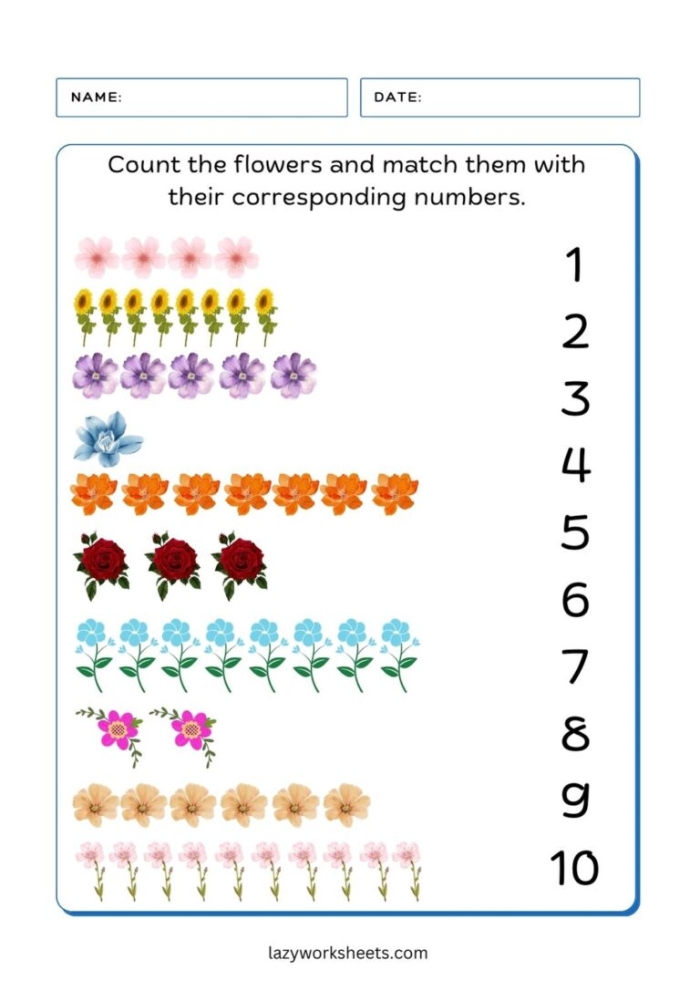
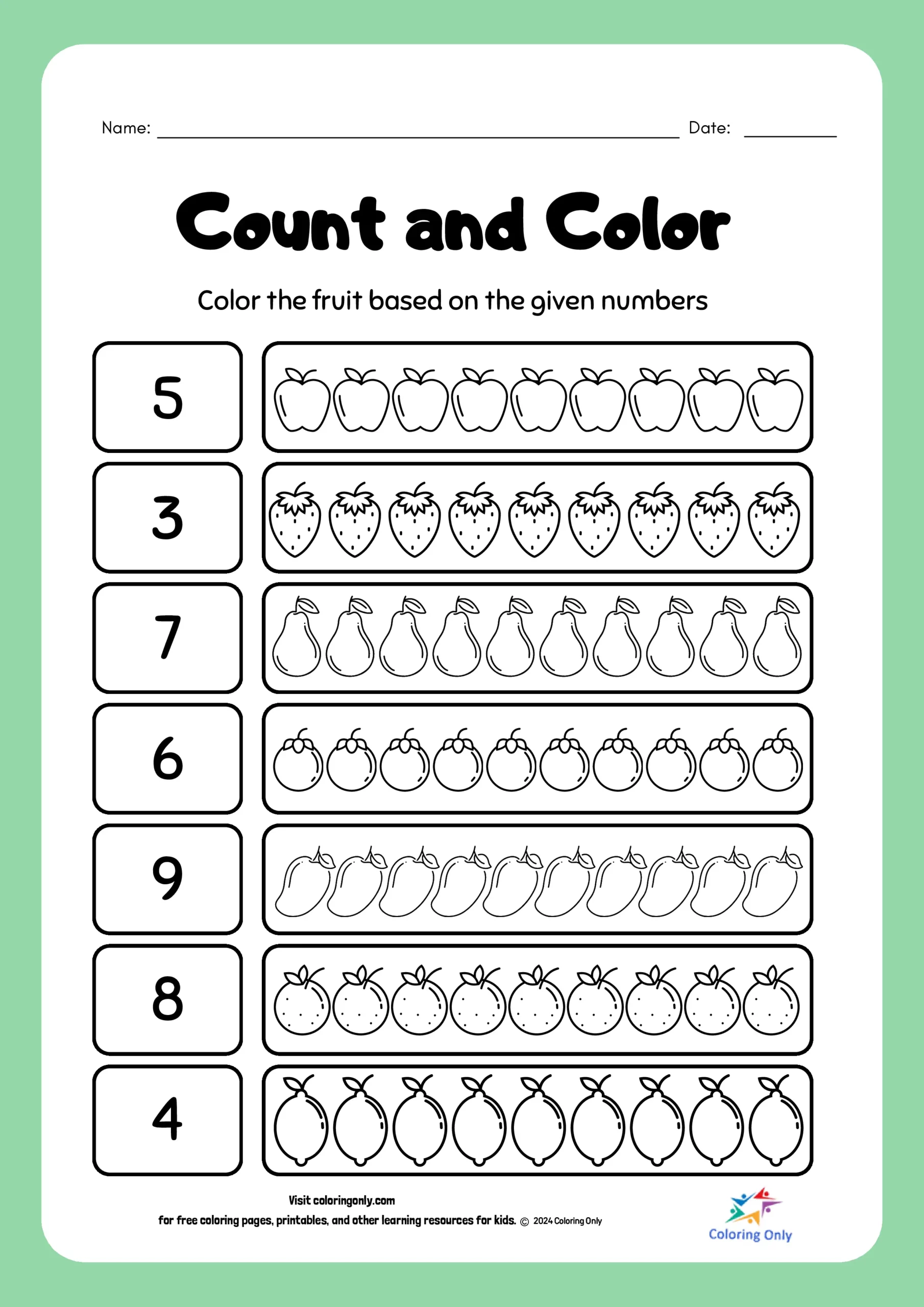
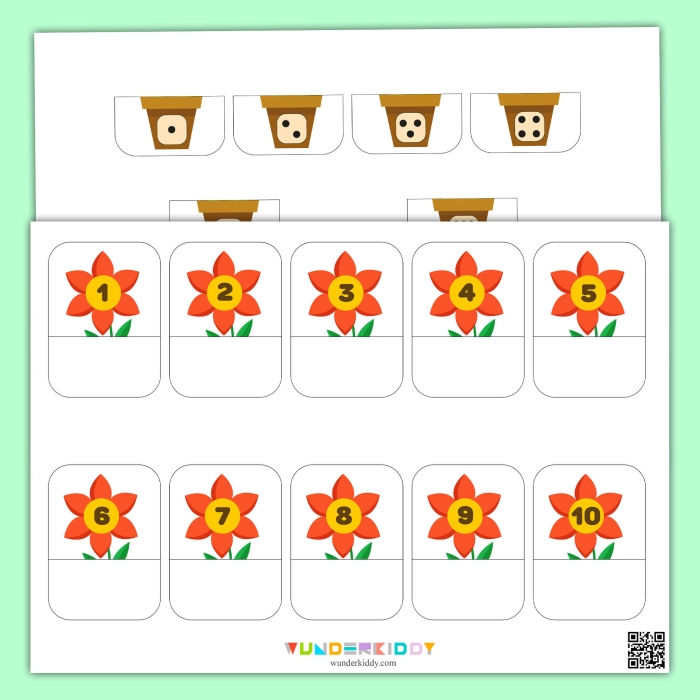
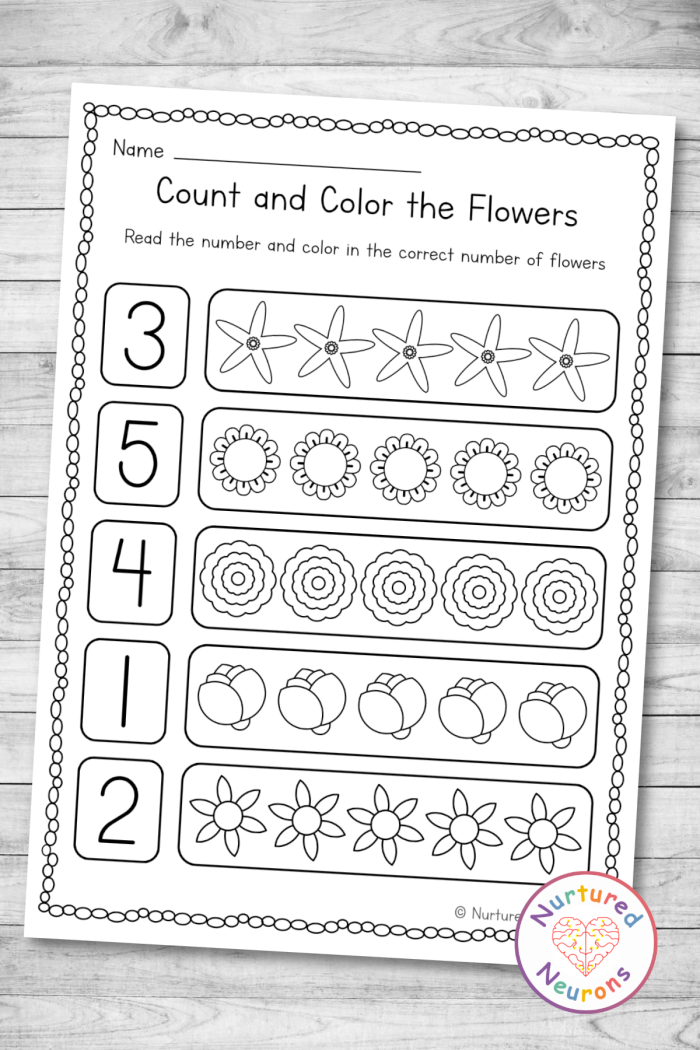
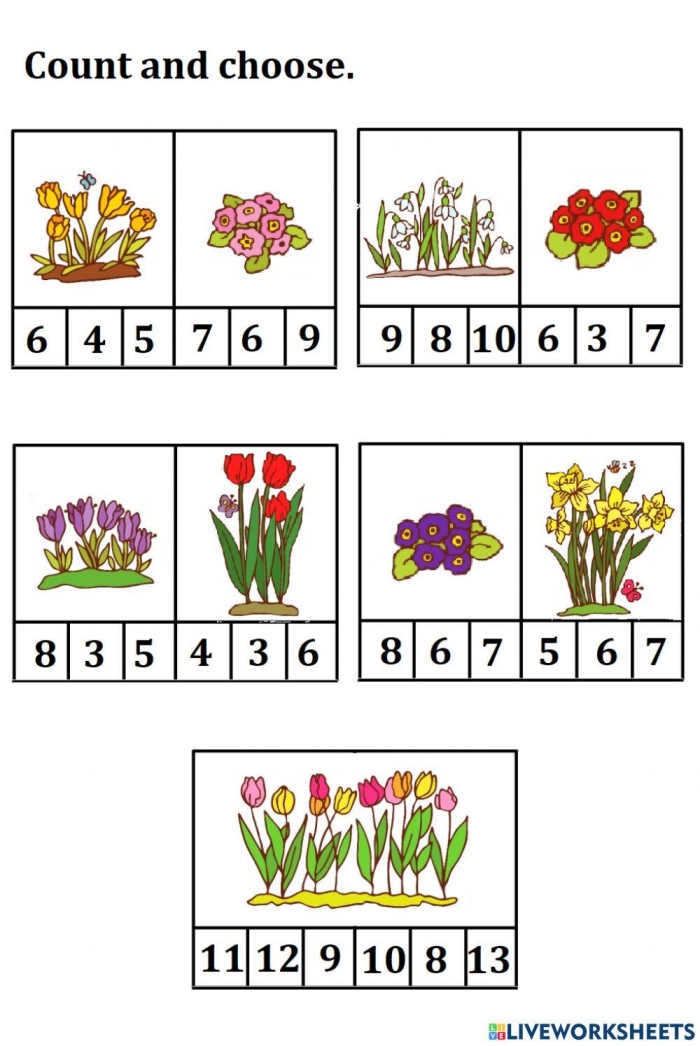
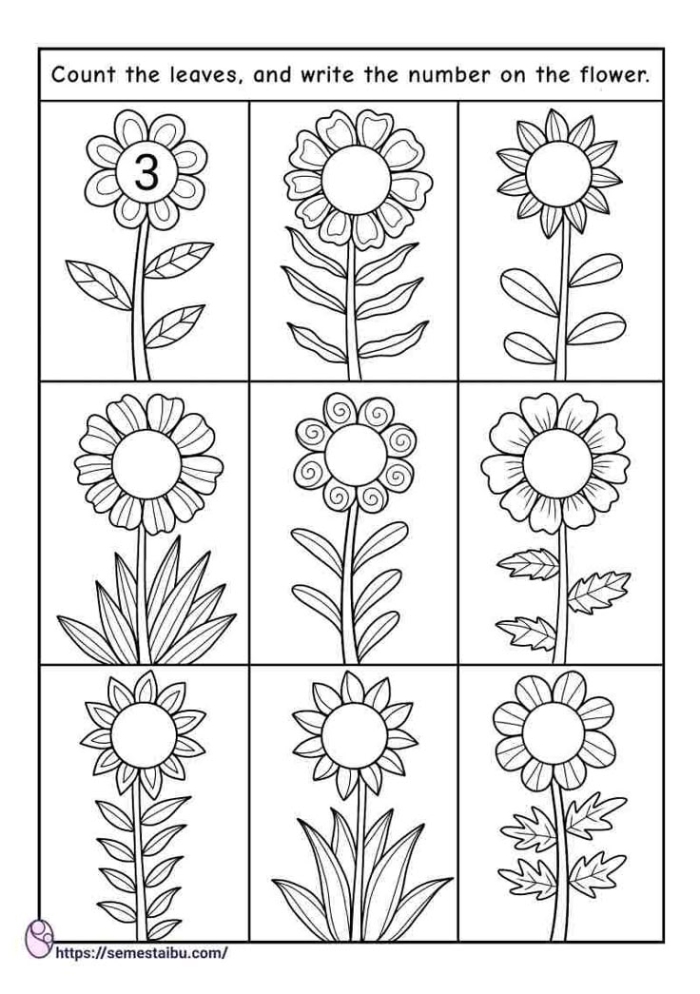
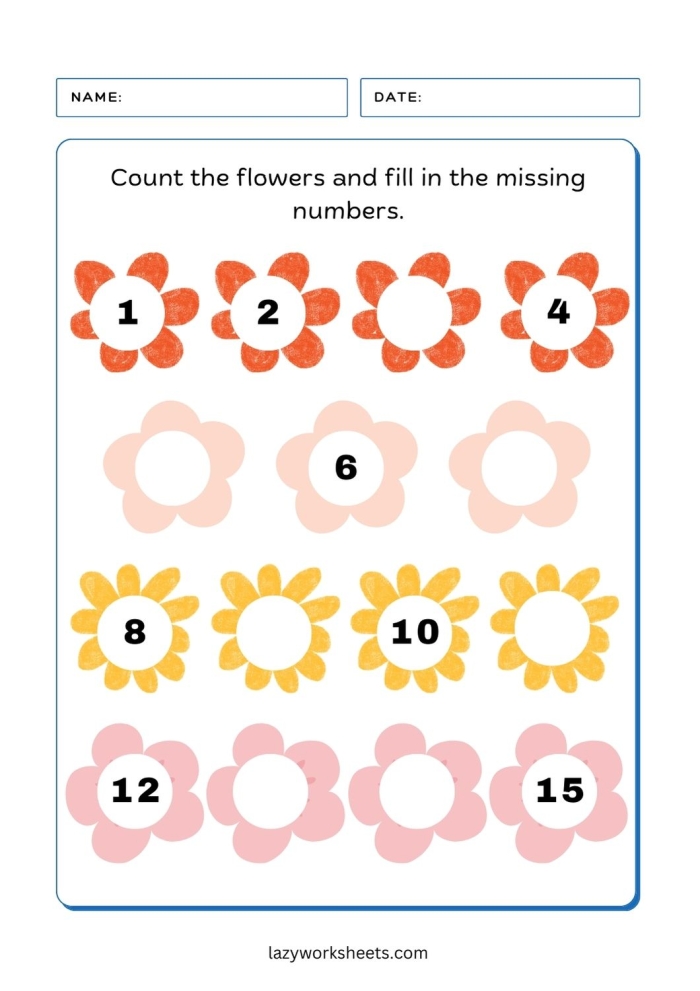
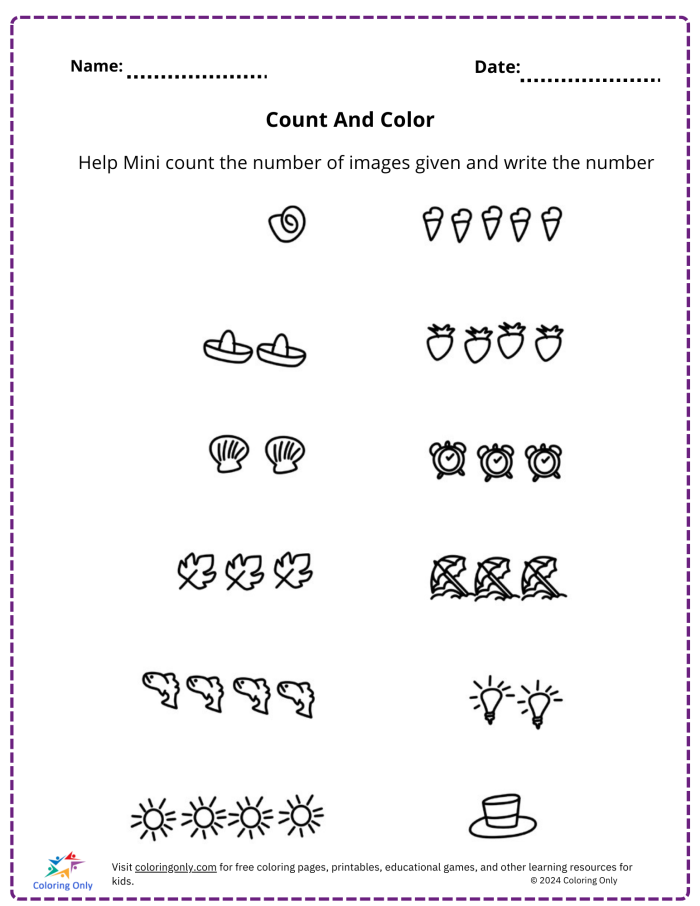
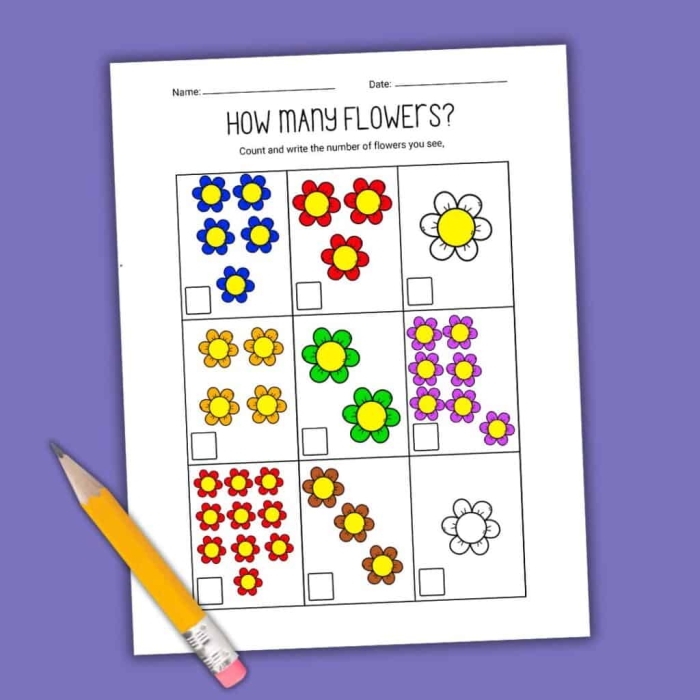
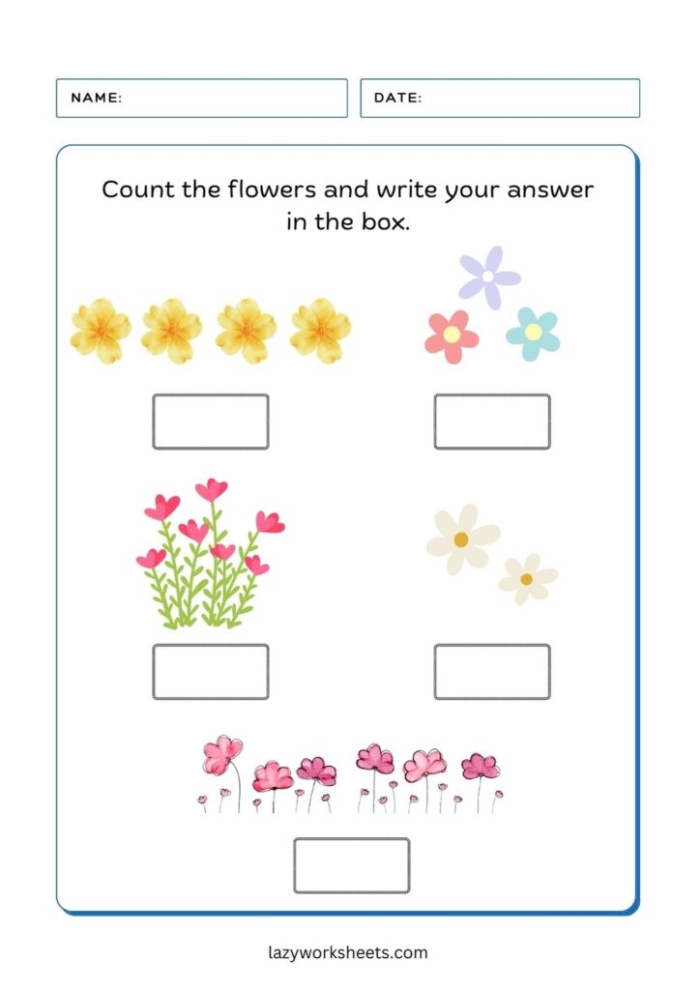
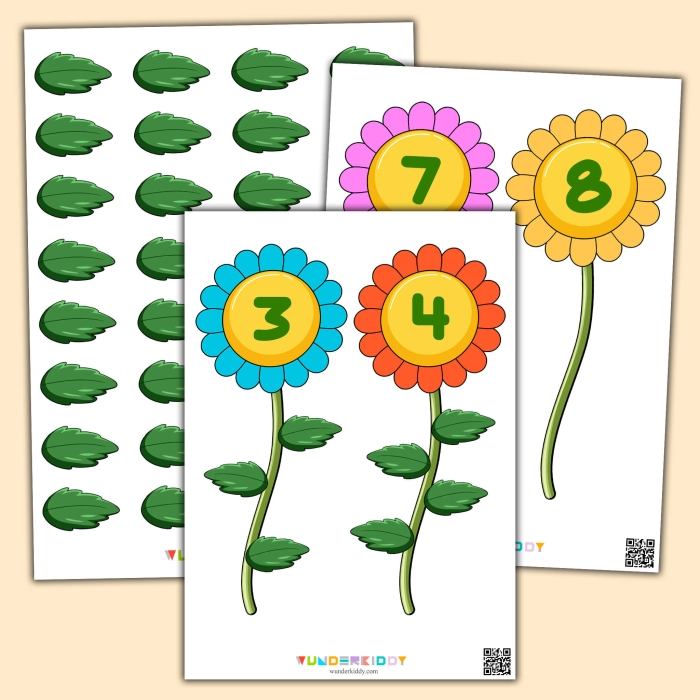
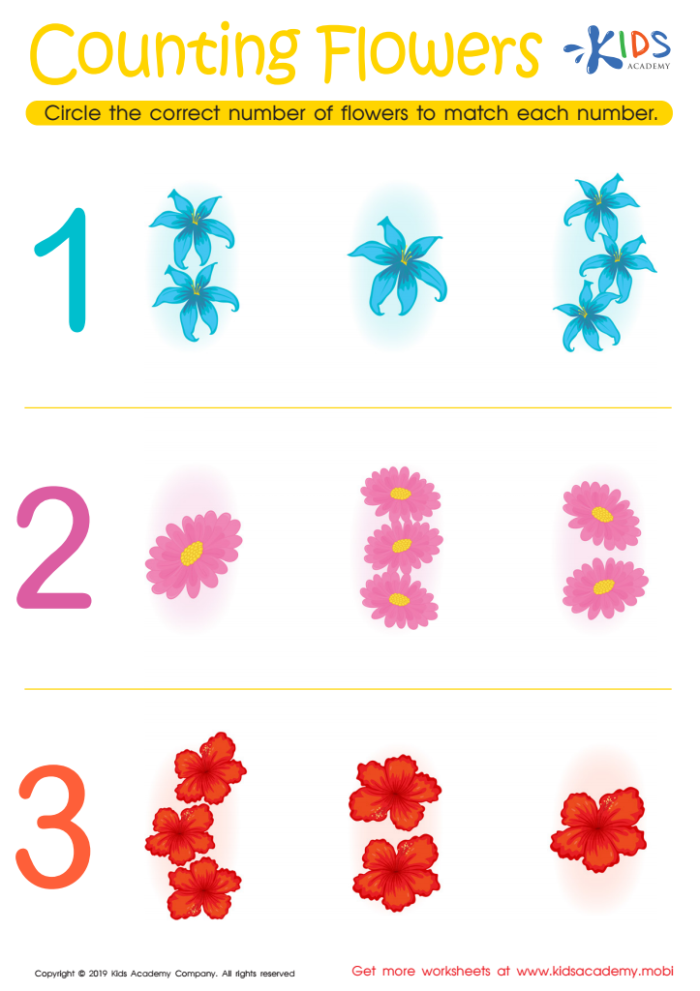
Positional language forms the foundation of how young learners understand space and sequence, and this counting and number-writing worksheet brings that skill to life through a hands-on activity. When children identify objects in a sequence using words like first, next, last, before, and after, they’re building critical thinking skills that extend far beyond the classroom.
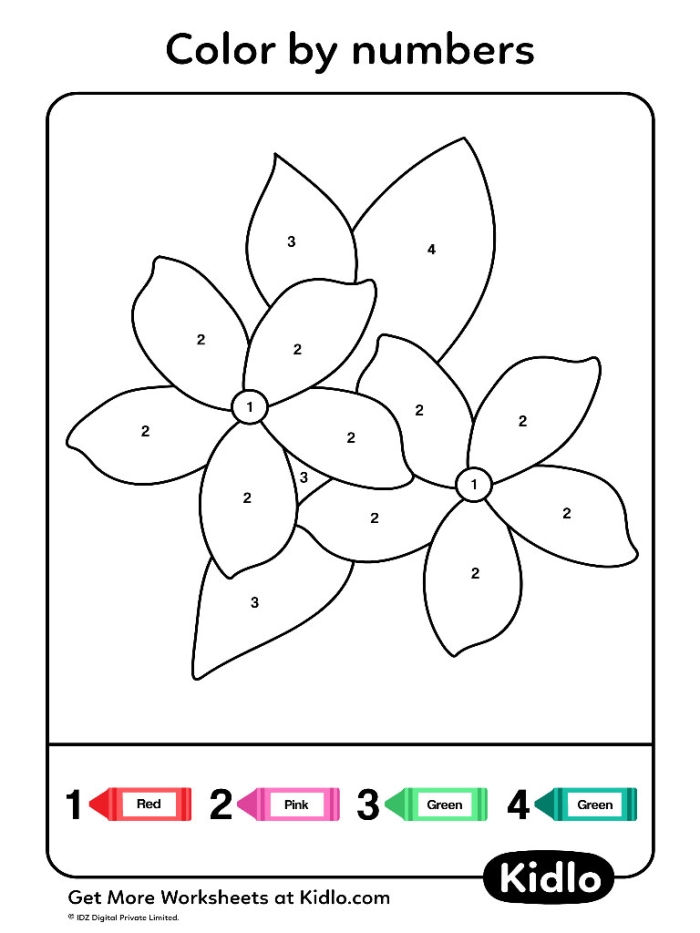
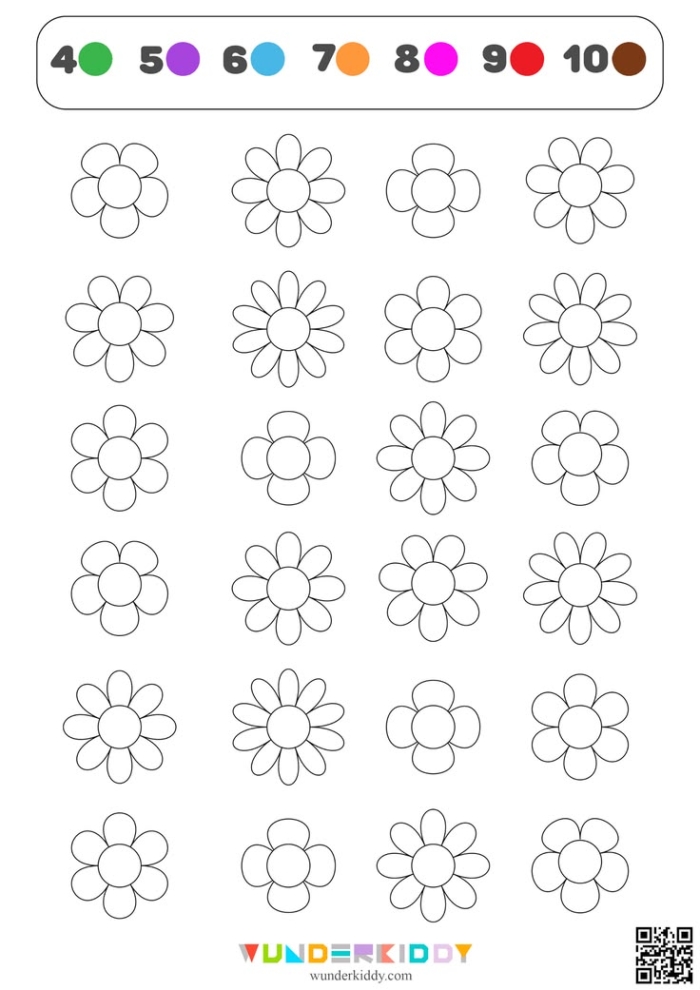
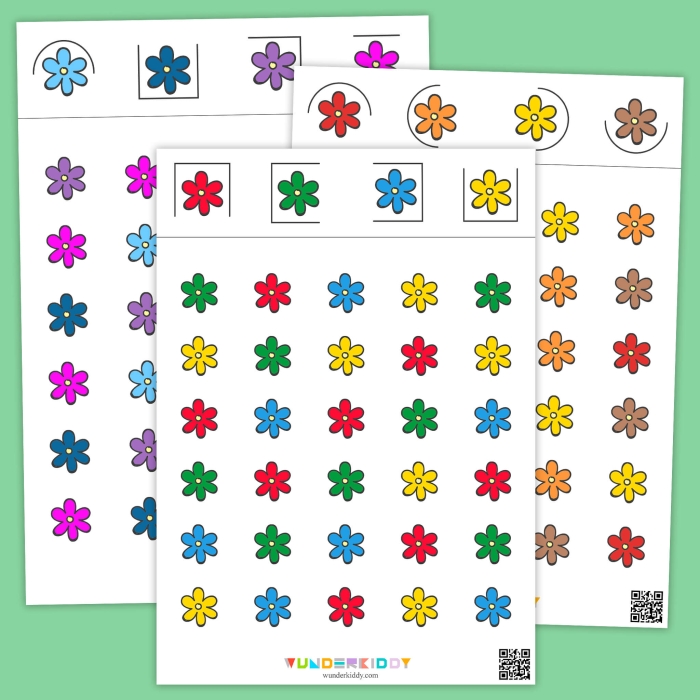
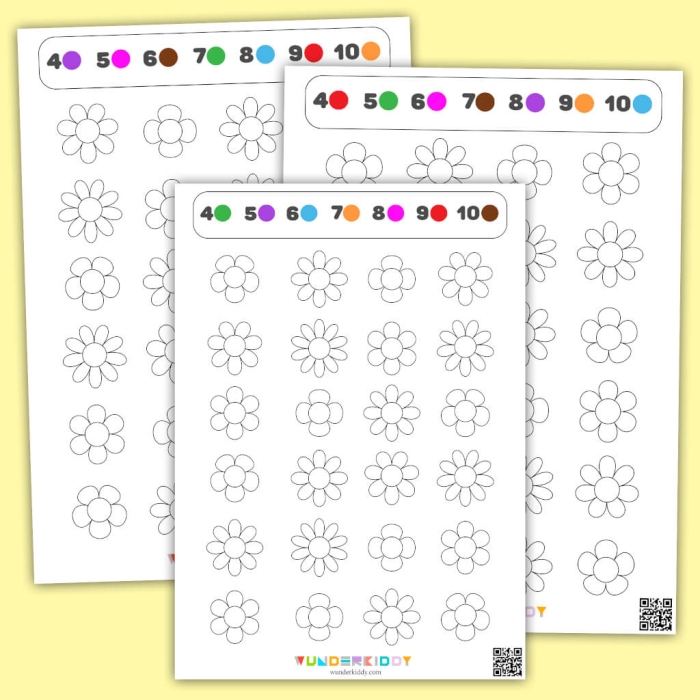
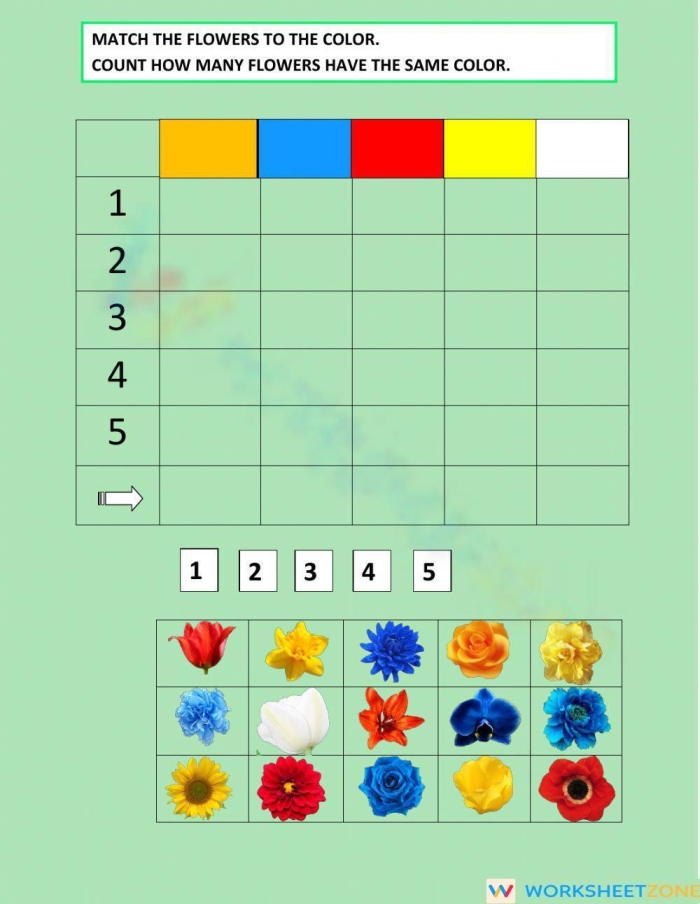
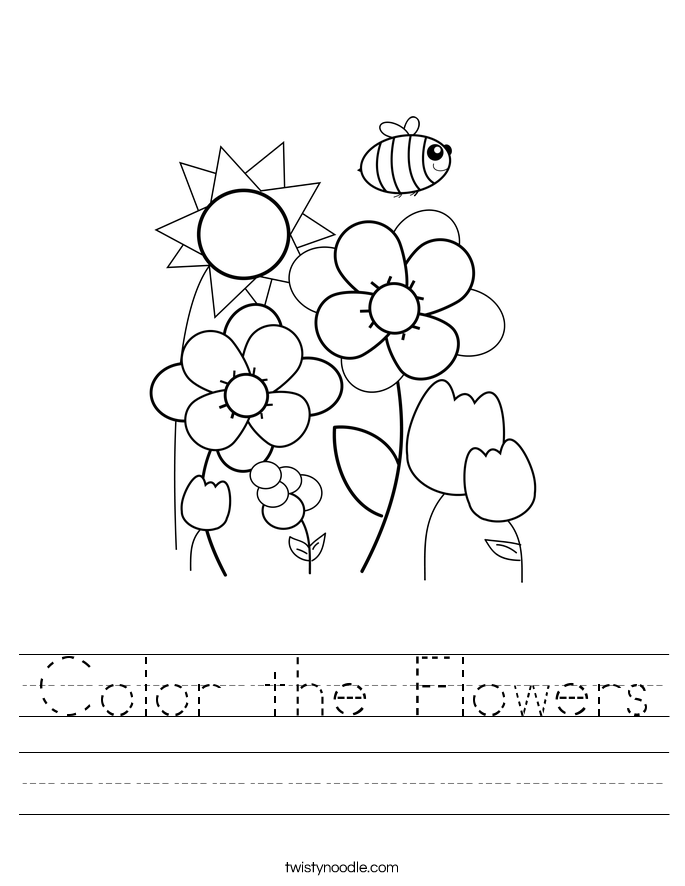
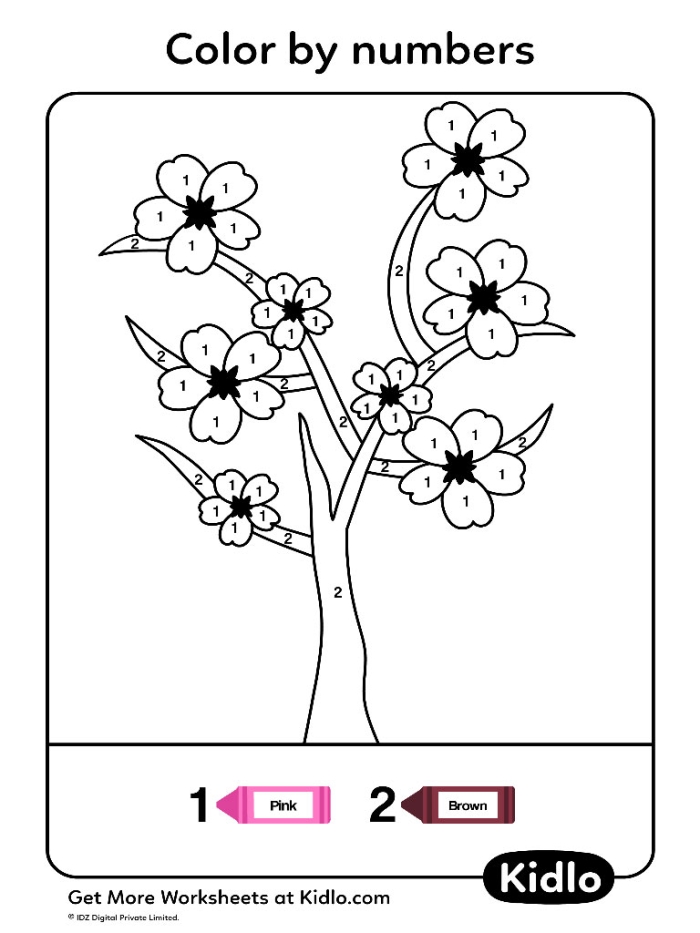
In Pre-K reading and early math instruction, positional words serve as a bridge between concrete observation and abstract thinking. Children at this age learn best when they can see, touch, and describe what they’re experiencing. A counting and color worksheet that incorporates these positional markers gives learners multiple entry points to engage with numbers. They might color the first flower red, the second flower yellow, and the last flower pink, all while reinforcing number recognition and sequencing.
The beauty of this approach lies in its simplicity. Rather than asking children to memorize isolated facts, the worksheet asks them to locate objects within a defined order. This develops spatial reasoning, which psychologists recognize as essential for later math competency. When a child points to the third flower in a row and says “this one is between the second and fourth,” they’re practicing language that will support everything from reading comprehension to geometry.
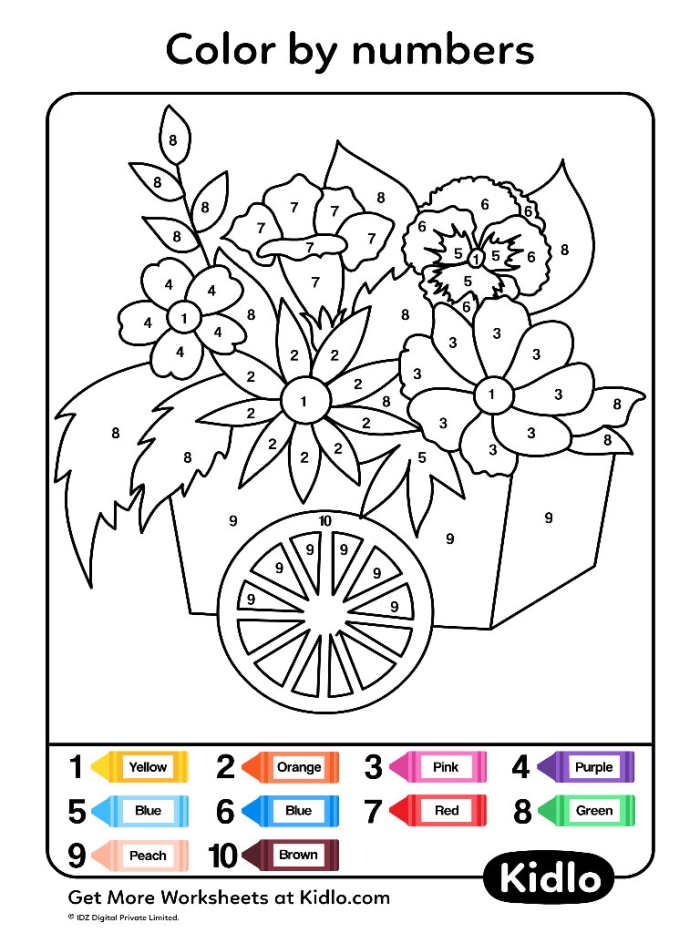
Worksheets that combine counting, coloring, and positional language also accommodate different learning styles. Visual learners respond to the images, kinesthetic learners engage through the act of coloring, and auditory learners benefit when adults read the instructions aloud. This multi-sensory approach makes the activity accessible to a broader range of Pre-K students.
Teachers and parents who want to extend this learning can pair these worksheets with similar activities. For instance, exploring how integers and rational numbers build on early counting skills shows children the progression of mathematical thinking. The foundation built through positional language and sequence work directly supports later multiplication concepts, like those found in multiplication worksheets for third grade.
Grab These Worksheets Now