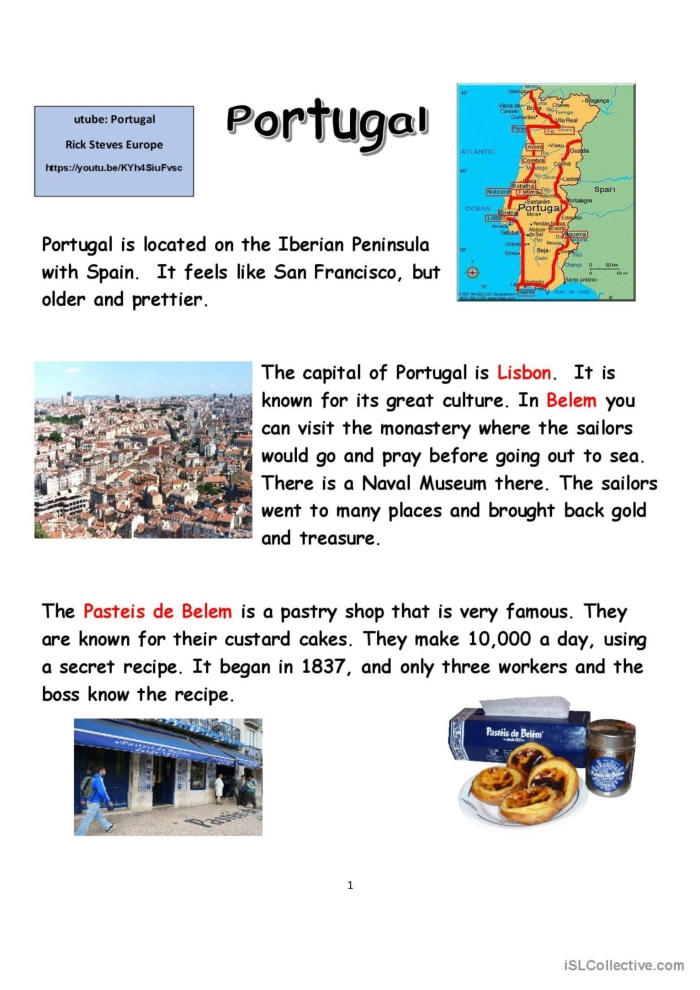
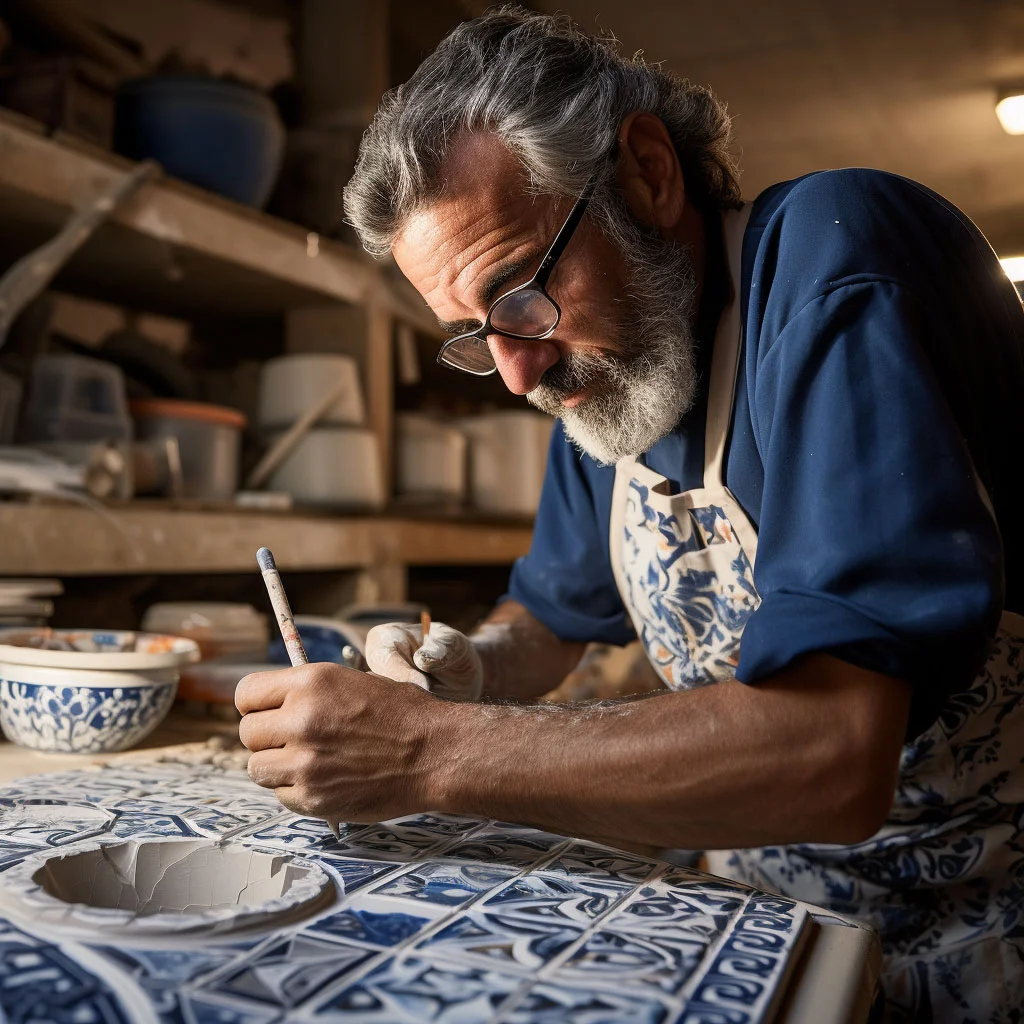
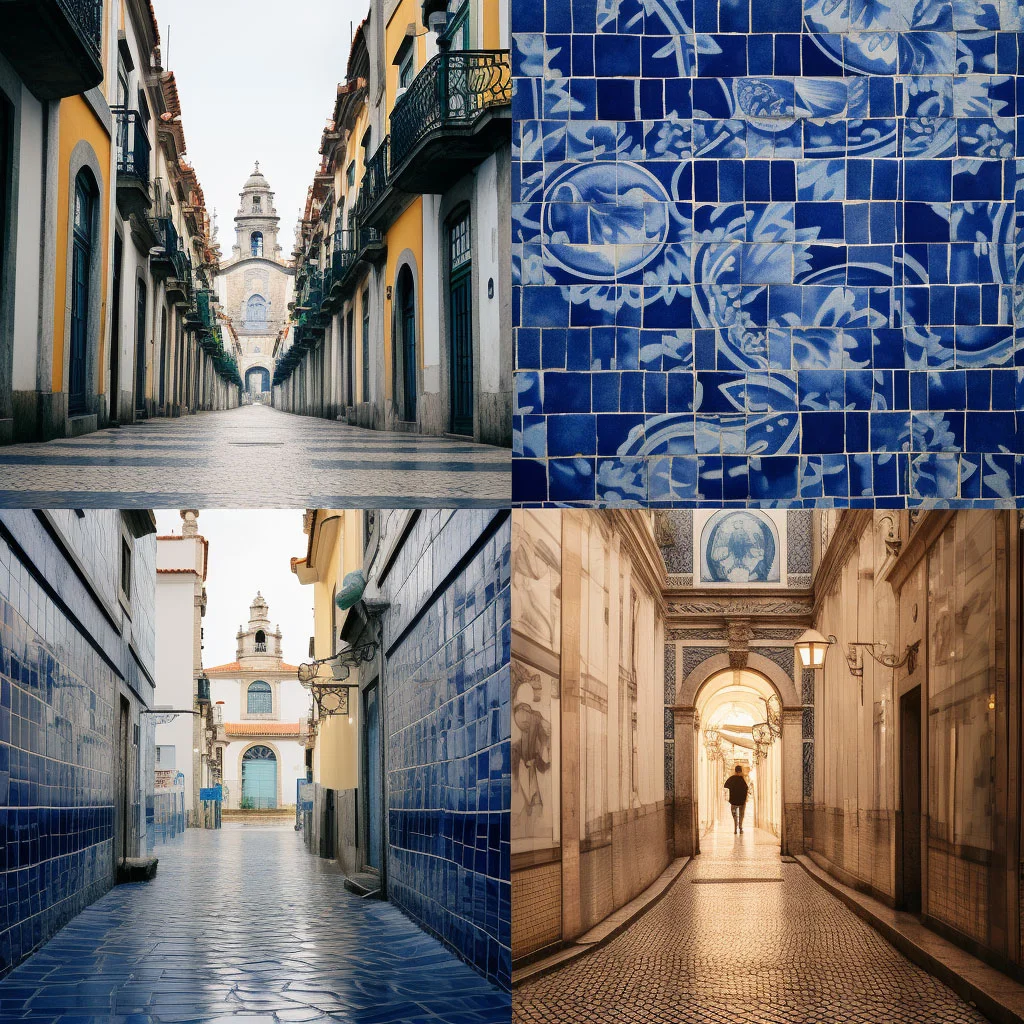
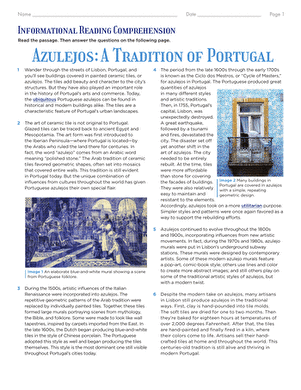
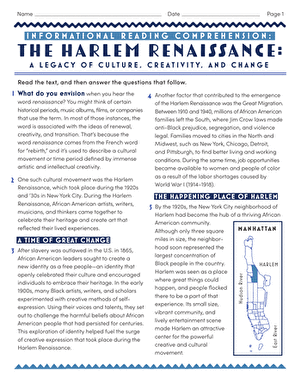
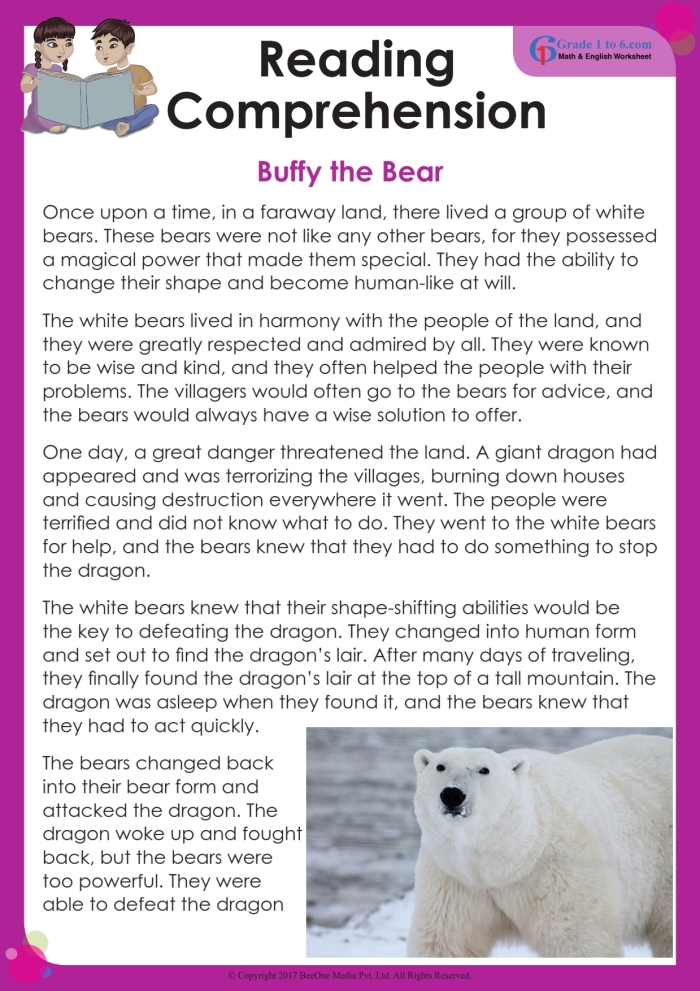
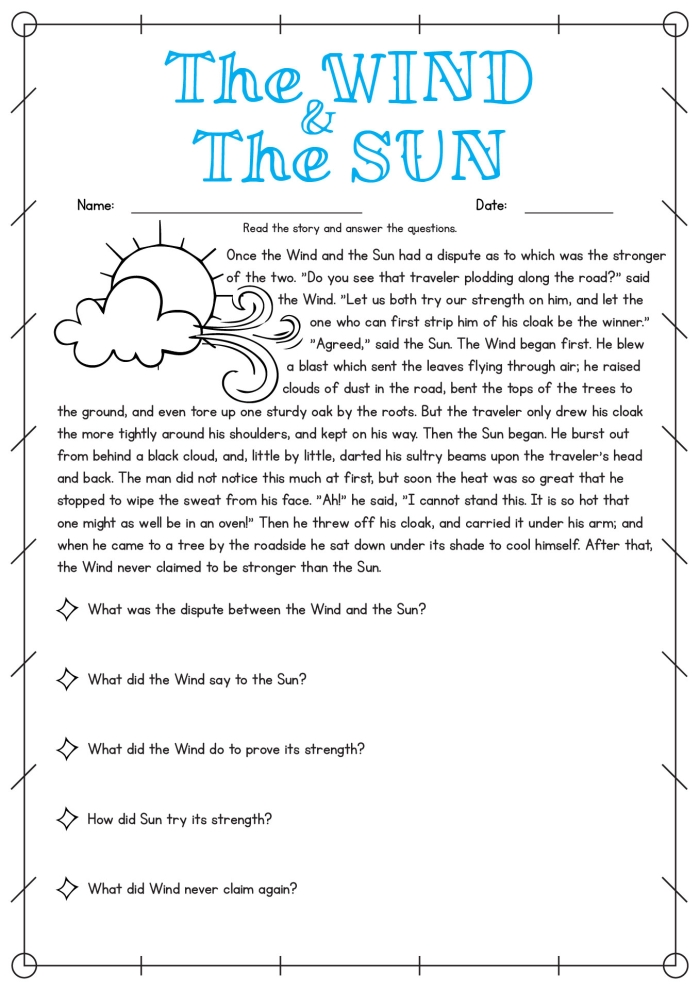
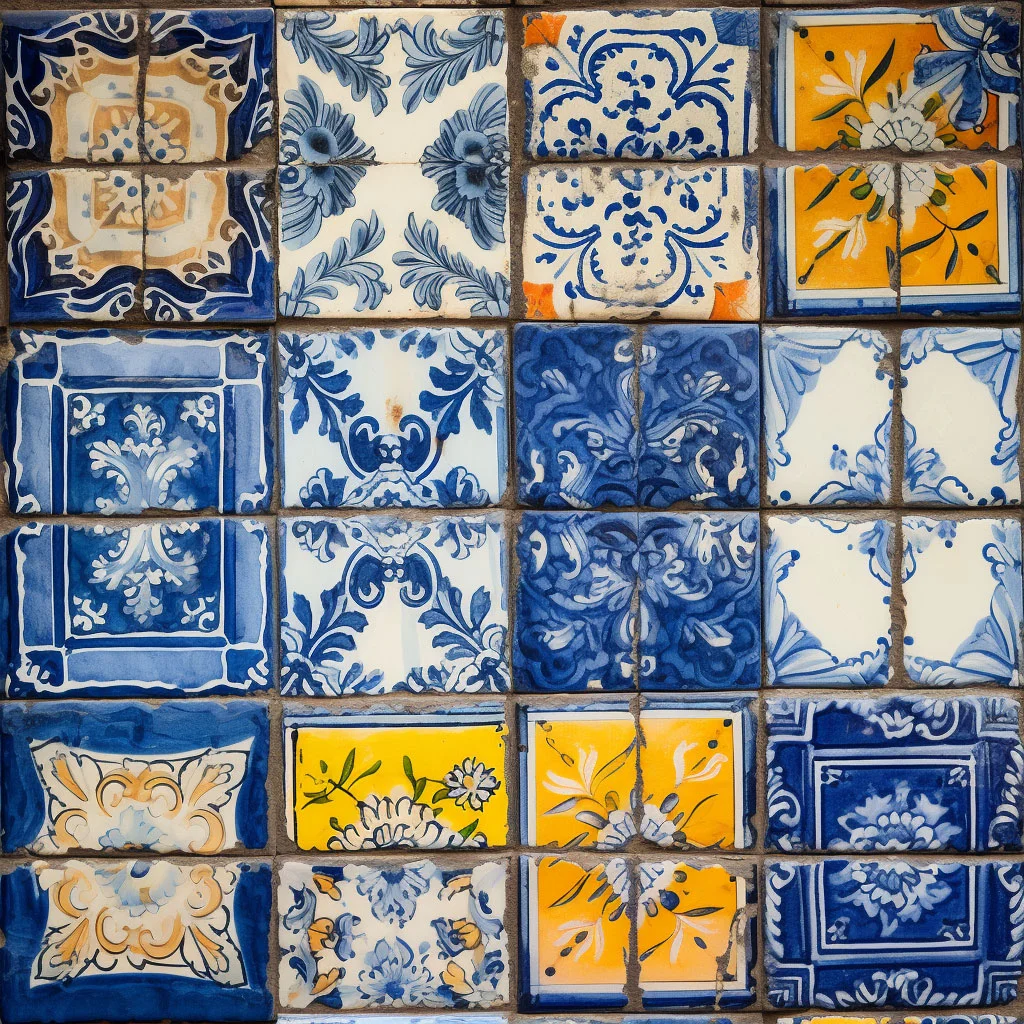
Azulejo tiles represent one of Portugal’s most distinctive artistic contributions, and they offer sixth grade students a rich subject for building informational reading comprehension skills. These hand-painted ceramic tiles have decorated Portuguese buildings, churches, and homes for centuries, telling stories through intricate patterns and vibrant colors that reflect the country’s cultural heritage.
The tradition of azulejos developed under multiple influences, particularly from Moorish Spain and Islamic art. Portuguese artisans adapted these techniques and created their own style, eventually exporting azulejo craftsmanship throughout Europe and beyond. By the 18th century, Portuguese tiles had become so valued that wealthy families displayed them as status symbols in their homes and palaces. The tiles served practical purposes too, protecting walls from moisture and heat while adding visual beauty.
When students engage with informational texts about azulejos, they practice extracting key details, understanding cause and effect, and identifying main ideas within historical and cultural contexts. Reading passages about tile production methods, regional variations, and famous azulejo installations helps learners develop vocabulary related to art, history, and craftsmanship. This approach connects language arts directly to cultural studies in ways that feel authentic rather than forced.
Sixth grade worksheets on this topic typically include comprehension questions that require students to locate specific information, make inferences about why azulejos became so important to Portuguese identity, and summarize longer passages about tile-making techniques. The subject matter naturally engages students because the visual and historical elements make the reading feel purposeful. Unlike abstract comprehension exercises, learning about azulejos connects to real objects students might encounter in museums or historical sites.
For educators seeking structured practice materials, printable worksheets on azulejos offer grade-appropriate texts paired with comprehension questions. These resources align with sixth grade standards while introducing students to a significant artistic tradition they might not otherwise encounter in typical curriculum materials.
Worksheet Practice Section