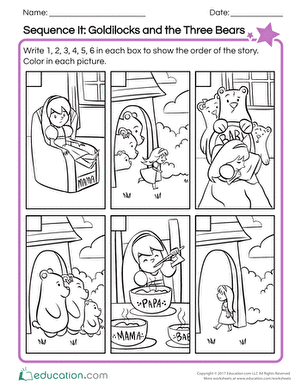
Sequencing activities build foundational literacy skills that young learners need before they can fully understand how stories work. When Pre-K students arrange events from a familiar tale like Goldilocks and the Three Bears, they’re doing much more than just organizing pictures. They’re learning to recognize cause and effect, understand narrative structure, and develop the ability to recall details in the correct order.
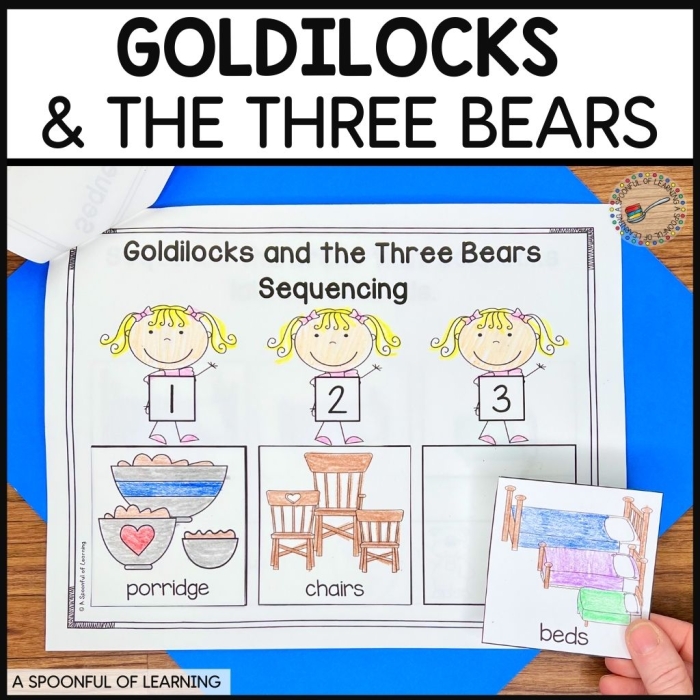
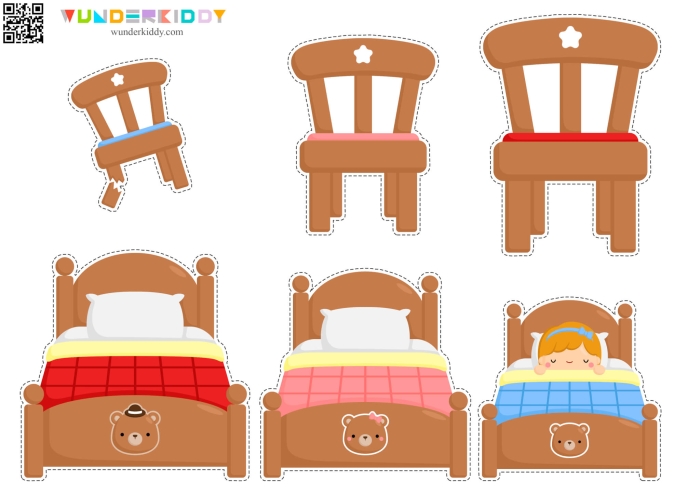
The beauty of using Goldilocks with Pre-K students lies in the story’s repetitive structure. Goldilocks tries the porridge, chairs, and beds three times each, which creates a natural pattern that young minds can follow and remember. This predictability helps children grasp sequencing without becoming frustrated. When you present the story events out of order, students must think critically about what happened first, next, and last.
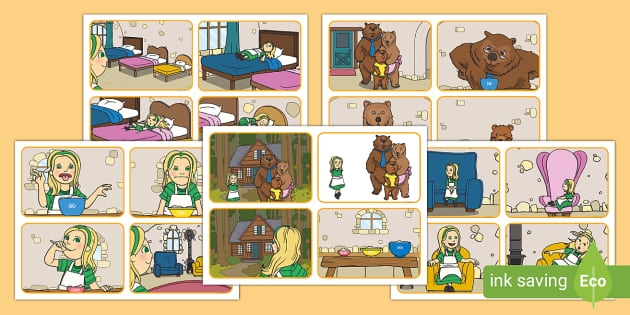
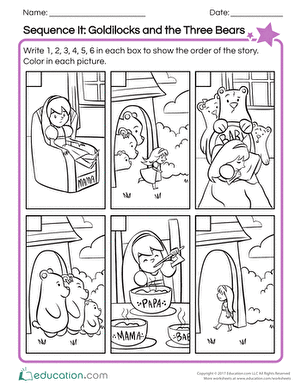
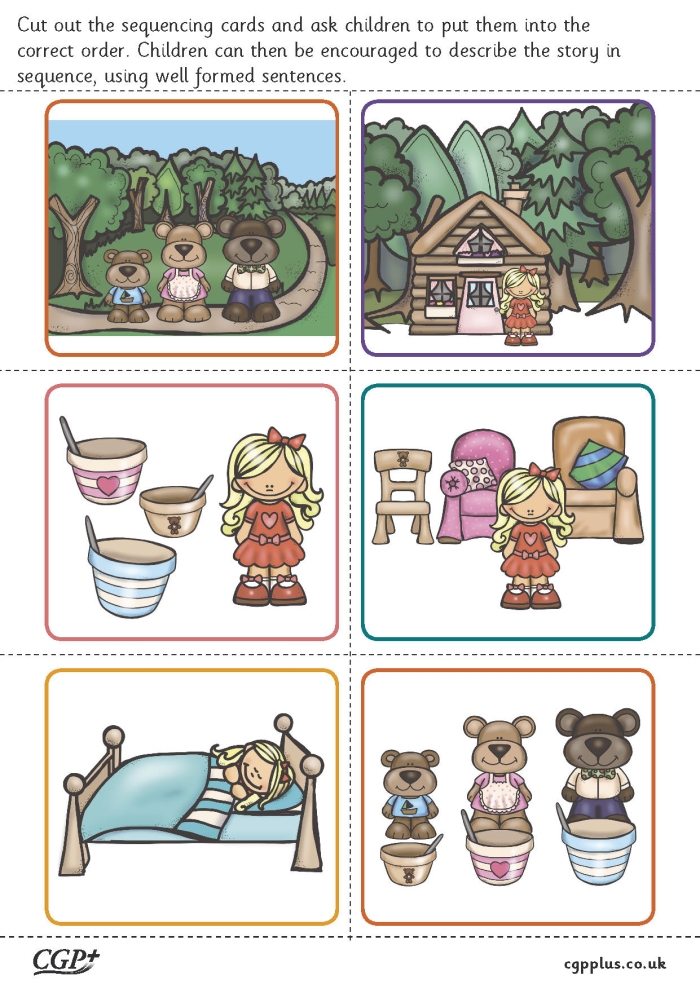
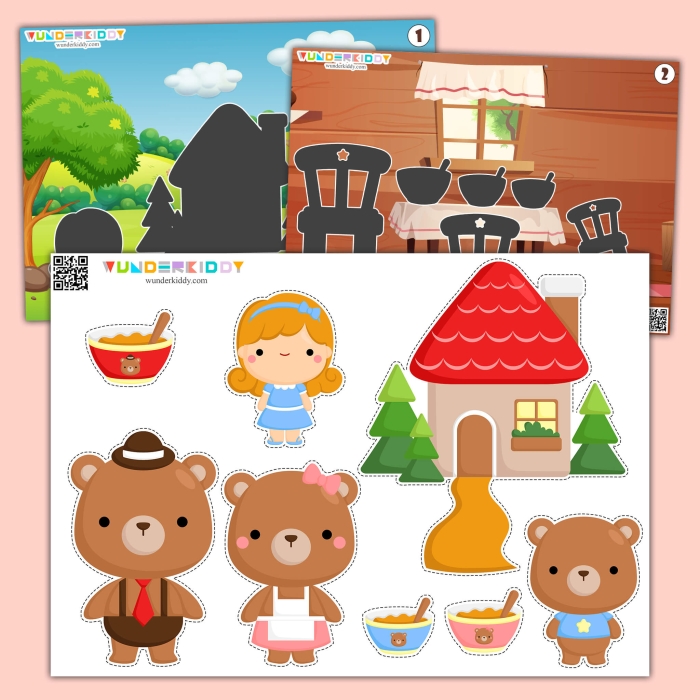
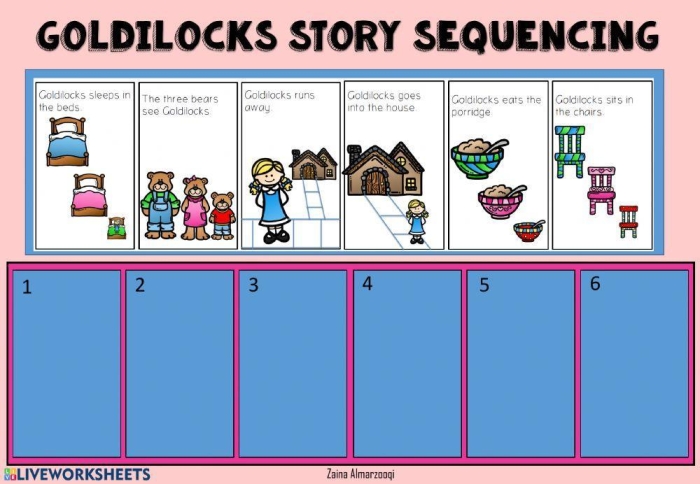
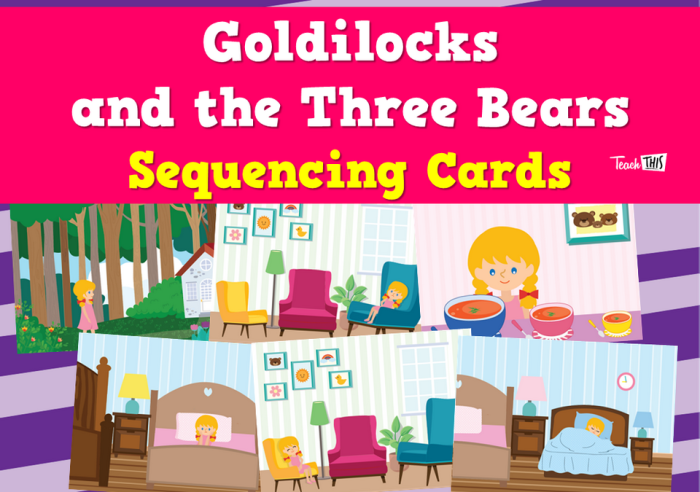
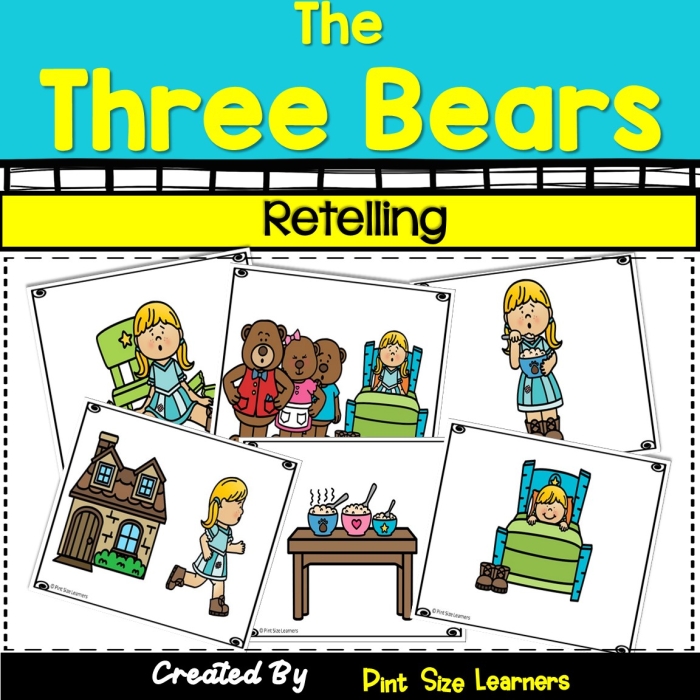
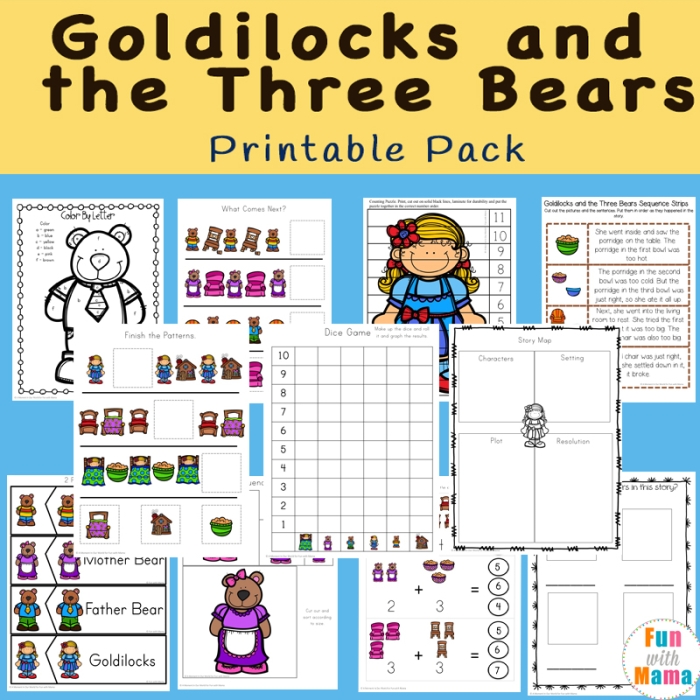
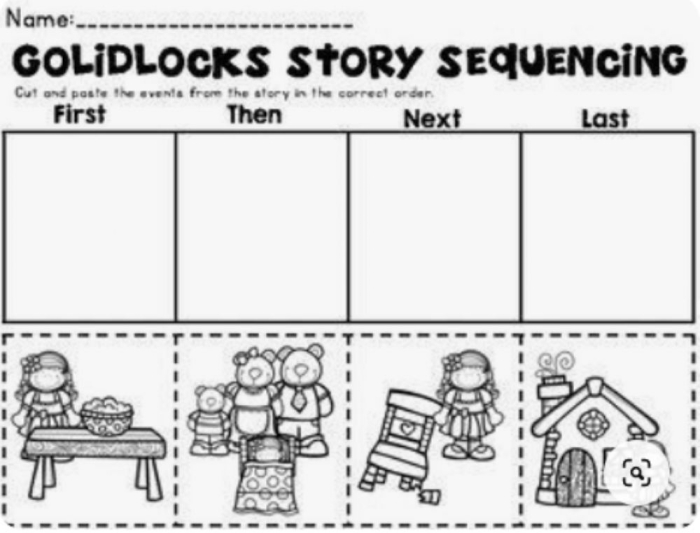
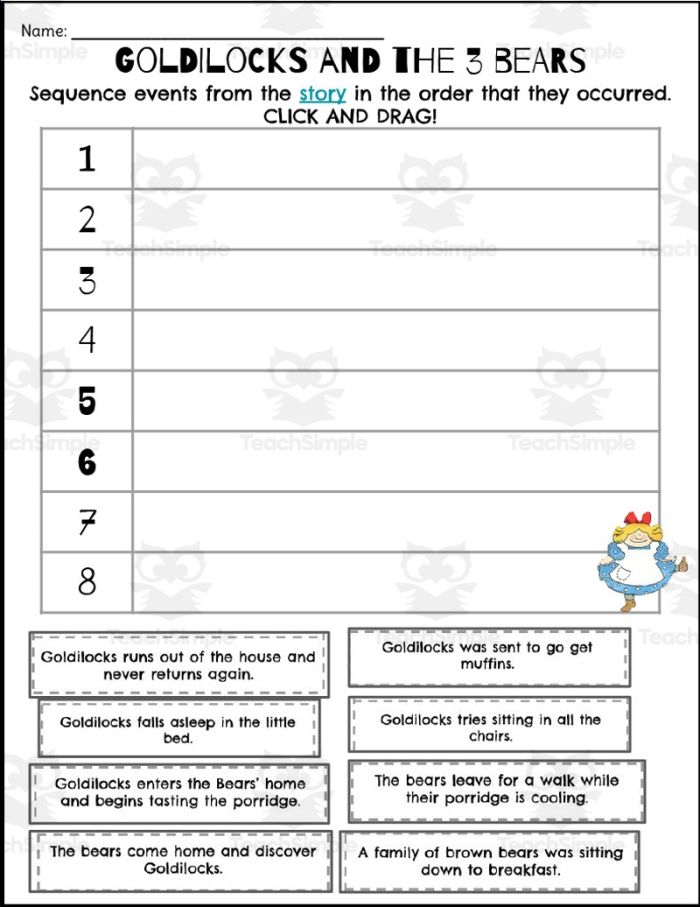
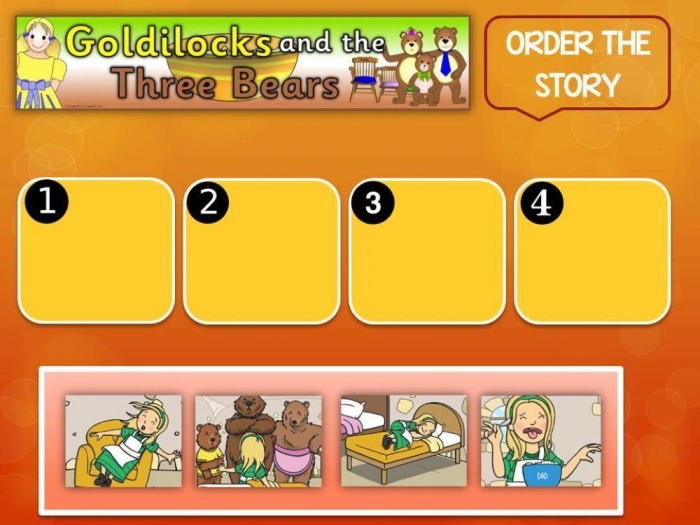
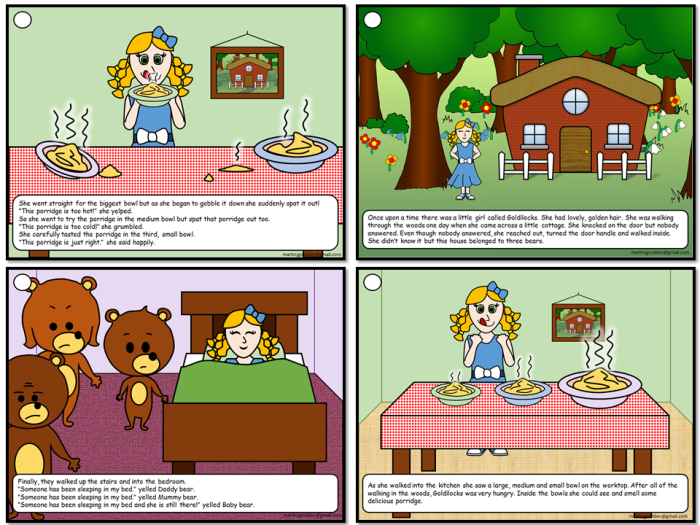
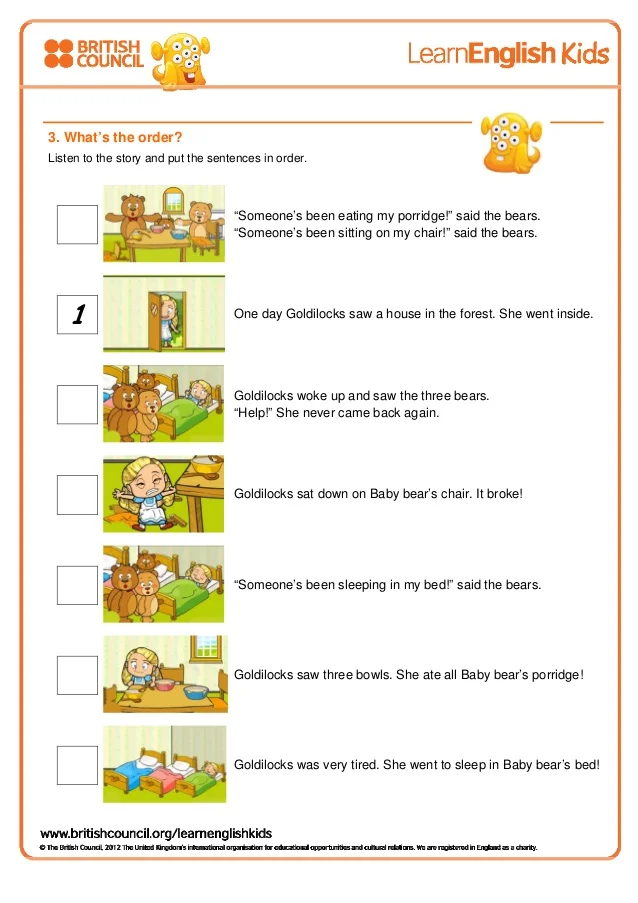
In practice, you can use picture cards showing key moments from the story: Goldilocks entering the house, tasting the porridge, breaking the chair, sleeping in the bed, and waking to find the bears. Ask students to arrange these cards in the order the events occurred. This hands-on approach works particularly well for Pre-K learners who benefit from tactile, visual activities.
Sequencing also connects to community and culture by helping children understand shared stories and traditions. Goldilocks exists across many cultures with similar narrative patterns, making it an accessible entry point for discussing how different communities tell stories. When students can sequence a story accurately, they’re participating in a cultural tradition of storytelling that spans generations.
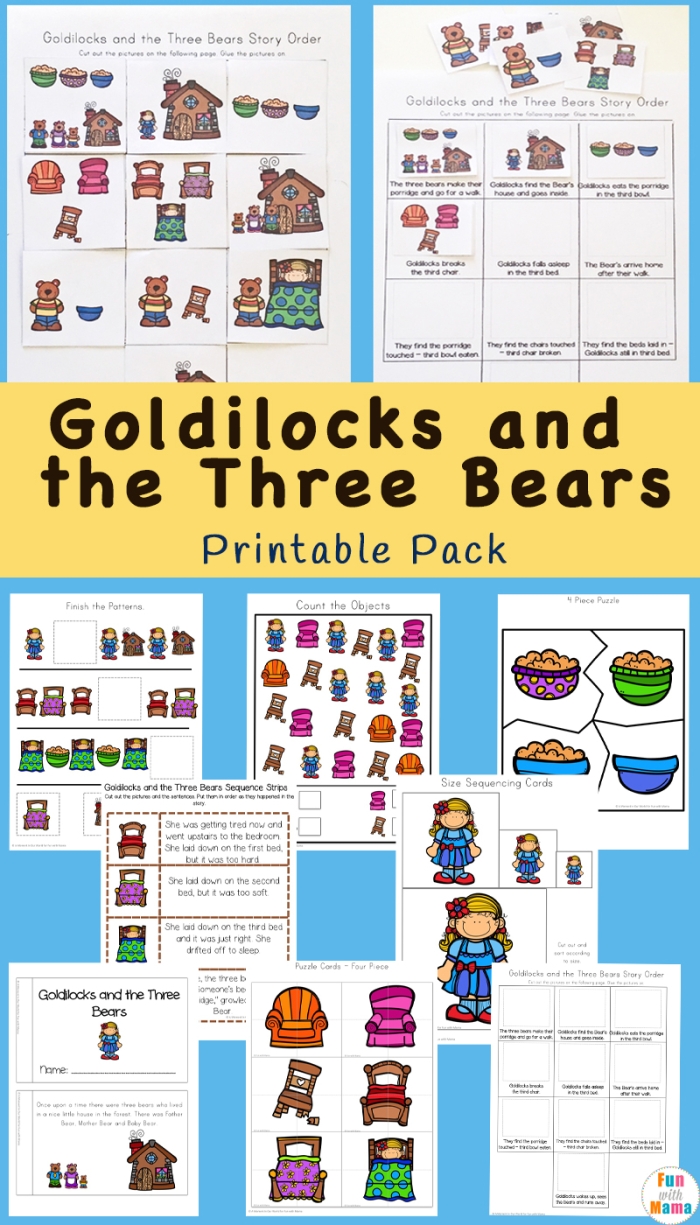
For additional practice with ordering and structure, you might explore how students develop narrative voice as they grow, or use printable sequence worksheets that reinforce these early skills. Starting with classic tales ensures children build strong foundational understanding before tackling more complex narratives.
Printable Worksheets for Practice