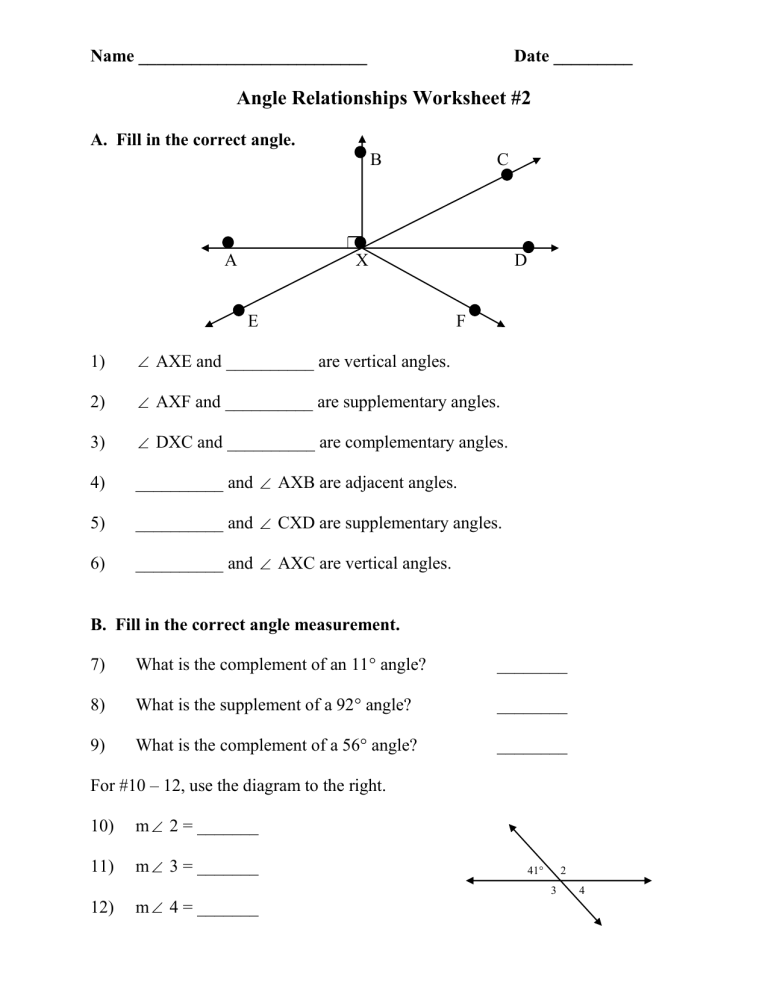
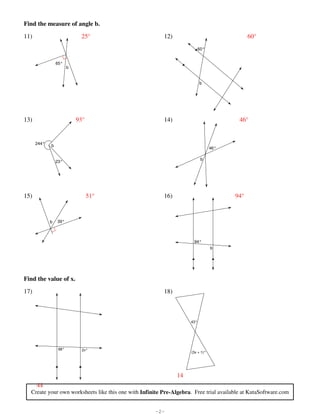
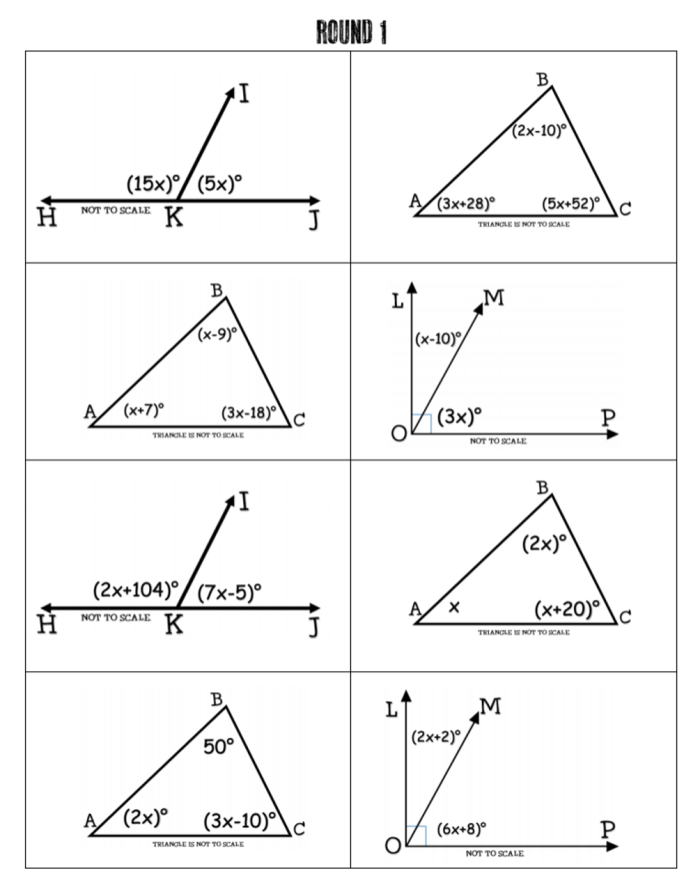
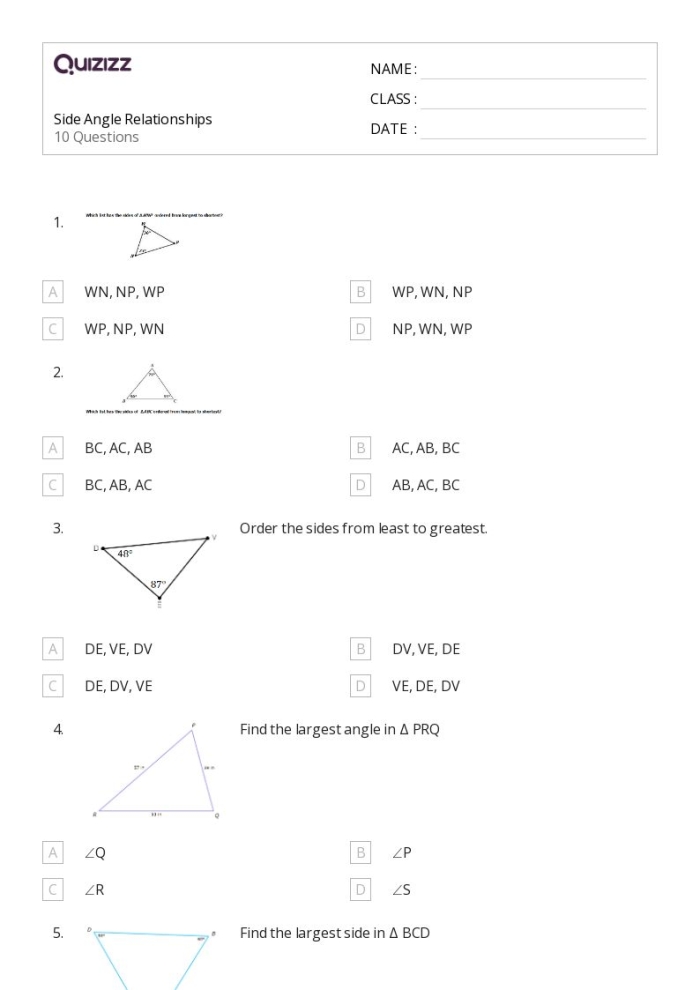
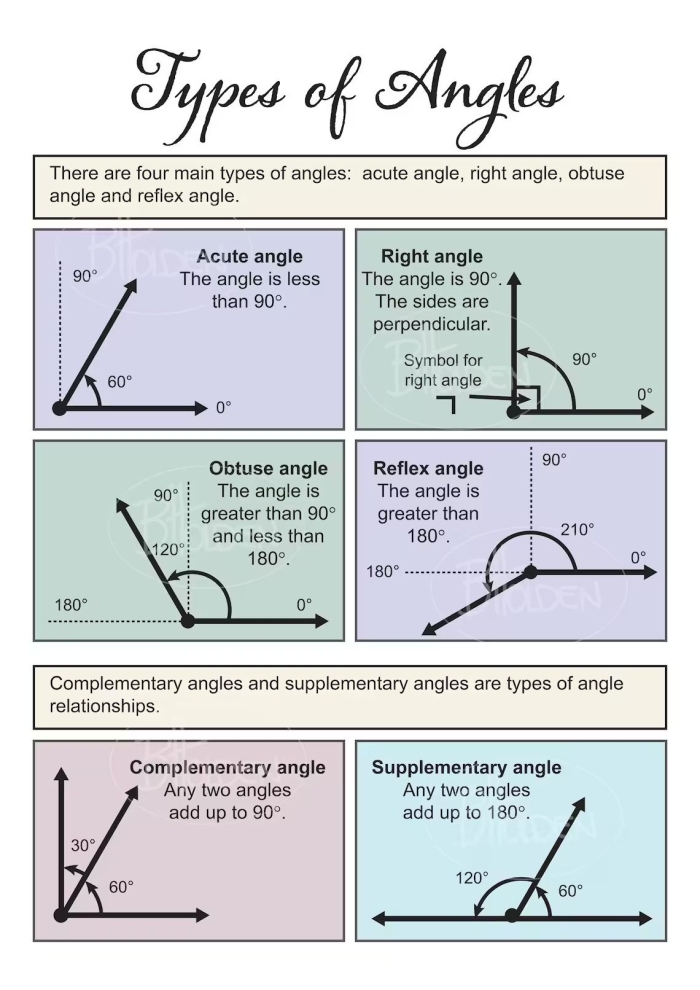
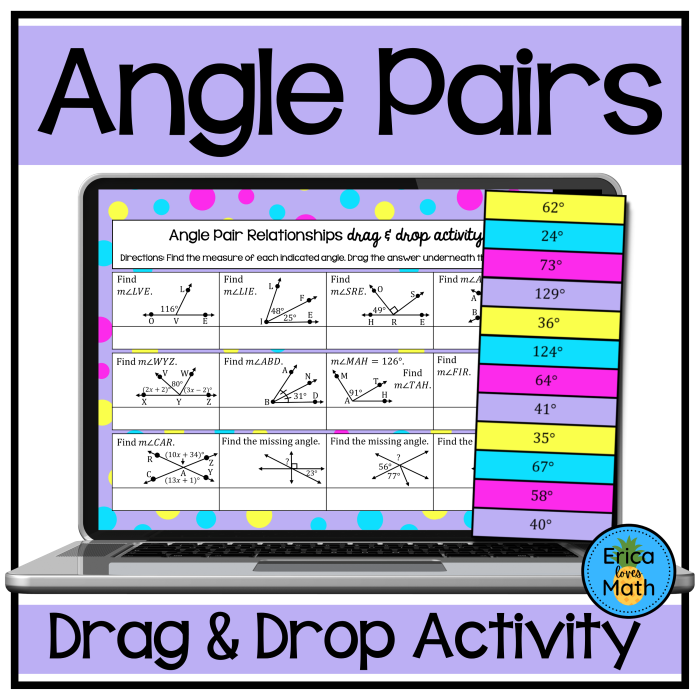
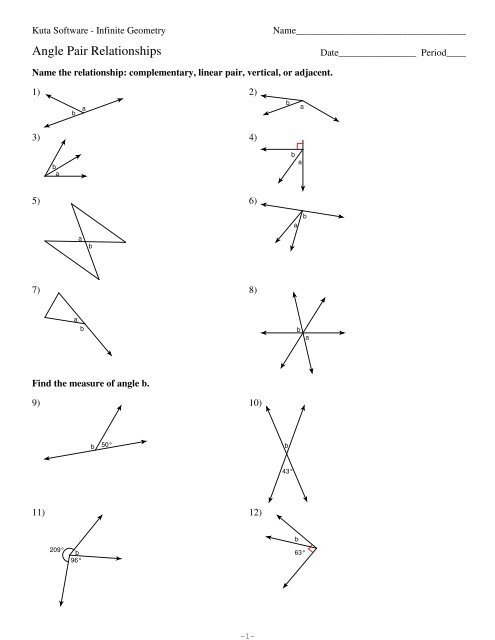
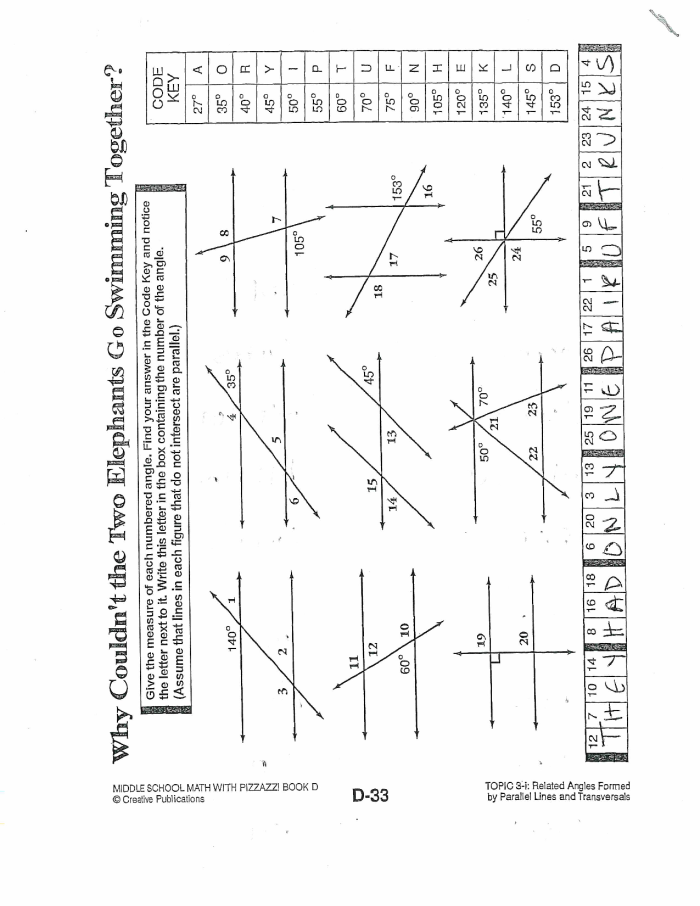
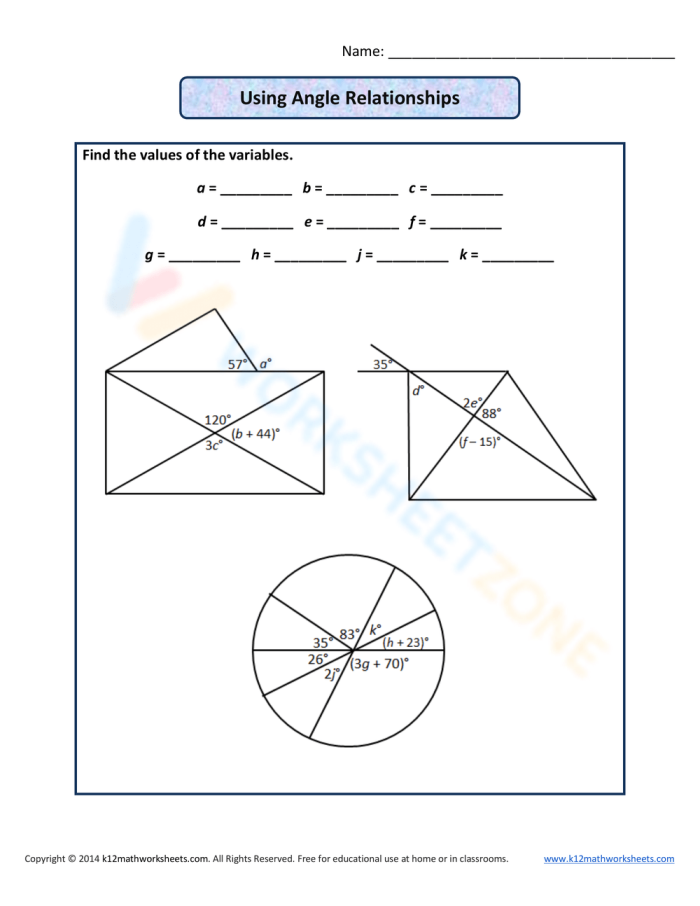
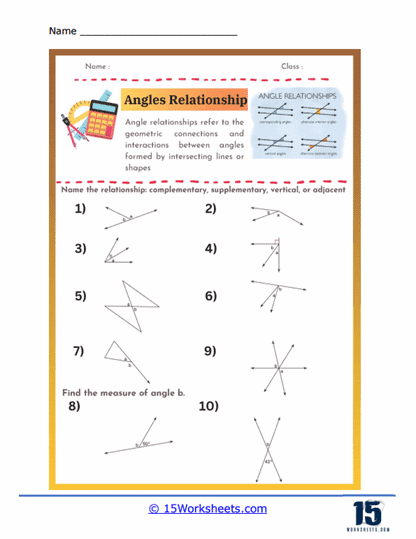
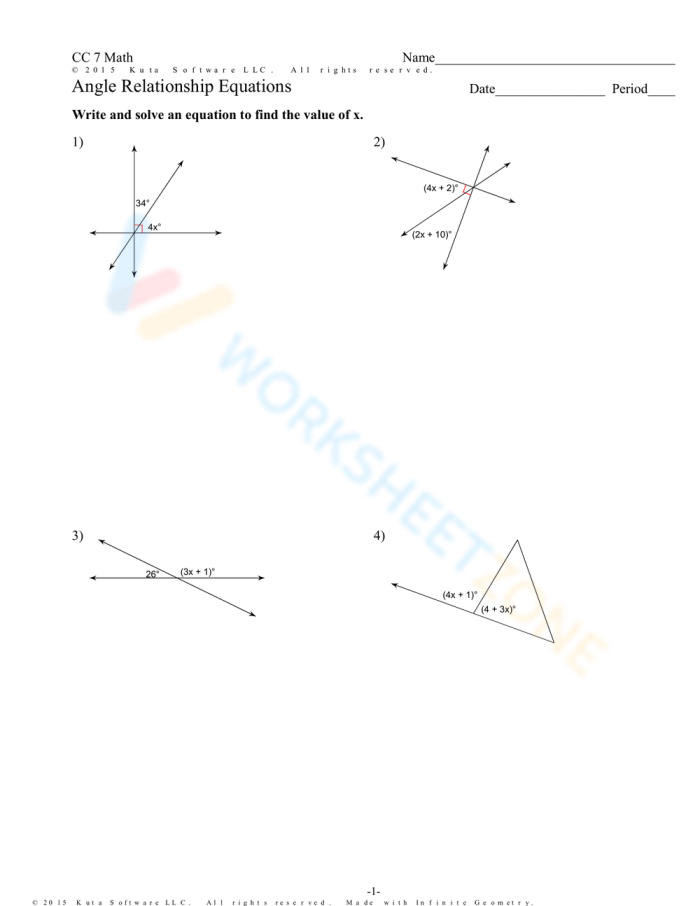
Seventh grade geometry students often struggle to visualize how angles relate to one another, especially when lines intersect or when parallel lines meet a transversal. A single well-designed handout can transform this confusion into clarity. Rather than asking students to memorize angle relationships through repetition, a focused reference sheet lets them develop understanding by working through problems with the right information at their fingertips.
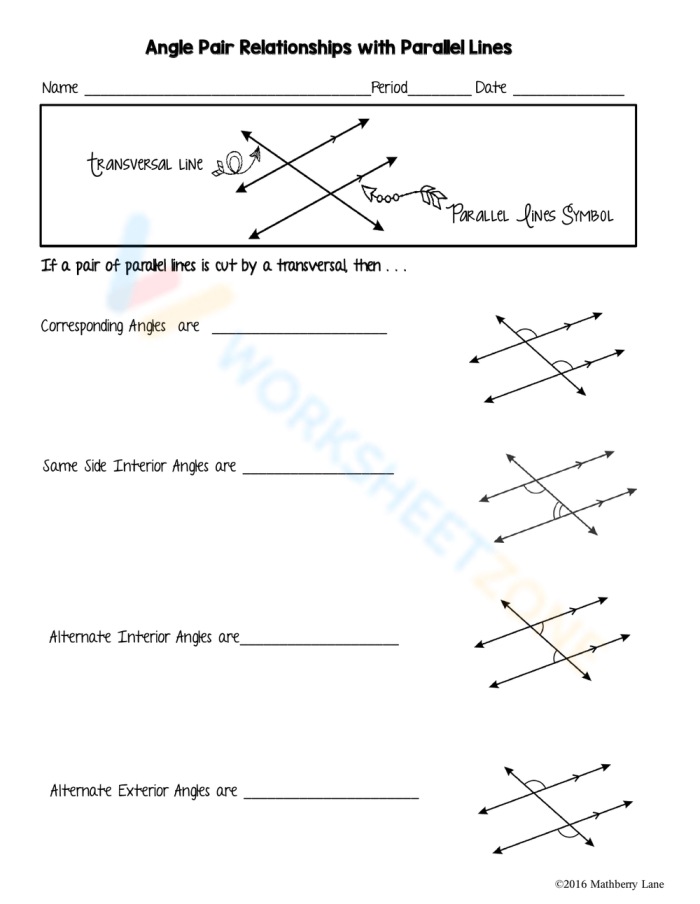
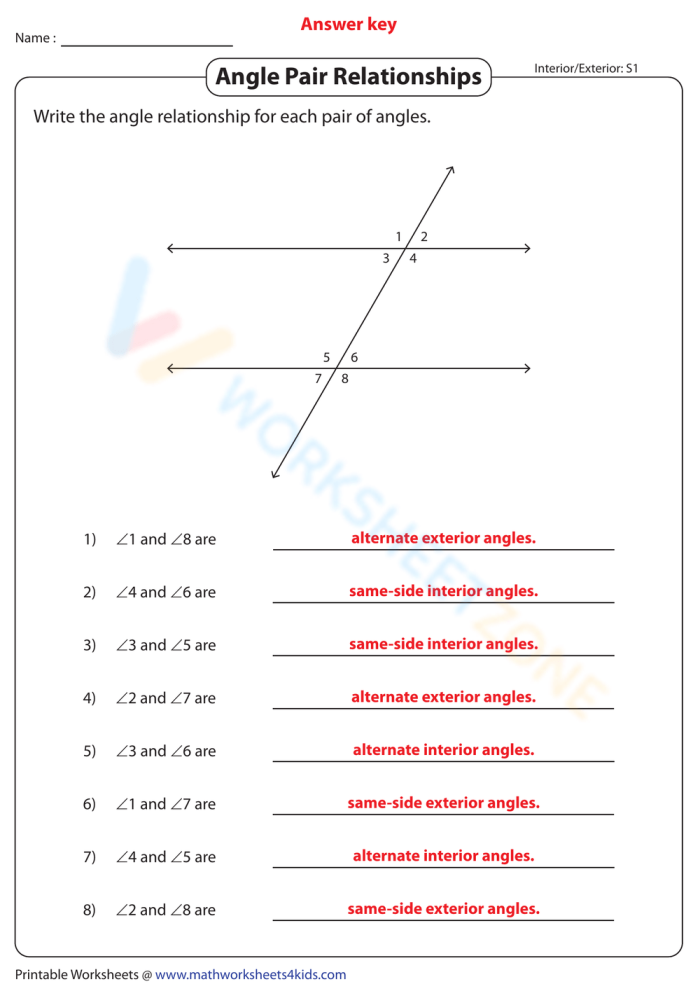
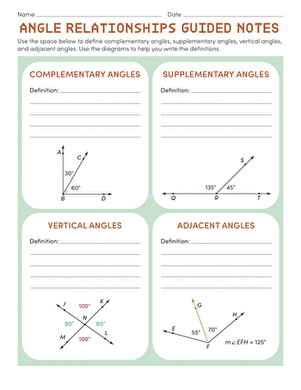
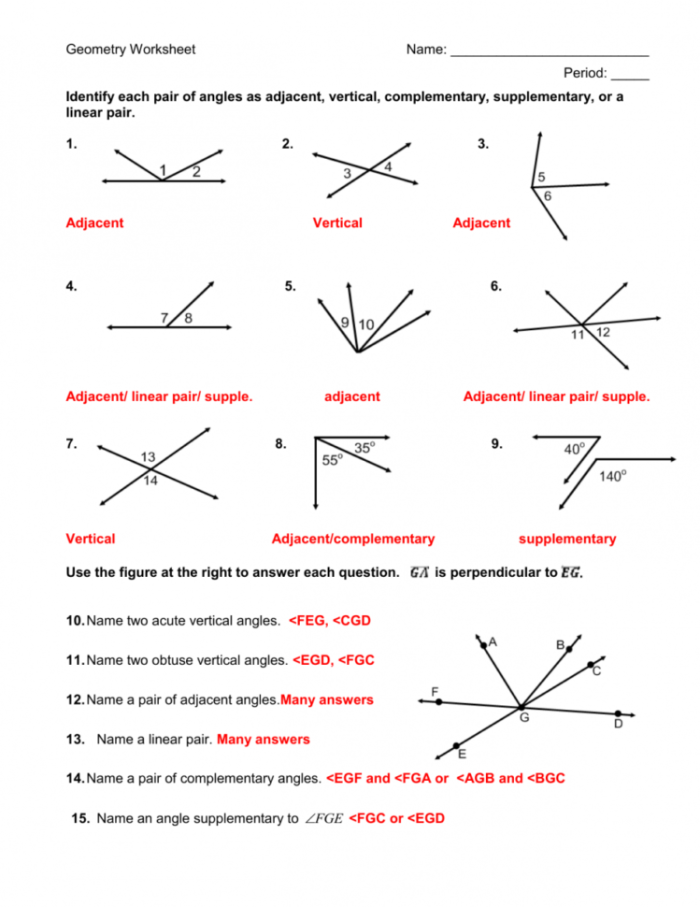
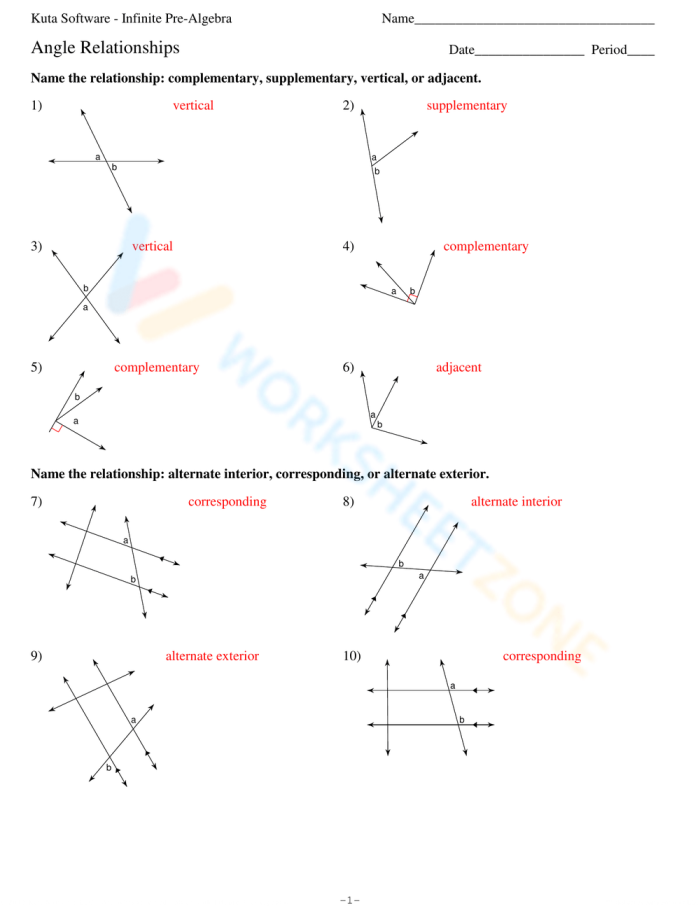
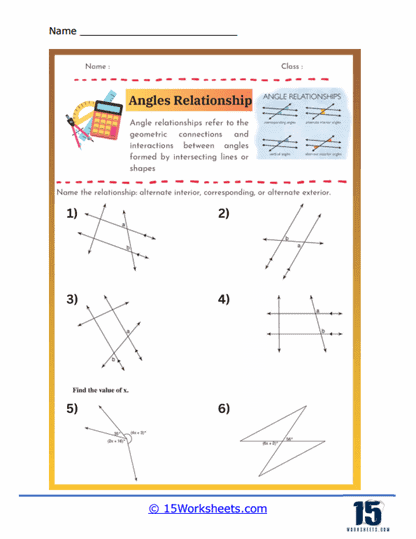
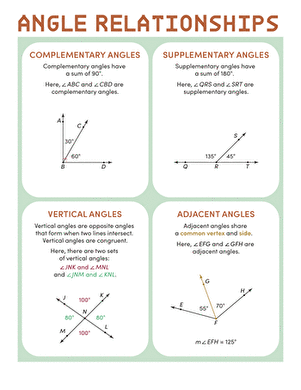
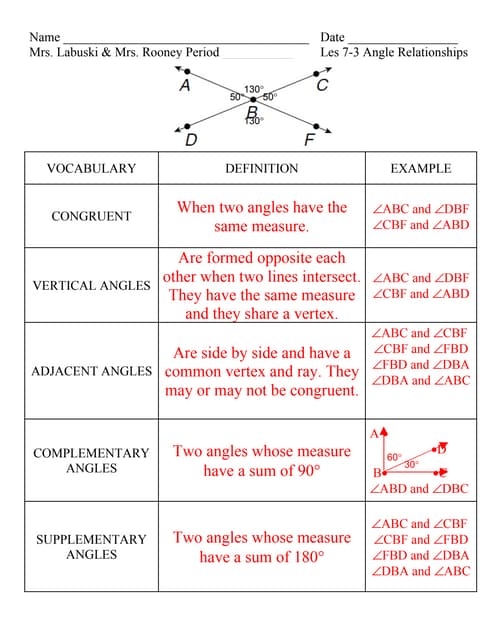
The power of a one-page geometry handout lies in its simplicity. When students have a visual guide showing corresponding angles, alternate interior angles, and vertical angles all in one place, they can reference it while solving problems without feeling lost. They see the actual angle pairs highlighted in diagrams, which connects the abstract concept to something concrete they can point to and understand.
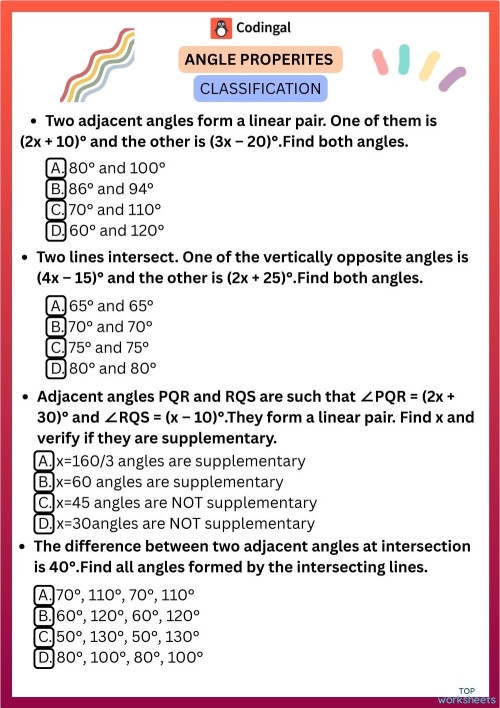
What makes this approach effective is that students learn to apply relationships rather than just recognize them. When working through a geometry problem, a seventh grader can check the handout to confirm whether two angles are actually vertical angles or if they’re co-interior angles instead. This builds confidence because they’re not guessing, they’re verifying.
In a community and culture context, this type of resource reflects how learning works best when barriers are removed. Students from different backgrounds and learning styles benefit from having information presented clearly and accessibly. A printable reference sheet respects that different students need different supports.
The practical benefit is immediate. Teachers can distribute the same handout to an entire class, reducing the need for repeated explanations. Students can keep it in their notebooks or folders for future reference. When a student encounters angle relationships in later geometry units, they already have a foundation.
For educators looking to streamline their geometry instruction, printable angle relationships handout worksheets provide exactly this kind of focused, practical support that helps students move from confusion to competence.
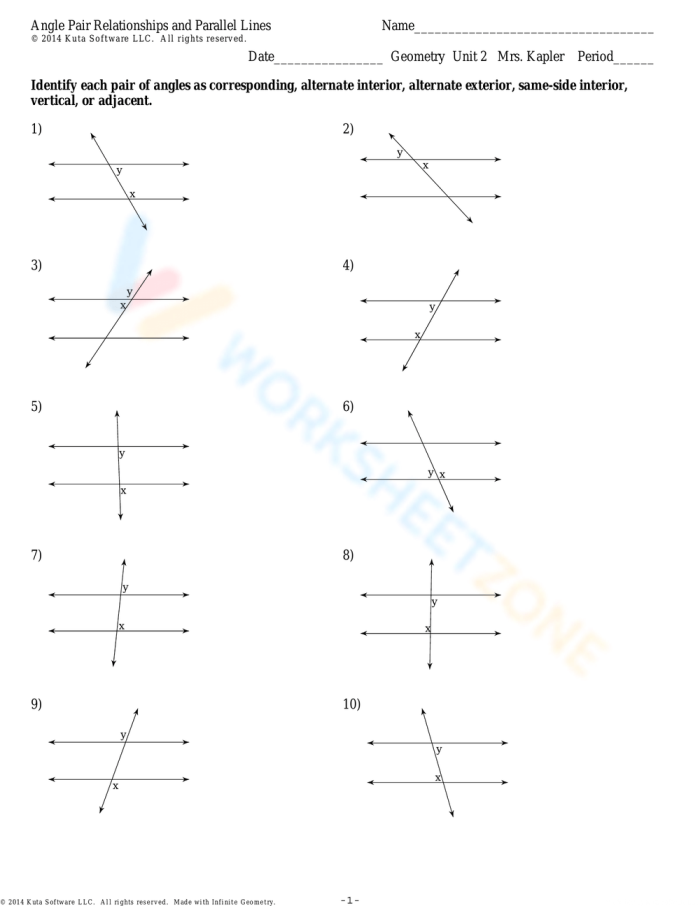
Worksheet Practice Section