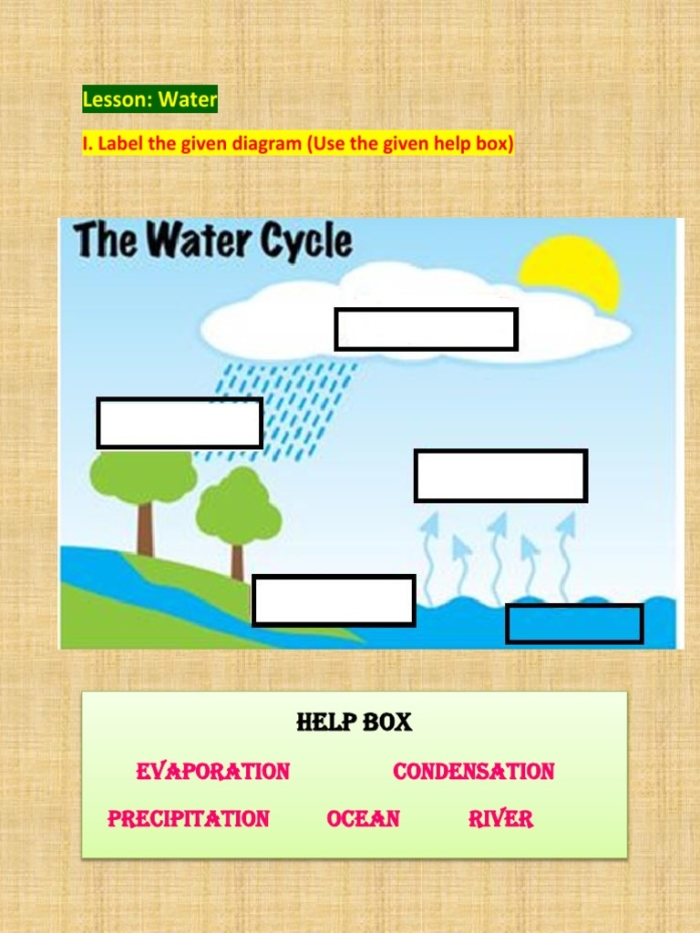
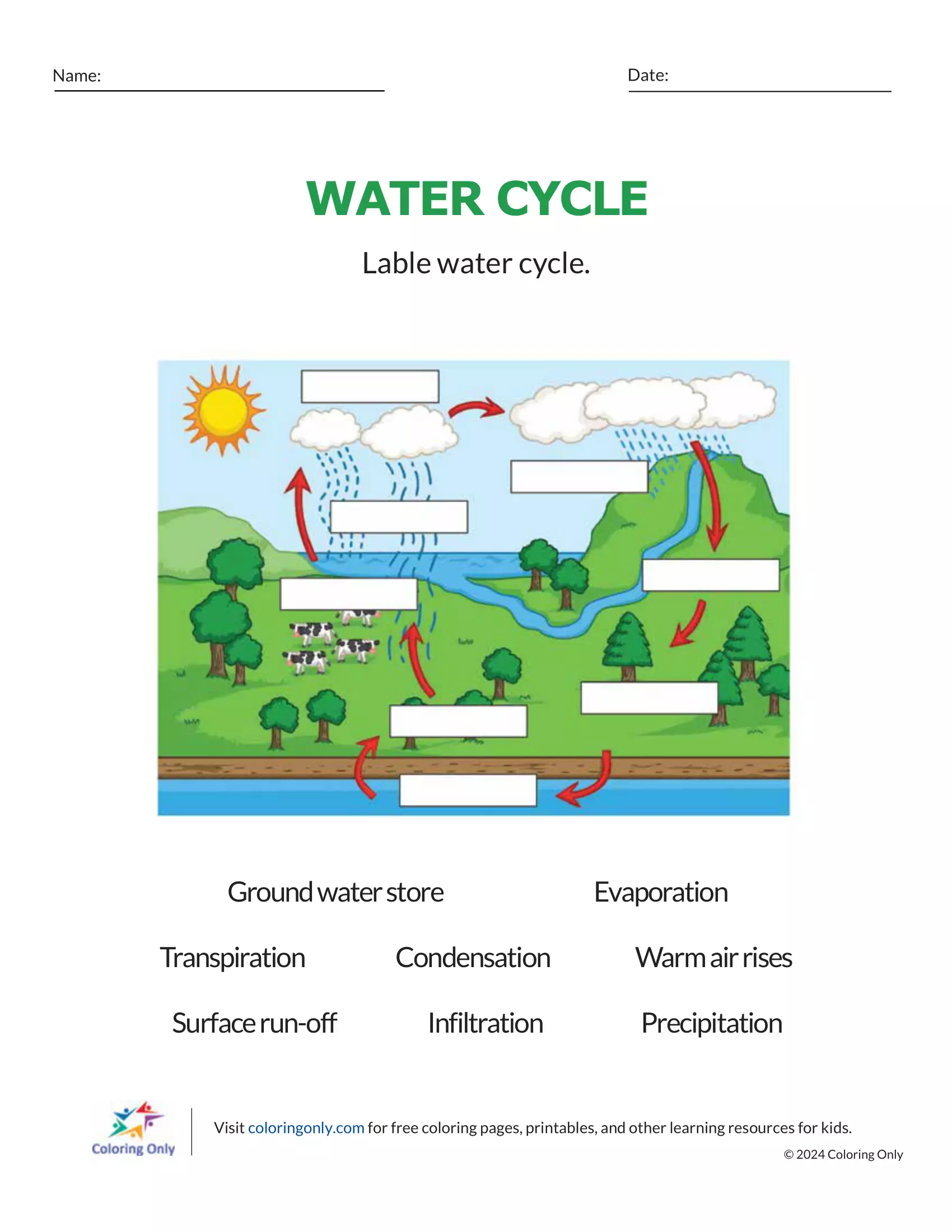
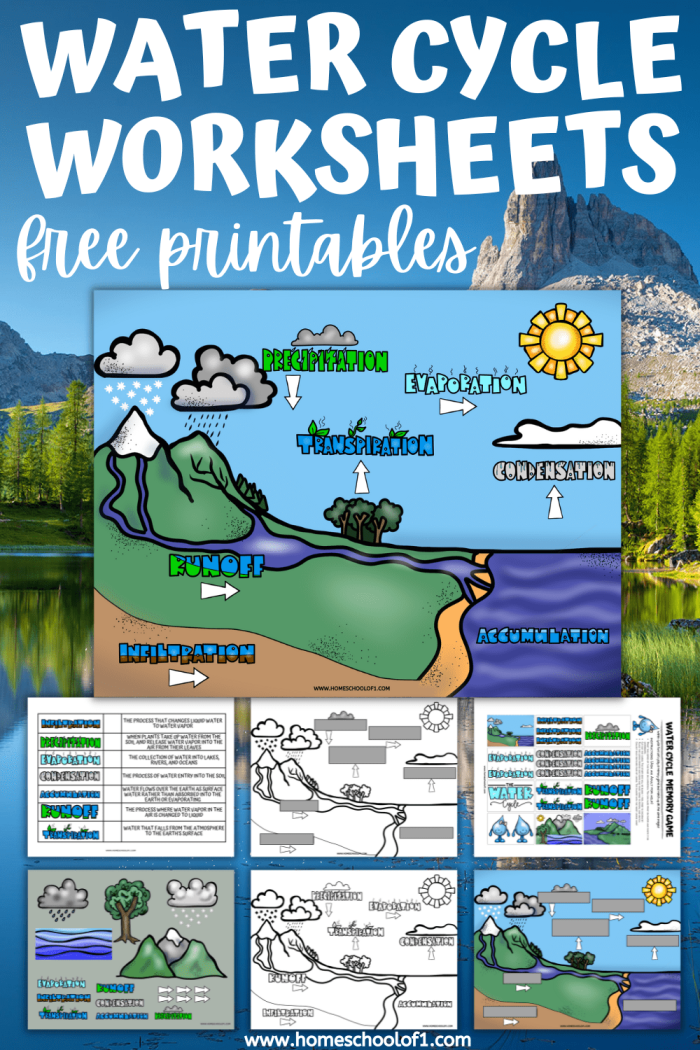
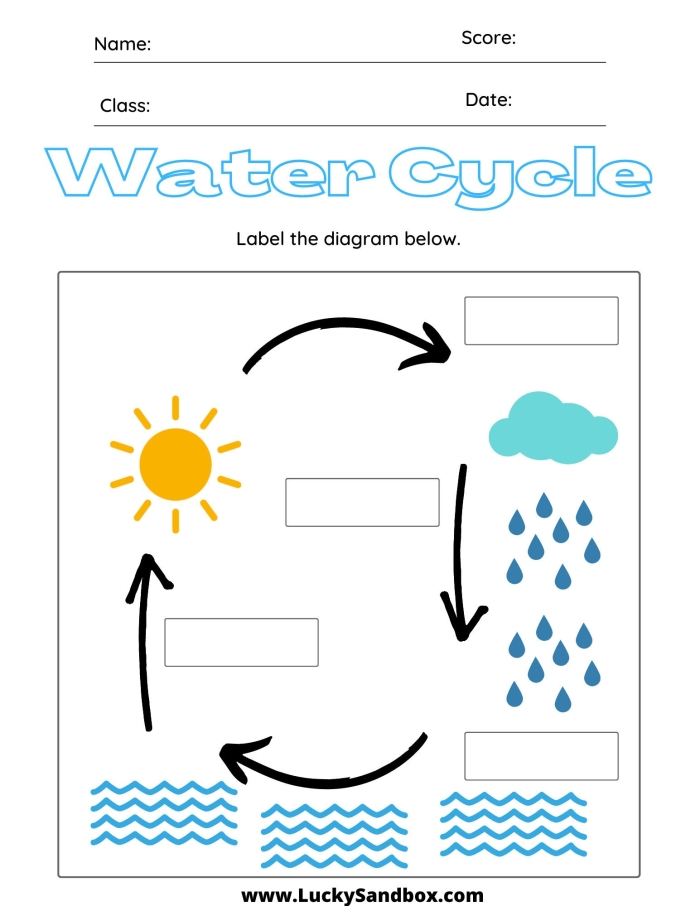
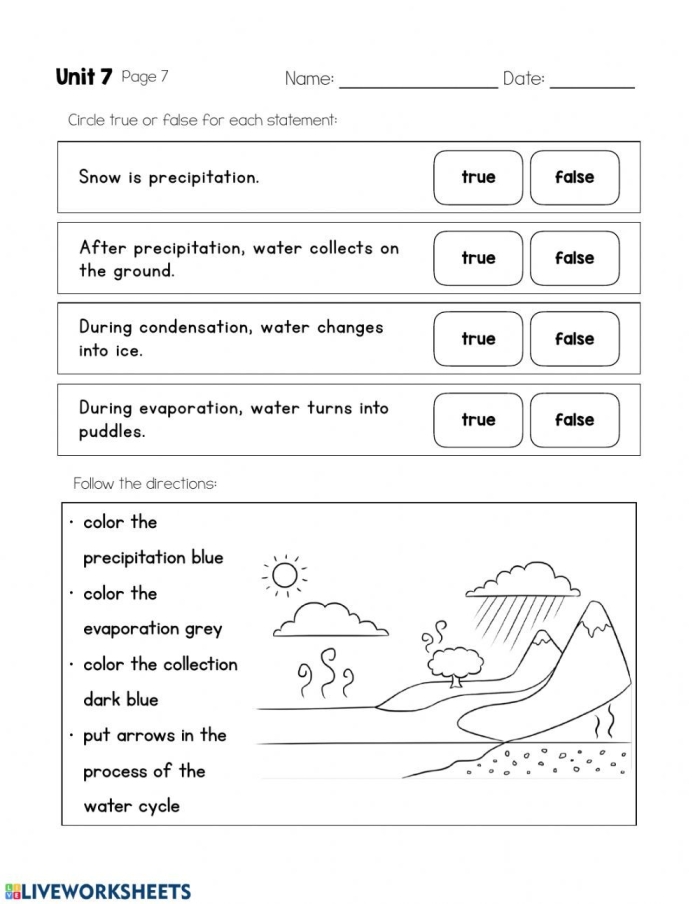
The water covering Earth right now is the exact same water that dinosaurs drank millions of years ago. Not a single drop of new water has been created on our planet in that entire time. Instead, water continuously moves through a process called the water cycle, where it evaporates, condenses, and falls as precipitation before the whole journey starts again.
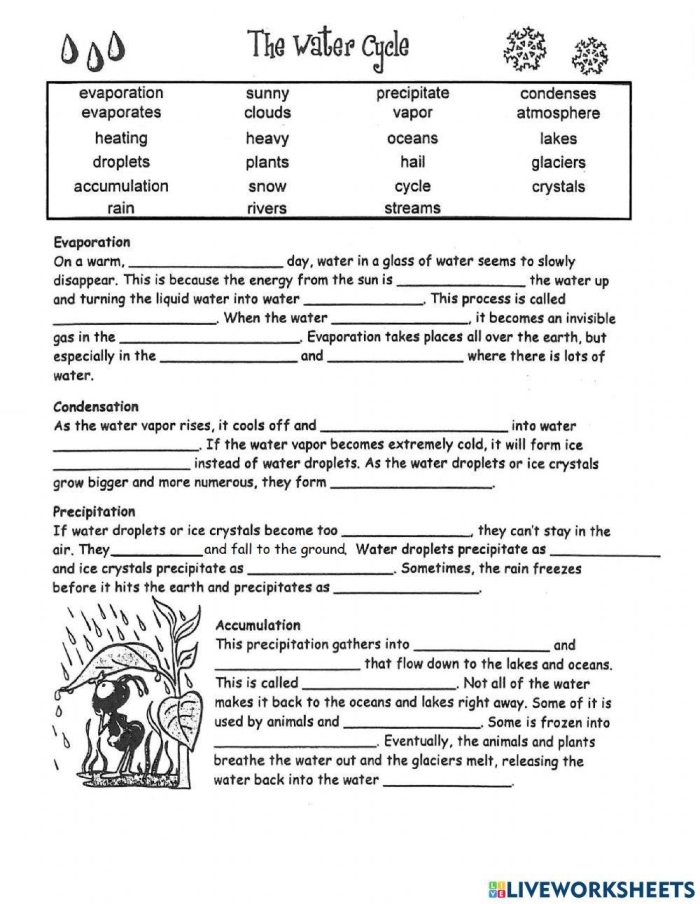
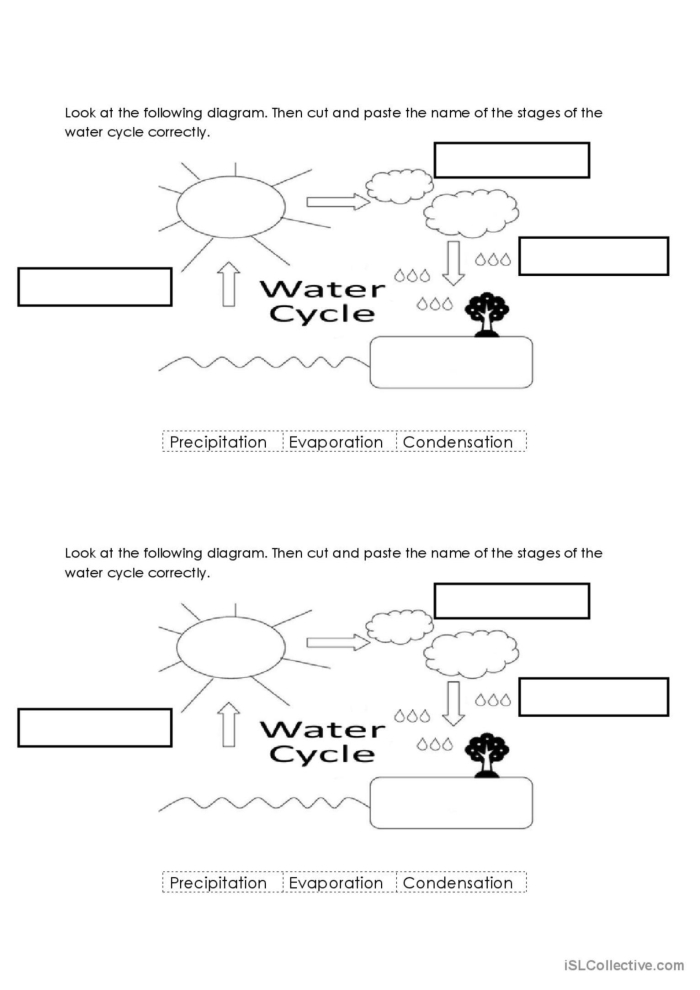
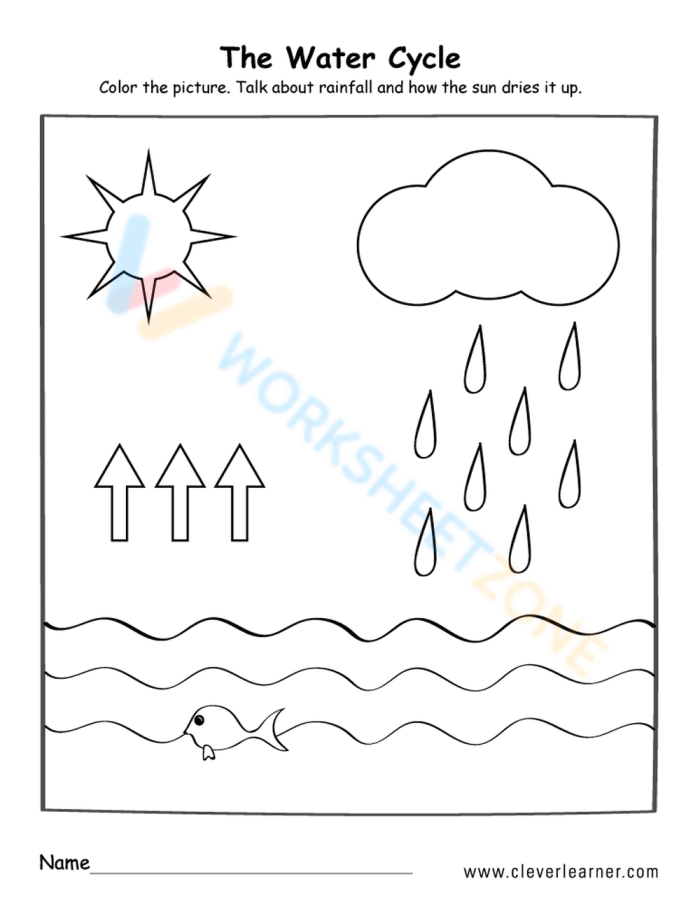
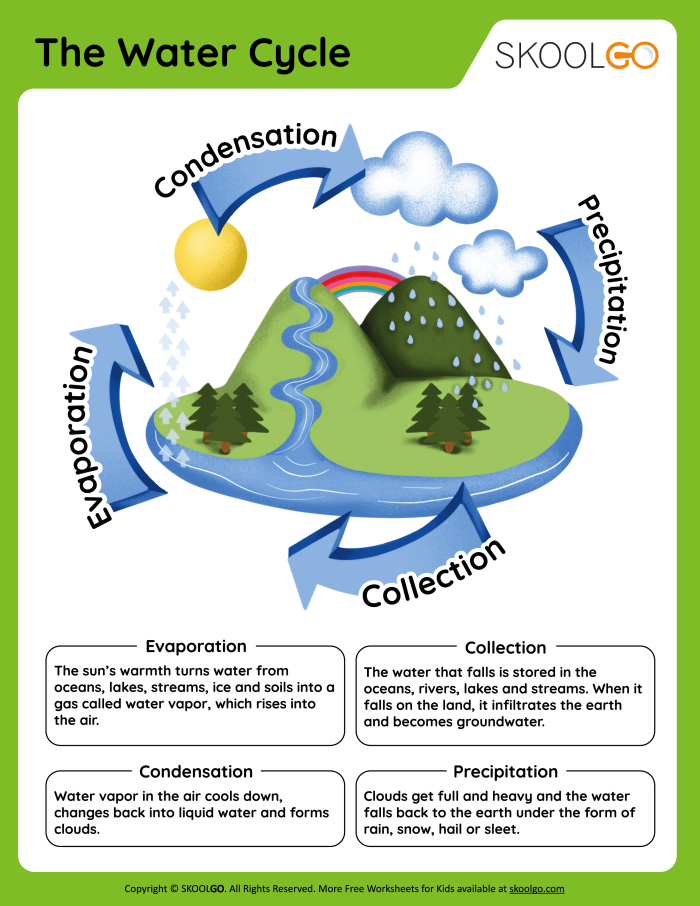
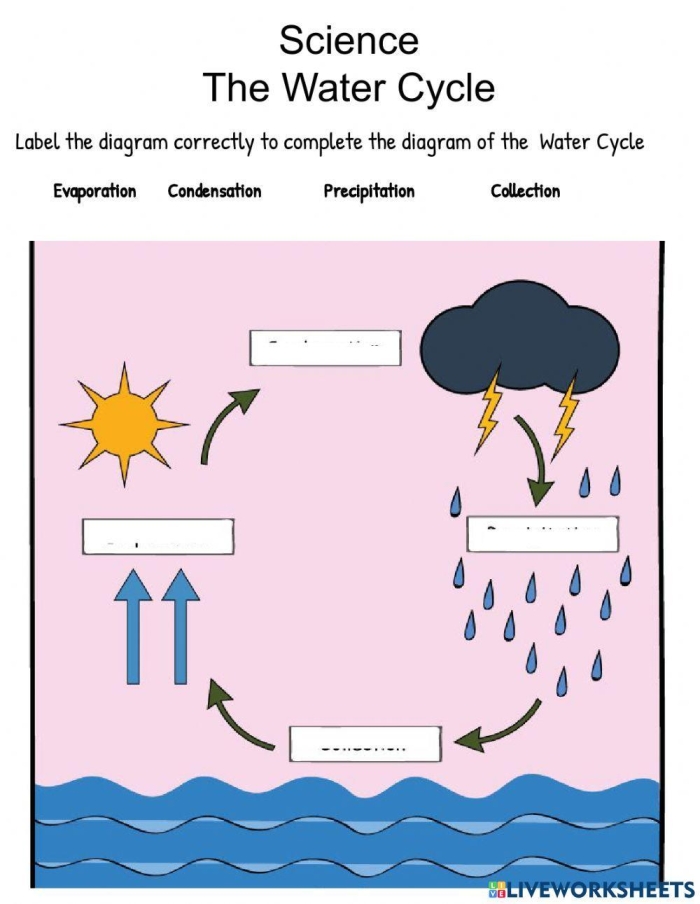
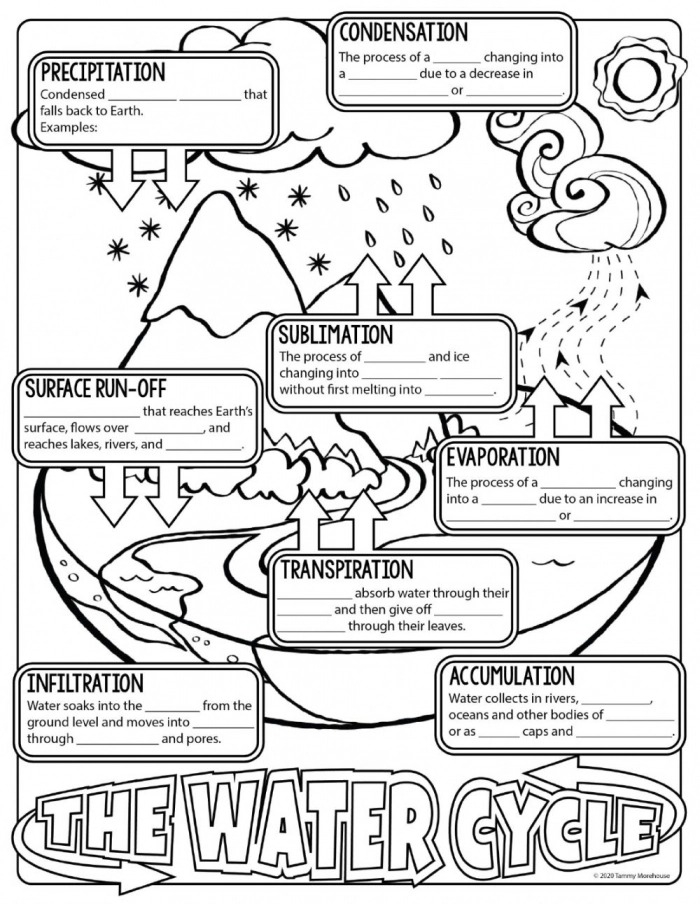
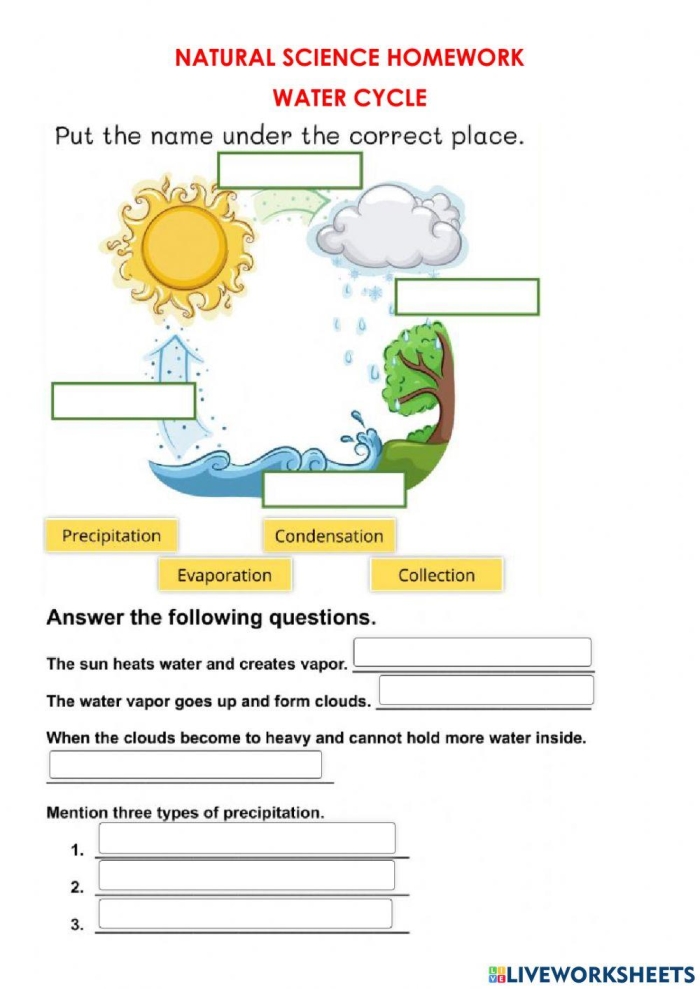
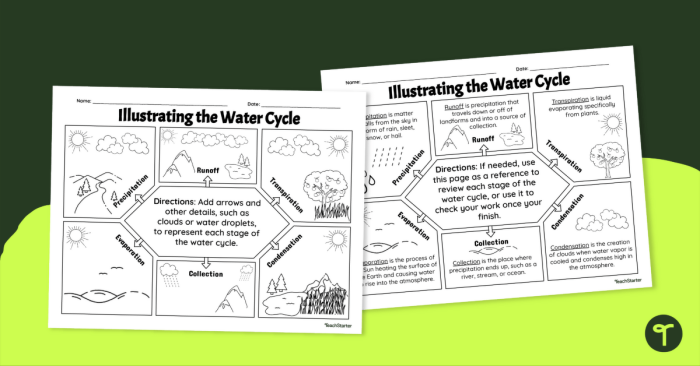
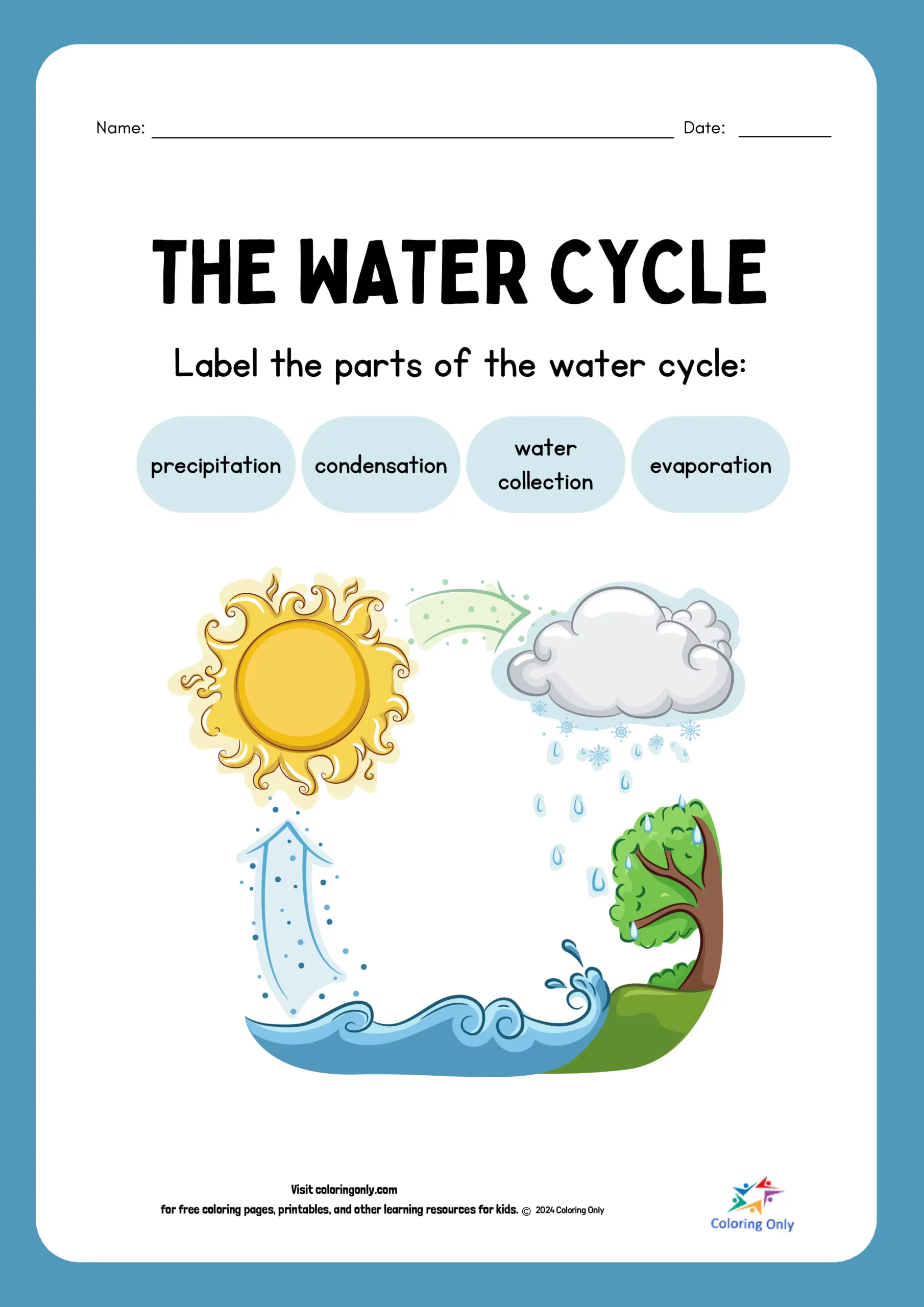
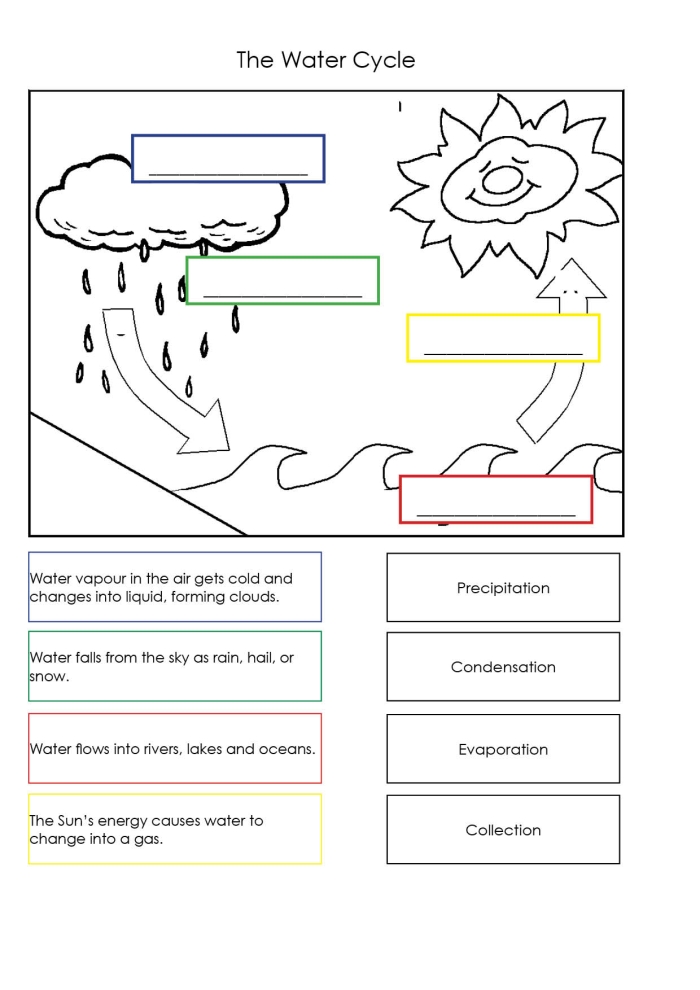
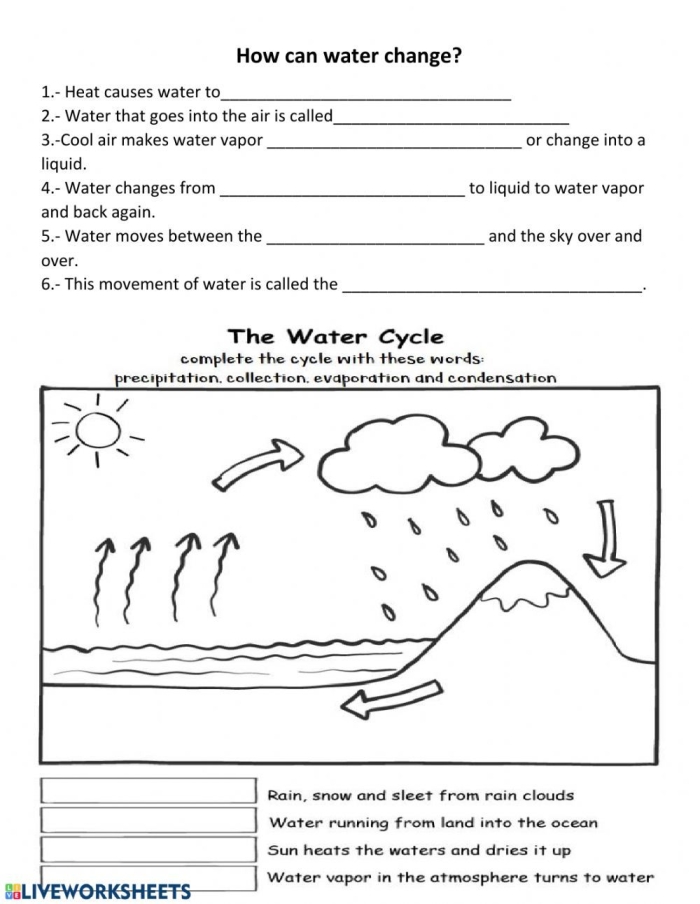
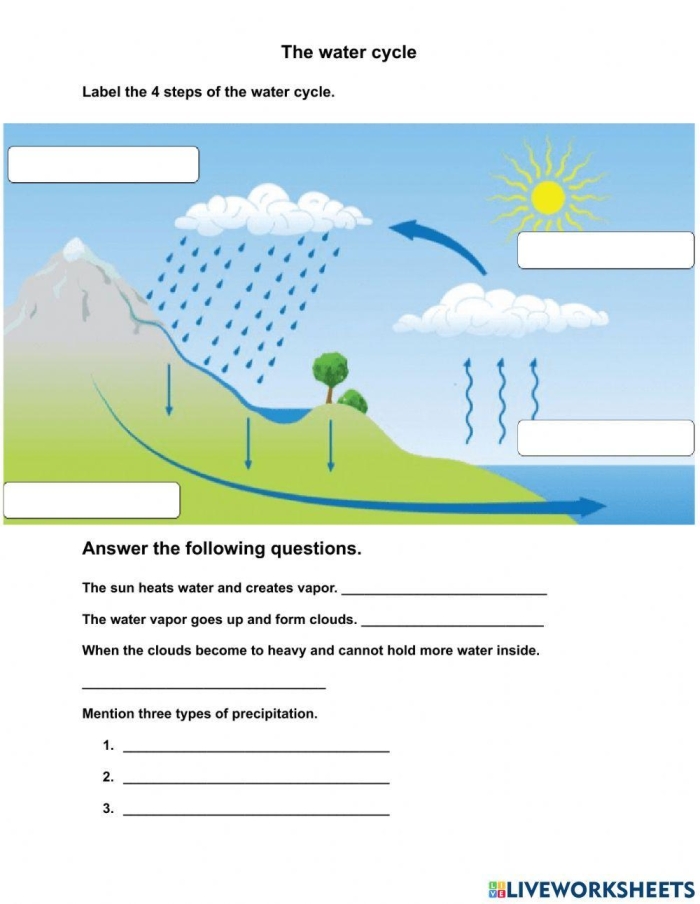
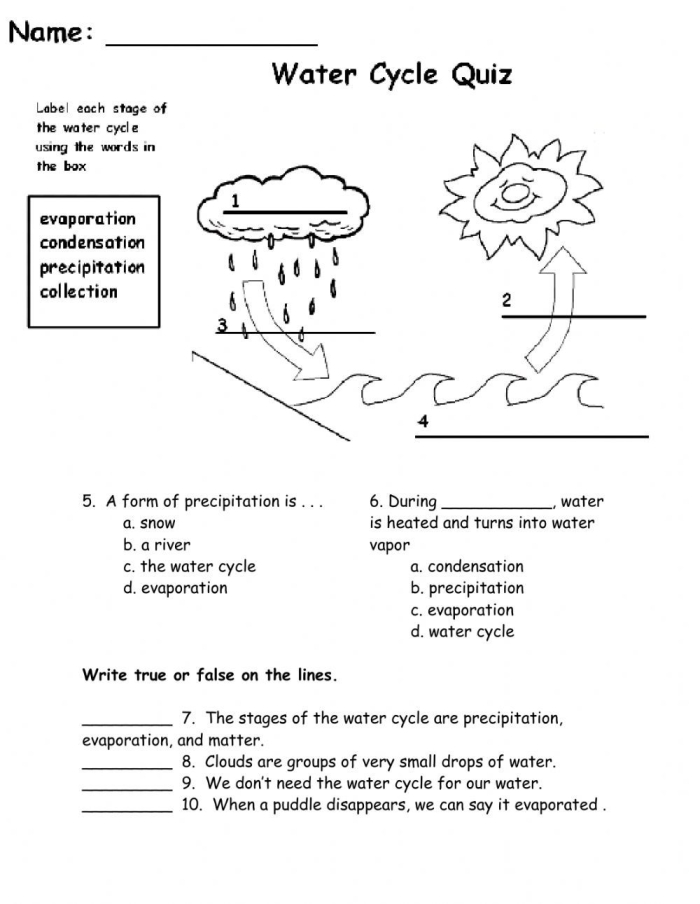
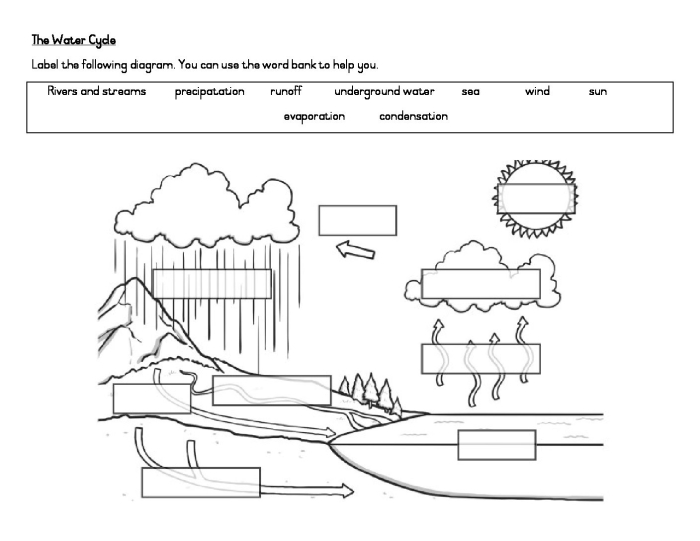
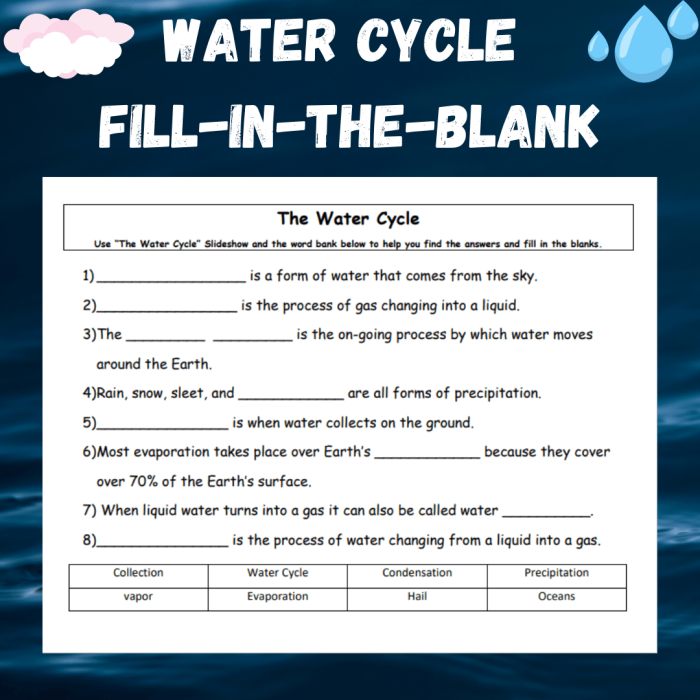
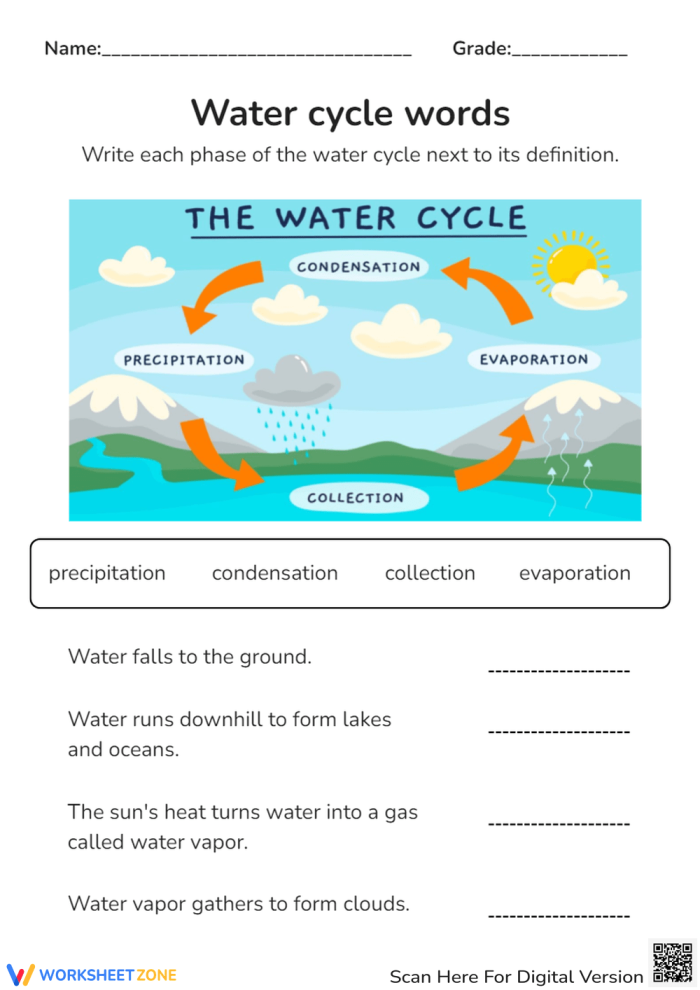
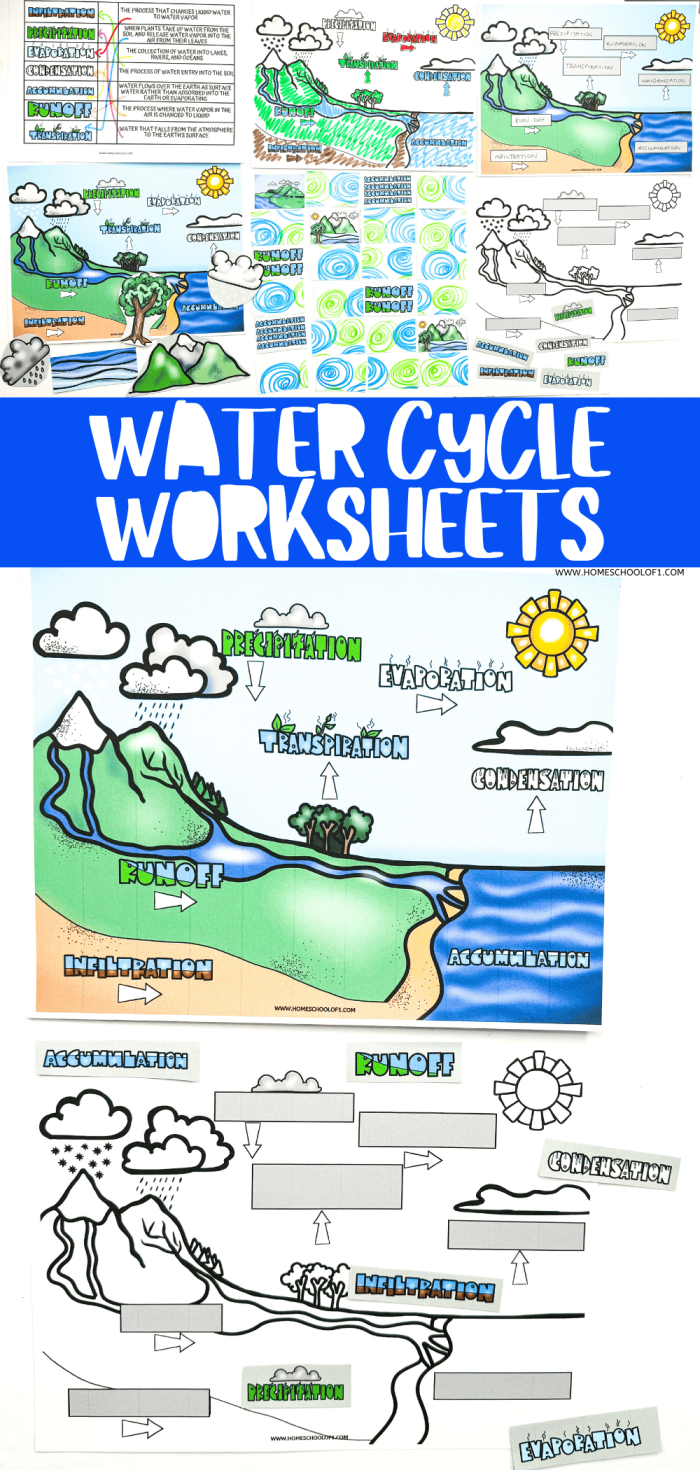
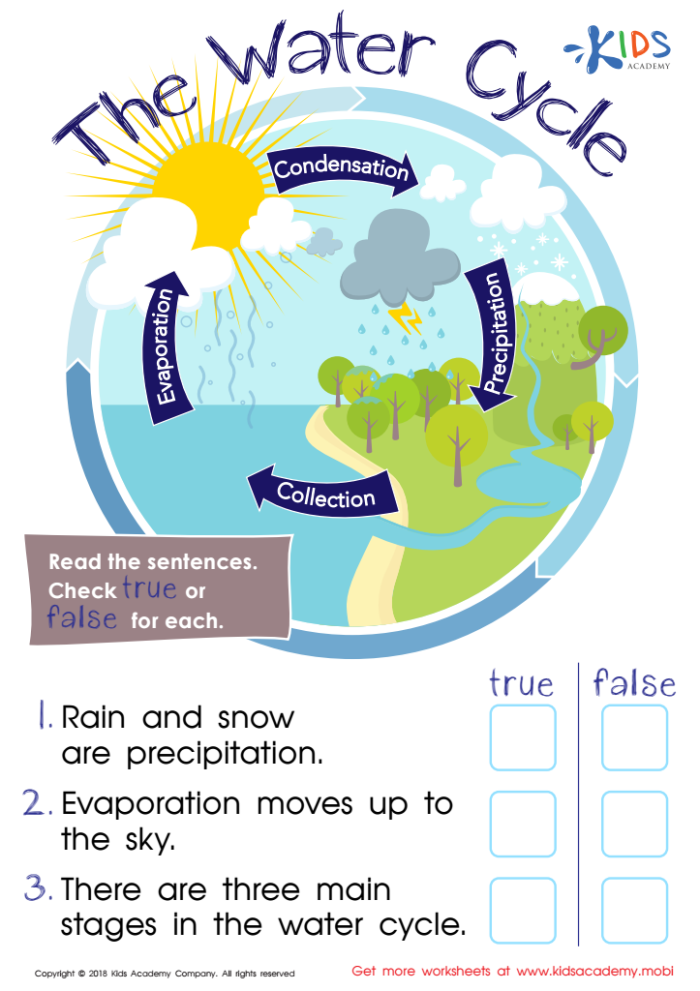
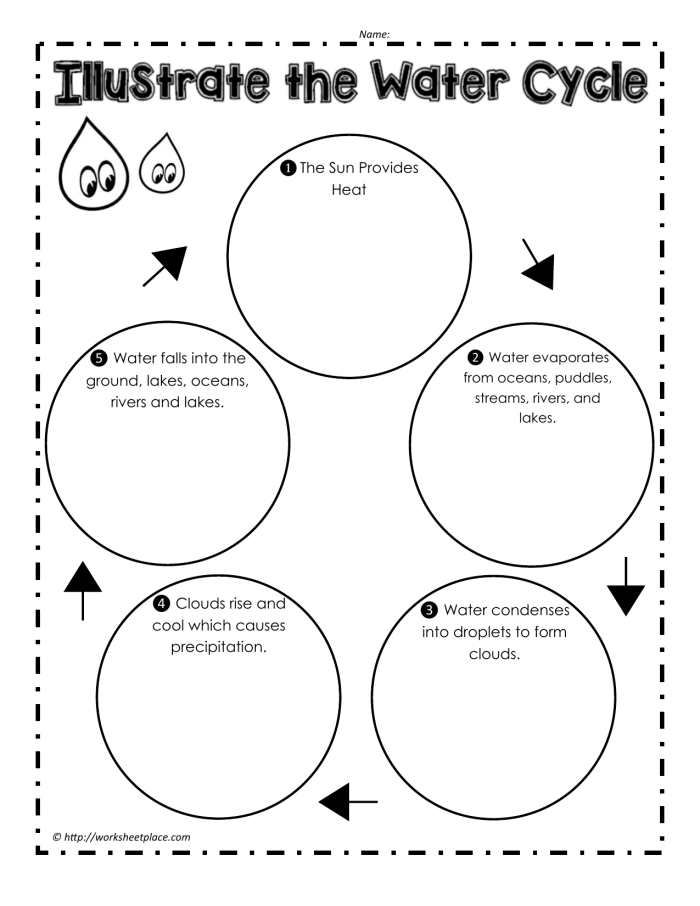
Understanding how water moves through this cycle helps explain why we never run out of fresh water, even though it might seem like we should. When the sun heats water in oceans, lakes, and rivers, that water transforms into an invisible gas called water vapor and rises into the atmosphere. As this vapor climbs higher where the air is cooler, it condenses back into liquid droplets, forming clouds. Eventually, these droplets become heavy enough to fall as rain or snow, returning water to Earth’s surface where it collects in bodies of water or soaks into the ground.
For second grade students learning about fractions and natural processes, the water cycle offers a concrete way to understand how something can be divided and recombined. Teachers often use water cycle fractions worksheets to help young learners grasp both concepts simultaneously. These resources show how water moves through different stages, and students can work with fractions to represent portions of water in each phase.
The cycle never truly stops. Water that falls as rain might flow into a river, travel to the ocean, evaporate under the sun, and become part of a cloud within weeks or years. Some water takes centuries to complete its journey, trapped in ice sheets or deep underground. This constant recycling means the water you drink today has cycled through countless organisms and environments throughout history.
Grab These Worksheets Now