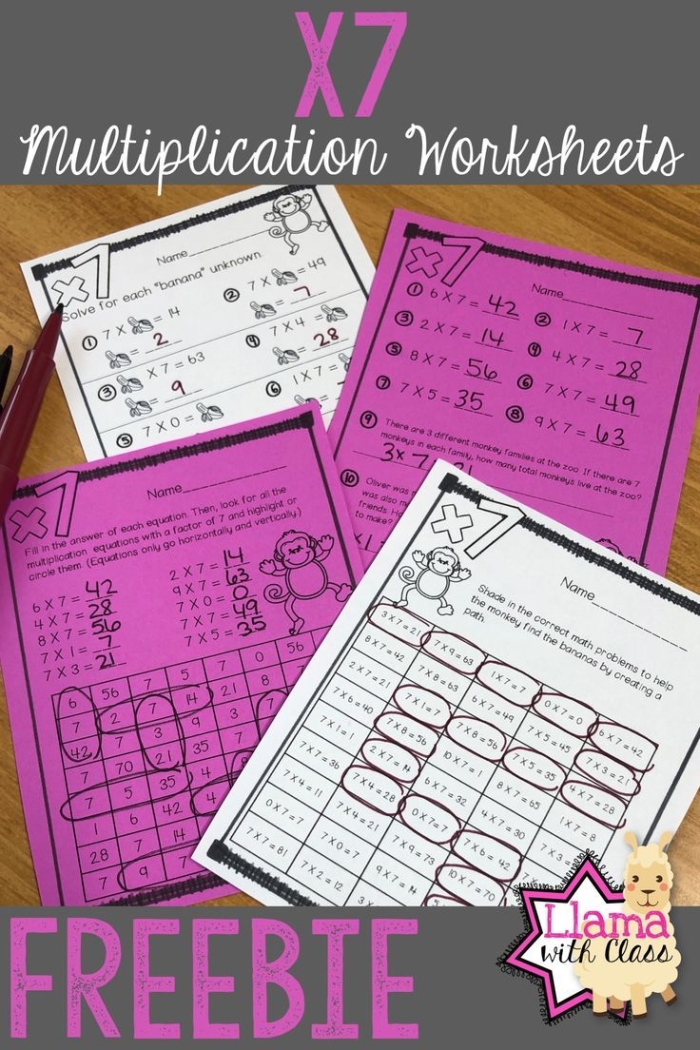
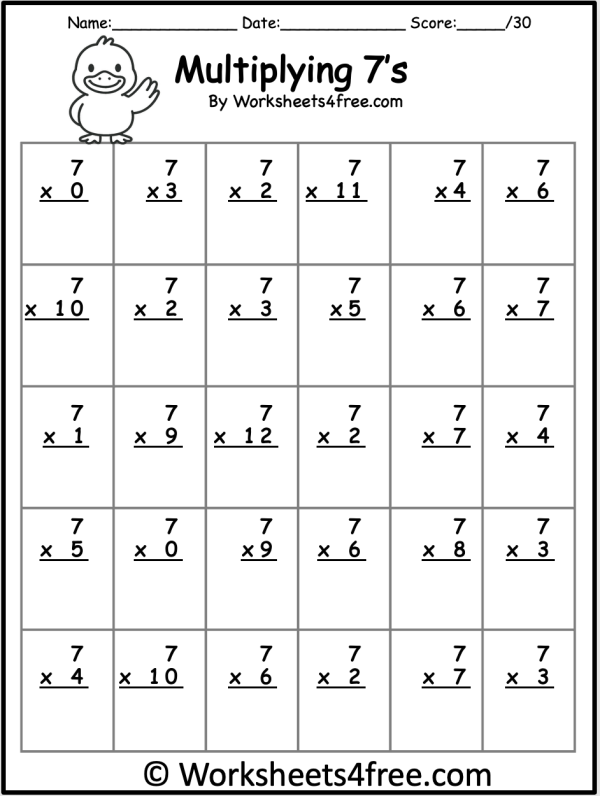
Third graders often hit a turning point when they encounter the number 7 in multiplication. It sits right in the middle of the times tables, not as intuitive as 2 or 5, but not as intimidating as 8 or 9. A solid worksheet focused on multiplying by 7 gives kids the repetition they need to build automaticity with this particular fact family.
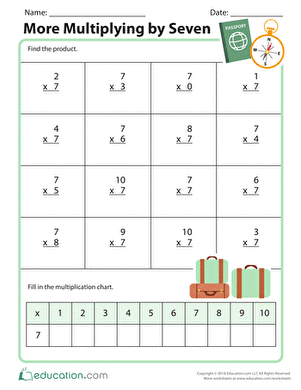
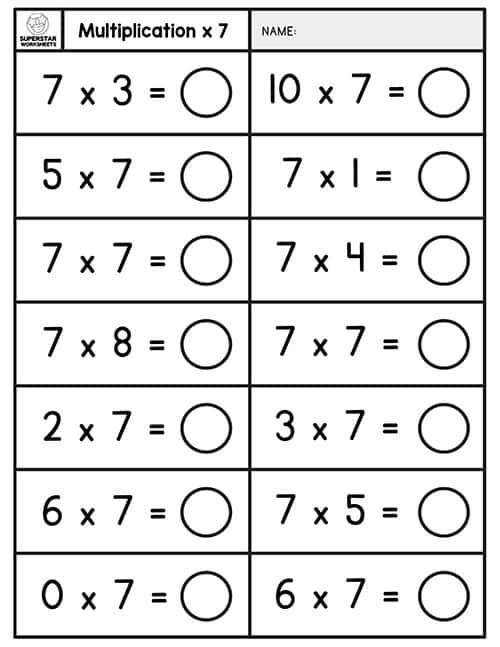
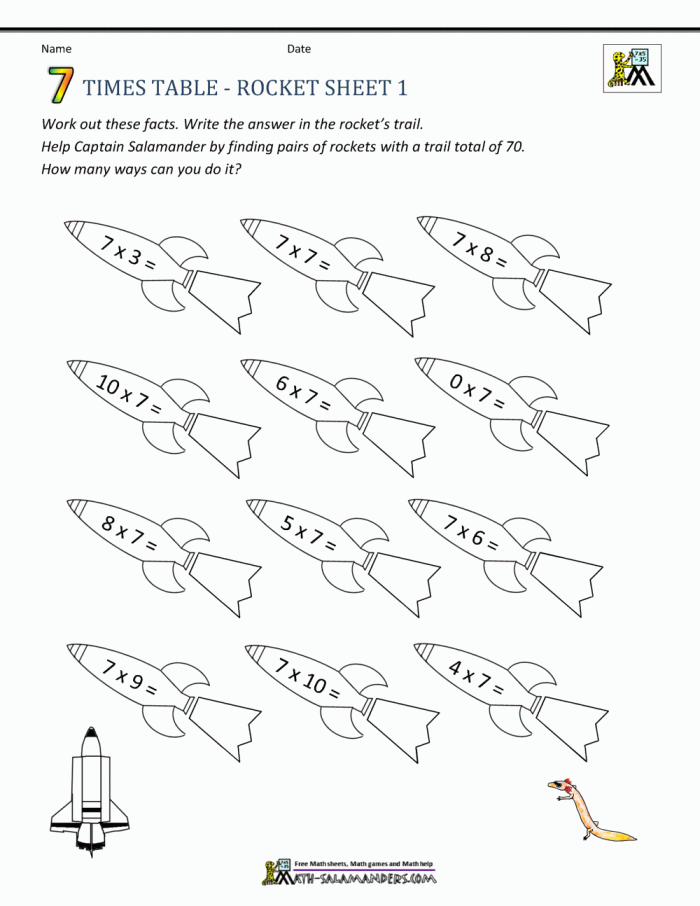
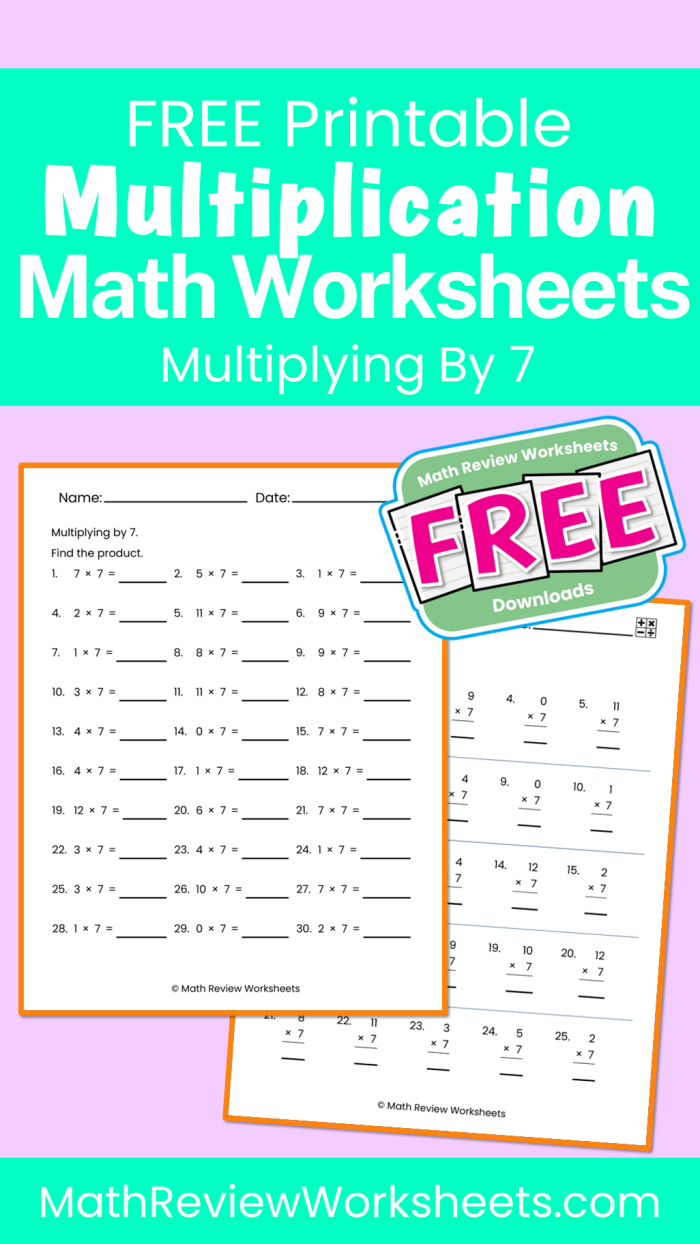
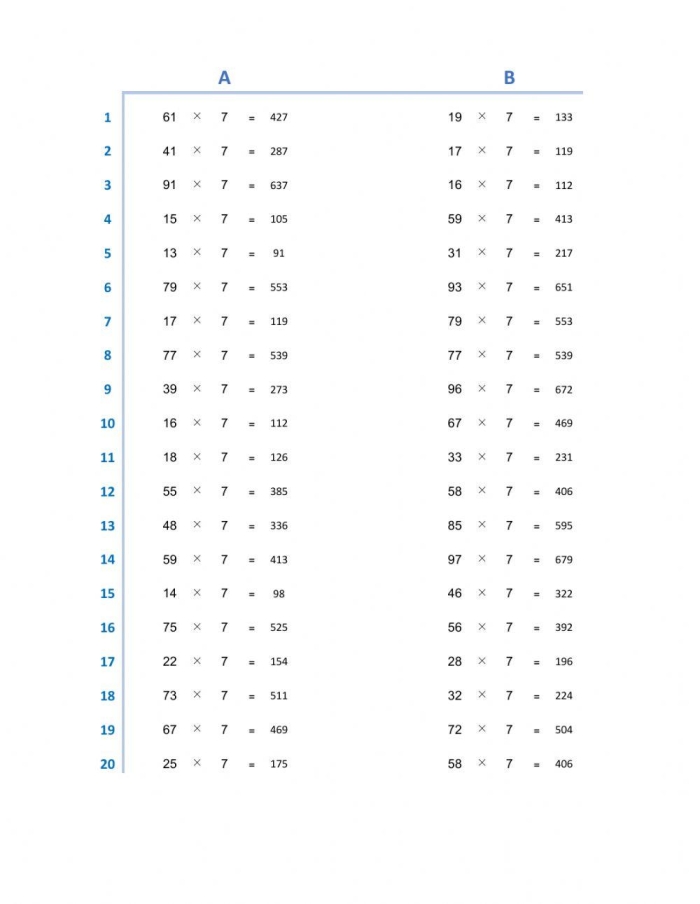
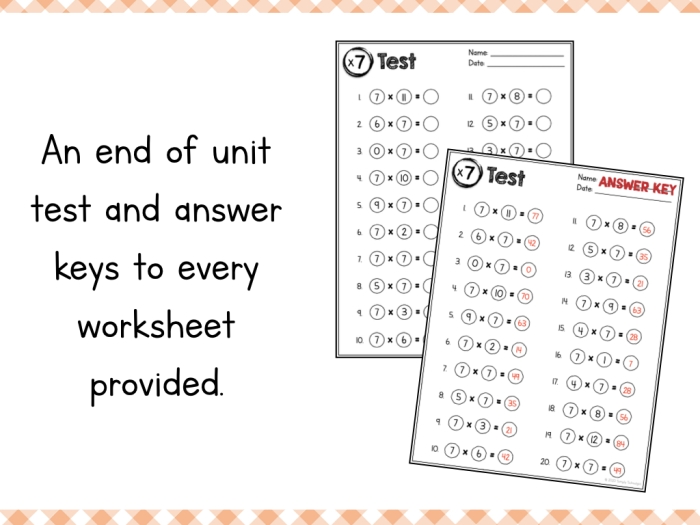
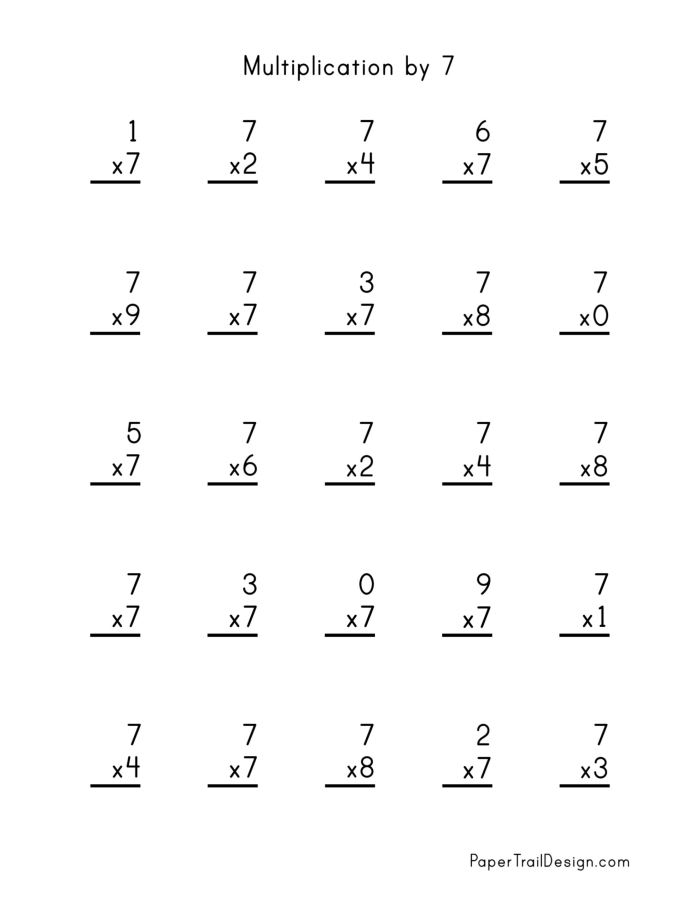
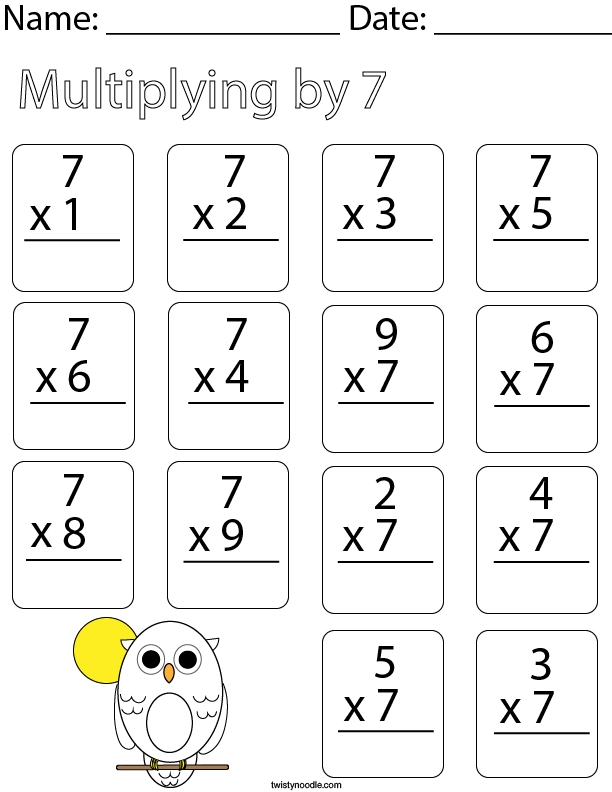
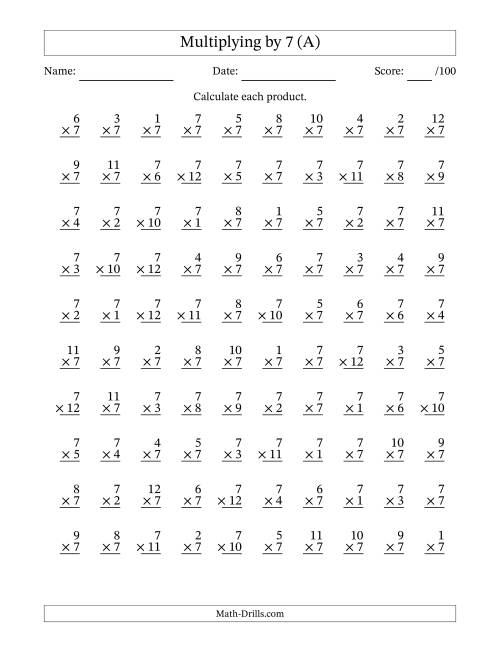
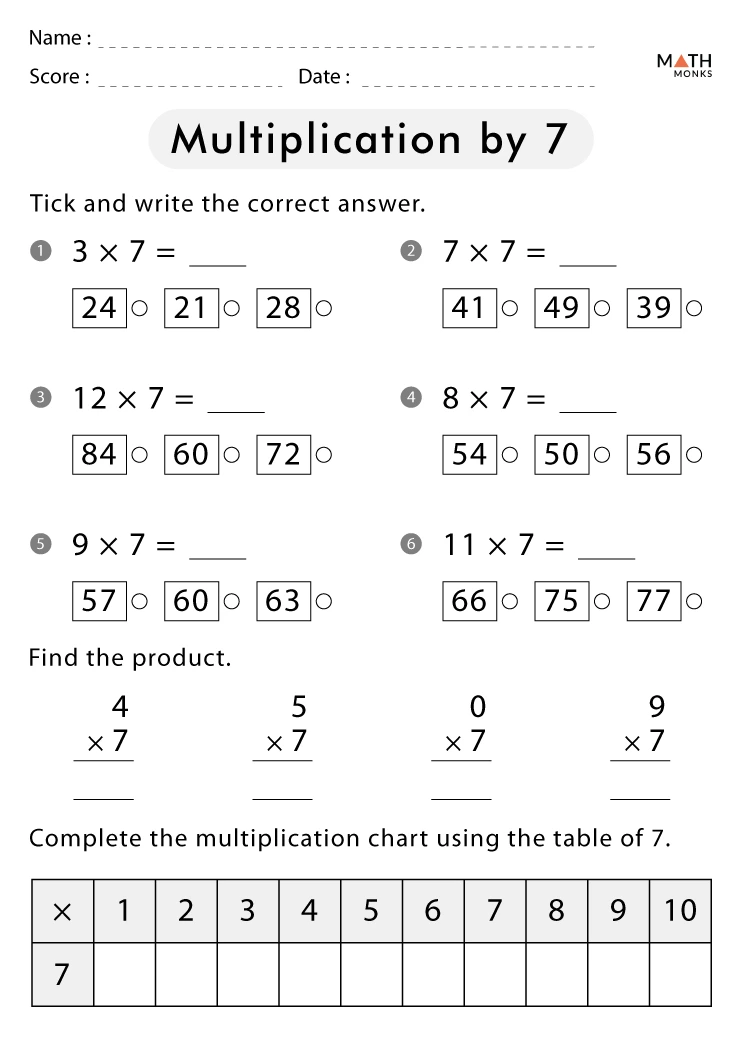
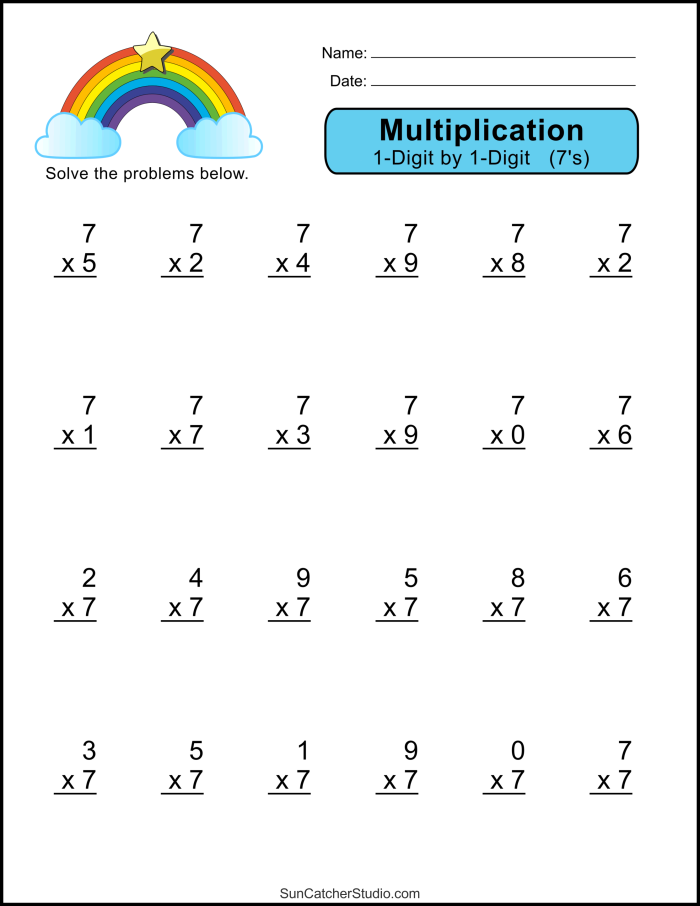
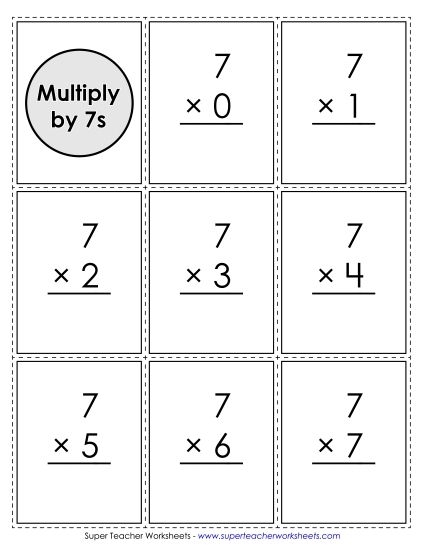
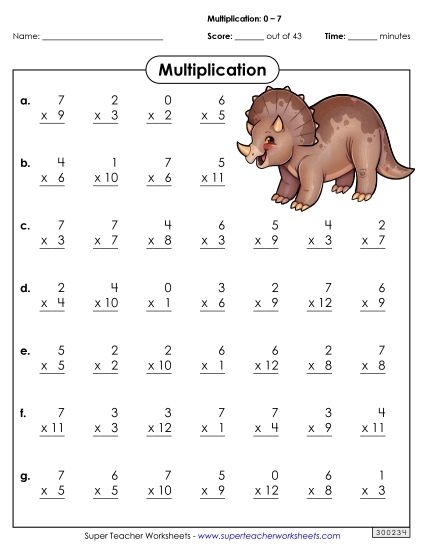
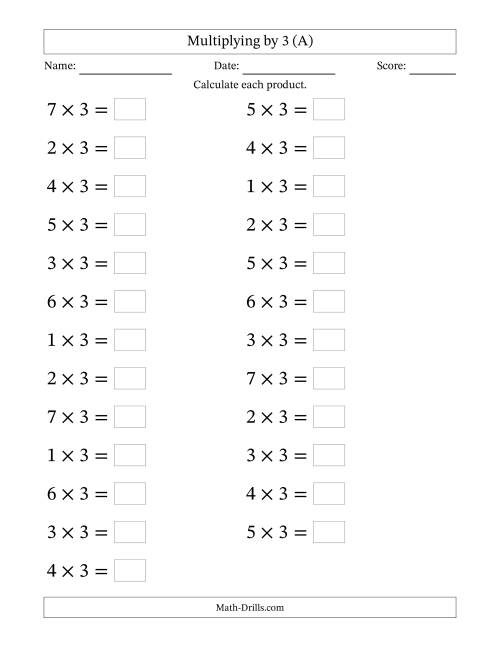
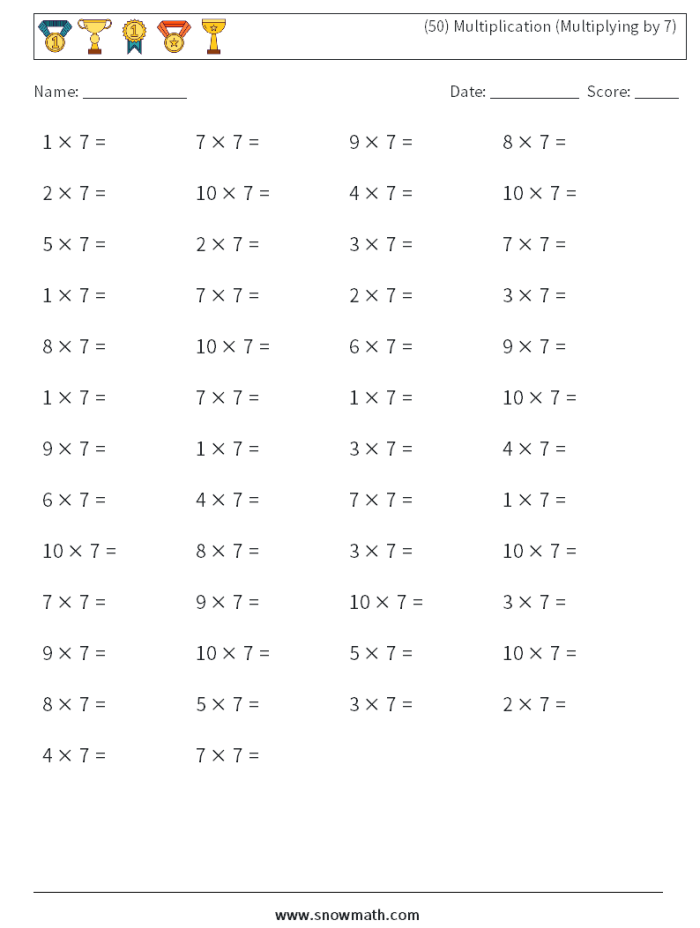
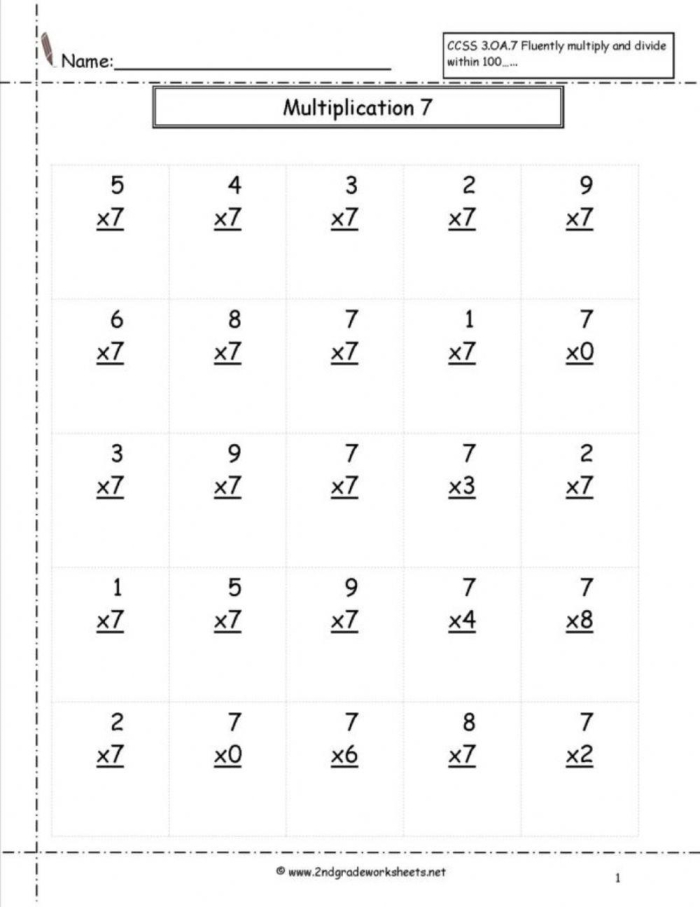
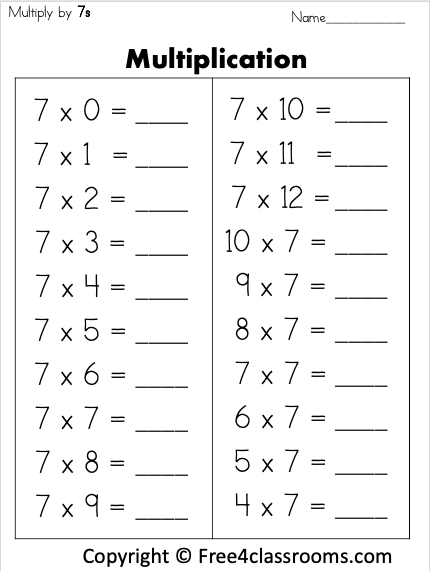
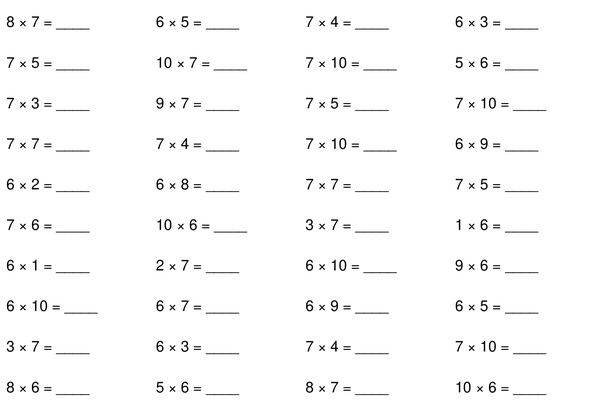
This type of worksheet typically combines two complementary activities. The first section presents individual equations where students multiply various numbers by 7: 7 times 3, 7 times 6, 7 times 8, and so on. Kids work through each one, writing their answers directly beneath or beside the problem. This straightforward approach forces them to recall or calculate the answer each time, reinforcing the pattern without relying on memorization tricks alone.
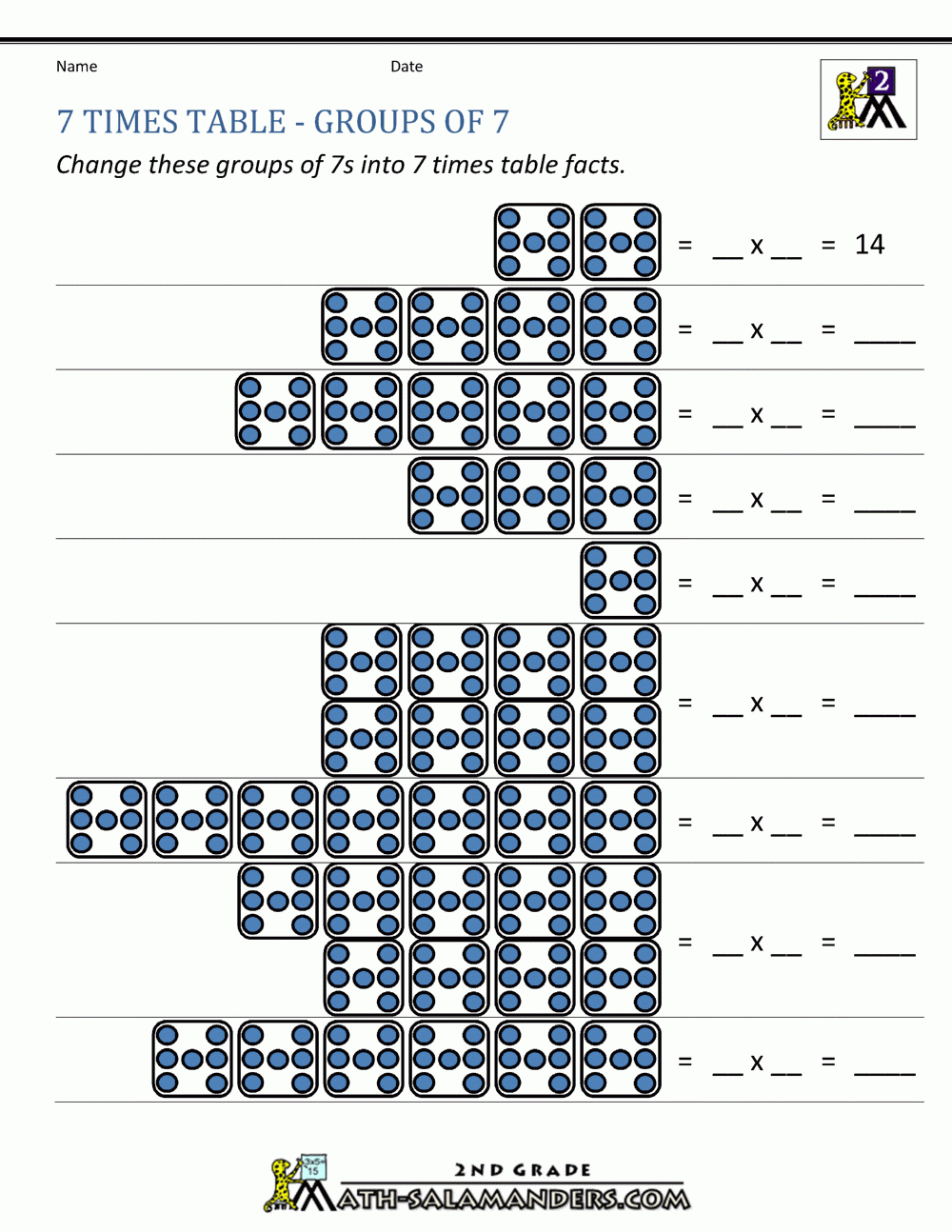
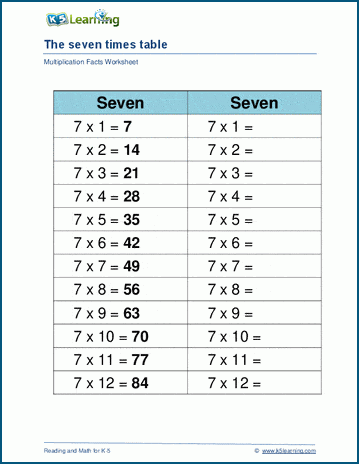
The second component involves filling in a complete multiplication chart for 7. Rather than just solving random problems, students see the entire sequence laid out: 7 times 1 equals 7, 7 times 2 equals 14, continuing through 7 times 10 or 7 times 12, depending on the worksheet’s scope. This visual layout helps kids notice patterns. They start seeing that each answer increases by 7, which builds number sense alongside fact recall.
What makes this approach effective for third grade learners is the combination of structure and discovery. The equation section builds confidence through direct practice, while the chart section reveals the underlying logic. Students who struggle with rote memorization often find success when they can see how multiplication actually works.
These worksheets pair well with other third grade math practice. Students working on practicing the commutative property with arrays can apply those same principles to multiplying by 7. The combination of multiple approaches helps different learners find their entry point into understanding multiplication facts.
Hands-On Worksheet Activities